
When babies are born with hearing loss, early diagnosis is critical. Identifying hearing loss within the first few months of life can make a lifelong difference for language development, learning, and social outcomes. All babies born in the United States receive a hearing screening at birth, but for families living in remote or underserved regions, timely follow-up after a newborn hearing screening is a challenge. During the COVID-19 pandemic, the ability to obtain the necessary follow-up care became even more difficult.
Newborn Hearing Screening in the Republic of the Marshall Islands
In the Republic of the Marshall Islands (RMI), newborn hearing screening has been in place for more than a decade. However, before 2020, babies who did not pass their initial screening depended on visiting audiologists who traveled to the islands only about twice a year to conduct diagnostic testing. This led to delays in timely follow-up care.
When the pandemic began, the RMI closed its borders to protect the population from the Coronavirus (COVID-19). The decision was highly effective—there was no community transmission for nearly two years—but it also meant that pediatric audiologists could no longer travel to the islands to provide in-person care. Without an alternative, infants risked missing the critical window for diagnosis and early intervention.
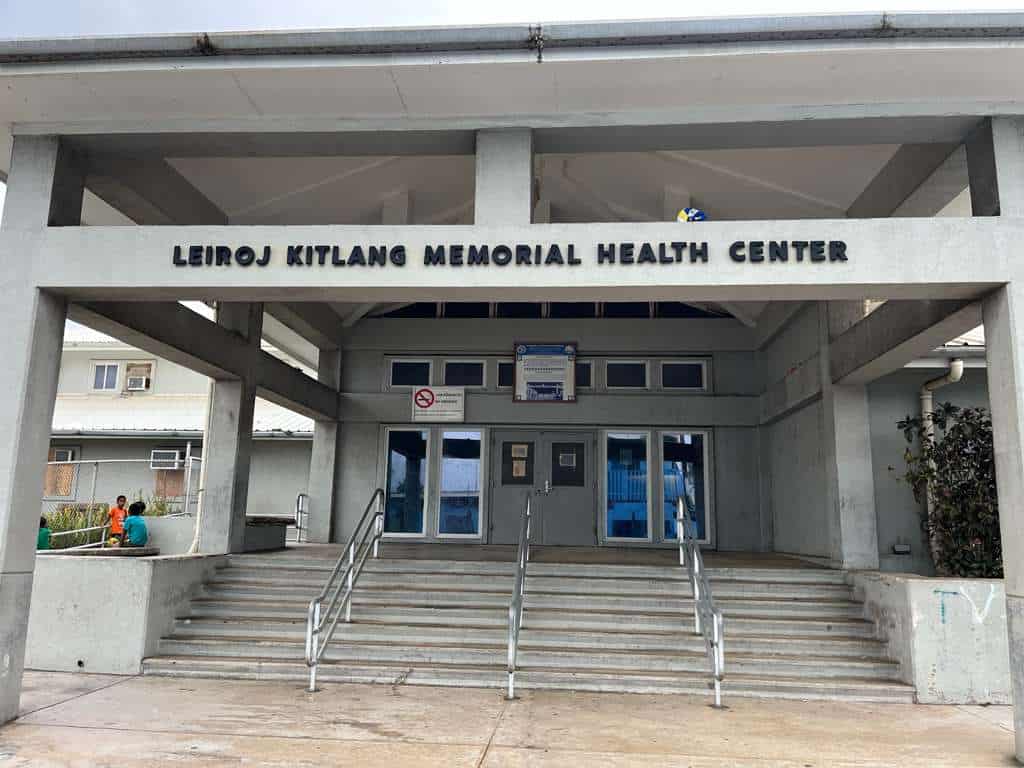
RMI’s Innovative Approach to Bringing Audiology Services to the Islands during the Pandemic
The RMI Ministry of Health and Human Services and its Early Hearing Detection and Intervention (EHDI) program partnered with off-island audiologists to implement a fully remote tele-diagnostic infant hearing service. Remarkably, this system was designed, launched, and sustained without any in-person site visits.
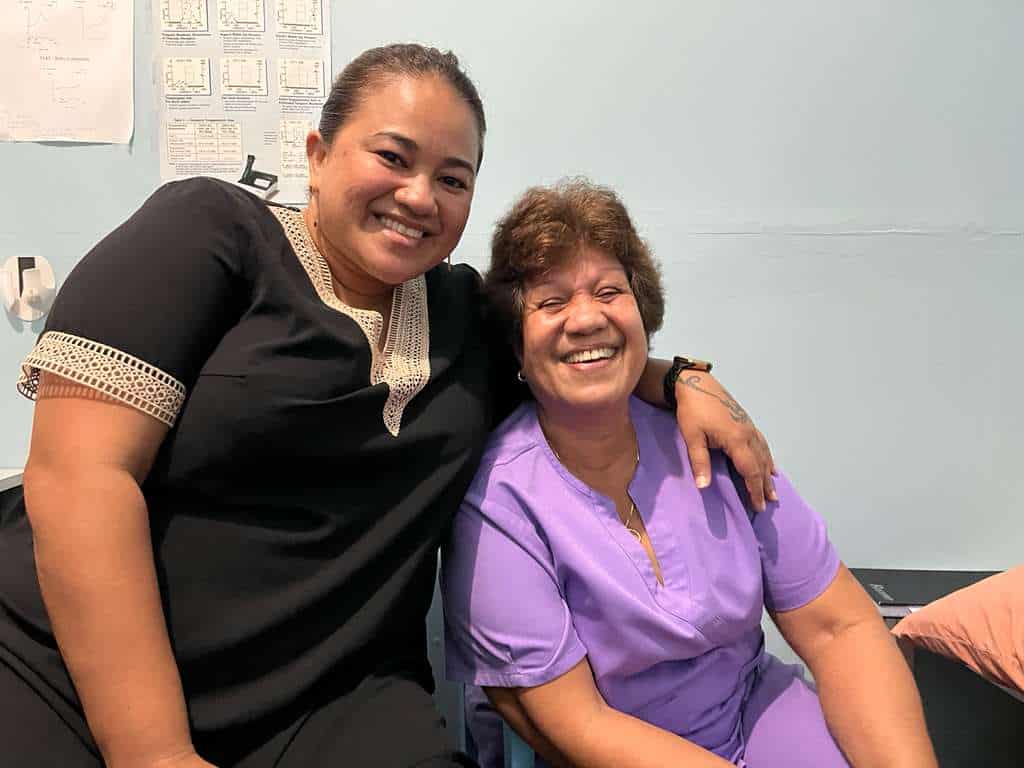
Using secure telehealth technology, a pediatric audiologist based in Hawaiʻi was able to conduct real-time diagnostic hearing tests—such as auditory brainstem response (ABR) testing—while trained nurses in the RMI acted as on-site facilitators. These facilitators prepared infants, placed sensors, supported families, and operated equipment under live guidance from the remote audiologist.
All services complied with patient privacy requirements, and the technology was carefully selected to work with the islands’ available internet infrastructure.
What Made It Work
Several key factors were critical to the successful launch of a fully remote tele-diagnostic infant hearing services in the RMI.
Strong local leadership. Buy-in from RMI health leadership and EHDI program champions made it possible to navigate procurement, staffing, and operational hurdles.
Trusted local facilitators. Nurses already working in newborn hearing screening were trained to support tele-diagnostic testing. Their familiarity with infants, families, language, and culture was essential—not just for testing accuracy, but for family trust.
Flexible, virtual training. All training was done remotely and combined clinical instruction with hands-on technical troubleshooting. This required patience, adaptability, and strong collaboration between local staff and the remote audiologist.
Early involvement of IT staff. Local IT expertise was crucial for setting up secure connections, managing permissions, and maintaining reliable connectivity during live testing sessions.
Use of existing resources. Funding that had previously supported travel for visiting audiologists was redirected to telehealth software and equipment, allowing the program to adapt quickly during the pandemic.
Real Impact for Families
Infants in Majuro began receiving tele-diagnostic hearing services in August 2021, with expansion to Ebeye in late 2022. Families expressed satisfaction with the service and were pleased that a specialist could evaluate their baby from thousands of miles away. Most importantly, babies were once again able to receive timely diagnostic care despite global travel restrictions.
Challenges and Lessons Learned
The experience also highlighted important challenges that future programs should anticipate.
Staff turnover can disrupt services in small health systems. Cross-training multiple facilitators is essential for continuity.
Time zone differences limited overlapping work hours with remote providers. Developing regional tele-audiology networks could help expand coverage.
Missed appointments remain a barrier, particularly for families traveling from outer atolls. Ongoing community education and outreach are key.
Continuity of care requires deliberate communication so diagnostic results are fully integrated into pediatric follow-up.
Looking Ahead
What began as a pandemic workaround has become a sustainable part of infant hearing care in the Republic of the Marshall Islands. Tele-diagnostic testing is now complemented by periodic in-person pediatric audiologist visits to reinforce skills, maintain equipment, and build trust with the local care team.
For island nations and rural regions facing similar challenges, tele-diagnostic models offer a practical way to expand access to timely specialty care in early childhood.
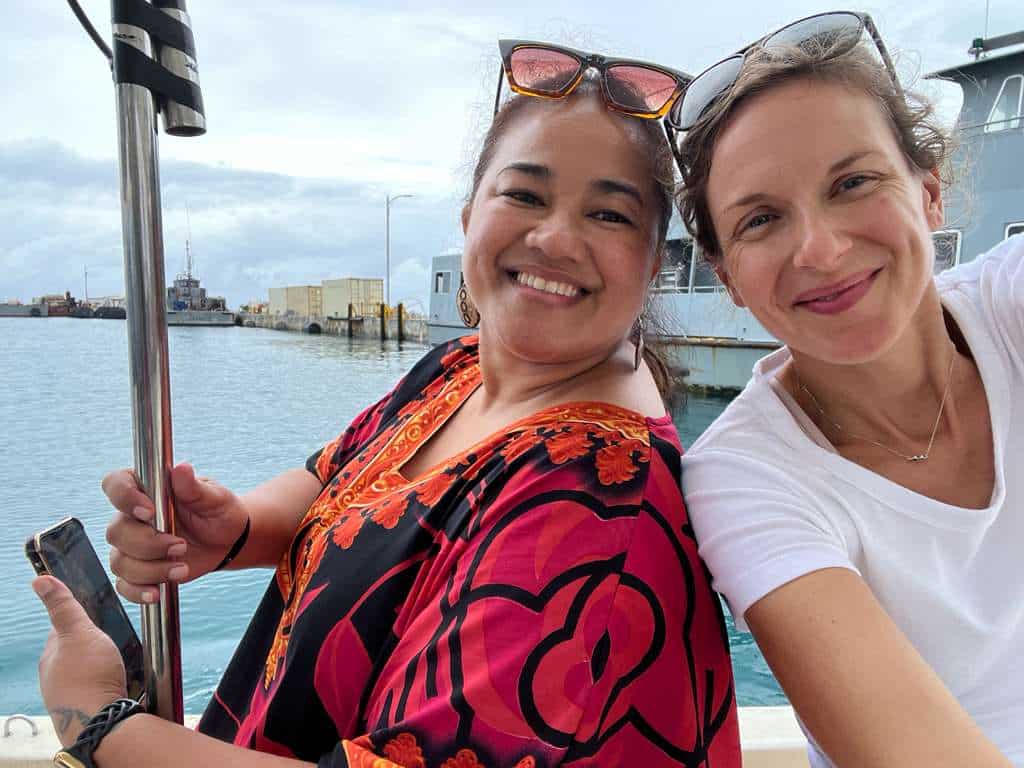
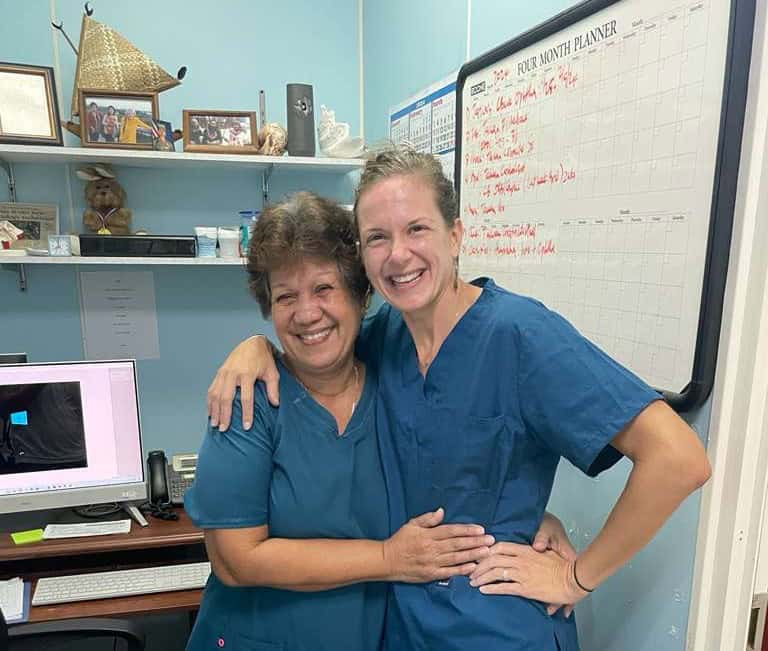
Pediatric audiologist Samantha Kleindienst Robler during her post-Covid in-person visit to RMI.