• Skip to main content
  • Skip to main content
Choose which site to search.
University of Arkansas for Medical Sciences Logo University of Arkansas for Medical Sciences
College of Medicine: Department of Biochemistry and Molecular Biology
  • UAMS Health
  • Jobs
  • Giving
  • About Us
    • News
  • Faculty/Staff
    • Primary Faculty
    • Secondary Faculty
    • Adjunct Faculty
    • Professor Emeritus
    • Track Members
    • Research and Administrative Staff
  • Research Areas
    • Cancer Biology
    • Experimental Therapeutics
    • Systems Biology and Bioinformatics
      • Systems Biology News
    • Structural Biology and Enzymology
    • Nutrition and Metabolism
    • Chromatin Biology, Nucleic Acid Chemistry, and Genetics
    • Neurobiology and Neurobiochemistry
  • Students
    • Graduate Program
    • Elective Courses
    • Student Highlight
    • Alumni
      • Graduates
      • Where Are They Now?
    • Grant Opportunities
    • Career Information
    • Resources for Current Students
    • Resilience
    • About the Area
  • Seminars
    • Faculty Seminars
    • Student Seminars
    • Webinars and Conferences
  • Undergraduate Programs
    • Summer Research
      • Program Details
      • Application Materials
      • Research Opportunities
      • Information for Participants
      • Prior Participants
      • SURF Related Publications
      • Contact Information
      • Frequently Asked Questions
    • Arkansas Undergraduate Summer Research Symposium
      • Details
      • Registration
      • Directions and Parking
      • Top Presentations
      • Contact
  • Research Resources
  1. University of Arkansas for Medical Sciences
  2. College of Medicine
  3. Department of Biochemistry and Molecular Biology
  4. Department News
  5. Page 16

Department News

Three Minute Thesis Finalists

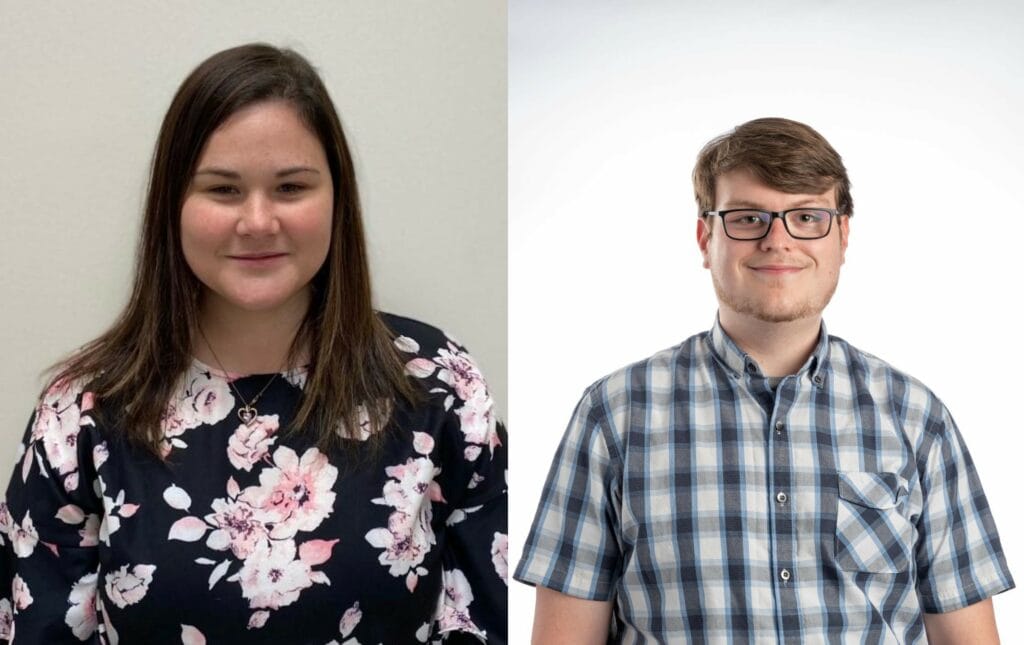
BCMB students Jessica Kelliher and Matthew Thompson

The UAMS Graduate school held their annual Three Minute Thesis competition on February 22. Three Minute Thesis or 3MT® is a competition developed by the University of Queensland to celebrate research and develop research communication skills. Students have three minutes to explain their research to a non-specialist audience with one static slide. Finalists for the Graduate School included BCMB students Jessica Kelliher and Matthew Thompson. Jessica’s mentor is Justin Leung, and Matthew’s mentor is Alicia Byrd. Lance Benson, also a GPIBS student won the People’s Choice Award. Congratulations to all!

Filed Under: Department News

February 2022 Publications

Sayem Miah, Ph.D.

Targeting TGF-β: triumphs and challenges.
Acharya B, Miah S, Frett B.
Future Med Chem. 2022


Kimberly Stephens

CCAAT enhancer binding protein gamma (C/EBP-γ): An understudied transcription factor.
Renfro Z, White BE, Stephens KE.
Adv Biol Regul. 2022

Filed Under: Department News

Collaboration with U. of Arkansas

Narasimhan Rajaram
Narasimhan Rajaram, U of A.

by Matt McGowan

Researchers at the U of A have demonstrated the first use of a noninvasive optical technique to determine complex biochemical changes in cancers treated with immunotherapy.

“We show that optical spectroscopy provides sensitive detection of early changes in the biomolecular composition of tumors,” said Narasimhan Rajaram, associate professor of biomedical engineering. “This is important because these changes predict response to immunotherapy with immune checkpoint inhibitors. Thus, our work is the first step in determining whether Raman spectroscopy can identify treatment responders and non-responders early during the course of therapy.”

Immune checkpoints act as brakes on the immune system to ensure that the body’s immune response is proportional to the threat level detected. Immune checkpoint inhibitors effectively remove these brakes and unleash the body’s immune system against cancer cells.

The study, published in Cancer Research, a journal of the American Association for Cancer Research, describes the use of Raman spectroscopy to determine the molecular composition of colon cancer tumors in mice treated with two types of immunotherapy drugs currently used in the clinical treatment of patients.

Raman spectroscopy uses optical fibers to direct near-infrared laser light to biological tissue. The Raman signal scattered from the tissue is especially sensitive to the molecular composition of the tissue.

For this study, the researchers used machine-learning approaches to train hundreds of Raman datasets acquired from colon cancer tumors treated with different immunotherapy drugs. They then tested the data from each tumor against the overall dataset to determine the difference between tumors that had received various types of immunotherapy and tumors that did not receive any therapy.

The Raman technique demonstrated sensitive detection of early changes in the biomolecular composition of tumors and differentiated tumor response to different treatments. Changes picked up by the non-invasive Raman probe were consistent with changes described by detailed tissue analysis, the researchers found.

Unlike other forms of cancer treatment, immunotherapy does not result in an immediate and predictable reduction in tumor size, and there are currently no accurate methods to determine treatment response in patients. Only a small group of patients benefit from immunotherapy, and there are severe side effects associated with specific combinations of immunotherapy.

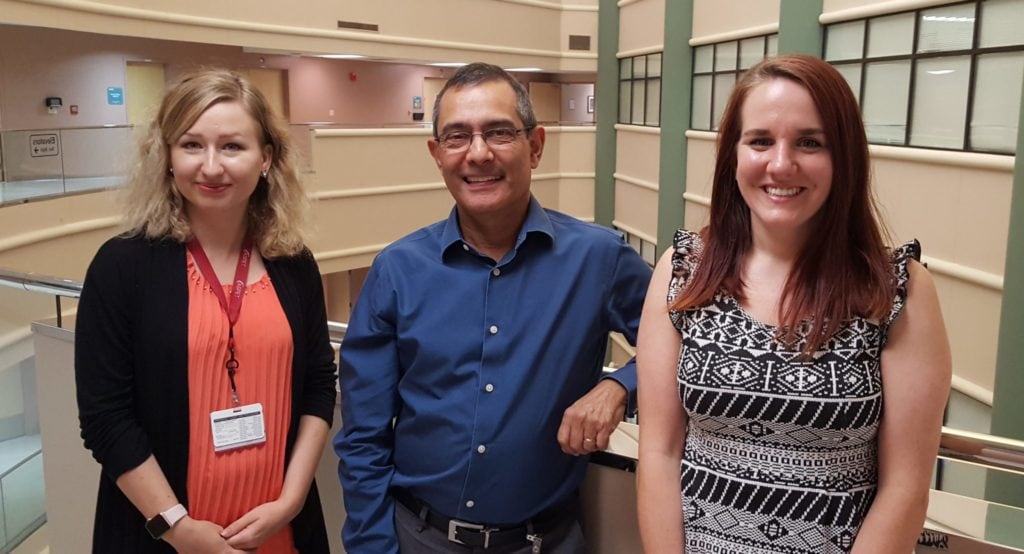
Rajaram partnered with Ishan Barman, associate professor of mechanical engineering at Johns Hopkins University, and Alan J. Tackett, deputy director of the Winthrop P. Rockefeller Cancer Institute and professor of biochemistry at the University of Arkansas for Medical Sciences. Joel Rodriguez Troncoso, graduate student in biomedical engineering at the U of A, and Santosh Kumar Paidi at Johns Hopkins University were lead authors on the paper.

Alan J. Tackett, Ph.D.
Alan Tackett, UAMS
Nathan Avaritt
Nathan Avaritt, UAMS
Stephanie Byrum, Ph.D.
Stephanie Byrum, UAMS

In addition to Rodriguez Troncoso and Kumar Paidi, co-authors of the paper were Paola Monterroso Diaz, Jesse D. Ivers and David E. Lee at the U of A; Piyush Raj from Johns Hopkins University; and Nathan L. Avaritt, Allen J. Gies, Charles M. Quick and Stephanie D. Byrum from the University of Arkansas for Medical Sciences.

This research was supported by the Society of Laboratory Automation and Screening Graduate Education Fellowship Grant, the Arkansas IDeA Networks of Biomedical Research Excellence, the Winthrop P. Rockefeller Cancer Institute and grants from the National Cancer Institute, the National Institute of Biomedical Imaging and Bioengineering and the National Institute of General Medical Sciences.

Filed Under: Department News

Clai Morehead wins Medical Student Research Award

Clai Morehead

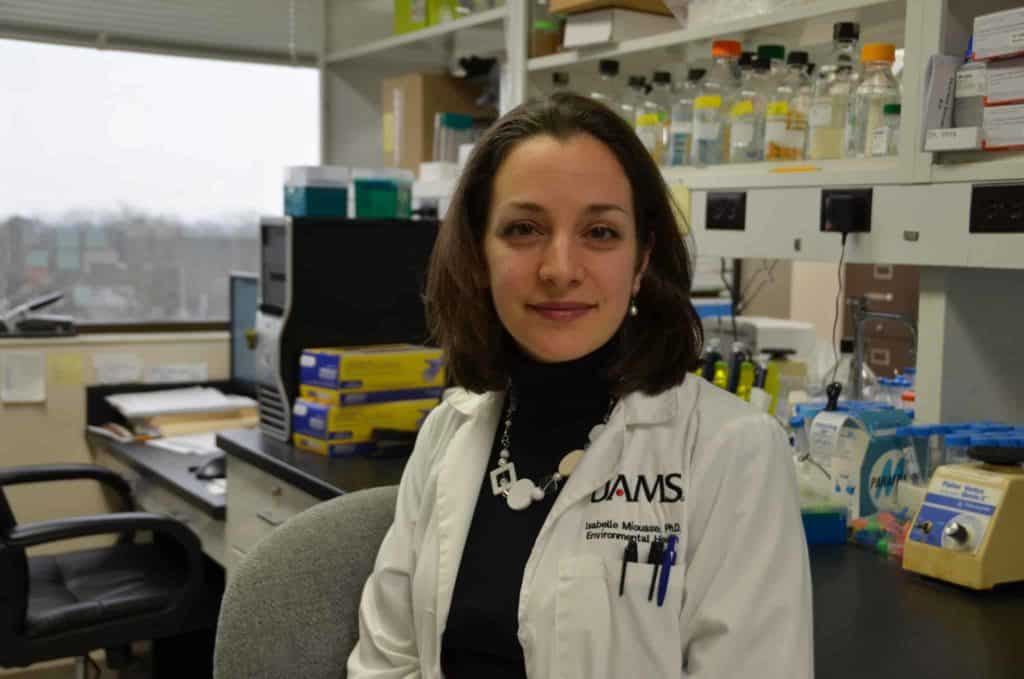
A shout-out to MD/PhD student Lauren “Clai” Morehead, who just received a 2022 Medical Student Research Award from the Melanoma Research Foundation. The grant is the latest honor for Clai, who has presented nationally and garnered acclaim for her research into potential treatments for melanoma with mentors Dr. Alan Tackett and Dr. Isabelle Racine Miousse in the Department of Biochemistry and Molecular Biology and the Winthrop P. Rockefeller Cancer Institute. Well done!

The Melanoma Research Foundation (MRF) has been awarding Medical Student Research Grants since 2011 and since that time, 80 grants have been awarded to students at 46 different institutions. The purpose of this one-year, $3,000 grant is to promote research opportunities to medical students early in their careers by funding clinical or laboratory-based research projects focused on better understanding the prevention, biology and treatment of melanoma, including cutaneous, ocular, mucosal, pediatric, etc.

Filed Under: Department News

January 2022 publications

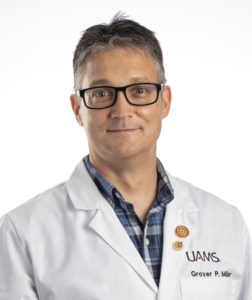
Members of the Miller lab

Discovery of Novel Reductive Elimination Pathway for 10-Hydroxywarfarin.
Pouncey DL, Barnette DA, Sinnott RW, Phillips SJ, Flynn NR, Hendrickson HP, Swamidass SJ, Miller GP.
Front Pharmacol. 2022


Members of the Kendrick Lab

The anti-COVID-19 Drug Remdesivir Promotes Oncogenic Herpesviruses Reactivation through Regulation of Intracellular Signaling Pathways.
Chen J, Dai L, Kendrick S, Post SR, Qin Z.
Antimicrob Agents Chemother. 2022


Dr. Michael Birrer

Multiomic analysis identifies CPT1A as a potential therapeutic target in platinum-refractory, high-grade serous ovarian cancer.
Huang D, Chowdhury S, Wang H, Savage SR, Ivey RG, Kennedy JJ, Whiteaker JR, Lin C, Hou X, Oberg AL, Larson MC, Eskandari N, Delisi DA, Gentile S, Huntoon CJ, Voytovich UJ, Shire ZJ, Yu Q, Gygi SP, Hoofnagle AN, Herbert ZT, Lorentzen TD, Calinawan A, Karnitz LM, Weroha SJ, Kaufmann SH, Zhang B, Wang P, Birrer MJ, Paulovich AG.
Cell Rep Med. 2021

Filed Under: Department News

Kevin D. Raney, Ph.D., Named Fellow of American Association for the Advancement of Science

Kevin Raney in his lab
Kevin Raney, Ph.D., in his lab at UAMS. Image by Evan Lewis
(Image credit: Evan Lewis)

By David Robinson

Jan. 26, 2022  — Kevin D. Raney, Ph.D., a research leader at the University of Arkansas for Medical Sciences (UAMS), has been elected a Fellow of the American Association for the Advancement of Science (AAAS), the world’s largest general scientific society and publisher of the Science family of journals.

Raney is professor and chair of the Department of Biochemistry and Molecular Biology in the UAMS College of Medicine. He joins the 2021 class of 564 scientists, engineers and innovators from around the world spanning 24 disciplines for their scientifically and socially distinguished achievements.

“We were delighted in the College of Medicine that Dr. Raney has been recognized for his distinguished achievements to advance science,” said Susan S. Smyth, M.D., Ph.D., UAMS executive vice chancellor and dean of the college. “Dr. Raney is an outstanding leader and scientist.”

Election as an AAAS Fellow is an honor bestowed upon AAAS members by their peers. Raney is being recognized in the chemistry category for his important contributions to the field of molecular motor proteins on nucleic acids and the function of G-quadruplex nucleic acids during response to cellular stress.

The new Fellows will be featured in the AAAS News & Notes section of this month’s Science journal, and will be celebrated later this year during an in-person gathering when it is feasible from a public health and safety perspective.

AAAS is the world’s largest general scientific society and publisher of the journal Science, as well as Science Translational Medicine; Science Signaling; a digital, open-access journal, Science Advances; Science Immunology; and Science Robotics. AAAS was founded in 1848 and includes more than 250 affiliated societies and academies of science, serving 10 million individuals. The nonprofit AAAS is open to all and fulfills its mission to “advance science and serve society” through initiatives in science policy, international programs, science education, public engagement, and more. For additional information about AAAS, visit www.aaas.org.

Filed Under: Department News

Brian Koss Receives Early Independence Award

UAMS College of Medicine Spotlight on Excellence – Cancer Research with Dr. Brian Koss

Filed Under: Department News

Kirk West, Ph.D., Receives American Cancer Society Postdoctoral Fellowship

Kirk West

By Marty Trieschmann

Jan. 6, 2022 | Kirk West, Ph.D., a Winthrop P. Rockefeller Cancer Institute researcher, is the first UAMS scientist to be awarded the prestigious American Cancer Society (ACS) Postdoctoral Fellowship.

Only 18% of ACS fellowships are funded from a nationwide pool of applicants. The three-year fellowship will help fund West’s research on the role of LC8-TLK1/2 axis in the DNA repair pathway in the ACS-funded laboratory of his mentor, Justin Leung, Ph.D., an assistant professor in the College of Medicine’s Department of Radiation Oncology.

West is a graduate of Arkansas Tech University and completed his Ph.D. at UAMS in the Department of Biochemistry and Molecular Biology in 2018 under the mentorship of Alan Tackett, Ph.D. West is a native of Lamar, Arkansas.

“This prestigious award speaks volumes to the potential of Dr. West in cancer research and the cutting-edge research environment in Dr. Leung’s laboratory and the Winthrop P. Rockefeller Cancer Institute,” said Tackett, the Cancer Institute’s deputy director and director of the IDeA National Resource for Quantitative Proteomics at UAMS.

Filed Under: Department News

December 2021 Publications

Megan Reed

A Functional Precision Medicine Pipeline Combines Comparative Transcriptomics and Tumor Organoid Modeling to Identify Bespoke Treatment Strategies for Glioblastoma.
Reed MR, Lyle AG, De Loose A, Maddukuri L, Learned K, Beale HC, Kephart ET, Cheney A, van den Bout A, Lee MP, Hundley KN, Smith AM, DesRochers TM, Vibat CRT, Gokden M, Salama S, Wardell CP, Eoff RL, Vaske OM, Rodriguez A.
Cells. 2021


Wahls lab

Molecular mechanisms for environmentally induced and evolutionarily rapid redistribution (plasticity) of meiotic recombination.
Protacio RU, Mukiza TO, Davidson MK, Wahls WP.
Genetics. 2021


Members of the Raney lab

RNA helicases required for viral propagation in humans.
Marecki JC, Belachew B, Gao J, Raney KD.
Enzymes. 2021


Robert Eoff, Ph.D.

Site-Specific Synthesis of Oligonucleotides Containing 6-Oxo-M1dG, the Genomic Metabolite of M1dG, and Liquid Chromatography-Tandem Mass Spectrometry Analysis of Its In Vitro Bypass by Human Polymerase ι.
Christov PP, Richie-Jannetta R, Kingsley PJ, Vemulapalli A, Kim K, Sulikowski GA, Rizzo CJ, Ketkar A, Eoff RL, Rouzer CA, Marnett LJ.
Chem Res Toxicol. 2021


Dr. Michael Birrer

Impact of homologous recombination status and responses with veliparib combined with first-line chemotherapy in ovarian cancer in the Phase 3 VELIA/GOG-3005 study.
Swisher EM, Aghajanian C, O’Malley DM, Fleming GF, Kaufmann SH, Levine DA, Birrer MJ, Moore KN, Spirtos NM, Shahin MS, Reid TJ, Friedlander M, Steffensen KD, Okamoto A, Sehgal V, Ansell PJ, Dinh MH, Bookman MA, Coleman RL.
Gynecol Oncol. 202

Filed Under: Department News

November 2021 Publications

Members of the Miller lab

CYP2C9 and 3A4 play opposing roles in bioactivation and detoxification of diphenylamine NSAIDs.
Schleiff MA, Crosby S, Blue M, Schleiff BM, Boysen G, Miller GP.
Biochem Pharmacol. 2021


Members of the Byrd lab

A structural feature of Dda helicase which enhances displacement of streptavidin and trp repressor from DNA.
Byrd AK, Malone EG, Hazeslip L, Zafar MK, Harrison DK, Thompson MD, Gao J, Perumal SK, Marecki JC, Raney KD.
Protein Sci. 2021


Members of the Kendrick Lab

Clinical implications of loss of bone marrow minimal residual disease negativity in multiple myeloma.
Mohan M, Kendrick S, Szabo A, Yarlagadda NK, Atwal D, Pandey Y, Roy AM, Parikh R, Lopez J, Thanendrarajan S, Schinke C, Alapat D, Sawyer JR, Tian E, Tricot G, van Rhee F, Zangari M.
Blood Adv. 2021


Dr. Michael Birrer

Utilization of a 3-D tissue engineered model to investigate the effects of perfusion on gynecologic cancer biology.
Martinez A, Buckley MS, Scalise CB, Wang D, Katre AA, Birrer MJ, Berry JL, Arend RC.
J Tissue Eng. 2021


Risk stratification after recurrence of human papillomavirus (HPV)-related and non-HPV-related oropharyngeal cancer: A secondary analysis of NRG Oncology RTOG 0129 and 0522.
Bigelow EO, Harris J, Fakhry C, Gillison ML, Nguyen-Tân PF, Rosenthal DI, Frank SJ, Nair SG, Bahig H, Ridge JA, Caudell J, Donaldson C, Clifford BT, Shenouda G, Birrer MJ, Chen Y, Le QT.
Head Neck. 2021


Milk Formula Diet Alters Bacterial and Host Protein Profile in Comparison to Human Milk Diet in Neonatal Piglet Model.
Rosa F, Zybailov BL, Glazko GV, Rahmatallah Y, Byrum S, Mackintosh SG, Bowlin AK, Yeruva L.
Nutrients. 2021

Filed Under: Department News

  • «Previous Page
  • Page 1
  • Interim pages omitted …
  • Page 14
  • Page 15
  • Page 16
  • Page 17
  • Page 18
  • Interim pages omitted …
  • Page 34
  • Next Page»
UAMS College of Medicine LogoUAMS College of MedicineUniversity of Arkansas for Medical Sciences
Mailing Address: 4301 West Markham Street, Little Rock, AR 72205
Phone: (501) 686-7000
  • Facebook
  • X
  • Instagram
  • YouTube
  • LinkedIn
  • Pinterest
  • Disclaimer
  • Terms of Use
  • Privacy Statement
  • Legal Notices

© 2026 University of Arkansas for Medical Sciences