
A Day in the Life of a Third-year Resident
8 a.m. | Starting the Day at Centers for Youth and Families
Third year is a big transition in psychiatry residency because our focus shifts almost entirely to outpatient care. At UAMS, we rotate through three different outpatient clinics throughout the week, which gives us the opportunity to work with a variety of patient populations and practice settings.
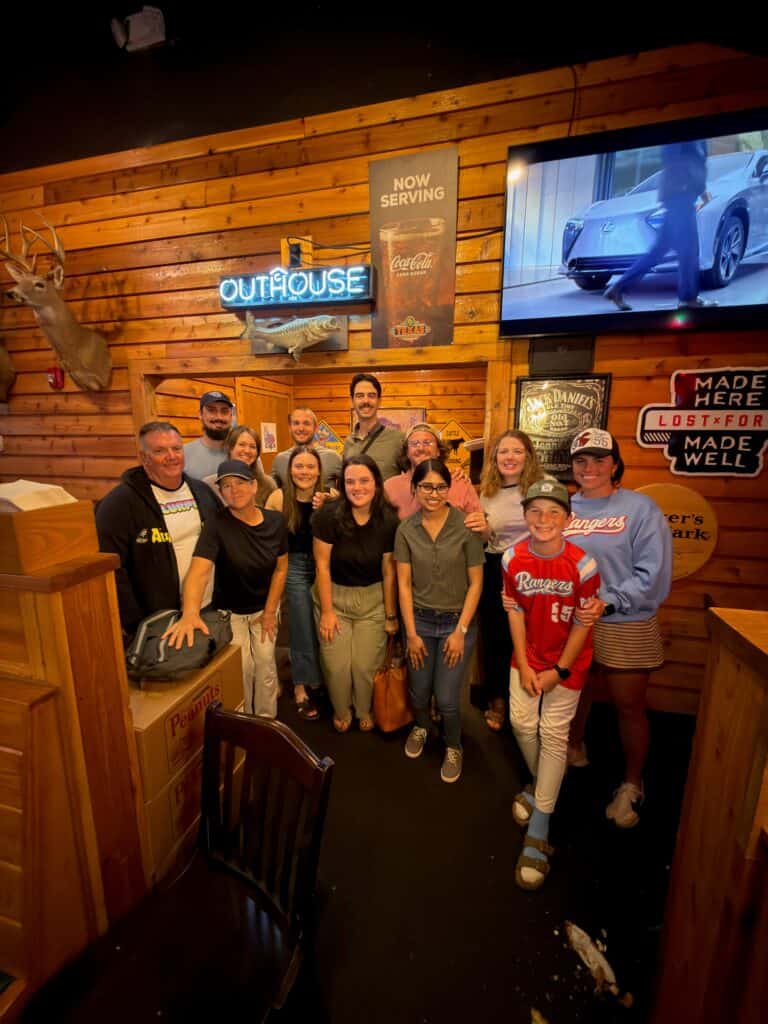
On Mondays, I start my morning at Centers for Youth and Families, a community mental health center. My mornings here are spent seeing new patients who present on a walk-in basis. Because I never know exactly who I will be meeting that day, the clinic keeps things interesting and gives me plenty of opportunities to work through new diagnoses, medication decisions, and treatment plans.
One of my favorite parts of third year has been the increased independence. Our attendings do a great job of giving us the autonomy to develop our own assessments and plans while still being readily available to discuss difficult cases or provide guidance when needed. It feels like a natural next step toward becoming an independent psychiatrist while still having the support of residency training.
Noon | Lunch and a Change of Scenery
Around noon, I wrap up my morning patients and have time to finish notes, grab lunch, and make my way to my afternoon clinic. One thing I appreciate about our outpatient year is that the schedule generally leaves enough time to eat lunch and stay caught up on documentation rather than constantly feeling like I am racing from one task to the next.
1 p.m. | Afternoon at the VA
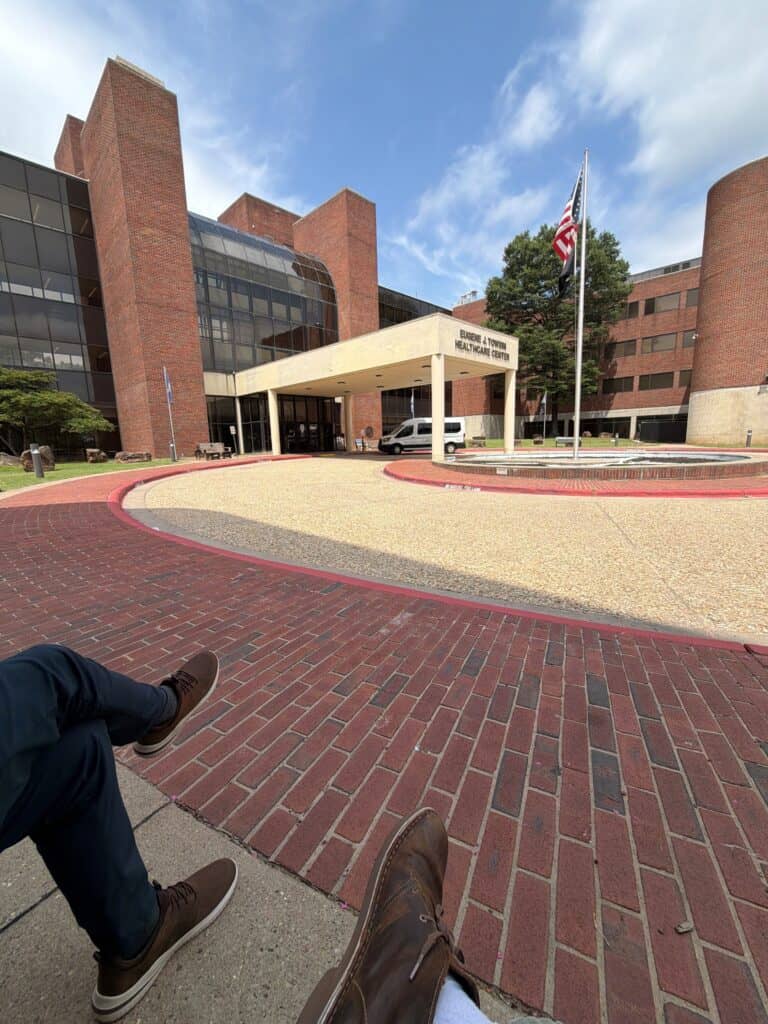
Monday afternoons are spent at the Central Arkansas Veterans Healthcare System, where my clinic is primarily made up of follow-up appointments. This provides a nice contrast to the morning. Instead of meeting patients for the first time, I get to build longer-term relationships, see how treatment plans are working, and make adjustments over time.
Continuity is one of the things I enjoy most about outpatient psychiatry. After spending the first two years of residency frequently meeting patients during acute episodes of illness, third year gives me the chance to follow patients longitudinally and see the progress that can occur over months of treatment.
Just like at our other clinics, the VA attendings strike a great balance between supervision and independence. I have room to develop my own style of practicing psychiatry, but there is always someone available when I want another perspective on a case.
4:30 p.m. | Heading Home
Most days during third year run from about 8 a.m. to 4:30 p.m., and I really appreciate the consistency of the outpatient schedule. By the end of the day, I am usually able to have my notes finished and head home without bringing much work with me.
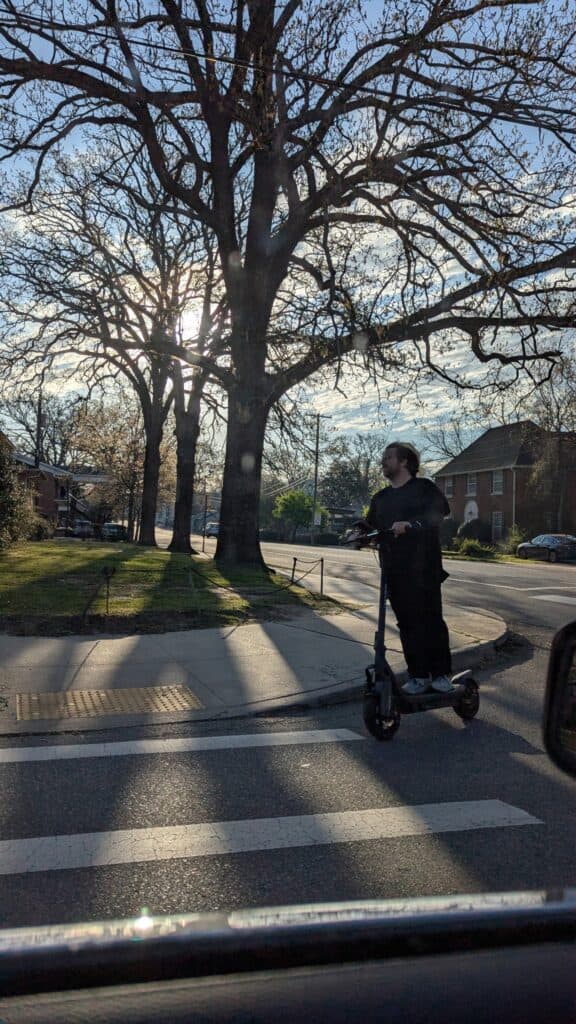
That leaves plenty of time to have a life outside of residency. Some days I take my scooter out for a ride around Little Rock, and others I meet up with residents from the program to grab dinner, hang out, or catch up after work. One of my favorite parts of residency has been the friendships I have developed with my co-residents, and third year gives us plenty of opportunities to actually enjoy those friendships outside of the hospital.
Life as a Third-Year Resident
Third year has been one of my favorite parts of residency so far. The outpatient year offers much more autonomy, the chance to develop long-term relationships with patients, and exposure to several different styles of psychiatric practice. At the same time, the schedule provides plenty of room for lunch, finishing notes, spending time with friends, and enjoying life outside of medicine.
I have especially appreciated how our faculty approach supervision. Across our clinics, I feel trusted to make clinical decisions and develop into the psychiatrist I want to become, while knowing that experienced attendings are always there when I need them. That combination of autonomy, supervision, variety, and balance has made third year an exciting step toward independent practice.