Editorial: Advancements in computational studies of drug toxicity.
Flynn NR, Miller GP, Swamidass SJ.
Front Pharmacol.

Editorial: Advancements in computational studies of drug toxicity.
Flynn NR, Miller GP, Swamidass SJ.
Front Pharmacol.

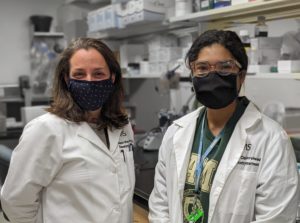
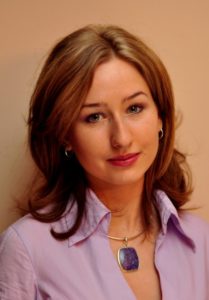
Katie is a fifth year student in the Biochemistry and Molecular Biology Ph.D program.
She attended Liberty University where she completed a Bachelor of Science degree in biology with a minor in chemistry
My research focus is on the conserved RNA-binding protein Musashi, the proteins it associates with, and the effect those associations have on regulating translation. Musashi is a biomarker for stem cells, regulating asymmetrical differentiation and maintaining a stem cell population. Originally studied as a translational repressor, the MacNicol lab has found that Musashi is required for the translational activation of specific transcripts. However, while Musashi uses its two N-terminal RNA-recognition motifs to bind to RNA, its C-terminus is disordered and contains no enzymatic or catalytic domains. Therefore, Musashi must require protein interactions in complexes to regulate translation, the composition of which could regulate Musashi-dependent translational effects. One of those proteins is Lsm14B. We are one of the first labs to identify Lsm14B as a translational activator, and the first group to identify the Musashi:Lsm14B interaction to be necessary to translate Mos and Cyclin B5 proteins in Xenopus oocytes to re-initiation of the cell cycle as well as translating the pituitary development-specific transcription factor Prop1. I have also discovered over 200 proteins that likely associate with Musashi independent of RNA in the mouse anterior pituitary through immunoprecipitations and mass spectrometry. My research will lay the groundwork for future investigations into the regulation of Musashi-bound RNA transcripts due to Musashi-protein interactions.
Being a Ph.D. student is already a unique experience – a global pandemic in the middle of your Ph.D. truly makes it even more unique. The amount of personal growth I have experienced not only through the usual Ph.D. experience but also through these universally trying times has affected my approach to science and my research goals, highlighting the need for good science and excellent communication.
I will be expanding my research training and experience through a post-doctoral research position here at UAMS.
I would love to learn how to conduct bioinformatics analyses.
I joke that I’m preparing my retirement hobbies – I love gardening, crochet, reading, and tennis. A goal of mine is to have a library of books I’ve already read.

Oncogenic signaling-mediated regulation of chromatin during tumorigenesis.
Alam J, Huda MN, Tackett AJ, Miah S.
Cancer Metastasis Rev. 2023

Chemical inhibition of DNA-PKcs impairs the activation and cytotoxicity of CD4+ helper and CD8+ effector T cells.
Azevedo-Pouly AC, Appell LE, Burdine L, Rogers LJ, Morehead LC, Fil D, Barker M, Rainwater RR, Waldrip ZJ, Koss B, Burdine MS.
Immunol Cell Biol. 2023

By David Robinson
Six early-career researchers have been selected to receive two years of funded translational research training and support in the UAMS Translational Research Institute (TRI) KL2 Mentored Research Career Development Scholar Awards Program.
The promising junior faculty researchers were selected for the 2023-2024 program through a competitive application process. KL2 scholars receive two years of mentored translational research training, 75% salary support and up to $25,000 a year for research, tuition, travel and education.
Funding for the program comes from TRI, supported by the NIH National Center for Advancing Translational Sciences, Clinical and Translational Science Award KL2 TR003108; UAMS Winthrop P. Rockefeller Cancer Institute and Arkansas Children’s Research Institute.
The scholars, their project titles and primary mentors are:

By David Robinson
May 24, 2023 | Only two years ago, the idea of commercializing their future research discoveries was a novel concept for Julia Tobacyk, Ph.D., and Megan Reed, Ph.D. Today they can say they created a startup company as postdoctoral fellows in the Health Sciences Innovation and Entrepreneurship (HSIE) training program, which is the National Institutes of Health’s (NIH) National Research Service Award training core of the Translational Research Institute at the University of Arkansas for Medical Sciences (UAMS).
The HSIE program is unlike traditional academic postdoctoral education — the goal is to transform scientists to think like entrepreneurs and channel their research discoveries into commercial ventures to bring new health care products to patients.
Tobacyk and Reed are in their second year of the HSIE training program, and it is intensive. In addition to mentored laboratory research, HSIE postdocs take business classes in the Graduate Entrepreneurship Program in the Sam M. Walton College of Business at the University of Arkansas, Fayetteville. They attend mentoring workshops from entrepreneurs and venture capitalists, form teams to develop a business plan for a health science discovery with classmates from diverse ethnic and academic backgrounds, and compete in pitch competitions.
“At first, the fast-paced environment is a culture shock for most HSIE postdocs, but we all quickly adapt and develop our inner entrepreneurial spirit,” Tobacyk said.
Tobacyk’s research in the laboratory focuses on developing treatment strategies for opioid use disorder in pregnant women without negatively affecting their babies. Alarming statistics reveal that a baby is born physically dependent on opioids every 15 minutes in the United States. The gold standard treatment for opioid-dependent pregnant mothers is buprenorphine (BUP). Although BUP treatment may prevent pregnant mothers from relapsing, it also contributes to withdrawal in their babies, also known as neonatal opioid withdrawal syndrome (NOWS).
Tobacyk, along with her research mentor, Lisa Brents, Ph.D., assistant professor in the UAMS College of Medicine Department of Pharmacology and Toxicology, filed a provisional patent application with co-workers in September 2022 to protect their invention of a deuterated form of BUP (BUP-D2). Applying precision deuteration is thought to alter the metabolism of BUP to minimize formation of the harmful metabolite that contributes to NOWS.
In January 2023, Tobacyk and Reed formed a company called Pediatrica Therapeutics, LLC, a pharmaceutical startup company dedicated to bringing BUP-D2 through the drug development pipeline. In recent months, the startup team has won or placed in a number of business plan competitions across the U.S. and in Canada. In April, they won first place in the Arkansas Governor’s Cup Collegiate Business Plan Competition, which came with a $20,000 prize.
Their team finished second with a $10,000 prize in the graduate business plan competition at the 2023 Stu Clark New Venture Championships in Winnipeg, Canada. They also took third place ($750) for their elevator pitch at that competition. The team was a finalist ($1,500) in the Baylor New Venture Competition as well as finalists in the UA Heartland Challenge and the international Rice Business Plan Competition ($1,500).
The graduate entrepreneurship students and founding business partners of Pediatrica Therapeutics, LLC, are:
In addition to their business classes and founding their new company, Tobacyk and Reed continue to work in the laboratory, publish papers and develop their careers as translational scientists. However, the HSIE training program has empowered them to look at their research through a new, entrepreneurial lens.
With the team members concluding their final year of HSIE training in June, Reed, Tuychiev and Garcia are moving on to pursue other career goals.
“Julia and I both agree that academic research holds plenty of unexploited potential to leverage discoveries to improve health care,” Reed said. “Pediatrica Therapeutics will not be our last venture.”
Tobacyk and Brents hope to advance the company’s goals with a Small Business Innovation Research program award, which they will apply for this year as co-principal investigators.
Reed and Tobacyk are supported by the UAMS Translational Research Institute through the NIH National Center for Advancing Translational Sciences, Clinical and Translational Science Award grants UL1 TR003107 and TL1 TR003109. Brents is a graduate of the Translational Research Institute’s KL2 Mentored Research Career Development Scholar Awards Program, also supported through NCATS.
This article was based on a first-person account by Julia Tobacyk, Ph.D.

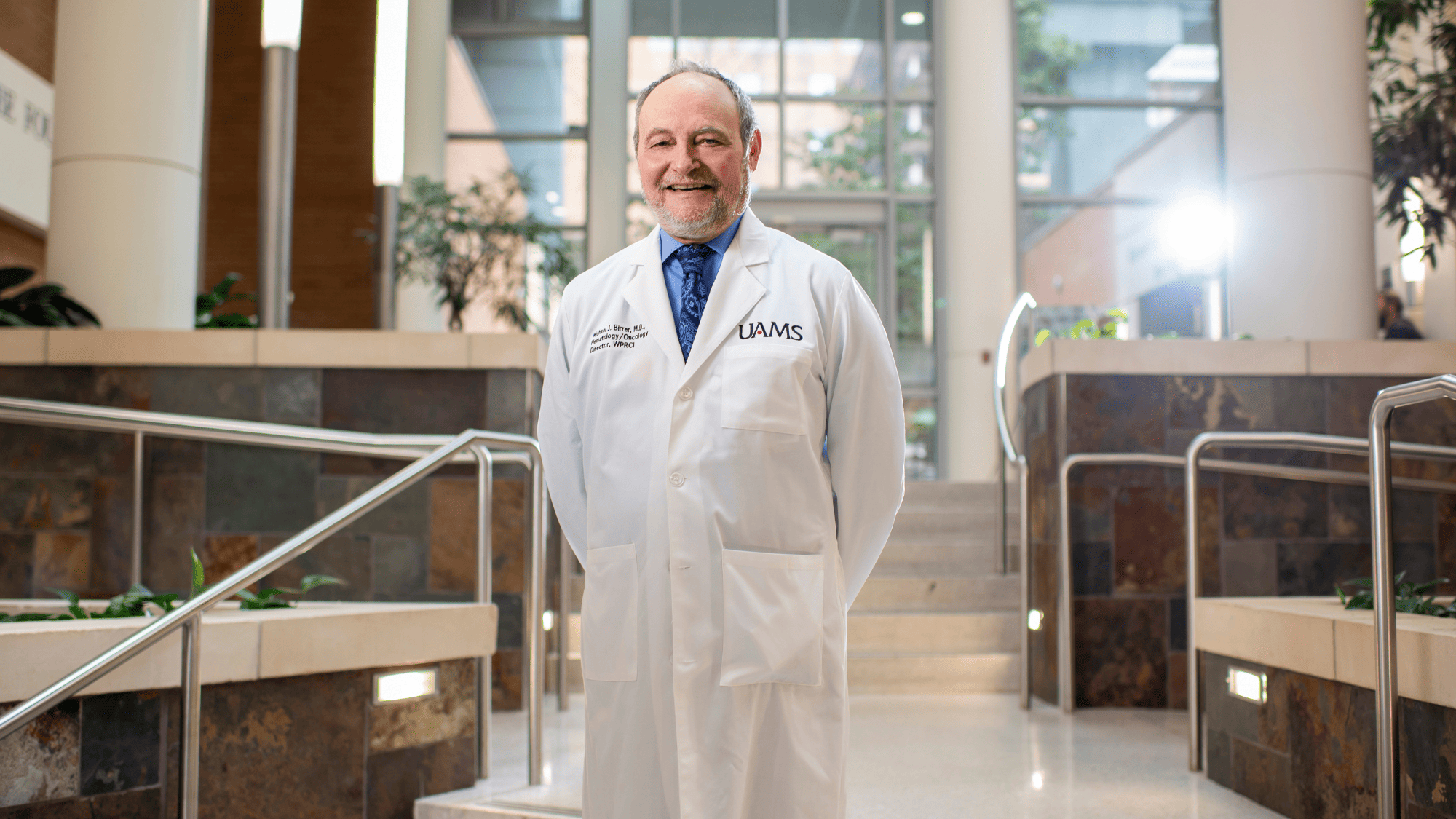
Congratulations to Wayne P. Wahls, Professor of Biochemistry and Molecular Biology. Dr. Wahls was awarded the 2023 Chancellor’s Award of Excellence for Scholarship. In presenting this award, UAMS Chancellor Cam Patterson highlighted sustained contributions to laboratory research, educational research and interdisciplinary team science. Dr. Wahls’ research on meiotic chromosome dynamics has established several new paradigms for a fundamental biological process that is used by almost all eukaryotes, including humans. His discoveries have provided important insight into genome dynamics, causes of congenital birth defects, and the evolution of species. Dr. Wahls’ research on science funding policy has revealed causes and consequences of vast disparities in allocations of NIH grant funding among institutions and states. “Credit for this award should be given to the talented students, trainees, technicians and colleagues who have contributed to my research program,” said Dr. Wahls. “Their insight has guided my thinking and their research efforts have fueled each of our new discoveries.”

Congratulations to Mr. Shreyam Tripathi on his fourth place finish at the 2023 International Science and Engineering Fair (ISEF) in Dallas, sponsored by Regeneron! Sheyam is a student at the Arkansas School for Math, Science and Arts (ASMSA) who worked on this project with Dr. Amit Ketkar, in Dr. Robert Eoff‘s lab.

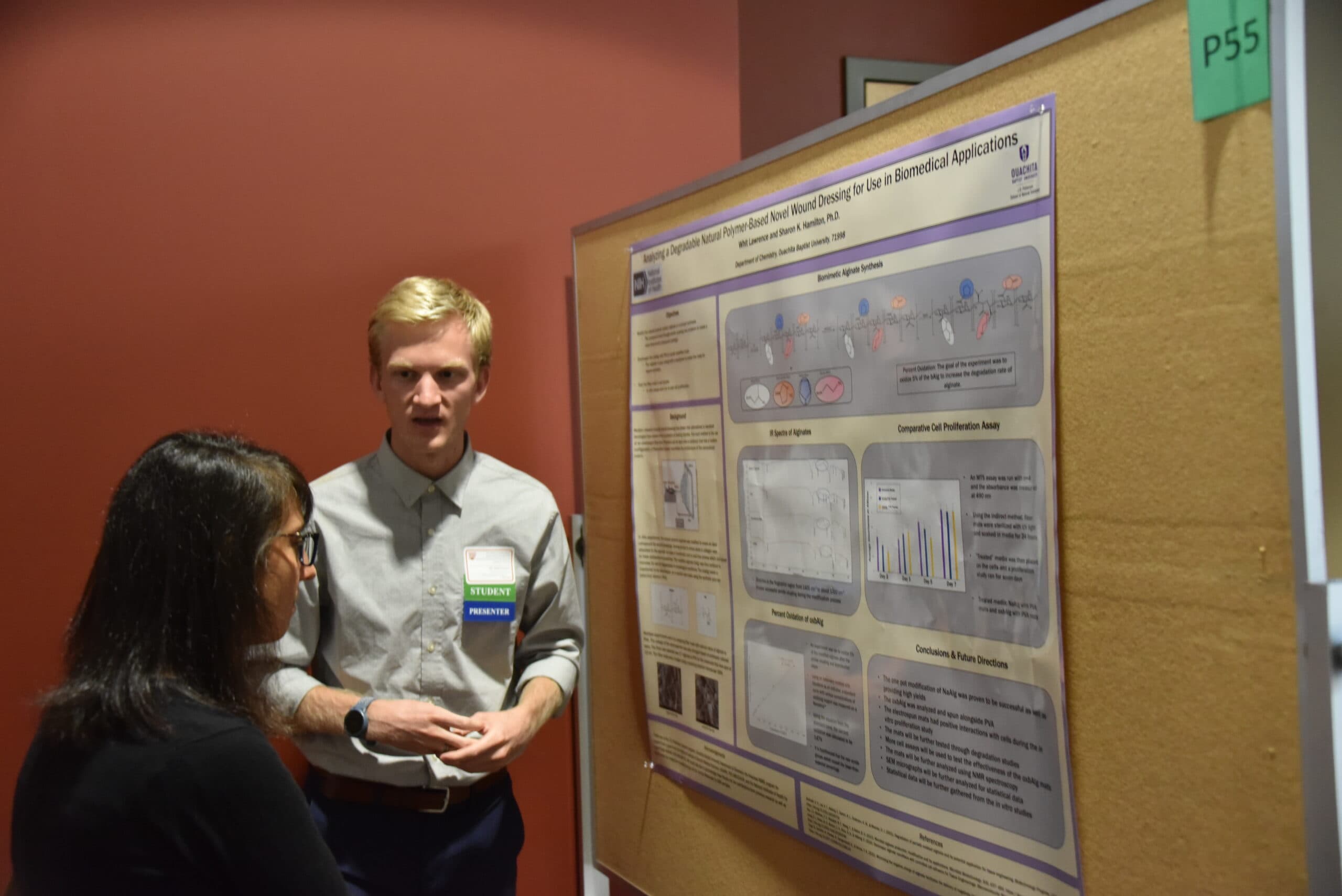
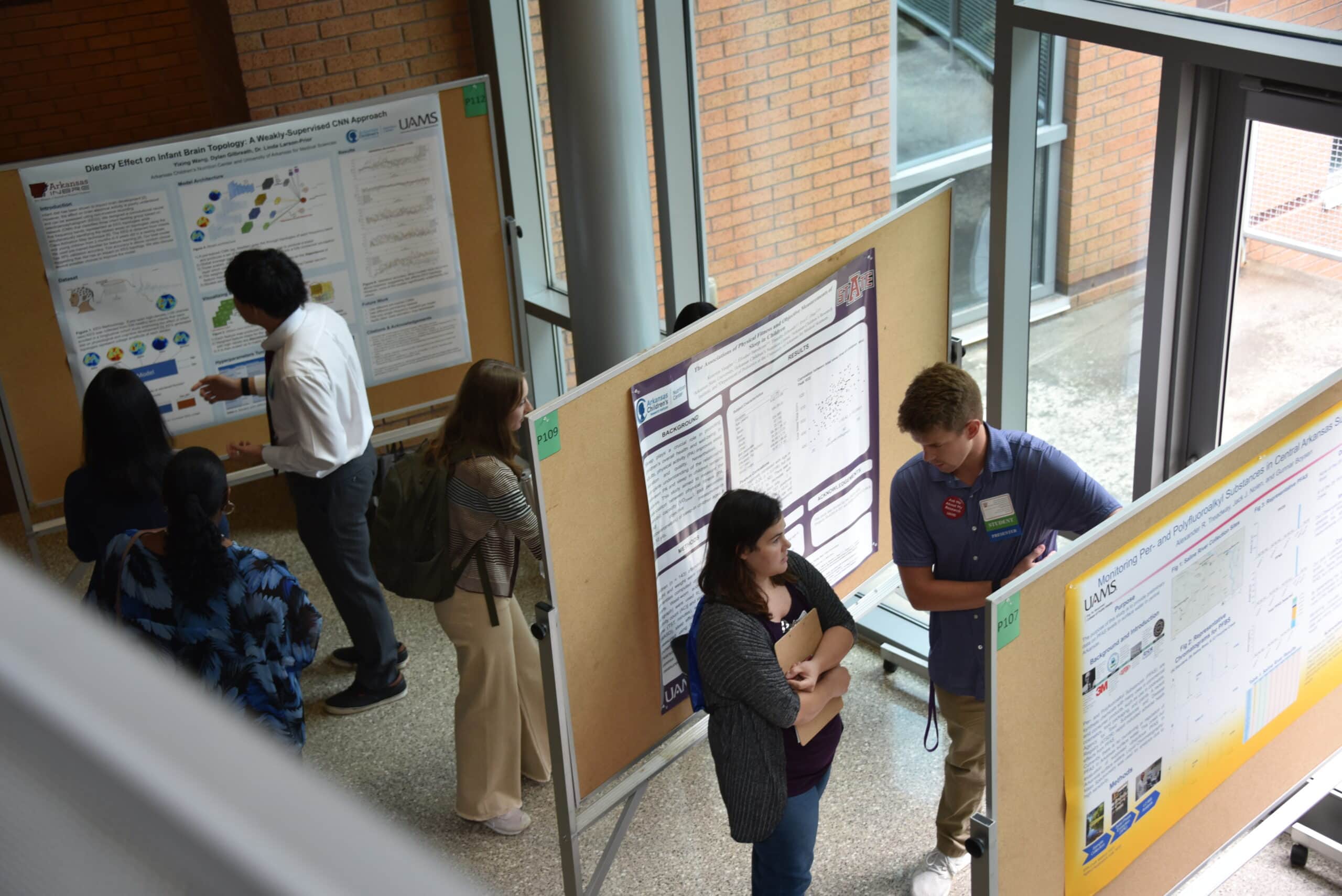
Congratulations to Jessica Kelliher who won the award for the best student poster at the Winthrop P. Rockefeller Cancer Institute retreat for her poster entitled, “Induction of an intrinsic DNA damage response during T cell exhaustion.” Jessica is a student in the lab of Brian Koss, Ph.D.

Reham Sewilam, second year student in the lab of Robert Eoff, Ph.D. presented a poster entitled “The Role of DNA Polymerase Kappa (pol κ) as a Sensor of Redox Imbalance in Glioblastoma Multiforme (GBM)”.

Matthew Thompson, a third year student in the lab of Alicia Byrd, Ph.D., presented a poster entitled “HELB Maintains Genomic Stability in Response to Replication Stress”.

Every year, students in each of the four medical classes vote for the faculty member they consider to be their best teacher of the year. Congratulations to Alan Diekman, Ph.D., for winning his 11th Golden Apple from freshmen medical students who rave about his teaching and support as Course Director for the Molecules to Cells module. He also is Course Director for the M2 Endocrine/Reproduction course.