• Skip to main content
  • Skip to main content
Choose which site to search.
University of Arkansas for Medical Sciences Logo University of Arkansas for Medical Sciences
College of Medicine: Department of Biochemistry and Molecular Biology
  • UAMS Health
  • Jobs
  • Giving
  • About Us
    • News
  • Faculty/Staff
    • Primary Faculty
    • Secondary Faculty
    • Adjunct Faculty
    • Professor Emeritus
    • Track Members
    • Research and Administrative Staff
  • Research Areas
    • Cancer Biology
    • Experimental Therapeutics
    • Systems Biology and Bioinformatics
      • Systems Biology News
    • Structural Biology and Enzymology
    • Nutrition and Metabolism
    • Chromatin Biology, Nucleic Acid Chemistry, and Genetics
    • Neurobiology and Neurobiochemistry
  • Students
    • Graduate Program
    • Elective Courses
    • Student Highlight
    • Alumni
      • Graduates
      • Where Are They Now?
    • Grant Opportunities
    • Career Information
    • Resources for Current Students
    • Resilience
    • About the Area
  • Seminars
    • Faculty Seminars
    • Student Seminars
    • Webinars and Conferences
  • Undergraduate Programs
    • Summer Research
      • Program Details
      • Application Materials
      • Research Opportunities
      • Information for Participants
      • Prior Participants
      • SURF Related Publications
      • Contact Information
      • Frequently Asked Questions
    • Arkansas Undergraduate Summer Research Symposium
      • Details
      • Registration
      • Directions and Parking
      • Top Presentations
      • Contact
  • Research Resources
  1. University of Arkansas for Medical Sciences
  2. College of Medicine
  3. Department of Biochemistry and Molecular Biology
  4. Author: akbyrd
  5. Page 9

akbyrd

August 2023 publications

Byrum lab

Cutting-Edge Technologies Driving Quantitative Mass Spectrometry.
Avaritt NL, Byrum SD.
J Vis Exp. 2023


Miller lab

Bioactivation and reactivity research advances – 2022 year in review.
Wang S, Argikar UA, Cheruzel L, Cho S, Crouch RD, Dhaware D, Heck CJS, Johnson KM, Kalgutkar AS, King L, Liu J, Ma B, Maw H, Miller GP, Seneviratne HK, Takahashi RH, Wei C, Khojasteh SC.
Drug Metab Rev. 2023


Michael Birrer

Proteogenomic analysis of chemo-refractory high-grade serous ovarian cancer.
Chowdhury S, Kennedy JJ, Ivey RG, Murillo OD, Hosseini N, Song X, Petralia F, Calinawan A, Savage SR, Berry AB, Reva B, Ozbek U, Krek A, Ma W, da Veiga Leprevost F, Ji J, Yoo S, Lin C, Voytovich UJ, Huang Y, Lee SH, Bergan L, Lorentzen TD, Mesri M, Rodriguez H, Hoofnagle AN, Herbert ZT, Nesvizhskii AI, Zhang B, Whiteaker JR, Fenyo D, McKerrow W, Wang J, Schürer SC, Stathias V, Chen XS, Barcellos-Hoff MH, Starr TK, Winterhoff BJ, Nelson AC, Mok SC, Kaufmann SH, Drescher C, Cieslik M, Wang P, Birrer MJ, Paulovich AG.
Cell. 2023


Authors

Exosomal MicroRNA and Protein Profiles of Hepatitis B Virus-Related Hepatocellular Carcinoma Cells.
Todorova VK, Byrum SD, Mackintosh SG, Jamshidi-Parsian A, Gies AJ, Washam CL, Jenkins SV, Spiva T, Bowman E, Reyna NS.
Int. J. Mol. Sci. 2023

Filed Under: Department News

Michael Birrer, M.D., Ph.D., Contributes to Major Ovarian Cancer Discovery; Findings Published in Cell

Michael Birrer
UAMS Winthrop P. Rockefeller Cancer Institute Director Michael Birrer, M.D., Ph.D.

By Marty Trieschmann

Aug. 3, 2023 | The Birrer Laboratory at the University of Arkansas for Medical Sciences (UAMS) Winthrop P. Rockefeller Cancer Institute helped discover a proteogenomic signature in ovarian cancer that may improve the way the disease is treated around the world.

The discovery, which identifies a 64-protein-gene signature that can predict primary treatment resistance in patients with high grade ovarian cancer, was published Aug. 3 in the journal Cell.

Michael Birrer, M.D., Ph.D., director of the UAMS Winthrop P. Rockefeller Cancer Institute and UAMS vice chancellor, is a senior author on the Cell publication. Birrer, who was the co-principal investigator of the U01 grant from the National Cancer Institute’s Clinical Proteomic Tumor Analysis Consortium, has a laboratory dedicated to the translation of the genomics of ovarian cancer into better treatment of the disease.

Amanda Paulovich, M.D., Ph.D., physician-scientist at Fred Hutchinson Cancer Center and Birrer’s co-author on the study, praised the UAMS team for its work.

“Mike’s decades of experience treating ovarian cancer patients was crucial to ensuring that our project goals and design were crafted to meet the needs of patients with the most devastating form of this disease — platinum refractory ovarian cancers.”

The Birrer Lab helped design, implement, analyze and interpret the results of the study and was critical in assuring the project had sufficient clinically annotated patient specimens for the state of the art proteomic/genomic analysis. His team characterized proteins and genetic markers in 242 high-grade serous ovarian cancers that responded or did not respond to treatment. The tumor samples were collected from patients before they began treatment.

The overall prognosis for women with high grade ovarian cancer is challenging, although the median survival rate has improved to five years. Unfortunately, patients with refractory tumors, those that do not respond to initial therapy, remains unchanged. These patients waste precious time going through initial treatments that do not work.

“Right now, we can’t identify these ovarian cancer patients up front. We find them by default: They get sick and pass away so quickly that they can’t even be put on new clinical trials,” said Birrer. “This study is a huge step forward in that.

“For the first time, we will know if a patient is unlikely to get better with standard treatment and make better recommendations for them to immediately explore other options like new therapeutics in clinical trials.”Further, the study identifies five subgroups of refractory tumors by specific activated pathways, some of which may be targetable.

The study was led by Paulovich, Birrer and Pei Wang, Ph.D., professor of Genetics and Genomic Sciences at the Icahn School of Medicine in Mount Sinai, NY.

A former Harvard Medical School professor, Birrer joined UAMS in 2019 after directing the O’Neal Comprehensive Cancer Center at the University of Alabama in Birmingham. A New Jersey native, he completed his medical degree and doctor of philosophy degree in 1982 in the Medical Scientist Training Program at the Albert Einstein College of Medicine in New York. He served his internship and residency at Massachusetts General Hospital, where he realized cancer treatment and research were improving by leaps and bounds. Inspired, Birrer entered the Medical Oncology Fellowship Program at the National Cancer Institute in Bethesda, Maryland. He was appointed professor of medicine at the Harvard School of Medicine and was director of Gynecologic Medical Oncology at Massachusetts General Hospital and the Gynecologic Oncology Research Program at the Dana-Farber/Harvard Cancer Center.

Filed Under: Department News

July 2023 Publications

Eoff lab members

Conservation of the insert-2 motif confers Rev1 from different species with an ability to disrupt G-quadruplexes and stimulate translesion DNA synthesis.
Ketkar A, Sewilam RS, McCrury MJ, Hall JS, Bell A, Paxton BC, Tripathi S, Gunderson JEC, Eoff RL.
RSC Chem Biol.


Alicja Urbaniak

Musashi exerts control of gonadotrope target mRNA translation during the mouse estrous cycle.
Moreira ARS, Lim J, Urbaniak A, Banik J, Bronson K, Lagasse A, Hardy L, Haney A, Allensworth M, Miles TK, Gies A, Byrum SD, Wilczynska A, Boehm U, Kharas M, Lengner C, MacNicol MC, Childs GV, MacNicol AM, Odle AK.
Endocrinology.


Leung lab members
Image by Evan D. Lewis

UBA80 and UBA52 fine-tune RNF168-dependent histone ubiquitination and DNA repair.
Lee SO, Kelliher JL, Song W, Tengler K, Sarkar A, Dray E, Leung JWC.
J Biol Chem.

Filed Under: Department News

Enthusiastic Scholars Talk Science at Arkansas Undergraduate Summer Research Symposium

By Nathan Tidwell

Students from 41 colleges and universities across the nation recently attended the 10th annual Arkansas Undergraduate Summer Research Symposium at the University of Arkansas for Medical Sciences (UAMS).

The symposium celebrated achievements by undergraduates pursuing research in a wide range of biomedical-related topics. The UAMS Department of Biochemistry and Molecular Biology organized and sponsored the event with support from the UAMS Graduate School and the IDeA Networks of Biomedical Research Excellence (INBRE) program.

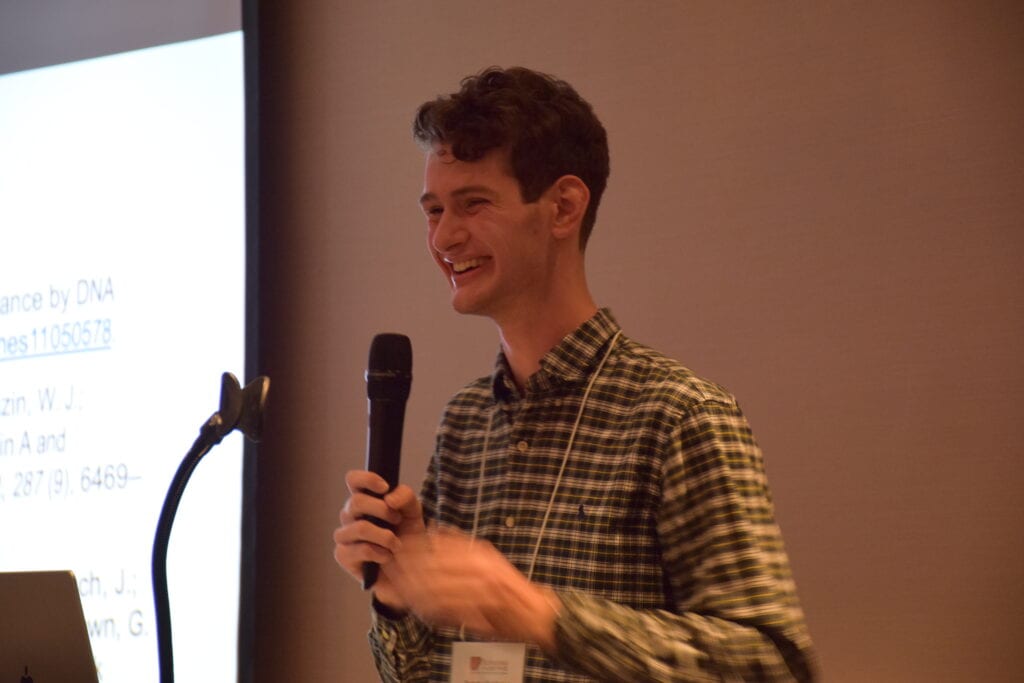
Rishiraj Pandya of Washburn University in Topeka, Kansas, discusses his poster. Image by Nathan Tidwell

“We want to help prepare a new generation of researchers to solve the problems of tomorrow, especially in light of the pandemic in which science played a critical role in putting us on a path to recovery. Last year, there was high interest and participation that reached pre-pandemic levels,” said Grover Paul Miller, Ph.D., a professor in the College of Medicine Department of Biochemistry and Molecular Biology and the organizer of the symposium.

Grover Paul Miller
Grover Paul Miller, Ph.D., welcomes the students to the symposium.

The 2023 symposium was the second consecutive year for the event following a two-year interruption due to the COVID-19 pandemic.

The event was held July 26 at the I. Dodd Wilson Education Building and backed by grant funding from the National Institute of General Medical Sciences. This time, there was over 130 student researchers registered with more than 100 faculty and administrators in support.

Undergraduate and high school students participated in 17 different research programs in colleges and universities, as well as the U.S. Food & Drug Administration’s National Center for Toxicological Research (NCTR) near Pine Bluff.

“This year is our largest number of student presenters,” Miller said in his opening. “Real research happens when you get to talk about the science you do, because it’s a lot of fun. There are a lot of things that work out really well, and a lot of things that do not. Science is about that journey, and this symposium is about talking about your journey to this day.”

Natalie Stocks
Natalie Stocks of the University of Central Arkansas with her poster.

The following students were selected to give oral presentations, which were divided into morning and afternoon sessions:

  • Kennedi Burns, Hendrix College (Summer Research Internship Program)
  • Kya Carroll, Hendrix College (Summer Undergraduate Research Program)
  • Harrison Cook, University of Mississippi (INBRE)
  • Braden Glenn, Lyon College (INBRE)
  • Muzala Kawatu, Brown University (Summer Undergraduate Research Program)
Kennedi Burns, Trace Morrow
Kennedi Burns (Hendrix College) and Trace Morrow (Ouachita Baptist University) were among 12 selected for oral presentations.
  • Christian Lu, Arkansas School for Mathematics, Sciences and the Arts (Summer Research Internship Program)
  • Aiiryel McCoy, University of Arkansas at Little Rock (Professional Research Opportunity)
  • Trace Morrow, Ouachita Baptist University (OBU Summer Research Program)
  • Akshay Padala, Emory University (NCTR)
  • Sreevatsav Seenivasan, University of Arkansas at Fayetteville (Summer Undergraduate Research Fellowship)
  • Jordan Su, Case Western Reserve University (NCTR)Anna Vollintine, University of Arkansas at Little Rock (Summer Research Internship Program)

“These 12 were selected out of 45 submissions,” said Samantha Kendrick, Ph.D., a professor in the College of Medicine Department of Biochemistry and Molecular Biology. “I think they all did a fantastic job.”

Lu, one of the high school students participating in UAMS’ summer research programs, spoke on glioblastoma.

“Glioblastoma is a very common and aggressive type of brain cancer,” Lu said. “Treatment is limited to surgery, radiation therapy and chemotherapy. The problem with glioblastoma is that after treatment, the cancer will almost always come back due to the presence of cancer stem cells.”

Vollintine’s project was “The Effects of Sleep Deprivation on Problem Solving with Artificially Induced Schooling,” with research done using fish.

NCTR Students
Rohini Donakonda (Loyola University Chicago) and Sathvika Ganti (Temple University) were two students in the program at the National Center for Toxicological Research.

“Fish are fed twice daily at scheduled times during the five days of testing,” said Vollintine. “The population being tested are fed during and after testing, then returned to regular feeding and regular sleep cycles. LED lighting was used to induced sleep deprivation. The sleep-deprived males were not as inclined to be social.”

Morning and afternoon poster sessions of approximately one hour each gave students a chance to discuss their research with faculty, guests, mentors and peers.

Carter Bierbaum of the University of Central Arkansas and his cohorts in the Summer Undergraduate Research Fellowship program studied the effects of olanzapine, a drug used to treat mental disorders, and its interaction with other medications.

“For drug interactions right now, it’s either yes or no as to whether they can be taken together,” Bierbaum said. “You can say these three drugs can’t be used in combination with each other, but if we had more data maybe it’s just one drug that causes the issue.”

Alasiah Bledsoe of Emory University and the Summer Research Internship Program conducted a review of telehealth definitions.

Whit Lawrence
Whit Lawrence of Ouachita Baptist University with one of 118 student posters.

“We’re trying to show exactly what telehealth is,” said Bledsoe. “Many are using telemedicine and telehealth interchangeably. Telemedicine is provider to provider and patient care, while telehealth encompasses health education, health administration, and public health.”

Ouachita Baptist University’s Lawrence Davis’ research was understanding how organisms move better during long-term space travel.

“We’re looking at the effects of light and hypo-gravity on the development and movement of slime mold,” Davis said. “A slime mold is considered a model organism that has characteristics of animals, fungi and plants. We’re limited on light in space, so we need understand how plants react.”

Trying to find a better way to forecast the maximum rate of oxygen in children was another research topic.

Hannah Reynolds Poster
Hannah Reynolds of Lyon College researched issues with water sources.

“It’s easy to predict that in adults because it takes several different fitness tests and adults have more control over their bodies,” said Vera Kanu of Hall STEAM High School and the Summer Research Internship Program. “It’s unpredictable in kids, and we want to be able to do one or two fitness tests to be able to predict that maximum rate.”

Guest speaker Sarah Eddy, J.D., Ph.D., an associate at Norton Rose Fulbright in Austin, Texas, talked about “The Unexpected Path from Proteins to Patents & Some Lessons Learned Along the Way.” Eddy, a native of Bigelow, Arkansas, is a former participant in INBRE and attended UAMS’ Graduate School.

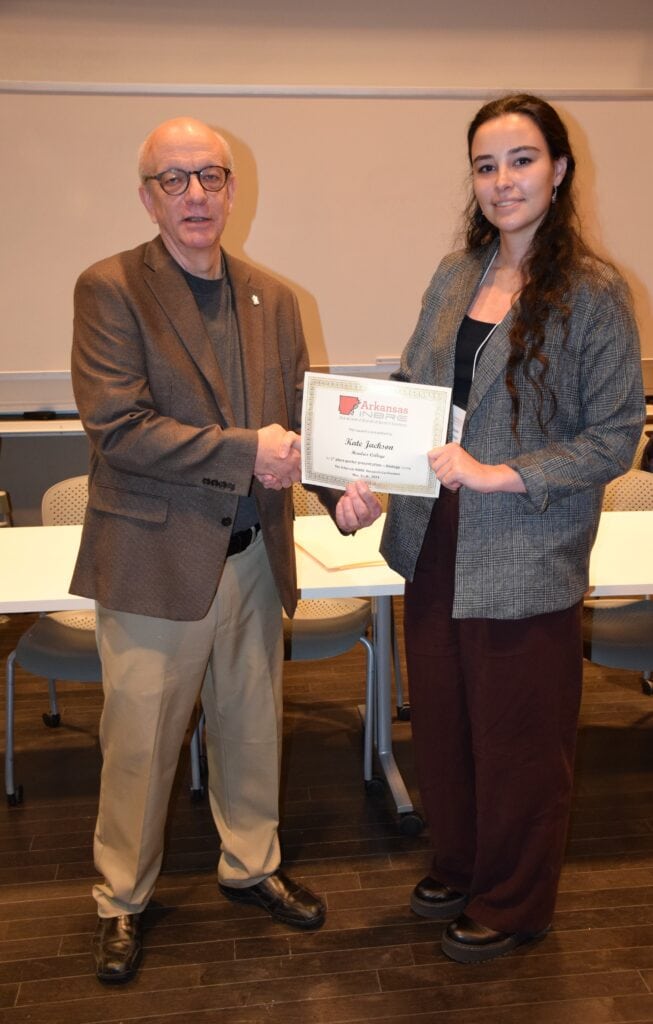
Ten students were acknowledged for the top poster presentations:

  • Emily Bosche, Hendrix College (Hendrix College Biochemistry-Molecular Biology Research)
  • Alexander Browning, Ouachita Baptist University (INBRE)
  • Rhea Choudhary, Pulaski Academy High School (Summer Research Internship Program)
  • Emili Elkins, Columbia University (Summer Undergraduate Research Program)
  • Harry Lance, Hendrix College (Hendrix Odyssey Program)
  • Caleb Lovell, University of Arkansas at Fayetteville (INBRE)
  • Michelle Ma, University of Texas at Austin (Summer Undergraduate Research Fellowship)
  • Raga Mandali, New York University (Summer Research Internship Program)
  • Jack Nolen, Hendrix College (Stead Scholars Internship)
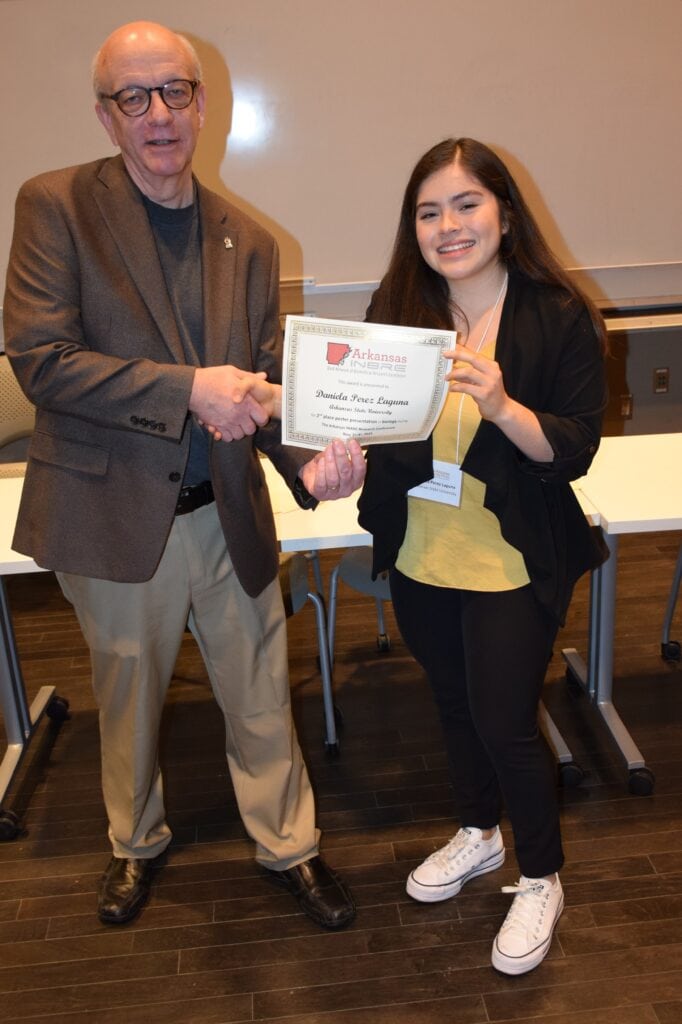
  • Alexx Weaver, Arkansas State University (Professional Research Opportunity)

“These students were selected out of 118 posters,” Miller said. “That’s a significant achievement. There’s a lot of great research out there, and it was highly competitive.”

Diane McKinstry, INBRE summer program manager, received a surprise award.

Poster Presentations
Poster presentations took place in the morning and afternoon.

“She makes time for this symposium every year,” said Miller. “She’s instrumental in keeping a lot of these programs together.”

The day ended with a presentation to Miller for his work.

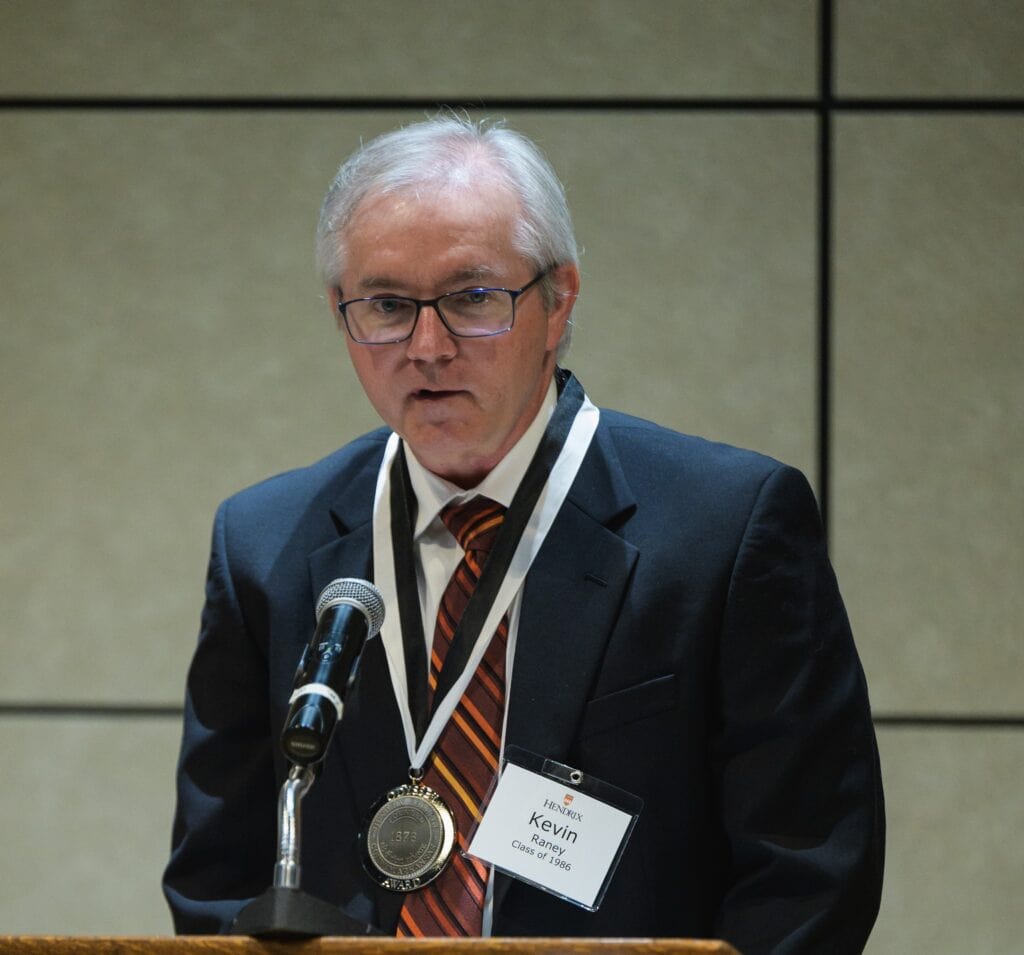
“This is a fantastic program and I’m thrilled with the way it’s developed over the years,” said Kevin Raney, Ph.D., a professor and chair of the College of Medicine Department of Biochemistry and Molecular Biology. “Dr. Miller is dedicated to excellence in teaching, mentoring, and inspiring the next generation of biomedical scientists. This symposium is a huge success because of him.”

Filed Under: Department News

Congratulations Dr. Bronson

Katie Bronson

Congratulations to Katie Bronson on the successful defense of her dissertation entitled, “Regulation of Musashi-dependent translational activation by co-associated proteins.” Katie was mentored by Angus MacNicol. She will be staying at UAMS for postdoctoral studies in the lab of Alan Tackett.

Filed Under: Department News

June 2023 publications

Miller lab

Editorial: Advancements in computational studies of drug toxicity.
Flynn NR, Miller GP, Swamidass SJ.
Front Pharmacol.

Filed Under: Department News

May 2023 Publications

Miah lab members

Oncogenic signaling-mediated regulation of chromatin during tumorigenesis.
Alam J, Huda MN, Tackett AJ, Miah S.
Cancer Metastasis Rev. 2023


Marie Burdine, PhD

Chemical inhibition of DNA-PKcs impairs the activation and cytotoxicity of CD4+ helper and CD8+ effector T cells.
Azevedo-Pouly AC, Appell LE, Burdine L, Rogers LJ, Morehead LC, Fil D, Barker M, Rainwater RR, Waldrip ZJ, Koss B, Burdine MS.
Immunol Cell Biol. 2023

Filed Under: Department News

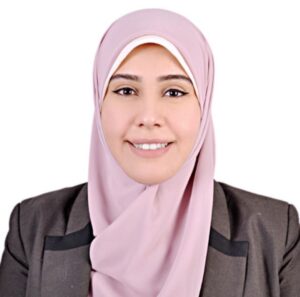
Alicja Urbaniak selected as KL2 Scholar

2023 KL2 Scholars
The 2023-2024 KL2 Scholars are (l-r, clockwise from top): Mary “Katy” Allison, Michail Mavros, Brian D. Piccolo, Megha Sharma, Ankita Shukla and Alicja Urbaniak.

By David Robinson

Six early-career researchers have been selected to receive two years of funded translational research training and support in the UAMS Translational Research Institute (TRI) KL2 Mentored Research Career Development Scholar Awards Program.

The promising junior faculty researchers were selected for the 2023-2024 program through a competitive application process. KL2 scholars receive two years of mentored translational research training, 75% salary support and up to $25,000 a year for research, tuition, travel and education.

Funding for the program comes from TRI, supported by the NIH National Center for Advancing Translational Sciences, Clinical and Translational Science Award KL2 TR003108; UAMS Winthrop P. Rockefeller Cancer Institute and Arkansas Children’s Research Institute. 

The scholars, their project titles and primary mentors are:

  • Mary “Katy” Allison, Ph.D., MPH, research assistant professor, Fay W. Boozman College of Public Health Department of Health Behavior & Health Education
    “Optimized Implementation Strategies to Support Pregnancy-Related Remote Patient Monitoring”
    Primary Mentor: Geoffrey Curran, Ph.D.
  • Michail Mavros, M.D., assistant professor, College of Medicine Department of Surgery (Oncology)
    “Venous Thromboembolism in Pancreatic Cancer Patients Undergoing Pancreatectomy: Risk Factors and Effectiveness of Pharmacoprophylaxis”
    Primary Mentor: Mario Schootman, Ph.D.
  • Brian D. Piccolo, Ph.D., assistant professor, College of Medicine Department of Pediatrics
    “Mechanisms by Which Culturally Specific Foods Influence Infant Gut Development and Barrier Function”

    Primary Mentor: Mario Ferruzzi, Ph.D.
  • Megha Sharma, M.D., assistant professor, College of Medicine Department of Pediatrics, Division of Neonatology
    “Beyond Race: Objectively Assessed Skin Color and its Association with Pulse Oximeter Bias in Critically Ill Infants”
    Primary Mentor: Mario Schootman, Ph.D.
  • Ankita Shukla, M.D., assistant professor, College of Medicine Department of Pediatrics, Division of Neonatology
    “PERFORM: Persistent Effects of Intrauterine Growth Restriction on Infant Brain Development: A Comparative MEG Study”
    Primary Mentor: Hari Eswaran, Ph.D.
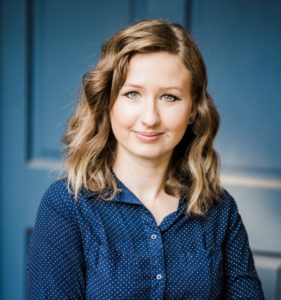
  • Alicja Urbaniak, Ph.D., instructor, College of Medicine Department of Biochemistry and Molecular Biology
    “Monensin and its Derivatives as Adjuvants to Immune Checkpoint Inhibitors for the Treatment of Metastatic Breast Cancer”
    Primary Mentor: Alan Tackett, Ph.D.

Filed Under: Department News

UAMS-TRI Training Program Helps Postdocs Develop Entrepreneurial Spirit, Form Competition-Winning Pharmaceutical Startup

Megan Reed and Julia Tobacyk
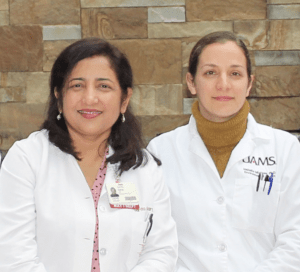
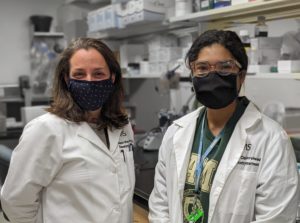
Megan Reed, Ph.D. (left), and Julia Tobacyk, Ph.D., formed the company Pediatrica Therapeutics.

By David Robinson

May 24, 2023 | Only two years ago, the idea of commercializing their future research discoveries was a novel concept for Julia Tobacyk, Ph.D., and Megan Reed, Ph.D. Today they can say they created a startup company as postdoctoral fellows in the Health Sciences Innovation and Entrepreneurship (HSIE) training program, which is the National Institutes of Health’s (NIH) National Research Service Award training core of the Translational Research Institute at the University of Arkansas for Medical Sciences (UAMS).

The HSIE program is unlike traditional academic postdoctoral education — the goal is to transform scientists to think like entrepreneurs and channel their research discoveries into commercial ventures to bring new health care products to patients.

Tobacyk and Reed are in their second year of the HSIE training program, and it is intensive. In addition to mentored laboratory research, HSIE postdocs take business classes in the Graduate Entrepreneurship Program in the Sam M. Walton College of Business at the University of Arkansas, Fayetteville. They attend mentoring workshops from entrepreneurs and venture capitalists, form teams to develop a business plan for a health science discovery with classmates from diverse ethnic and academic backgrounds, and compete in pitch competitions.

“At first, the fast-paced environment is a culture shock for most HSIE postdocs, but we all quickly adapt and develop our inner entrepreneurial spirit,” Tobacyk said.

Tobacyk’s research in the laboratory focuses on developing treatment strategies for opioid use disorder in pregnant women without negatively affecting their babies. Alarming statistics reveal that a baby is born physically dependent on opioids every 15 minutes in the United States. The gold standard treatment for opioid-dependent pregnant mothers is buprenorphine (BUP). Although BUP treatment may prevent pregnant mothers from relapsing, it also contributes to withdrawal in their babies, also known as neonatal opioid withdrawal syndrome (NOWS).

Tobacyk, along with her research mentor, Lisa Brents, Ph.D., assistant professor in the UAMS College of Medicine Department of Pharmacology and Toxicology, filed a provisional patent application with co-workers in September 2022 to protect their invention of a deuterated form of BUP (BUP-D2). Applying precision deuteration is thought to alter the metabolism of BUP to minimize formation of the harmful metabolite that contributes to NOWS.

In January 2023, Tobacyk and Reed formed a company called Pediatrica Therapeutics, LLC, a pharmaceutical startup company dedicated to bringing BUP-D2 through the drug development pipeline. In recent months, the startup team has won or placed in a number of business plan competitions across the U.S. and in Canada. In April, they won first place in the Arkansas Governor’s Cup Collegiate Business Plan Competition, which came with a $20,000 prize.

Their team finished second with a $10,000 prize in the graduate business plan competition at the 2023 Stu Clark New Venture Championships in Winnipeg, Canada. They also took third place ($750) for their elevator pitch at that competition. The team was a finalist ($1,500) in the Baylor New Venture Competition as well as finalists in the UA Heartland Challenge and the international Rice Business Plan Competition ($1,500).

The graduate entrepreneurship students and founding business partners of Pediatrica Therapeutics, LLC, are:

  • Megan Reed, Ph.D., chief executive officer, who has experience in biochemistry, drug development and patenting of pharmaceutical compounds; she is a HSIE postdoctoral fellow in the College of Medicine Department of Biochemistry and Molecular Biology.
  • Julia Tobacyk, Ph.D., chief scientific officer, who co-invented BUP-D2 and performed preclinical studies; she is a HSIE postdoctoral fellow in the College of Medicine Department of Pharmacology and Toxicology.
  • Hayot Tuychiev, B.A., chief marketing officer, who is a two-time Emmy-winning documentary filmmaker and manages scientific and public communications for the company.
  • Veronica Garcia, B.A., chief operating officer, who is the former director of Community Engagement and Inclusion at the Springdale, Arkansas, Chamber of Commerce and has assisted 75 entrepreneurs to form businesses.

In addition to their business classes and founding their new company, Tobacyk and Reed continue to work in the laboratory, publish papers and develop their careers as translational scientists. However, the HSIE training program has empowered them to look at their research through a new, entrepreneurial lens.

With the team members concluding their final year of HSIE training in June, Reed, Tuychiev and Garcia are moving on to pursue other career goals.

“Julia and I both agree that academic research holds plenty of unexploited potential to leverage discoveries to improve health care,” Reed said. “Pediatrica Therapeutics will not be our last venture.”

Tobacyk and Brents hope to advance the company’s goals with a Small Business Innovation Research program award, which they will apply for this year as co-principal investigators.

Reed and Tobacyk are supported by the UAMS Translational Research Institute through the NIH National Center for Advancing Translational Sciences, Clinical and Translational Science Award grants UL1 TR003107 and TL1 TR003109. Brents is a graduate of the Translational Research Institute’s KL2 Mentored Research Career Development Scholar Awards Program, also supported through NCATS.

This article was based on a first-person account by Julia Tobacyk, Ph.D.

Filed Under: Department News

Wayne Wahls wins 2023 Chancellor’s Award of Excellence for Scholarship

Wayne Wahls

Congratulations to Wayne P. Wahls, Professor of Biochemistry and Molecular Biology.  Dr. Wahls was awarded the 2023 Chancellor’s Award of Excellence for Scholarship.  In presenting this award, UAMS Chancellor Cam Patterson highlighted sustained contributions to laboratory research, educational research and interdisciplinary team science.  Dr. Wahls’ research on meiotic chromosome dynamics has established several new paradigms for a fundamental biological process that is used by almost all eukaryotes, including humans.  His discoveries have provided important insight into genome dynamics, causes of congenital birth defects, and the evolution of species.  Dr. Wahls’ research on science funding policy has revealed causes and consequences of vast disparities in allocations of NIH grant funding among institutions and states.  “Credit for this award should be given to the talented students, trainees, technicians and colleagues who have contributed to my research program,” said Dr. Wahls.  “Their insight has guided my thinking and their research efforts have fueled each of our new discoveries.”

Filed Under: Department News

  • «Previous Page
  • Page 1
  • Interim pages omitted …
  • Page 7
  • Page 8
  • Page 9
  • Page 10
  • Page 11
  • Interim pages omitted …
  • Page 16
  • Next Page»
UAMS College of Medicine LogoUAMS College of MedicineUniversity of Arkansas for Medical Sciences
Mailing Address: 4301 West Markham Street, Little Rock, AR 72205
Phone: (501) 686-7000
  • Facebook
  • X
  • Instagram
  • YouTube
  • LinkedIn
  • Pinterest
  • Disclaimer
  • Terms of Use
  • Privacy Statement
  • Legal Notices

© 2026 University of Arkansas for Medical Sciences