• Skip to main content
  • Skip to main content
Choose which site to search.
University of Arkansas for Medical Sciences Logo University of Arkansas for Medical Sciences
College of Medicine: Department of Biochemistry and Molecular Biology
  • UAMS Health
  • Jobs
  • Giving
  • About Us
    • News
  • Faculty/Staff
    • Primary Faculty
    • Secondary Faculty
    • Adjunct Faculty
    • Professor Emeritus
    • Track Members
    • Research and Administrative Staff
  • Research Areas
    • Cancer Biology
    • Experimental Therapeutics
    • Systems Biology and Bioinformatics
      • Systems Biology News
    • Structural Biology and Enzymology
    • Nutrition and Metabolism
    • Chromatin Biology, Nucleic Acid Chemistry, and Genetics
    • Neurobiology and Neurobiochemistry
  • Students
    • Graduate Program
    • Elective Courses
    • Student Highlight
    • Alumni
      • Graduates
      • Where Are They Now?
    • Grant Opportunities
    • Career Information
    • Resources for Current Students
    • Resilience
    • About the Area
  • Seminars
    • Faculty Seminars
    • Student Seminars
    • Webinars and Conferences
  • Undergraduate Programs
    • Summer Research
      • Program Details
      • Application Materials
      • Research Opportunities
      • Information for Participants
      • Prior Participants
      • SURF Related Publications
      • Contact Information
      • Frequently Asked Questions
    • Arkansas Undergraduate Summer Research Symposium
      • Details
      • Registration
      • Directions and Parking
      • Top Presentations
      • Contact
  • Research Resources
  1. University of Arkansas for Medical Sciences
  2. College of Medicine
  3. Department of Biochemistry and Molecular Biology
  4. Author: Chris Lesher
  5. Page 6

Chris Lesher

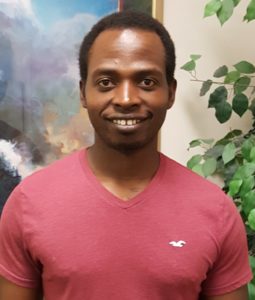
Brian Koss student highlight

Brian is a Ph.D. student starting his fifth year in the Biochemistry and Molecular Biology Department in the laboratory of Dr. Alan Tackett.

He has a B.A. in Biochemistry and Molecular Biology from Hendrix College.

Research Interest Statement

My doctoral work focuses on the dynamic interplay between the epigenetic and metabolic pathways used by T cells to sense and respond to environmental pressures. Specifically, I focused on the loss of the histone methyltransferase EZH2 (H3K27me3) in CD8+ T cells, which occurs during solid tumor infiltration and renders T cells dysfunctional. My work revealed loss of H3K27me3 leads to mitochondrial dysfunction and metabolic exhaustion, through a Cdkn2a.ARF-mediated, p53-independent mechanism. Reprogramming T cells to express a gain-of-function EZH2 mutant enhanced inhibition of tumor growth in a model of adoptive T cell therapy. My data suggest manipulation of EZH2 in T cells represents a potential strategy to protect tumor-specific T cells, which is currently unaccounted for in the clinical development of EZH2 inhibitors.

Career Goals

Once I am finished with my PhD, I plan to continue my current work and pursue early independence opportunities.

Experiment or Technique You Would Most Like to Do

This changes from time to time. However, I currently enjoy using proteomic approaches to interrogate protein turnover rates at a proteome level. I believe this approach will give us novel insights into how a cell prepares its proteome for rapid adaptation to environmental conditions.

Fun fact

My wife, Cary, and I have two boys, Bennett (5 years) and Parker (3 years).

Publications

  1. Koss, B.; Shields, B. D; Taylor, E. M.; Storey, A. J.; Byrum, S. D.; et. al. Epigenetic control of Cdkn2a.Arf protects tumor-infiltrating lymphocytes from metabolic-exhaustion. Cancer Research, (accepted).
  2. Trentzsch, M.; Nyamugenda, E.; Miles, T. K.; Griffin, H.; Russell, S.; Koss, B.; Cooney, K. A.; Phelan, K. D.; Tackett A. J., Iyer, S.; Boysen, G.; Baldini, G. Delivery of phosphatidylethanolamine blunts stress in hepatoma cells exposed to elevated palmitate by targeting the endoplasmic reticulum. Cell Death Discovery 6:8 (2020).
  3. Taylor, E.; Koss, B.; Davis L. E.; Tackett, A. J. Histone Modifications as Biomarkers for Immunotherapy. Methods in Molecular Biology 2055:213-228 (2019).
  4. Chiang, T.; Koss, B.; Su, L. J.; Washam, C. L.; Byrum, S. D.; Storey, A.; Tackett, A. J. Effect of sulforaphane and 5-aza-2’-deoxycytidine on melanoma cell growth. Medicines 6, 71 (2019).
  5. Lee, T.; Christov, P. P.; Shaw, S.; Tarr, J. C.; Zhao, B.; Veerasamy, N.; Jeon, K. O.; Mills, J. J.; Bian, Z.; Sensintaffar, J. L.; al. Discovery of Potent Myeloid Cell Leukemia-1 (Mcl-1) Inhibitors That Demonstrate in Vivo Activity in Mouse Xenograft Models of Human Cancer. Journal of medicinal chemistry 62, 3971–3988 (2019).
  6. Shields, B. D.; Koss, B.; Taylor, E. M.; Storey, A. J.; West, K. L.; Byrum, S. D.; Mackintosh, S. G.; Edmondson, R.; Mahmoud, F.; Shalin, S. C.; Tackett, A. J. Loss of E-Cadherin Inhibits CD103 Antitumor Activity and Reduces Checkpoint Blockade Responsiveness in Melanoma. Cancer Research 79, 1113–1123 (2019).
  7. Ren, Z.; Ahn, J. H.; Liu, H.; Tsai, Y.-H.; Bhanu, N. V; Koss, B.; Allison, D. F.; Ma, A.; Storey, A. J.; Wang, P. PHF19 promotes multiple myeloma tumorigenicity through PRC2 activation. Blood blood-2019000578 (2019).
  8. Shields, B. D.; Mahmoud, F.; Taylor, E. M.; Byrum, S. D.; Sengupta, D.; Koss, B.; Baldini, G.; Ransom, S.; Cline, K.; Mackintosh, S. G. Indicators of responsiveness to immune checkpoint inhibitors. Scientific Reports 7, 807 (2017).
  9. Lee, T.; Bian, Z.; Zhao, B.; Hogdal, L. J.; Sensintaffar, J. L.; Goodwin, C. M.; Belmar, J.; Shaw, S.; Tarr, J. C.; Veerasamy, N.; Matulis, S. M.; Koss, B.; Fischer, M. A.; Arnold, A. L.; Camper, D. V.; Browning, C. F.; Rossanese, O. W.; Budhraja, A.; Opferman, J.; Boise, L. H.; Savona, M. R.; Letai, A.; Olejniczak, E. T.; Fesik, S. W. Discovery and biological characterization of potent myeloid cell leukemia-1 inhibitors. FEBS Letters 591, 240–251 (2017). 
  10. Koss, B.; Ryan, J.; Budhraja, A.; Szarama, K.; Yang, X.; Bathina, M.; Cardone, M. H.; Nikolovska-Coleska, Z.; Letai, A.; Opferman, J. T. Defining specificity and on-target activity of BH3-mimetics using engineered B-ALL cell lines. Oncotarget 7, (2016).
  11. Haverkamp, J. M.; Smith, A. M.; Weinlich, R.; Dillon, C. P.; Qualls, J. E.; Neale, G.; Koss, B.; Kim, Y.; Bronte, V.; Herold, M. J.; Green, D. R.; Opferman, J. T.; Murray, P. J. Myeloid-derived suppressor activity is mediated by monocytic lineages maintained by continuous inhibition of extrinsic and intrinsic death pathways. Immunity 41, 947–959 (2014).
  12. Koss, B.; Morrison, J.; Perciavalle, R. M.; Singh, H.; Rehg, J. E.; Williams, R. T.; Opferman, J. T. Requirement for antiapoptotic MCL-1 in the survival of BCR-ABL B-lineage acute lymphoblastic leukemia. Blood 122, 1587–1598 (2013).
  13. Tripathi, P.; Koss, B.; Opferman, J. T.; Hildeman, D. A. Mcl-1 antagonizes Bax/Bak to promote effector CD4(+) and CD8(+) T-cell responses. Cell death and differentiation 20, 998–1007 (2013).
  14. Wang, X.; Bathina, M.; Lynch, J.; Koss, B.; Calabrese, C.; Frase, S.; Schuetz, J. D.; Rehg, J. E.; Opferman, J. T. Deletion of MCL-1 causes lethal cardiac failure and mitochondrial dysfunction. Genes and Development 27, 1351–1364 (2013).
  15. Cohen, N. A.; Stewart, M. L.; Gavathiotis, E.; Tepper, J. L.; Bruekner, S. R.; Koss, B.; Opferman, J. T.; Walensky, L. D. A competitive stapled peptide screen identifies a selective small molecule that overcomes MCL-1-dependent leukemia cell survival. Chemistry and Biology 19, 1175–1186 (2012).
  16. Perciavalle, R. M.; Stewart, D. P.; Koss, B.; Lynch, J.; Milasta, S.; Bathina, M.; Temirov, J.; Cleland, M. M.; Pelletier, S.; Schuetz, J. D.; Youle, R. J.; Green, D. R.; Opferman, J. T. Anti-apoptotic MCL-1 localizes to the mitochondrial matrix and couples mitochondrial fusion to respiration. Nature Cell Biology 14, 575–583 (2012).
  17. Stewart, D. P.; Koss, B.; Bathina, M.; Perciavalle, R. M.; Bisanz, K.; Opferman, J. T. Ubiquitin-independent degradation of antiapoptotic MCL-1. Molecular and cellular biology 30, 3099–3110 (2010).

Complete List of Published Work:

https://www.ncbi.nlm.nih.gov/myncbi/1pihpxbtPQJQh/bibliography/public/

Grants

  • 2019-present NIH/NCI F31 predoctoral fellowship. Epigenetic regulation of metabolic stress pathways in melanoma infiltrating lymphocytes (F31CA232464). 7th percentile. $124,851
  • 2019 Department of Defense Horizon Award. Epigenetic regulation of metabolic stress pathways in melanoma infiltrating lymphocytes. Recommended for funding as alternate.
  • 2017-2018 Systems Pharmacology and Toxicology Graduate Fellowship, a T32 program; University of Arkansas for Medical Sciences.

Awards

  • 2020 Sanofi Scholar-in-Training Award. American Association for Cancer Research (AACR), San Diego, CA
  • 2020 Keystone Symposia Scholarship. Emerging Cellular Therapies: Cancer and Beyond. Banff, AB Canada
  • 2019 Cancer Institute Member Spotlight. University of Arkansas for Medical Sciences, Little Rock AR.
  • 2019 Graduate School Outstanding Achievement Award. University of Arkansas for Medical Sciences, Little Rock AR.
  • 2018 Immuno-Oncology Innovation Award, Miltenyi Biotec. Fully paid travel to AACR 2018 and $2500 for research.
Filed Under: iBioDS Highlights, Student Highlights

Alumnus Highlight: Michael Guderyon

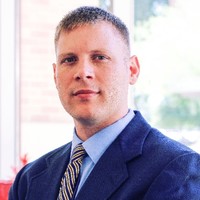
Michael Guderyon

Michael Guderyon graduated from UAMS in may 2015 with an M.S. in Biochemistry and Molecular Biology. His advisor was Dr. Kevin Raney. After graduating, Mike went to UT Health San Antonio where he received a Ph.D. in Integrated Biomedical Sciences/ Biology of Aging Track. Mike is currently a Process Development Scientist I at SanBio. In addition, he’s in the Airforce Reserves and is an entrepreneur.

Description of Current Job

Combines extensive knowledge of biotechnology and bio-manufacturing to manufacture mesenchymal stem cell products and monitor existing processes and products for quality and efficiency. Problem-solves and conceptualizes solutions for producing large scale stem cell products and standardizes protocols.

  • Works hand and hand with Quality Control to develop and qualify potency assays for cell-based products
  • Design and execute experiments in support of process optimization of cell-based products and process improvement
  • Leads statistical analyses of completed projects in collaboration with assay development and manufacturing teams
  • Develops and implements processes to scale up manufacturing and automation of cell-based products
  • Draft and author study protocols, feasibility, comparability, and qualification reports as source documents for regulatory filing support

Important Aspect of the Biochemistry and Molecular Biology Program

I was surrounded by excellent mentors at all levels which prepared me for the road ahead.

Something Notable about Time as a Graduate Student

Once during my studies, I was purifying a protein for future use and while formulating the final protein product, I accidentally threw away the entire protein. I am sure my colleagues and mentors sensed my embarrassment and were very supportive moving forward. I distinctly remember my mentor cracking a smile and saying, “always secure the ‘gold’ first”.

Fun Fact

I plan to earn an MBA in the future.

Filed Under: Alumni Highlights

On the cover

Congratulations to postdoctoral fellow Maroof Zafar and his co-authors, Lindsey Hazeslip, Zain Chauhan, and Alicia Byrd.  Cover art by Lindsey Hazeslip for their recent article on regulation of expression by non-canonical G-quadruplexes was selected for the cover of the July 2020 issue of Biochemistry.

Filed Under: Department News

June publications

Duah Alkam

A novel Cas9-targeted long-read assay for simultaneous detection of IDH1/2 mutations and clinically relevant MGMT methylation in fresh biopsies of diffuse glioma.

Wongsurawat T, Jenjaroenpun P, De Loose A, Alkam D, Ussery DW, Nookaew I, Leung YK, Ho SM, Day JD, Rodriguez A.

Acta Neuropathol Commun. 2020


Byrd labThe Expression of Human DNA Helicase B Is Affected by G-Quadruplexes in the Promoter.

Zafar MK, Hazeslip L, Chauhan MZ, Byrd AK.

Biochemistry. 2020

Filed Under: Department News

Findings on DNA Damage Repair Published by UAMS Cancer Researcher

By Susan Van Dusen

LITTLE ROCK — A research team led by cancer researcher Justin Leung, Ph.D., at the University of Arkansas for Medical Sciences (UAMS) has uncovered the role of the protein RNF168 in DNA damage repair and shown how mutations of the protein affect people with a rare genetic condition.

The study titled “Histone H2A variants alpha1-extension helix directs RNF168-mediated ubiquitination” was published in the May 18 issue of the open-access journal Nature Communications.

“Every day our cells are subjected to environmental sources of DNA damage, such as ultraviolet radiation and toxic chemical exposure. If left unrepaired, these damages can accumulate, leaving mutations in our DNA and ultimately cause cells to become cancerous,” said Leung, assistant professor in the UAMS College of Medicine Department of Radiation Oncology.

In most cases, this damage is detected and repaired by a tightly regulated method involving many proteins. To develop better cancer therapies, researchers such as Leung strive to understand the regulation of DNA damage and repair by sensitizing cells to radiation therapy and chemotherapy drugs that target DNA.

“Our lab studies the repair of double stranded breaks, where both strands of DNA are broken apart completely. When a double strand break occurs, a cascade of protein activity is set off to try to resolve the damage,” Leung said.

Mutations in one of these proteins, RNF168, have been found in patients with RIDDLE syndrome, a rare genetic disorder that increases a person’s predisposition to blood cancer and is characterized by several attributes:

  • Susceptibility to DNA damaging agents
  • Immunodeficiency, or failure of the immune system to protect the body from infection
  • Developmental abnormalities
  • Learning disabilities

RNF168 adds a small signaling molecule called ubiquitin onto a subunit of chromatin, where we store our genetic information. The ubiquitin signal brings repair proteins to DNA double strand breaks. However, exactly how RNF168 recognizes the specific target remains unclear.

Using molecular and structural analysis methods, Leung’s team uncovered crucial components of RNF168 and chromatin required for the implementation of repair pathways in response to DNA damage. Their findings suggest that a recognition between RNF168 and chromatin is required to activate the downstream DNA repair processes.

“RNF168 is a central DNA damage response protein. Understanding the precise mechanisms by which it activates its targets is essential for understanding how the DNA damage response goes awry. Our results help demystify the role of RNF168 in proper DNA damage repair and understand the implications of RNF168 mutations such as those seen in RIDDLE syndrome,” Leung said.

UAMS authors for this study included Jessica Kelliher, B.S., research assistant, and Kirk West, Ph.D., postdoctoral fellow.

Filed Under: Department News

Alan Diekman receives Master Teacher Award from the College of Medicine

Alan Diekman, Ph.D., was honored as the 2020 Master Teacher in recognition of his work with first-year medical students. When College of Medicine students are asked about their best teachers, Diekman’s name comes up often. As director of the Molecules to Cells course, Diekman teaches first-year students and works with other faculty to ensure the students gain a firm grasp of biochemistry, cell biology and genetics – including complex concepts that many medical students nationwide struggle to grasp.

“Most importantly, he has convinced students that understanding molecular and cellular mechanisms is an important part of their medical training,” Department of Physiology and Biophysics Chair Michael Jennings, Ph.D., wrote in a letter of support for Diekman, who has served on the faculty since 2002.

“The word ‘outstanding’ may underestimate the quality of Dr. Diekman’s teaching effort, ability and outcomes,” Biochemistry and Molecular Biology Chair Kevin Raney, Ph.D., wrote in his nomination letter. “He is a superb communicator who treats students respectfully, while maintaining high expectations. Dr. Diekman also sets high standards for his colleagues, thereby improving the quality of teaching of those around him.”

James Graham, M.D., executive associate dean for academic affairs in the college, also wrote in support, noting strong performance by UAMS students in areas of the notoriously difficult United States Medical Licensing Exam Step 1 that are covered in Diekman’s course, as well as improved overall performance on the exam in recent years. Diekman has been instrumental in major curriculum revisions that change how first- and second-year medical students prepare for their clinically focused training.

“I am very honored by this recognition from my colleagues, and I thank them for their past support,” said Diekman. “The privilege of educating our medical students in the complex disciplines of biochemistry, cell biology and genetics is both challenging and fulfilling. My goal is to provide our students with a firm foundation in these disciplines, not just for their sake, but also for that of their future patients.”

Filed Under: Department News

May publications

Byrd lab

Genome Maintenance by DNA Helicase B.

Hazeslip L, Zafar MK, Chauhan MZ, Byrd AK.

Genes (Basel). 2020


Eugene Nyamugenda

Selective Survival of Sim1/MC4R Neurons in Diet-Induced Obesity.

Nyamugenda E, Griffin H, Russell S, Cooney KA, Kowalczyk NS, Islam I, Phelan KD, Baldini G.

iScience. 2020


Miller lab

Dual mechanisms suppress meloxicam bioactivation relative to sudoxicam.

Barnette DA, Schleiff MA, Osborn LR, Flynn N, Matlock M, Swamidass SJ, Miller GP.

Toxicology. 2020


Allie SchleiffAdvances in the study of drug metabolism – symposium report of the 12th Meeting of the International Society for the Study of Xenobiotics (ISSX).

Russell LE, Schleiff MA, Gonzalez E, Bart AG, Broccatelli F, Hartman JH, Humphreys WG, Lauschke VM, Martin I, Nwabufo C, Prasad B, Scott EE, Segall M, Takahashi R, Taub ME, Sodhi JK.
Drug Metab Rev. 2020

Filed Under: Department News

2020 Graduates

Tresor MukizaEugene NyamugendaBradley Shields

The UAMS Graduate School held a virtual hooding ceremony which you can read more about here. The Biochemistry and Molecular Biology Department graduated three students last year. Tresor Mukiza, Ph.D. is now a postdoctoral fellow in Joseph Opferman’s lab at St. Jude Children’s Research Hospital. Tresor’s mentor at UAMS was Wayne Wahls. Eugene Nyamugenda, Ph.D. is now a postdoctoral fellow in Ravi Allada’s lab at Northwestern University in the Department of Neurobiology. Eugene’s mentor at UAMS was Giulia Baldini. Bradley Shields, M.D., Ph.D. is beginning a residence in dermatology at Intermountain Medical Center and the University of Pittsburgh Medical Center. Bradley’s mentor at UAMS was Alan Tackett.

Filed Under: Department News

Recognize this researcher?

Alan Tackett, a professor in the Department of Biochemistry and Molecular Biology, was featured in a story on KARK this morning about clinical trials at UAMS.

Filed Under: Department News

Cancer Institute Member Spotlight — Samuel Mackintosh, Ph.D.

Assistant Professor
Department of Biochemistry and Molecular Biology
UAMS College of Medicine
Co-Director, Winthrop P. Rockefeller Cancer Institute Proteomics Shared Resource and UAMS Proteomics Core Facility

Research Interest Statement

My research interests are focused on proteomics and mass spectrometry. As co-director of the Proteomics Shared Resource and UAMS Proteomics Core Facility, I am involved in a wide variety of basic and translational research projects and collaborations at any given time. The core facility maintains and operates five state-of-the-art mass spectrometers, two of which I secured for the facility with NIH shared instrument grants. The core lab offers cutting-edge, affordable proteomics analysis to all UAMS investigators and Cancer Institute members. Our facility is nationally recognized with users in 35 states and Puerto Rico, and our research is routinely published in high-impact, peer-reviewed journals. We work closely with other researchers to help them design proteomics experiments, apply for grants and publish papers. We offer complete sample processing services so that our collaborators can submit samples they can easily prepare in their own labs. We also work closely with the UAMS Bioinformatics Core to prepare data for our collaborators in publication-ready formats.

Dr. Mackintosh’s Cancer–related Grants

NIH/NIGMS: 1S10OD026736

Samuel Mackintosh: Project PI

Title “Q Exactive HF-X Hybrid Quadrupole Orbitrap Mass Spectrometer”

08/01/2019 to 07/31/2020

$763,961*

*project direct cost

As part of Dr. Mackintosh’s role as co-director of the Winthrop P. Rockefeller Cancer Institute Proteomics Shared Resource and UAMS Proteomics Core Facility, he also serves as Co-I on the ACRI/UAMS COBRE grant (Center for Translational Pediatric Research, PI: Alan Tackett PhD., NIH award P20GM121293) and the UAMS INBRE grant (Partnerships for Biomedical Research in Arkansas, PI: Larry Cornett PhD., NIH award P20GM103429).

Dr. Mackintosh’s UAMS Collaborators

  • College of Medicine
    • Department of Internal Medicine
      • John Arthur, M.D., Ph.D.
      • Jawahar Mehta, M.D., Ph.D.
    • Department of Geriatrics
      • Srinivas Ayyadevara, Ph.D.
      • Richard Dennis, Ph.D.
      • Robert Reis, Ph.D.
    • Department of Biochemistry and Molecular Biology
      • Giulia Baldini, Ph.D.
      • Marie Burdine, Ph.D.
      • Alicia Byrd, Ph.D.
      • Stephanie Byrum, Ph.D.
      • Tim Chambers, Ph.D.
      • Rick Edmondson, Ph.D.
      • Robert Eoff, Ph.D.
      • Samantha Kendrick, Ph.D.
      • Grover Miller, Ph.D.
      • Kevin Raney, Ph.D.
      • Aaron Storey, Ph.D.
      • Alan Tackett, Ph.D.
      • Wayne Wahls, Ph.D.
      • Boris Zybaylov, Ph.D.
    • Department of Neurobiology and Developmental Sciences
      • Edgar Garcia-Rill, Ph.D.
      • Angus MacNicol, Ph.D.
    • Department of Biochemistry and Molecular Biology
      • Renny Lan, Ph.D.
    • Department of Pathology
      • Mayumi Nakagawa, M.D., Ph.D.
      • Steven Post, Ph.D.
    • Department of Physiology and Biophysics
      • Roy Morello, Ph.D.
    • Department of Microbiology and Immunology
      • Mark Smeltzer, Ph.D.
  • College of Pharmacy
    • Department of Pharmaceutical Sciences
      • Martin Hauer-Jensen, M.D., Ph.D.
  • College of Public Health
    • Department of Environmental and Occupational Health
      • Mitch McGill, Ph.D.
      • Gunnar Boysen, Ph.D.

Dr. Mackintosh’s External Collaborators

  • Randy Haun, Ph.D., Arkana Laboratories
  • Jeffrey Lewis, Ph.D., UA-Fayetteville
  • Arthur Salomon, Ph.D., Brown University
  • Sean Taverna, Ph.D., Johns Hopkins University
  • Greg Wang, Ph.D., University of North Carolina
  • Michael Wang, M.D., MD Anderson Cancer Center
  • Michael Washburn, Ph.D., Stowers Institute for Medical Research
  • Andrew Xiao, Ph.D., Yale University
  • Qin Yan, Ph.D., Yale University
  • Daohong Zhou, M.D., University of Florida

Opportunities for Collaboration

The resources of the Proteomics Core are available to anyone at UAMS, and there are pilot funding opportunities available for Cancer Institute members.

Filed Under: Department News

  • «Previous Page
  • Page 1
  • Interim pages omitted …
  • Page 4
  • Page 5
  • Page 6
  • Page 7
  • Page 8
  • Interim pages omitted …
  • Page 19
  • Next Page»
UAMS College of Medicine LogoUAMS College of MedicineUniversity of Arkansas for Medical Sciences
Mailing Address: 4301 West Markham Street, Little Rock, AR 72205
Phone: (501) 686-7000
  • Facebook
  • X
  • Instagram
  • YouTube
  • LinkedIn
  • Pinterest
  • Disclaimer
  • Terms of Use
  • Privacy Statement
  • Legal Notices

© 2026 University of Arkansas for Medical Sciences