• Skip to primary navigation
  • Skip to main content
  • Skip to primary navigation
  • Skip to main content
Choose which site to search.
University of Arkansas for Medical Sciences Logo University of Arkansas for Medical Sciences
College of Medicine
  • UAMS Health
  • Jobs
  • Giving
  • About Us
    • Fast Facts
    • Leadership
    • Features
    • COMmunication Newsletter
    • Maps and Directions
    • College of Medicine History
    • Professionalism Guidelines
  • Departments
  • Admissions
    • Apply
    • Financial Aid and Scholarships
    • Life in Little Rock or Fayetteville
    • Dual Degree Programs
      • M.D./MBA Program
      • M.D./Ph.D. Program
      • M.D./MPH Program
    • Three-Year M.D. Program
    • Rural Practice Programs
      • Community Match Rural Physician Recruitment Program
      • Rural Practice Scholarship Program
    • Contact Admissions
  • Students
    • Academic Calendar
    • Academic Houses
    • Career Advising
    • Financial Aid and Scholarships
    • Visiting Students
    • Mentor Spotlight Podcast
    • Preparing for Residency
    • Non-Discrimination Statement
    • Outstanding Teacher Nominations
    • Parents Club
    • Student Links
    • Honors in Research
    • UAMS Campus Security
    • Undergraduate Medical Education Competencies
  • Graduate Medical Education
  • Alumni
  • Faculty Affairs
  • Research
  1. University of Arkansas for Medical Sciences
  2. College of Medicine
  3. Author: Chris Lesher
  4. Page 37

Chris Lesher

Lee Archer, M.D., Named Chair of Department of Neurology

July 27, 2017 | Robert L. “Lee” Archer, M.D., has been named chair of the Department of Neurology in the College of Medicine at the University of Arkansas for Medical Sciences (UAMS), effective Aug. 1.

Archer, who has lead the department on an interim basis since July 2016, has served on the UAMS faculty for more than 30 years, providing world-class care for Arkansans with multiple sclerosis (MS), while teaching and mentoring many future neurologists. He has earned the admiration of his patients, students, residents and colleagues.
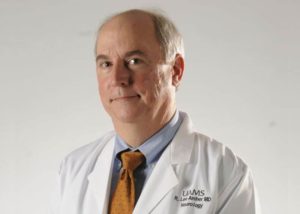
Robert L. "Lee" Archer, M.D.
Robert L. “Lee” Archer, M.D., has been named chair of the Department of Neurology in the College of Medicine at UAMS. Archer, who has led the department on an interim basis since July 2016, has served on the UAMS faculty for more than 30 years.

“Dr. Archer emerged as the clear choice in our nationwide search for a leader who can take the department’s education, research and clinical programs to the next level,” said Pope L. Moseley, M.D., dean of the College of Medicine and executive vice chancellor at UAMS. “As interim chair, he embraced the significant challenges of leading a department in transition. The department has expanded substantially under his leadership, with his recruitment of nine outstanding physicians and scientists – half of the department’s current faculty.”

Two of those new faculty members were recruited to improve stroke and critical care services, one of Archer’s key areas of focus. Other goals include facilitating the efforts of the Movement Disorders Clinic, including collaborative work with the College of Medicine’s Department of Geriatrics and the UAMS Donald W. Reynolds Institute on Aging specifically in Alzheimer’s disease, and building on the already strong Multiple Sclerosis Clinic by supporting faculty research.

Archer also will focus on strengthening ties with the basic science faculty at UAMS, particularly in bioinformatics, to fully take advantage of research, education and collaboration opportunities. He will advance the department’s research into amyotrophic lateral sclerosis (ALS) by filling two endowed chair positions in association with the Department of Pharmacology and Toxicology. He will continue to work closely with the UAMS Department of Neurosurgery to ensure patients receive seamless care from diagnosis to surgery to follow-up care.
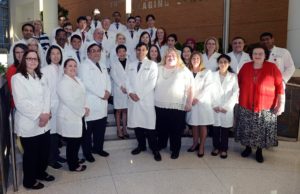
Group from the Department of Neurology
“Any leader wants to bring out the strengths in the group,” Archer said of his approach to chairing the Department of Neurology, pictured here.

“I think any leader wants to bring out the strengths in the group, so I want to facilitate the careers of the talented people we have here and bring in more talented people to expand on our strengths,” Archer said.

Archer, who is highly regarded in the MS patient community, will continue to spend about half of his time on patient care. He has trained and hired a second physician, Carolyn Mehaffey, M.D., to continue to serve MS patients in Arkansas and allow the UAMS MS clinic to accept new patients.

Archer received his medical degree from the College of Medicine in 1982. He completed his residency at UAMS, joined the faculty in 1986 and has held the rank of professor since 2008. He founded UAMS’ Multiple Sclerosis Service in 1987 and co-directed the Muscular Dystrophy Association Clinic at UAMS from 1989 to 2003.

This month Archer will conclude 13 years of service as chair of the University Hospital Medical Ethics Advisory Committee. He has served on many other institutional panels, including the College of Medicine Promotion and Tenure Committee, which he chaired in 2016-2017.

Archer is president-elect of the Arkansas Medical Society. He is also active in the National Multiple Sclerosis Society and several civic organizations. He has served on the Board of Directors for the Arkansas Regional Organ Recovery Association (ARORA) since 2005 and chaired the organization in 2014-2016.

Among many honors, Archer was invested in 2007 as the inaugural holder of the Major and Ruth Nodini Chair in Neurology, which was established with $1 million in donations to support his clinical care, research into MS and educational programs. One initiative partially funded by the endowment is the MS Fellowship developed and led by Archer, which graduated its first fellow — new faculty member Mehaffey — this past June.

Graduating College of Medicine seniors have awarded Archer three Gold Sash and numerous Red Sash awards for his teaching. He received the Distinguished Faculty Award from the College of Medicine Alumni Association in 2007. In 1999 he received the inaugural Humanism in Medicine Award for faculty in the college. He received the UAMS Helen May Compassionate Care Award in 2015 and was honored later that year as the Physician of the Year in the Arkansas Business Health Care Heroes ceremony. Among many “Best Doctors” recognitions he was voted in 2010 as the Best Neurologist in Arkansas and featured on the cover of the Arkansas Times.

Archer has been married to his wife, Nancy, for 40 years.

“Like anyone who is successful in life and in their career, I have a spouse to thank,” Archer said. “She has been the person to encourage me and keep me inspired to keep learning and growing throughout my career.”


UAMS is the state’s only comprehensive academic health center, with colleges of Medicine, Nursing, Pharmacy, Health Professions and Public Health; a graduate school; a hospital; a northwest Arkansas regional campus; a statewide network of regional centers; and seven institutes: the Winthrop P. Rockefeller Cancer Institute, the Jackson T. Stephens Spine & Neurosciences Institute, the Myeloma Institute, the Harvey & Bernice Jones Eye Institute, the Psychiatric Research Institute, the Donald W. Reynolds Institute on Aging and the Translational Research Institute. It is the only adult Level 1 trauma center in the state. UAMS has 3,021 students, 789 medical residents and five dental residents. It is the state’s largest public employer with more than 10,000 employees, including about 1,000 physicians and other professionals who provide care to patients at UAMS, Arkansas Children’s Hospital, the VA Medical Center and UAMS regional centers throughout the state. Visit www.uams.edu or www.uamshealth.com. Find us on Facebook, Twitter, YouTube or Instagram.

###

By Amy Widner | July 27th, 2017

Filed Under: News

Rick Barr, M.D., Joins UAMS as Chair of Department of Pediatrics

July 25, 2017 | Frederick “Rick” E. Barr, M.D., will join the University of Arkansas for Medical Sciences (UAMS) as chair of the Department of Pediatrics and associate dean for child health in the UAMS College of Medicine, as well as pediatrician-in-chief for Arkansas Children’s, effective Oct. 1.

“Dr. Barr epitomizes the leader we have been seeking to take our already strong Department of Pediatrics to the next level as we continue to work with our partners at Arkansas Children’s in pursuit of better health for the children of Arkansas,” said Pope L. Moseley, M.D., dean of the College of Medicine and executive vice chancellor at UAMS.

Frederick ‘Rick’ E. Barr, M.D., is joining the University of Arkansas for Medical Sciences (UAMS) as chair of the Department of Pediatrics and associate dean for child health in the UAMS College of Medicine, as well as pediatrician-in-chief for Arkansas Children’s.

“It’s a pleasure for us to welcome Dr. Barr to such an important role in championing children,” said Arkansas Children’s President & CEO Marcy Doderer. “We look forward to collaborating to change the story for Arkansas, making it the safest and healthiest state to be a child. Our physician partners will have a fine leader and families will find a true advocate in Dr. Barr.”

Barr succeeds Richard F. Jacobs, M.D., who retired June 30 after 35 years of service on the faculty at UAMS and Arkansas Children’s, including 11 years as chair of the Department of Pediatrics. Steve Schexnayder, M.D., professor and chief of the Critical Care Medicine Section, will continue serving as interim chair until Barr’s arrival.

Barr called Jacobs a leader in the field and said he considers Jacobs a mentor.

“I’m very excited to be joining the team,” Barr said. “I have a lot of respect for the faculty there and the team Dr. Jacobs has built – it’s a fabulous opportunity to serve the Department of Pediatrics, UAMS, and Arkansas Children’s – the whole organization. I see myself as stepping into this role as part of a highly functioning team, and I hope to contribute to that team while also being part of something bigger than UAMS and Arkansas Children’s — improving the health of children in Arkansas.”

Barr, a pediatric critical care specialist, is currently the Suzan B. Thames endowed professor, chair of the Department of Pediatrics and senior associate dean for Graduate Medical Education at the University of Mississippi Medical Center in Jackson, Mississippi. He is also physician-in-chief at Children’s of Mississippi/Batson Children’s Hospital, where he has served since 2011.

Moseley said Barr is an accomplished physician-scientist with extensive clinical leadership experience and an exceptionally strong background in research.

“He understands how crucial research is to improving the health and health care of Arkansas’ children,” Moseley said. “A key area of research expansion for us and our faculty colleagues in the Arkansas Children’s Research Institute will be in data-driven population health research. Additionally, Dr. Barr has shown proven results at improving access to high-quality pediatric care. Under his leadership, Children’s of Mississippi greatly expanded its reach throughout the state, and he nearly doubled the number of Department of Pediatrics faculty.”

Barr is also principal investigator for the Mississippi Pediatric Clinical Trials Center, one of 17 sites in the IDeA States Pediatric Clinical Trials Network, the National Institutes of Health initiative being overseen by the Data Coordinating and Operations Center established through a $41.8 million grant to UAMS in September.

“My background is in clinical and translational research, but I have more recently focused on indicators of population health, which includes social determinants of health and many of these are not necessarily medical,” Barr said. “To address the whole picture of health, it requires building statewide collaborations with other physicians. UAMS and Arkansas Children’s have made significant advancements in this area, and I am ready to pursue the next steps. We will need to expand partnerships with people outside the medical profession, including those in education, social services, government, and other fields to have a positive impact on child health. I’ve built those kind of connections in Mississippi and I think they’ll be even better in Arkansas.”

Barr previously served on the faculty at Vanderbilt University from 1995 to 2010. He was chief of the Division of Pediatric Critical Care from 2007 to 2010. He also served as co-director of Vanderbilt University Master’s in Clinical Investigation Program, a component of Vanderbilt’s National Institutes of Health Clinical and Translational Science Award (CTSA). In 2010-2011 he was an endowed professor of Pediatric Critical Care and director of the Clinical and Translational Research Center, a CTSA-funded program at Cincinnati Children’s Hospital and the University of Cincinnati.

Barr received his undergraduate degree in animal and veterinary science at West Virginia University in 1984 and his medical degree from the University of Virginia in 1988. He completed his residency in pediatrics at Vanderbilt. Barr continued his training with a clinical fellowship in pediatric critical care at the University of California San Francisco, where he was also a research fellow in the Cardiovascular Research Institute. While on the faculty at Vanderbilt in 2002 he obtained a Master’s of Science in clinical investigation.

ABOUT UAMS

UAMS is the state’s only health sciences university, with colleges of Medicine, Nursing, Pharmacy, Health Professions and Public Health; a graduate school; a hospital; a northwest Arkansas regional campus; a statewide network of regional centers; and seven institutes: the Winthrop P. Rockefeller Cancer Institute, the Jackson T. Stephens Spine & Neurosciences Institute, the Myeloma Institute, the Harvey & Bernice Jones Eye Institute, the Psychiatric Research Institute, the Donald W. Reynolds Institute on Aging and the Translational Research Institute. It is the only adult Level 1 trauma center in the state. UAMS has 2,870 students, 799 medical residents and five dental residents. It is the state’s largest public employer with more than 10,000 employees, including about 1,200 physicians who provide care to patients at UAMS and its regional campuses throughout the state, Arkansas Children’s Hospital, the VA Medical Center and Baptist Health. Visit www.uams.edu or www.uamshealth.com. Find us on Facebook, Twitter, YouTube or Instagram.

ABOUT ARKANSAS CHILDREN’S

Arkansas Children’s, Inc. is the only health system in the state solely dedicated to caring for children, which allows the organization to uniquely shape the landscape of pediatric care in Arkansas. The system includes a 359-bed hospital in Little Rock with the state’s only pediatric Level 1 trauma center, burn center, Level 4 neonatal intensive care and pediatric intensive care, and research institute as well as a nationally recognized transport service. It is one of the 25 largest children’s hospitals in the United States and is nationally ranked by U.S. News World & Report in pediatric cardiology and heart surgery, neonatology, pulmonology and urology. A sister campus is under development in Northwest Arkansas and will bring 233,613 square feet of inpatient beds, emergency care, clinic rooms and diagnostic services to children in that corner of the state. Arkansas Children’s also blankets the state with outreach programs that include telemedicine, mobile health, and school-based health solutions. A private not-for-profit, Arkansas Children’s boasts an internationally renowned reputation for medical breakthroughs and intensive treatments, unique surgical procedures and forward-thinking research and is committed to providing every child with access to the best care available, regardless of location or resources. Founded as an orphanage, Arkansas Children’s has championed children by making them better today and healthier tomorrow for more than 100 years. For more info, visit archildrens.org.

By Amy Widner | July 25th, 2017

Filed Under: News

A New Champion for Children

July 24, 2017 | There’s a new Champion for Children in Arkansas. Nationally renowned pediatric cardiothoracic surgeon Brian Reemtsen, M.D., of Mattel Children’s Hospital and the David Geffen School of Medicine, UCLA, has been named director of the Heart Institute at Arkansas Children’s Hospital. He will also serve as professor of surgery in the University of Arkansas for Medical Sciences’ (UAMS) College of Medicine’s Department of Surgery.

The announcement is the culmination of an extensive national search.

“We searched for an exceptional leader to join us as we champion children by making them better today and healthier tomorrow,” said Marcy Doderer, FACHE, president and CEO of Arkansas Children’s. “Dr. Reemtsen is a patient-focused, data-driven heart surgeon and researcher. As the leader of the Heart Institute, he will ensure world-class care for all of the cardiovascular patients at Arkansas Children’s, from those with the tiniest hearts to our adult congenital heart disease patients.”

Brian Reemtsen, M.D.

“Dr. Reemtsen is an outstanding pediatric cardiothoracic surgeon who we are thrilled to have join our Department of Surgery at UAMS,” said UAMS Chancellor Dan Rahn, M.D. “Providing the best and most compassionate care for children with heart problems has been a long-standing priority for UAMS.”

In his newly created leadership position, Reemtsen says the Heart Institute will focus on three goals for pediatric heart care at Arkansas Children’s and UAMS:

  • Improving outcomes among the smallest, most high-risk children
  • Focusing on the fastest-growing patient population of adult congenital heart disease; and
  • Strengthening the world-class transplant program at Arkansas Children’s Hospital.

“I feel very honored and overwhelmingly excited about the opportunity to not only lead this great institution, but to have a significant impact on its growth and national presence,” Reemtsen said. “My top priorities are the patients and their families and collaborating with their referring physicians.”

Most recently, Reemtsen served as associate professor of surgery and pediatrics and chief of congenital heart surgery and pediatric heart transplant for Mattel Children’s Hospital and David Geffen School of Medicine, UCLA, at the Ronald Reagan Medical Center. While there, he gained national attention for performing a heart transplant for the youngest recipient at UCLA in 25 years: a 3-week-old who received a new heart the size of a strawberry.

Reemtsen earned his medical degree from New York Medical College. He completed his internship and residency at the UCLA School of Medicine, Los Angeles, and also served as chief resident at UCLA. He trained as a fellow in cardiac surgery at the University of Washington. He completed a 12-month Fellow Congenital Heart Surgery Program in 2004 at the Department of Cardiothoracic Surgery, Great Ormond Street Hospital in London, England. Reemtsen is board certified by the American Board of Surgery, American Board of Thoracic Surgery, and Congenital Heart Subspecialty. He is a member of the American Medical Association, Western Thoracic Surgical Association, Longmire Surgical Society (president), and is a candidate member of the Society of Thoracic Surgeons. Under Reemtsen’s guidance the Heart Institute at Arkansas Children’s will become the focal point of the hospital’s David M. Clark Heart Center. To be designated as an institute, a pediatric cardiovascular program must integrate innovative research, like discoveries in clinical trials through Arkansas Children’s Research Institute, as well as robust philanthropic support from the community. Reemtsen will also hold the Log-a-Load for Kids of Arkansas Endowed Chair for Pediatric Cardiovascular Surgery at Arkansas Children’s, a position that has been key in attracting excellent talent to care for Arkansas kids with the most complex hearts.

Arkansas Children’s David M. Clark Heart Center is the leading provider of comprehensive cardiovascular care for infants, children, adolescents and young adults in Arkansas. Last year children and young adults with heart disease made more than 8,000 visits to its clinics and outpatient services.

U.S. News and World Report’s 2017-18 Best Children’s Hospitals ranked Arkansas Children’s 37th for its Pediatric Cardiology and Heart Surgery, and rated its heart transplant, congenital heart and adult congenital heart programs among the program’s excellent ratings.

The David M. Clark Heart Center at Arkansas Children’s Hospital is a full-service pediatric heart institute, which offers:

  • Comprehensive pediatric and congenital heart surgery;
  • Dedicated cardiac anesthesia service;
  • A Cardiovascular Intensive Care Unit with stepdown, caring for all medical needs, including pre-op and post-op care of heart patients.
  • A heart transplantation program, which has performed more than 340 of these life-saving surgeries.
  • Two state-of-the-art cardiac catheterization laboratories and an electrophysiology lab.
  • Ventricular assist technology and mobile ECMO (Extracorporeal Membrane Oxygenation), a form of heart-lung bypass used in critical cases;
  • Diagnosis and treatment of patients with connective tissue diseases;
  • A Fetal Heart Center to provide the full spectrum of care for babies suspected of having and diagnosed with heart defects – from development of a birth plan with the family to transitional care during the infant’s first year of life; and
  • Adult congenital heart disease care.

ABOUT ARKANSAS CHILDREN’S

Arkansas Children’s, Inc. is the only health system in the state solely dedicated to caring for children, which allows the organization to uniquely shape the landscape of pediatric care in Arkansas. The system includes a 359-bed hospital in Little Rock with the state’s only pediatric Level 1 trauma center, burn center, Level 4 neonatal intensive care and pediatric intensive care, and research institute as well as a nationally recognized transport service. It is one of the 25 largest children’s hospitals in the United States and is nationally ranked by U.S. News World & Report in pediatric cardiology and heart surgery, neonatology, pulmonology and urology. A sister campus is under development in Northwest Arkansas and will bring 233,613 square feet of inpatient beds, emergency care, clinic rooms and diagnostic services to children in that corner of the state. Arkansas Children’s also blankets the state with outreach programs that include telemedicine, mobile health, and school-based health solutions. A private not-for-profit, Arkansas Children’s boasts an internationally renowned reputation for medical breakthroughs and intensive treatments, unique surgical procedures and forward-thinking research and is committed to providing every child with access to the best care available, regardless of location or resources. Founded as an orphanage, Arkansas Children’s has championed children by making them better today and healthier tomorrow for more than 100 years. For more info, visit archildrens.org.


UAMS is the state’s only comprehensive academic health center, with colleges of Medicine, Nursing, Pharmacy, Health Professions and Public Health; a graduate school; a hospital; a northwest Arkansas regional campus; a statewide network of regional centers; and seven institutes: the Winthrop P. Rockefeller Cancer Institute, the Jackson T. Stephens Spine & Neurosciences Institute, the Myeloma Institute, the Harvey & Bernice Jones Eye Institute, the Psychiatric Research Institute, the Donald W. Reynolds Institute on Aging and the Translational Research Institute. It is the only adult Level 1 trauma center in the state. UAMS has 3,021 students, 789 medical residents and five dental residents. It is the state’s largest public employer with more than 10,000 employees, including about 1,000 physicians and other professionals who provide care to patients at UAMS, Arkansas Children’s Hospital, the VA Medical Center and UAMS regional centers throughout the state. Visit www.uams.edu or www.uamshealth.com. Find us on Facebook, Twitter, YouTube or Instagram.

###

By Amy Widner | July 24th, 2017

Filed Under: News

UAMS Receives $710,000 to Train Health Professionals to Improve Services for Children with Developmental Disabilities

July 19, 2017 | A University of Arkansas for Medical Sciences (UAMS) professor has secured $710,000 in grant funding for the continuation of an interdisciplinary training program for health professionals with the aim of improving services for children with developmental disabilities.

UAMS has directed the Arkansas Regional Leadership Education in Neuro-Developmental Disabilities (LEND) Project since 1994, funded by grants from the federal Health Resources and Services Administration.

As many as 15-18 percent of children have developmental and/or behavioral problems. This grouping includes autism spectrum disorders, which impact one in 65 children in Arkansas.

Eldon Schulz standing in pediatric treatment area
Eldon G. Schulz, M.D., of the UAMS Department of Pediatrics in the UAMS College of Medicine, is principal investigator of an interdisciplinary training program for health professionals with the aim of improving services for children with developmental disabilities. He recently secured $710,000 in grant funding for the continuation of the Arkansas Regional Leadership Education in Neuro-Developmental Disabilities (LEND) Project.

Eldon G. Schulz, M.D., of the UAMS Department of Pediatrics in the UAMS College of Medicine, is principal investigator of the program and administrator of the grant.

“Too few health professionals have the necessary skills to diagnose and provide the proper treatments for developmental disabilities,” Schulz said. “Participants in this program emerge with a better sense of the entire system that these children face and the barriers to care that they encounter.”

Thirty-two postgraduate trainees from 14 disciplines – ranging from audiology to nursing to psychiatry to health administration – complete a two-semester, 300-hour curriculum that includes classes, problem-based learning, clinical rotations and research and leadership projects.

“Our trainees are the cream of the crop in their fields, and we want tomorrow’s leaders in health care to already be thinking of ways they can intervene – be it as citizens or as professionals – on behalf of these families and children, with the ultimate goal of improving their treatment and their access to care; improving their lives; expanding their future possibilities for joining the workforce and participating in society,” Schulz said.

UAMS partners with the University of Arkansas at Fayetteville, University of Arkansas at Little Rock, University of Central Arkansas and the University of Southern Mississippi for the program. These institutions host the trainees’ coursework and provide faculty and mentors for the participants. Partners for Inclusive Communities, which is the University of Arkansas at Fayetteville’s Center on Disabilities program, organizes and administers the program.

“Traditionally, our health professionals have not gotten a lot of training on how to work in interprofessional teams,” said David Deere, executive director of Partners for Inclusive Communities. “For a lot of the complex conditions that kids with disabilities have – autism being an increasingly common example – it’s really important to be able to coordinate services, understand what other professions do, make referrals to other services when necessary and work collaboratively on everything from screening to diagnosis and interventions.”

Schulz said the LEND program “fits in beautifully” with UAMS’ overall mission as the state’s primary health sciences university.

“This really is a model interdisciplinary program,” Schulz said. “Increasingly, ‘interdisciplinary’ has become a key word in health education, and it’s been a major part of what we have been doing with LEND for years. It’s no longer enough for medical professionals to think about the traditional list of medical professionals that everyone knows. The treatment world has expanded, and they need to know how to take advantage of it and connect their patients to the right service providers and work interprofessionally to coordinate their care.”

LEND trainees have access to 25 different clinical rotation options, including some in rural Arkansas. Schulz has taken trainees to Marshall, Mountain View and Dumas, for example.

“They are experiences that are very much based in the real world and can be quite eye-opening,” Schulz said.

Part of the learning structure is for the trainees to learn by teaching. They take turns at periodic meetings teaching each other about things they’ve learned, and they also partner with a faculty mentor to teach students at Hall High School about different health care professions.

Portions of the program are also available to health professionals and state disability services professionals as continuing medical education.

More information is available from Partners for Inclusive Communities at 800-342-2923, deere@uark.edu.


UAMS is the state’s only comprehensive academic health center, with colleges of Medicine, Nursing, Pharmacy, Health Professions and Public Health; a graduate school; a hospital; a northwest Arkansas regional campus; a statewide network of regional centers; and seven institutes: the Winthrop P. Rockefeller Cancer Institute, the Jackson T. Stephens Spine & Neurosciences Institute, the Myeloma Institute, the Harvey & Bernice Jones Eye Institute, the Psychiatric Research Institute, the Donald W. Reynolds Institute on Aging and the Translational Research Institute. It is the only adult Level 1 trauma center in the state. UAMS has 3,021 students, 789 medical residents and five dental residents. It is the state’s largest public employer with more than 10,000 employees, including about 1,000 physicians and other professionals who provide care to patients at UAMS, Arkansas Children’s Hospital, the VA Medical Center and UAMS regional centers throughout the state. Visit www.uams.edu or www.uamshealth.com. Find us on Facebook, Twitter, YouTube or Instagram.

###

By Amy Widner | July 19th, 2017

Filed Under: News

Marshallese Students Encouraged to Pursue Health Care Careers

July 18, 2017 | More than 50 Marshallese high school students and parents attended the Pathways to Health Professions conference June 9-10 in Springdale, where they were encouraged to pursue higher education and health care careers.

Sheldon Riklon, M.D., an associate professor in the UAMS College of Medicine, shared the story of his perseverance and efforts as one of only two Marshallese physicians to have graduated from U.S. medical schools.

“When I got to college, it was very difficult. I didn’t know anybody. Everyone spoke English. I had no chemistry, no physics, and only one year of biology,” said Riklon. “It took me six years in college to graduate because my first year I took all introductory courses to get to the same level everyone else was.”

Hosted by the UAMS Center for Pacific Islander Health, the UAMS Center for Diversity Affairs, and the Arkansas Coalition of Marshallese, the conference helps students and parents understand the college application process, options for higher education and job opportunities in health care. According to the Association of American Medical Colleges, less than 1 percent of medical school graduates in 2015 identified as Native Hawaiian or Pacific Islander.

For many of the parents, it is the first time to learn about programs and financing options to help their child into and through higher education.

Nia Aitaoto, Ph.D speaking
Nia Aitaoto, Ph.D, co-director of the UAMS Center for Pacific Islander Health, encouraged students to utilize the network of family and friends in order to get to and through college.

“The participation of the parents shows us they are very supportive of their children’s education,” said Melisa Laelan, commissioner of the Arkansas Minority Health Commission. “They learned that there are ways their children can apply for scholarships. They learned about programs that are available like our Child Savings Account program spearheaded by the Arkansas Coalition of Marshallese.”

Laelan said parental support is needed to help students hurdle the challenge of getting into college and completing a bachelor’s degree before medical school is possible. “Most important is that parents learned it really takes a great deal of effort from them to encourage and nurture a student to reach his or her dreams.”

Kimberlyn Blann, director of outreach for the Center for Diversity Affairs, explained UAMS is able to help students figure out what kind of health career would be the best fit. Every summer, the center provides the Academy of Pre-Health Scholars, a free multi-week Little Rock-based program for high school students. Participants receive help preparing for the ACT and learn which classes to take in high school to succeed in college. They also gain valuable information about allied health professions and ways to build careers in health care without spending years in medical school.

“It’s not just doctors. It’s so much more than just doctors. With the allied health professions, you can become a respiratory therapist, a physician assistant, or an emergency medical technician. You can become an EMT with just a high school diploma,” Blann said.

Nia Aitaoto, Ph.D., co-director of the Center for Pacific Islander Health, echoed that sentiment in her presentation.

“We want more doctors, more nurses, more people in public health, more researchers. We want more people like us in the workforce,” said Aitaoto. “It’s easier to teach you to become health care providers than it is for us to teach all of the doctors and nurses and therapists about our culture and our language.”

Pearl McElfish, Ph.D., associate vice chancellor of UAMS Northwest Regional Campus, said, “Pathways is important to help nurture and develop that next generation of health care leaders that will be able to provide truly community-based care.”

Participants also questioned other Pacific Islanders working as doctors, nurses, and in allied health professions, as well as current Marshallese college students.

Speakers stressed the importance of preparing as much as possible in high school and taking advantage of available resources. They recommended those interested in pursuing a health care career take Advanced Placement classes to earn college credit while still in high school as well as higher level science and math classes. They emphasized the role of guidance counselors in selecting the right classes to take in high school and guiding them through scholarship and loan applications.

Andy Subica, Ph.D., a psychologist and researcher at the University of California Riverside School of Medicine, had an experience similar to Riklon’s.

Andy Subica
Andy Subica, Ph.D., a psychologist at the University of California, Riverside School of Medicine, talked at the conference about the importance of persisting.

“Everyone here is going to tell you that they struggled at some point, whether it’s in high school or college,” Subica said, “But you’ve got to keep working and remember that you belong. You belong there even if you might be the only Marshallese person in there. So don’t get discouraged.”

Educational attainment statistics for the Mashallese and Pacific Islanders are difficult to find because they are often aggregated with a larger Asian-American ethnicity. Some studies indicate less than 20 percent of Native Hawaiians and other Pacific Islanders have a bachelor’s degree, and it is not uncommon to not have a high school diploma. The annual Pathways conference shows examples of community members who persisted and worked hard to achieve their careers.

“Any journey starts with a canoe. We’re here to help you get in the canoe,” said Aitaoto. “That big blue ocean . . . It’s not what separates us. It’s what connects us. It’s our network. We need to be proud of that.”

By Ashley McNatt | July 18th, 2017

Filed Under: News

Medical Review Co-Authored by UAMS Spine Surgeon Explores Impact of JFK’s Back Pain

How President John F. Kennedy’s back pain affected his life and presidency along with the role it may have played in how he died are examined in a review of the 35th president’s medical history written by a University of Arkansas for Medical Sciences (UAMS) physician and his co-author.

In their article, “John F. Kennedy’s Back: Chronic Pain, Failed Surgeries, and the Story of Its Effects on His Life and Death” published July 11 in the Journal of Neurosurgery: Spine, authors T. Glenn Pait, M.D., and Justin T. Dowdy, M.D., reviewed case notes written by various physicians who undertook care of Kennedy’s back. They also examined spinal imaging studies obtained over decades of treatment, documenting a history of debilitating structural changes.

The president’s public image as a young, healthy, strong-bodied man belies the truth that he was plagued by illnesses and discomfort and required strong medication to perform his tasks as president, the article shows. Pait and Dowdy also address the controversy over whether Kennedy’s use of a back brace contributed to his death at the hands of an assassin in 1963.

Kennedy’s other intermittent and chronic health problems, their relationships to his spinal disorder, and the possible effects that his ill health may have played in his career and even in his death also are examined. Scarlet fever, long-standing gastrointestinal disease, Addison’s disease, and chronic back pain are some of the medical issues faced by Kennedy during his short life.

Pait is a neurosurgeon and director of the T. Glenn Pait Spine Clinic at the UAMS Jackson T. Stephens Spine & Neurosciences Institute. Dowdy, a UAMS neurosurgical resident at the time the article was written, is a neurosurgeon in Hot Springs.

Kennedy first experienced low-back pain after a football injury as an undergraduate student at Harvard University in 1937. While serving in the U.S. Navy during World War II, Kennedy further injured his back, leading in 1944 to the first of his four spine surgeries.

The authors describe physical and imaging findings before and after each of the surgeries, which spanned the years 1944 through 1957. The first two surgeries did little to improve Kennedy’s condition and in fact resulted in severe complications and additional pain. The third operation was performed to remedy the effects of the second operation, and the fourth operation to clear out infection at the previous operative site.

The relative value of diagnostic tests of the time and the decisions leading to the spine surgeries is examined by Pait and Dowdy. They also discuss the means used to reduce Kennedy’s chronic pain so that he could function as president and maintain his image of a strong, vibrant leader at the top of his game.

The Journal of Neurosurgery: Spine is a monthly peer-reviewed journal focused on neurosurgical approaches to treatment of diseases and disorders of the spine. It contains a variety of articles, including descriptions of preclinical and clinical research as well as case reports and technical notes. The Journal of Neurosurgery: Spine is one of four monthly journals published by the JNS Publishing Group, the scholarly journal division of the American Association of Neurological Surgeons.

By Ben Boulden | July 13th, 2017

Filed Under: News

NIH Awards $11.5 Million to Arkansas Children’s Research Institute to Establish Unique Pediatric Research Center

July 12, 2017 | The National Institutes of Health (NIH) has awarded $11.5 million to the Arkansas Children’s Research Institute (ACRI) to develop the Center for Translational Pediatric Research (CTPR). The award is the largest-ever grant award that ACRI has received from NIH.  Under the direction of Alan Tackett, Ph.D., the center will result in new treatments and therapies developed specifically for children.

Dr. Tackett, an ACRI expert in systems biology, is the Scharlau Family Endowed Professor of Cancer Research and a professor of Biochemistry, Pediatrics and Pathology in the College of Medicine at the University of Arkansas for Medical Sciences (UAMS). The Center for Translational Pediatric Research at ACRI will use state-of-the-art technology and a systems biology approach to study how pediatric diseases develop, with the ultimate goal of identifying points in the intersection of disease and development that will produce targets for therapeutic intervention and the development of new treatments for children. Systems biology is a holistic approach that enables researchers to simultaneously study all of the events occurring in a cell that are leading to a particular outcome or disease.

“Historically, science has answered one question at a time,” Dr. Tackett said. “By employing a more comprehensive systems biology approach, we can ask many questions at the same time, which allows us to more quickly understand the fundamental reasons that a disease is occurring and how to more specifically develop treatments.

“To my knowledge, there is not a pediatric research center in the U.S. and probably in the world that focuses on utilizing these specific approaches. In that way, we are uniquely positioned to develop ways to improve children’s health in Arkansas and our nation.”

The NIH Institutional Development Award (IDeA) program will fund the CTPR as one of NIH’s prestigious Centers of Biological Research Excellence (COBRE). These grants create world-class research environments for young faculty who are identified as the next generation of excellence in research. The awards focus on building research in states that have historically had low levels of NIH funding. This first phase of COBRE funding will start in July of 2017 and last five years. A total of 15 years of funding is available through this federal program, and Tackett’s award is the second COBRE grant ACRI has received from NIH in the last year.

“This award is a promise to the children of Arkansas that we will create a healthier tomorrow specifically for them,” said Gregory Kearns, PharmD, Ph.D., FAAP, president of ACRI and Arkansas Children’s senior vice president/chief research officer. He is also the Ross & Mary Whipple Family Distinguished Research Scientist Endowed Chair and a professor of Pediatrics at UAMS. “NIH sees that we have the potential to create a transformational center that will improve children’s lives directly where they live, learn and play.”

Dr. Tackett will serve as director of the CTPR and Sonet Weed, MS, will oversee the administration of the grant. The junior faculty that were selected to seed this center include:

  • Jason Farrar, M.D., UAMS Assistant Professor of Pediatrics
  • Xiawei Ou, Ph.D., UAMS Assistant Professor of Radiology and Pediatrics
  • Laxmi Yeruva, Ph.D., UAMS Assistant Professor of Pediatrics
  • Boris Zybailov, Ph.D., UAMS Assistant Professor of Biochemistry & Molecular Biology

Their research focuses on pediatric blood disorders, infant brain development in obese mothers, immune system development in breastfed infants, and pediatric chronic kidney disease – respectively.

All-in-all, the Center for Translational Pediatric Research will support 30 faculty – making it one of the largest centers of its kind. Located at ACRI, the CTPR will also partner with the Arkansas Children’s Nutrition Center and UAMS and its Winthrop P. Rockefeller Cancer Institute. The cutting-edge research technology investment will create discoveries in proteomics, genomics, and bioinformatics – overseen by:

  • Rick Emondson, Ph.D., UAMS Associate Professor of Medicine
  • Samuel Mackintosh, Ph.D., UAMS Research Assistant Professor of Biochemistry & Molecular Biology
  • Stewart MacLeod, Ph.D., UAMS Assistant Professor of Pediatrics
  • Stephanie Byrum, Ph.D., UAMS Research Assistant Professor of Biochemistry & Molecular Biology
  • Galina Glazko, Ph.D., UAMS Assistant Professor of Biomedical Informatics

Arkansas Children’s, Inc. is the only health system in the state solely dedicated to caring for children, which allows the organization to uniquely shape the landscape of pediatric care in Arkansas. The system includes a 359-bed hospital in Little Rock with the state’s only pediatric Level 1 trauma center, burn center, Level 4 neonatal intensive care and pediatric intensive care, and research institute as well as a nationally-recognized transport service. It is one of the 25 largest children’s hospitals in the United States and is nationally ranked by U.S. News World & Report in pulmonology and neonatal care. A sister campus is under development in Northwest Arkansas and will bring 233,613 square feet of inpatient beds, emergency care, clinic rooms and diagnostic services to children in that corner of the state. Arkansas Children’s also blankets the state with outreach programs that include telemedicine, mobile health, and school-based health solutions. A private not-for-profit, Arkansas Children’s boasts an internationally renowned reputation for medical breakthroughs and intensive treatments, unique surgical procedures and forward-thinking research and is committed to providing every child with access to the best care available, regardless of location or resources. Founded as an orphanage, Arkansas Children’s has championed children by making them better today and healthier tomorrow for more than 100 years. For more info, visit archildrens.org.

ACRI is a free-standing state-of-the-art pediatric research center which provides a research environment on the ACH campus to foster research and scholarship of faculty members of University of Arkansas for Medical Sciences who are investigating questions relative to development, disease and treatment as it relates to the health of infants, children and adolescents. Physician and biomedical scientist investigators at ACRI and the Arkansas Children’s Nutrition Center (ACNC) conduct clinical, basic science, and health services research for the purpose of treating illnesses and preventing disease and thereby, improving the health of the children of Arkansas and beyond.


UAMS is the state’s only comprehensive academic health center, with colleges of Medicine, Nursing, Pharmacy, Health Professions and Public Health; a graduate school; a hospital; a northwest Arkansas regional campus; a statewide network of regional centers; and seven institutes: the Winthrop P. Rockefeller Cancer Institute, the Jackson T. Stephens Spine & Neurosciences Institute, the Myeloma Institute, the Harvey & Bernice Jones Eye Institute, the Psychiatric Research Institute, the Donald W. Reynolds Institute on Aging and the Translational Research Institute. It is the only adult Level 1 trauma center in the state. UAMS has 3,021 students, 789 medical residents and five dental residents. It is the state’s largest public employer with more than 10,000 employees, including about 1,000 physicians and other professionals who provide care to patients at UAMS, Arkansas Children’s Hospital, the VA Medical Center and UAMS regional centers throughout the state. Visit www.uams.edu or www.uamshealth.com. Find us on Facebook, Twitter, YouTube or Instagram.

###

By Amy Widner | July 12th, 2017

Filed Under: News

UAMS Pathologist Jerad Gardner, M.D., Makes ‘40 Under 40’ List

LITTLE ROCK —Jerad Gardner, M.D., an associate professor in the University of Arkansas for Medical Sciences (UAMS) College of Medicine’s Departments of Pathology and Dermatology, was named to the American Society for Clinical Pathology’s “40 Under 40” 2017 list which honors pathologists and laboratory medicine professionals globally under the age of 40.

The honorees come from various health systems and universities around the world. Each were selected based on their achievements and leadership qualities that impact the field of pathology and laboratory medicine.

Jerad Gardner, M.D.

“It is such an honor not only to be recognized by the American Society for Clinical Pathology, but even more importantly, to be named alongside so many of my fantastic friends and colleagues who also made this list,” said Gardner. “Having colleagues like these makes me proud to be a pathologist.”

Gardner is a dermatopathologist and bone/soft tissue sarcoma pathologist. He directs the dermatopathology fellowship program and co-directs the musculoskeletal/skin module, both in the College of Medicine.

Gardner has lectured internationally on bone and soft tissue tumors and skin disease. He also speaks to health care professionals nationally and internationally on how to use Facebook, Twitter and Instagram professionally. Gardner was one of the first to use social media in his field and is now the chair of social media subcommittees for two pathology organizations — the American Society of Dermatopathology and the United States and Canadian Academy of Pathology. He has created Facebook discussion groups for pathologists that now have 18,000 and 25,000 followers and has created a social media guide for pathologists. He also volunteers with rare cancer patient support groups on Facebook.

UAMS is the state’s only health sciences university, with colleges of Medicine, Nursing, Pharmacy, Health Professions and Public Health; a graduate school; a hospital; a northwest Arkansas regional campus; a statewide network of regional centers; and seven institutes: the Winthrop P. Rockefeller Cancer Institute, the Jackson T. Stephens Spine & Neurosciences Institute, the Myeloma Institute, the Harvey & Bernice Jones Eye Institute, the Psychiatric Research Institute, the Donald W. Reynolds Institute on Aging and the Translational Research Institute. It is the only adult Level 1 trauma center in the state. UAMS has 2,870 students, 799 medical residents and five dental residents. It is the state’s largest public employer with more than 10,000 employees, including about 1,200 physicians who provide care to patients at UAMS and its regional campuses throughout the state, Arkansas Children’s Hospital, the VA Medical Center and Baptist Health. Visit www.uams.edu or www.uamshealth.com. Find us on Facebook, Twitter, YouTube or Instagram.

Filed Under: News

Four ACH Specialties Rank on U.S. News & World Report 2017-18 Best Children’s Hospitals List

U.S. News & World Report has ranked our affiliate facility, Arkansas Children’s Hospital, in four specialties – the most ever – in its new 2017-18 Best Children’s Hospitals rankings published online today. Our Department of Pediatrics partners with Arkansas Children’s Hospital and the Arkansas Children’s Research Institute. The department’s services include pediatric training, clinical assessment, diagnosis and treatment of acute and chronic disorders, and cutting-edge research on techniques to enhance a child’s home and medical environment.

The Arkansas Children’s specialties highlighted include:

  • Pediatric Cardiology & Heart Surgery, ranked No. 37
  • Neonatology, ranked No. 38
  • Pediatric Pulmonology, ranked No. 47
  • Pediatric Urology, ranked No. 48

Learn more on the Children’s Hospital site.

Filed Under: News

UAMS Patent Hopefuls Gather for Medical Inventions Showcase

Potential patents for medical inventions as small as a molecule prompted big discussions among UAMS researchers who gathered for a showcase hosted June 6 by the College of Medicine to highlight medical research.

“Every poster you see here today has a patent application on file with the Patent and Trademark Office,” said Nancy Gray, Ph.D., director of BioVentures, UAMS’ technology licensing office and business incubator.

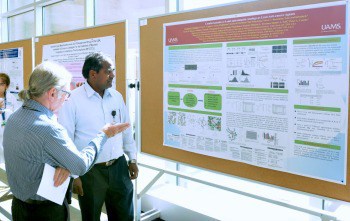
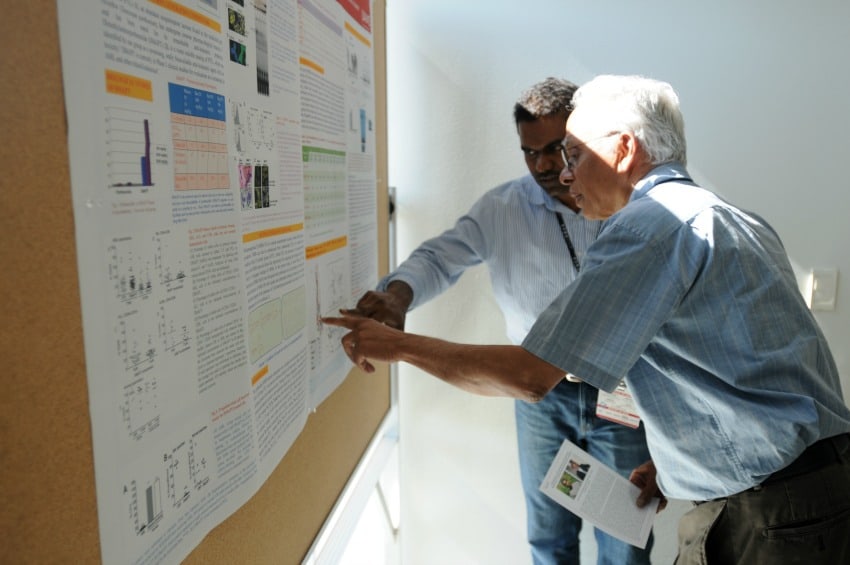
From left, Peter Crooks, Ph.D., D.Sc., and Narsimha Penthala, Ph.D., discuss their research on small-molecule derivatives as anti-cancer agents.

Eight projects were featured at the Showcase of Medical Discoveries: Inventors— the 18th in a series to foster communication and collaboration among UAMS investigators and clinicians. About 70 researchers, physicians, staff and students attended the event, held at the UAMS Winthrop P. Rockefeller Cancer Institute.

Each group of researchers had applied for a patent within the last two years, Gray said. Receiving a patent is often a lengthy process that takes several years to complete, she said.

“We are very interested in making sure that research ultimately makes its way to the patient, and it’s not going to make it to the patient if it doesn’t have a commercial path,” Gray said.

“Most faculty in academic health centers think about writing papers and disseminating their research findings through publications, but they don’t always think about protecting their intellectual property,” said Lawrence Cornett, Ph.D., UAMS vice chancellor for research. “The patent is just the beginning, so that you can go forward with the research and no one will steal your idea.”

Many projects focused on small molecule therapies to fight cancer and infection.

A small-molecule drug is a substance that is able to enter cells easily because it has a low molecular weight. Once inside the cells, it can affect other molecules, such as proteins, and may cause cancer cells to die. This is different from drugs that have a large molecular weight, such as monoclonal antibodies, which are not able to get inside cells very easily. Many targeted therapies are small-molecule drugs or small-molecule inhibitors.

Mark Smeltzer, Ph.D., professor in the Department of Microbiology and Immunology and Department of Orthopaedic Surgery, presented his team’s research on using antibiotic-loaded gold nanocages to target staphylococcal infections. Gold nanoparticles are emerging as promising agents for cancer therapy. Smeltzer’s team is using that approach to target infections.

Researchers and guests gather at the Showcase of Medical Discoveries.

Gold nanocages carry antibiotics to a specific location for treatment, only releasing the antibiotics after the nanocage is targeted with a laser. This releases energy that damages the pathogen, making it easier for the antibiotic to do its work. It’s a one-two punch that aims to combat growing antibiotic resistance, Smeltzer said.

“If you can use it to therapeutic advantage in the context of cancer, why can’t you use it for therapeutic advantage in the context of an infection?” Smeltzer said. “At the end of the day, what you’re trying to do is eradicate some sort of cell that has pathological consequences and do it in a manner that does not harm the human host.”

The Showcase of Medical Discoveries is organized by Cornett and supported by Pope Moseley, M.D., UAMS executive vice chancellor and dean of the College of Medicine. It originated from discussions about the faculty’s desire for more opportunities to display their scientific work in a social setting.

Posters at the showcase described the researchers’ work. They were:

Looking for drugs in all the wrong places: Are antibiotic-loaded gold nanocages the solution for treating Staphylococcus aureus biofilm infections?

Researchers: Daniel Meeker, Karen Beenken, Weston Blake Mills, Dmitry Nedosekin, Mark Smeltzer

Design and Synthesis of Bcl-xL Degraders as Potent Senolytic Agents

Researchers: Xuan Zhang, Yingying Wang, Daohong Zhou, and Guangrong Zheng

Assessing the Interest of UAMS Investigators in fastPACE Biomedical Commercialization Course

Researchers: Nancy Gray, Nancy Rusch, Curtis Lowery

Development and Commercialization of Tocol-containing Pharmaceuticals

Researchers: Ujwani Nukala, Shraddha Thakkar, Awantika Singh, Nukhet Aykin-Burns, Rajeshkumar Manian, John House, Guangrong Zheng, Sanchita Ghosh, Mahmoud Kiaei, Marjan Boerma, Martin Hauer-Jensen, Philip J. Breen and Cesar M. Compadre

Novel Potent Anti-leukemia Stem Cell Compounds

Researchers: Paola E. Ordóñez, Krishan K. Sharma, Laura M. Bystrom, Ujwani Nukala, Rajeskumar Manian, Maria A. Alas, William F. Reynolds, Raul G. Enriquez, Darcy C. Burns, Omar Malagón, Darin E. Jones, Michael Balick, Shraddha Thakkar, Philip J. Breen, Monica L. Guzman and Cesar M. Compadre

Valchlor gel (Mechlorethamine): an approved FDA drug in the USA, and marketed in Europe as Ledaga for the treatment of Mycosis fungoides and cutaneous T-cell lymphoma (MF-CTCL)

Researchers: Zaineb A.F. Albayati, Vipin P. Nair, Sundar Neelakantan, David R. Worthen, Marhaba Hojahmat and Peter A. Crooks

Combretastatin A-4 and Apysinopsin Analogs as Lead Anti-cancer Agents

Researchers: Narsimha R. Penthala, Grace Coggins, Maddukuri Leena; Jessica H. Hartman, Dae Song Jang; Alexei G. Basnakian, Suja Arattuthodiyil, Kevin M. Raney, Nikhil R. Madadi, Thirupathi R. Yerramreddy, Rajashekar Konjeti, Michael L. Freeman, Robert L. Eoff and Peter A. Crooks

Aryl Esters of Melampomagnolide B as Anticancer Agents

Researchers: Shobanbabu Bommagani, Jessica Ponder, Craig T. Jordan, Michael J. Borrelli, Meenakshisundram Balasubramaniam, Robert Reis, and Peter A. Crooks

Sesquiterpene Lactone Derivatives as Potential Lead Molecules for Treatment of Acute Myelogenous Leukemia

Researchers: Venumadhav Janganati, Jessica Ponder, Craig T. Jordan and Peter A. Crooks

Venumadhav Janganati (background), a post-doctoral fellow in the Department of Pharmaceutical Sciences, explains his research on anti-leukemia drugs.

UAMS is the state’s only comprehensive academic health center, with colleges of Medicine, Nursing, Pharmacy, Health Professions and Public Health; a graduate school; a hospital; a northwest Arkansas regional campus; a statewide network of regional centers; and seven institutes: the Winthrop P. Rockefeller Cancer Institute, the Jackson T. Stephens Spine & Neurosciences Institute, the Myeloma Institute, the Harvey & Bernice Jones Eye Institute, the Psychiatric Research Institute, the Donald W. Reynolds Institute on Aging and the Translational Research Institute. It is the only adult Level 1 trauma center in the state. UAMS has 3,021 students, 789 medical residents and five dental residents. It is the state’s largest public employer with more than 10,000 employees, including about 1,000 physicians and other professionals who provide care to patients at UAMS, Arkansas Children’s Hospital, the VA Medical Center and UAMS regional centers throughout the state. Visit www.uams.edu or www.uamshealth.com. Find us on Facebook, Twitter, YouTube or Instagram.

###

By Benjamin Waldrum | June 14th, 2017

Filed Under: News

  • «Previous Page
  • Page 1
  • Interim pages omitted …
  • Page 35
  • Page 36
  • Page 37
  • Page 38
  • Page 39
  • Next Page»
UAMS College of Medicine LogoUAMS College of MedicineUniversity of Arkansas for Medical Sciences
Mailing Address: 4301 West Markham Street, Little Rock, AR 72205
Phone: (501) 296-1100
  • Facebook
  • X
  • Instagram
  • YouTube
  • LinkedIn
  • Pinterest
  • Disclaimer
  • Terms of Use
  • Privacy Statement
  • Legal Notices

© 2026 University of Arkansas for Medical Sciences