• Skip to primary navigation
  • Skip to main content
  • Skip to primary navigation
  • Skip to main content
Choose which site to search.
University of Arkansas for Medical Sciences Logo University of Arkansas for Medical Sciences
College of Medicine
  • UAMS Health
  • Jobs
  • Giving
  • About Us
    • Fast Facts
    • Leadership
    • Features
    • Maps and Directions
    • College of Medicine History
    • Professionalism Guidelines
  • Departments
  • Admissions
    • Apply
    • Financial Aid and Scholarships
    • Life in Little Rock or Fayetteville
    • Dual Degree Programs
      • M.D./MBA Program
      • CREST MSTP (MD/PhD) PROGRAM
      • M.D./MPH Program
    • Three-Year M.D. Program
    • Rural Practice Programs
      • Community Match Rural Physician Recruitment Program
      • Rural Practice Scholarship Program
    • What Our Graduates Do
    • Contact Admissions
  • Students
    • Academic Calendar
    • Academic Houses
    • Career Advising
    • Financial Aid and Scholarships
    • Visiting Students
    • Mentor Spotlight Podcast
    • Preparing for Residency
    • Non-Discrimination Statement
    • Outstanding Teacher Nominations
    • Parents Club
    • Student Links
    • Honors in Research
    • UAMS Campus Security
    • Undergraduate Medical Education Competencies
  • Graduate Medical Education
  • Alumni
  • Faculty Affairs
  • Research
  1. University of Arkansas for Medical Sciences
  2. College of Medicine
  3. News
  4. Page 33

News

Dr. Jason Farrar among lead authors of study that could lead to better therapies for pediatric AML

LITTLE ROCK – A scientist at the University of Arkansas for Medical Sciences (UAMS) is among the lead authors of a study that could lead to more effective therapies for children with acute myeloid leukemia (AML).

UAMS’ Jason Farrar, M.D., and collaborators at eleven other institutions published their study in the journal Nature Medicine and presented findings at the 2017 American Society of Hematology Annual Meeting (ASH) held Dec. 9-12 in Atlanta. Many of the published results were first released at the 2016 ASH Annual Meeting, held in San Diego.

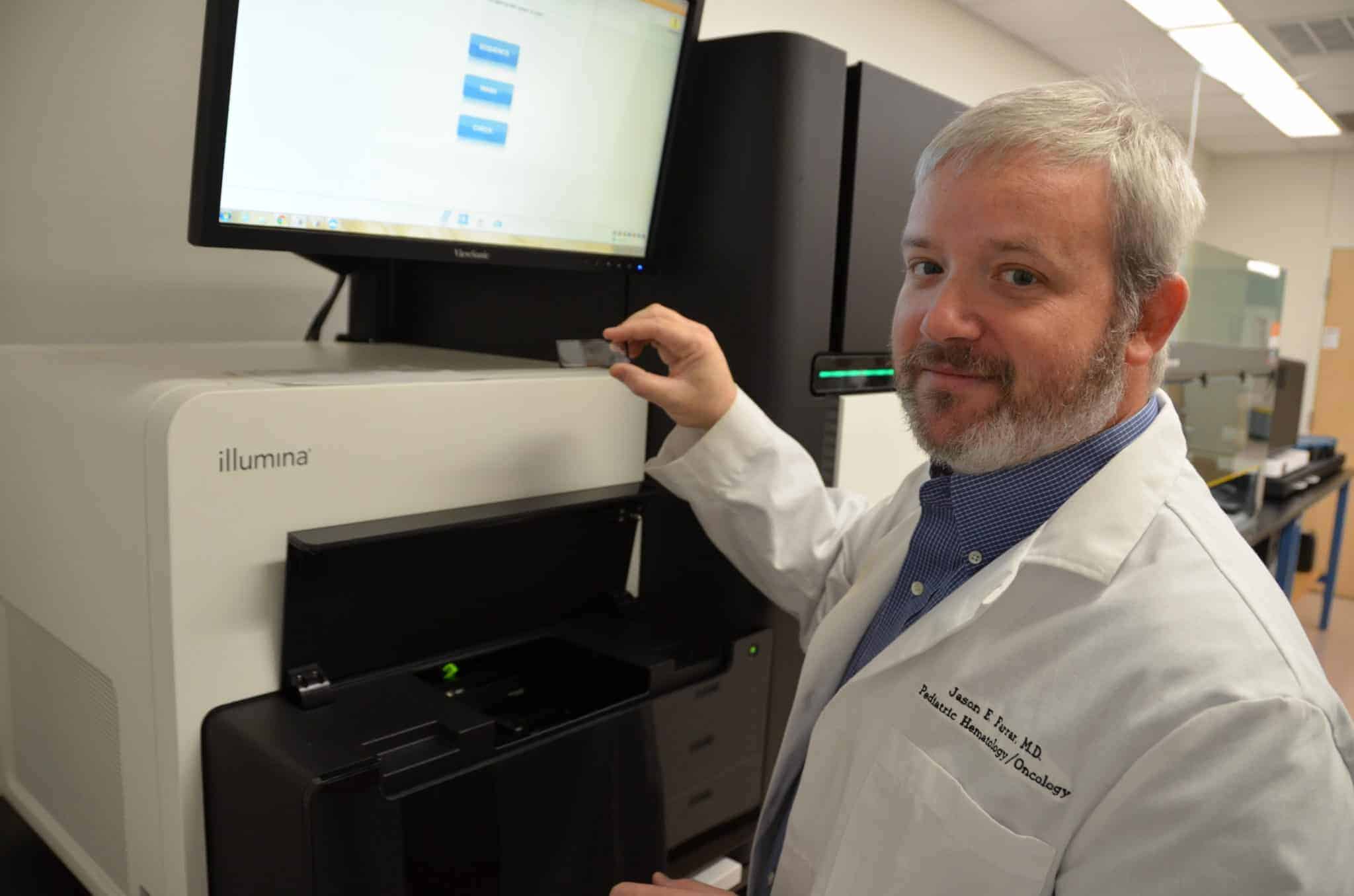
Scientist in lab
The UAMS College of Medicine’s Jason Farrar, M.D., is a lead author on a study, published in Nature Medicine, that identifies key differences between the molecular structure of acute myeloid leukemia in young patients compared to those who are older.

“Although research has made great strides in improving survival rates for children with acute lymphocytic leukemia, progress in AML, a less common less form of childhood leukemia, has lagged behind. Our research is a step forward in understanding how to better treat children with this challenging disease,” said Farrar, assistant professor in the UAMS College of Medicine Department of Pediatrics.

The study’s findings identified key differences between the molecular structure of AML in young patients as opposed to those who are older. Due to these differences, the researchers concluded that traditional therapies used to treat adults with AML are not effective for children and young adults with the same disease.

“One of our key findings is that there is a clear age continuum in the biology of AML. Because the disease develops differently in the young, middle aged and old, we know that we can’t use the previously accepted therapies that were designed for older adults and expect them to have the same outcomes for children and young adults,” Farrar said.

The study involved an analysis of the genomes of more than 1,000 AML patients treated nationwide through the Children’s Oncology Group, with ages ranging from 8 days to 29 years. Of that number, 200 had their entire genome sequenced for the study, however the group’s continuing research includes whole-genome sequencing for hundreds more participants.

Data also was gathered from about 400 of these patients to determine how their cancer cells read and interpreted the DNA changes.

“We need high-depth data on every AML patient we treat to get the best possible understanding of how this disease works at a molecular level,” Farrar said.

Most commonly diagnosed in older adults, AML starts in the bone marrow and can move quickly to the blood. According to the American Cancer Society, about 21,000 Americans are diagnosed with AML each year and about 10,600 die of it. As stated in the researchers’ paper, four out of 10 young AML patients do not survive long term.

Based on their findings, Farrar and his collaborators have already developed an improved system for determining the severity of AML in young people at the time of their diagnosis. The individual patient’s treatment is then tailored to the severity of their disease, with those who have less severe disease receiving treatment with fewer possible side effects.

This system is implemented at Seattle Children’s Hospital, where collaborator Soheil Meshinchi, M.D., of Fred Hutchinson Cancer Research Center, sees patients and will soon be integrated into national cooperative clinical trials for children and young adults with AML.

“Being able to identify whether a child has high-risk or low-risk disease is very important to their long-term outlook. For example, many of the drugs used to treat AML can cause young patients to have cardiac conditions as they age. If we can effectively treat their cancer with drugs that do not damage their heart, we definitely want to do that,” Farrar said.

Funded by the National Cancer Institute, this research effort is part of a program called the TARGET Initiative, which is focused on determining the genetic changes that drive the formation and progression of hard-to-treat childhood cancers. TARGET stands for Therapeutically Applicable Research to Generate Effective Treatments.

In addition to AML, the TARGET Initiative researchers also study acute lymphoblastic leukemia, kidney tumors, neuroblastoma and osteosarcoma.

Additional support for this study comes from the Arkansas Biosciences Institute, the Center for Translational Pediatric Research at Arkansas Children’s, Scientific Computing at Fred Hutchinson Cancer Research Center, the University of Southern California’s Center for High-Performance Computing, St. Baldrick’s Foundation and the Jane Anne Nohl Hematology Research Fund.

In addition to Farrar and Meshinchi, the paper’s lead authors include Hamid Bolouri, Ph.D., and Rhonda E. Ries of Fred Hutchinson Cancer Research Center and Timothy Triche Jr., M.D., Ph.D., of the Van Andel Research Institute and University of Southern California Norris Comprehensive Cancer Center.

By Susan Van Dusen| December 19th, 2017

Filed Under: News

Perry Initiative Helping to Change Face of Orthopaedics

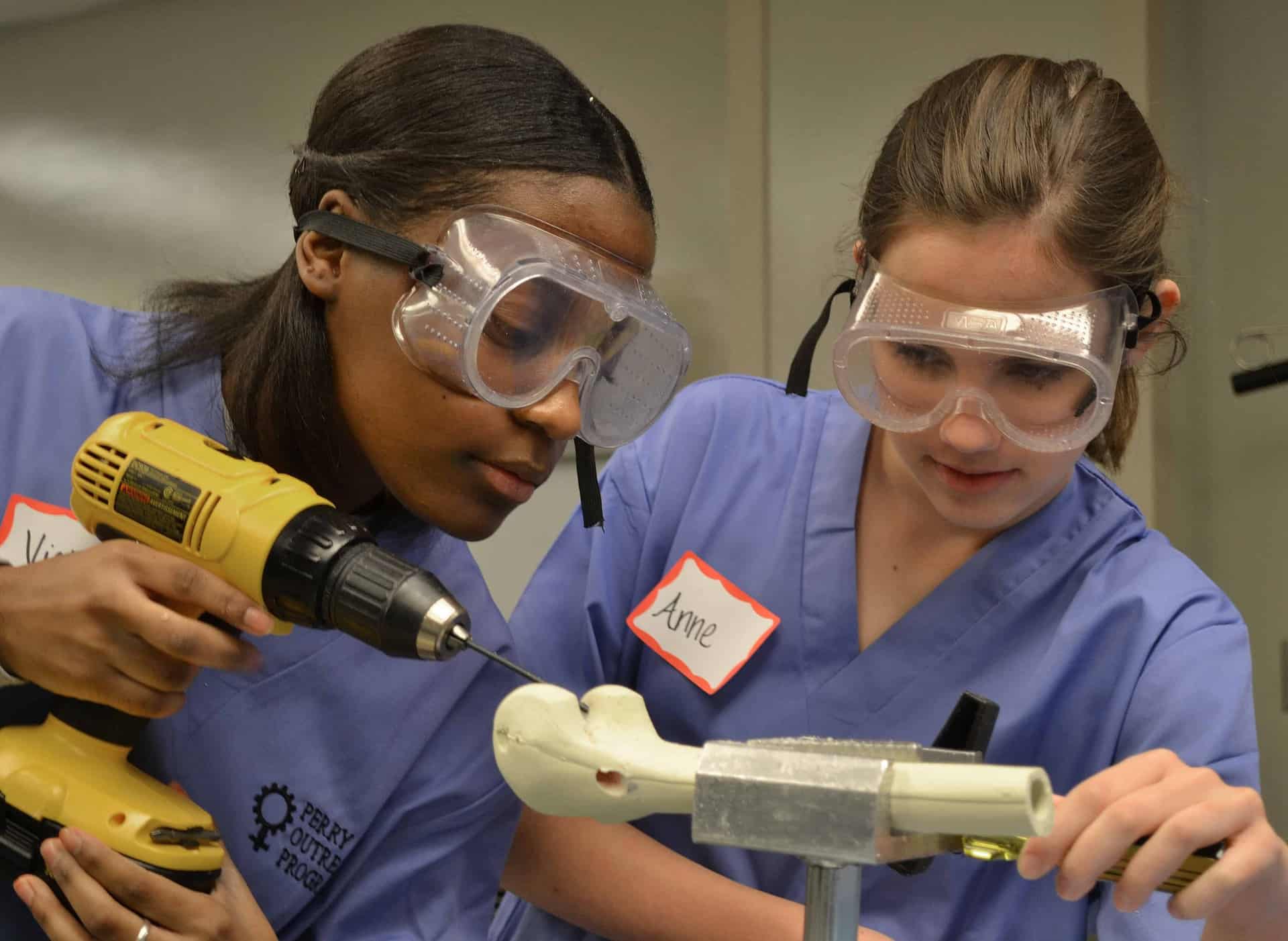
Dec. 19, 2017 | Faces serious with concentration as drill bits spiral into bone. Faces protected by goggles as fragments start to fly. Faces that break into smiles and nervous laughter as they examine their first attempts at standard orthopaedic surgery techniques.

Faces that – unlike the trend for most of orthopaedic surgery and engineering disciplines – are female.

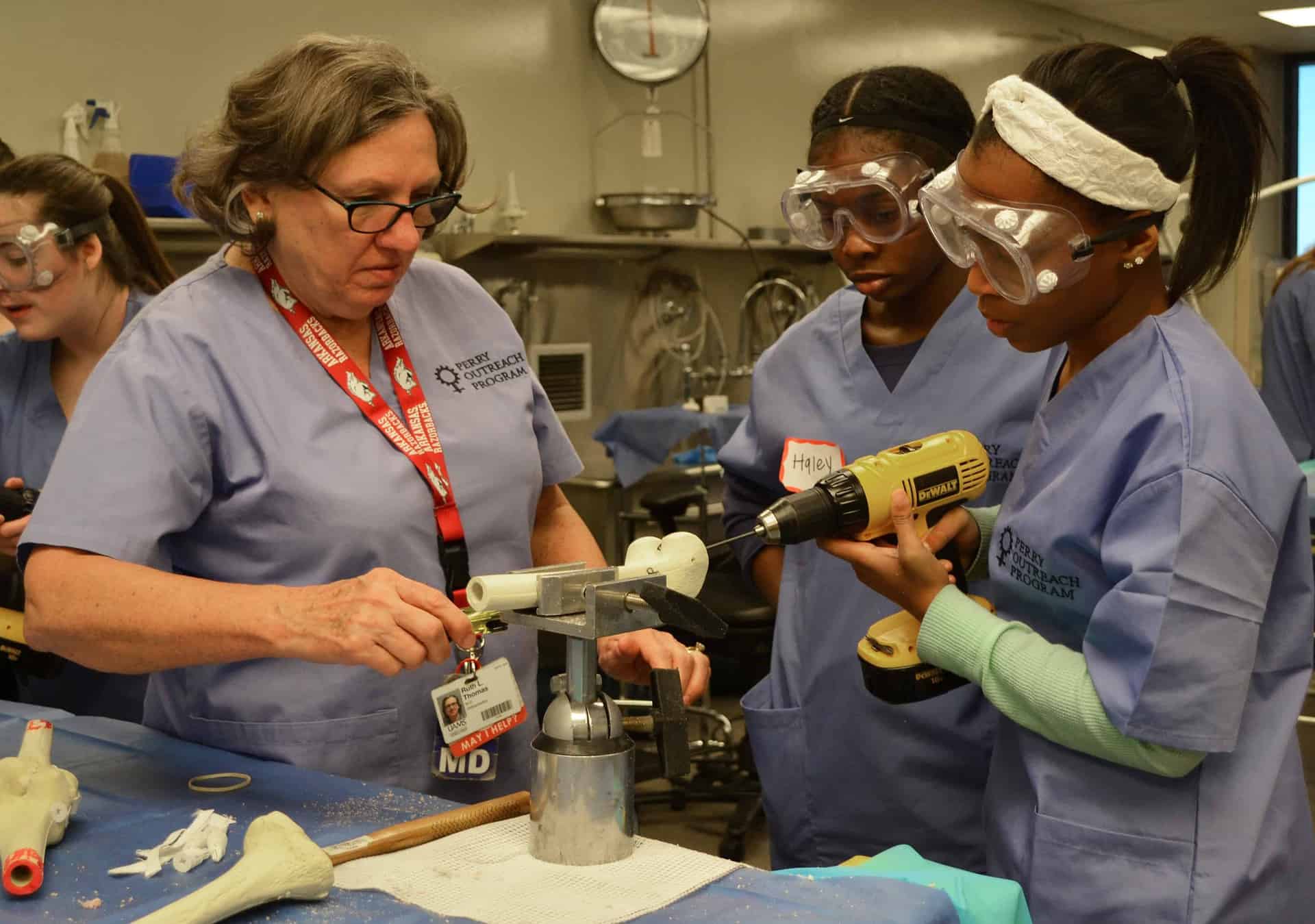
Twenty-five female high school students from Arkansas took part in a daylong, hands-on introduction to orthopaedics and engineering Dec. 9 as part of the Perry Outreach Program, held in UAMS’ Jackson T. Stephens Spine & Neurosciences Institute.

Professor with two students
Ruth Thomas, M.D., an orthopaedic foot specialist at UAMS, leads two of the students through one of the hands-on exercises. A total of 25 girls participated.

“It’s rewarding to see the girls come in at the beginning of the day, anxious as they try things, and to see them by the end of the day, when they grab the drill and just do it, with total confidence and problem solving — that is so powerful,” said Theresa Wyrick, M.D., a UAMS orthopaedic hand specialist.

The program is organized by the Perry Initiative, a national nonprofit that aims to increase the number of women in orthopaedics and engineering through programs with students in high school, college and medical school. This was UAMS’ seventh year to partner with the Perry Initiative for the program, which in some years also includes medical students.

Student with bones
A student examines her work after completing an exercise to reconstruct a torn knee ligament.

Wyrick, who is also vice chair of the orthopaedic surgery and an associate professor in the College of Medicine’s Department of Orthopaedic Surgery, spoke in the morning to the students about work-life balance. Erin Mannen, Ph.D., director of orthopaedic research at UAMS and an assistant professor in the College of Medicine, spoke about her work engineering new methods for treating hip dysplasia. Kasa Cooper, an orthopaedic surgery resident, talked about the process of getting into medical school.

“Engineering and orthopaedics work hand-in-hand, because a lot of the innovations in orthopaedics come from engineering approaches to problem-solving,” said Ruth Thomas, M.D., an orthopaedic foot specialist, professor in the College of Medicine and director of UAMS’ Center for Foot and Ankle Surgery. “We need women to be contributing to medical advancement in these areas. For example, Dr. Mannen’s work in hip dysplasia may allow a baby to be treated for hip dysplasia while being carried close to mom. Women are needed in these fields for the betterment of our world.”

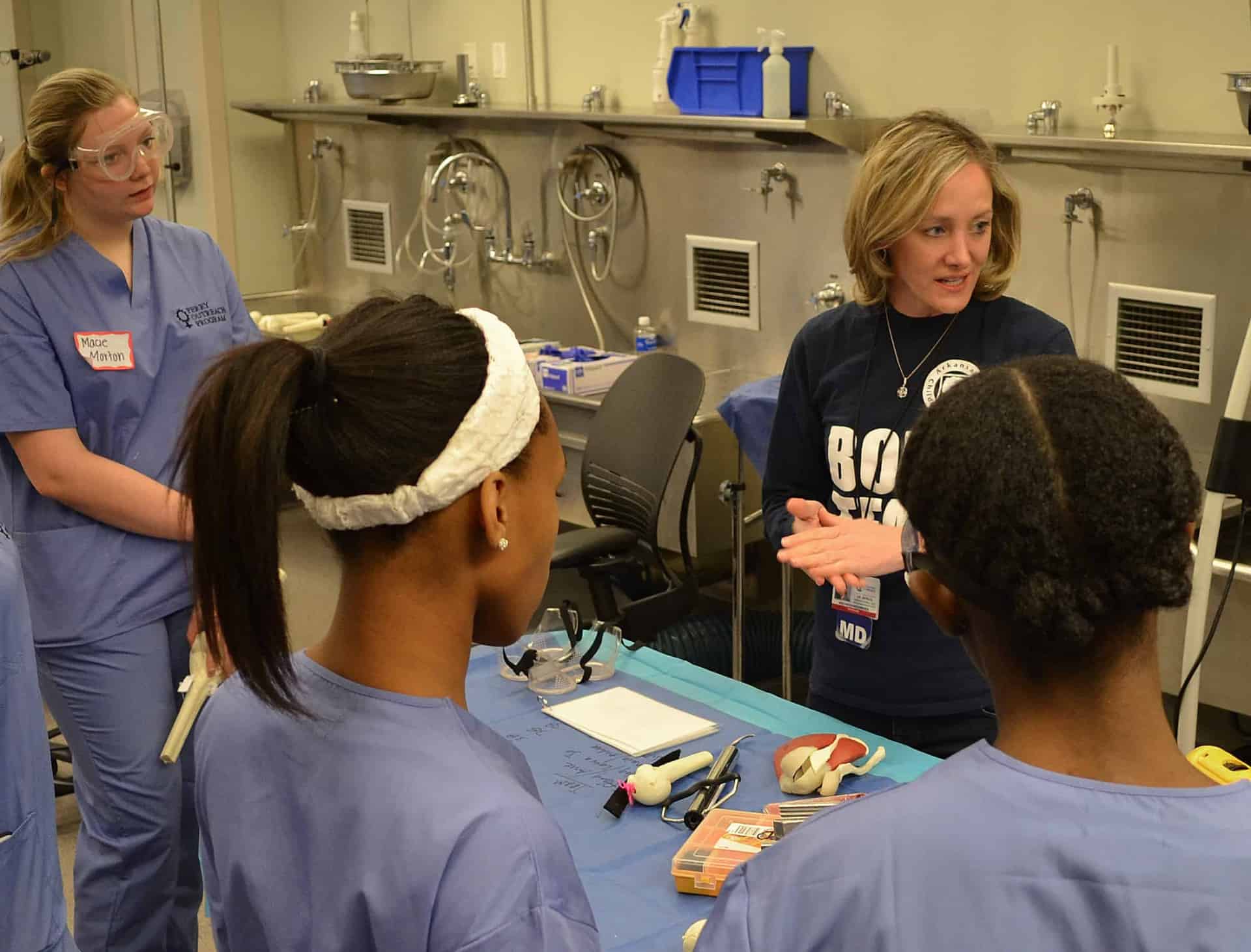
Professor with students
Theresa Wyrick, M.D., a UAMS orthopaedic hand specialist, explains an activity to repair a torn rotator cuff.

In the afternoon, Wyrick, Thomas, staff from the Perry Initiative and other women with an interest in orthopaedics from UAMS and across central Arkansas led the students through hands-on modules that included casting, suturing (on pigs feet), breaking a bone and repairing it (external fixation), reconstructing a torn knee ligament, repairing a rotator cuff and inserting an intramedullary nail. They worked with “bones” made of compressed sawdust that mimic the density and feel of real human bones.

While medicine in general has not always welcomed women, orthopaedics in particular has been slow to open up. Only 6 percent of fully accredited practicing orthopaedic surgeons in the United States are women.

Thomas was the only female in her residency group and spent much of her early career alone as well.

Students with drill
Only 6 percent of fully accredited practicing orthopaedic surgeons in the United States are women. The Perry Initiative hopes to ‘change the face’ of orthopaedics and engineering

.

“I definitely think programs like these are making a difference,” Thomas said. “Both ortho and engineering are now wide-open fields for women, when that wasn’t always the case.”

UAMS is proud to be a part of this trend, not only by partnerships with organizations like the Perry Initiative, but by having a Department of Orthopaedic Surgery with a robust representation of females.

“The whole purpose is to show these girls that they can do it, that engineering and orthopaedics are fun,” Thomas said.

Wyrick said it feels special to her just to get the experience of participating.

“At the end of the day, it’s about empowering the girls to do what they want to do. Go out and do it,” Wyrick said. “This is what an orthopaedic surgeon looks like. We all look like orthopaedic surgeons now.”

Medtronic Inc., a global medical device company, provided a $5,000 sponsorship for the program. The UAMS Graduate School provided lunch for the participants.

By Amy Widner| December 19th, 2017

Filed Under: News

Arkansas Children’s, UAMS Pediatric Specialist Honored with National Award for Work to Prevent Child Abuse

The medical director of the Arkansas Children’s Hospital Team for Children at Risk has received national recognition for her breakthrough efforts to prevent child abuse in the state and beyond.

Karen Farst, M.D., M.P.H., who also serves as the medical director of the Rebecca and Robert Rice Medical Clinic in the Clark Center for Safe & Healthy Children, was recently named the 2017 recipient of the Ray E. Helfer, MD, Award, a distinguished honor from the National Alliance of Children’s Trust and Prevention Funds and the American Academy of Pediatrics.

She also serves as an associate professor of Pediatrics in the University of Arkansas for Medical Sciences (UAMS) College of Medicine and holds the Jerry G. Jones Endowed Chair in Child Maltreatment at Arkansas Children’s.

Karen Farst, M.D., M.P.H.

The Hefler Award is given annually to a pediatrician who has demonstrated a contribution to preventing child abuse before it occurs, primarily through work with a state children’s trust or prevention fund.

The first physician board-certified in Child Abuse Pediatrics in the state of Arkansas, Dr. Farst now serves on the Child Abuse subboard of the American Board of Pediatrics. She has written many peer-reviewed publications and book chapters and has lectured across the country.

Dr. Farst holds several positions of national leadership, including as past president of the Board of Directors of the National Children’s Alliance, the association and accrediting body for the more than 800 Children’s Advocacy Centers around the country and abroad.

A major innovator for improving the prevention of child abuse and neglect in Arkansas, Dr. Farst developed an interconnected network of medical providers in the state’s Children’s Advocacy Centers that supports local professionals in providing the best care possible to sexually abused children.

This model is uniquely suited to making care available to the greatest number of children in this large, rural state. Optimizing care at the time abuse is discovered not only gives the child the best start to recovery, but also aids local multidisciplinary team professionals in preventing further abuse from occurring.

“We are grateful for Dr. Farst’s unyielding commitment to vulnerable children,” said Jay Deshpande, M.D., chief medical officer of Arkansas Children’s and a professor of Pediatrics at UAMS. “Her dedication has resulted in systematic change that has improved their lives tremendously. No one could be more deserving of this award.”

The award is named for the late Ray Helfer, M.D., considered the “father” of children’s trust and prevention funds due to his concept that special funds could be used to ensure that our nation’s children grow up nurtured, safe and free from harm.

Dr. Helfer’s lifelong dedication to children serves as a model for all citizens. This award was established in his honor and was to be presented at the Alliance’s annual membership meeting held this month in Little Rock. The award is presented a second time at the annual meeting of the American Academy of Pediatrics.

About Arkansas Children’s

Arkansas Children’s, Inc. is the only health system in the state solely dedicated to caring for children, which allows the organization to uniquely shape the landscape of pediatric care in Arkansas. The system includes a 336-bed hospital in Little Rock with the state’s only pediatric Level 1 trauma center, burn center, Level 4 neonatal intensive care and pediatric intensive care, and research institute as well as a nationally recognized transport service. It is nationally ranked by U.S. News World & Report in pediatric cardiology and heart surgery, neonatology, pulmonology and urology. A sister campus is under development in Northwest Arkansas and will bring 233,613 square feet of inpatient beds, emergency care, clinic rooms and diagnostic services to children in that corner of the state. Arkansas Children’s also blankets the state with outreach programs that include telemedicine, mobile health, and school-based health solutions. A private not-for-profit, Arkansas Children’s boasts an internationally renowned reputation for medical breakthroughs and intensive treatments, unique surgical procedures and forward-thinking research and is committed to providing every child with access to the best care available, regardless of location or resources. Founded as an orphanage, Arkansas Children’s has championed children by making them better today and healthier tomorrow for more than 100 years. For more info, visit archildrens.org.

About UAMS

UAMS is the state’s only health sciences university, with colleges of Medicine, Nursing, Pharmacy, Health Professions and Public Health; a graduate school; hospital; northwest Arkansas regional campus; statewide network of regional centers; and seven institutes: the Winthrop P. Rockefeller Cancer Institute, Jackson T. Stephens Spine & Neurosciences Institute, Myeloma Institute, Harvey & Bernice Jones Eye Institute, Psychiatric Research Institute, Donald W. Reynolds Institute on Aging and Translational Research Institute. It is the only adult Level 1 trauma center in the state. UAMS has 2,834 students, 822 medical residents and six dental residents. It is the state’s largest public employer with more than 10,000 employees, including 1,200 physicians who provide care to patients at UAMS, its regional campuses throughout the state, Arkansas Children’s, the VA Medical Center and Baptist Health. Visit www.uams.edu or www.uamshealth.com. Find us on Facebook, Twitter, YouTube or Instagram.

# # #

Filed Under: News

LaTunja Sockwell Receives Award from AIDSWatch

DFPM-RED’s LaTunja Sockwell applied and was awarded a very competitive travel award from AIDSWatch!  She is one of 50 nationally awarded!

AIDSWatch is the largest annual national constituent-based advocacy event focused on HIV policy in the United States. The event draws hundreds of people living with HIV (PLHIV) and their allies to Washington, DC for two days to educate Members of Congress and their staff about HIV. Participants will receive training on legislative priorities, relevant research that supports them, and how to conduct effective meetings with their elected representatives.

https://www.aidsunited.org/Policy-0024-Advocacy/AIDSWatch.aspx

Filed Under: News

Hearts2Soles Provides Free Foot Exam, Shoes to Local Homeless

Dec. 11, 2017 | Her youngest daughter, Cheyenne, covets new shoes like most 10-year-old children; her oldest child, 13-year-old Sequoia, continues to hit growth spurts every few months making new shoes a necessity; and she, 35-year-old Virginia Duck, has worn through the soles from her current pair of shoes.

Those circumstances made the annual Hearts2Soles event led by UAMS’ Ruth Thomas, M.D., at River City Ministry in North Little Rock a relief for Duck’s entire family.

Ruth Thomas, M.D., working on a patient’s foot
Ruth Thomas, M.D., professor in the UAMS College of Medicine’s Department of Orthopaedic Surgery, has led efforts for a decade through Hearts2Soles to provide an annual event where the area’s homeless, working poor and disabled can receive free medical foot care and shoes.

Duck and her girls were three of the 60 homeless, working poor and disabled to receive free medical foot care, shoes and multiple pairs of socks Nov. 30.

In addition to Thomas and staff from UAMS, helping at the event were staff from Snell Prosthetic & Orthotic Laboratory and other volunteers. The event has been spearheaded since its inception by Thomas, professor in the Department of Orthopaedic Surgery in the UAMS College of Medicine.

The first Hearts2Soles event in North Little Rock was in 2008. Stephen Conti, M.D., an orthopaedic surgeon from Pittsburgh, who started Our Hearts to Your Soles that works in partnership with Soles4Souls, reached out to Thomas about starting a similar operation in Arkansas.

Since then, Thomas and her volunteers have set up at River City Ministry every year, except 2014 when a shortage of shoes forced the group to cancel, to help the less fortunate in central Arkansas.

“This is just one way we can help the homeless in our community,” said Thomas. “Obviously, the participants get a lot out of tonight, but so do our volunteers who come back year after year to help. We love being able to help.”

UAMS Hearts2Soles
Virginia Duck and her two daughters (left to right), Cheyenne and Sequoia, were three of the 60 homeless, working poor and disabled to receive medical care of their feet and a new pair of shoes Nov. 30 at the River City Ministry in North Little Rock

After signing in and receiving a plate of food, participants were called back one at a time for a foot bath in warm water, followed by an exam and pedicure. Then, each participant was fitted for a new pair of shoes donated by Red Wing Shoes, as well as a few pair of socks.

Waiting to be fitted for her own shoes, Duck smiled as Cheyenne showed off a new pair of colorful socks and Sequoia sported a shiny pair of white sneakers.

“This is important to us,” said Duck. “Most of the homeless and less fortunate need new shoes often, because of the amount of walking. Personally, I’m happy to see my girls so excited about getting new shoes.”

By Lee Hogan| December 11th, 2017 |

Filed Under: News

Dementia Update Educates Health Care Professionals, Caregivers

Dec. 12, 2017 | If nothing improves in dementia care in the next three decades, then by 2050 taking care of people with dementia will cost $1 trillion annually in the United States, a guest speaker warned Dec. 2 during the Dementia Update conference at UAMS.

Lyketsos, M.D., visits with Mark Pippenger, M.D.
Lyketsos, M.D., left, visits with Mark Pippenger, M.D., whose presentation preceded his at the Dementia Update.

That speaker, Constantine Lyketsos, M.D., professor of psychiatry and behavioral sciences at Johns Hopkins University in Baltimore, Maryland, along with other health professionals at the update sought to educate the physicians, nurses, pharmacists, dietitians, social workers and caregivers about dementia and how to improve care for patients.

Lyketsos also was the founding director of the Johns Hopkins Neuropsychiatry Service, which he led for over a decade, and is a world expert in the care and treatment of patients with Alzheimer’s disease and related dementias, especially those with behavioral and psychological symptoms of dementia.

Mark Pippenger, M.D., associate clinical professor in the UAMS College of Medicine Donald W. Reynolds Department of Geriatrics, introduced Lyketsos, then gave the audience of about 80 an overview of what dementia is and the most common causes of it.

Attendees visit with vendors in the lobby
Attendees at the Dementia Update visit with vendors in the lobby of the I. Dodd Wilson building during a break in the conference.

In order of prevalence, the causes include neurodegenerative disorders like Alzheimer’s disease, dementia with Lewy bodies, vascular dementia and fronto-temporal dementia (FTD).

Pippenger said Alzheimer’s disease usually happens in older people, and memory loss is usually the predominant symptom. Lewy body patients also are older, but they often have a loss of motor control like that found in Parkinson’s disease. Vascular dementia often results from a known stroke, and FTD comes with behavioral changes and odd affect as the frontal and temporal lobes degenerate.

“In every case, we should give them the best, most accurate diagnosis possible,” Pippenger said. “We should always stop those drugs that can make dementia worse. We frequently see people on drugs that are making things worse.”

Lyketsos in his opening remarks echoed Pippenger’s assessment, but spotlighted the issue of agitation in dementia patients and how best to treat it.

Constantine Lyketsos, M.D., speaks
Dementia Update guest speaker Constantine Lyketsos, M.D., talks to the conference audience about medications used in treating dementia.

“My focus is on agitation because it is one of the most problematic behaviors,” Lyketsos said. “There are few drug options that are safe. I want you to think about how not to use drugs, and not to use drugs that are harmful.”

He said in 2010, there were 35 million people with dementia, and by 2030, that total will rise to 50 million worldwide. There is no drug even in development that will stop dementia in its tracks, and as a society, we are underinvesting in drug development and treatment for it, Lyketsos said.

The conference was the second annual Dementia Update to be presented by the Walker Memory Center at the UAMS Donald W. Reynolds Institute on Aging. Pippenger is a behavioral neurologist and sees patients at the Walker Memory Center.

Following the presentations from Pippenger and Lyketsos, speakers in other sessions covered topics including support services and resources for community members; training in screening and diagnosis for professionals; medications, safety and legal matters; and strategies for handling difficult behaviors.

By Ben Boulden | December 12th, 2017

Filed Under: News

UAMS’ C. Lowry Barnes: Trinidad Trip ‘Very Rewarding’

The procedure itself was nothing out of the ordinary for a seasoned orthopaedic surgeon like C. Lowry Barnes, M.D., but the response he received from the patient will always be a special memory for him.

In the middle of a medical mission trip to Trinidad, Barnes had just helped a middle-aged woman move her hip to show her the arthritis pain she had suffered from for years was gone. Overcome with joy, she expressed her thankfulness by kissing Barnes’ hands.

“It gets you pretty fired up,” said Barnes.

Dr. Barnes with patient in Trinidad
C. Lowry Barnes, M.D., chair and professor of the UAMS College of Medicine’s Department of Orthopaedic Surgery, receives a token of gratitude from a Trinidadian patient. Barnes traveled to Trinidad with Operation Walk Maryland in October. The group provided dozens of surgeries to patients there.

It’s always satisfying to travel to faraway lands with experienced colleagues to provide medical care to those less fortunate. It’s the exact reason Barnes, chair and professor of the UAMS College of Medicine’s Department of Orthopaedic Surgery, has gone on so many trips with Operation Walk in the last decade.

Barnes and his physician assistant, Sara E. Foster, were two of the more than 50 health care professionals — including nurses, anesthesiologists, hip and knee surgeons and other operating room staff — who collectively replaced 52 joints in 48 patients in Trinidad over the week of Oct. 13.

The trip was sponsored by Operation Walk Maryland, a not-for-profit group based in Baltimore and one of the many chapters of Operation Walk USA that offers free surgical treatment for patients in developing countries and the United States through volunteer medical service.

Barnes met Lawrence D. Dorr, M.D., founder of Operation Walk USA and The Dorr Arthritis Institute, and Paul Khanuja, M.D., leader of Operation Walk Maryland, during his John Insall Traveling Fellowship in 2006. Since then, Barnes has accompanied Dorr and Khanuja on several mission trips to Peru, India and Trinidad. He joined Operation Walk Boston to the Dominican Republic, where he worked with his peers from a previous fellowship at Harvard Medical School.

The group spent the first day evaluating patients and performing the first four surgeries. The next days started around 7 a.m. and lasted until about 7 p.m. In between, doctors, nurses and other staff inhabited four operating rooms as patient after patient was wheeled in for surgery.

One of the noticeable things on a trip like this, Barnes said, is the increased severity of conditions in patients, compared to stateside because of the lack of widespread care and treatment.

“Many of the patients are much worse off because they’ve been without care for so long,” said Barnes. “Here, we manage orthopaedic conditions and if treatment fails, there are many surgeons to address the issue, but that’s not the case in many parts of the world.”

Gratitude from the patients is one of the main reasons Barnes continues to go back.

“It’s always a very rewarding experience that allows you to work with other wonderful surgeons from around the country in a less fortunate place,” said Barnes. “Obviously, it does so much for the patients, but the surgeons benefit just as much because we’re reminded of why we became surgeons: To take care of others.”

This particular trip had extra meaning for Barnes because his daughter, Sally, currently a sophomore in college, came along to assist.

“Sally has a heart of gold and really enjoys these types of mission trips,” said Barnes. “It was special to be able to see her excel and do such a great job.”

Trips like this will continue to be a part of Barnes’ efforts. He’s already planning his next trip with Operation Walk in the spring. This time, in Nicaragua.

By Lee Hogan | December 8th, 2017

Filed Under: News

UAMS’ Jay Mehta, M.D., Ph.D., Named to Forbes’ Physician Honor Roll

Dec. 7, 2017 | UAMS’ Jay (Jawahar) L. Mehta, M.D., Ph.D., is one of 27 cardiologists across the country being recognized by Forbes as an exemplary physician in the field of cardiology.

Many individuals on the list have served in the top spots of multiple hospitals and contribute a wealth of clinical research to advance the practice, in addition to serving on community boards and national organizations.

Jay Mehta, M.D., Ph.D.
Jay Mehta, M.D., Ph.D., a professor in the UAMS College of Medicine, is internationally recognized for his groundbreaking research related to blood clotting and heart attacks.

Mehta is a professor of internal medicine and physiology/biophysics in the College of Medicine and holds the Howard and Elsie Stebbins Chair in cardiology. He serves on several major journal editorial boards and is a member of many prestigious academic societies including the American Society for Clinical Investigation and Association of American Physicians. He is internationally recognized for his groundbreaking research related to blood clotting and heart attacks. His findings in the 1970s on the role of blood platelets helped lead to new anti-clotting drugs.

More recently, his laboratory has been working on a potential gene therapy for atherosclerosis, the disease known for causing arteries to clog.

In 2004, the UAMS Mehta/Stebbins Chair in Cardiovascular Research was established in his honor.

The Forbes list was generated via a partnership with Grand Rounds, whose mission is to connect patients with the highest quality care available to them. Grand Rounds’ matching algorithm connects patients with physicians uniquely qualified to care for their specific clinical need. Grand Rounds’ algorithm includes physician quality data on 96 percent of practicing physicians in the U.S.

Forbes’ list features individual profiles of all 27 health care leaders: www.forbes.com/sites/matthewherper/2017/12/05/27-top-cardiologists-picked-by-big-data/#6b2b4d2b6a7e.

About Grand Rounds

Grand Rounds’ vision is to create a path to great health and health care for everyone, everywhere. Founded in 2011, the company provides an employer-based platform that delivers improved outcomes for patients and their families. It connects patients with care informed by the latest and best practices — preventing and correcting misdiagnoses and unnecessary or failed treatments. Named second among Glassdoor’s 2016 Best Places to Work, Grand Rounds helps restore individual health and quality of life, and offers employers lower health care spending and higher employee productivity. For more information, visit www.grandrounds.com or follow us on Twitter @GrandRoundsInc.

UAMS is the state’s only health sciences university, with colleges of Medicine, Nursing, Pharmacy, Health Professions and Public Health; a graduate school; hospital; northwest Arkansas regional campus; statewide network of regional centers; and seven institutes: the Winthrop P. Rockefeller Cancer Institute, Jackson T. Stephens Spine & Neurosciences Institute, Myeloma Institute, Harvey & Bernice Jones Eye Institute, Psychiatric Research Institute, Donald W. Reynolds Institute on Aging and Translational Research Institute. It is the only adult Level 1 trauma center in the state. UAMS has 2,834 students, 822 medical residents and six dental residents. It is the state’s largest public employer with more than 10,000 employees, including 1,200 physicians who provide care to patients at UAMS, its regional campuses throughout the state, Arkansas Children’s Hospital, the VA Medical Center and Baptist Health. Visit www.uams.edu or www.uamshealth.com. Find us on Facebook, Twitter, YouTube or Instagram.

By David Robinson| December 7th, 2017

Filed Under: News

Sushma Bhusal, M.D., and Aparna Sharma, M.D., Join UAMS as Transplant Nephrologists

Sushma Bhusal, M.D., and Aparna Sharma, M.D., have joined the University of Arkansas for Medical Sciences (UAMS) as transplant nephrologists, caring for kidney and pancreas transplant patients before and after surgery.

UAMS is the only center in Arkansas that offers adult liver and kidney — and soon pancreas — transplantation.

Bhusal and Sharma have advanced, specialized training in the needs of kidney and pancreas transplant patients. Bhusal completed a fellowship in nephrology at New York University and a fellowship in transplant nephrology at the University of Pittsburgh Medical Center. Sharma completed a nephrology fellowship at University of Chicago Medical Center and a transplant nephrology fellowship at the University of Illinois in Chicago.

Sushma Bhusal, M.D.
Sushma Bhusal, M.D.

In addition, Bhusal is director of UAMS’ pancreas transplant program, which is expected to open in the next year. UAMS is also expanding its living donor program, and Bhusal said it is important to spread the word about the life-saving role that living donors can play.

“The evidence is clear that people who donate one of their kidneys do not experience higher rates of mortality or morbidity compared to the general population,” Bhusal said.

Sharma agreed.

Aparna Sharma, M.D.
Aparna Sharma, M.D.

“Transplantation is absolutely the best treatment for end-stage renal disease, and living kidney donations are the best kind,” Sharma said. “Kidney donation is safe and can really save lives.”

Bhusal and Sharma also serve as assistant professors in the UAMS College of Medicine’s Department of Internal Medicine, Division of Nephrology.

“Dr. Bhusal and Dr. Sharma strengthen our growing transplant program,” said John Arthur, M.D., Ph.D., director of the Division of Nephrology. “We are excited to have them join us.”

Bhusal obtained her M.D. from Jawaharlal Nehru Institute of Postgraduate Medical Education and Research, Pondicherry University, India. She completed an internship in internal medicine at the New York Metropolitan Hospital Center in New York, where she was awarded Most Outstanding Intern for 2011-2012, and a residency in internal medicine at St. Vincent Hospital in Worchester, Massachusetts.

Sharma earned her M.D. at Sawai Man Singh Medical College in Jaipur, India. She completed a residency in internal medicine at Presence Saint Francis Hospital in Evanston, Illinois.


UAMS is the state’s only health sciences university, with colleges of Medicine, Nursing, Pharmacy, Health Professions and Public Health; a graduate school; hospital; northwest Arkansas regional campus; statewide network of regional centers; and seven institutes: the Winthrop P. Rockefeller Cancer Institute, Jackson T. Stephens Spine & Neurosciences Institute, Myeloma Institute, Harvey & Bernice Jones Eye Institute, Psychiatric Research Institute, Donald W. Reynolds Institute on Aging and Translational Research Institute. It is the only adult Level 1 trauma center in the state. UAMS has 2,834 students, 822 medical residents and six dental residents. It is the state’s largest public employer with more than 10,000 employees, including 1,200 physicians who provide care to patients at UAMS, its regional campuses throughout the state, Arkansas Children’s Hospital, the VA Medical Center and Baptist Health. Visit www.uams.edu or www.uamshealth.com. Find us on Facebook, Twitter, YouTube or Instagram.

Filed Under: News

Faith in Cancer Care Team Keeps New Mexico Woman at UAMS

Tina Farber arrived in Arkansas with one thing on her mind — meeting her two new grandbabies. Her son’s third child had arrived in April, and her daughter was expecting her third about one month later.

“I was planning to stay about two months,” said Farber, a native Arkansan who now lives in New Mexico. “I had a PET scan scheduled for July 7 and needed to return home in time for that.”

Farber, Dia, and Baxter

A stage 3 lung cancer survivor, Farber was considered to be in remission following surgery, chemotherapy and radiation in 2016. The PET scan was a routine follow-up to ensure the cancer had not returned.

Her plans were about to change, however, when she soon developed a cough, headache and fever, prompting a trip to the urgent care clinic. After returning to her daughter’s house with a diagnosis of pneumonia, Farber’s fever shot up to 102.4 degrees and the family took action.

“My daughter, Brittney, said to pack my bags. She was taking me to the hospital,” said Farber.

About a year earlier, while still undergoing chemotherapy, Farber also had made a visit to Arkansas. A bout with dehydration during her stay landed her in the UAMS Emergency Department, where she was impressed with the doctors and nurses who attended to her.

“Everything was in sync. They got me all taken care of. I told my kids that if I’m ever visiting again and need to see a doctor, don’t take me anywhere but UAMS,” she said.

After making the hour-long drive from her daughter’s home in Malvern, Farber again arrived at UAMS where she was quickly admitted and given the attention of a team of health care providers.

“Before I even got my wristband, they called me to triage and then immediately put me in a room where six people were waiting to take care of me. I was blown away,” she said.

After a series of tests, the doctor arrived with unexpected news. Lesions were found in her brain and bones that likely meant the lung cancer had spread.

Radiation oncologist Fen Xia, M.D., examines Tina Farber’s strength and coordination during a visit to the UAMS Radiation Oncology Center.

“Once we found out the tumor had progressed to the brain and bones, we immediately got Mrs. Farber’s team together to carefully review her case and formulate an overall treatment plan,” said Fen Xia, M.D., Ph.D., chair of the Department of Radiation Oncology in the UAMS College of Medicine.

That team included Xia, who specializes in radiation therapy for brain cancer; medical oncologist Konstantinos Arnaoutakis, M.D., who specializes in lung cancer; and orthopedic oncologist Corey Montgomery, M.D., who specializes in bone cancer. Other specialists in neurology and neurosurgery also were consulted as the treatment plan took shape.

“Having a team of physicians who work together efficiently and in a timely manner is particularly critical in cancer patient care. At the UAMS Cancer Institute, our doctors and nurses communicate instantly and continuously to coordinate our patients’ care at every step, from diagnosis and care management planning to treatment delivery,” said Xia, who also works closely with nurse practitioner Nikki Baxter, A.P.R.N., at the UAMS Radiation Oncology Center.

Because radiation therapy requires daily treatments, Baxter is available to assist patients with symptom management and other issues that arise on a day-to-day basis.

“Communication and accessibility are the top priority with our patients. We all work together to provide the best care possible,” Baxter said.

That emphasis on communication and coordination have lightened the load for Farber and convinced her to postpone returning to New Mexico in favor of continuing treatment in her home state at the UAMS Winthrop P. Rockefeller Cancer Institute.

“It’s hard to be away from my husband, but God put me here for a reason,” said Farber, who added that her family and long-time friends have offered endless support and encouragement during her extended stay in Arkansas.

“The doctors and nurses at UAMS have taken the time to get to know me. They all know my story, which is really important to me. I’m going to stay here and fight this battle because I know I’m in good hands,” Farber said.

By Susan Van Dusen | December 1st, 2017

Filed Under: News

  • «Previous Page
  • Page 1
  • Interim pages omitted …
  • Page 31
  • Page 32
  • Page 33
  • Page 34
  • Page 35
  • Interim pages omitted …
  • Page 42
  • Next Page»
UAMS College of Medicine LogoUAMS College of MedicineUniversity of Arkansas for Medical Sciences
Mailing Address: 4301 West Markham Street, Little Rock, AR 72205
Phone: (501) 296-1100
  • Facebook
  • X
  • Instagram
  • YouTube
  • LinkedIn
  • Pinterest
  • Disclaimer
  • Terms of Use
  • Privacy Statement
  • Legal Notices

© 2026 University of Arkansas for Medical Sciences