• Skip to primary navigation
  • Skip to main content
  • Skip to primary navigation
  • Skip to main content
Choose which site to search.
University of Arkansas for Medical Sciences Logo University of Arkansas for Medical Sciences
College of Medicine
  • UAMS Health
  • Jobs
  • Giving
  • About Us
    • Fast Facts
    • Leadership
    • Features
    • COMmunication Newsletter
    • Maps and Directions
    • College of Medicine History
    • Professionalism Guidelines
  • Departments
  • Admissions
    • Apply
    • Financial Aid and Scholarships
    • Life in Little Rock or Fayetteville
    • Dual Degree Programs
      • M.D./MBA Program
      • M.D./Ph.D. Program
      • M.D./MPH Program
    • Three-Year M.D. Program
    • Rural Practice Programs
      • Community Match Rural Physician Recruitment Program
      • Rural Practice Scholarship Program
    • Contact Admissions
  • Students
    • Academic Calendar
    • Academic Houses
    • Career Advising
    • Financial Aid and Scholarships
    • Visiting Students
    • Mentor Spotlight Podcast
    • Preparing for Residency
    • Non-Discrimination Statement
    • Outstanding Teacher Nominations
    • Parents Club
    • Student Links
    • Honors in Research
    • UAMS Campus Security
    • Undergraduate Medical Education Competencies
  • Graduate Medical Education
  • Alumni
  • Faculty Affairs
  • Research
  1. University of Arkansas for Medical Sciences
  2. College of Medicine
  3. Author: Chris Lesher
  4. Page 28

Chris Lesher

College of Medicine Student Starts Lifetime Goal with Nonprofit

There is a bulletin board in John Musser’s apartment with a big number on it: 50,000. That’s the number of eyes the first-year UAMS medical student would like to save in his lifetime.

“That’s my dream,” said Musser. “I just want to help anyone who wouldn’t have an opportunity otherwise.”

Musser came to this goal pragmatically. It averages four eyes a day over a 35-year career. He’s already ahead of schedule after Martin Luther King Jr. Day.

On Jan. 22, his nonprofit, Rural Ophthalmology Optometry Treatment and Screening (ROOTS) treated 12 area students, ages 5-16, who had failed multiple school-required eye screenings.

When a child fails a school-sponsored eye screening, he or she is required to take another within 30 days. If the second test is failed, the child is referred to an ophthalmologist or optometrist for further testing; however, some children are never seen by a specialist. They sit in classes with possible eye issues or conditions that hinder their ability to learn.

That’s where Musser hopes to help.

He, five of his fellow medical students and two UAMS Harvey & Bernice Jones Eye Institute physicians — Katie Brown, O.D., an optometrist, and Sami Uwaydat, M.D., an ophthalmologist and associate professor in the UAMS College of Medicine’s Department of Ophthalmology — treated the dozen students in January.

It was ROOTS’ first community event, but Musser said it won’t be its last. He’s already working on events for the summer and fall, and ways to incorporate other medical professionals such as advanced practice nurses, physician assistants and registered nurses, as well as optometry and ophthalmic medical technology students.

Dr. Brown said Musser deserves to be applauded for his efforts to provide this service.

“He’s incredibly organized and motivated,” said Dr. Brown. “He has a vision and wants to help restructure and reform screening processes so more kids don’t fall through the cracks. John’s work is commendable.”

Starting and running a nonprofit would be challenging for almost anyone, let alone a student trying to adapt to the rigors of medical school. In addition to courses like Human Structure, Brain and Behavior, and Molecules to Cells, there are hours upon hours of studying.

Musser doesn’t seem to mind the added requirements of running a nonprofit.

“The passion is there,” he said. “None of it is work to me.”

Musser was first attracted to ophthalmology in high school while shadowing physicians near his home in Michigan.

“I learned the impact of different eye procedures, like for cataracts,” said Musser. “In 10 or 15 minutes, someone could have their life changed and their vision restored. I decided right then I wanted to spend the rest of my life providing that type of care and opportunity to the less fortunate.”

Wherever his medical career takes him, Musser plans to take ROOTS along for the ride.

“Fifty thousand eyes will be ROOTS’ mission,” he said.

By Lee Hogan| March 5th, 2018|
Filed Under: News

Teresa Kramer, Ph.D., Wins Child Advocacy Award

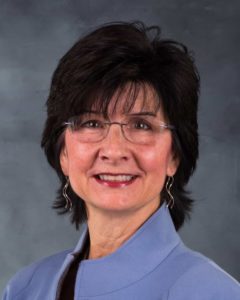
Teresa Kramer, Ph.D.

Teresa Kramer, Ph.D., a Professor and Chief Psychologist for the Department of Psychiatry, has been named the recipient of the 2018 Senator Percy Malone Child Protection Award by the Children’s Advocacy Centers of Arkansas (CACA).

The award recognizes Dr. Kramer’s contributions as Director of Arkansas Building Effective Services for Trauma (ARBEST), a program in the UAMS Psychiatric Research Institute and supported by the Arkansas Legislature. Under her leadership, ARBEST has provided training in evidence-based trauma treatments to hundreds of mental-health professionals and child advocates across the state. The program also provides clinical services and follow-up care at UAMS for children who have experienced trauma. Dr. Kramer will be honored at CACA’s annual award luncheon at the Clinton Presidential Center on April 11.

Filed Under: News

UAMS Designated Baby Friendly for Encouraging Breastfeeding

Feb. 28, 2018 | UAMS Medical Center is the only hospital in central Arkansas to have received international recognition as “baby friendly” for its policies and procedures encouraging new mothers to breastfeed as a healthier way to feed their babies.

The World Health Organization (WHO) and the United Nations Children’s Fund (UNICEF) launched the Baby-friendly Hospital Initiative in 1991 as a global program to assist hospitals in giving all mothers the information, confidence and skills necessary to successfully initiate and continue breastfeeding

The University of Arkansas for Medical Sciences (UAMS) delivers more than 3,000 babies a year. To achieve the baby-friendly designation, UAMS completed rigorous requirements in each of four phases and passed an on-site assessment.

The effort was initiated by Ginny Smith, R.N., M.S.N., women and infants nursing director, and Misty Virmani, M.D., assistant professor in the Department of Pediatrics, and led by Becky Sartini, D.N.P., assistant director of nursing for the neonatal intensive care unit.

“This shows that UAMS stands behind evidence-based efforts to promote breastfeeding,” said Sartini. “Breastfeeding is the foundation for a healthier life, not just for the baby but for the mother.”

Breastmilk contains antibodies that help babies fight off viruses and bacteria, reduces the risk of developing allergies and respiratory illnesses and lowers the risk of obesity. For the mother, breastfeeding lowers the risk of breast and ovarian cancer and osteoporosis.

UAMS Medical Center joins five other hospitals across the state in obtaining the baby friendly designation, awarded by Baby-Friendly USA Inc., the accrediting body for the hospital initiative.

The baby-friendly designation requires verification of policies, curriculum, action plans, quality improvement projects, staff training, competency verification, a readiness interview and an on-site survey.

“We had to train 350 physicians and nurses and had to build training modules going forward,” said Smith. “I am very proud because I know all the hard work people put into this.”

Breastfeeding is one of nine priority areas of Healthy Active Arkansas, a 10-year plan announced in 2015 by Gov. Asa Hutchinson to provide community-based efforts to reduce obesity. UAMS co-chairs the plan’s breastfeeding committee with Baptist Health.

Hospitals provide a unique and critical link between the breastfeeding support provided before and after delivery. Mothers who give birth at baby-friendly hospitals and birthing centers are more likely to initiate exclusive breastfeeding and more likely to sustain breastfeeding at six months and one year of age.

The Baby-friendly Hospital Initiative encourages maternity facilities throughout the world to adhere to the Ten Steps to Successful Breastfeeding:

  1. Have a written breastfeeding policy that is routinely communicated to all health care staff.
  2. Train all health care staff in the skills necessary to implement this policy.
  3. Inform all pregnant women about the benefits and management of breastfeeding.
  4. Help mothers initiate breastfeeding within one hour of birth.
  5. Show mothers how to breastfeed and how to maintain lactation, even if they are separated from their infants.
  6. Give infants no food or drink other than breast milk unless medically indicated.
  7. Practice rooming in – allow mothers and infants to remain together 24 hours a day.
  8. Encourage breastfeeding on demand.
  9. Give no pacifiers or artificial nipples to breastfeeding infants.
  10. Foster the establishment of breastfeeding support groups and refer mothers to them on discharge from the hospital or birth center.

Adhering to the Ten Steps is associated with increased rates of breastfeeding around the world. Also, adhering to the Ten Steps decreases racial, ethnic and socio-cultural disparities in breastfeeding rates in U.S. hospitals.


UAMS is the state’s only health sciences university, with colleges of Medicine, Nursing, Pharmacy, Health Professions and Public Health; a graduate school; hospital; northwest Arkansas regional campus; statewide network of regional centers; and seven institutes: the Winthrop P. Rockefeller Cancer Institute, Jackson T. Stephens Spine & Neurosciences Institute, Myeloma Institute, Harvey & Bernice Jones Eye Institute, Psychiatric Research Institute, Donald W. Reynolds Institute on Aging and Translational Research Institute. It is the only adult Level 1 trauma center in the state. UAMS has 2,834 students, 822 medical residents and six dental residents. It is the state’s largest public employer with more than 10,000 employees, including 1,200 physicians who provide care to patients at UAMS, its regional campuses throughout the state, Arkansas Children’s Hospital, the VA Medical Center and Baptist Health. Visit www.uams.edu or www.uamshealth.com. Find us on Facebook, Twitter, YouTube or Instagram.

###

By Ben Boulden | February 28th, 2018

Filed Under: News

Dr. Linda Worley Named NWA Associate Dean

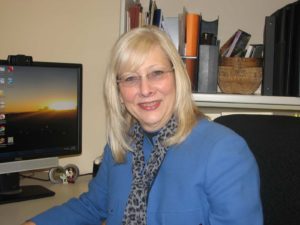
Linda L.M. Worley, M.D., a nationally recognized psychiatrist who has served in numerous leadership roles on the College of Medicine faculty for over 20 years, has been appointed Associate Dean for Northwest Arkansas.

Linda Worley

Dr. Worley relocated to Fayetteville part-time in late 2012 and has been based in Northwest Arkansas full-time since early 2014. She served as the Physician Mental Health Chief Officer for the South Central United States Veterans Integrated Services network from 2016 until assuming her new post with the College of Medicine this month.

Dr. Worley will oversee initiatives to strengthen and grow the College of Medicine’s burgeoning education, clinical and research programs in Northwest Arkansas. The college initiated a national search to fill the post when Chris Smith, M.D., left UAMS for another opportunity in late 2016. Thomas K. Schulz, M.D., Director of the Internal Medicine Residency at UAMS-Northwest, served as Interim Associate Dean.

Dr. Worley first joined the College of Medicine faculty full-time in 1992 and rose through the ranks to full Professor of Psychiatry with a secondary appointment in Obstetrics and Gynecology in 2007. With special expertise in women’s mental health, she founded the Women’s Mental Health Program and authored guidelines for the state of Arkansas under the UAMS ANGELS (Antenatal and Neonatal Guidelines, Education and Learning System) program. She also founded the Student Mental Health Program and the Faculty Wellness Program and has held numerous campus leadership positions in psychiatry.

Dr. Worley is board certified in psychosomatic medicine (consultation liaison psychiatry). She is a Past President of the Academy of Psychosomatic Medicine. She has also served since 2010 as an Adjunct Professor of Medicine in the Center for Professional Health at Vanderbilt University, where she teaches a course for distressed physicians.

Dr. Worley currently serves as Chair of the American Psychiatric Association Scienti c Program Committee. She is a Past President of the Association for Academic Psychiatry, which awarded her its Lifetime Achievement Award in 2012.

She has also received numerous accolades at UAMS for her teaching, mentoring and clinical achievements. These include 10 annual Red Sash awards from senior medical students, the Department of Psychiatry’s Robert F. Shannon Award for educational contributions in the state of Arkansas, and the Outstanding Woman Faculty Award from the UAMS Women’s Faculty Development Caucus.

Dr. Worley received her medical degree graduating A.O.A. from the University of Oklahoma College of Medicine in Oklahoma City, where she also completed her residency in general psychiatry and one year of fellowship training in child psychiatry.

Filed Under: News

Medical Students Lead Program to Boost Girls’ Confidence

UAMS College of Medicine junior Sarah Martin chooses a celebrity magazine from the stack beside her chair in the 12th Street Health and Wellness Center and flips through it. A popular actress graces the cover. Gorgeous couples advertise perfume. Pearly white smiles and flawless complexions fill the pages.

“Do you know anybody who looks like this?” Martin asks the group of pre-teen and teen-age girls and handful of mothers who are gathered around her. “This isn’t real – but society tells you at every turn that if you don’t look like this, you aren’t good enough. Well I am here to tell you, that is a big, fat lie.”

Martin, who is from Conway, Arkansas, and classmate Jordan Fletcher, from Benton, Arkansas, are co-founders of the Confidence Project, which offers one-day educational and confidence-boosting workshops for girls. The Feb. 3 event at UAMS’ student-run free clinic was the sixth that they have led at various venues in central Arkansas since July 2016.

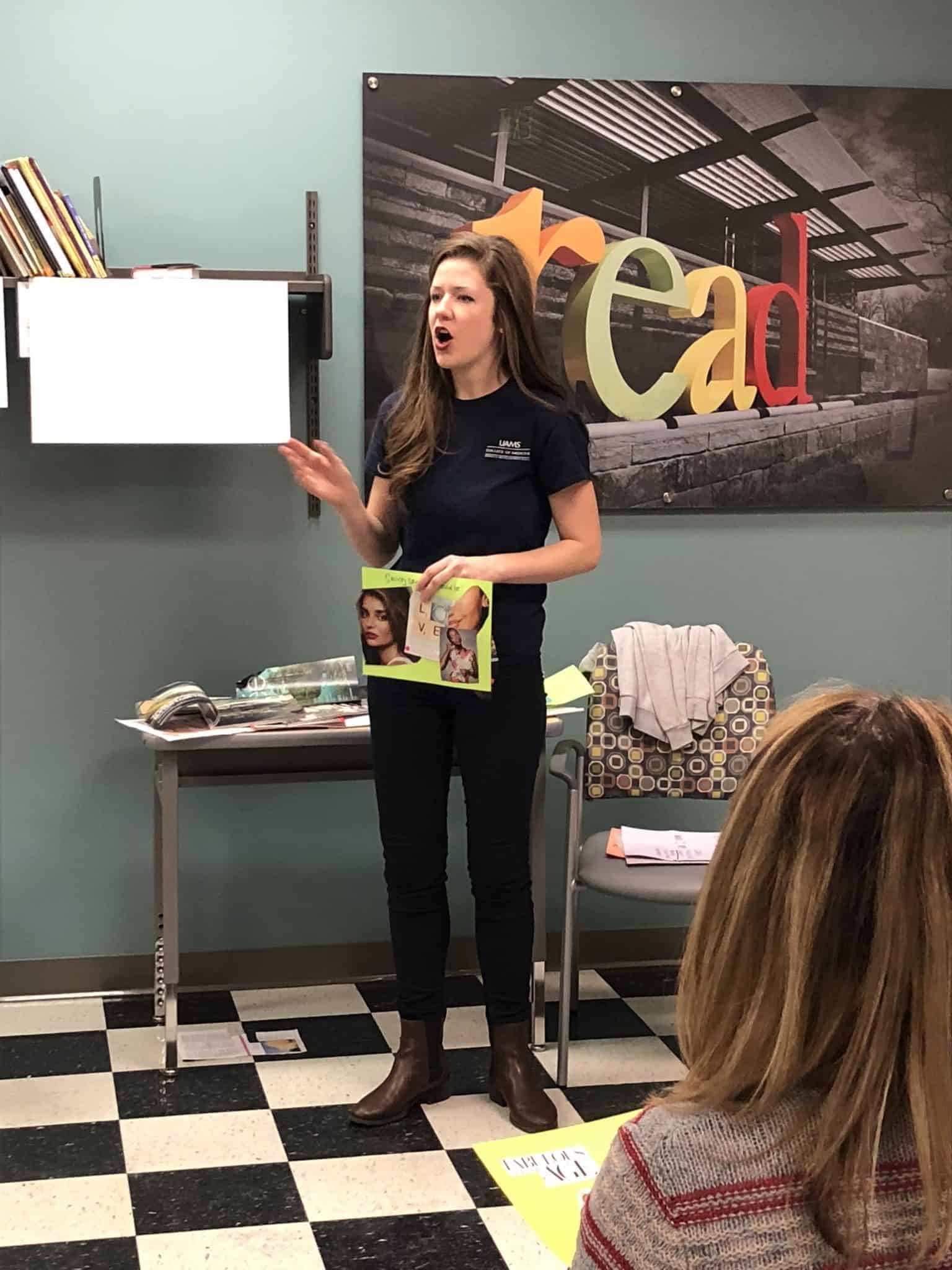
Student speaks to group
Confidence Project co-founder Jordan Fletcher talks to girls about the often unrealistic expectations that society sets for girls and women.

After three educational sessions focusing on nutrition, women’s health and social wellness, participants are invited to have their photo taken while they hold signs that they’ve created to express positive things about themselves.

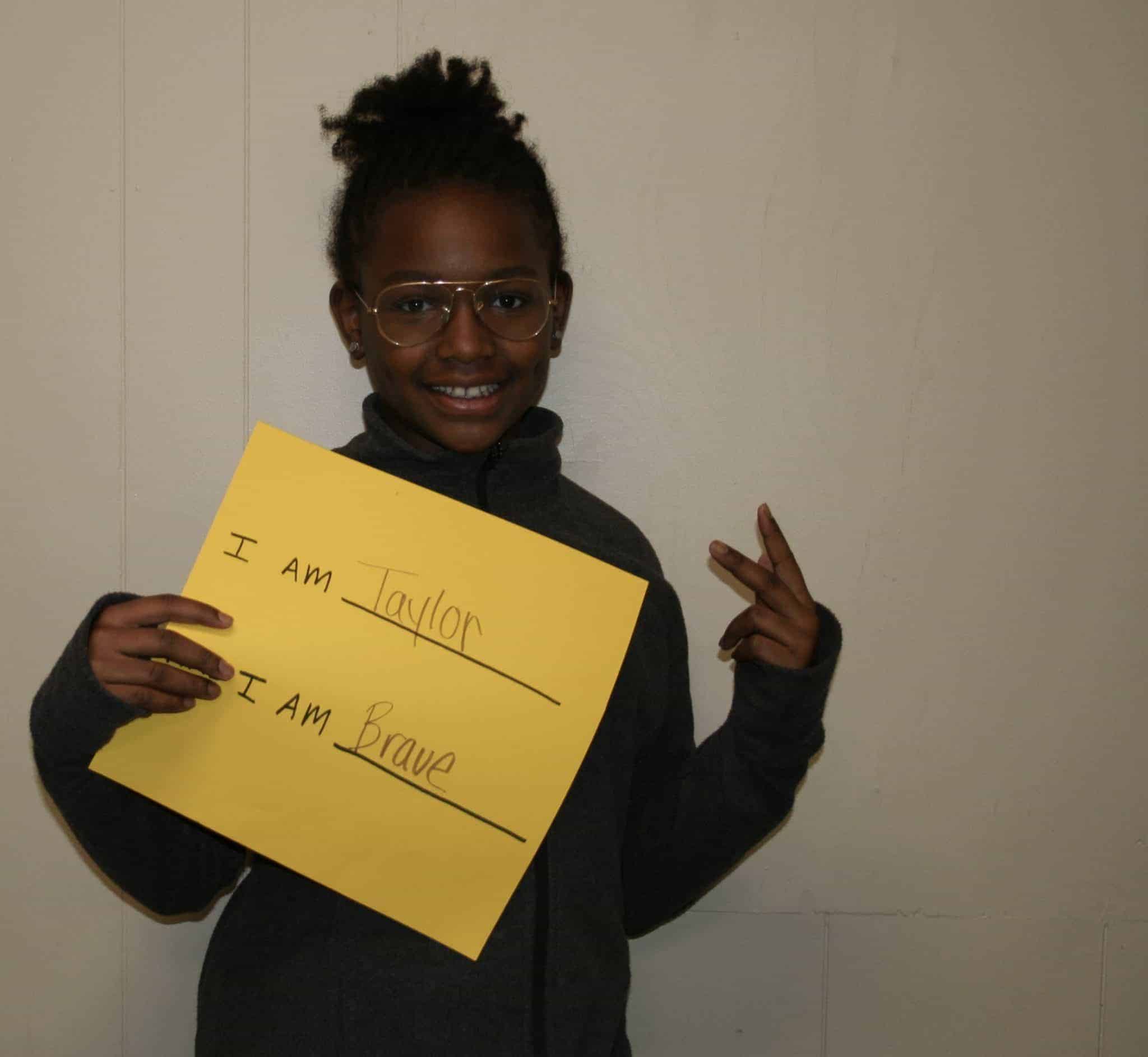
10-year-old Taylor Giles beamed from behind her statement: “I am Taylor, and I am brave.”

Fletcher, who wants to train in obstetrics and gynecology, and Martin, who intends to pursue surgery, began developing the curriculum during the last half of their freshman year. They were initially concerned that too many girls receive inadequate education about women’s health and sexual wellness.

As they continued their research, they recognized that they could also help girls by improving their understanding of general health and nutrition. Ultimately, they realized that all of these areas were connected to self-esteem and confidence. A curriculum began to take shape.

Martin and Fletcher wrote a 20-page booklet for Confidence Project participants, gleaning information from their medical school training and multiple other sources. They drew on the expertise of nutritionists and adolescent psychologists as well as a key contributor, Laura Hollenbach, M.D., an assistant professor in the Department of Obstetrics and Gynecology.

Girl holding sign
Fifth-grader Taylor Giles exudes confidence at the end of a Confidence Project workshop.

The program aims to empower girls through education and resources – as well as through the camaraderie of other girls and women. The goal is clear from page 1 of the booklet, which includes a line for each participant to fill in her name, followed by a quote: “She’s a force to be reckoned with.”

Fletcher smiled when talking about some of the transformations that occur during workshops.

“Some of the girls can be very shy coming in,” she said. “They might sit at the back of the room and seem disinterested. But then you notice them slowly start to come out of their shell. They start talking with other girls and asking questions. And by the time they get to the final session of the day, they’re the ones standing up and volunteering to answer what makes them unique and special.”

“It was really fun,” 12-year-old Olivia Jones said at the end of the Feb. 3 program. “All of the girls were really, really nice, and I learned a lot of cool things.” She said she enjoyed the nutrition session most. “I don’t have very good eating habits,” she said, laughing. “So I hope it helps me do better.”

Olivia’s mom, Alena Jones, was impressed as well.

“It’s always great when there are programs that can help you keep an open dialog with your kids,” she said. “In our society now it is really difficult to get them to block out all of the other things they are bombarded with. Programs like this help you come together and listen to each other and find out what they need – things you might not know otherwise. This was a safe environment for asking questions, and to get the perspectives of others.”

Half a dozen other medical students, all female, assisted during the February workshop. When young participants were nervous about a topic, the students helped to keep conversation flowing.

In addition to a host of volunteers, Fletcher and Martin garnered financial support for the project from sources including the UAMS College of Medicine’s ANGELS (Antenatal and Neonatal Guidelines, Education and Learning System) and the Arkansas Foundation for Medical Care.

Filed Under: News

Learn, Swab – and Maybe Save a Life: Medical Students Join Bone Marrow Registry

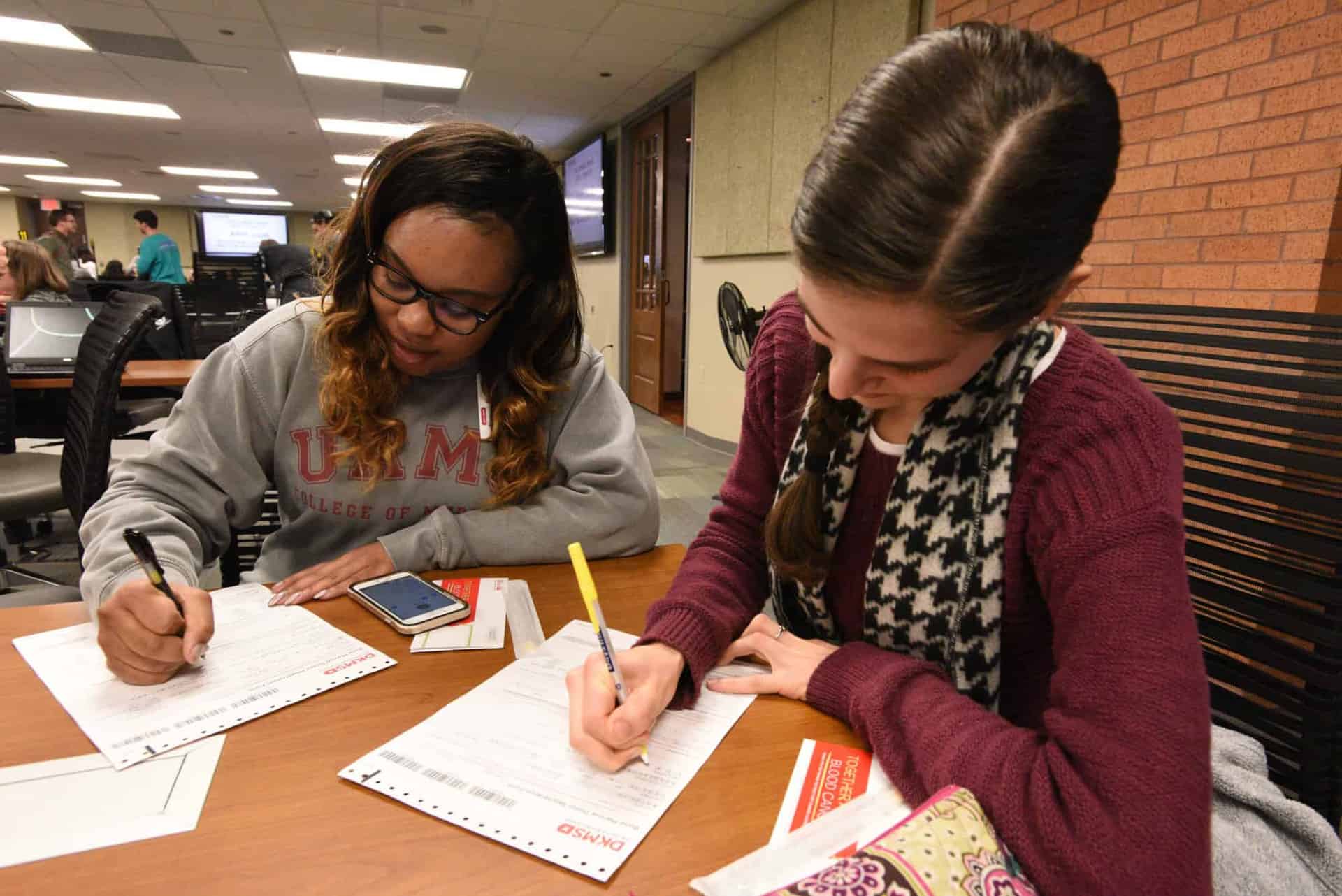
At the end of a recent team-based learning session on bone marrow failure, the entire freshman class of the College of Medicine at the University of Arkansas for Medical Sciences (UAMS) pulled swabs from sterile packets and collected their own saliva samples.

It could save someone’s life one day.

The class was participating in a bone marrow registry drive conducted by volunteers from the class above them. The tradition began last year, when then sophomores Bethany Verkamp and Ryan Steele organized a drive for their own class and then conducted a drive for that year’s freshmen during their hematology-oncology module.

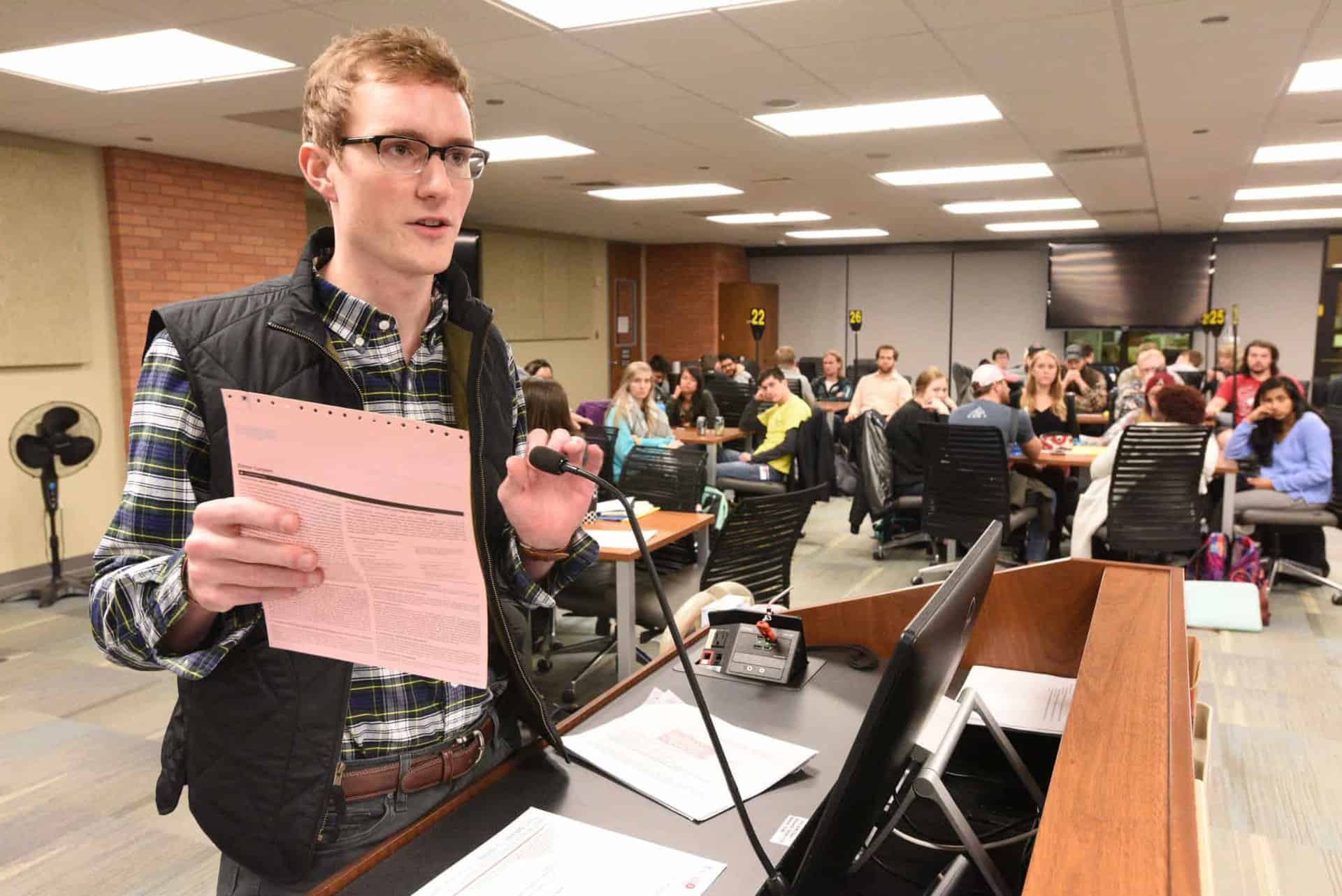
Student at podium
Sophomore John Patterson spearheaded this year’s drive for freshmen during the Hematology-Oncology Module.

“We thought that a group of 174 eager medical students who had just learned how important bone marrow transplants are for patients with certain leukemias, lymphomas and other conditions would be a great group to ask to register,” Verkamp explained. “It was also a way that students could actively feel like they were helping the patients that they were learning about.”

With a goal of establishing a sustainable annual drive coordinated by the sophomores for the freshmen, they passed the baton for this year’s drive to sophomore John Patterson and volunteers from his class.

“This is a great way for medical students to help those who are in need of life-saving bone marrow transplants while simultaneously learning about the pathophysiology of diseases,” Patterson said. “My aunt had leukemia as a child and received a life-saving bone marrow donation. That was always interesting to me while growing up, but I didn’t fully understand the process until coming to medical school.”

“Donating bone marrow is similar in respect to donating other organs, in that an individual needing a transplant must be matched as closely as possible to a donor to avoid rejection,” Patterson explained. “This is done primarily through HLA (human leukocyte antigen) typing, with other factors such as ethnicity also taken into account. HLA markers are recognized by the immune system, so the more that the HLA matches between the donor and patient, the less likely the chance of rejection is.

Students filing out paperwork
Freshmen Paige Jones (left) and Katelyn Ragland complete paperwork for the bone marrow donor registry.

“While that may sound simple, it is actually quite difficult to find good matches for many people, with some patients dying before ever finding a match. However, unlike other organs, our bone marrow can be stimulated to grow, and it will return to its normal state after donations. This means the best way we can help is by getting registered and getting others to register.”

The College of Medicine drives were coordinated through DKMS, an international nonprofit bone marrow donor center affiliated with the National Marrow Donor Program, which operates “Be the Match,” the U.S. bone marrow donor registry.

If students had any doubt that they could make a difference by registering, two of their peers have proven otherwise.

Patterson relayed an uplifting testimonial from Matt Denefe, a junior who registered last year during the first drive at UAMS. Denefe has since matched and traveled to Tulsa, Oklahoma, to donate bone marrow for a 39-year-old woman with acute myeloid leukemia (AML).

Freshmen also heard directly from one of their own classmates, Chris Quesada, who had participated in a registry drive elsewhere four years ago. He received word last fall that he appeared to be a match for a patient. More testing followed, and just a few weeks before the recent UAMS drive, Quesada traveled to Tulsa to donate marrow for a 66-year-old woman with AML.

Freshman Gelina Buslig takes a sample
UAMS College of Medicine freshman Gelina Buslig swabs to collect a sample during a student-organized bone marrow donor registry drive in the Active Learning Center.

“It was a really cool experience and I would highly suggest you guys register,” he told his class members. “It really could save someone’s life.”

Hematology-Oncology Module Director Jerry Ware, Ph.D., and Shelley Crary, M.D., an associate professor of pediatrics who teaches in the module, are more than happy to carve out time from the team-based learning session for the annual drive.

Crary told students about the importance of bone marrow transplants for benign hematologic conditions such as sickle cell disease in addition to leukemia and other malignancies. While sickle cell disease disproportionately affects certain ethnic groups including African-Americans, the national bone marrow donor registry has very small numbers of individuals from these groups.

Ware, a professor of physiology and biophysics, applauds students for initiating and participating in the drives. “I just think it speaks to the caliber of our students that they so willingly embrace helping others even before becoming clinicians,” he said.

Learn more about the National Bone Marrow Donor Program at BeTheMatch.org and about DKMS, the donor center that supported the COM drive, at DKMS.org.

By Amy Widner| February 27th, 2018 |

Filed Under: News

New Radiology Faculty

Two new faculty members have recently joined the Department of Radiology.

Jane Cook, D.O., has joined the Department of Radiology as an Assistant Professor in the Division of Pediatric Radiology. Dr. Cook received her medical degree from Michigan State University. She completed her residency in diagnostic radiology at the Oakwood Southshore Hospital in Trenton, Michigan, and continued her training with a fellowship in pediatric radiology at Cincinnati Children’s Hospital. Prior to joining UAMS, Dr. Cook practiced in Pensacola and Tampa, Florida. She is practicing primarily at Arkansas Children’s Northwest.

Spencer Lewis, M.D., has joined the Department of Radiology as an Assistant Professor in the Division of Pediatric Radiology at Arkansas Children’s Hospital and UAMS. He will also serve as Associate Program Director for the Diagnostic Radiology Residency.

Filed Under: News

Dr. Christopher Westfall Appointed Interim Dean

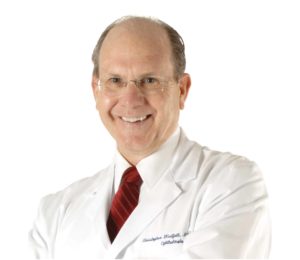
Christopher Westfall, M.D.

Christopher T. Westfall, M.D., FACS, Professor and Chair of the Department of Ophthalmology, Director of the Harvey and Bernice Jones Eye Institute, and Director of the Surgical Services Service Line, has been named Interim Dean of the College of Medicine.

Dr. Westfall will lead the college during a national search for a successor to Pope L. Moseley, M.D., who announced his decision to step down on Feb. 23.

Dr. Westfall received his undergraduate degree from the United States Military Academy at West Point, and his Doctor of Medicine from the Ohio State University College of Medicine. He completed a residency in general surgery at Keesler Medical Center, was certified by the American Board of Surgery and awarded fellowship in the American College of Surgeons (FACS). Dr. Westfall went on to complete a residency in ophthalmology at Wilford Hall Medical Center. He continued his training with a two-year fellowship in ophthalmic plastic and reconstructive surgery at the Massachusetts Eye and Ear Infirmary and Harvard Medical School in Boston. He is certified by the American Board of Ophthalmology.

Dr. Westfall served as Department Chair and Residency Program Director for the Department of Ophthalmology at Wilford Hall U.S. Air Force Medical Center. He retired at the rank of Colonel, as Chief Consultant in Ophthalmology to the U.S. Air Force Surgeon General.

Dr. Westfall joined the faculty in 1997 and served in numerous leadership positions prior to his appointment as Chair in 2009. These included Vice Chairman and Medical Practice Leader; Chief of the Oculoplastics Surgical Services at UAMS Medical Center, John L. McClellan Veterans Hospital and Arkansas Children’s Hospital (ACH); Chief of Service at ACH; and Chairman and Medical Director of the Ophthalmic Medical Technology Program in the UAMS College of Health Professions. He served as UAMS Chief of Medical Staff from 2014-2016. He was invested in 2008 as the inaugural holder of the Pat Walker Endowed Chair in Ophthalmology.

Filed Under: News

New Technology at UAMS Significantly Reduces Pathogen Identification Time

Feb. 21, 2018 | A new technology at the University of Arkansas for Medical Sciences (UAMS) reduces from days to hours the time it takes to identify pathogens associated with life-threatening blood-borne infections.

The FDA-approved Accelerate Pheno(TM) system also quickly identifies which antibiotic would be most effective on a case-by-case basis. It is the latest addition to the Clinical Microbiology Laboratory’s array of industry-redefining technologies for the identification and treatment of infectious diseases.

“We are one of the first in the world introducing this technology,” said Eric Rosenbaum, M.D., M.P.H., medical director of the Clinical Microbiology Laboratory and assistant professor in the Department of Pathology. “The way it works is nothing short of revolutionary – part of a wider renaissance in clinical microbiology we are experiencing. But more importantly, it provides our clinicians and patients life-saving results at speeds never before possible.”

Conventional methodology takes at least two days to identify a pathogen and about three days for the antibiotic results. The Accelerate Pheno can identify a pathogen in one hour and identify a treatment in a matter of several hours.

“For critically ill patients with blood infections, hours compared to days can save lives – this marks a major change in the way UAMS now approaches these complex illnesses,” Rosenbaum said.

“Our faculty physicians are dedicated to generating and advancing new biomedical knowledge that improves health, since new knowledge drives clinical care,” said Pope L. Moseley, M.D., executive vice chancellor of UAMS and dean of the College of Medicine. “Dr. Rosenbaum’s progressive and innovative approach to clinical pathology will result in additional life-saving care for many Arkansans.”

Most significant is the ability of the Accelerate Pheno to test a pathogen’s susceptibility to various antibiotics and provide a score indicating which antibiotic would be most effective.

“This feature is new and unique,” Rosenbaum said. “It means we are getting patients on the most appropriate antibiotic days faster, off more-expensive and sometimes toxic broad spectrum antibiotics and on the road to recovery.”

The Accelerate Pheno is an example of how innovators and tech-minded individuals are changing the world of medicine.

Previously, the method of testing samples had remained essentially unchanged since its inception decades ago. It involved putting a sample from the patient in a dish, allowing it to grow, and then identifying the pathogen using relatively prolonged biochemical testing.

Instead, the Accelerate Pheno uses a technology called morphokinetic cellular analysis. Video of a pathogen’s growth is recorded and computer algorithms compare it to an archive of growth pattern information – a first-ever application of this technique in clinical microbiology.

The Accelerate Pheno is just one of several technologies at the Clinical Microbiology Laboratory that improve identification of diseases, including tuberculosis, meningitis, drug-resistant infections, influenza and others.

By Amy Widner| February 21st, 2018 |

Filed Under: News

Gundogdu Joins UAMS as Neuromuscular Disorder Specialist

Feb. 20, 2018 | Betul Gundogdu, M.D., has joined the University of Arkansas for Medical Sciences (UAMS) as a neurologist specializing in neuromuscular disorders.

She sees patients in the Jackson T. Stephens Spine & Neurosciences Institute’s Neurology Clinic. She provides electromyography, which measures nerve and muscle function using electrical activity and is used in diagnosing a range of conditions, including amyotrophic lateral sclerosis (ALS, also known as Lou Gehrig’s disease), myasthenia gravis and muscular dystrophy.

Neuromuscular specialists treat disorders that affect the peripheral nerves and muscles. Additional examples include peripheral neuropathies, Guillain Barre Syndrome, chronic inflammatory demyelinating neuropathy and myopathies.

Gundogdu also is an associate professor in the UAMS College of Medicine’s Department of Neurology.

“Dr. Gundogdu is an excellent teacher and physician and we are glad – for the benefit of our residents and patients alike – that she is joining our growing neurology team. Her extensive training at the fellowship level indicates a level of expertise that speaks for itself,” said Robert L. “Lee” Archer, M.D., professor and chairman of the Department of Neurology.

Gundogdu received her medical degree from Istanbul University Capa School of Medicine in Istanbul, Turkey, and completed her neurology residency in at the University of Chicago Hospitals in Chicago. She completed a fellowship in Electromyography/Clinical Neurophysiology from the University of Chicago Hospitals. She had further training in Neuromuscular Diseases/Muscle and Nerve Pathology at Mayo Clinic in Rochester, Minnesota, as well as Baylor College of Medicine in Houston, Texas.

Gundogdu has been regularly presented with the Best Doctors in Arkansas award from Best Doctors in America Inc. since 2011. In 2014 she was given the electromyography teaching award from graduating residents. Gundogdu holds certifications in American Board of Neurology and Psychiatry, American Board of Electrodiagnostic Medicine as well as Certification by UCNS for Neuromuscular Pathology.


UAMS is the state’s only health sciences university, with colleges of Medicine, Nursing, Pharmacy, Health Professions and Public Health; a graduate school; hospital; northwest Arkansas regional campus; statewide network of regional centers; and seven institutes: the Winthrop P. Rockefeller Cancer Institute, Jackson T. Stephens Spine & Neurosciences Institute, Myeloma Institute, Harvey & Bernice Jones Eye Institute, Psychiatric Research Institute, Donald W. Reynolds Institute on Aging and Translational Research Institute. It is the only adult Level 1 trauma center in the state. UAMS has 2,834 students, 822 medical residents and six dental residents. It is the state’s largest public employer with more than 10,000 employees, including 1,200 physicians who provide care to patients at UAMS, its regional campuses throughout the state, Arkansas Children’s Hospital, the VA Medical Center and Baptist Health. Visit www.uams.edu or uamshealth.com. Find us on Facebook, Twitter, YouTube or Instagram.

###

By Amy Widner| February 20th, 2018|

Filed Under: News

  • «Previous Page
  • Page 1
  • Interim pages omitted …
  • Page 26
  • Page 27
  • Page 28
  • Page 29
  • Page 30
  • Interim pages omitted …
  • Page 39
  • Next Page»
UAMS College of Medicine LogoUAMS College of MedicineUniversity of Arkansas for Medical Sciences
Mailing Address: 4301 West Markham Street, Little Rock, AR 72205
Phone: (501) 296-1100
  • Facebook
  • X
  • Instagram
  • YouTube
  • LinkedIn
  • Pinterest
  • Disclaimer
  • Terms of Use
  • Privacy Statement
  • Legal Notices

© 2026 University of Arkansas for Medical Sciences