• Skip to primary navigation
  • Skip to main content
  • Skip to primary navigation
  • Skip to main content
Choose which site to search.
University of Arkansas for Medical Sciences Logo University of Arkansas for Medical Sciences
College of Medicine
  • UAMS Health
  • Jobs
  • Giving
  • About Us
    • Fast Facts
    • Leadership
    • Features
    • COMmunication Newsletter
    • Maps and Directions
    • College of Medicine History
    • Professionalism Guidelines
  • Departments
  • Admissions
    • Apply
    • Financial Aid and Scholarships
    • Life in Little Rock or Fayetteville
    • Dual Degree Programs
      • M.D./MBA Program
      • M.D./Ph.D. Program
      • M.D./MPH Program
    • Three-Year M.D. Program
    • Rural Practice Programs
      • Community Match Rural Physician Recruitment Program
      • Rural Practice Scholarship Program
    • Contact Admissions
  • Students
    • Academic Calendar
    • Academic Houses
    • Career Advising
    • Financial Aid and Scholarships
    • Visiting Students
    • Mentor Spotlight Podcast
    • Preparing for Residency
    • Non-Discrimination Statement
    • Outstanding Teacher Nominations
    • Parents Club
    • Student Links
    • Honors in Research
    • UAMS Campus Security
    • Undergraduate Medical Education Competencies
  • Graduate Medical Education
  • Alumni
  • Faculty Affairs
  • Research
  1. University of Arkansas for Medical Sciences
  2. College of Medicine
  3. College of Medicine
  4. Page 3

College of Medicine

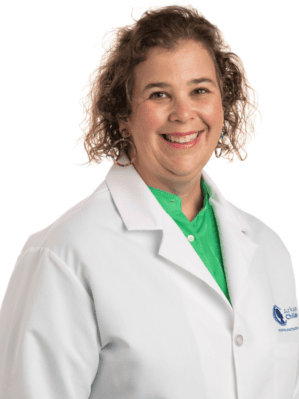
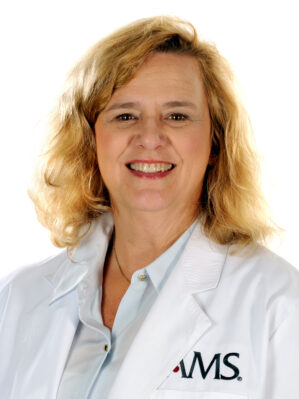
Rebecca Latch, M.D., Named Associate Dean for Student Affairs in UAMS College of Medicine

Rebecca Latch, M.D.

Rebecca Latch, M.D., has been appointed associate dean for student affairs in the University of Arkansas for Medical Sciences (UAMS) College of Medicine, effective Feb. 1. Latch is an associate professor and vice chair of education in the college’s Department of Pediatrics and has served on the faculty for 20 years.

“Dr. Latch brings a long track record of outstanding work and leadership in medical education to her new role,” G. Richard Smith, M.D., interim dean and executive vice chancellor, said in an announcement to the college. “She has served as a trusted and highly respected advisor to medical students and residents and has earned many honors for her teaching.”

Latch received her medical degree from UAMS in 2000. She completed her residency and served as chief resident in the Department of Pediatrics before joining the faculty in 2004, initially in the Division of Pediatric Emergency Medicine. Latch shifted her focus to Pediatric Hospital Medicine and led the program as section chief in 2018-2022. She has been extensively involved in medical student education throughout her career, serving as pediatric clerkship director (2009-2019) and director of pediatric medical student education (2009-2020). She was appointed vice chair of education for the Department of Pediatrics in 2020.

At the college level, Latch has contributed her expertise to the curriculum committee since 2007. For the past two years, she has served as co-chair of a task force planning a major curriculum innovation for the College of Medicine. Latch has served on the college’s admissions committee since 2021. Her academic and professional interests include promoting compassionate, family-centered care, health equity and evidence-based practice.

Among many honors relating to her teaching, Latch received the Golden Apple Award from junior medical students in 2012, along with numerous Gold Sash and Red Sash awards from graduating seniors. In 2022, she was selected to deliver the keynote faculty address to incoming freshmen at the White Coat Ceremony. In the Department of Pediatrics, she received the Educator of the Year Award in 2012 and 2017 and the Mentor of the Year Award in 2022.

Latch succeeds Sara Tariq, M.D., who is relocating to Virginia for family reasons.

Filed Under: College of Medicine

Students’ Cooking Class Shows Healthy, Tasty Holidays all about “Balance”

Turkey roulade with apple cider gravy. Browned butter mashed potatoes. Pumpkin roll cake.

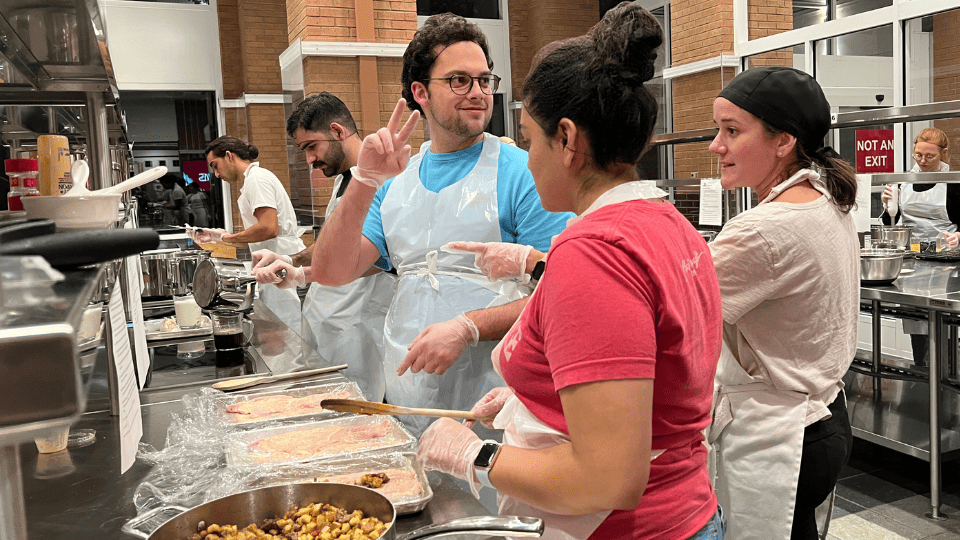
Those were just a few of the things whipped up by College of Medicine students at a cooking class hosted by the Integrative Medicine Interest Group (IMIG) just before Thanksgiving.

One might never guess the dishes all had a healthier twist, were it not for the tips provided by the instructor from the UAMS Culinary Medicine Program and the student group’s mission to help its members and others live more healthful lives – even during the holidays.

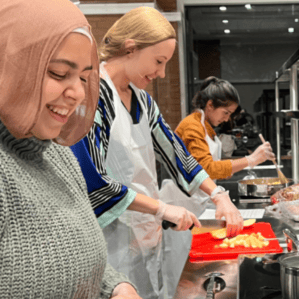
Several students cooking at stations along a counter
Medical students Reyna Gomez and Leo Cooper receive guidance from UAMS Culinary Medicine Instructor Alyssa Frisby while preparing a turkey roulade. Down the counter are students Safi Alsebai and Humam Shahare, while Megan Hunter works at the other counter.

“Our holiday meals tend to be the biggest of the year, and we’re all focused so much on the flavor, but perhaps not so much on how healthy the food is,” said third-year student Humam Shahare, the group’s Vice President. “But there is room for both. I think that is what we are here to figure out today – how to achieve that balance of pleasure and health. Balance is what it is all about.”

Students at a long counter chopping and stirring ingredients
Students (front to back) Amber Alzufari, Vanessa Weidling and Urooj Hudda work on multiple dishes for a healthier Thanksgiving dinner.

The Thanksgiving-focused class included gourmet recipes devised by a professional chef. It was the first for the year in the IMIG Cooking Series. Organizers plan to offer future sessions focused on themes such as cuisine from around the world. The group received a $2,500 grant from the Arkansas Medical Society-sponsored Medical Education Foundation for Arkansas (MEFFA) this fall to re-launch the series, which also has received past support from MEFFA.

“IMIG is very excited to bring back our cooking classes,” said IMIG President Sairi Zhang. “The last time we were able to do them was back in 2020. At the time, the classes were held at Pulaski Tech, and they were very popular with medical students. Unfortunately, COVID put a temporary stop to things.”

“This year, we were fortunate to receive the MEFFA grant to restart the classes and host them at UAMS’ very own teaching kitchen,” Zhang said. “The new location is much more convenient for medical students, and the staff are fantastic. We are so happy to be able to offer these events to students, as they are a fun, interactive way to learn about healthy diets that can be used to educate future patients.”  

The UAMS Culinary Medicine Program kitchen is located on the first floor of the Donald W. Reynolds Institute on Aging. The facility, which opened a couple of years ago, provides ample space and top-notch equipment for events such as the IMIG series as well as interprofessional education courses, an elective for fourth-year medical and pharmacy students, and culinary medicine education that has been integrated into the third- and fourth-year medical school curriculum.

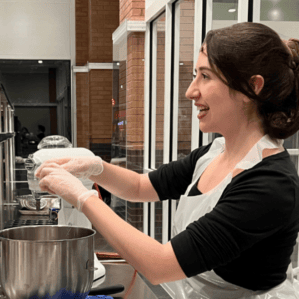
Student cracking eggs into bowl
Emily Joy Seminara cracks eggs for a pumpkin roll cake.

Culinary Medicine Instructor Alyssa Frisby, MS, RD, LD, also referred to “balance” when explaining that festive, delicious food can also be healthy. For example, she said, mashed potatoes can be prepared without incorporating butter or cream within the potatoes. Instead, cooks can brown butter to drizzle on top, adding a punch of flavor with less fat and calories.

During the class, more than a dozen students divvied up the menu and prepared the multi-course meal with guidance from Frisby. Other IMIG officers who attended and helped to organize the class included M4 Class Representative Pranav Kolluru, Treasurer Alex Heffington and Secretary Vanessa Weidling.

“This is also a great opportunity for us to unwind, said IMIG Vice President Shahare. “So, a little bit of nutritional education here, a little bit self-care there, and if people who come to our cooking classes end up leaving with a little bit more info on how to take care of themselves, then I think we’ve hit our goal.”

Filed Under: College of Medicine

UAMS Host-a-Hive Initiative is the “Bee’s Knees” for Students and Community

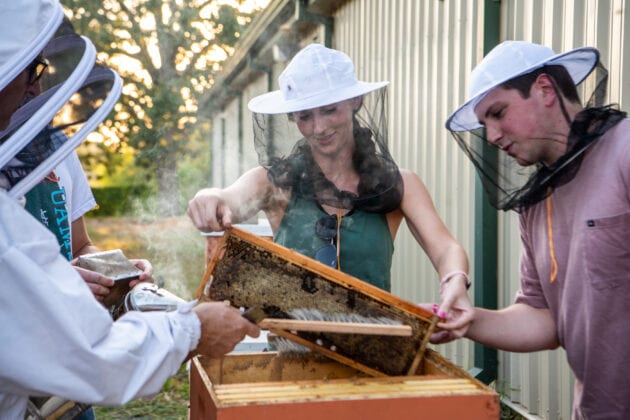
students lift a honeycomb frame from a hive. They are wearing protective beekeeping gear over their heads.
Medical student Blaire Taggart (center) lifts a frame of honeycomb during an inspection of a beehive at UAMS. The bees are subdued using smoke and are being gently brushed from the frame by Professor Andrew Morris, Ph.D. (far left), Justin Stanley (behind Dr. Morris) and Liam Alderson (right). Photo by Bryan Clifton

On the south edge of the University of Arkansas for Medical Sciences (UAMS) Little Rock campus, a community is thriving with the help of College of Medicine faculty and medical students. 

A community of honeybees.

UAMS is home to two healthy hives through a “host-a-hive” partnership with a local apiary initiative that benefits both bees and people. The hives give the local bee population a boost, and educational activities raise awareness in the human community about the crucial work of bees.

The project was initiated by Andrew Morris, Ph.D., a professor in the Department of Pharmacology and Toxicology who holds the Mehta/Stebbins Chair in Cardiovascular Research and is a Research Career Scientist at the Central Arkansas Veterans Affairs Healthcare System (CAVHS). Morris connected UAMS with the local beekeeping community and Calm+Confidence founder and apiary manager Lauren Anderson. Medical students in the College of Medicine’s Tank Academic House were the first to get involved with the beekeeping endeavor as a community service project.

“Honeybees are critical pollinators to support reproduction of plants and trees as well as commercial crops, but this has been impacted by declines in bee populations,” Morris said. “Hosting hives at UAMS, where we have large areas of land, is something we can do to help.”

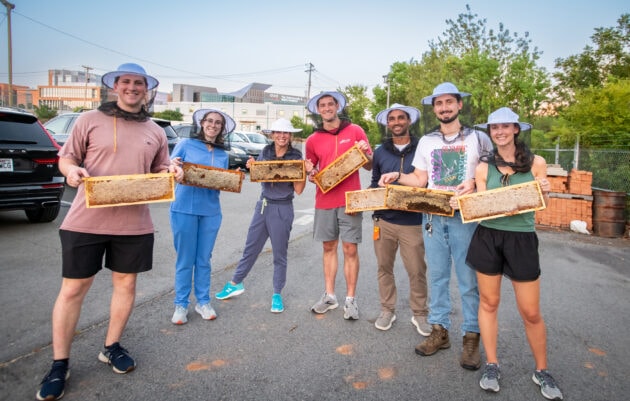
College of Medicine Tank House students and faculty hold frames of honeycomb produced by bees at UAMS.
College of Medicine Tank House students and faculty hold frames of honeycomb produced by bees at UAMS. From left: Liam Alderson, Rachel Lance, Lindsey Sward, M.D., Jacob Siebenmorgen, Manit Munshi, Justin Stanley and Blaire Taggart. Photo by Bryan Clifton

“Beekeeping is fascinating,” he said. “And learning to handle bees is good practice for remaining calm under stressful situations, which is certainly something medical students can benefit from.”

On a warm September evening, six students and Lindsey Sward, M.D., a Tank House faculty advisor, assistant dean for clinical education and associate professor of obstetrics and gynecology, joined Morris at the UAMS hives to inspect the bees and prepare for the first harvest of honey under Anderson’s guidance. Wearing protective veils, participants used a device called a smoker to harmlessly subdue the bees – as many as 50,000 in a hive – before opening the stacked hive boxes. Then they lifted rectangular frames from the boxes, revealing honeycomb laden with honey. 

“It was a lot different than I expected,” said fourth-year medical student and Tank House Leadership Committee member Blaire Taggart. “I didn’t expect the bees to be so docile.”

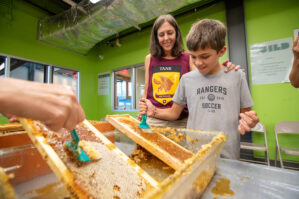
Medical student works with elementary students scraping wax off a honey frame
Tank House student Rachel Lance (left) guides children as they scrape a thin layer of wax, called cappings, from full cells of honey in a frame in preparation for extracting the honey. The honeycomb structure remains intact and will be returned to the hive. Photo by Bryan Clifton

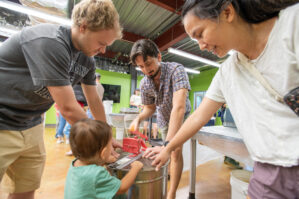
The following Saturday, several Tank House students and Morris joined Anderson for a “Honey Harvest” educational event at the Hillary Rodham Clinton Children’s Library & Learning Center, located on 10th Street south of campus. The air was thick with the sweet, floral scent of honey as excited children and their parents, along with other library and beekeeping community volunteers, helped extract honey from frames. Visitors learned about bees and honey production and compared the taste of honey from UAMS and the nearby Hillcrest neighborhood.

Morris was stationed at one of two cylindrical stainless steel “spinners” that extract honey from frames, leaving the honeycomb intact so it can be returned to the hive. Two frames holding honeycomb are placed inside the container, the lid is clasped shut, and a crank is turned to release the honey through centrifugal force.

Student urns a crank on a honey extractor to release honey from a honeycomb while talking with visitors at an educational event at the Hillary Rodham Clinton Children’s Library & Learning Center.
Tank House Community Service Committee Chair Justin Stanley (center) turns a crank on a honey extractor to release honey from a honeycomb while talking with visitors at an educational event at the Hillary Rodham Clinton Children’s Library & Learning Center. Photo by Bryan Clifton

“See how this works?” Morris asked as he encouraged 8-year-old Charlotte Sims and her 5-year-old brother, Aiden, to take turns spinning the crank as fast as they could. Morris opened the lid and lifted one of the frames of honeycomb, still heavy with honey.

“Whoa!” the siblings exclaimed in unison.

“This is yummy business,” declared Charlotte, licking fingers that had become sticky in the process.

College of Medicine senior Justin Stanley, who chairs the Tank House Community Service Committee, organized students for the hive inspection and the event at the library. During a pause from working with children, he explained how the COVID-19 pandemic had limited the ability to do in-person community outreach.

“During the pandemic, everything went virtual, so it was really hard to have events like this,” Stanley said. “Now that we’re on the other side of the pandemic, we are trying to do more community service activities. We knew this would be a great way to start the academic year. It is nice to work with the kids, and honeybees are so vital to our ecosystem and health in general.”

Karina Clemmons, Ed.D., a Tank House advisor, assistant dean for medical education and associate professor in the Department of Medical Humanities and Bioethics, brought her 10-year-old son Julian to the library event. Weeks earlier, she had heard about the new UAMS project from Morris and helped Tank House student leaders connect and become involved.

“This is such a wonderful service project for UAMS and our students,” Clemmons said. “It supports people who live in this area directly by generating more bees to pollinate gardens. And Tank House students are serving as community educators, helping kids and families understand the importance of supporting a healthy bee community literally in their backyards.”

Tank House faculty advisor Karina Clemmons, Ed.D., watches as her son, Julian, prepares a frame of honey for the extraction process.
Tank House faculty advisor Karina Clemmons, Ed.D., watches as her son, Julian, prepares a frame of honey for the extraction process. Photo by Bryan Clifton

Long interested in beekeeping, Morris tapped into the Little Rock beekeeping community about a year and a half ago and hosts a hive at his house in Hillcrest. He said Anderson’s expertise has been indispensable in maintaining a healthy hive. Morris is also working with CAVHS to place hives at the Eugene J. Towbin VA Healthcare Center in North Little Rock.

The world of bees also meshes with Morris’ interests as a scientist. “Despite how important bees are, there is a huge amount about them that we don’t understand,” he said. “I have been tempted to do bee-related research.”

The two worlds are not without parallels. Some of Morris’ research has centered on how lipids – fats – affect heart disease. Bees don’t hibernate, he noted. They change their metabolism to store fat while wintering in the hive. Finding ways to switch fat storage on and off could have important implications for human health. 

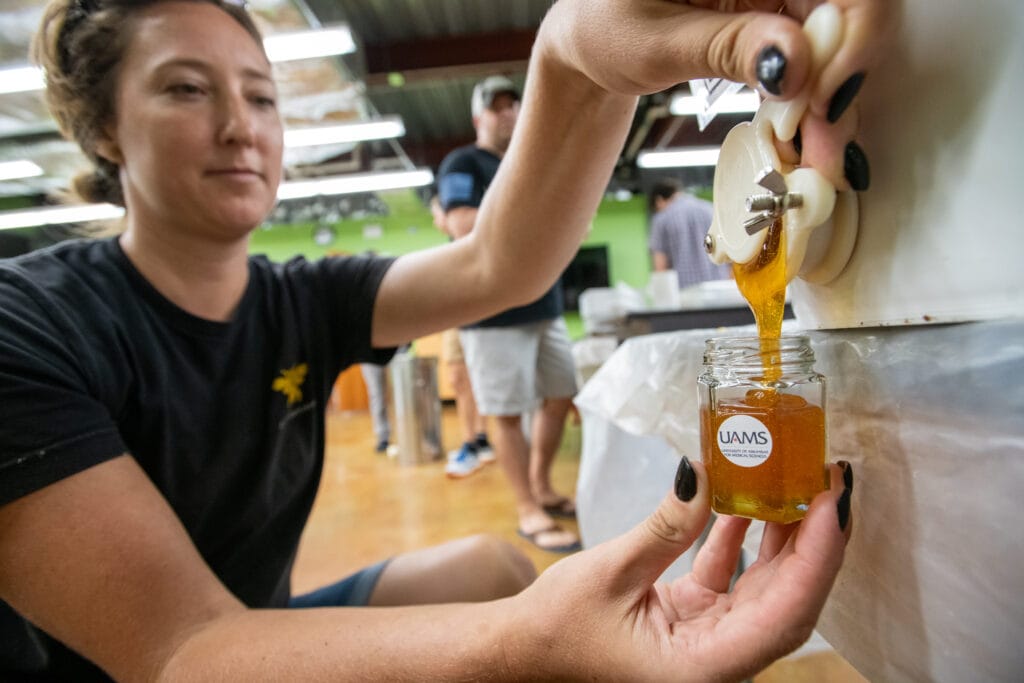
At the end of the library event, Anderson weighed UAMS’ first harvest – 25 pounds of honey, which filled a five-gallon bucket. Through the partnership, half of the sweet harvest will go to UAMS.

Meanwhile, the bees will have another month or so to supplement the honey that was left in their hives, so they will have plenty to live on as they spend the winter keeping warm in their hive and get ready to start work again in the spring.

Calm+Confidence apiary manager Lauren Anderson jars a sample of UAMS honey for participants at the “Honey Harvest” educational event.
Calm+Confidence apiary manager Lauren Anderson jars a sample of UAMS honey for participants at the “Honey Harvest” educational event. Photo by Bryan Clifton

Filed Under: College of Medicine, News

Accolades – Special Edition, April 5, 2023

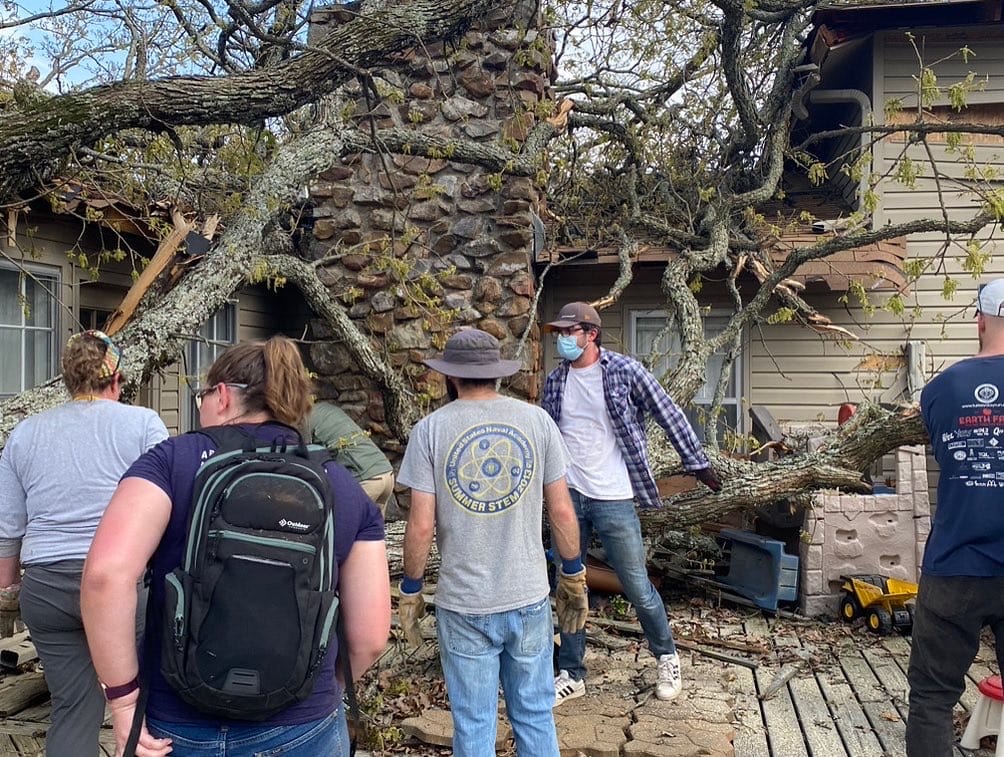
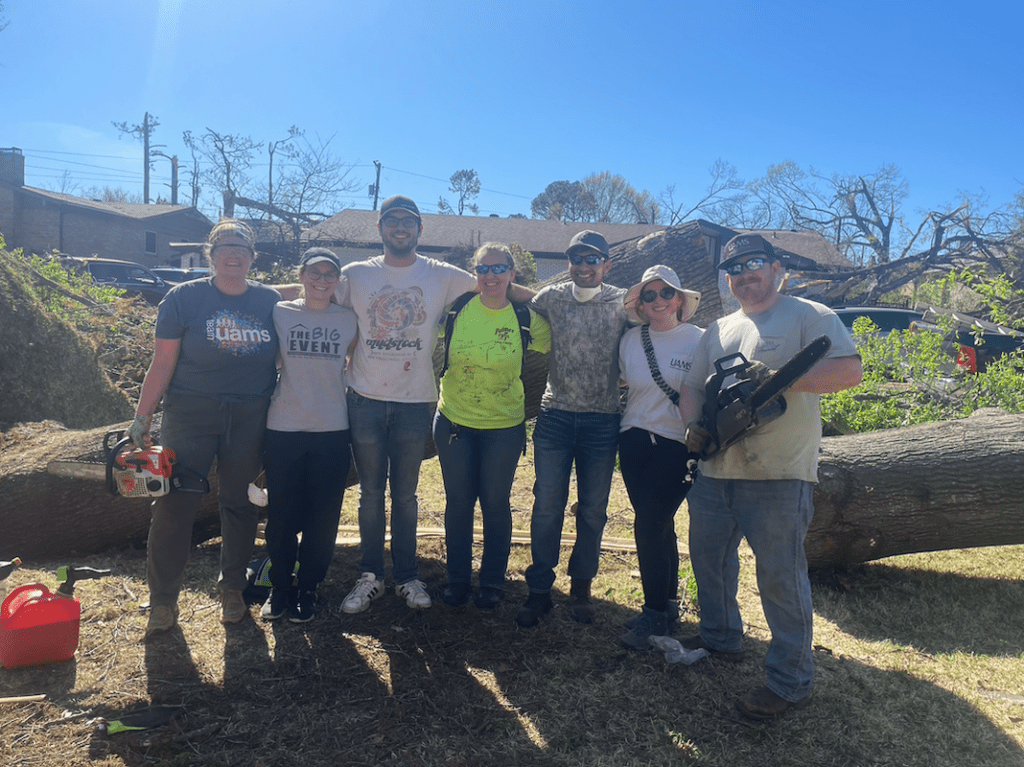
Students working outside a home that was damaged by a falling tree

“Disaster is never something that we expect at home. It is never supposed to happen to our loved ones, our community. So whenever it does strike there is this feeling in your throat as you watch the news, as you see it happen. There is the fear of loss and the fear of what to do next, how to organize the ensuing chaos. But, the next second always comes. It is in those seconds that we decide who we are. If we are leaders in our society. If we can push ourselves through the unknown of what to do and actually do something. Here we decided to be the helpers.” – Ethan Clement

The tornado that brought so much devastation and heartache to Arkansas last Friday also brought out the very best in UAMS team members. This week’s Accolades is a salute to all of you who have pitched in on cleanup efforts, food drives and fundraising, clinical care and healing, and so much more.

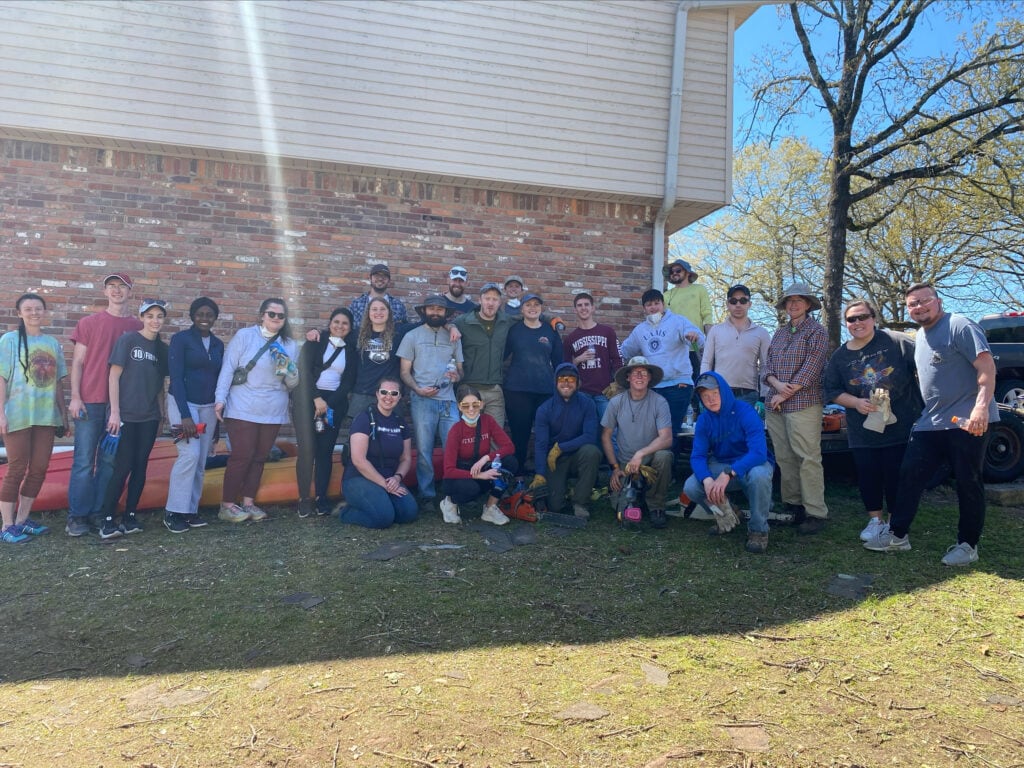
I want to give a special shout-out to our students who answered the call to serve in the aftermath of the storm. For instance, dozens of students joined forces to participate in cleanup efforts last weekend and beyond. Student groups including the Emergency Medicine Interest Group and the Street Medicine Interest Group were integral in these efforts. Lead organizers included senior medical students Ethan Clement (EMIG President), Katy Rose (SMIG President), Kiley Schlortt and Josh Welch (SMIG officer).

Students posing near fallen trees

Ethan’s observation at the top of this accolade helps to explain why so many busy medical students took this on. “The number of homes, communities and families that were affected were overwhelming, but text after text, car after car, students kept showing up, with their own supplies including tarps, yard equipment, chainsaws, and work ethic,” said Ethan.

Student group posing outside near a house

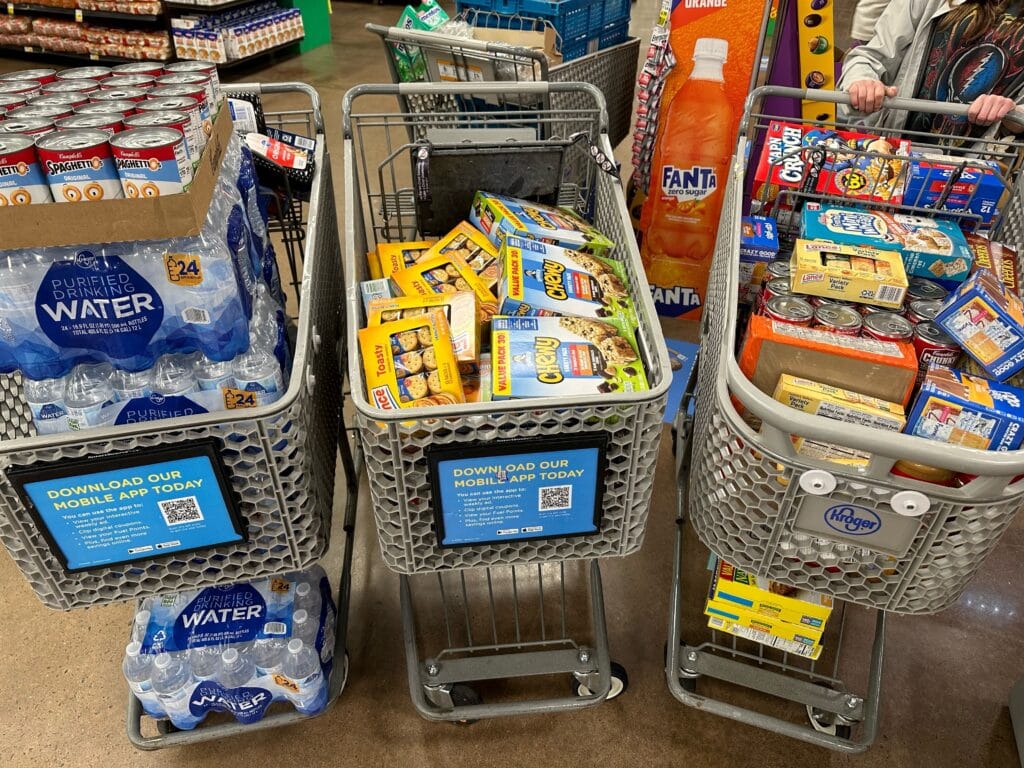
Meanwhile, the M1 Class, led by Co-Vice Presidents Lindsey Herberger and Gabrielle Gauthier, organized a food and water donation drive for all COM classes. More than $1,000 in non-perishable food items and cases of water were donated to the Arkansas Food Bank to benefit area residents affected by the tornado, thanks to food and monetary contributions collected on April 5.

Three shopping carts filled with food items

These are just a small number of the ways our students (and many others) have pulled together.

Kudos to all. We are proud of you.    

Here is a list of some of the medical students who have helped with cleanup tornado efforts, courtesy of Ethan. (We will add more names as we learn about them. If you have information to add, please reach out at COMInternalCommunications@uams.edu.)  

Leaders:
Ethan Clement
Katy Rose
Kiley Schlortt
Josh Welch

Medical Students who have participated:
Carter Pacheco
Logan Clay
Josh Bennett
Ethan Chernivec
Andrew Eller
Kori Bullard Kornet
Jesse Tompkins
Cade Haynie
Sydney Darling
Philomena Mackean
Clara Puente
Sydney Blevins
Gracie Cape
Emily Pavlovic
Connor Shewmake
Amber Davis
Tanner Burns
Jennie Burns
Kat Wright
Andrew Delo
Lane Tupa
Anna Bragg
Collier Jones
Sandra Krug
Rachel French
Angel Castro
Andrew Mathews
Jessa Selsor
Brendon Hogge (His family drove in from a different state to come help!)
Emily Fields
Jared Hastings
Colton Smith
Jared Canonigo

This post was updated on April 6 to provide details about the food drive.

Filed Under: Accolades, College of Medicine

Trauma Leadership Transition Follows Decade of Successes

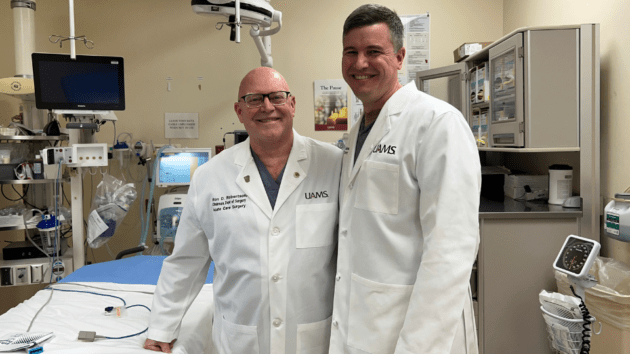
Drs. Ron Robertson and Kyle Kalkwarf in trauma bay in UAMS Emergency Department
Ron Robertson, M.D., and Kyle Kalkwarf, M.D., in a trauma bay in the UAMS Emergency Department.

The UAMS Trauma Program has flourished under the leadership of Ron Robertson, M.D., FACS, for the past decade. With an eye toward many more years of outstanding trauma care for Arkansans, Robertson, professor and chair of the Department of Surgery, has turned over the program’s reins to Kyle Kalkwarf, M.D., FACS, assistant professor of surgery.

“Dr. Kalkwarf will be an exceptional trauma medical director,” said Robertson, who also serves as chief of staff for UAMS Medical Center. “In addition to being an excellent trauma and general surgeon, Kyle brings a strong commitment to quality improvement initiatives that will help take our trauma program to the next level.”

“Dr. Kalkwarf is a valued faculty member, and I am confident that he will continue to lead our trauma program to be one of the best in the nation,” said Michelle Krause, M.D., MPH, senior vice chancellor for UAMS Health and CEO of UAMS Medical Center.

Kalkwarf, who joined the faculty in 2018, is fellowship trained in surgical critical care and trauma. He has served as Trauma Quality Improvement Project (TQIP) leader since November 2020, as the quality officer for the Trauma Program since July 2021, and as UAMS operational leader for the PSI-12 (Patient Safety Indicator) initiative focused on decreasing pulmonary embolism and deep venous thrombosis in hospitalized patients since March 2022. 

The UAMS Trauma Program became a national leader in trauma outcomes under Robertson’s leadership, regularly ranking in the top decile of Level I and Level II trauma centers based on the American College of Surgeons (ACS) TQIP metrics for mortality and complications. Kalkwarf and his colleagues have initiated projects to improve other quality metrics including catheter-associated urinary tract infection (CAUTI), pulmonary embolism, and reducing opioid dependence.

Quality measures are just one of the ongoing successes from Robertson’s tenure as trauma medical director and chief of the Division of Acute Care Surgery from 2013 to 2022. He also was integral in developing the Arkansas Trauma System and continues to provide ongoing contributions in multiple areas.

“UAMS and the College of Medicine are incredibly fortunate to have Dr. Robertson on our faculty,” said Interim Dean and Executive Vice Chancellor G. Richard Smith, M.D. “While Ron is passing the torch on medical leadership of the trauma program, we continue to benefit from his leadership across multiple mission areas as well as his exceptional collegiality.”

With the launch of the statewide trauma system in 2009, the Arkansas Department of Health designated UAMS as the state’s only adult Level I Trauma Center. A pivotal achievement was the verification of UAMS as an adult Level I Trauma Center by the American College of Surgeons in 2017. With a rigorous review process every three years to ensure continued compliance with national guidelines for trauma care, the ACS Level I designation signifies UAMS’s ability to provide the highest level of care for complex cases and the most severely injured patients from across the state.

The volume of trauma cases at UAMS has more than tripled over the past decade. While this growth continued after the COVID-19 pandemic began in 2020, the UAMS trauma team maintained its focus on quality and improving care.

In 2021, under the leadership of Ben Davis, M.D., the current director of the Division of Acute Care Surgery, ECMO (extracorporeal membrane oxygenation) life-support technology was implemented at UAMS by surgeons and team members from other disciplines. ECMO enables UAMS to care for the sickest trauma patients by providing a means to ventilate and oxygenate the blood of those who are too injured for their lungs to perform those functions.

Additional clinical accomplishments for the Trauma Program in recent years include implementing a statewide mental health program for trauma patients and a neuropsychology program for brain-injured patients.

Education and scholarly work also have remained an important focus of the program. An ACGME-accredited Surgical Critical Care Fellowship Program was established in the Department of Surgery in 2018 to help ensure ample critical care and trauma surgeons for Arkansas in the years to come. Robertson and colleagues have produced scores of trauma-specific peer-reviewed publications.

Robertson also has been a staunch advocate for statewide trauma education throughout his 28-year career at UAMS, serving as the state and regional director for the ACS Advanced Trauma Life Support (ATLS) course. In this role, he has led more than 300 courses and taught the latest trauma care techniques to more than 4,500 physicians and advanced practice providers from Arkansas and across the nation.

Robertson has served as chair of the Department of Surgery since 2019 and has held numerous clinical leadership roles at UAMS. Among many honors, he was invested as the inaugural holder of the Gilbert S. “Gil” Campbell, M.D., Ph.D., Chair in Surgical Leadership and Innovation at UAMS in October 2022. In 2018, Arkansas Business named him the Health Care Heroes Physician of the Year.

Kalkwarf received his bachelor’s degree at the United States Military Academy at West Point and his medical degree at the University of Texas Health Science Center in San Antonio. He completed his general surgery residency at UAMS in 2011-2016. Kalkwarf continued his training at the University of Texas Health Science Center in Houston, completing an American Association for the Surgery of Trauma (AAST) Trauma Fellowship and an ACGME Surgical Critical Care Fellowship.

Kalkwarf was on the teaching staff in the Department of Surgery at the University of Texas Medical School in Houston and worked part-time as a surgical intensivist at MD Anderson Cancer Center before joining the UAMS faculty in 2018. During his first year in Arkansas, he was an attending general surgeon and surgical intensivist at the Central Arkansas Veterans Healthcare System. Kalkwarf is being promoted to associate professor, effective July 1. Kalkwarf served as a Governor-appointed Arkansas Trauma Advisory Council member from 2020 to 2022. He was named a vice-chair of the Arkansas Chapter of the American College of Surgeons Committee on Trauma in 2021. He was appointed associate trauma medical director at UAMS in 2022. Also that year, he began serving as the medical consultant to the Arkansas Trauma System and its 64 trauma centers.

Filed Under: College of Medicine

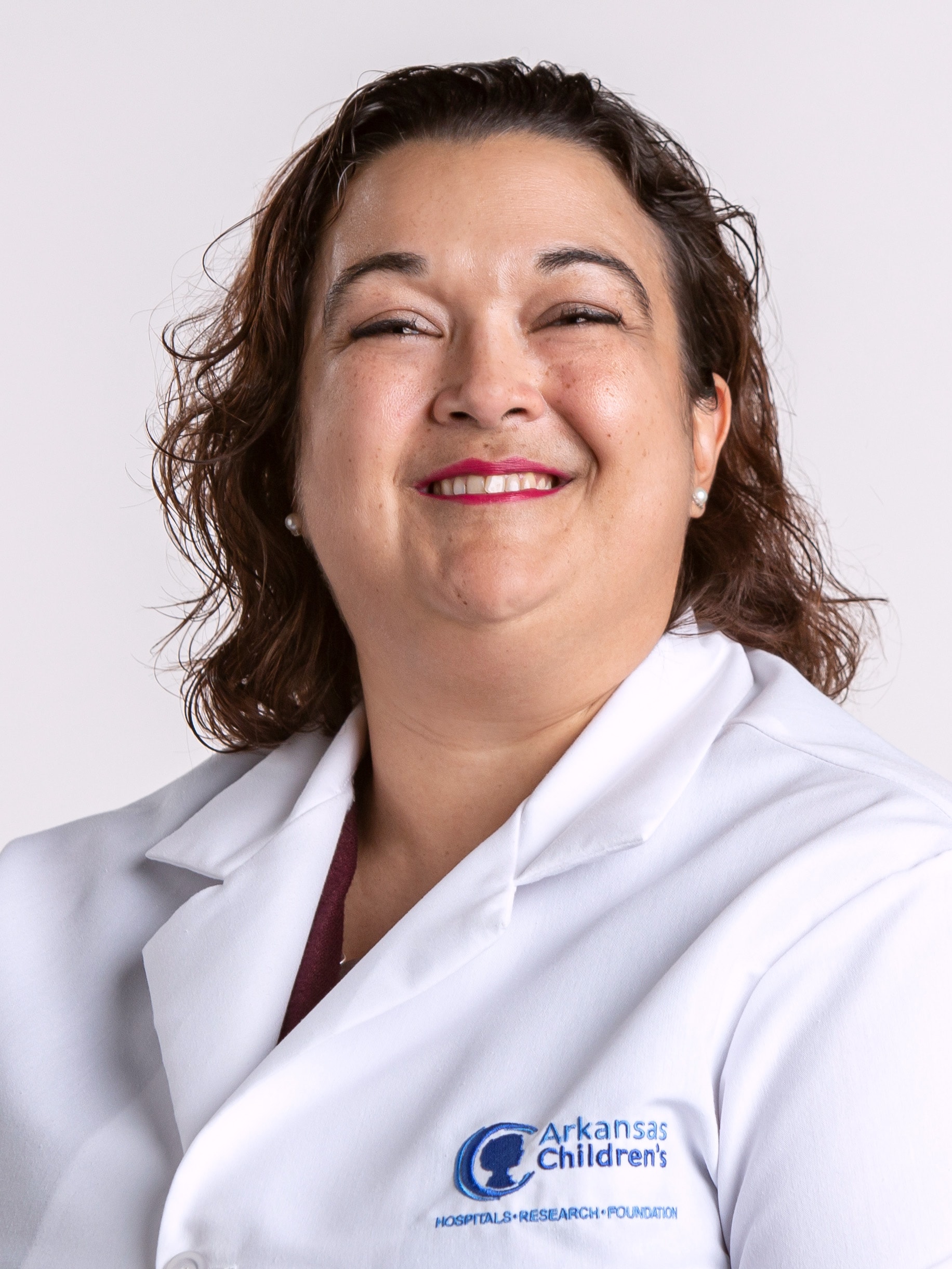
Teresa Hudson, Pharm.D., Ph.D., Appointed Assistant Dean for Health Services Research in UAMS College of Medicine

Teresa Hudson, Pharm.D., Ph.D.

Teresa Hudson, Pharm.D., Ph.D., has been named assistant dean for health services research in the College of Medicine at the University of Arkansas for Medical Sciences (UAMS). Hudson joins Jessica Snowden, M.D., M.S., MHPTT, who serves as vice dean for research, and Paul Drew, Ph.D., assistant dean, on the College of Medicine (COM) research leadership team.

“The expansion of health services research is essential to our ability to improve health care and health outcomes in Arkansas, and Dr. Hudson brings extensive experience to her new role,” Susan S. Smyth, M.D., Ph.D., said in an announcement to COM faculty.

“We are excited to add Dr. Hudson to our research leadership team in College of Medicine,” said Snowden. “Health services researchers examine the access to care, health care costs and processes, and the outcomes of health services for individuals and populations. As such, this part of our research portfolio is critical to improving the health of all Arkansans and we’re looking forward to having Dr. Hudson’s expertise to help us build programs and research capacity across our college.”

Hudson is a professor of psychiatry and co-director of AR Connect in the UAMS Psychiatric Research Institute.  She is also associate director of the VA Health Services Research and Development Center for Mental Healthcare and Outcomes Research in the Central Arkansas Veterans Healthcare System (CAVHS).

A pharmacist with a doctorate in health systems and services research, Hudson’s work focuses on the delivery of, and access to, health services. Her earlier work examined access to safe, high-quality medications, disparities in access to behavioral health and substance abuse care, suicide prevention, and development and validation of quality indicators for treatment of persons with co-occurring mental health and substance use disorders.

More recently, Hudson’s work has expanded to examining how medical marijuana affects use of traditional health care.  Her research funding sources include the National Institutes of Health, the VA Health Services Research and Development Service, the U.S. Department of Justice, the Centers for Disease Control, and the U.S. Substance Abuse and Mental Health Services Administration (SAMHSA).  

Hudson is co-director of AR Connect, a partnership among SAMHSA, the Arkansas Department of Human Services Office of the Drug Director, and UAMS. AR Connect brings together a clinical, research and policy partnership that provides virtual mental health and substance abuse care to anyone in Arkansas with no cost to the client.

Hudson received her Bachelor of Science and Doctorate of Pharmacy from St. Louis College of Pharmacy. After completing her pharmacy residency in adult internal medicine at the Medical University of South Carolina, she joined the UAMS College of Pharmacy as an assistant professor of pharmacy practice in 1991.

As she assumed roles with the CAVHS and shifted her focus to health services research, Hudson joined the College of Medicine Department of Psychiatry, initially as an instructor. She rose through the academic ranks and has served as a professor since 2019. Hudson received her doctorate in health systems and services research in the UAMS Graduate School in 2015. She was named director of the UAMS Center for Health Services Research that year and held the position for seven years.

She has served in numerous other leadership roles, including director of evaluation for the UAMS Translational Research Institute (TRI) in 2010-2014 and co-director of TRI’s Collaboration and Team Science Program in 2015-2019. Hudson directs the VA Health Services Research & Development (HSR&D) SWIFT IVI grant program, a pilot grant program for health services researchers at VAs that do not have a VA-funded Health Services Research Center, and currently serves as vice chair of a HSR&D Scientific Review Board. She also has served on multiple NIH study sections.

Filed Under: College of Medicine

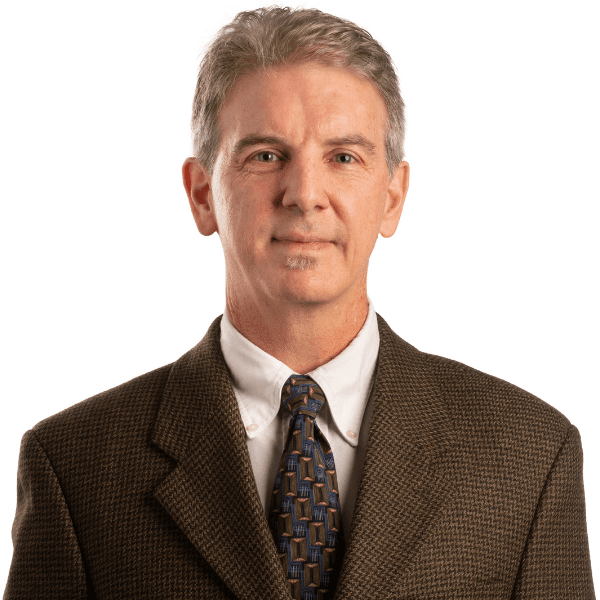
UAMS College of Medicine Appoints New Vice Dean for Research

Jessica Snowden, M.D., M.S., MHPTT, professor and chief of the Division of Infectious Diseases in the UAMS College of Medicine Department of Pediatrics, has been appointed vice dean for research, effective July 1.

Dr. Jessica Snowden (portrait)
Jessica Snowden, M.D., M.S., MHPTT (Image credit: Arkansas Children's)

“Dr. Snowden brings stellar research experience to her new role,” Executive Vice Chancellor and College of Medicine Dean Susan Smyth, M.D., Ph.D., said in an announcement to faculty, noting that Snowden is a nationally recognized expert in pediatric infectious diseases and pediatric clinical and translational research.

Snowden has held numerous leadership roles at UAMS and Arkansas Children’s since her recruitment in 2018, including vice chair for research in the Department of Pediatrics since 2019 and chief of Pediatric Infectious Diseases since 2020. She has served as associate director for clinical and translational research in the Arkansas Children’s Research Institute since 2019. In the UAMS Translational Research Institute, Snowden is Co-Director of Workforce Development.

Since 2018, Snowden also has served as co-principal investigator of the National Institutes of Health-funded IDeA States Pediatric Clinical Trials Network Data Coordinating and Operations Center, which directs clinical operations for trial implementation and professional development across an 18-state research group.

Among many honors, Snowden was invested as the Horace C. Cabe Distinguished Chair for Infectious Diseases at Arkansas Children’s in May 2021. She serves on several national research committees, including the American Academy of Pediatrics Committee on Pediatric Research and the Infectious Disease Society of America Research Affairs Committee.

Snowden graduated with honors from Texas A&M College of Medicine in 2002. She completed her pediatrics residency at East Carolina University/University Health Systems and continued her training with a pediatric infectious disease fellowship at UAMS. She went on to serve in faculty positions at the University of Nebraska Medical Center (UNMC) and Creighton University. In 2018, she received both a Master of Science in Clinical and Translational Research and a Master in Health Professions Teaching and Technology from UNMC. 

Snowden succeeds Nancy Rusch, Ph.D., who is stepping down from the post to focus on her critical leadership roles as distinguished professor and chair of the Department of Pharmacology and Toxicology in the college and co-director of key training and workforce development programs in the UAMS Translational Research Institute (TRI).

“Dr. Rusch has done an outstanding job as vice dean for research, and she will remain involved in the COM Office of Research, overseeing mentoring and training programs for our college and new initiatives such as the Connect Arkansas Research Scholars (CARS) program with the University of Arkansas-Pine Bluff,” Smyth said.

Filed Under: College of Medicine

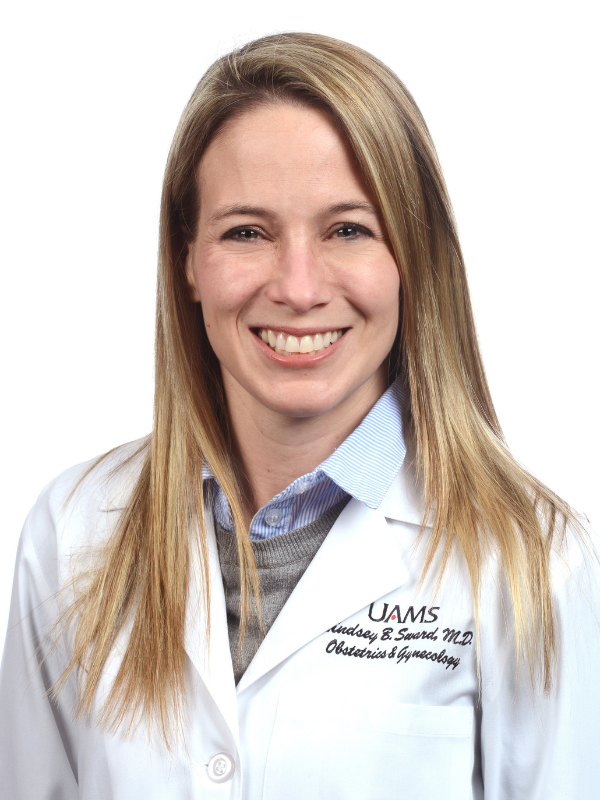
UAMS College of Medicine Appoints Assistant Dean for Clinical Education

Lindsey Sward, M.D., associate professor of obstetrics and gynecology in the College of Medicine at the University of Arkansas for Medical Sciences (UAMS), has been appointed assistant dean for clinical education in the college.

Lindsey Sward, M.D.
Lindsey Sward, M.D.

“In this newly created position, Dr. Sward will lead efforts to continue and improve our work of producing highly skilled, compassionate physicians for Arkansas,” Susan Smyth, M.D., Ph.D., executive vice chancellor and dean, and James Graham, vice dean for academic affairs, said in an announcement to faculty.

“With the recent expansion of the UAMS Northwest Regional Campus, the addition of a three-year accelerated M.D. track aimed at producing more primary care physicians, and our growth across the state, this position will help us ensure that we provide consistent and excellent clinical instruction for all of our medical students,” Smyth and Graham said. “Dr. Sward brings exceptional teaching skills and a strong commitment to our educational mission to her new post.”

Sward has garnered many honors from UAMS medical students including five Golden Apple awards from junior and senior classes, which are awarded to the faculty member voted by each class as the top teacher during the year. She also has received multiple Red Sash and Gold Sash awards for teaching and has been selected twice by graduating seniors to give the “Faculty Charge” address at their Honors Convocation ceremony. Sward also has been recognized nationally by the American College of Obstetrics and Gynecology as a Fellow and through ACOG’s Mentor of the Year Award and National Faculty Award.

Sward has served in numerous educational leadership roles since joining the faculty in 2015, including medical student clerkship director in the Department of Obstetrics and Gynecology since 2017. She serves on the college’s Curriculum Committee and Clinical Skills Subcommittee, and on the UAMS Liaison Committee on Medical Education (LCME) Self Study Task Force. Sward is a clinical teaching preceptor in the Practice of Medicine I and II courses. She will continue to serve in many of these roles in addition to her ongoing commitment to excellent care for her patients. A native of Conway, Sward received her medical degree from the College of Medicine in 2009. She completed her residency in obstetrics and gynecology at UAMS, serving as chief resident during her final year.

Filed Under: College of Medicine

“Creativity Hubs” Established in UAMS College of Medicine to Boost Research Collaborations in Key Areas

Creativity Hubs - graphic depicting hubs and ideas

Four interdisciplinary groups of researchers in the College of Medicine at the University of Arkansas for Medical Sciences (UAMS) have been named as inaugural “Creativity Hubs” in an initiative to develop and expand collaborative, thematic research programs with high potential.

Each hub will receive $300,000 over the next 18 months to jumpstart efforts to increase research, building on existing expertise of researchers across UAMS, Arkansas Children’s and other partnering institutions. The hubs also will use the funding from the college and UAMS Office of the Vice Chancellor for Research and Innovation to develop mentorship and pipeline programs to bring new and diverse investigators into the fold. The efforts are expected to position the teams to obtain additional external grant funding to support comprehensive, elite research programs.

“We are incredibly excited to see what these hubs can accomplish in the months and years ahead,” said Susan Smyth, M.D., Ph.D., executive vice chancellor of UAMS and dean of the College of Medicine. “These are all relevant and timely areas for expanding research to support our mission to improve health in Arkansas and beyond.”

The hubs and their leaders are:

  • Neurodegenerative Diseases – Co-led by Steven Barger, Ph.D., professor in the Department of Geriatrics; and Paul Drew, Ph.D., professor in the Department of Neurobiology and Developmental Sciences.
  • Musculoskeletal Health and Disease – Led by Teresita Bellido, Ph.D., professor and chair of the Department of Physiology and Cell Biology.
  • Lifespan Research to Improve Cardiometabolic Health – Led by Elisabet Borsheim, Ph.D., professor in the departments of Pediatrics and Geriatrics and associate director and research leader in the Arkansas Children’s Nutrition Center.
  • Artificial Intelligence (AI) for Health – Led by Fred Prior, Ph.D., Distinguished Professor and chair of the Department of Biomedical Informatics.

Smyth initiated the Creativity Hubs concept late last year in coordination with the College of Medicine Office of Research, led by Vice Dean Nancy Rusch, Ph.D. Research groups were invited to submit “visionary briefs” to help identify signature research areas and emerging research concepts that, with an additional modest investment of seed funding, have strong potential to expand with future external funding.

“We received 23 applications and many really great ideas from across our basic science and clinical departments,” Rusch said. “Our researchers have a strong record of collegiality already, but they clearly recognized the opportunity for more focused, interdisciplinary work with the support of the college and UAMS.”

Rusch noted that some of the hubs are extensions of well-established research areas that already receive substantial federal and other grant funding. In contrast, the Artificial Intelligence for Health hub represents an emerging area of research that will be central to health care in the years ahead. She said all of the hubs will benefit from the internal funding boost and greater collaboration.

Shuk-Mei Ho, Ph.D., UAMS vice chancellor for research and innovation, said her office is pleased to support the Creativity Hubs initiative. “We often think creativity is innate, but it is essentially a learned trait,” Ho said. “When a group of innovative minds interacts on a regular basis, they are more likely to find creative solutions to a problem. That is team science at its best.”

Steven Barger, Ph.D.
Steven Barger, Ph.D., is a Co-Leader of the Neurodegenerative Diseases Creativity Hub.

The Neurodegenerative Diseases hub is the result of two separate proposals – one from Barger with a strong focus on Alzheimer’s disease and one from Drew that emphasized other neurodegenerative conditions. With overlapping issues, researchers and expertise in the two areas of focus, they look forward to leading the combined hub.

Paul Drew, Ph.D.
Paul Drew, Ph.D., is a Co-Leader of the Neurodegenerative Diseases Creativity Hub.

“I think that exemplifies the unifying nature of the Creativity Hub initiative – it is inclusive and collaborative,” said Barger. “This funding will ensure that we not only maintain traditional strengths but also create new paths of progress through previously unseen opportunities to collaborate. We will learn from each other and pool resources.”

“Neurodegenerative diseases affect millions of people and have devastating personal and societal consequences,” said Drew. “These diseases more commonly occur in adults and elderly individuals, and the incidence of these diseases has increased dramatically as lifespan has increased. There are limited treatment options for most neurodegenerative disorders, and thus it is critical that basic science and clinical researchers collaborate to develop novel therapies.”

Teresita Bellido, Ph.D.
Musculoskeletal Health and Disease Hub Leader Teresita Bellido, Ph.D.

The Musculoskeletal Health and Diseases hub will leverage the expertise of longstanding, internationally recognized research groups at UAMS and its partners to expand work in osteoporosis, osteoarthritis, developmental skeletal abnormalities, poor nutrition, and cancers that negatively impact the skeleton such as multiple myeloma and breast cancer, hub leader Bellido explained.

“We identified key areas for investment that will take advantage of the existing strengths to promote synergy between, and expand the abilities of, existing programs,” she said.

Elisabet Borsheim, Ph.D.
Lifespan Research to Improve Cardiometabolic Health Hub Leader Elisabet Borsheim, Ph.D.

Hub funding for the Lifespan Research to Improve Cardiometabolic Health group will help bring together researchers at the Arkansas Children’s Nutrition Center, the Arkansas Children’s Research Institute and the UAMS campus who work along a spectrum of health issues in pre-pregnancy, gestation, childhood, adolescents, young adults and older adults, said hub leader Borsheim.

“Heart disease is the leading cause of death in Arkansas and in the U.S. as a whole,” Borsheim said. “Known risk factors for heart disease in adults include high blood pressure, diabetes, smoking, obesity, suboptimal diet, and physical inactivity. Early life exposure can impact health and disease across the life course. Understanding early-life factors and their relations to trajectories of cardiometabolic health can help us develop effective and strategic interventions directed towards critical time periods to prevent cardiometabolic disease.”

Fred Prior, Ph.D.
AI for Health Hub Leader Fred Prior, Ph.D.

Through the Artificial Intelligence for Health Hub, Prior will lead efforts to establish a framework for future research and grant funding in the area and, ultimately, guide the integration of new AI tools into clinical practice.

“Artificial Intelligence is being embedded into almost everything we deal with – from TV sets to cars,” said Prior. “It has already made a major impact on biomedical research and is beginning to be felt in the clinic. UAMS needs to be prepared to wisely choose appropriate tools and to use them knowledgably. We need to pool our knowledge and expertise and grow resources and skills in this space. AI is a train that already left the station. We need to be on board and helping to select the next destinations.” Learn more about each of the hubs in Q&A interviews with the hub leaders. Click here to read all of the interviews, or go directly to the Q&As for Neurodegenerative Diseases, Musculoskeletal Health and Disease, Lifespan to Improve Cardiometabolic Health, and Artificial Intelligence for Health.

Filed Under: College of Medicine, News

Pandemic Got You Feeling a Little Foggy? “COM Conversations” Provides New Discussion Forum for UAMS College of Medicine Team Members

Illustration - brain fog; "Pandemic got you feeling a little foggy?"

Feeling a little “foggy”? Worried about lacking “bandwidth” to accomplish things that once seemed doable? Or maybe you are struggling with “decision fatigue.”

College of Medicine Dean Susan Smyth, M.D., Ph.D., and other leaders launched “COM Conversations,” a new virtual journal club and discussion group open to everyone in the COM, with a Jan. 11 Zoom discussion on how the prolonged pandemic is impacting our stress levels, memory and more – and what we can do about it.

“I wanted to start this conversation by saying that if you are feeling stressed or overwhelmed, you are not alone,” Smyth told some 60 participants. “This really is affecting all of us in one way or another, and there are normal responses to facing trauma and to being under stress.”

Smyth offered her own anecdotes about forgetting certain things. Others chimed in with their own experiences and concerns, drawing commiserating nods from colleagues:

I wonder what will our “new normal” will look like.

I find myself not having the bandwidth to accomplish what I used to manage.

I have been struggling with decision fatigue.

It is hard to always be at 100% for our patients when in a chronically stressed state.

Dr. Smyth, along with Associate Dean for Students Sara Tariq, M.D., and UAMS Center for GME Director Jim Clardy, M.D., recommended articles in Psychology Today and Sharp Health News about pandemic-related memory issues and strategies for coping.

COM Conversations is a new virtual journal club and discussion group for UAMS College of Medicine team members.

Dr. Clardy, a Professor in the Department of Psychiatry, shared additional insights, emphasizing that some forgetfulness during this extremely challenging time is normal. “You don’t have a memory until you ‘make’ one, and when you are chronically stressed and you’re thinking about 10 different things at once, the memory just doesn’t go in,” he said. “One answer to that is to be aware of how quickly you are moving, and pause and just say, ‘I’ve got to remember that.’”

Fatigue and stress also frequently impact how one acts around others. “Some of us get giddy; some of us get angry,” Dr. Clardy said. “And you can swing from one to another really quickly.” Those who are extremely tired and stressed often exhibit disinhibition. “If you do or say things you wouldn’t usually do or say, you are being disinhibited,” he explained.

A third effect of the challenges and constraints of the pandemic – as with other circumstances that result in severe fatigue and stress – is a loss of one’s ability to creatively solve problems, Dr. Clardy said. “I sometimes give myself a self-check by doing a Sudoku puzzle,” he said. “On days when I am really, really tired, I make all sorts of mistakes, and I just kind of laugh about it.”

“The main point I want to say is, we are all in this together,” Dr. Clardy said. “And if you are not completely ‘OK,’ that would probably be about normal right now.”

For those of us who are having trouble finding the “bandwidth” to deal with today’s myriad challenges, Dr. Tariq, a Professor in the Department of Internal Medicine, shared a metaphoric story she learned from Puru Thapa, M.D., MPH, a Professor of Psychiatry who leads UAMS programs in mindfulness and faculty, resident and student wellness.

Photo of a stream
A stream can be a metaphor for building capacity to cope during stressful times.

It is the tale of a wise woman who is approached by a person who is extremely stressed. The wise woman advises the person to taste a glass of water laced with a teaspoon of salt. After exclaiming how awful the water tastes, the stressed-out person is directed to take a drink from a bucketful of water containing a teaspoon of salt. It tastes better, of course. Finally, the person is instructed to taste water from a stream containing a teaspoon of salt, and it tastes amazing.

“So the moral of the story that Dr. Thapa told me was – build capacity,” Dr. Tariq said. “Your goal is to be like the stream.”

Building personal capacity will differ from person to person, she said, citing exercise and turning off email earlier in the evening as a couple of possibilities, along with the tips shared in the Psychology Today and Sharp Health News articles.

Dr. Smyth noted the importance of paring back some activities whenever possible. “I think it is very hard for those of us who are in health care to give up certain responsibilities,” she said. “We need to recognize that and that it is OK that we can’t get everything done.”

Dr. Smyth hosted a second “COM Conversations” on January 25 with a journal club style discussion of “5 Things High Performing Teams Do Differently,” an article by Ron Friedman in the Harvard Business Review. Upcoming sessions, about once a month, will focus on workplace topics, leadership development and other issues suggested by College of Medicine faculty, staff, residents, fellows and students.

Filed Under: College of Medicine

  • «Previous Page
  • Page 1
  • Page 2
  • Page 3
  • Page 4
  • Page 5
  • Next Page»
UAMS College of Medicine LogoUAMS College of MedicineUniversity of Arkansas for Medical Sciences
Mailing Address: 4301 West Markham Street, Little Rock, AR 72205
Phone: (501) 296-1100
  • Facebook
  • X
  • Instagram
  • YouTube
  • LinkedIn
  • Pinterest
  • Disclaimer
  • Terms of Use
  • Privacy Statement
  • Legal Notices

© 2026 University of Arkansas for Medical Sciences