• Skip to primary navigation
  • Skip to main content
  • Skip to primary navigation
  • Skip to main content
Choose which site to search.
University of Arkansas for Medical Sciences Logo University of Arkansas for Medical Sciences
College of Medicine
  • UAMS Health
  • Jobs
  • Giving
  • About Us
    • Fast Facts
    • Leadership
    • Features
    • COMmunication Newsletter
    • Maps and Directions
    • College of Medicine History
    • Professionalism Guidelines
  • Departments
  • Admissions
    • Apply
    • Financial Aid and Scholarships
    • Life in Little Rock or Fayetteville
    • Dual Degree Programs
      • M.D./MBA Program
      • M.D./Ph.D. Program
      • M.D./MPH Program
    • Three-Year M.D. Program
    • Rural Practice Programs
      • Community Match Rural Physician Recruitment Program
      • Rural Practice Scholarship Program
    • Contact Admissions
  • Students
    • Academic Calendar
    • Academic Houses
    • Career Advising
    • Financial Aid and Scholarships
    • Visiting Students
    • Mentor Spotlight Podcast
    • Preparing for Residency
    • Non-Discrimination Statement
    • Outstanding Teacher Nominations
    • Parents Club
    • Student Links
    • Honors in Research
    • UAMS Campus Security
    • Undergraduate Medical Education Competencies
  • Graduate Medical Education
  • Alumni
  • Faculty Affairs
  • Research
  1. University of Arkansas for Medical Sciences
  2. College of Medicine
  3. College of Medicine
  4. Page 4

College of Medicine

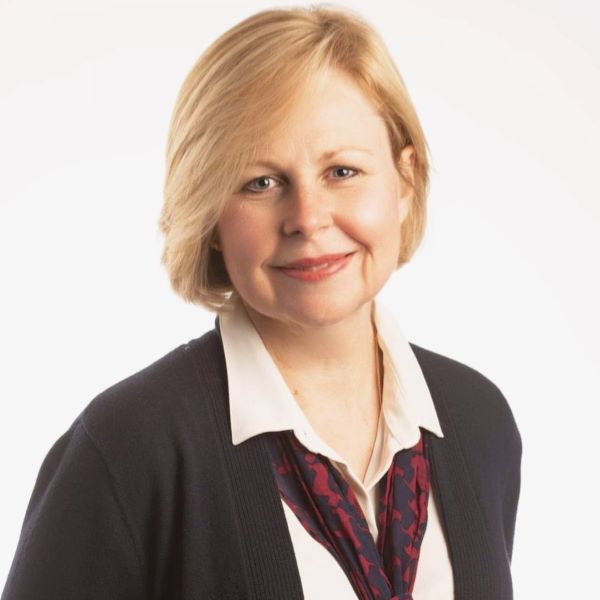
Beatrice Boateng, Ph.D., Named Associate Dean for Analysis, Planning and Strategic Program Development in UAMS College of Medicine

Beatrice Boateng, Ph.D., has been appointed to the newly established post of associate dean for analysis, planning and strategic program development in the College of Medicine at the University of Arkansas for Medical Sciences (UAMS).

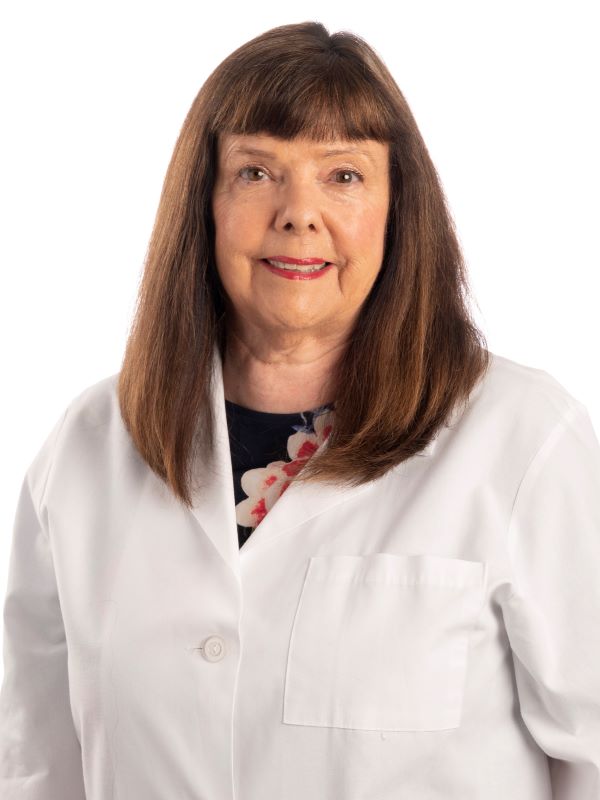
Beatrice Boateng, Ph.D.

“Dr. Boateng has provided expert assessment and evaluation for programs at the department, institute and college level at UAMS for more than a decade,” said Executive Vice Chancellor and Dean Susan Smyth, M.D., Ph.D. “We have seen the impact of what she brings to the table at every level.”

A professor of pediatrics, Boateng served most recently as assistant dean for faculty assessment and evaluation in the college since January 2019. She also served as director of evaluation for the UAMS Translational Research Institute (TRI) from 2014 until assuming her current position as an associate dean. In the Department of Pediatrics, she served as director of the Office of Education and co-director of faculty development from 2011 to 2019, when she became the department’s director of faculty assessment and evaluation. 

“In her new role, Dr. Boateng will plan, implement, evaluate and communicate the overall priorities for our college,” Smyth said. “Crucially, she will help ensure the successful implementation of our college’s strategic goals as part of UAMS’ Vision 2029. Dr. Boateng will provide leadership for college-wide and cross-functional projects and help ensure the most efficient and effective allocation of our resources.”

As an assistant dean, Boateng developed databases and online systems to streamline and ensure meaningful faculty and leadership performance evaluations. She also developed dashboards to track and visualize faculty information such as demographics, diversity and attrition. At TRI, Boateng monitored, evaluated and reported the progress and outcomes on activities relating to UAMS’ Clinical and Translational Science Award. In the Department of Pediatrics, she introduced assessment tools and processes that have strengthened academic and faculty development programs.

Boateng earned her master’s degree in international affairs and doctorate in instructional technology from Ohio University. She joined UAMS in 2007 as an assistant professor in the UAMS Office of Educational Development. She moved to the Department of Pediatrics in 2009 and was promoted to associate professor in 2013 and to professor in 2020. She has received numerous honors including the UAMS Educational Technology Excellence Award in 2013, the UAMS Faculty Excellence in Diversity and Inclusion Award in 2017, and three Educator of the Year awards in the Department of Pediatrics.

Filed Under: College of Medicine

UAMS College of Medicine Appoints Leaders to Faculty Affairs and Development Team

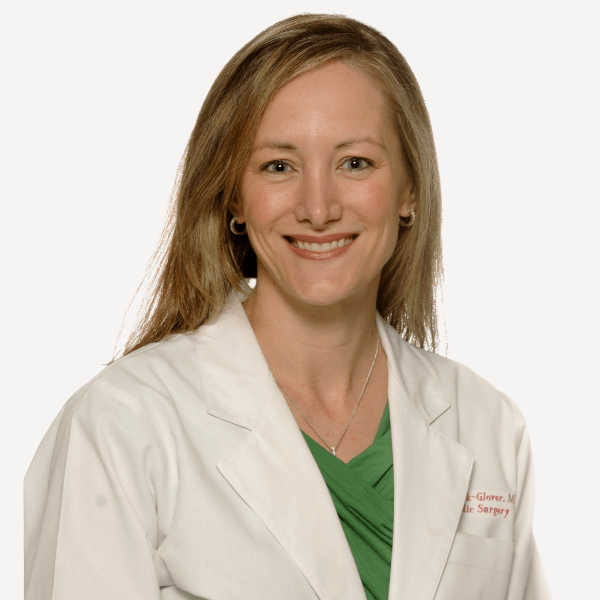
Renee Bornemeier, M.D., a professor of pediatrics who has served in several faculty leadership roles in the College of Medicine at the University of Arkansas for Medical Sciences (UAMS), has been named associate dean for faculty affairs and development.

Dr. Renee Bornemeier
Renee Bornemeier, M.D., has been named associate dean for faculty affairs and development in the UAMS College of Medicine.

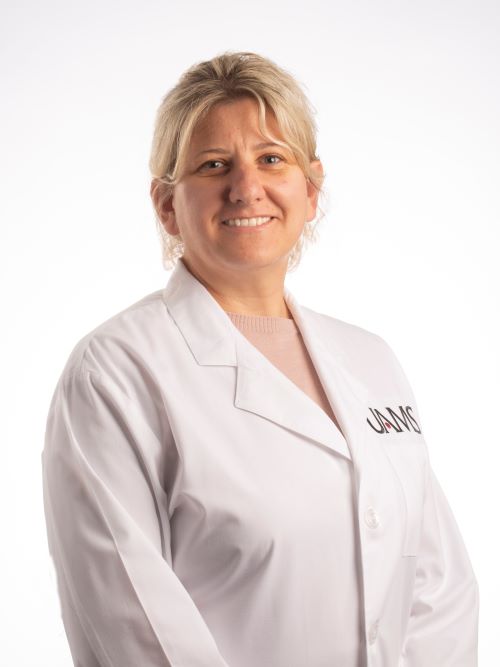
Bornemeier will be joined by Theresa Wyrick, M.D., associate professor and vice chair for faculty development in the Department of Orthopaedic Surgery, who will serve as assistant dean.

“Dr. Bornemeier will bring great energy and expertise to initiatives to strengthen our faculty development programs and other services to support the success of our faculty, and Dr. Wyrick adds to that energy as a strong advocate for mentorship and development of colleagues,” said Executive Vice Chancellor and Dean Susan Smyth, M.D., Ph.D.

Bornemeier succeeds Erick Messias, M.D., Ph.D., M.P.H., who recently left UAMS for a leadership post at the University of St. Louis. Bornemeier previously worked with Messias as an assistant dean, leading faculty affairs for College of Medicine faculty from multiple departments at Arkansas Children’s since last year.

Dr. Theresa Wyrick
Theresa Wyrick, M.D., has been named assistant dean for faculty affairs and development in the UAMS College of Medicine.

Bornemeier also has served as interim chair of the Department of Pediatrics since last November and as the department’s vice chair for faculty affairs since 2017. She has been a member of the Pediatrics Promotion and Tenure Committee since 2013. Bornemeier served on the College of Medicine Promotion and Tenure Committee in 2012-2016, including a term as chair in 2015-2016.

Bornemeier graduated from UAMS in 1988 and stayed at UAMS and Arkansas Children’s for her pediatrics residency. She completed a fellowship in pediatric cardiology at the Children’s Hospital of Philadelphia and returned to UAMS in 1994 as an instructor in the Department of Pediatrics. Bornemeier rose through the faculty ranks and has served as a professor in the Division of Pediatric Cardiology since 2009.

Her clinical leadership roles have included medical director of the Arkansas Children’s Hospital Heart Station from 1995 to 2008, director of the Bale Fetal Heart Center since 2009, vice chief of staff in 2017-2018 and subsequently chief of staff. Bornemeier also directed the development of the Cardiac 3D Print Lab at Arkansas Children’s.

Wyrick received her medical degree and completed her residency in orthopaedic surgery at UAMS. She continued her training with a fellowship at the Philadelphia Hand Center at Thomas Jefferson University.

Wyrick joined the UAMS faculty as an assistant professor in 2009. In 2012, she was appointed chief of hand and upper extremity surgery at UAMS and medical director of hand and upper extremity surgery at Arkansas Children’s Hospital. She was promoted to associate professor in 2014.

In May 2021, Wyrick was appointed vice chair for faculty development in the Department of Orthopaedic Surgery, where she has been overseeing efforts to implement a faculty mentorship program as well as working on faculty retention and leadership development. Wyrick has been active in national efforts, as well as initiatives in Arkansas, to advance women in orthopaedic surgery. She serves on the leadership team of the Academic Orthopaedic Consortium and as co-chair of the AOC Women’s Executive Leadership Forum.

Filed Under: College of Medicine

Elena Ambrogini, M.D., Ph.D., Named Director of Endocrinology and Metabolism in UAMS College of Medicine

Elena Ambrogini, M.D., Ph.D., has been appointed director of the Department of Internal Medicine’s Division of Endocrinology and Metabolism in the University of Arkansas for Medical Sciences (UAMS) College of Medicine.

 A faculty member since 2015, Ambrogini is an associate professor in the division, a staff endocrinologist and researcher for the Central Arkansas Veterans Healthcare System (CAVHS), and a researcher with the UAMS Center for Osteoporosis and Metabolic Bone Diseases and the Center for Musculoskeletal Disease Research.

Elena Ambrogini, M.D., Ph.D., has been named director of the Division of Endocrinology and Metabolism in the UAMS College of Medicine.

“Dr. Ambrogini is a consummate physician, an accomplished scientist, and a recognized leader in the field of endocrinology/metabolism,” said Edward T.H. Yeh, M.D., Professor and Chair of the Department of Internal Medicine. “She will continue to lead this distinguished division to newer heights.”

Ambrogini received her medical degree and completed initial internship and residency in endocrinology and metabolism at the University of Pisa in Italy. She later obtained her doctorate in endocrine and metabolic sciences from the University of Pisa while concurrently conducting a postdoctoral research fellowship in metabolic bone disorders at UAMS. She continued her clinical training with an additional residency in internal medicine, followed by a fellowship in endocrinology and metabolism, at UAMS.

Ambrogini’s clinical areas of expertise include thyroid and parathyroid diseases, osteoporosis, other metabolic bone disorders and general endocrinology. As a physician-scientist, she conducts basic and clinical studies into diseases of bone and calcium metabolism with funding from the National Institutes of Health and the Department of Veterans Affairs, which awarded her a four-year VA Merit Review Award in 2019. She has published extensively on the pathophysiology of osteoporosis and the development of novel therapies that may treat osteoporosis and atherosclerosis simultaneously. She is a member of the American Society for Bone and Mineral Research (ASBMR) and the Endocrine Society. National honors include Young Investigator and other awards from ASBMR. At CAVHS, Dr. Ambrogini received the Physician of the Year Award in 2019 and a Special Contribution Award for her service during the COVID-19 pandemic in 2020. The UAMS College of Medicine presented her with the Clinical Excellence Award for Service and Professionalism in 2021.

Filed Under: College of Medicine

Meet Dr. Susan Smyth: A Q&A with the College of Medicine’s New Dean and UAMS Executive Vice Chancellor

Susan Smythe, M.D., Ph.D.
Susan Smyth, M.D., Ph.D., began serving as executive vice chancellor of UAMS and dean of the College of Medicine on June 1. (Photo by Evan Lewis)
(Image credit: Evan Lewis)

UAMS welcomed Susan Smyth, M.D., Ph.D., as executive vice chancellor and dean of the College of Medicine on June 1. You can read Dr. Smyth’s bio, and the March 8, 2021 announcement of her appointment. We sat down with Dr. Smyth for a Q&A to help team members and friends of the College of Medicine get to know this new leader of medicine in Arkansas. Our conversation ranged from Dr. Smyth’s insights on the college’s evolving role in improving health in Arkansas, to her path to becoming a highly regarded cardiologist and researcher, to how she enjoys spending her free time.


What is the most pressing challenge for health and health care in Arkansas, and what will be the College of Medicine’s role in addressing it?

Our most urgent challenge is to turn the tide on COVID-19 and do everything we can to protect our patients, students, colleagues and loved ones. The more highly contagious Delta variant of the virus is rapidly gaining ground in Arkansas, and this strain is making more unvaccinated people severely ill. I urge our team members and their families who aren’t vaccinated to get vaccinated right away. And all of us must remain vigilant about wearing our mask in public and when we’re around others at UAMS. It is important to follow established safety protocols. We cannot become complacent.

Aside from COVID-19, I think the most pressing and longer-term challenge for our state is the issue of health equity, and particularly the large health disparities we have in rural and underserved communities. It is imperative for us to ensure the best possible health and equitable access to excellent health care for every Arkansan.

Health equity crosses all health issues and diseases, and our college’s role in solving these complex issues is multifactorial. First and foremost, we have an essential role in educating and training physicians for Arkansas, and that means individuals who are well prepared to address these challenges and to work with communities to eliminate health inequities.


With health equity as an important focus, how will our work as educators, clinicians and scientists in academic medicine change?

Part of this is will mean training our students – and training all of us – to look at health and disease prevention through a slightly different lens. Historically, physicians have been incredibly well trained to take care of individuals, and that needs to continue. We will always be committed to looking at how we can best meet the needs of each patient.

However, we must also become adept in thinking about how to best meet the needs of the population and communities. Consider the analogies between caring for the individual and caring for the population. We are accustomed to hearing from an individual patient and collecting data – vital signs, clinical laboratory data, imaging data – and having a conversation with the patient about their various issues and options for care, and then coming together around a treatment plan.

We need to be able to do the same thing at a community level. And when we say ‘community,’ we can mean people in a certain area, or patients with similar health conditions and risks, demographics and so on. From the clinical, scholarly and educational perspectives, population health and addressing social determinants of health will become increasingly important in our work.


What are the challenges of this newer approach to improving health?

Some of the key questions are how do we collect, interpret, share and utilize health information about a community? Increasingly, there are data resources available to tell us about populations. Armed with this information, it is important to engage with the community and have conversations around their values. What do they see as important? As with caring for an individual patient, it is very important to come to shared decision-making that leads to a healthier community and population.

To do this effectively for communities, we need to train and educate ourselves differently. We must support more research that helps us better understand the best options and strategies for improving health at the community level, and how to effectively implement solutions. We also must continue to develop partnerships and relationships with our communities that allow us to have those conversations, much as we build our relationships with individual patients. Our partners will include community groups, churches, hospitals, other health care organizations, civic groups and many others. It will take the entirety of the infrastructure to tackle some of these challenges.

So, this is what I see as the future of health care, and really, what I believe is the future of our college – to prepare all of us to take on that role.


As you have met team members and learned more about the College of Medicine and UAMS in your initial weeks here, what has surprised or impressed you the most?

I have been impressed with the caliber of our faculty and staff and excellence in all mission areas – education, research and clinical care. The collegiality and kindness at UAMS has really struck me, as well as the dedication of individuals and the institution as a whole to the people of Arkansas. I had a sense of that from the interviews prior to my appointment, and frankly, that’s why I’m here. Hook, line and sinker, I am all in for making our core vision of a healthier Arkansas a reality.

I earned my medical degree and my doctorate in pharmacology at the University of North Carolina in Chapel Hill, and later began my career in academic medicine there. I am tremendously grateful to my home state for everything it did for me during my career, and I greatly appreciate the unique role a public, state university has. The opportunity to impact lives across a state is incredibly powerful and really what we at public academic medical centers have a mission and a calling to do.

Team UAMS is living up to this calling for the state of Arkansas. The commitment to solving health and equity issues, to giving back to the state of Arkansas, is clear and compelling. I am thrilled to work with everyone in the College of Medicine and UAMS in this pursuit.


When did you know you wanted to become a doctor – and a physician-scientist? 

I’m not entirely sure how I came to the decision to become a doctor, but I can say that sometime in my senior year of high school, I decided that I was going to be a physician-scientist. I loved my biology class, and I entered college with the goal of preparing myself to be an M.D./Ph.D. Interestingly, there was not another doctor in my family at the time, and I did not personally know an M.D./Ph.D. My grandparents were both teachers, my mom was an elementary school teacher, and my dad was a philosophy professor.


What drew you to your clinical specialty of cardiology and your research focusing on arterial and venous thrombosis?

Like many physician-scientists, I enjoy a whole bunch of different things. While in medical school, I really liked my rotations in different clinical areas, and it took me a while to come to the decision to do my residency in internal medicine.   

During residency, I was struggling to narrow down my future to one specialty. Then, the blood thinner ReoPro (abciximab) received FDA approval for use in patients undergoing coronary stent implantation. ReoPro is a monoclonal antibody that works against a major platelet receptor, and I had worked with that antibody while researching blood clotting as a graduate student. I remember working in the coronary care unit and giving ReoPro to a patient. I recall thinking, if I want to merge my scientific interests in preventing thrombosis with clinical care, the place to do this in in cardiology. It was really the development of that drug that made me see the connection between my scientific and clinical interests.  Cardiology is a great specialty for me because we cover many facets of care and I have had the chance to have long-term relationships with patients as well as manage critical illness.

Later, as a cardiology fellow at Mount Sinai Medical School in New York, I had the opportunity to work with the physician who developed ReoPro, Dr. Barry Coller. Dr. Coller is world-renowned and an incredibly compassionate physician, and he became one of my key mentors. The drug he developed, and that class of therapeutics, has saved hundreds of thousands, perhaps a million, lives. The opportunity to work with such a person – it changed my career and my life.


Switching gears on questions now. You and your husband, Andrew Morris, Ph.D., a renowned lipid metabolism and signaling researcher, aren’t the only family members joining us at UAMS.

Right! Our English labs, Carmine and Selah, have had distinguished careers as therapy dogs at the University of Kentucky, and we can hardly wait to introduce them and put them to work at UAMS. They have their own Facebook pages, so our Arkansas friends can start to meet Selah and Carmine if they would like.

Carmine is part of a mobility team, so he walks with patients.  He encourages patients, for example, to get up and sit in a chair, and then to move from the chair. We have had patients who weren’t out of bed for months, and Carmine enticed them first to get to the chair, and then to get up and walk with him. Carmine is the most laid-back dog you can imagine.

Selah, on the other hand, is very engaging. In Kentucky, she worked with stroke patients on motor skills by bouncing a ball back and forth with them. She’ll jump onto their bed and let them brush her to work on hand and arm movements. She will step up and down on platforms to demonstrate movements.

We also have a Maine Coon cat, Bernadette, who rules the house and keeps both dogs in place.


What do you like to do in your spare time? Have you had a chance to explore some of Arkansas yet?

I love to read and enjoy cooking and gardening. Of course, we do frequent walks with the dogs. We are very excited about moving them to our new neighborhood in Little Rock and have been counting all the other dogs we see on our neighborhood walks. We had a great time in Hot Springs recently and are really looking forward to seeing the rest of Arkansas.


OK, here are some quick and quirky questions. What was the latest TV show you watched?

“Mare of Easttown.”  My show watching is a bit eclectic.  I love Jane Austen, period dramas and “Masterpiece Theatre,” HGTV, and am a huge fan of the Marvel Cinematic Universe (MCU) and “Game of Thrones.”


What makes you laugh?

My husband, Andrew, and our two sons. They all have different personalities and senses of humor. Andrew is one of the best satirists that I know.


What would surprise people about you?

I am really into P!nk – how she empowers women and encourages folks to color outside the lines really resonates with me. And, wow, can she sing.


Who would be your guests (anyone living or deceased) for a cup of tea and conversation?

Goodness gracious. There are so many choices. Abraham Lincoln. Einstein. Martin Luther King Jr. I would love to talk to Mary Lyon, the founder of my undergraduate college, Mount Holyoke, which was the first institution of higher education for women in the country. I would love to hear her passion, first hand, about education for women. Probably Madame Curie, as a female scientist. Those are some of the folks I would love to sit down and talk with.

Filed Under: College of Medicine

Mario Ferruzzi, Ph.D., Named Arkansas Children’s Nutrition Center Director, UAMS Developmental Nutrition Section Chief

Mario Ferruzzi, Ph.D., has been appointed director of the Arkansas Children’s Nutrition Center (ACNC) and professor and chief of the Developmental Nutrition Section of the Department of Pediatrics in the University of Arkansas for Medical Sciences (UAMS) College of Medicine. He will join UAMS and Arkansas Children’s Sept. 1.

Mario Ferruzzi, Ph.D.

Ferruzzi is currently the David H. Murdoch Distinguished Professor in the Plants for Human Health Institute at North Carolina State University. His research centers on identifying food science strategies that contribute to the development of nutritional products that prevent chronic disease and enhance the quality of life for populations around the world.

The ACNC is a national human nutrition research center established as a partnership between Arkansas Children’s and the USDA-Agricultural Research Service, in collaboration with the Arkansas Children’s Research Institute (ACRI) and UAMS. Since its founding in 1994, the ACNC has become a premier research venue for the study of maternal-child health and early childhood development.

“The mission of the ACNC is to conduct cutting edge research to understand how maternal-child nutrition and physical activity optimize health and development,” Interim Pediatrics Chair Renee A. Bornemeier, M.D., said in an announcement to faculty welcoming Ferruzzi on behalf of the department and ACRI President Pete Mourani, M.D. “We look forward to what is ahead for the ACNC under the leadership of Dr. Ferruzzi combined with the excellent research contributions from our faculty.”

Ferruzzi’s research focuses on characterization of plant foods, exploring chemistries and functionalities of bioactive phytochemicals and micronutrients and how phytochemicals and micronutrients are impacted from food formulation and processing. His efforts have received consistent research support from federal, foundational and industry sources. He is also known for significant international food and nutrition research collaborations with leading academic and government research centers and institutions in Italy, Kenya, Malawi, Niger, Senegal and South Africa. 

Ferruzzi received his undergraduate degree in chemistry at Duke University and his master’s and doctorate degrees in food science and nutrition at the Ohio State University. Ferruzzi began his career as a research scientist with Nestle Research & Development in Marysville, Ohio, and Lausanne, Switzerland, working in the areas of coffee, tea and nutritional product innovations. In 2004, he joined the faculty of Purdue University as a joint hire between the departments of Food Science and Foods & Nutrition. In 2016, he was recruited to North Carolina State University and the Department of Food, Bioprocessing and Nutrition Science, moving his program to the Plants for Human Health Institute at North Carolina State University, at the North Carolina Research Campus in Kannapolis. He is a professional member of the Institute of Food Technologists, the American Society for Nutrition, the American Chemical Society and a Fellow of the Royal Society of Chemistry.

Filed Under: College of Medicine

Christopher Smith, M.D., Returns to UAMS, Arkansas Children’s

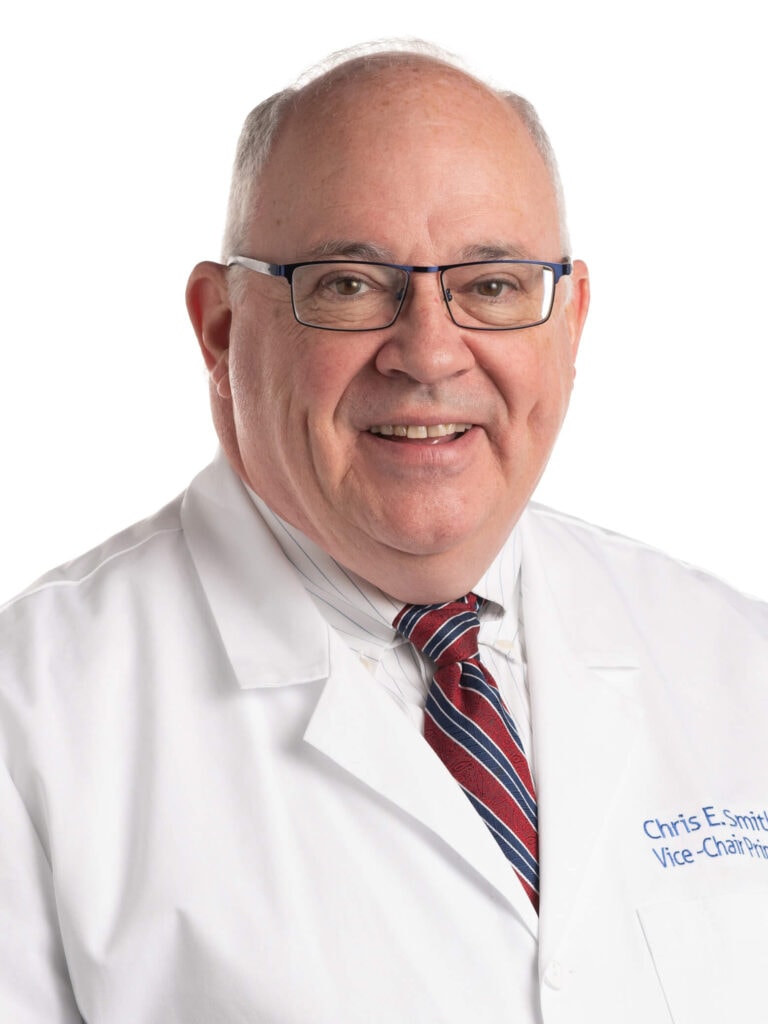
Christopher Smith, M.D., has rejoined the University of Arkansas for Medical Sciences (UAMS) and Arkansas Children’s as professor and vice chair for primary care in the UAMS College of Medicine Department of Pediatrics and primary care service line director and medical director of ambulatory primary care services at Arkansas Children’s Hospital (ACH).

Dr. Christopher E. Smith
Christopher E. Smith, M.D., has rejoined UAMS and Arkansas Children’s as a faculty member and pediatric primary care leader.

Smith previously served UAMS and Arkansas Children’s in numerous leadership roles from 1989 to 2016, including as regional associate dean for the College of Medicine at the UAMS Northwest Campus in Fayetteville in 2011-2016. From 2016 until his return to UAMS, he was a professor and the Daniel C. Plunket Chair of the Department of Pediatrics at the University of Oklahoma School of Community Medicine in Tulsa, Oklahoma.

Smith received his medical degree from the University of Mississippi in 1983 and came to UAMS for his internship and pediatrics residency. He spent three years in private practice in Clinton, Mississippi before joining the UAMS Department of Pediatrics faculty in 1989.

Smith served as associate director of the Pediatrics Residency during his first three years as a faculty member and then directed the program from 1992 to1997, when he was appointed vice chair for education in the department. Smith served for 12 years on the UAMS Graduate Medical Education Committee, including four years as chair.

As an educator, Smith has received numerous honors, including the 2008-2009 UAMS Chancellor’s Faculty Teaching Award, the 2009 College of Medicine Master Teacher Award, and numerous student-selected Red Sash Awards.

Smith’s clinical leadership roles at ACH included developing and serving as director of the Pediatric Hospitalist Service from 2003 to 2010. He also served as medical director of the ACH Express Care Unit in 2004-2009 and as associate medical director for the hospital in 2005-2011.

As regional associate dean for the College of Medicine from 2011 to 2016, Smith oversaw much of the initial growth of the medical education program at the UAMS Northwest campus. Among many initiatives, he worked with students and leaders of UAMS’ Pharmacy, Nursing and Health Professions colleges in the region to develop interprofessional educational experiences. While chair of pediatrics at the University of Oklahoma School of Community Medicine, Smith emphasized faculty development and promotion, and student, resident and faculty scholarly work. Under his leadership, the department developed a research infrastructure that led to more than doubling of the publications produced by the department while continuing as the largest provider of care in the state for children insured by Medicaid.

Filed Under: College of Medicine

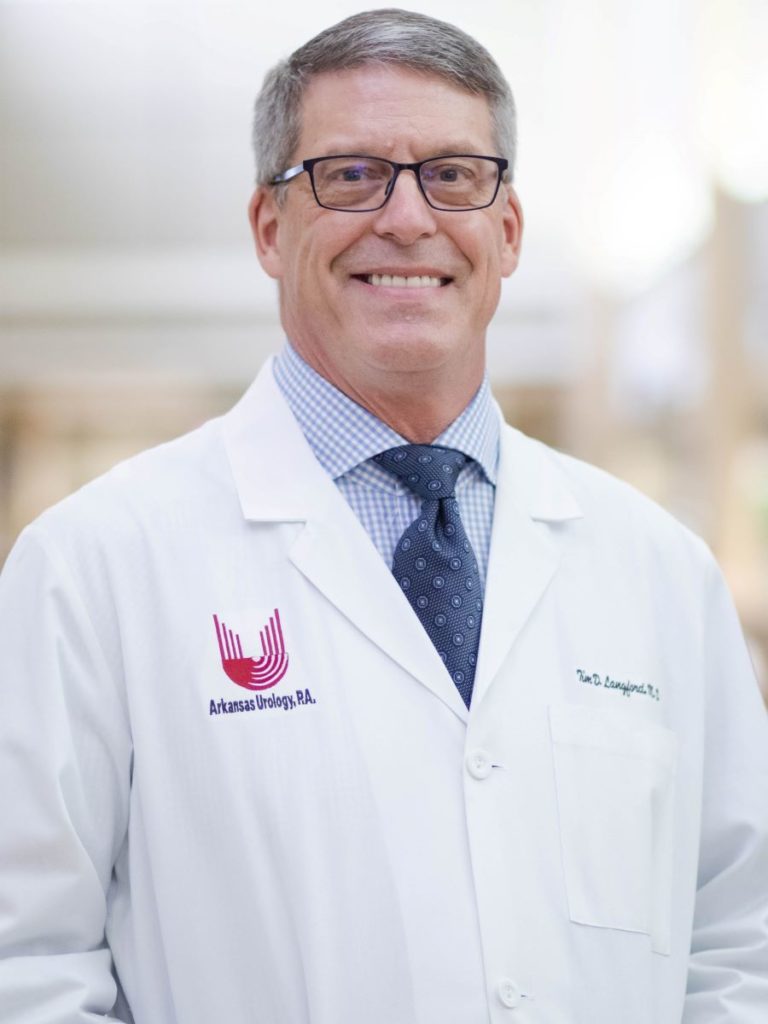
Timothy Langford, M.D., Appointed as Next Chair of Urology at UAMS

Timothy Langford, M.D., a Little Rock urologic surgeon with nearly three decades of experience, has been appointed chair of the Department of Urology in the College of Medicine at the University of Arkansas for Medical Sciences (UAMS), effective Oct. 3.

Timothy Langford, M.D., a leader in urologic surgery in Arkansas and the region, is joining UAMS as chair of Urology in October.

Langford succeeds current Chair Rodney Davis, M.D., who is retiring after serving in the post since 2012.

“Dr. Langford is a highly regarded urologic surgeon and leader in the field in Arkansas and regionally,” said Christopher T. Westfall, M.D., executive vice chancellor of UAMS and dean of the College of Medicine. “He brings superb experience in urologic surgery and clinical leadership to UAMS.”

Langford has practiced throughout his 28-year career at Arkansas Urology, P.A., where he served as president from 2011 to January of this year.

A 1988 graduate of the UAMS College of Medicine, Langford stayed at UAMS for his general surgery internship and residency training in general surgery followed by his urology residency. He served as chief resident in urology before joining Arkansas Urology in 1993. In addition to his leadership of Arkansas Urology, he was chief of staff at Baptist Health-Little Rock in 2014-2015. Langford is certified by the American Board of Urology and is active in national and regional professional organizations including the American Urologic Association, the American Association of Clinical Urologists and the Arkansas Urological Society, for which he served as president in 2002. He also has held leadership roles in the South Central Section of the American Urological Association (SCA/AUA) including a term as president in 2018.

Filed Under: College of Medicine

John Spollen, M.D., to Serve as Interim Chair of Psychiatry Starting June 1

John Spollen, M.D., professor and vice chair for education in the Department of Psychiatry in the University of Arkansas for Medical Sciences (UAMS) College of Medicine, has been appointed interim chair of the department effective June 1, when current chair G. Richard Smith, M.D., retires.

Dr. John Spollen
John Spollen, M.D., will begin serving as interim chair of the UAMS College of Medicine Department of Psychiatry on June 1.

“As an outstanding clinician and award-winning educational leader, Dr. Spollen will ensure the continued success of psychiatric care, education and research at UAMS during the search for the next Chair and Director of the UAMS Psychiatric Research Institute (PRI),” Executive Vice Chancellor and Dean Christopher T. Westfall, M.D., said in an April 12 announcement to faculty.

Spollen received his medical degree from the University of Alabama at Birmingham. He completed his residency in psychiatry at the Medical University of South Carolina and joined the UAMS faculty in 1999. He has held the rank of professor since 2014.

Among many educational roles in the Department of Psychiatry, Spollen has served as junior clerkship director and, since 2004, as vice chair for education. He has been clinical co-director of the M1 Brain and Behavior Module since 2015. Spollen has served on the College of Medicine Curriculum Committee since 2002 and has held a number of leadership roles, including co-chair of the Evaluation and Quality Improvement Subcommittee. 

Spollen has received many honors for his work in education, including the Educational Innovation Award, multiple Educational Research awards, and the Master Teacher Award from the College of Medicine, and the 2019 UAMS Chancellor’s Award for Teaching Excellence. Students have recognized his teaching with Red Sash and Gold Sash awards.

Spollen practices at the Central Arkansas Veterans Healthcare System (CAVHS), where he has held several clinical and administrative roles including his current posts as director of the Psychiatric Consultation-Liaison Service and the Electroconvulsive therapy (ECT) and Ketamine Program for treatment-resistant depression. He is board-certified in general psychiatry, consultation liaison psychiatry and addiction medicine.

Active in several national psychiatry education organizations, Spollen is a past president of the Association of Directors of Medical Student Education in Psychiatry and currently serves on the American Psychiatric Association’s Council on Medical Education. He has published and presented nationally and internationally on educational topics including assessment of professionalism and recruiting medical students into psychiatry.

“I thank Dr. Spollen for agreeing to serve in this important leadership role for our institution and those we serve,” Westfall said. “I also want to take this opportunity once again to thank Dr. Smith for his 40 years of outstanding service to our college, UAMS and our state, and to wish him all the best in his upcoming retirement.”

Filed Under: College of Medicine

Off and Running! New 1-2-3 GO Grants Support Team Research

Nancy Rusch, Ph.D., College of Medicine executive associate dean for research, assists as Christopher T. Westfall, M.D., executive vice chancellor and dean, draws the name of a team that will receive a 1-2-3 GO grant. Joining them are Shuk-Mei Ho, Ph.D., UAMS vice chancellor for research and innovation, (back left) and Nancy Gray, Ph.D., president of BioVentures.

“1-2-3 GO” is off and running with seven teams selected to receive grants in the new funding program for researchers from the College of Medicine and other colleges at the University of Arkansas for Medical Sciences (UAMS) and in the University of Arkansas system. 

The program provides rapid distribution of $75,000 in seed funding for interdisciplinary teams of three faculty members plus a student or trainee. The “GO” in the program’s name stands for grant opportunity, and “1-2-3” reflects the program’s aim of providing a fast, simple approach to obtain funding to bring new research ideas to life.

Seven project teams were selected in a random drawing of qualifying applications on March 12. Christopher T. Westfall, M.D., UAMS executive vice chancellor and College of Medicine dean, conducted the drawing with Nancy Rusch, Ph.D., executive associate dean for research in the college. They were joined by Shuk-Mei Ho, Ph.D., UAMS vice chancellor for research and innovation, and Nancy Gray, Ph.D., president of BioVentures, LLC.

For fun, Westfall pulled the winning names from a magician-style top hat.

“Congratulations to our inaugural 1-2-3 GO grant recipients,” Westfall said after the drawing. “The real magic will happen when these teams use their creativity and collaborative expertise to address research questions that could lead to significant discoveries, federal funding for additional studies, and potential commercialization of biomedical advances.” 

1-2-3 GO was initiated in the College of Medicine by Richard P. Morrison, Ph.D., who served as executive associate dean for research prior to his retirement at the end of 2020. Rusch, who succeeded Morrison, completed development and launched the program in collaboration with Ho and Gray.

1-2-3 GO grants are supported with funding from the college, BioVentures, the UAMS Office of Research and Innovation, UA system campuses with faculty members receiving the grants, and philanthropic contributions.

“We received applications from 40 teams representing 120 faculty members and 12 departments from UAMS and the University of Arkansas, Fayetteville,” Rusch said, adding that the trainees on the proposed projects included medical and graduate students and postdoctoral and clinical fellows. “This strong response shows that our faculty are very willing to collaborate across disciplines to explore new research projects and share discoveries.”

Teams came together through the 1-2-3 GO website, where leaders posted project ideas and additional faculty were able to join the proposals. Applications were reviewed by Rusch’s office to ensure program criteria were met, and by BioVentures to confirm that the proposed research had the potential to generate intellectual property and lead to commercialization. Eighteen projects met those requirements and were included in the drawing for the first round of funding.    

“One of the goals when we launched BioVentures, LLC four years ago was to establish funds from intellectual property revenue that could be re-invested in UAMS for the development of new intellectual property,” said Gray. “The 1-2-3 GO award is the first program to use those funds to generate new collaborative research that has this potential.”

1-2-3 GO team members will participate in BioVentures’ fastPACE course in April to help build skills in evaluating early-stage biomedical discoveries for commercialization potential.

As UAMS vice chancellor for research and innovation, Ho is working closely with her counterpart at the University of Arkansas, Fayetteville, John English, Ph.D., to build strong research collaborations across the two institutions.

“The 1-2-3 GO mechanism is an exciting opportunity to accelerate translation of research discoveries into marketable clinical practice,” Ho said. “One of the selected projects will be funded through the two vice chancellors’ offices, bringing together top clinical researchers in orthopaedics and biomedical engineering on a project to develop patentable interventions for osteoarthritis from Arkansas to benefit patients from across the nation and around the globe.”

The projects and teams selected to receive funding on April 1 are:

One-targeted Pyk2 inhibitors for prevention of bone fragility.

Dr. Teresita Bellido
Teresita Bellido, Ph.D., Project Lead

Teresita Bellido, Ph.D. (Project Lead): Dept. of Physiology and Cell Biology, UAMS
Alexei Basnakian, M.D., Ph.D.: Dept. of Pharmacology and Toxicology, UAMS
Hong-Yu Li, Ph.D.: Dept. of Pharmaceutical Sciences, UAMS
Amy Sato, Ph.D. (postdoctoral fellow): Dept. of Physiology and Cell Biology, UAMS

Improving accuracy of SpO2 in children with chronic hypoxemia by buccal reflectance pulse oximetry.

Destiny Chau, M.D., Project Lead

Destiny Chau, M.D. (Project Lead): Dept. of Anesthesiology, UAMS
Rupal Bhakta, M.D.: Dept. of Pediatrics, UAMS
Lawrence Greiten, M.D.: Dept. of Surgery, UAMS
Felipe Medeiros, M.D. (fellowship, cardiac anesthesia): Dept. of Anesthesiology, UAMS

Delineating dysbiosis-induced multimodal biomarker signatures to optimize precision medicine.

Ruud Dings, Ph.D., M.Sc., Project Lead

Ruud Dings, Ph.D., M.Sc. (Project Lead): Dept. of Radiation Oncology, UAMS
Renny Lan, Ph.D.: Dept. of Pediatrics, UAMS
Kimberly Stephens, Ph.D.: Dept. of Pediatrics, UAMS
Samir Jenkins, Ph.D. (postdoctoral fellow): Dept. of Radiation Oncology, UAMS

Development of an infection-resistant hemodialysis access graft.

Kalenda Kasangana, M.D., Project Lead

Kalenda Kasangana, M.D. (Project Lead): Dept. of Surgery, UAMS
Kevin Sexton, M.D.: Dept of Surgery, UAMS
Mark Smeltzer, Ph.D.: Dept. of Microbiology and Immunology, UAMS
Astha Malhotra, Ph.D. (postdoctoral fellow): Dept. of Pharmacology and Toxicology, UAMS

Improving arterial bleeding cessation by modulating thrombus formation.

Sung Rhee, Ph.D., Project Lead

Sung Rhee, Ph.D. (Project Lead): Dept. of Pharmacology and Toxicology, UAMS
Avi Bhavaraju, M.D.: Dept. of Surgery, UAMS
Jerry Ware, Ph.D.: Dept. of Physiology and Cell Biology, UAMS
Hunter Rose (medical student): UAMS

Epigenetic modulation of mesenchymal stem cells as therapeutic interventions for osteoarthritis.

Rebekah Samsonraj, Ph.D., Project Lead

Rebekah Samsonraj, Ph.D. (Project Lead): Dept. of Biomedical Engineering, UA Fayetteville
Lowry Barnes, M.D.: Dept. of Orthopaedic Surgery, UAMS
Ryan Porter, M.D.: Dept. of Internal Medicine, UAMS
Luke Childress (graduate student): Dept. of Physiology and Cell Biology, UAMS

Monoclonal antibody internalization rates as diagnostic indicators for the immunotherapy of cancer.

Alan Tackett, Ph.D., Project Lead

Alan Tackett, Ph.D. (Project Lead): Dept. of Biochemistry and Molecular Biology, UAMS
Yong-Chen Lu, Ph.D.: Dept. of Pathology, UAMS
Ginell Post, M.D., Ph.D.: Dept. of Pathology, UAMS
Brian Koss, Ph.D. (postdoctoral fellow): Dept. of Biochemistry and Molecular Biology, UAMS

Filed Under: College of Medicine, News

Nancy J. Rusch, Ph.D., Named Executive Associate Dean for Research in UAMS College of Medicine

Nancy J. Rusch, Ph.D., has been appointed executive associate dean for research in the University of Arkansas for Medical Sciences (UAMS) College of Medicine.

Dr. Nancy Rusch
Nancy J. Rusch, Ph.D.

“Dr. Rusch will provide strong leadership for the College of Medicine research enterprise, as she has done while serving as interim executive associate dean since Dr. Richard Morrison’s retirement at the end of last year,” said Christopher T. Westfall, M.D., executive vice chancellor of UAMS and dean of the College of Medicine.

Rusch will continue to lead the Department of Pharmacology and Toxicology, where she has served as professor and chair since 2005. As chair, she has overseen growth in research funding and the development of nationally recognized faculty who are major contributors to research at UAMS and leaders in medical and graduate student education.

Rusch’s contributions to UAMS extend well beyond her department. She is a key leader in the Translational Research Institute, where she developed and co-leads TRI’s Health Sciences Innovation and Entrepreneurship (HSIE) Postdoctoral Scholars Training Program and serves as TRI co-director of Translational Workforce Development. In her recent role as interim executive associate dean for research, she oversaw the launch of 1-2-3 GO, a new grant program for research teams from multiple departments and colleges.

She has served in numerous other leadership roles, including chair of the College of Medicine Council of Department Chairs, chair of the Basic Science Chairs and founder of the Cardiovascular Interest Group. Rusch has also contributed to numerous search committees for department chairs, UAMS chancellors and other leadership positions, including the next College of Medicine dean, Susan Smyth, M.D., Ph.D.

A leading expert in vascular ion channel remodeling in hypertension, Rusch has been a member of numerous study sections and special review panels for the National Institutes of Health and the American Heart Association. She is a longstanding member and leader in the American Society of Pharmacology and Experimental Therapeutics and a past president of the organization’s Cardiovascular Pharmacology Division.

Rusch received her doctorate at the Mayo Clinic and University of Minnesota. She completed postdoctoral fellowships in pharmacology at the University of Iowa and in physiology and biophysics at the University of Cincinnati. She served on the faculty at the Medical College of Wisconsin from 1987 until her recruitment to UAMS. Rusch has received numerous honors since joining UAMS, including the Chancellor’s Teaching Award in 2011, the Graduate School Best Faculty Award in 2014, and the College of Medicine Educational Innovation Award last year.

Filed Under: College of Medicine, News

  • «Previous Page
  • Page 1
  • Page 2
  • Page 3
  • Page 4
  • Page 5
  • Next Page»
UAMS College of Medicine LogoUAMS College of MedicineUniversity of Arkansas for Medical Sciences
Mailing Address: 4301 West Markham Street, Little Rock, AR 72205
Phone: (501) 296-1100
  • Facebook
  • X
  • Instagram
  • YouTube
  • LinkedIn
  • Pinterest
  • Disclaimer
  • Terms of Use
  • Privacy Statement
  • Legal Notices

© 2026 University of Arkansas for Medical Sciences