• Skip to primary navigation
  • Skip to main content
  • Skip to primary navigation
  • Skip to main content
Choose which site to search.
University of Arkansas for Medical Sciences Logo University of Arkansas for Medical Sciences
College of Medicine
  • UAMS Health
  • Jobs
  • Giving
  • About Us
    • Fast Facts
    • Leadership
    • Features
    • COMmunication Newsletter
    • Maps and Directions
    • College of Medicine History
    • Professionalism Guidelines
  • Departments
  • Admissions
    • Apply
    • Financial Aid and Scholarships
    • Life in Little Rock or Fayetteville
    • Dual Degree Programs
      • M.D./MBA Program
      • M.D./Ph.D. Program
      • M.D./MPH Program
    • Three-Year M.D. Program
    • Rural Practice Programs
      • Community Match Rural Physician Recruitment Program
      • Rural Practice Scholarship Program
    • Contact Admissions
  • Students
    • Academic Calendar
    • Academic Houses
    • Career Advising
    • Financial Aid and Scholarships
    • Visiting Students
    • Mentor Spotlight Podcast
    • Preparing for Residency
    • Non-Discrimination Statement
    • Outstanding Teacher Nominations
    • Parents Club
    • Student Links
    • Honors in Research
    • UAMS Campus Security
    • Undergraduate Medical Education Competencies
  • Graduate Medical Education
  • Alumni
  • Faculty Affairs
  • Research
  1. University of Arkansas for Medical Sciences
  2. College of Medicine
  3. News
  4. Page 15

News

Match Day Tests Nerves, Offers Huge Payoffs to Graduating Medicine Seniors

By Amy Widner

March 15, 2019 | Dreams really can come true — and for the 160-plus College of Medicine seniors who attended the annual Match Day event on Friday, those fulfilled wishes came in the form of envelopes that revealed where they will spend the next three to seven years as they complete their residency training.

“It feels surreal,” said Daniel Escobar, who matched in emergency medicine at Carolinas Medical Center in Charlotte, North Carolina. “It feels like you’re in a dream. All of that hard work coming to fruition like this, it just boggles the mind to actually be here.”

Each year Match Day starts at 11 a.m. Central Time, with senior medical students all over the nation simultaneously opening envelopes to reveal their “match” — or where they have been accepted to continue their training in a specialty residency.

Students smiling at podium
Students react after learning their residency matches.

Match Day is conducted by the National Resident Matching Program (NRMP). Students in their fourth year apply to programs, interview and then send a ranked list to the NRMP. Residency programs also submit a list of preferred candidates, and an NRMP computer, using an algorithm, reconciles the lists as best as possible.

Not everyone matches in the first round, and there are subsequent matching processes that try to account for that.

This year, 167 UAMS College of Medicine senior students participated in the match. One-hundred-sixty-three took part in the NRMP match. Eight graduating seniors who attempted to match did not do so initially. However, since the first round, all of the students who sought positions have placed through other matching processes.

Student filling out T-shirt with marker
A student fills out her T-shirt with the location of her residency and the specialty.

Nationwide, the 2019 Main Residency Match was the largest in NRMP history. A record 38,376 applicants submitted program choices for 35,185 positions, the most ever offered in the Match. Of those, 7,826 failed to match.

At the UAMS Match Day event, held at the Metroplex Live, the class of 2019 also re-enacted another tradition. It can be nerve wracking to wait for your name to be called, so each student who goes up to the podium puts cash in a vase. The student whose name is called last gets a big cash prize for their extra stress from waiting.

Student overcome with emotion
Daniel Escobar realizes he has won the cash jar for being the last student to have their name called.

Escobar was this year’s winner.

“It almost gave my wife a heart attack,” Escobar said. “She wanted me to be one of the first, so waiting so long — she was a nervous wreck.”

As far as the money goes, Escobar was thrilled, of course, but he said, looking around the room, “it’s exciting to see that everyone seems so happy with their choice — that’s the most important thing.”

For couples and families with children, Match Day poses additional logistical challenges. Often couples are trying to match in the same geographical area, while still considering each other’s career goals. There is a “couple match” option through the NRMP that tries to factor in geography, but still, it’s tough.

Dr. Tariq and others holding envelopes
Assistant Dean of Undergraduate Clinical Education Sara Tariq, M.D., center, sorts through the match envelopes.

Rachel and Cale White held their baby, Kade White, after the ceremony and reflected on the stressors of the last few months. They were relieved when they found out they both matched at UAMS, where Rachel will be working in emergency medicine and Cale in physical medicine and rehabilitation.

“It’s exactly what we were hoping for,” Rachel said.

Students in their Match Day T-shirts

“The most important thing for us was that we could be together and not have to disrupt our family with a big move,” Cale said. “This is perfect, and we’re looking forward to taking on new challenges and having more of a say in our patients’ care and well-being as residents.”

For Jessie Koster, who has been at the UAMS Northwest Regional Campus in Fayetteville for the last two years, Match Day was also a fun time reuniting with her classmates. Given the difficulties of medical school, students can forge strong bonds.

Wheeler with envelopes
Richard Wheeler, M.D., executive associate dean for academic affairs, readies some of the match envelopes before the event.

“I feel great,” Koster said, adding that her match, radiology at University of Kansas Medical Center, was her No. 1 choice. “There were a lot of nerves, a lot of excitement, and now, a lot of relief to know where life is going to take me next. My residency, radiology, will take five years, so that’s a big part of my life that I now know for sure — and need to start planning for. We’ve got to move!” Koster said, looking at her boyfriend with a laugh. “It’s a lot, and it’s all very exciting.”

This year, 53 percent of the UAMS students matched in primary care — internal medicine, pediatrics, family medicine or obstetrics/gynecology.

One of UAMS’ goals is to inspire doctors to stay in Arkansas for their careers, particularly those in family medicine. Of the class of 2019, 72 seniors have taken residency positions in Arkansas. The remaining 88 took positions in 32 different states.

Richard Wheeler, M.D., executive associate dean for academic affairs in the College of Medicine, started keeping statistics related to Match Day in 2005 and helps organize the event. Wheeler said UAMS is working with other hospitals and programs in the state to open additional residency slots in an effort to train more physicians in Arkansas to fulfill doctor shortages. Every year the staff continues to help students find positions even if they didn’t match in the first round.

Filed Under: News

UAMS-led Study Shows Promise for Head and Neck Cancer Patients

By Susan Van Dusen

March 13, 2019 | LITTLE ROCK — A study led by University of Arkansas for Medical Sciences (UAMS) surgeon Brendan C. Stack Jr., M.D., has shown the potential to alter neck dissection surgeries in about 21 percent of head and neck cancer patients.

Stack served as co-investigator on the international study examining the effectiveness of PET/CT scans in determining whether a patient’s cancer has spread to their lymph nodes. The study’s results were published Feb. 15, 2019 in the Journal of Clinical Oncology.

Brendan Stack
Brendan Stack Jr., M.D., served as co-investigator on an international study examining the effectiveness of PET/CT scans in determining whether a head and neck cancer patient’s malignancy has spread to their lymph nodes.

For patients found to have positive lymph nodes, a surgery called neck dissection, which involves an incision across the neck, is required to remove the positive nodes.

If a patient’s cancer has not spread to the lymph nodes, neck dissection surgery may not be required, reducing the patient’s pain and recovery time.

“Our study showed that when a patient has negative nodes on a PET/CT scan, 96 percent of the time the result is truly negative. With a high level of confidence, we can say to a patient that if your neck is negative on PET/CT, there is probably no need for a neck dissection,” said Stack, professor in the UAMS College of Medicine Department of Otolaryngology-Head and Neck Surgery.

Cancers that are collectively known as head and neck cancer usually begin in the squamous cells inside the moist surfaces of the head and neck. These cancers can affect the oral cavity, throat, larynx (voicebox) and nasal cavity.

While it was commonly assumed by physicians that a negative scan of the neck meant there was no need for a neck dissection as part of cancer therapy, this assumption had never before been established in a prospective, multi-institution trial.

The study was conducted from August 2010 to December 2016 in 23 centers around the world. Of the total 287 patients enrolled, 42 were from UAMS.

“More patients participated in this study at UAMS than at any other center,” said Stack, who developed the concept 18 years ago with co-investigator Val J. Lowe, M.D., professor of radiology at the Mayo Clinic in Rochester, Minnesota.

“Our first article hypothesizing this concept was published in the journal Cancer in 2001. Now, almost two decades later, we have shown that with the help of PET/CT technology it may be possible to significantly reduce the number of neck dissections performed on head and neck cancer patients,” said Stack.

PET scan is a type of nuclear medicine imaging that uses a small amount of radioactive material, called a tracer, to determine the severity of disease. In the case of this study, the tracer used was fluorodeoxyglucose, or FDG, a molecule similar to glucose.

CT imaging uses X-ray equipment to produce images of the inside of the body. When combined, PET/CT gives doctors the ability to see the body’s abnormality in relation to the anatomy, making it a more precise scan.

Another major result of the study involves the mapping of positive lymph nodes in the neck.

“There has been no other area of the body that has been mapped this way as it relates to PET scanning,” Stack said, adding that it could be beneficial for other types of surgeons to use the study’s results in determining the likelihood of positive lymph nodes in their own patients.

The study was initiated by the American College of Radiology Imaging Network, which later joined with the Easter Cooperative Oncology Group. Results were presented at the American Society of Clinical Oncology annual meeting in Chicago in June 2017, and a two-year patient follow-up concluded in December 2018.

The Cancer Clinical Trials and Regulatory Affairs office provided internal support for the study while it was being conducted at UAMS.

“Ideally, research should provide information that is both usable and capable to being built upon. I’m glad to say that researchers at another institution are already designing a follow-up trial to ours, which will develop this concept even further,” said Stack.

Filed Under: News

Cancer Diagnosis Gives UAMS Medical Student New Perspective

By Susan Van Dusen

March 6, 2019 | With his first medical licensing exam in the books, Corbin Norton was ready to relax.

“It was a really tough exam. I had been studying for weeks,” the 27-year-old UAMS College of Medicine student said.

An Atlanta native, Norton landed at UAMS after his brother, then a resident in the Department of Otolaryngology, suggested he give it a look.

“Little Rock wasn’t even on my radar, but he gave me a tour and I was really impressed,” he said.

After being accepted into the college in 2016, Norton left his job at the Centers for Disease Control, moved to Arkansas and delved headfirst into the challenges of medical school.

“My brother was getting excellent training in his residency at UAMS, so I felt confident the College of Medicine would also be a good choice for me,” he said.

It was about two years later, after Norton completed his first licensing exam and was preparing to enter his third year of med school, when he noticed something alarming: a bump had developed on the back of his testicle.

With his newly acquired medical knowledge top of mind, Norton immediately knew he fell squarely in a high-risk group for testicular cancer. According to the American Cancer Society, about half of testicular cancers occur in men between the ages of 20 to 34, and the cancer is more common in white men than in African-Americans or Asian-Americans.

“Knowing I fit into that category, I was a little worried,” he said.

A visit to Norton’s primary care physician temporarily eased his fears when he was told the bump appeared to be a simple cyst. When it began to hurt a few weeks later, the same doctor determined it to be a condition known as epididymitis, an inflammation of the tube at the back of the testicles that stores and carries sperm.

But for Norton, the diagnosis of epididymitis didn’t ring true.

“I didn’t really think that was the problem,” he said, since epididymitis is most commonly caused by sexually transmitted diseases he does not have.

However, Norton followed the doctor’s orders and tried an over-the-counter pain killer, hoping it would relieve the increasing discomfort.

As days went by and the pain worsened, Norton decided it was time to see a specialist and made an appointment in the Urology Clinic at UAMS.

His treatment began with a round of antibiotics, but they offered no relief. It was then that an ultrasound was performed and revealed the true cause of Norton’s pain: a tumor of about 2.5 centimeters in his testicle.

“The ultrasound was on a Friday, and then it was a whirlwind,” Norton said. His family arrived from Atlanta, and there was talk over the weekend of going home for treatment. Ultimately, though, Norton decided that UAMS was where he was meant to be.

“I’m a med student here. People know me, and I know the doctors and nurses. There was a level of familiarity that was comforting. Plus, I knew I would get the best care here,” he said.

Early the next week, Norton met with his surgeon, Mohamed Kamel, M.D., and surgery was scheduled for Wednesday, a mere five days after his diagnosis. Norton also made the decision to bank his sperm prior to surgery, as treatment for testicular cancer can lead to infertility.

“I can’t say enough about Dr. Kamel. He answered all of my questions, even the simple ones. He was really in my corner and pushed to get things done on my behalf,” he said.

Kamel is an associate professor in the UAMS College of Medicine Department of Urology.

After the surgery, it was determined that Norton’s cancer, which had already spread to his lymph nodes, was a nonseminoma tumor with a high embryonal component, meaning it was an aggressive form of the disease that affects the precursors to sperm cells known as germ cells.

Genetic testing also determined him to have the isochromosome 12p gene mutation, which contributed to the tumor’s invasive and aggressive nature and, at times, its resistance to treatment.

Rashmi Verma, M.D., a medical oncologist in the UAMS Winthrop P. Rockefeller Cancer Institute, oversaw Norton’s chemo regimen, which included four stays in the hospital, as well as outpatient treatments.

“Chemotherapy for testicular cancer involves three drugs that require the patient be monitored around the clock,” said Verma, assistant professor in the UAMS College of Medicine Division of Medical Oncology.

While low blood counts delayed Norton’s treatment for a few days, Verma’s close attention to his condition allowed her to restart the chemotherapy regimen as soon as his counts were back up.

“We monitored his blood counts every 48 hours and started chemo again as soon as it was safe to do so,” she said.

Verma also worked closely with Norton and his family to ensure he avoided any potential risk of infection while home between hospital stays. Had he contracted an infection or pneumonia, his treatment could have been delayed for weeks, resulting in the possible development of residual cancer, she said.

“Dr. Verma was always very straightforward, and I appreciated that,” he said.

Finally, about four months after his surgery, Norton received the call he had been waiting for.

“I had a CT scan on January 31, and Dr. Verma called the next day to tell me I was cancer free. I was beyond relieved,” he said.

In total, Norton took about a five-month leave of absence from the College of Medicine and will return full time to his studies in March 2019.

“Everyone at the College of Medicine has been very supportive. At first I wanted to power through and avoid falling behind in school, but they reassured me I didn’t need to feel guilty for taking time off to care for my health,” Norton said.

With his treatment successfully completed, Norton said he’s now ready to put this experience behind him and get back to life, using his own experience as a patient to help guide his future as a more empathetic and understanding physician.

“Being a med student, I had to remind myself that it was OK to be the patient. Cancer makes you accept new roles in life that you never expected,” he said.

Filed Under: News

UAMS Researchers Lead First Rapid Sequencing of Multiple Viruses Using Pocket-Sized Device

By David Robinson

An international team of researchers led by the University of Arkansas for Medical Sciences (UAMS) is the first to deploy a pocket-sized nanopore device for rapid genetic sequencing of multiple human viruses.

The findings are published in the journal Frontiers in Microbiology, the world’s most cited microbiology journal.

UAMS’ Thidathip (Tip) Wongsurawat, Ph.D., and Piroon Jenjaroenpun, Ph.D., developed the technique, setting the stage for rapid, mobile virus tracking in rural regions across the globe. They were joined by collaborators from UAMS, including David W. Ussery, Ph.D., a professor in the Department of Biomedical Informatics, College of Medicine, and Intawat Nookaew, Ph.D., associate professor in the department.

“Using the new hand-held device, in just two hours we had complete genomes of six viruses,” Wongsurawat said. “This is an exciting development that could have life-saving potential as we combat future infectious disease epidemics around the globe.”

The research project’s external collaborators are from the University of Tennessee Health Science Center in Memphis; University of Sao Paulo Ribeirao Preto, Brazil; Mahidol University, Bangkok, Thailand; and University of Louisville, Kentucky.

The team’s findings were made possible by recent advances in gene sequencing technology. The team used an Oxford Nanopore Technologies device called MinION, the only portable real-time device available for DNA and RNA sequencing.

Wongsurawat, a postdoctoral fellow who joined UAMS in 2017, said the results show the hand-held device can be used in real-world settings where human biosamples may contain multiple viruses. The team demonstrated the sequencing from a sample containing six viruses: Mayaro virus, Venezuelan equine encephalitis virus, Chikungunya virus, Zika virus, vesicular stomatitis Indiana virus, and Oropouche virus.

Wongsurawat said the team overcame challenges of rapid diagnoses of infectious disease epidemics, which are primarily driven by RNA viruses. Sequencing of RNA viruses previously required a number of steps (for reverse transcription of RNA to cDNA) that significantly slowed the process.

“Using our method, we were able to skip these steps and provide real-time sequencing, which makes rapid detection and characterization of emerging pathogens possible,” Wongsurawat said.

The team’s work was supported by the Helen Adams & Arkansas Research Alliance Endowed Chair, the National Institute of General Medical Sciences of the National Institutes of Health (NIH) award P20GM125503 and NIH award R01AI103053.

Filed Under: News

DFPM-RED Faculty Receives New Grant

Taren Swindle, Ph.D., Department of Family and Preventive Medicine, De-Implementation of Detrimental Feeding Practices in Childcare, NIH/Nat. Inst. of Diabetes & Digestive & Kidney Diseases (01/03/2019 – 12/31/2020), $228,473.

Filed Under: News

COM Students “Hang Out” During Medical School’s Long Climb

There’s no question that medical school is a long, hard climb. But a group of College of Medicine students has found that a literal climb is great for physical health and mental wellbeing – not to mention a lot of fun.

A dozen or so students have turned out for the appropriately dubbed “hangout” at the Little Rock Climbing Center on a Friday evening in early February. Harnessed to protective rope systems called belays, they scale the indoor facility’s 27-foot walls, following routes of varying difficulty. They reach for nubby, stone-like handholds and seek footing on other protrusions. They check their balance and continue climbing.

Two students climbing
Freshman Madison Crosby (upper left) and sophomore Kaitlynn Butler make their way up a three-story climbing wall.

“This is definitely a major stress reliever,” freshman Madison Crosby said between climbs.

She appreciates the camaraderie as well as the exercise. “I was just talking to some of the M2s (sophomores) about classes I’ll be taking next year, so that has been really nice,” she said.

“One of the best things students can do for their mental health is simply getting regular exercise, and that’s exactly what our group wants to accomplish,” said sophomore Bryce Woods, who co-founded the Wellness through Climbing student organization with classmate Jace Bradshaw.

Both began climbing independently last summer. After discovering their mutual interest they started climbing together more often. “We were having a fantastic time and knew that a number of other students had also been climbing,” said Bradshaw. “We thought it would be great to bring everyone together and try to engage even more people.”

The classmates were also aware of the nationwide problem of stress-induced burnout among medical students. Like schools around the country, the College of Medicine has focused extensively on services to support student wellness. Under the leadership of Puru Thapa, M.D., M.P.H., a professor of psychiatry, the UAMS Student Wellness Program provides free, confidential clinical services for students along with extensive outreach activities such as talks on mindfulness and stress management.

Student climbing
Sophomore Gelina Buslig finds her footing she advances up a climbing wall.

Bradshaw and Woods organized the interest group late last year, recognizing that a climbing group would support the same goals. Matt Quick, M.D., an associate professor of pathology, signed on as the adviser.

“Medical school can be incredibly difficult, and it is easy for students to lose sight of what is important,” said Quick. “So often the focus becomes studying for the next test and students can neglect themselves. What makes this group so special is that climbing is not only mental, but also physical therapy for stress. Bryce and Jace should be commended for taking the initiative in setting up this incredibly valuable opportunity for their peers.”

The group aims to have a couple of hangouts each month, along with informational meetings on topics such as climbing basics, the benefits of exercise on mental health and wilderness medicine, which centers on providing care in low-resource environments and is the focus of another active interest group on campus. Woods and Bradshaw are interested in organizing outdoor climbing excursions someday and expanding their membership to include students from other UAMS colleges.

Meanwhile, there is the challenge of each climb and the satisfaction of persevering.

“My favorite thing about climbing so far has been that almost every time I go, I see improvement and I get to beat my last ‘personal record,’” said Woods. “One day I’ll be unable to complete a really hard route, then a few days later I’m back at it and able to climb it.”

Woods laughs when asked if medical school is something like scaling a towering wall.

“We hear all kinds of analogies about medical school, but it really is like we are just steadily climbing up a mountain – a ridiculously huge mountain,” Woods said. “At some point we’ll be at the top and be able to look back on all of the hard work we’ve done and the support from friends and family that got us here!”

Bradshaw and Woods, standing on floor, cheering on Webb as she begins climb
Medical school’s a long climb. Just for fun, we asked climbing group founders Jace Bradshaw (left) and Bryce Woods (center) and fellow sophomore Shelby Webb to don their white coats for a photo shoot.

Filed Under: News

Drive that Saves Lives

Second-year medical students in the College of Medicine at the University of Arkansas for Medical Sciences (UAMS) carried on the tradition of hosting a bone marrow registry drive for freshmen at the end of the first-year students’ final hematology/oncology team-based learning session on Feb. 6.

Sophomore Bryce Woods led the third annual event with help from classmates Mary Allison Andrews-Sizemore, Zoey Crystal, Bri LaFerney, Jack Linna, Francesca LoBianco, Lillie Pitts, Brittany Roses, Eli Smith and Katie Stahler. Fellow sophomores Micah Clay and Chris Quesada helped the first-year students understand the importance of volunteer donors by sharing their own stories of how they matched with patients and were able to donate life-saving bone marrow after participating in previous drives.

“Most people have felt the devastating effects of cancer in one way or another, so I always jump at the idea of getting to help in the effort to fight back,” said Woods. He was thrilled when the leader of last year’s drive, John Patterson, now a junior, contacted him about leading this year’s drive.

Two students with swabs for marrow drive registry
College of Medicine freshmen Grace Goode (left) and Katherine Wang prepare to register in the National Bone Marrow Donor Registry. The process involves collecting a saliva sample, which will be used to identify potential matches between registrants and patients from around the world who need life-saving bone marrow transplants.

“To make it even better, the drive is held at the end of a module in which medical school freshmen learn about many disease states of blood and bone marrow,” Woods said. “Then we offer them the opportunity to be entered into the massive National Bone Marrow Donor Program registry so that they may someday enable a patient to receive an effective treatment for their disease.”

The combination of a learning opportunity and chance to give back excited Paige Gocke, who serves as treasurer for the freshman class. “After our Hematology/Oncology module, we not only learned that the variables for a perfect match in bone marrow transplants are immense, but that bone marrow donors are crucial in many treatments,” she said. “As a future physician, I have always desired to make an impact in the world, and if I am able to save someone’s life by being a donor, then I will gladly donate.”

To join the registry, the freshmen completed brief paperwork and used sterile swabs to collect and submit their own saliva samples. The UAMS drives were coordinated through DKMS, an international nonprofit bone marrow donor center affiliated with the National Bone Marrow Donor Program. Well over 200 UAMS medical students have become registered donors.

“It is such a fun experience, and I love that we will get to pass the baton to this class next year so that we can continue to have more and more registered donors from UAMS!” Woods said.

Photos courtesy of Paula McClain, M.A., President, Class of 2022.

Filed Under: News

New Faculty and Leaders – February 2019

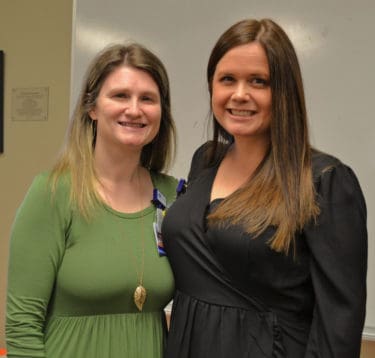
Dr. Larry Quang

Department of Pediatrics

Larry Quang, M.D., has joined the Department of Pediatrics as Professor and Chief of the Division of Pediatric Emergency Medicine.

Dr. Quang received his medical degree from Northeastern Ohio University College of Medicine. He completed his pediatrics residency at Children’s Hospital of Michigan and went on to complete fellowships in medical toxicology and pediatric emergency medicine at Children’s Hospital of Boston and Children’s Hospital Medical Center of Akron.

Dr. Mara Wood

Before his recruitment to UAMS and Arkansas Children’s Hospital, Dr. Quang was an Associate Professor and attending physician in pediatric emergency medicine at Children’s Hospital at Oklahoma University Medical Center in Oklahoma City, where he was also a CMRI/Express Employment Professionals Endowed Research Chair in Pediatric Emergency Medicine.

Mara Wood, Ph.D., has joined the Department of Pediatrics as an Assistant Professor at the Schmieding Developmental Center in Lowell in Northwest Arkansas. Dr. Wood received her doctorate in school psychology at the University of Central Arkansas in Conway. As part of her doctoral program, she completed a pre-doctoral internship at the Schmieding Developmental Center. She went on to work as a school psychology specialist with the Rogers School District before returning to the Schmieding Developmental Center in January.

Dr. Veronica Raney

Department of Psychiatry

Veronica Raney, M.D., has rejoined the Department of Psychiatry as an Assistant Professor in the Division of Child and Adolescent Psychiatry and Medical Director of the Child Study Center at Arkansas Children’s Hospital. Dr. Raney, who graduated from UAMS in 2011, completed her residency in psychiatry in 2014 and went on to complete fellowships in child and adolescent psychiatry and leadership education in neurodevelopmental disabilities in 2016. Dr. Raney served as Medical Director of the Child Study Center until leaving UAMS in 2017 to take a position with Youth Home in Little Rock.

Filed Under: News

UAMS Establishes Institute for Digital Health & Innovation; Curtis Lowery, M.D., Named Director

By Ben Boulden

The University of Arkansas for Medical Sciences (UAMS) has established the Institute for Digital Health & Innovation, and named Curtis Lowery, M.D., as its director.

Lowery is founder and medical director of the UAMS Center for Distance Health. He also served for many years as chair of the UAMS Department of Obstetrics and Gynecology in the College of Medicine. C. Lowry Barnes, M.D., will serve as interim chair of the department while a search for a permanent chair is conducted. Barnes is chair of the Department of Orthopaedic Surgery.

Digital health is delivering health care through technology such as smart phones, interactive live video, wearable devices and personal computers. It reduces the cost of health care and improves access for patients, especially in a rural environment like the state of Arkansas.

“As we continue into the new year, I believe this new institute will better position UAMS for the future and support our efforts to serve our patients and students,” said UAMS Chancellor Cam Patterson, M.D., MBA. “We want to ensure access to UAMS through technology and more partnerships in communities across the state. Our idea is not to swoop in and pull people out of those communities using digital technology. It’s the opposite. We want to provide access so they can get care where they are.”

Lowery has received numerous awards and has been recognized nationally for his pioneering work in distance health. He has been a champion of telemedicine benefiting patients and physicians alike. He founded the Antenatal and Neonatal Guidelines, Education and Learning System (ANGELS), a Medicaid-funded, telehealth program for high-risk pregnancy patients, and Arkansas Stroke Assistance through Virtual Emergency Support (SAVES), a similar program for stroke patients.

In the first six to 12 months, Lowery said, a top goal of the institute will be to distribute software and technology to patients so they can take part in live video consultations 24 hours a day, seven days a week with physicians and other health care professionals. That technology also will make it possible for providers to collect health data from patients continuously to guide their care and reduce the need for office visits or a trip to a hospital Emergency Department.

“The concept of home digital monitoring is where it’s all going to go,” Lowery said. “You’re going to do more things outside of the hospital and office and integrate patient care into people’s everyday lives.”

For example, he said, a physician or nurse can check on a daily or more frequent basis on a patient with congestive heart failure who recently was released from a hospital to make sure her medication is being effective and taken properly, avoiding a costly, second admission to the hospital.

“The institute also will begin to integrate with other health care systems outside of UAMS to start supporting their activities, especially underserved areas like the Delta,” Lowery said.

The institute can expand on existing relationships between UAMS and rural hospitals to provide access to medical specialties that aren’t in those communities. Increased access to specialists can reduce health care costs by reducing the need to transfer patients from rural hospitals to larger medical centers such as UAMS where those specialists often are more commonly practicing.

“In three to five years, I hope we’re succeeding in using digital health technology to reduce health care costs while sharing in those savings, delivering much more and better care to patients where they are, and improving population health,” Lowery said.

These changes and other economic factors will help move toward a new health care model that compensates and values providers for positive health outcomes rather than the now predominant, fee-for-service model, Lowery said.

Such a value-based health care system also will compensate providers for successfully managing the health of different populations of patients, especially those with chronic health conditions like diabetes or high blood pressure. In turn, cost savings will be created by those outcomes and by digitally providing health care in patients’ homes in a way that reduces hospitalizations, lengths of stay in hospitals and Emergency Department visits. Those savings will be shared with providers in a value-based health care system.

“That’s where the trend is going,” Lowery said. “Value benefits everybody. Being connected digitally is a good thing because physicians and patients can communicate better and providers can share resources. We have the potential of operating virtual health care networks.”

The Institute for Digital Health & Innovation will include the UAMS Center for Distance Health. Its programs, services and staff will be integrated into the new institute. The center currently connects all but a few hospitals and clinics across the state with telemedicine, continuing medical and health education, public health education, and evaluation research through interactive video.

Filed Under: News

Admissions Takes a Big Team

In late February, the College of Medicine Admissions staff will wheel a cart of letters to the UAMS mailroom. Some recipients will be overjoyed – learning that they have been accepted as one of 174 members of the next freshman class and are on their way to becoming a physician. Others will be informed they are on the COM’s “alternates” list. And many will be saddened to learn that they have not been accepted.

“Ask yourself: When was the last time you received a letter that changed your life?” said Tom South, Assistant Dean for Medical Student Admissions.

Jeanne McLachlin, Ph.D., Tom South, and Tammy Henson
Tom South (center) has led the Admissions staff since 1996. Tammy Henson (right) joined the team as an Admissions Specialist in 2008 and has also administered the Rural Practice Program since 2012. Jeanne McLachlin, Ph.D., (left) came onboard as Director of Admissions and Recruitment in 2016.

This year, 2,582 applicants submitted American Medical College Application Service (AMCAS) applications to the COM, including 353 Arkansas residents, the second highest number of in-state applicants since 1998. Faculty, resident and student volunteers interviewed a total of 374 applicants, including 24 at the UAMS Northwest Regional Campus, during Saturday sessions in October, November and January. The COM Admissions Committee will complete the selection process next month.

“Being actively engaged in this process and meeting bright and motivated applicants makes our job in the Admissions Office a great pleasure,” Mr. South said.

He emphasized that the “admissions team” is far larger than his office of three and that the admissions process requires the participation of hundreds of dedicated volunteers. Executive Vice Chancellor and Dean Christopher T. Westfall, M.D., FACS, thanked the Admissions Office, faculty members who serve on the Admissions Committee, and everyone who volunteered on interview days in a message earlier this month. Click for the message and list of volunteers.

Filed Under: News

  • «Previous Page
  • Page 1
  • Interim pages omitted …
  • Page 13
  • Page 14
  • Page 15
  • Page 16
  • Page 17
  • Interim pages omitted …
  • Page 42
  • Next Page»
UAMS College of Medicine LogoUAMS College of MedicineUniversity of Arkansas for Medical Sciences
Mailing Address: 4301 West Markham Street, Little Rock, AR 72205
Phone: (501) 296-1100
  • Facebook
  • X
  • Instagram
  • YouTube
  • LinkedIn
  • Pinterest
  • Disclaimer
  • Terms of Use
  • Privacy Statement
  • Legal Notices

© 2026 University of Arkansas for Medical Sciences