• Skip to primary navigation
  • Skip to main content
  • Skip to primary navigation
  • Skip to main content
Choose which site to search.
University of Arkansas for Medical Sciences Logo University of Arkansas for Medical Sciences
College of Medicine
  • UAMS Health
  • Jobs
  • Giving
  • About Us
    • Fast Facts
    • Leadership
    • Features
    • COMmunication Newsletter
    • Maps and Directions
    • College of Medicine History
    • Professionalism Guidelines
  • Departments
  • Admissions
    • New Admissions Standards 2026
    • Applicant Guide and Timeline
    • One Medical School, Two Campuses
    • Freshman Scholarships
    • AMCAS Choose Your Medical School Tool Dates
    • Core Competencies for Entering Medical Students
    • Three-Year M.D. Program
    • M.D./MPH Program
    • M.D./Ph.D. Program
    • M.D./MBA Program
    • Rural Practice Programs
      • Community Match Rural Physician Recruitment Program
      • Rural Practice Scholarship Program
      • Rural Recruitment and Job Opportunities
    • Postbaccalaureate Pre-Med Program
    • Transfer Students Policy
  • Students
    • Academic Calendar
    • Academic Houses
    • Career Advising
    • Financial Aid and Scholarships
    • Visiting Students
    • Mentor Spotlight Podcast
    • Preparing for Residency
    • Non-Discrimination Statement
    • Outstanding Teacher Nominations
    • Parents Club
    • Student Links
    • Honors in Research
    • UAMS Campus Security
    • Undergraduate Medical Education Competencies
  • Graduate Medical Education
  • Alumni
  • Faculty Affairs
  • Research
  1. University of Arkansas for Medical Sciences
  2. College of Medicine
  3. News
  4. Page 14

News

Garcia-Rill Closing Out Successful 15-Year NIH Grant, Distinguished Career

By David Robinson

After 50 years as a biomedical researcher, Edgar Garcia-Rill, Ph.D., is close to hanging up his lab coat. When he does, he’ll look back on the last 15 years as the most rewarding of his distinguished career.

“It will be like retiring after winning the Super Bowl,” said the UAMS professor in the Department of Neurobiology & Developmental Sciences.

Fifteen years ago is when Garcia-Rill secured UAMS’ first Center of Biomedical Research Excellence (COBRE) award and established the Center for Translational Neuroscience (CTN). Funded by the National Institutes of Health (NIH), National Institute of General Medical Sciences, the expiring COBRE has been awarded $21,650,223 for investigator support and research infrastructure to UAMS researchers, including those based at Arkansas Children’s Research Institute.

But what gets Garcia-Rill truly excited is the 6-to-1 return on the COBRE investment and having grown new, independent researchers, with programs and centers that will continue for many years to come.

Final Report

In its final report, the External Advisory Committee for the COBRE writes glowingly about the CTN under Garcia-Rill’s leadership. It notes the CTN’s support of 36 researchers who have reaped more than $120 million in funding from outside of UAMS.

“In summary, Dr. Edgar Garcia-Rill’s accomplishments at UAMS cannot be overstated,” the External Advisory Committee report concludes. “The CoBRE program was established to develop self-sustaining, cutting-edge research programs, especially for young and new investigators. The Center for Translational Neuroscience under Dr. Garcia-Rill’s guidance has been unequivocally one of the most successful programs in the nation and is a ‘poster child’ for the IDeA (NIH Institutional Development Award) program.”

The committee’s members are: R. Eugene Anderson, M.D., Ph.D., from the University of Oklahoma; J. Scott Richards, Ph.D., the University of Alabama; Charles Hollingsworth, Dr.P.H., now retired from NIH; and Scott R. Whittemore, Ph.D., University of Louisville.

Garcia-Rill said a key to the CTN’s early success was having the only COBRE at UAMS. With the CTN offering grants of up to $250,000 per year, it attracted the best early-career researchers from UAMS and Arkansas Children’s Research Institute.

While the External Advisory Committee made the decisions about which grant applications to fund, Garcia-Rill said he never disagreed with their picks. “It’s been pretty obvious whom to fund,” he said. “And usually I erred on the side of caution by giving money to as many as I was allowed; I gave to five project investigators every year because I wanted maximum output.”

Once the mentoring program got going, he would meet regularly with the researchers and their mentors to ensure their career development was proceeding apace.

“We managed to succeed very nicely,” he said.

 “Grateful” for CTN

One researcher who benefited from the CTN is UAMS’ Michael Mancino, M.D., who said he will always be grateful for its support.

“The assignment and support from my mentor who has also become a collaborator were invaluable as a busy clinician trying to make my way into the clinical research arena,” said Mancino, an associate professor and director of the Center for Addiction Services and Treatment. “Through my participation in the CTN, I was able to generate the pilot data needed for obtaining my first NIH National Institute on Drug Abuse (NIDA) grant to study persons with methamphetamine use disorder.”

Mancino said the grant also allowed time for authoring publications that otherwise would not have been possible. This eventually led to an R01 NIH grant to study improving outcomes in prescription opioid use disorders. Mancino is co-principal investigator on the study with his mentor, Alison Oliveto, Ph.D., professor and vice chair for Research in the Department of Psychiatry.

Under Garcia-Rill’s leadership, the COBRE funding also helped seed a number of large programs, including:

  • IDeA States Pediatric Clinical Trial Network (ISPCTN) Data Coordinating and Operations Center, $41.8 million
  • Center for Translational Pediatric Research, $11.5 million
  • Center for Studies of Host Response to Cancer Therapy, $10.5 million
  • Center for Musculoskeletal Disease Research, $11.3 million

More COBRES

UAMS and Arkansas Children’s Research Institute have five COBREs and Garcia-Rill is on each of their internal advisory committees.

He was an advocate for pursuing the additional COBRES, and he hopes more will follow when the time comes.

Although states are limited to five COBRES, Garcia-Rill notes that when a COBRE is 10 years old and entering its third and final phase, it opens a slot for a new COBRE. That means UAMS could apply for one to replace the CTN, and another in three years, when the Center for Microbial Pathogenesis and Host Inflammatory Responses COBRE enters its final phase.

The EAC report notes that UAMS’ William Fantegrossi, Ph.D., who is among the most successful CTN-supported basic science researchers, is planning to apply for a COBRE. Fantegrossi, an associate professor in the Department of Pharmacology and Toxicology, College of Medicine, became the Behavioral Core director and an independently funded researcher.

“We gave him an equipment grant and he did a fantastic job and parlayed that into NIH and Drug Enforcement Administration funded programs, so he’s ideal,” Garcia-Rill said. “He has the qualifications for a successful COBRE principal investigator in an area where there’s tons of drug addiction money and very few COBREs on drug addiction.”

Among the final report’s highlighted achievements is the significantly reduced infant mortality rate thanks to the CTN’s Telemedicine Core Facility. Led by Whit Hall, M.D, its educational and consultation program for rural hospital nurseries, called PedsPLACE, has saved about 60 babies per year since 2009. As a result, Arkansas Medicaid will fund the program in perpetuity.

Hall, a professor in the Department of Pediatrics, College of Medicine, is applying for an NIH grant to support an expansion of PedsPLACE in Mississippi.

“We have people standing in line who are ready to apply for and will succeed in getting new COBREs,” Garcia-Rill said. “There will be more centers popping up, which is exactly what the IDeA States program wants because it is an infrastructure development program.”

With his CTN phasing out, some of its infrastructure will be transitioned to a Neurobiology Center that’s being established by Gwen Childs, Ph.D., professor and chair of the Department of Neurobiology and Developmental Sciences, College of Medicine, and Angus MacNicol, Ph.D., also a professor in that department.

“It was all a great thing and it was fun,” Garcia-Rill said of the last 15 years. “People are happy when they get funded, so what’s not to like.”

Garcia-Rill will remain at UAMS through next spring, then pursue his other passion – writing. His third book, on neurological and psychiatric diseases, will be published this summer. He’s also drafted a book of fiction, the first in a trilogy based loosely on his family history.

Filed Under: News

Inaugural Otolaryngology Conference a Success with Latest Updates

By Amy Widner

March 22, 2019 | The inaugural Otolaryngology Diamond Conference provided a national meeting ground for the exchange of ideas, as invited speakers and UAMS faculty highlighted the latest research, clinical techniques and management practices vital to the practicing ear, nose and throat doctor.

The March 8-9 conference attracted attendees from across Arkansas and the United States. The UAMS Department of Otolaryngology — Head and Neck Surgery welcomed 58 guests, including five UAMS alumni, to the conference, which was held in the Jackson T. Stephens Spine & Neurosciences Institute.

Attendees heard from guest lecturers and UAMS faculty on the latest updates in otology (the study of the ear), head and neck surgery, and pediatric otolaryngology (ear, nose and throat). Conference exhibitors displayed the newest technologies for complex facial reconstructions, surgeries through the nose, hearing restoration and more.

Dr. Stack at the podium
Conference Co-Director Brendan C. Stack Jr., M.D., welcomes attendees.

In welcoming guests to the event, department Chair John Dornhoffer, M.D., said he hoped the atmosphere would be fairly informal and that it would be easy to ask questions — all in the name of encouraging open discussion. Dornhoffer co-directed the course with Brendan C. Stack Jr., M.D., a UAMS professor with a special interest in the thyroid and parathyroid.

“I asked my faculty a year ago to give me a list of the top speakers they would like to hear from, and I am very pleased to say that the top of the list in each field — the top speakers that we wanted — all accepted the invitations,” Dornhoffer said. “We’ve got a room full of great minds represented here, both on the podium and off, so let’s begin — and no one hesitate to ask questions or raise points for the group to consider. Together, we’ve got a lot of expertise to share.”

Otology

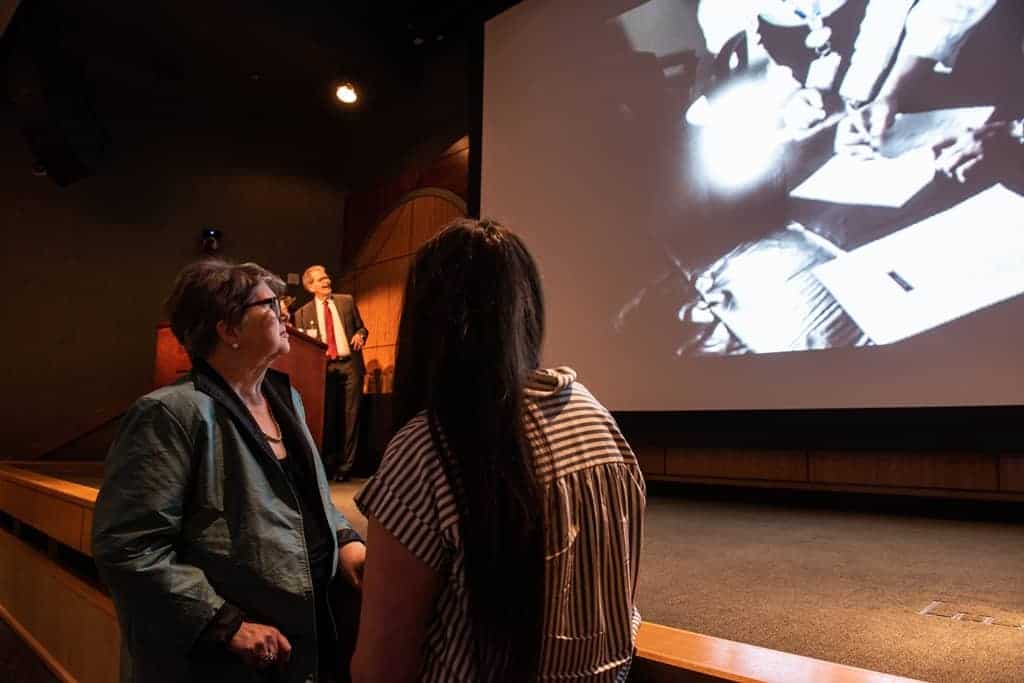
Gantz spoke on the increasing evidence for preserving a patient’s residual hearing during cochlear implant surgery.Bruce Gantz, M.D., gave the invited guest lecture on otology, named in honor of longtime UAMS benefactors Sharon and the late Ted Bailey, M.D.

Cochlear implants are surgically implanted devices that replace lost hearing function in the ear. However, the brain has to learn how to interpret the new information from the implant and translate it into understandable sounds and speech. If the patient has some residual hearing, the brain has to reconcile the natural hearing ability with the information provided by the implant. Inserting the devices can destroy the patient’s natural hearing, so Gantz showed his techniques for preserving hearing where possible. He also showed an experimental motorized insertion technique developed by a colleague that performs the insertion more slowly and steadily than is possible with the human hand, minimizing damage.

For many patients, their residual hearing remains in low frequencies. Gantz showed a variety of studies that indicate that the better patients are able to hear in the low frequencies, the better they are at distinguishing human speech when there’s background noise. Understanding speech during background noise is one of the chief complaints among patients who are unsatisfied with hearing aids and cochlear implants alike.

Gantz also cited evidence that the brain’s ability to react to change is key in an individual patient’s success with their cochlear implant. Otologists know that not every patient has the same success with cochlear implants. More and more evidence points to the brain’s neuroplasticity, or ability to adapt, as playing a role in this process.

“I think it’s so important as we look to the future that we consider implanting patients earlier and that we also consider it important to preserve their residual hearing,” Gantz said. “Success has more to do with the patient’s neural substrate than the type of device or length of the electrode inserted, and most people who have better neural substrate are those who have lost their hearing recently, within the last 10 years, rather than patients who lost their hearing 20 or 30 years ago.”

Gantz said he thinks these lessons are especially important given that hearing loss is so common among the aging, and because there is increasing evidence that those who do not hear well lose their social connections and are more likely to develop dementia. He envisions a future where cochlear implants are more common for more types of hearing loss.

Head and Neck

Dr. Lentsch at podium
Eric J. Lentsch, M.D., gives the invited lecture during the head and neck portion of the conference.

In the head and neck surgery section of the conference, Eric J. Lentsch, M.D., of the Medical University of South Carolina, gave summaries of the academy updates for treating head and neck melanomas and aggressive non-melanoma skin cancers.

Lentsch’s talk paved the way for discussion on several points, and Stack was able to tell the group of a recent international, multi-center study that took place partially at UAMS that may alter these recommendations. Stack was a co-investigator on the study, which was published Feb. 15 in the Journal of Clinical Oncology.

“Our study showed that when a patient has negative nodes on a PET/CT scan, 96 percent of the time the result is truly negative. With a high level of confidence, we can say to a patient that if your neck is negative on PET/CT, there is probably no need for a neck dissection,” Stack said.

Neck dissections include an incision across the neck to remove the lymph nodes. If the study results in a change to the treatment recommendation, about 21 percent of head and neck cancer patients could be spared from this invasive extra step.

Likewise, discussion was spawned by a presentation by UAMS Professor Emre Vural, M.D., on trans oral robotic surgery, based on his personal experience with the technology and the latest research. During the Q&A, Vural and Lentsch discussed the relative advantages of using the robotic technique or a different, laser-based system. Both have their pros and cons, and Gantz weighed in and said that he has found the robotic system to be more cost-effective.

The information exchange continued Friday evening with an informal reception at the 1836 Club in downtown Little Rock and resumed Saturday with the pediatric section.

Pediatrics

Dr. Richter at podium with Dr. Arjmand in the foreground
Gresham Richter, M.D., of UAMS/Arkansas Children’s Hospital, left, introduces the invited lecturer in pediatrics, Ellis Arjmand, M.D., Ph.D.

Ellis Arjmand, M.D., Ph.D., of the Children’s Hospital of New Orleans, shifted gears from the clinical to the managerial and offered talks on peer review and why it matters in managing physicians; understanding the process behind erroneous decisions and how we can fall victim to our own psychology; and quality management and quality improvement in health care.

Arjmand said the medical industry has been left to largely self-regulate, with varying degrees of success. He argued that self-regulation is the best route, but it needs to be robust.

“That’s our problem — this assumption that people are always doing the right thing, and the lack of real oversight. It’s not a new concept,” he said, citing an older physician oath. “Today, the American College of Surgeons tells us we are required to maintain competence throughout our careers, we are to maintain self-regulation by setting, maintaining and enforcing standards, and are to disclose conflicts of interest.”

UAMS’ Gresham Richter, M.D., who practices at Arkansas Children’s Hospital, gave an update on the treatment of pediatric vascular malformations, including infantile hemangiomas, capillary malformations, venous malformations, arteriovenous malformations and lymphatic malformations.

“Individual physicians used to approach these cases differently, but thankfully in the last 10 to 20 years, the information has really gotten out there and we’re seeing more uniform standards develop,” Richter said. “We are getting better and more fined tuned with our understanding of these conditions, specifically as our understanding of their underlying genetics improves.”

In general, Richter said he has found that the conditions respond best to multi-modal, targeted approaches, and for the more aggressive forms, earlier interventions are beneficial.

Reaction

Doctors at panel
Each lecture included a Q&A portion, and each section included a panel discussion to encourage open dialogue at the conference.

Judyann Krenning, M.D., of Phelps Health Medical Group in Missouri, said the conference was very informative, with plenty of information that will have direct application to her practice. Although she may not perform some of the specific surgeries covered, she needs to understand the decision-making process around their care because she routinely sees these patients to manage their after-surgery care.

“The presentations by Dr. Arjmand are just really, really great,” Krenning said. “Management education is sorely missing, and I’ve taken away some really good pearls.”

UAMS otolaryngology resident James S. Russell, M.D., said he was thankful for the topics covered. He said he could apply the medical information to his training, and the managerial topics gave him a better sense of what it will be like for him when he goes into practice.

“It’s great to hear the leaders in our field talk about the latest trends in otolaryngology,” Russell said. “Some of these things, I will be literally tested on soon, so it’s a good refresher.”

Dornhoffer said the idea for the conference came from the Magnolia Conference, which is hosted by the University of South Carolina at Charleston. Dornhoffer was a guest speaker in 2018. Lentsch, who is from the University of South Carolina, said he was glad to see the conference model was appreciated enough to warrant emulation and thankful to receive the invitation to speak.

“I think, especially for a first year event, this is spectacular,” Lentsch said.

Filed Under: News

Study: CPAP Aids Weight Loss in Obese Patients with Obstructive Sleep Apnea

By Amy Widner

March 25, 2019 | Use of a continuous positive airway pressure (CPAP) machine in conjunction with dietary changes can aid in weight loss in specific patients, researchers at the University of Arkansas for Medical Sciences (UAMS) found in a study that is being highlighted by an international professional society for endocrinology.

Yuanjie Mao, M.D., Ph.D., is the lead researcher on the study and is a fellow physician in the Division of Endocrinology and Metabolism in the UAMS College of Medicine Department of Internal Medicine. The study is being featured at the Endocrine Society’s annual meeting, ENDO 2019, March 23-26 in New Orleans.

“This study highlights the importance of sleep quality and hints at the possible underlying neuroendocrine changes associated with poor sleep,” Mao said. “These results suggest that physicians should recommend a combination of weight loss and CPAP treatment for obese patients with obstructive sleep apnea.”

Dr. Mao and team
Yuanjie Mao, M.D., Ph.D., far right, and his research team, from left: Peter Goulden, M.D.; nutritionist Jan Wall; and nutritionist Laura Quick.

The most common cause of obstructive sleep apnea in adults is obesity. Wearing a CPAP machine during sleep is the first-line treatment. However, some people may think the CPAP will not be needed if they lose weight and attempt to lose weight without initiating CPAP treatment.

In contrast, this study found that when obese people who have obstructive sleep apnea try to lose body weight by dietary calorie restriction, starting CPAP machine treatment can actually result in more body weight loss.

The study looked at patients undergoing a 16-week intensive calorie restriction program that included exercise, weekly individual counseling and cognitive behavioral therapy. Some in the group with sleep apnea were treated with CPAP and others were not. The CPAP-treatment group saw a larger absolute weight loss than the non-CPAP group.

The prevalence of obesity has been recognized as a worldwide pandemic. Obesity is abnormal or excessive fat accumulation and is associated with earlier death related to several conditions, such as type 2 diabetes and cardiovascular diseases.

Worldwide, obesity increased by 47.1 percent in children and by 27.5 percent in adults between 1980 and 2013. In 2016, globally 39 percent of adults were overweight, and 13 percent were obese. In Arkansas, 34.7 percent of adults were overweight, and 35.9 percent of adults were obese.

Obstructive sleep apnea occurs when the muscles in the throat intermittently relax during sleep and block the patient’s airway. CPAP machines are worn over the nose or mouth and use a constant stream of air to keep the patient’s airways open as they sleep.

Mao is one of four participants in the Endocrinology and Metabolism Fellowship at UAMS. Peter Goulden, M.D., associate professor of endocrinology and metabolism, oversaw Mao’s work. At the Endocrine Society meeting, Mao’s work was selected for presentation and was featured for its especially newsworthy findings.

The Endocrine Society is the world’s oldest and largest organization of scientists devoted to hormone research and physicians who care for people with hormone-related conditions. Endocrinologists are at the core of solving the most pressing health problems of our time, from diabetes and obesity to infertility, bone health, and hormone-related cancers. The society has more than 18,000 members, including scientists, physicians, educators, nurses and students in 122 countries. To learn more about the Society and the field of endocrinology, visit our site at www.endocrine.org.

Filed Under: News

Erin Willis, M.D., Recognized by National MS Society for Pediatric Care

By Amy Widner

March 26, 2019 | Sometimes to make a difference, you have to chart your own path.

It’s safe to say that Erin Willis, M.D., did just that. Willis is the first and only pediatric neurologist in Arkansas specializing in the treatment of multiple sclerosis in children.

Erin Willis with three others
From left, Danielle Morrison with the National MS Society; Erin Willis, M.D.; Debopam Samanta, Interim Section Head of Pediatric Neurology; and Gregory B. Sharp, M.D., chief medical officer at Arkansas Children’s Hospital.

It’s a role she chose for herself while still in her residency at UAMS and its partner, Arkansas Children’s Hospital. And it’s a role she is now being recognized for on a national level.

“When I was in training and saw a family with a child diagnosed with suspected MS, they were often traveling out of state to see a specialist,” Willis said. “Arkansas is a rural state, so these families often didn’t have the resources to travel for care. I just didn’t think it was fair, and I looked at everything we have at Children’s and UAMS and thought that these families should be served too. So I took that opportunity and I talked to my mentors and leaders and said, ‘This is what I want to do, this is where my passion is.’”In March, Willis was named a Pediatric Partner in MS Care by the National Multiple Sclerosis Society. The designation recognizes a commitment to providing exceptional, coordinated MS care regardless of geography, disease progression and other disparities.

Dr. Willis and nurse
Willis, right, with the MS clinic nurse, Kara Christensen

The neurology faculty helped Willis get the training she needed, including a visiting rotation in pediatric MS at the Mayo Clinic in Rochester.

Today Willis sees patients in her MS Clinic at Arkansas Children’s. With the Partner in MS Care designation, she is now listed on the society’s website along with other MS experts from across the nation so that newly diagnosed families can quickly find the help they need from a trusted source. The only other Partner in MS Care in Arkansas is Robert “Lee” Archer, M.D., chairman of the Department of Neurology in the UAMS College of Medicine. He sees adult MS patients at UAMS and also helped train Willis.

Multiple sclerosis is an unpredictable, often disabling disease of the central nervous system that disrupts the flow of information within the brain, and between the brain and body. Symptoms vary from person to person and range from numbness and tingling, to walking difficulties, fatigue, dizziness, pain, depression, blindness and paralysis. MS affects more than 2.3 million worldwide.

MS is typically diagnosed between the ages of 20 and 50, with at least two to three times more women than men being diagnosed with the disease. Although less common in pediatrics, studies suggest that 2-5 percent of all people with MS have a history of symptom onset prior to age 18. However, doctors often miss this diagnosis as they are not expecting to see it in children.

Willis’ group of patients is small, but their treatment is vital.

“When you get the diagnosis, you need treatment early,” Willis said. “It will decrease attacks and decrease rates of cerebral atrophy and — ultimately — your progression to disability. So kids getting diagnosed but then waiting until adulthood to figure out their treatment — it’s just not acceptable.”

To qualify as a Partner in MS Care, Willis doesn’t just see patients in the clinic, she participates in MS education and advocates on behalf of affordable access to high-quality MS health care for everyone living with MS.

“I’ve had some amazing opportunities because of my work with MS and my involvement with the MS Society,” Willis said. “Earlier this year, I went to Washington, D.C., to talk to our congressmen about the fact that kids have MS too, and we need more funding for research to better understand how to help them, and they need better access to medications.”

In presenting Willis with the Partners in MS Care recognition at a reception in her honor, Danielle Morrison with the National MS Society called Willis a “jewel.” Her mentors at UAMS and Children’s couldn’t agree more.

“We are enormously proud,” Archer said. “This represents a lot of hard work on the part of Dr. Willis and recognizes what we have always known, that her care of these pediatric multiple sclerosis patients is equal to anyone in the country.”

Gregory B. Sharp, M.D., chief medical officer at Children’s Hospital, praised Willis for seeing the need and stepping in to fill it.

“She has not only provided specialized care, but new and unique therapies as well through participation in clinical trials for her patients,” said Sharp, who is also a professor of pediatrics and neurology at UAMS and holds the John H. Bornhofen, M.D., Endowed Chair in Child Neurology. “She is now being recognized for her hard work and devotion to her patients. This honor is only bestowed on individuals who are recognized to be experts in the field and provide quality care for patients with MS. Congratulations to Dr. Willis for achieving this status and honor.”

For Willis’ part, she’s glad she found her path, even if it is one less traveled by.

“I just love it. I’m just so passionate about MS,” Willis said. “If by providing care close to home we’re removing an obstacle to a child getting early treatment, it’s all worth it. It means the world to me.”

Filed Under: News

New Faculty Members – March 2019

Department of Internal Medicine

Gerry Ezell, M.D.

Gerry Dean Ezell, M.D., has joined the Department of Internal Medicine as an Associate Professor in the Division of General Internal Medicine. Dr. Ezell received his medical degree from UAMS. He completed his internship at Pensacola Naval Hospital and residency at Portsmouth Naval Hospital. Dr. Ezell has extensive experience as an internist and has held numerous positions in Arkansas. Dr. Ezell will serve as a core faculty member in the newly established Baptist Health-UAMS Internal Medicine Residency Program based at Baptist Health North Little Rock, which will welcome its first 12 residents in July.

Asif Sewani, M.D.

Asif Sewani, M.D., has joined the Department of Internal Medicine as an Assistant Professor in the Division of Cardiology. Dr. Sewani received his medical degree from Aga Khan University Medical Center in Karachi, Pakistan. He completed his internship and residency at the Indiana University School of Medicine in Indianapolis. He continued his training with a fellowship in cardiovascular disease at the University of Texas Medical Center in Galveston followed by a fellowship in cardiac electrophysiology at Tufts University School of Medicine in Boston. Dr. Sewani will practice primarily at the Central Arkansas Veterans Healthcare System while also providing coverage and support at UAMS Medical Center.

Anand Venkata, M.D.

Anand Venkata, M.D., has joined the Department of Internal Medicine as an Assistant Professor in the Division of Pulmonary and Critical Care. Dr. Venkata received his medical degree from Osmania Medical College in Hyderabad, India. He completed his residency at the University of Connecticut in Farmington. He continued his training with a pulmonary and critical care fellowship at St. Luke’s and Roosevelt Hospital in New York City.

Department of Radiology

Fang Lu, M.D.

Fang Lu, M.D., has joined the Department of Radiology as an Assistant Professor in the Division of Pediatric Radiology. She received her medical degree from the University of Colorado School of Medicine in Denver. Dr. Lu completed her residency in diagnostic radiology at Bridgeport Hospital/Yale University in Bridgeport, Connecticut, in 2016. She continued her training, completing a fellowship in pediatric radiology in 2017 followed by a fellowship in pediatric neuroradiology in 2018, both at Children’s Hospital of Philadelphia.

Filed Under: News

UAMS’ Daniel Voth, Ph.D., Appointed Interim Chair of Microbiology & Immunology

Daniel Voth, Ph.D., has been appointed interim chair of the Department of Microbiology and Immunology in the University of Arkansas for Medical Sciences (UAMS) College of Medicine, effective following the July 31 retirement of current chair Kevin Young, Ph.D.

Dr. Daniel Voth
Daniel Voth, Ph.D., will begin serving as Interim Chair of Microbiology & Immunology in the UAMS College of Medicine this summer.

Voth has made numerous contributions to the College of Medicine and faculty throughout UAMS in addition to his field of research since his recruitment to the Department of Microbiology and Immunology in 2009. His research leadership posts have included chairing the UAMS Institutional Biosafety Committee since 2014 and serving on the committee that conducted the search for the next UAMS vice chancellor for research, Shuk-Mei Ho, Ph.D., who will join UAMS in May.

“Dr. Voth will bring strong leadership skills, collegiality and dedication to our institution to this new role,” UAMS Executive Vice Chancellor and College of Medicine Dean Christopher T. Westfall, M.D., FACS, said in a March 4 announcement to faculty.

As chair of the UAMS Academic Senate in 2016-2017, Voth worked to enhance faculty life across campus and ensure that faculty concerns were addressed quickly and efficiently to best serve the education, research and clinical missions of UAMS. During this time he also served on the committee that conducted the successful search for Chancellor Cam Patterson, M.D., who joined UAMS last June. Voth was promoted to associate professor in 2014 and has been approved for promotion to professor on July 1.

Voth’s research has focused on strategies used by bacterial pathogens to manipulate human cells and cause disease. He completed his doctoral research at the University of Oklahoma, where he studied the impact of bacterial toxins on eukaryotic cell signaling. Voth’s postdoctoral research at the National Institutes of Health (Rocky Mountain Laboratories, Hamilton, Montana) and his ongoing research at UAMS have focused on the causative agent of human Q fever, Coxiella burnettii.

Voth’s host-pathogen research has been published in 43 peer-reviewed articles and invited reviews to date and has been funded with over $4 million in continual funding from the NIH through various grant mechanisms during his time at UAMS. Voth and his colleagues currently are using novel human-derived lung infection systems to define the pulmonary innate immune response to Staphylococcus aureus.

Voth has mentored numerous graduate students and postdoctoral fellows and has lectured extensively in graduate and medical school courses at UAMS. He directed the Microbiology and Immunology graduate program for four years and served on the UAMS Graduate Council for three years. Voth has also worked to increase diversity in science, participating in the Initiative for Maximizing Student Development program and the Summer Undergraduate Research Program to Increase Diversity in Research. In addition to mentoring students, he currently serves on the mentoring committees of three faculty members.

Filed Under: News

Annual College of Medicine Tour Draws Potential Future Doctors to UAMS

The 120 premedical students from colleges across Arkansas who came to UAMS for tours and information sessions on March 8 were asked a vital question by Richard P. Wheeler, M.D., executive vice chancellor for academic affairs in the University of Arkansas for Medical Sciences (UAMS) College of Medicine.

“Why do you want to become a physician?”

Wheeler’s aim during the opening session in the I. Dodd Wilson Education Building was for the students to dig deeper than the often-heard declaration of “wanting to help people.” Being a doctor, he explained, is about more than diagnosing diseases and conducting procedures to treat conditions.

Group of med students and college students eating lunch
Visiting college students and UAMS medical students talk about medical school and their experiences at UAMS over lunch.

“The answer should be that you want to take away their fear,” Wheeler said. “I’m talking about the deep, visceral fear that comes when there is something wrong with you that you don’t understand.”

Doctors, he explained, alleviate fear by providing answers when possible – and by being unfailingly compassionate.

Wheeler discussed benefits of attending medical school at UAMS, where the College of Medicine has been educating the vast majority of the state’s physicians since 1879. He noted the campus’ topnotch clinical, research and education facilities, robust research enterprise and dedicated educators. He also discussed opportunities for medical students to participate in research and even pursue dual medical and doctorate degrees.

The day-long annual event is organized by the College of Medicine Admissions Office. The team includes Tom South, assistant dean for medical student admissions, Jeanne McLachlin, Ph.D., director of admissions and recruitment, and Tammy Henson, admissions specialist/Rural Practice Program administrator.

About a dozen visitors with 2 medical students
Visiting premed students and advisers embark on one of 14 tours with medical student volunteer tour guides. Almost 30 faculty and staff members met with students on the tours.

“Our goal is to recruit the very best students to UAMS and the College of Medicine,” said McLachlin. “We want the best doctors for our state, and great doctors start out as great students. The annual premed tour gives many of Arkansas’ most promising college students their first on-the-ground look at UAMS and some of the many educational, research and clinical opportunities we offer.”

It was also an opportunity for the visiting students to ask questions – and nearly 30 faculty and staff members and 40-plus medical students were on hand to supply answers. College of Medicine students met with visiting students in small groups during lunch, which concluded with a panel discussion. Students met faculty physicians and researchers on 14 small-group tours:

Biomedical Research Buildings

Center for Clinical Skills Education

Harvey & Bernice Jones Eye Institute

Main Operating Room and Outpatient Surgery

Neonatal Intensive Care Unit

Neurology Research

Pat Tank Anatomy Teaching Complex

Psychiatric Research Institute

Brain Imaging Research Center

Center for Addiction Research

Perinatal Psychiatry

Radiology and Nuclear Medicine

Radiation Oncology Center

Simulation Center

Winthrop P. Rockefeller Cancer Institute

On the Center for Addiction Research tour, three University of Arkansas Fayetteville students and two from Central Baptist College in Conway visited with Department of Psychiatry faculty physicians John Spollen, M.D., and Michael Mancino, M.D. Third-year medical student Morgan Tripod was their tour guide. Conversation ranged from addiction treatment and the opioid crisis to what to expect during the medical student interview process.

The visiting students also gained assurance from their hosts that medical school at UAMS is much more collegial than cutthroat. Spollen and Mancino emphasized that the faculty and staff are dedicated to making sure students succeed.

The visitors also heard that medical students also look out for one another. “We’re all in this together,” said Tripod.

Visiting students said they appreciated the tours and information sessions. “The conversations with medical students were open and engaging,” a Williams Baptist University (Walnut Ridge) student commented on a post-event survey.

“I loved hearing about research opportunities at UAMS,” wrote a University of Arkansas Fayetteville student.

“I enjoyed learning so much about UAMS and the different departments,” said another visiting student.

Filed Under: News

Largest-ever Number of UAMS Medical Students Matched with Residency Positions

By Liz Caldwell

March 20, 2019 | With its largest class of graduating medical students about to begin their medical residencies, the University of Arkansas for Medical Sciences (UAMS) is helping expand access to health care across the state, helped in part by new residency programs.

Senior medical students are matched with a residency of three to seven years depending on their specialty through a national process revealed simultaneously across the country each March on Match Day.

This year, 160 UAMS students were appointed to residencies, the largest-ever number of UAMS graduates matching. Every student who wanted a match received one.

“We are so proud of our graduates,” said UAMS Chancellor Cam Patterson, M.D., MBA. “Students got into really good programs, both those who matched in state and those who matched out of state.”

In addition to the large number matching, 95 percent found a position in the original match, the largest percentage since 2006. Subsequent processes were able to find positions for the remaining 5 percent.

One of UAMS’ goals is to inspire doctors to stay in Arkansas for their careers, particularly those in primary care. Of the class of 2019, 72 seniors have taken residency positions in Arkansas. The remaining 88 took positions in 32 different states.

This year, 53 percent of the UAMS students matched in primary care — internal medicine, pediatrics, family medicine or obstetrics/gynecology. In internal medicine, 32 matched, the largest number since 2006.

Several UAMS students received appointments in the new Baptist-UAMS family medicine and internal medicine residency programs at Baptist Health North Little Rock.

“This is certainly a positive development in the effort to get more physicians to train in Arkansas and remain in the state to practice,” said College of Medicine Dean Christopher T. Westfall, M.D.

An increasing physician shortage nationwide and in Arkansas led medical schools across the country to increase class sizes starting about 10 years ago. In a rural state like Arkansas, the physician shortage is especially critical since more than two-thirds of the state’s 75 counties include federally designated Primary Care Health Professional Shortage Areas.

Residency positions are funded primarily by the federal Centers for Medicare and Medicaid Services. The agency has not increased the number of residency slots in many years for hospitals that already have programs, leading many medical schools to come up with other ways of financing more slots to accommodate the increasing number of medical school graduates.

But hospitals that have never had a residency program may apply for one. That’s what led to new residency slots with Baptist Health North Little Rock and hospitals in Searcy and Batesville.

In 2018, UAMS partnered with Baptist Health to open two programs in North Little Rock, leading to 12 new slots each for the first year of both family medicine and internal medicine residency programs. The three-year programs may apply for CMS funding for the final two years. UAMS also assisted Searcy and Batesville with obtaining residencies.

“Our mission is to provide physicians for Arkansas and our goal is to generate as many positions as we can, whether it’s at UAMS or other sites in the state,” Westfall said.

Match Day is conducted by the National Resident Matching Program (NRMP). Students in their fourth year apply to programs, interview and then send a ranked list to the NRMP. Residency programs also submit a list of preferred candidates, and an NRMP computer, using an algorithm, reconciles the lists as best as possible.

Filed Under: News

Match Day Tests Nerves, Offers Huge Payoffs to Graduating Medicine Seniors

By Amy Widner

March 15, 2019 | Dreams really can come true — and for the 160-plus College of Medicine seniors who attended the annual Match Day event on Friday, those fulfilled wishes came in the form of envelopes that revealed where they will spend the next three to seven years as they complete their residency training.

“It feels surreal,” said Daniel Escobar, who matched in emergency medicine at Carolinas Medical Center in Charlotte, North Carolina. “It feels like you’re in a dream. All of that hard work coming to fruition like this, it just boggles the mind to actually be here.”

Each year Match Day starts at 11 a.m. Central Time, with senior medical students all over the nation simultaneously opening envelopes to reveal their “match” — or where they have been accepted to continue their training in a specialty residency.

Students smiling at podium
Students react after learning their residency matches.

Match Day is conducted by the National Resident Matching Program (NRMP). Students in their fourth year apply to programs, interview and then send a ranked list to the NRMP. Residency programs also submit a list of preferred candidates, and an NRMP computer, using an algorithm, reconciles the lists as best as possible.

Not everyone matches in the first round, and there are subsequent matching processes that try to account for that.

This year, 167 UAMS College of Medicine senior students participated in the match. One-hundred-sixty-three took part in the NRMP match. Eight graduating seniors who attempted to match did not do so initially. However, since the first round, all of the students who sought positions have placed through other matching processes.

Student filling out T-shirt with marker
A student fills out her T-shirt with the location of her residency and the specialty.

Nationwide, the 2019 Main Residency Match was the largest in NRMP history. A record 38,376 applicants submitted program choices for 35,185 positions, the most ever offered in the Match. Of those, 7,826 failed to match.

At the UAMS Match Day event, held at the Metroplex Live, the class of 2019 also re-enacted another tradition. It can be nerve wracking to wait for your name to be called, so each student who goes up to the podium puts cash in a vase. The student whose name is called last gets a big cash prize for their extra stress from waiting.

Student overcome with emotion
Daniel Escobar realizes he has won the cash jar for being the last student to have their name called.

Escobar was this year’s winner.

“It almost gave my wife a heart attack,” Escobar said. “She wanted me to be one of the first, so waiting so long — she was a nervous wreck.”

As far as the money goes, Escobar was thrilled, of course, but he said, looking around the room, “it’s exciting to see that everyone seems so happy with their choice — that’s the most important thing.”

For couples and families with children, Match Day poses additional logistical challenges. Often couples are trying to match in the same geographical area, while still considering each other’s career goals. There is a “couple match” option through the NRMP that tries to factor in geography, but still, it’s tough.

Dr. Tariq and others holding envelopes
Assistant Dean of Undergraduate Clinical Education Sara Tariq, M.D., center, sorts through the match envelopes.

Rachel and Cale White held their baby, Kade White, after the ceremony and reflected on the stressors of the last few months. They were relieved when they found out they both matched at UAMS, where Rachel will be working in emergency medicine and Cale in physical medicine and rehabilitation.

“It’s exactly what we were hoping for,” Rachel said.

Students in their Match Day T-shirts

“The most important thing for us was that we could be together and not have to disrupt our family with a big move,” Cale said. “This is perfect, and we’re looking forward to taking on new challenges and having more of a say in our patients’ care and well-being as residents.”

For Jessie Koster, who has been at the UAMS Northwest Regional Campus in Fayetteville for the last two years, Match Day was also a fun time reuniting with her classmates. Given the difficulties of medical school, students can forge strong bonds.

Wheeler with envelopes
Richard Wheeler, M.D., executive associate dean for academic affairs, readies some of the match envelopes before the event.

“I feel great,” Koster said, adding that her match, radiology at University of Kansas Medical Center, was her No. 1 choice. “There were a lot of nerves, a lot of excitement, and now, a lot of relief to know where life is going to take me next. My residency, radiology, will take five years, so that’s a big part of my life that I now know for sure — and need to start planning for. We’ve got to move!” Koster said, looking at her boyfriend with a laugh. “It’s a lot, and it’s all very exciting.”

This year, 53 percent of the UAMS students matched in primary care — internal medicine, pediatrics, family medicine or obstetrics/gynecology.

One of UAMS’ goals is to inspire doctors to stay in Arkansas for their careers, particularly those in family medicine. Of the class of 2019, 72 seniors have taken residency positions in Arkansas. The remaining 88 took positions in 32 different states.

Richard Wheeler, M.D., executive associate dean for academic affairs in the College of Medicine, started keeping statistics related to Match Day in 2005 and helps organize the event. Wheeler said UAMS is working with other hospitals and programs in the state to open additional residency slots in an effort to train more physicians in Arkansas to fulfill doctor shortages. Every year the staff continues to help students find positions even if they didn’t match in the first round.

Filed Under: News

UAMS-led Study Shows Promise for Head and Neck Cancer Patients

By Susan Van Dusen

March 13, 2019 | LITTLE ROCK — A study led by University of Arkansas for Medical Sciences (UAMS) surgeon Brendan C. Stack Jr., M.D., has shown the potential to alter neck dissection surgeries in about 21 percent of head and neck cancer patients.

Stack served as co-investigator on the international study examining the effectiveness of PET/CT scans in determining whether a patient’s cancer has spread to their lymph nodes. The study’s results were published Feb. 15, 2019 in the Journal of Clinical Oncology.

Brendan Stack
Brendan Stack Jr., M.D., served as co-investigator on an international study examining the effectiveness of PET/CT scans in determining whether a head and neck cancer patient’s malignancy has spread to their lymph nodes.

For patients found to have positive lymph nodes, a surgery called neck dissection, which involves an incision across the neck, is required to remove the positive nodes.

If a patient’s cancer has not spread to the lymph nodes, neck dissection surgery may not be required, reducing the patient’s pain and recovery time.

“Our study showed that when a patient has negative nodes on a PET/CT scan, 96 percent of the time the result is truly negative. With a high level of confidence, we can say to a patient that if your neck is negative on PET/CT, there is probably no need for a neck dissection,” said Stack, professor in the UAMS College of Medicine Department of Otolaryngology-Head and Neck Surgery.

Cancers that are collectively known as head and neck cancer usually begin in the squamous cells inside the moist surfaces of the head and neck. These cancers can affect the oral cavity, throat, larynx (voicebox) and nasal cavity.

While it was commonly assumed by physicians that a negative scan of the neck meant there was no need for a neck dissection as part of cancer therapy, this assumption had never before been established in a prospective, multi-institution trial.

The study was conducted from August 2010 to December 2016 in 23 centers around the world. Of the total 287 patients enrolled, 42 were from UAMS.

“More patients participated in this study at UAMS than at any other center,” said Stack, who developed the concept 18 years ago with co-investigator Val J. Lowe, M.D., professor of radiology at the Mayo Clinic in Rochester, Minnesota.

“Our first article hypothesizing this concept was published in the journal Cancer in 2001. Now, almost two decades later, we have shown that with the help of PET/CT technology it may be possible to significantly reduce the number of neck dissections performed on head and neck cancer patients,” said Stack.

PET scan is a type of nuclear medicine imaging that uses a small amount of radioactive material, called a tracer, to determine the severity of disease. In the case of this study, the tracer used was fluorodeoxyglucose, or FDG, a molecule similar to glucose.

CT imaging uses X-ray equipment to produce images of the inside of the body. When combined, PET/CT gives doctors the ability to see the body’s abnormality in relation to the anatomy, making it a more precise scan.

Another major result of the study involves the mapping of positive lymph nodes in the neck.

“There has been no other area of the body that has been mapped this way as it relates to PET scanning,” Stack said, adding that it could be beneficial for other types of surgeons to use the study’s results in determining the likelihood of positive lymph nodes in their own patients.

The study was initiated by the American College of Radiology Imaging Network, which later joined with the Easter Cooperative Oncology Group. Results were presented at the American Society of Clinical Oncology annual meeting in Chicago in June 2017, and a two-year patient follow-up concluded in December 2018.

The Cancer Clinical Trials and Regulatory Affairs office provided internal support for the study while it was being conducted at UAMS.

“Ideally, research should provide information that is both usable and capable to being built upon. I’m glad to say that researchers at another institution are already designing a follow-up trial to ours, which will develop this concept even further,” said Stack.

Filed Under: News

  • «Previous Page
  • Page 1
  • Interim pages omitted …
  • Page 12
  • Page 13
  • Page 14
  • Page 15
  • Page 16
  • Interim pages omitted …
  • Page 41
  • Next Page»
UAMS College of Medicine LogoUAMS College of MedicineUniversity of Arkansas for Medical Sciences
Mailing Address: 4301 West Markham Street, Little Rock, AR 72205
Phone: (501) 296-1100
  • Facebook
  • X
  • Instagram
  • YouTube
  • LinkedIn
  • Pinterest
  • Disclaimer
  • Terms of Use
  • Privacy Statement
  • Legal Notices

© 2026 University of Arkansas for Medical Sciences