• Skip to primary navigation
  • Skip to main content
  • Skip to primary navigation
  • Skip to main content
Choose which site to search.
University of Arkansas for Medical Sciences Logo University of Arkansas for Medical Sciences
College of Medicine
  • UAMS Health
  • Jobs
  • Giving
  • About Us
    • Fast Facts
    • Leadership
    • Features
    • COMmunication Newsletter
    • Maps and Directions
    • College of Medicine History
    • Professionalism Guidelines
  • Departments
  • Admissions
    • New Admissions Standards 2026
    • Applicant Guide and Timeline
    • One Medical School, Two Campuses
    • Freshman Scholarships
    • AMCAS Choose Your Medical School Tool Dates
    • Core Competencies for Entering Medical Students
    • Three-Year M.D. Program
    • M.D./MPH Program
    • M.D./Ph.D. Program
    • M.D./MBA Program
    • Rural Practice Programs
      • Community Match Rural Physician Recruitment Program
      • Rural Practice Scholarship Program
      • Rural Recruitment and Job Opportunities
    • Postbaccalaureate Pre-Med Program
    • Transfer Students Policy
  • Students
    • Academic Calendar
    • Academic Houses
    • Career Advising
    • Financial Aid and Scholarships
    • Visiting Students
    • Mentor Spotlight Podcast
    • Preparing for Residency
    • Non-Discrimination Statement
    • Outstanding Teacher Nominations
    • Parents Club
    • Student Links
    • Honors in Research
    • UAMS Campus Security
    • Undergraduate Medical Education Competencies
  • Graduate Medical Education
  • Alumni
  • Faculty Affairs
  • Research
  1. University of Arkansas for Medical Sciences
  2. College of Medicine
  3. News
  4. Page 13

News

First-year College of Medicine Team Makes Top-10 in National Ultrasound Competition

By Amy Widner

A group of College of Medicine freshmen recently went toe-to-toe with some of the leading medical schools in the nation. Their weapon of choice? The ultrasound.

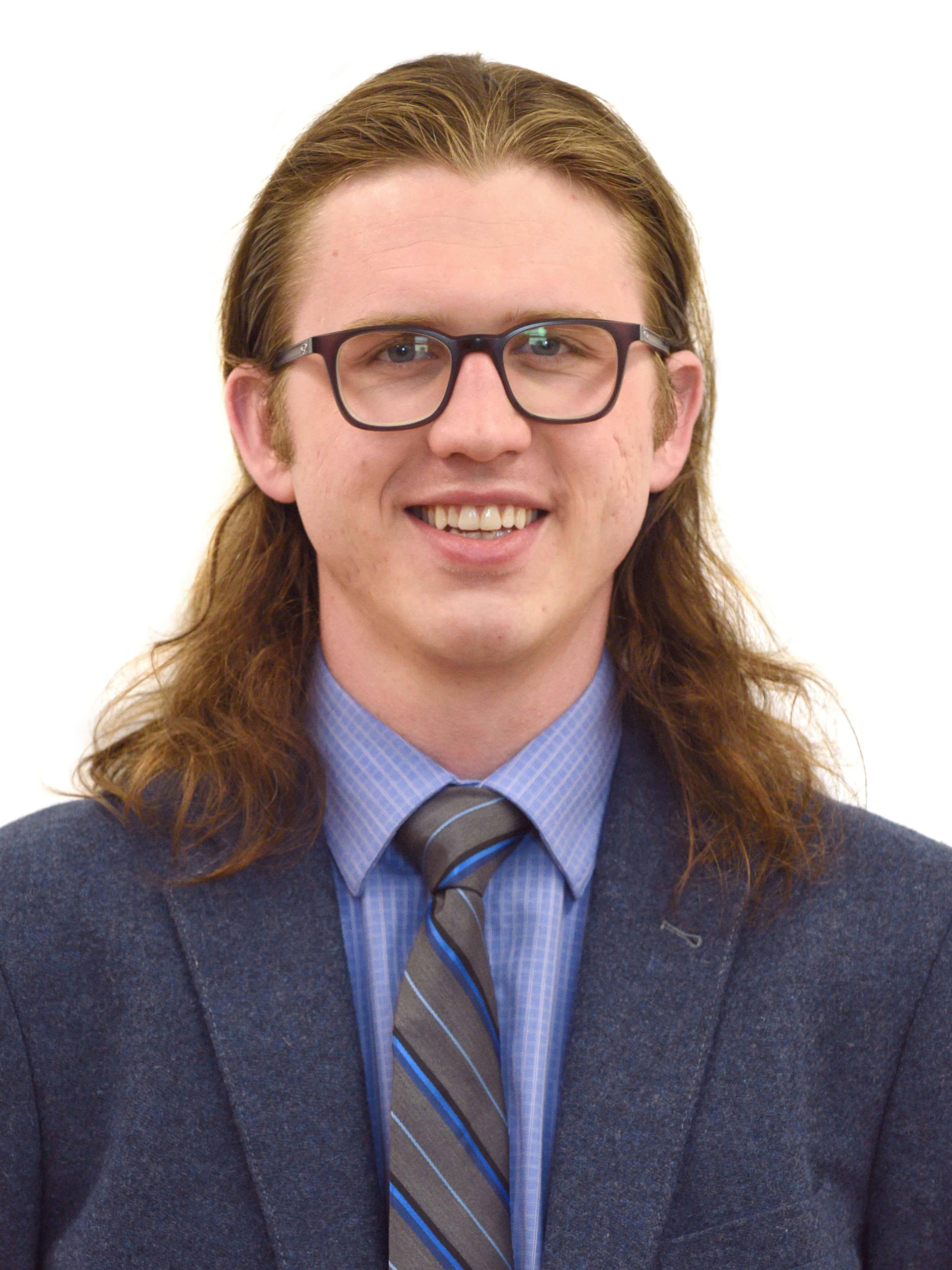
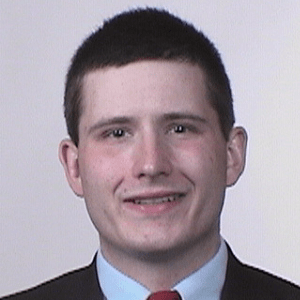
Morgan D. Sweere, Hayden Scott and Mason Sifford competed in SonoSlam, hosted by the American Institute of Ultrasound Medicine and National Ultrasound Interest Group, on April 6 in Orlando, Florida.

It was the first time for a UAMS team to compete. They made it into the second round, beating 14 other groups to make it to the top 10.

“This is a great accomplishment,” said Kevin D. Phelan, Ph.D., co-director of the Division of Clinical Anatomy at UAMS. “These guys did really well for our first-ever team.”

Most of the other teams were made up of students in their third and fourth years of medical school, and the competition included more diagnosis than the freshmen have learned at this point in their training. However, they were able to hold their own because of their technical skills with ultrasound.

“There were some big schools, like Dartmouth and Yale, and most of the teams were fourth years who had already matched into residency. So for us to compete against them was kind of like — wait, are we supposed to be here?” Scott said. “But then we kept getting great feedback that we had some of the best technical skills of the competition. So that was really encouraging to know — yes, we do belong among this group of prestigious schools. It was nice to feel like we really were able to represent our program on a national scale.”

Medical students at UAMS use ultrasound in a longitudinal ultrasound curriculum to reinforce anatomy during the first two years of medical school.

As a result, the UAMS team discovered they are ahead of their peers when it comes to their ultrasound skills. Sweere and Sifford are both interested in emergency medicine, where ultrasound plays a big role.

“I think one of the coolest things was realizing that I’ll be able to use these skills I’m developing now every day in my future practice,” Sweere said. “I also feel like studying for the competition put us ahead in that we got to form relationships with the attending physicians and the residents here at UAMS. We even got to attend an ultrasound lecture that was intended for residents.”

Sifford agreed.

“We got to practice ultrasound in a way that showed us not only the importance of ultrasound in clinical medicine, but how much we’ve learned over the past year and how we’re able to apply all that knowledge together to show a full clinical picture and treat patients,” he said.

Scott said he left the experience feeling like UAMS medical students are on the cutting edge.

“I think among our generation of upcoming doctors, it will become more prevalent in a lot of different fields,” Scott said. “I think that’s a good thing. Ultrasound is applicable for pretty much any field if you expand your thinking a little bit and know enough to harness its potential.”

The team received funding from the College of Medicine and from the College of Medicine Parents Club to travel to the competition.

Filed Under: News

Gwen Childs, Ph.D., Earns Highest Award in Histochemistry

By Amy Widner

Gwen Childs, Ph.D., of the University of Arkansas for Medical Sciences (UAMS), is the 2019 recipient of the highest award offered by the national Histochemical Society.

Childs is a professor and chair of the Department of Neurobiology and Developmental Sciences in the UAMS College of Medicine. She received the George Gomori, M.D., Ph.D., Award, which recognizes outstanding contributions to the field of histochemistry and cytochemistry. It is presented every four years.

She received the award on April 7 at the Histochemical Society Symposium at the interdisciplinary Experimental Biology 2019 meeting in Orlando, Florida. The following morning, she delivered a talk on the history of immunocytochemistry through modern discoveries titled, “Immunocytochemistry: Challenging Paradigms to Illuminate New Discoveries in the Pituitary.”

In histochemistry, scientists use stains, indicators and microscopes to identify and study chemicals in biological tissue.

Childs began her research in the immunohistochemistry field as a graduate student in the early 1970s and continued this focus through the 1990s. Her laboratory originally developed novel histochemical and immunohistochemical approaches to identify and unravel the mystery of multipotential pituitary cells, challenging paradigms of the day. Current studies focus on how the metabolome communicates with pituitary cells.

Filed Under: News

UAMS Addiction Training Program Awarded $2.1 Million

By Tim Taylor

The Addiction Research Training Program at UAMS was recently awarded $2.1 million from the National Institute on Drug Abuse (NIDA) to renew the program another five years as researchers work to become leaders in the field of addiction science.

The award marks the second time the program has been renewed by NIDA, part of the National Institutes of Health (NIH), since it began at UAMS in 2009. The program has received a total of $6 million in NIH funding. The award provides stipends as well as tuition and training-related and travel expenses for eight to 12 trainees in the area of addiction research.

Seen as a response to the rapidly changing landscape of drug abuse, the program has brought in more than 60 young researchers looking for solutions to an ever-increasing problem. Pre-doctoral students, postdoctoral fellows, medical students and residents, and summer interns have all become part of the program’s diverse approach to translational training in addiction. The trainees have relied on more than 20 faculty mentors from three colleges, six departments and two institutes at UAMS to provide them with the tools to become leaders in the field of addiction science.

“This program is a wonderful tool and a huge boon to UAMS,” said Clint Kilts, Ph.D., director of the Brain Imaging Research Center and head of the program since 2012. “We’ve built a network of mentors, which allows us to provide multiple perspectives to the trainees. They have allowed these young people to challenge conventional thinking when it comes to addiction.”

The NIDA addiction research training program is one of only two NIH T32 awards in Arkansas, the other one housed within the Department of Pharmacology and Toxicology in the UAMS College of Medicine. NIDA funds 55 similar T32 training programs across the country.

“The T32 is a wonderful career development tool designed to create well-trained scientists who are increasingly placed in leading academic faculty positions,” said Kilts, also a professor in the College of Medicine Department of Psychiatry.

Kilts said 14 former program trainees have gone on to become faculty members, including six at UAMS.

One of these is UAMS’ Corey Hayes, Pharm.D., Ph.D., an assistant professor in the Department of Psychiatry. Hayes is overseeing the UAMS AR-IMPACT (Improving Multi-disciplinary Pain Care and Treatment) program. AR-IMPACT is a partnership with UAMS, the Arkansas Department of Health and the Arkansas State Medical Board working with the state’s physicians to reduce their patients’ dependence on opioid painkillers.

“The program gave me protected time to form and mold state and national level collaborations that have accelerated my career trajectory,” said Hayes. “It also exposed me to many areas of addition research, providing a solid foundation in the work being done to combat addiction.”

Kilts, along with the program’s associate co-directors, Michael Cucciare, Ph.D., of the Department of Psychiatry, and Bill Fantegrossi, Ph.D., of the Department of Pharmacology and Toxicology, has seen the program expand into a rapidly responding model based on translational research opportunities.

“It’s the unique trainee outcomes that matters in the end,” said Kilts. “The participants are very team oriented and that will help them build significant collaborative teams in the future capable of providing prevention and treatment solutions for the immense public health problem posed by addiction.”

The UAMS NIDA T32 training program is unique in that it relies on a connected network of 25 faculty members from six departments at UAMS — Psychiatry, Pharmacology and Toxicology, Pharmacy Evaluation and Practice, Pharmaceutical Science, Neurobiology and Developmental Neuroscience, and Health Behavior and Health Education, to mentor the young research scientists.

Filed Under: News

Sara Tariq, M.D., Named Associate Dean for Student Affairs

portrait
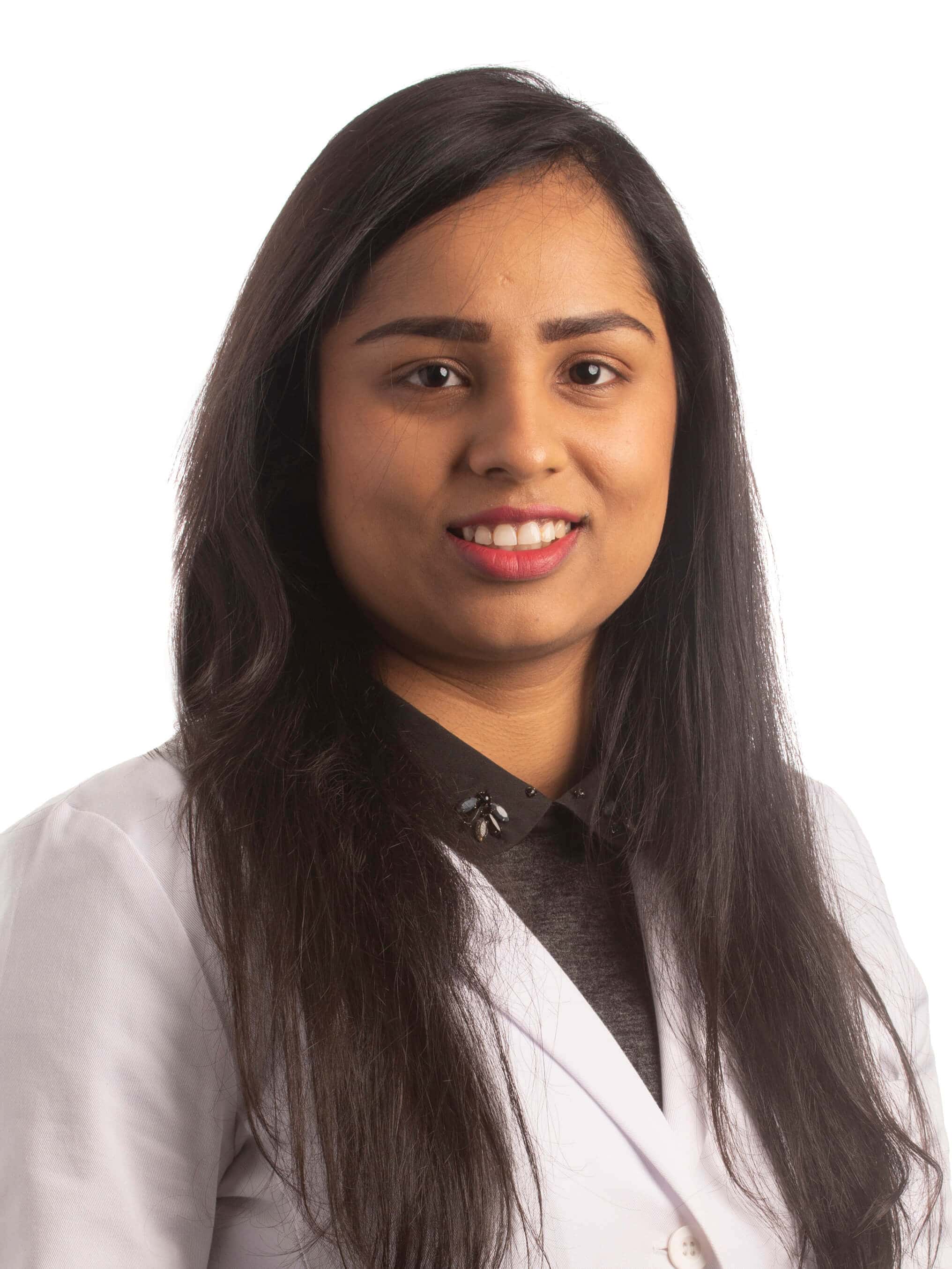
Sara Tariq, M.D., has been appointed associate dean for student affairs in the UAMS College of Medicine.

Sara Tariq, M.D., has been named to the newly established position of associate dean for student affairs in the College of Medicine at the University of Arkansas for Medical Sciences (UAMS).

Tariq is well-loved among UAMS medical students as a compassionate educator and mentor. She is also a nationally recognized leader in medical education and an exceptional physician who teaches by example.

Tariq joined the faculty in 2002. She is a professor of internal medicine and has served as assistant dean for undergraduate clinical education since 2009. She will continue to lead this area as well as serve as medical director of the Center for Clinical Skills Education.

“Dr. Tariq has been integral to many educational initiatives in the College of Medicine, including development of our clinical skills education programs, integration of clinical experiences in the first two years of the curriculum, creation of our Academic Houses, and teaching-focused faculty development,” said Christopher T. Westfall, M.D., dean of the College of Medicine and executive vice chancellor at UAMS. “She is devoted to patients and students alike and brings her remarkable energy to her role as associate dean for student affairs.”

Tariq received her medical degree from UAMS in 1998. She completed her internship and residency in internal medicine at Brown University in Providence, Rhode Island. She served an additional year as chief resident and then joined the UAMS faculty. She was promoted to associate professor in 2008 and was promoted to professor in 2018.

Tariq’s national honors include the prestigious Herbert S. Waxman Award for Outstanding Medical Student Educator from the American College of Physicians in 2010 and being selected for the Hedwig van Ameringen Executive Leadership in Medicine fellowship at Drexel University, which she completed in 2015-2016. In Arkansas, colleagues in the American College of Physicians (ACP) presented Tariq with the Robert Shields Abernathy ACP Laureate Award for Excellence in Internal Medicine in 2013.

Tariq has earned many teaching awards at UAMS, including numerous annual consecutive Golden Apple, Gold Sash and Red Sash awards from students. She has been invited by the graduating class to deliver the Faculty Charge at Honors Convocation eight times. In 2013 Tariq received the Outstanding Woman Faculty Award from the UAMS Women’s Faculty Development Caucus. She received the Leonard Tow Humanism in Medicine Award from the College of Medicine in 2014 and has been the recipient or co-recipient of other faculty honors, including Educational Research and Educational Innovation awards.

Filed Under: News

Larry Hartzell, M.D., Invested in Waner Endowed Chair at Arkansas Children’s

Dr. Hartzell in endowed chair; Ms. Doderer and Dr. Patterson standing alongside
Larry Hartzell, M.D., (seated) holds the Benjamin and Milton Waner, M.D., Endowed Chair in Pediatric and Facial Plastic and Reconstructive Surgery at Arkansas Children’s Hospital. Pictured with him are Arkansas Children’s President and CEO Marcy Doderer, FACHE, and UAMS Chancellor Cam Patterson, M.D., MBA.

Larry Hartzell, M.D., an associate professor in the Department of Otolaryngology-Head and Neck Surgery in the UAMS College of Medicine, was invested in the Benjamin and Milton Waner, M.D., Endowed Chair in Pediatric Facial Plastic and Reconstructive Surgery at Arkansas Children’s Hospital (ACH) on April 24.

“It was an honor to recognize Dr. Larry Hartzell as the chair holder of the Benjamin and Milton Waner, M.D., Endowed Chair in Pediatric Facial Plastic and Reconstructive Surgery,” said Marcy Doderer, FACHE, president and CEO of Arkansas Children’s. “Every day, Dr. Hartzell and the Otolaryngology team deliver our patients and their families a better today and a healthier tomorrow.”

“UAMS proudly celebrates Dr. Hartzell for his expertise and his passion for the highest quality of medicine that changes children’s lives,” said UAMD Chancellor Cam Patterson, M.D., MBA.

Hartzell received his medical degree from the University of Arizona College of Medicine in 2005. He completed his residency in otolaryngology at UAMS and continued his training with a fellowship in pediatric otolaryngology, including an extensive focus on the comprehensive care of cleft patients at ACH. He has directed the cleft lip and palate team and the velopharyngeal insufficiency clinic at ACH since 2012.

Hartzell is board certified by the American; Board of Otolaryngology-Head and Neck Surgery. He is active on multiple local and national committees as well as in research and education. His major research interests include cleft lip and palate, velopharyngeal insufficiency, hemangiomas and surgical management of hearing loss and otologic disease.

He is a member of numerous medical organizations including the American Academy of Pediatrics, the American Cleft Palate-Craniofacial Association, the American Academy of Facial Plastic and Reconstructive Surgery, and he American Academy of Otolaryngology, Head and Neck Surgery.

The Benjamin and Milton Waner, M.D., Endowed Chair in Pediatric Facial Plastic and Reconstructive Surgery was established in 2001 with a generous contribution by an anonymous donor.

Filed Under: News

UAMS College of Medicine Celebrates Faculty and Staff Excellence

Service. Innovation. Selflessness. Gratitude. These were some of the words used as the UAMS College of Medicine honored faculty and staff members for exemplary service and accomplishments in education, research and clinical care at the ninth annual Dean’s Honor Day ceremony on April 24.

Dr. Messias at podium
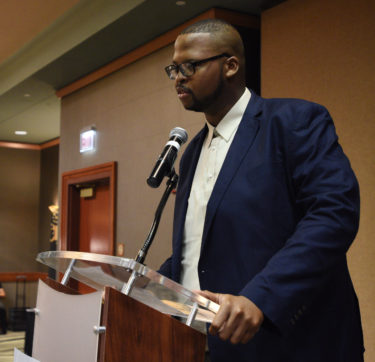
Master of Ceremonies Erick Messias, M.D., Ph.D., M.P.H., welcomes the audience, explaining that the College of Medicine established Dean’s Honor Day in 2011 to celebrate the “outstanding contributions, work and character of our colleagues.”

“For me, this is one of the most rewarding events of the year,” UAMS Executive Vice Chancellor and College of Medicine Dean Christopher T. Westfall, M.D., FACS, told faculty and staff members, families and other guests in the Fred Smith Auditorium on the UAMS campus.

“It is a time to pay tribute to some of those who have excelled in their work and service to our college,” he said. “I also want to take this opportunity to express my gratitude to all of our faculty and staff who pursue excellence on a daily basis. It is a privilege to be a part of the College of Medicine team.”

Award presentation on stage
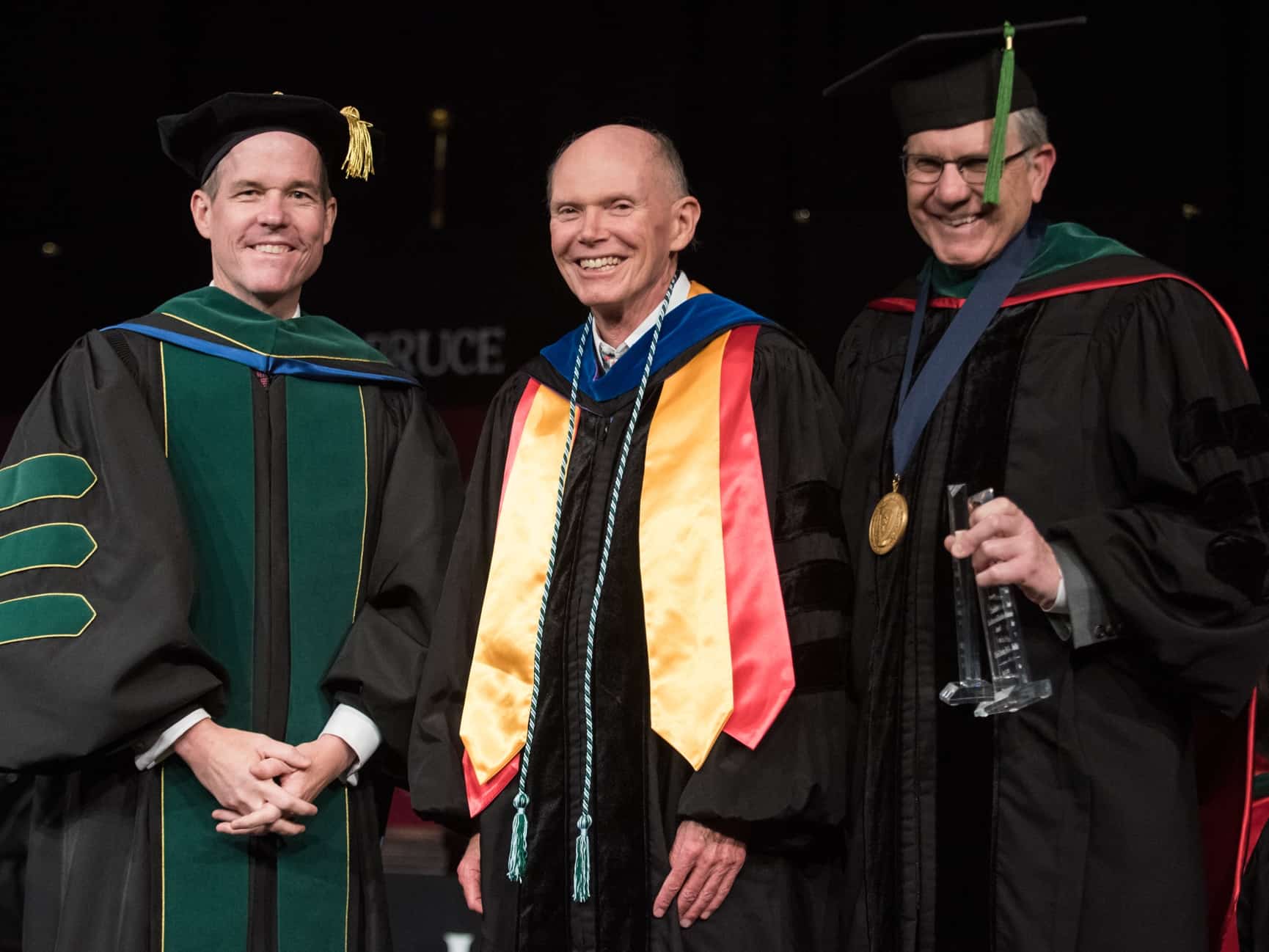
COM Dean Christopher T. Westfall, M.D., (left) presents Dr. Smith with an art glass bowl by Arkansas artist James Hayes. Jeffrey Clothier, M.D., (center) nominated Dr. Smith.

G. Richard Smith, M.D., was presented the Distinguished Faculty Service Award for his decades of leadership in psychiatry and dedicated service in many other roles, including dean of the college in 2013-2015.

“Dr. Smith has served in a number of leadership positions and has been excellent in every single one,” Westfall said before joining with Smith’s nominator, Jeff Clothier, M.D., in presenting the award. He added, “Dr. Smith set the bar for what a dean should be.”

Smith thanked his family and colleagues after Westfall and Clothier discussed his broad service and impact and presented him with an art glass bowl by Arkansas artist James Hayes to commemorate the honor.

Audience with smiling faces
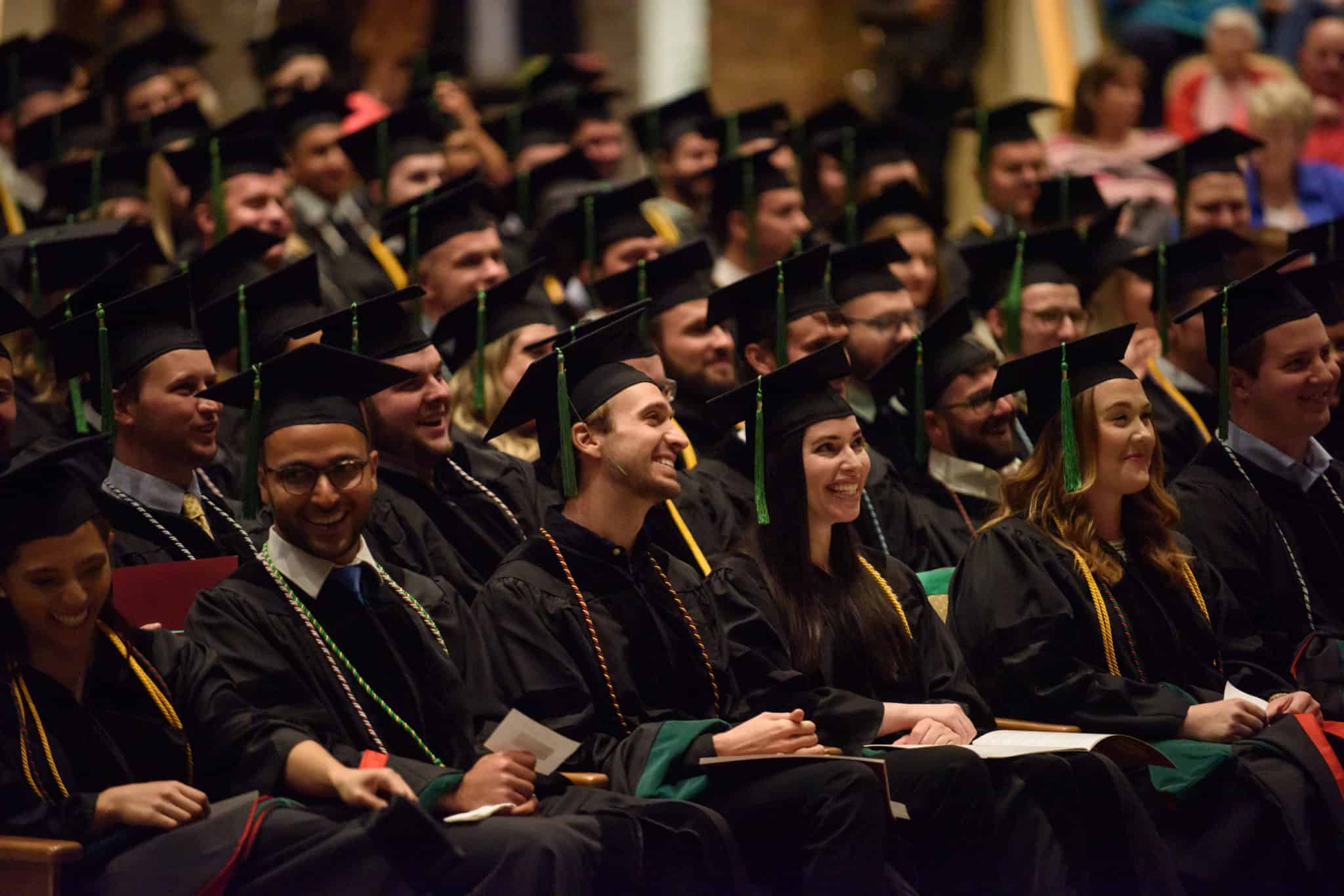
Audience members including Manisha Singh, M.D., and Nithin Karakala, M.D., both of the Division of Nephrology in the Department of Internal Medicine, enjoy the Dean’s Honor Day ceremony. Dr. Singh presented an award. Dr. Karakala was honored for his promotion to associate professor.

“This afternoon I am especially grateful to all of the men and women who work alongside me in the college,” Smith said. “It is both an honor to work with you and an honor to work with you to serve the important needs of the people of the state of Arkansas. This place and its people are truly amazing.”

A 1977 UAMS graduate, Smith joined the Department of Psychiatry in 1981. He became the Marie Wilson Howells Professor and Chair of Psychiatry in 2001. The highly regarded UAMS Psychiatric Research Institute (PRI) opened under his leadership in 2008, bringing comprehensive inpatient and outpatient care, research and education together in one location.

“Rick’s perseverance can be seen – literally – in the building that houses our department, the Psychiatric Research Institute,” said Clothier, a professor and executive vice chair of the department and medical director of PRI. “He labored for years to raise the funds to build PRI, along with its expert staff, and to raise public awareness of why the institute was so crucial for Arkansans and for those who may come to Arkansas for treatment here.”

“Dr. Smith’s commitment to PRI and our faculty and staff has been matched only by his dedication to improving the quality of training that we provide, and hence also the quality of care that is provided outside of UAMS,” Clothier said.

Dr. Pulliam and Dr. Westfall shaking hands
Liz Pulliam, Psy.D., is greeted by COM Dean Christopher Westfall, M.D., at the reception after the ceremony. Pulliam, an assistant professor in the Department of Pediatrics Division of Psychology, is being promoted to associate professor.

After 32 years in the Department of Psychiatry, Smith was appointed executive vice chancellor of UAMS and dean of the College of Medicine in 2013. He stepped down in 2015 to return to the department where he had dedicated so much of his career. He was once again appointed department chair and PRI director in 2018.

Smith founded several nationally renowned research initiatives, including the Central Arkansas Veterans Healthcare System’s Health Services Research and Development Field program for Mental Health and the Center for Outcomes Research and Effectiveness in the Department of Psychiatry. He was also the founding director of the Arkansas Center for Health Improvement and a leader in securing the state’s tobacco settlement and its focus on improving health care for Arkansans.

Clothier noted Smith’s positive impact through numerous other leadership roles, including his current leadership of the Advisory Board for the Arkansas Prescription Drug Monitoring Program and service as medical director for the Arkansas Department of Health’s Substance Misuse and Injury Prevention Branch. Smith works with the Arkansas Medical Society and other organizations in an effort to change physician behavior about opioid prescribing while still ensuring adequate pain relief for patients.

Dr. Barnes with a family
Dean’s Honor Day is a family event. C. Lowry Barnes, M.D., (left) greets the family of faculty member Laura Hollenbach, M.D., and Seth Hollenbach, M.D., a 2006 College of Medicine alumnus. Laura Hollenbach is being promoted to associate professor in the Department of Obstetrics and Gynecology, where Dr. Barnes is serving as interim chair in addition to his post as chair of Orthopaedic Surgery.

The ceremony included 12 individual awards for faculty and staff; recognition of 58 faculty members receiving promotion in rank or promotion with tenure and six faculty members who were named Professors Emeritus; and the investiture of the sixth Lutterloh Professor for Medical Education Excellence.

In addition to Smith, Faculty Award recipients were:

Master Teacher Award

Robert Arrington, M.D.
Department of Pediatrics

Educational Innovation Award

Kedar Jambhekar, M.D., and Linda Deloney, Ed.D.

with appreciation for Rachel Pahls, M.D. (medical resident)
Department of Radiology

Screen showing black/white footage; people in foreground
Radiology Chair James McDonald, M.D. (at podium) began his presentation of the Educational Innovation Award unconventionally, with a dramatic movie trailer like video promoting an educational “escape room” game developed by faculty members Kedar Jambhekar, M.D., and Linda Deloney, Ed.D., (on left) and radiology resident Rachel Pahls, M.D.

Educational Research Award

Carol Thrush, Ed.D.
Department of Surgery, COM Graduate Medical Education

Excellence in Research Award

Nicola Edge, Ph.D.
Department of Family & Preventive Medicine

Leonard Tow Humanism in Medicine Award
Presented by the Arnold P. Gold Foundation

Michael Mancino, M.D.
Department of Psychiatry

Residency Educator Awards

Jerad Gardner, M.D., Dermatopathology Fellowship

Shashank Kraleti, M.D., Family Medicine Residency

Investiture of the Lutterloh Medical Education Excellence Professorship

David Davies, Ph.D.
Department of Neurobiology & Developmental Sciences

Read more about the 2019 faculty award honorees.

Staff Excellence Award recipients were:

Education
Lacie Covington, M.B.A.
Department of Radiology

Research
Shalese “Fitz” Fitzgerald, M.S.
Department of Family & Preventive Medicine

Clinical
Andrea Easom, M.N.Sc., APRN
Department of Internal Medicine/Division of Nephrology

Administration
Paul Stover, M.B.A.
Department of Orthopaedic Surgery

Filed Under: News

UAMS Medical Center, Faculty Honored as Healthcare Heroes

By Tim Taylor

The UAMS Medical Center, four UAMS physicians and a UAMS researcher were honored April 24 as Healthcare Heroes at a luncheon to recognize individuals, companies and organizations making a significant impact on the quality of health care in Arkansas.

It was the fourth year for the event, sponsored by the Arkansas Business Publishing Group and held at the Embassy Suites hotel in Little Rock.

The UAMS Medical Center was named Large Hospital of the Year.

“We are incredibly honored by this recognition,” said Richard Turnage, M.D., UAMS vice chancellor for clinical programs and CEO of the UAMS Medical Center. He thanked UAMS faculty “who have worked hard to develop a platform to deliver high-quality care” throughout the state.

College of Medicine faculty that were honored included:

Ronda Henry-Tillman, M.D., division chief of Breast Oncology in the Department of Surgery, was named Physician of the Year. Henry-Tillman holds numerous leadership positions at UAMS, including co-director of Health Initiatives and Disparities Research in the College of Medicine and is co-leader of the Breast Tumor Disease Oriented Committee in the Winthrop P. Rockefeller Cancer Institute. She also holds the Muriel Balsam Kohn Chair in Breast Surgical Oncology.

Henry-Tillman is a breast cancer surgeon and advocate for the medically underserved, as well as an advocate for screening, detection and treatment of colorectal, breast, prostate and cervical cancers.

Purushottam Thapa, M.D., medical director of the Student Wellness Program at UAMS, was  named Workplace Wellness Hero. He makes sure that counseling and therapy are provided to medical students, resident staff physicians and their spouses seeking help with emotional and mental health issues.

Lowry Barnes, M.D., chairman of the Orthopaedic Surgery Department and director of the Musculoskeletal Service Line, was named Healthcare Administrator of the Year. In addition to being a nationally known knee replacement surgeon, his leadership has turned the UAMS Department of Orthopaedic Surgery into a program that attracts world-class patients.

Other College of Medicine finalists from UAMS were John Day, M.D., chairman of the Department of Neurosurgery, for Physician of the Year; Gloria Richard-Davis, M.D., a professor in Obstetrics and Gynecology, for Women’s Health & Wellness; and Hari Eswaran, Ph.D., professor in the Department of Obstetrics and Gynecology, for Innovation Hero.

Filed Under: News

UAMS Uses Culturally Unique Methods to Improve Diabetes Management

By David Wise

Researchers at the University of Arkansas for Medical Sciences (UAMS) have demonstrated that a culturally adapted family model of diabetes self-management is an effective approach for Marshallese community members in Northwest Arkansas to manage diabetes.

A recently published study by researchers at the UAMS Northwest Regional Campus showed that by using cultural concepts familiar to Marshallese people with diabetes, researchers recorded significant improvements in their levels of blood sugar.

Multiple studies have found diabetes self-management education (DSME) to be generally effective at improving patients’ diabetes-related health outcomes. However, previous DSME interventions with Marshallese community members have been unsuccessful.

The researchers hypothesized that emphasizing family and community as a part of diabetes self-management would be more effective with members of the Marshallese population, who come from a Pacific Islander culture that emphasizes the importance of family and community in day-to-day life.

To test this hypothesis, the researchers recruited 221 Marshallese people with diabetes and compared a standard DSME with a culturally adapted DSME. Changes to the curriculum included presenting the material in Marshallese rather than using an interpreter; using culturally appropriate nature analogies, such as tidal changes, to explain changes in glucose concentrations; integrating culturally relevant food preferences, such as fish and fruit; and emphasizing engagement of participants’ family members.

As a result, participants in the adapted DSME group showed significantly greater reductions (-0.77% units) in mean glycated hemoglobin 12 months after the intervention compared with those in the standard DSME group. Glycated hemoglobin tests reflect a person’s average blood sugar level over the past two to three months. Specifically, these tests show the percentage of hemoglobin – a protein in red blood cells that carries oxygen throughout the body – that is coated with sugar (glycated). The higher your HbA1c level, the poorer your blood sugar control and the higher your risk of diabetes complications.

“This study adds to the body of research that shows the effectiveness of including participants’ family and community members as part of a diabetes self-management plan,” said Pearl McElfish, Ph.D., vice chancellor of the UAMS Northwest Regional Campus and co-director of the Center for Pacific Islander Health at UAMS. “This study also fills several important gaps in the literature. Pacific Islanders are a rapidly growing population that experiences significant health disparities, but they have been underrepresented in research. We plan to change that.”

Health care providers have worked for years to help control the extremely high rates of type 2 diabetes found in the Marshallese population. Estimates of type 2 diabetes among Marshallese adults range from 20%-40%, compared with 12% among the U.S. adult population and 9% among the worldwide adult population. In Northwest Arkansas, type 2 diabetes among Marshallese adults is at 38.4% and prediabetes is at 32.6%. Arkansas has the largest population of Marshallese in the continental U.S. (10,000 residents as of 2016).

“These research results are likely to have positive clinical implications for diabetes self-management, including reduced risks of heart attack, microvascular complications and death from diabetes,” said Peter O. Kohler, M.D., former vice chancellor for the UAMS Northwest Regional Campus and a distinguished professor in the UAMS College of Medicine’s Department of Internal Medicine. “We are excited about the promising implications this study has for patient decision-making and clinical practice.”

The study was conducted from May 2015 to May 2018 in Washington and Benton Counties in Northwest Arkansas. Both DSME interventions covered eight core topics: healthy eating, being active, glucose monitoring, understanding blood glucose and taking medications, problem solving, reducing risks and healthy coping, mitigating complications of diabetes, and goal setting.

“Marshallese culture centers around family and community,” said Sheldon Riklon, M.D., an associate professor in the UAMS College of Medicine’s Department of Family and Preventive Medicine and one of only two Marshallese physicians in the world who were trained at a U.S.-accredited program. “So it is extremely important to engage the entire family and community in behavioral changes. The family approach is particularly important for the family-centered, collectivist nature of the Pacific Islander culture.”

An online copy of the study can be found here: http://care.diabetesjournals.org/content/diacare/early/2019/03/04/dc18-1985.full.pdf.

Financial support for the study was provided by the Patient-Centered Outcomes Research Institute (grant no. AD-1310-07159). Initial funding for a pilot project of the study was provided by a University of Arkansas for Medical Sciences College of Medicine Intramural Sturgis Grant for Diabetes Research from the Sturgis Foundation. Additional support for the community-based participatory research team was provided by the Translational Research Institute grant 1U54TR001629-01A1 through the National Center for Advancing Translational Sciences of the National Institutes of Health (NIH). The content is solely the responsibility of the authors and does not necessarily represent the official views of the NIH.

Filed Under: News

Ronald Robertson, M.D., Named Chair of Surgery

By Amy Widner

Ronald Robertson, M.D, has been appointed chairman of the Department of Surgery in the College of Medicine at the University of Arkansas for Medical Sciences (UAMS).

Robertson will assume the role in May upon the retirement of Frederick “Rick” Bentley, M.D., who has served as chair of the Department of Surgery since 2015.

“Dr. Robertson is a fine colleague, superb trauma surgeon and a proven leader who has dedicated his career to UAMS and improving surgical and trauma care in Arkansas,” said Christopher T. Westfall, M.D., dean of the College of Medicine and executive vice chancellor at UAMS. “Dr. Robertson’s many prior leadership roles, dedication to our institution and those we serve, and remarkable collegiality will all help him to be an exceptional chair of surgery.”

A UAMS faculty member since 1996, Robertson has served as chief of the Division of Trauma, Critical Care and Acute Care Surgery since 2013. He became vice chair for clinical affairs in the Department of Surgery in 2018.

Robertson was a driving force in the establishment of Arkansas’ Trauma System in 2010. As trauma medical director at UAMS since 2013, he leads the only American College of Surgeons-verified Adult Level 1 Trauma Center in the state. The center performs in the top 10 percent of Level 1 Trauma Centers nationwide.
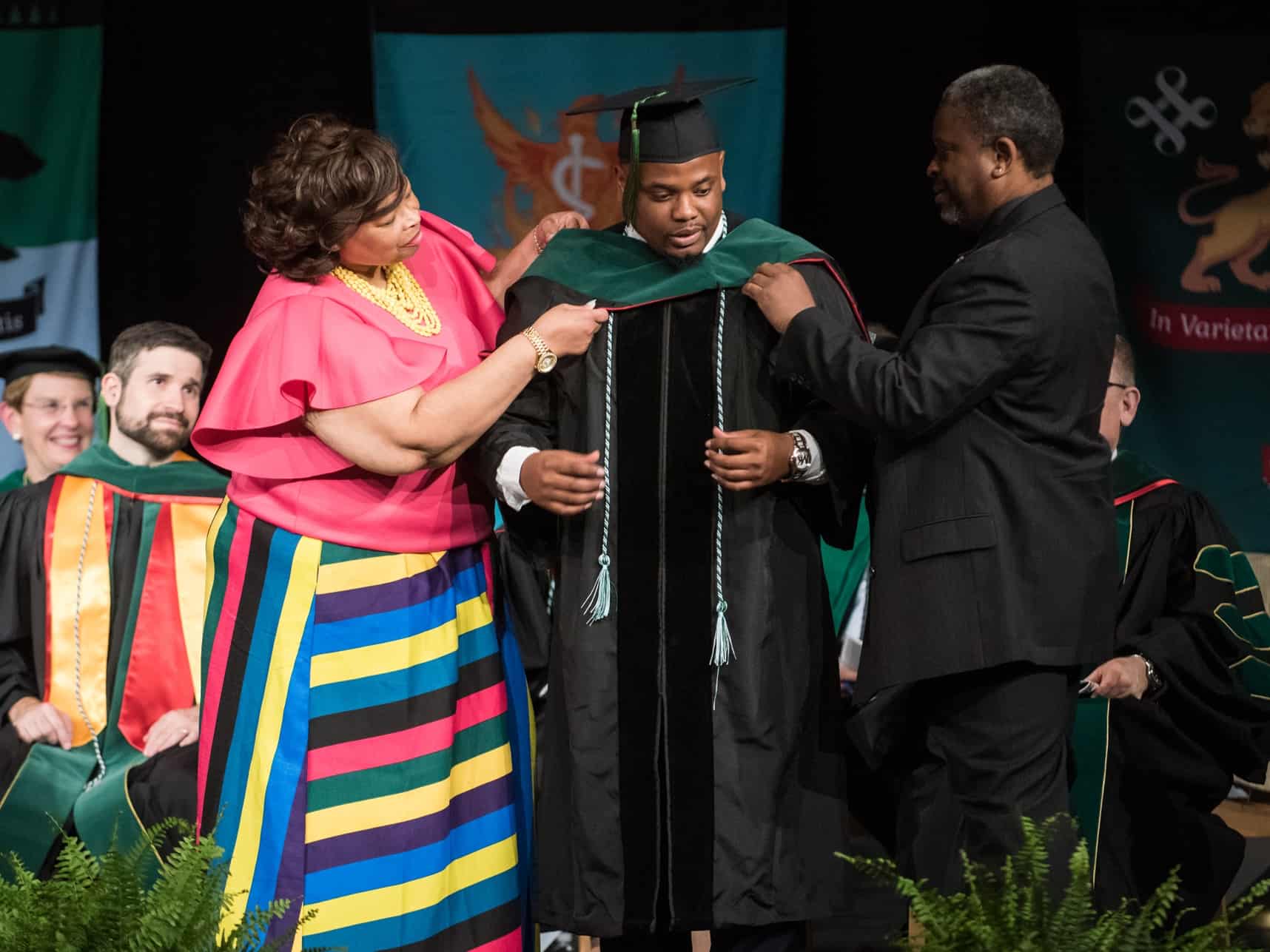
Robertson received his medical degree from the College of Medicine in 1989. He remained at UAMS for his general surgery residency, earning the Robert M. Bransford, M.D., Award as Outstanding Chief Resident in General Surgery in 1994. Robertson continued his training at UAMS with a fellowship in trauma, critical care and burn surgery before joining the faculty as an assistant professor. He was promoted to associate professor in 2001 and to professor in 2008. Early leadership posts included director of the Burn Unit at Arkansas Children’s Hospital from 1995 to 2005.

Filed Under: News

Researcher Granted $1.86 Million to Study Poxvirus

By Amy Widner

The poxvirus — with its applications for the investigation of disease development, cross-species infection-caused diseases, vaccine development and cancer virotherapy — is the focus of research by Jia Liu, Ph.D., who has received a $1.86 million grant from the National Institutes of Health to continue this innovative work at the University of Arkansas for Medical Sciences (UAMS).

The grant is from the National Institute of Allergy and Infectious Diseases and will support Liu’s work for five years. Liu is an assistant professor in the Department of Microbiology and Immunology in the UAMS College of Medicine. She will be studying the poxvirus on the molecular level and how the disease develops.

Poxviruses belong to a virus family that includes smallpox. A specific poxvirus that can only infect rabbits, called myxoma virus (MYXV), became particularly interesting to scientists since the 1950s because the virus was used in Australia and Europe as a biological weapon against a species of rabbits called European rabbits. The rabbits were overly abundant and destroying crops. Because MYXV was new to the European rabbits, they had no resistance against its infection.

Dr. Liu watching technician do lab work
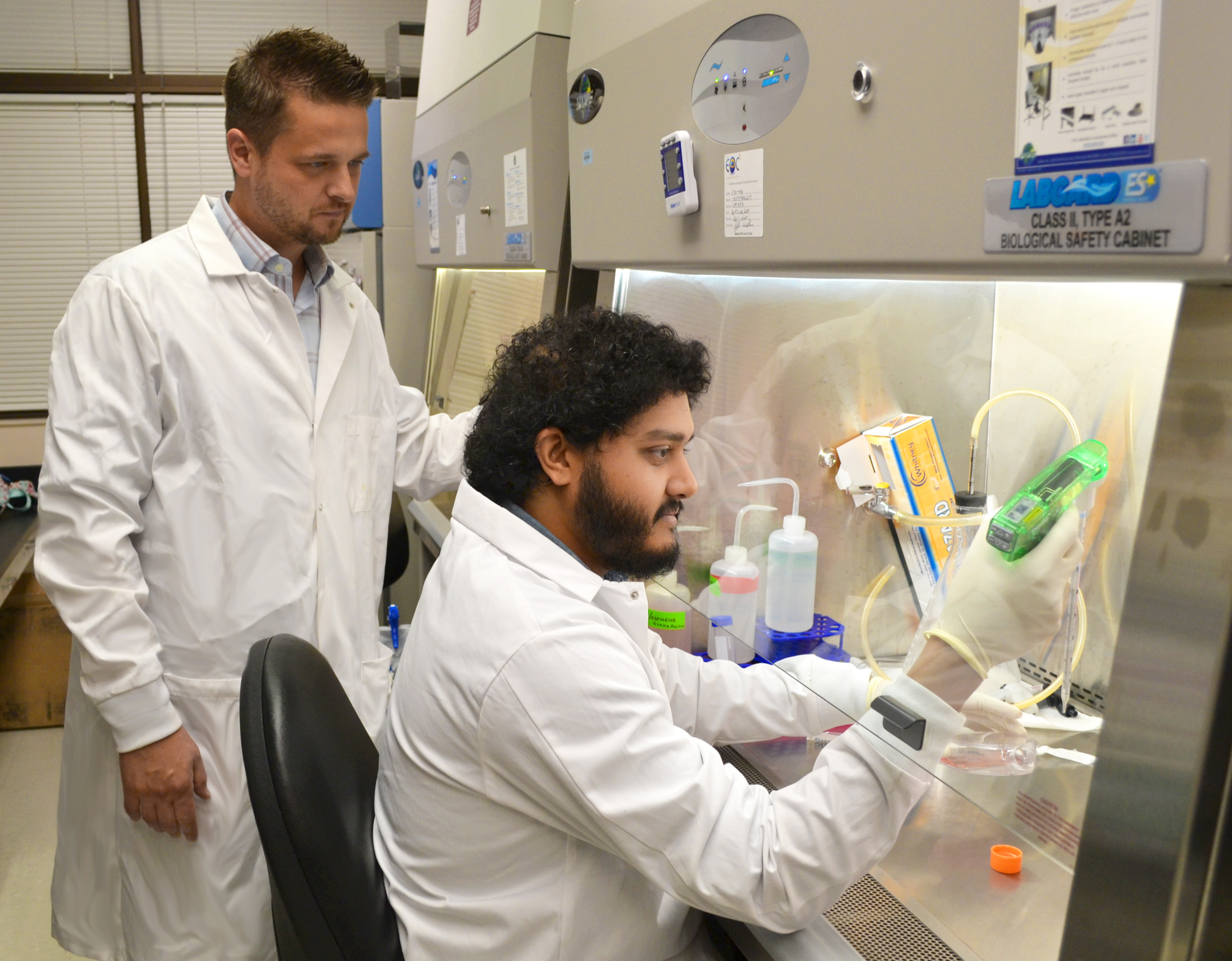
Liu oversees work in the lab. Research associate Richard Connor is pictured in the foreground.

Initially, the virus worked, cutting the rabbit population by 99 percent. However, within a decade, the rabbits had adapted to develop resistance to the MYXV infection and their numbers were on the rise again. Meanwhile, the virus was also changing. The incident gave scientists a real-world chance to watch a deadly pathogen (the virus) and its host (the rabbits) adapt in an arms-race fight for the upper hand.

“It’s a dramatic example of virus-host interactions and similar events can be happening in our bodies constantly,” Liu said. “We are surrounded by microbes all the time. So why don’t we get sick constantly? It has to do with the host’s natural immune response, which forms a formidable barrier against pathogens. However, there are critical gaps in our knowledge about how it protects us from things like viral infections. More importantly, once we learn how our immune system works, we can train them to eliminate malignancies like cancer.”

With this specific grant, Liu will study the gene function of (sterile α motif domain-containing protein 9, or SAMD9), which was discovered as recently as 2006 to be important for human health. It is now realized that SAMD9 protein is both critical in immune responses against a broad range of viruses and in inhibiting cancer cells from arising.

With this five-year phase of funding, Liu’s goals are to understand how SAMD9 contributes to host immunity, how SAMD9 can be blocked by MYXV, and how SAMD9 can play a role in preventing a pathogen from spreading from one species to another.

Understanding these details of host immunity and host-virus interactions is important for many reasons. In this globally connected world, outbreaks of diseases, especially those that are new to a population — like MYXV was to the European rabbits — can be devastating. Diseases in one species that adapt to attack a new species are of particular concern. Global health crises like bird and swine flu, severe acute respiratory syndrome (SARS), and Ebola viruses are examples.

Vaccines are a main line of defense against viral pathogens and work by awakening the immune system. Better understanding this dynamic through work like Liu’s will improve the ability to develop effective vaccines and keep up with the ever-changing adaptations in both hosts and pathogens.

Additionally, Liu’s work could ultimately improve cancer treatments. Many of the advances that led to modern immunotherapies in cancer began with molecular-level research like hers. Oncolytic immune-virotherapy is a novel concept that introduces viruses that can directly kill cancer cells and activate and usher the host’s immune system to attack cancer cells.

“Many believe the future of such therapies for cancer lies in viruses such as MYXV that do not cause diseases in humans,” Liu said. “If we can come to a clear understanding of how viruses such as MYXV interact with human immune system, we could confidently use these them in cancer treatments for humans, perhaps providing a better option than what is currently available.”

Liu’s story is another successful example from the UAMS Center for Microbial Pathogenesis and Host Inflammatory Responses, directed by Mark Smeltzer, Ph.D. The center has earned $21 million in funding through the NIH’s Centers of Biomedical Research Excellence (COBRE) program, which aims to provide funding and mentoring to researchers who are early in their careers. Liu was supported by the center for the first three years of her research since she joined UAMS in 2013.

UAMS has six COBRE centers, which are launching new scientific careers, attracting top talent and creating concentrations of expertise on topics like neuroscience, cancer therapy, childhood obesity prevention and pediatrics.

Filed Under: News

  • «Previous Page
  • Page 1
  • Interim pages omitted …
  • Page 11
  • Page 12
  • Page 13
  • Page 14
  • Page 15
  • Interim pages omitted …
  • Page 41
  • Next Page»
UAMS College of Medicine LogoUAMS College of MedicineUniversity of Arkansas for Medical Sciences
Mailing Address: 4301 West Markham Street, Little Rock, AR 72205
Phone: (501) 296-1100
  • Facebook
  • X
  • Instagram
  • YouTube
  • LinkedIn
  • Pinterest
  • Disclaimer
  • Terms of Use
  • Privacy Statement
  • Legal Notices

© 2025 University of Arkansas for Medical Sciences