• Skip to primary navigation
  • Skip to main content
  • Skip to primary navigation
  • Skip to main content
Choose which site to search.
University of Arkansas for Medical Sciences Logo University of Arkansas for Medical Sciences
College of Medicine
  • UAMS Health
  • Jobs
  • Giving
  • About Us
    • Fast Facts
    • Leadership
    • Features
    • COMmunication Newsletter
    • Maps and Directions
    • College of Medicine History
    • Professionalism Guidelines
  • Departments
  • Admissions
    • Apply
    • Financial Aid and Scholarships
    • Life in Little Rock or Fayetteville
    • Dual Degree Programs
      • M.D./MBA Program
      • M.D./Ph.D. Program
      • M.D./MPH Program
    • Three-Year M.D. Program
    • Rural Practice Programs
      • Community Match Rural Physician Recruitment Program
      • Rural Practice Scholarship Program
    • Contact Admissions
  • Students
    • Academic Calendar
    • Academic Houses
    • Career Advising
    • Financial Aid and Scholarships
    • Visiting Students
    • Mentor Spotlight Podcast
    • Preparing for Residency
    • Non-Discrimination Statement
    • Outstanding Teacher Nominations
    • Parents Club
    • Student Links
    • Honors in Research
    • UAMS Campus Security
    • Undergraduate Medical Education Competencies
  • Graduate Medical Education
  • Alumni
  • Faculty Affairs
  • Research
  1. University of Arkansas for Medical Sciences
  2. College of Medicine
  3. News
  4. Page 22

News

Researcher Aims to Improve Mobile Tools for Mental Health

July 18, 2018 | A UAMS researcher is exploring ways coaching and other additions might improve a suite of apps that aims to help patients with depression and anxiety.

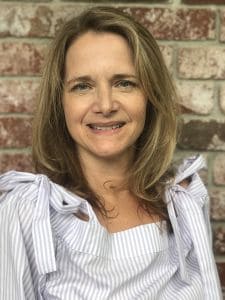
“Whether it’s time, money, geography or stereotypes, we know there are many roadblocks to people having access to therapy, and anxiety and depression can have a big impact on other areas of health,” said clinical psychologist Carolyn Greene, Ph.D., an associate professor in the College of Medicine and researcher in the Division of Health Services Research in the UAMS Psychiatric Research Institute. “This study looks at how technology can help lower those barriers, and how we can engage primary care as part of the solution.”

Greene is a nationally recognized expert and innovator in the use of technology to increase access to high-quality mental health care. Her study, which is funded by the National Institutes of Health, is on the IntelliCare suite of mobile apps, which uses interactive design and tasks to lead patients through cognitive behavioral therapy exercises that address symptoms of depression and anxiety.

Cognitive behavioral therapy (CBT) is one of the most well-established forms of mental health treatment. It aims to improve mood and outlook by working with patients to re-examine and modify behaviors and reactions to emotions and thoughts. It uses tools that are typically targeted at specific goals over a short period of time.

The apps were developed by a research team at Northwestern University. In a field trial, participants using the apps experienced substantial reductions in depression and anxiety. However, the apps are not intended to replace in-person therapy. Rather, they can augment or reduce barriers to care.

Greene thinks these types of technologies can serve as a powerful way to reach people who have previously not been able to take advantage of advancements in mental health care.

“I think technology and telemedicine are the future of health care, and they can really make a big difference in a rural state like Arkansas,” Greene said. “We know anxiety and depression are widespread. We know CBT works. But we also know that most people don’t get connected with these resources.”

Greene said there is a growing interest in technology-based mental health care. The IntelliCare suite is unique in that it is built on evidence-based principals, the apps have gone through field trials that showed their effectiveness and they are free.

“They’re excellent, so now the question is, how do we connect them with patients?” Greene said. “How can we harness the power of mobile devices, which almost everyone has access to, even in low-income communities? Can we give primary care a tool for patients whom they may otherwise be unable to help?”

In her NIH study, Greene aims to gather feedback from stakeholders to improve app functionality, develop a plan for implementing the apps’ use in primary care settings, and conduct a clinical trial to determine if follow-up contact with the patient from a coach would make it even more effective for patients.

“One of the benefits of in-person therapy is the patient gets to experience having someone care for them, someone who is interested in their wellbeing and following up on their progress,” Greene said. “We are going to see if we can replicate at least some of that sense of caring by pairing use of the apps with a coach who contacts the patients to check on them. If effective, it could, for example, be a first-line option for a quick way to help patients with depression who are waiting to see an in-person therapist.”

Greene is looking for feedback from primary care physicians, patients and other stakeholders and is recruiting patients from Arkansas for the clinical trial. She will be using focus groups, structured interviews, questionnaires and other techniques.

The apps are free and available to the public in the App Store and Google Play:

  • Worry Knot – Teaches skills for decreasing emotional response to worry and anxious thoughts and how to release from tangled thinking.
  • Thought Challenger – Helps patients improve mood and decrease anxiety by teaching them to recognize and change unhelpful thought patterns.
  • My Mantra – Uses simple phrases and images to encourage positive thinking and gratitude.
  • Daily Feats – Helps patients stay engaged in life, set goals and celebrate accomplishments, which can increase motivation and improve mood.
  • Day to Day – Provides lessons and daily tasks related to a variety of cognitive behavioral therapy concepts. Patients learn about a new skill a week for five weeks and practice the skill with daily messages and tasks.

For more information visit www.JoinIntelliCare.com or email mobileapps@uams.edu.

Greene works is the Division of Health Services Research, where many of the studies are looking for ways to harness technology, telemedicine, apps and wearables to improve health care in practical, real-world ways. Division Director Teresa Hudson, Pharm.D., Ph.D., has described health services research as “where the rubber meets the road.” Examples include everything from computer-aided CBT for veterans to using iPads and wearable heart monitors to track patients with high-risk pregnancies from home.

In Greene’s previous position at the National Center for Post-Traumatic Stress Disorder (PTSD), she directed the first rigorous clinical trial establishing that telehealth is as effective as face-to-face group therapy and was on a team who produced Department of Veterans Affairs’ first mental health mobile app, PTSD Coach.

By Amy Widner

Filed Under: News

Three Tests for Carpal Tunnel Syndrome

John Bracey, M.D., hand surgeon with the UAMS Department of Orthopaedic Surgery, said that carpal tunnel syndrome affects 2.7 percent of the population and nets 500,000 surgeries a year in the United States, estimated to be a $2 billion annual impact.

Bracey spoke to family medicine providers at the 40th Annual Family Medicine Intensive Review Course last May, covering how providers can test for carpal tunnel and how to manage it.

A few tests he recommended were:

Tinel’s sign (lightly tapping over the nerve to see if it generates a tingling sensation)

Phalen’s test (pushing the dorsal surface of hands together and holding 30 – 60 seconds)

Carpal Compression Test (Apply pressure with thumbs over the median nerve within the carpal tunnel, located just distal to the wrist crease. The test is positive if the patient responds with numbness and tingling within 30 seconds.)

If the patient shows signs of carpal tunnel syndrome, the provider can conservatively manage with a neutral wrist brace (helpful during sleep), stretching and exercises, ergonomic interventions or steroid injection.

Filed Under: News

UAMS Medical Center Certified as First and Only Comprehensive Stroke Center in Arkansas

UAMS Medical Center has become the first and only health care provider in Arkansas to be certified as a Comprehensive Stroke Center by The Joint Commission.

The Joint Commission is an independent, not-for-profit organization that evaluates and accredits more than 20,000 health care organizations and programs in the United States.

“Achieving the standard of care required by The Joint Commission to be certified as a Comprehensive Stroke Center means a stroke patient at UAMS has a better chance here than anywhere else in the state of not only surviving but leaving our care with the best possible health outcome,” said Martin Radvany, M.D., a professor and chief of Interventional Neuroradiology in the Department of Radiology at the University of Arkansas for Medical Sciences (UAMS).

According to the Joint Commission, the certification is the most demanding accreditation and is designed for those hospitals that have the specific abilities to receive and treat the most complex stroke cases. It also means certified hospitals can provide endovascular procedures and post-procedural care and has an Emergency Department with a dedicated stroke-focused program.

“Achieving Comprehensive Stroke Center designation places UAMS among the top stroke centers in the country that have the resources and highly skilled health care teams with advanced training to handle the most complex stroke cases,” said UAMS Chancellor Cam Patterson, M.D., MBA. “I am extremely proud of our medical center and our stroke team for their dedication to achieving this designation to provide Arkansans with access to the most advanced stroke care possible.”

“This is truly an extraordinary accomplishment that will save lives,” Patterson said.

In July 2017, UAMS formed a team to work on getting the Medical Center ready for the Comprehensive Stroke Certification. A gap analysis was performed to show what points of care needed to be addressed for certification. Multiple aspects of the stroke program had to be documented as well.

An application for the certification was sent to The Joint Commission in August. In May, two commission surveyors conducted the comprehensive survey over the course of two days. They toured all areas that cared for stroke patients. In addition, the surveyors reviewed files and chart reviews and interviewed staff and patients.

“This effort elevated the requirements of 24/7 coverage for all stroke providers at UAMS,” said Matthew Mitchell, director of the UAMS Stroke Program. “It took everyone working in the program using all their experience and energy to achieve the highest possible certification. It was the culmination of years of work. We will keep giving our all to maintain this standard and to provide the best care for the state’s stroke patients. Dr. Radvany, Dr. Day and I along with everyone at UAMS couldn’t be prouder of our stroke team.”

J.D. Day, M.D., is the chairman of the UAMS College of Medicine’s Department of Neurosurgery and director of the neurosciences clinical program that includes the stroke service and multidisciplinary team leaders.

To be a comprehensive stroke center, a hospital or clinic must be able to provide 24/7 care for patients suffering from a stroke and any cerebrovascular disorder, including ruptured brain aneurysms and bleeding into and around the brain. The Joint Commission requires the provider hospital or clinic to have the following available to do that: an acute stroke team, neurointensive care unit beds for complex stroke patients, the ability to meet the concurrent needs of two complex stroke patients, and have neurosurgical services. A center must be able to offer comprehensive diagnostic services; on-site coverage by a neurospecialist for its neurointensive care unit; participate in patient-centered research that is approved by an institutional review board; and track, monitor and report performance measures.

By Ben Boulden | July 13th, 2018 |

Filed Under: News

Ashley Bean, M.D., Receives International Award in Emergency Medicine

Ashley Bean, M.D., an associate professor in the College of Medicine Department of Emergency Medicine at the University of Arkansas for Medical Science (UAMS) has received the Amin Kazzi International Emergency Medicine Leadership Award from the American Academy of Emergency Medicine.

“I am incredibly honored to be selected by the American Academy of Emergency Medicine for this prestigious award,” said Bean, director of the global health and international EM resident tract. The office provides an interprofessional connection for the medically related colleges at UAMS, and its global health accreditation committee.

Dr. Bean at UAMS Medical Center
Ashley Bean, M.D., an associate professor in the UAMS College of Medicine’s Department of Emergency Medicine, was honored by the American Academy of Emergency Medicine for her dedication to global education and improving the quality of emergency and acute care globally for more than a decade.

The annual award was presented at the 24th Annual AAEM Scientific Assembly in San Diego, California, in early April.

“Several members including Joe Lex, Terry Mulligan, Haywood Hall and Lisa Moreno-Walton nurtured my interest in international emergency medicine and were instrumental in creating opportunities for my growth in the field,” said Bean. “I consider receiving this recognition by my mentors and peers to be the highest possible compliment.”

The award, established in 2001, recognizes an individual who has made an exceptional, longstanding and profound contribution to the international development of emergency medicine or advancing education of it. The award is named in honor of Amin Antoine Nabih Kazzi, M.D., who has played an exceptional leadership role in the specialty’s efforts internationally.

Bean, who graduated from Hendrix College and attended graduate school at Brown University before returning to Arkansas to complete medical school, was recognized for her outstanding dedication to global education and improving the quality of emergency and acute care globally for more than a decade. She has presented more than 75 lectures and workshops spanning five continents and has served on the scientific committee or as conference co-chair in several countries. She serves as chair of the AAEM International Committee.

Filed Under: News

First-Year Residents from UAMS Regional Campuses Gather

While health care in recent years has pursued the triple aim of patient satisfaction and positive health outcomes while reducing the costs, Mark Jansen, M.D., told first-year resident physicians June 21 there should be a fourth target — provider satisfaction.

“If we don’t have healthy, happy providers, you are not going to be a good provider for your patients,” said Jansen, medical director for UAMS Regional Campuses. “We have to have the quadruple aim. We have to rename our target to include those other three but also to achieve provider satisfaction.”

The first-year residents were gathered in Little Rock for the first meeting of all 44 of the first-year residents from the university’s Regional Campuses throughout the state.

Through the programs at these campuses, UAMS trains medical residents in family medicine while providing clinical care and health education services in communities around the state. As medical director and with the support of physician faculty, Jansen oversees the medical education of the residents and the clinical care they provide.

Jansen holds the Arkansas Blue Cross and Blue Shield, George K. Mitchell, M.D., Endowed Chair in Primary Care, and he used funds from the chair to support and organize the two-day meeting. UAMS has eight regional campuses in Batesville, Fayetteville, Fort Smith, Helena, Jonesboro, Magnolia, Pine Bluff and Texarkana.

“The facilities we have in Regional Programs are real jewels in the UAMS system,” Jansen said.

UAMS in recent years has extensively remodeled or built new Family Medical Centers at campuses in Batesville, Fort Smith, Helena, Jonesboro and Texarkana.

Jansen urged the residents to seek counseling for stress or anxiety if they feel overburdened or simply need to talk about a problem.

“Our job is to help you learn all you can about medicine,” Jansen said. “That’s our commitment. We want to teach you about the art of medical care delivery. Your job is to keep your mind, eyes and ears open. Be respectful and not too critical of the people you’re working with. Maybe they’re stressed out, too.”

In addition to Jansen, other UAMS Regional Campuses faculty and staff made presentations about residency requirements, policies and procedures, loan repayment and career options, health literacy, research and scholarly activity.

“I’ve had the pleasure of long-term relationships with patients, so I get a lot of fulfillment working in primary care and family medicine,” Jansen said. “I’ve found that to be very rewarding.”

By Ben Boulden | July 6th, 2018

Filed Under: News

Study Shows UAMS Device Can Help Assess Fetal Health after Opioid Exposure

June 28, 2018 | A biomagnetic technique developed at the University of Arkansas for Medical Sciences (UAMS) can be used to assess the brain and heart health of third-trimester fetuses exposed to opioids, UAMS researchers showed in a recent pilot study.

The study was published online this month in the medical journal Addiction, authored by Diana Escalona-Vargas, Ph.D., research faculty in the Department of Obstetrics and Gynecology; and Jessica Coker, M.D., assistant professor in the Department of Psychiatry and the Department of Obstetrics and Gynecology, all in the College of Medicine.

The study was conducted by recording and analyzing biomagnetic data from fetuses of eight women exposed to the opioid buprenorphine and 16 non-exposed women. Researchers acquired the data noninvasively by using the SARA (SQUID-Array for Reproductive Assessment) device developed by UAMS researchers.

During the SARA examination, the pregnant woman sits against a concave shield that covers her abdomen. More than 100 sensors obtain three-dimensional data from the fetus and the uterus – without employing needles or any other invasive instruments. Advanced techniques with the SARA allowed for the simultaneous examination of cardiac and brain activities in the fetuses.

Exposure of fetuses to opioids, including buprenorphine, has been shown to affect fetal activity, specifically heart rate variability and fetal movement. Opioid-dependent pregnant women are treated with the opioids buprenorphine or methadone because those drugs are thought to have less effect on the fetus than other opioids and keep the women from going through the cycle of detoxification then relapse.

Babies born after exposure to opioids in the womb are immediately at risk for withdrawal, which can include tremors, seizures, excessive crying, breathing problems and more.

Current standards of care include the use of opioid maintenance therapy during pregnancy instead of detoxification because of the high rates of relapse and potential adverse effects on the fetus. Little is known about any risks to the fetus from intoxication or detoxification from opioids. Understanding how buprenorphine or opioids may impact the development of the fetus is also important for health care providers

“A biomagnetic device such as SARA could help to understand the impact of buprenorphine on the clinical care of pregnant women with opioid use disorder as well as care of their exposed children,” Escalona-Vargas said.

“The use of opioid maintenance therapy has grown along with the opioid epidemic in the United States,” Coker said. “For pregnant women, studies like these can help us identify babies who may be at higher risk for negative outcomes such as neonatal abstinence syndrome.”

According to the National Institute on Drug Abuse, the incidence of neonatal opioid withdrawal syndrome has increased about 400 percent nationally, from 1.2 per 1,000 hospital births in 2000 to 5.8 per 1,000 in 2012, with some states reporting rates in excess of 30 per 1,000 hospital births.

Researchers and co-authors in the study are Shona Ray-Griffith, M.D., assistant professor in the UAMS Department of Psychiatry; Eric R. Siegel, research associate in the UAMS College of Medicine Department of Biostatistics; Curtis Lowery, M.D., chair of the UAMS Department of Obstetrics and Gynecology; Zachary Stowe, M.D., Department of Psychiatry, University of Wisconsin School of Medicine and Public Health in Madison, Wisconsin; and Hari Eswaran, Ph.D., professor in the UAMS Department of Obstetrics and Gynecology.

By Ben Boulden | June 28th, 2018

Filed Under: News

Research Paves Way for Novel Therapy to Treat Osteoporosis, Atherosclerosis

A recent study by University of Arkansas for Medical Sciences (UAMS) and Central Arkansas Veterans Healthcare System (CAVHS) researchers shows that a type of blood protein we are all born with protects against osteoporosis, illuminating the potential for a novel approach to treatment.

Elena Ambrogini, M.D., Ph.D. – an assistant professor in the Division of Endocrinology and Metabolism, part of the Department of Internal Medicine in the UAMS College of Medicine, and a staff physician at CAVHS – conducted the study with other UAMS and CAVHS faculty with the Center for Osteoporosis and Metabolic Bone Diseases.

Ambrogini used a genetically modified mouse developed at the University of California San Diego (UCSD), where researchers conducted a related study that showed this protein also has a beneficial effect on cardiovascular disease, specifically atherosclerosis, in which plaque builds up inside the arteries.

The findings of the companion studies were published June 6 in prestigious scientific journals: the UAMS study in Nature Communications and the UCSD study in Nature.

“Together, the two studies provide proof of principle for a new therapy for two very common diseases, osteoporosis and atherosclerosis, simultaneously,” Ambrogini said. “In the case of osteoporosis, this would be a new anabolic therapy, meaning that it can build new bone as opposed to only preventing the loss of old bone.”

Everyone is born with innate immune antibodies that help fight bacteria and other pathogens. The study found that these antibodies protect against bone loss induced by a high-fat diet. Importantly, the UAMS researchers found that even in the absence of a high-fat diet, the levels of these antibodies decrease as mice grow older, which may contribute to age-related bone loss. By giving back these antibodies, Ambrogini was able stop the bone loss in the mice and build new bone.

Meanwhile, the UCSD researchers found that the same antibodies strongly protect against atherosclerosis and cardiovascular disease.

Robert L. Jilka, Ph.D., a co-author on the study and professor of medicine, has been studying the relationship between atherosclerosis and osteoporosis for about 10 years.

“We have known for quite some time that there was some sort of connection between osteoporosis, atherosclerosis and the high-fat diet,” Jilka said. “Investigators all over the world have been studying this for a while without much success as to the reason for this connection.”

This groundbreaking finding is the latest in 24 years of significant advances in the understanding of osteoporosis and other bone diseases because of research conducted at the Center for Osteoporosis and Metabolic Bone Diseases at UAMS and CAVHS.

The center is one of the largest and longest-funded osteoporosis research centers in the world. It is directed by Stavros Manolagas, M.D., Ph.D., a distinguished professor of medicine, professor of orthopaedics, director of the Division of Endocrinology and Metabolism and co-author on Ambrogini’s publication.

Ambrogini’s research career has been funded by the Osteoporosis Center’s National Institutes of Health program project; CAVHS; the Arkansas Biosciences Institute; the UAMS Translational Research Institute; and the College of Medicine’s Barton Endowment and Initiative for Bone and Joint Research.

The UAMS Center for Musculoskeletal Disease Research also provided support. The center, directed by Professor Charles O’Brien, Ph.D., is funded by $11.3 million in federal funds over five years from an NIH Centers of Biomedical Research Excellence (COBRE) grant. The grant supports junior researchers like Ambrogini as they work to secure their own independent funding and establish their careers.

“It would not have been possible for Dr. Ambrogini to do this work in a vacuum,” said Vice Chancellor for Research Lawrence Cornett, Ph.D. “The work of Dr. Manolagas, Dr. O’Brien and Dr. Jilka, along with the vast assembly of knowledge and talent found among the scientists and support staff in the two bone research centers, was essential. This is yet another illustration of the importance of team science and long-term, consistent support for research.”

Ambrogini came to UAMS in 2007 from Italy after she completed her medical degree and specialization in endocrinology at the University of Pisa. She conducted research at the Center for Osteoporosis while working on her Ph.D. degree. She stayed at UAMS for a residency in internal medicine and a fellowship in endocrinology and metabolism. She joined the endocrinology faculty three years ago.

“I couldn’t be more pleased,” Ambrogini said. “This publication comes at a perfect time for my career development. I’m excited and look forward to the translation of this science into a treatment for these conditions, which affect so many of my patients.”


UAMS is the state’s only health sciences university, with colleges of Medicine, Nursing, Pharmacy, Health Professions and Public Health; a graduate school; hospital; northwest Arkansas regional campus; statewide network of regional centers; and seven institutes: the Winthrop P. Rockefeller Cancer Institute, Jackson T. Stephens Spine & Neurosciences Institute, Myeloma Institute, Harvey & Bernice Jones Eye Institute, Psychiatric Research Institute, Donald W. Reynolds Institute on Aging and Translational Research Institute. It is the only adult Level 1 trauma center in the state. UAMS has 2,834 students, 822 medical residents and six dental residents. It is the state’s largest public employer with more than 10,000 employees, including 1,200 physicians who provide care to patients at UAMS, its regional campuses throughout the state, Arkansas Children’s Hospital, the VA Medical Center and Baptist Health. Visit www.uams.edu or www.uamshealth.com. Find us on Facebook, Twitter, YouTube or Instagram.

###

By Amy Widner | June 27th, 2018 |

Filed Under: News

Internal Medicine Residency Program at Northwest Regional Campus Earns Full Accreditation

The Internal Medicine Residency Program at the Northwest Regional Campus of the University of Arkansas for Medical Sciences (UAMS), was recently awarded a full, 10-year accreditation by the Accreditation Council for Graduate Medical Education (ACGME).

The residency program, launched in 2015, provides a three-year training period to recently graduated medical students prior to practicing medicine professionally. Internal medicine residents are focused on providing preventive and general medical care to adults 18 years old and older, much like a pediatrician provides care for children. The program is made possible due to a partnership with Mercy Hospital Northwest Arkansas in Rogers and the Veterans Health Care System of the Ozarks, where the residents practice alongside established physicians.

“This program and the partnership with Mercy are helping us to develop the future health care leaders for the people of Arkansas, and especially northwest Arkansas,” said Thomas Schulz, M.D., director of the program and associate professor in the Department of Internal Medicine. “The students who choose this program are exceptional and care deeply for this state and its people.”

The program is welcoming its third class of residents this month, bringing the program to capacity. More than 1,200 students applied for the eight open positions. Interviews were conducted with more than 60 applicants. Graduates earn certification through the American Board of Internal Medicine.

“The volunteer community faculty are a key component to the success of this program,” said Schulz. “Partnerships with Mercy and the Veterans Health Care System of the Ozarks allow our residents to have superb learning opportunities and amazing mentors.”

The UAMS Internal Medicine Residency Program in northwest Arkansas receives financial support through the Mercy Health Foundation, the Walmart Foundation and the Blue & You Foundation for a Healthier Arkansas.

UAMS is the state’s only health sciences university, with colleges of Medicine, Nursing, Pharmacy, Health Professions and Public Health; a graduate school; a hospital; a northwest Arkansas regional campus; a statewide network of regional centers; and seven institutes: the Winthrop P. Rockefeller Cancer Institute, the Jackson T. Stephens Spine & Neurosciences Institute, the Myeloma Institute, the Harvey & Bernice Jones Eye Institute, the Psychiatric Research Institute, the Donald W. Reynolds Institute on Aging and the Translational Research Institute. It is the only adult Level 1 trauma center in the state. UAMS has 2,870 students, 799 medical residents and six dental residents. It is the state’s largest public employer with more than 10,000 employees, including about 1,200 physicians who provide care to patients at UAMS and its regional campuses throughout the state, Arkansas Children’s Hospital, the VA Medical Center and Baptist Health. Visit www.uams.edu or www.uamshealth.com. Find us on Facebook, Twitter, YouTube or Instagram.

By Ben Boulden | June 20th, 2018 |

Filed Under: News

Windy WISE featured on KATV Saturday Daybreak!

DFPM-RED‘s WISE (We Inspire Smart Eating) was featured on KATV’s Saturday Daybreak on Saturday, June 23rd. DFPM-RED faculty member Dr. Taren Swindle appeared with Windy WISE and demonstrated a food experience from the WISE curriculum currently in use in locations all across Arkansas.  Watch the segment by clicking on the image or link below.

Watch Windy WISE on Daybreak!

Filed Under: News

Girls Shown Science, Technology Opportunities at UAMS

June 21, 2018 | A couple dozen school-aged girls broke into groups of four and five and spread out across the room. In each group, one girl stood in the center as the rest — armed with a pen, clipboard, paper and measuring tape — outfitted her with round, silvery, shiny markers to track their movement.

Everyone watched in amazement as the volunteer subjects had their movements shown on a television screen.

It was technology — made possible at the high-tech gait and motion-detection laboratory at HipKnee Arkansas Foundation and used by UAMS researchers — most from the Museum of Discovery’s Girls in STEM (Science, Technology, Engineering and Math) workshop were unfamiliar with. Special cameras at strategic spots throughout the room and the markers worn by the subjects resulted in a 3D model created by computer software that was shown right before them on television.

Erin Mannen, Ph.D., director of translational orthopaedic research and assistant professor in the UAMS College of Medicine’s Department of Orthopaedic Surgery, is one of many UAMS researchers who use the technology every day to measure muscle activity and motion in babies, learn how joint replacements affect golf swings, or identify safe yoga practice in hip and knee replacement patients.

Alexis Thompson of Ruston, Louisiana, is a veteran participant of the Girls in STEM workshop, but was still surprised to learn of this technology. It was especially interesting to her because she wants to one day research animals and the evolution of their movements.

“It is really amazing that engineers can do this and find ways to fix what might be broken,” said Alexis.

Bliss Bradford of Marked Tree was speechless.

“It shows how far technology has come,” said Bliss. “It was a once-in-a-lifetime experience. It is interesting that we’re able to do something like this.”

The reactions of Alexis and Bliss is exactly why Mannen wanted to take part in the Museum of Discovery workshop, which each summer brings middle- and high-school girls to Little Rock to learn about STEM opportunities and meet women in related careers.

“I grew up in a small town without much access to STEM,” said Mannen. “Whenever I see a workshop like this or an opportunity to teach kids, particularly girls, about careers in science and engineering, it is always something I’m happy and honored to take part in.”

Last year, the U.S. Department of Commerce reported women filled 47 percent of all U.S. jobs, but only 24 percent of STEM jobs. Mannen encountered similar disparities while studying mechanical engineering where she was one of only three females in her graduating class.

“There is a misconception that girls don’t belong in STEM fields, but by introducing them to science and technology that engages and excites them, girls are more likely to stay interested in STEM,” said Mannen. “We need women in STEM to move the fields forward, to ask new questions and to find creative solutions. I hope the girls had their eyes opened to many unique opportunities in STEM fields.”

By Lee Hogan | June 21st, 2018

Filed Under: News

  • «Previous Page
  • Page 1
  • Interim pages omitted …
  • Page 20
  • Page 21
  • Page 22
  • Page 23
  • Page 24
  • Interim pages omitted …
  • Page 42
  • Next Page»
UAMS College of Medicine LogoUAMS College of MedicineUniversity of Arkansas for Medical Sciences
Mailing Address: 4301 West Markham Street, Little Rock, AR 72205
Phone: (501) 296-1100
  • Facebook
  • X
  • Instagram
  • YouTube
  • LinkedIn
  • Pinterest
  • Disclaimer
  • Terms of Use
  • Privacy Statement
  • Legal Notices

© 2026 University of Arkansas for Medical Sciences