• Skip to primary navigation
  • Skip to main content
  • Skip to primary navigation
  • Skip to main content
Choose which site to search.
University of Arkansas for Medical Sciences Logo University of Arkansas for Medical Sciences
College of Medicine
  • UAMS Health
  • Jobs
  • Giving
  • About Us
    • Fast Facts
    • Leadership
    • Features
    • COMmunication Newsletter
    • Maps and Directions
    • College of Medicine History
    • Professionalism Guidelines
  • Departments
  • Admissions
    • Apply
    • Financial Aid and Scholarships
    • Life in Little Rock or Fayetteville
    • Dual Degree Programs
      • M.D./MBA Program
      • M.D./Ph.D. Program
      • M.D./MPH Program
    • Three-Year M.D. Program
    • Rural Practice Programs
      • Community Match Rural Physician Recruitment Program
      • Rural Practice Scholarship Program
    • Contact Admissions
  • Students
    • Academic Calendar
    • Academic Houses
    • Career Advising
    • Financial Aid and Scholarships
    • Visiting Students
    • Mentor Spotlight Podcast
    • Preparing for Residency
    • Non-Discrimination Statement
    • Outstanding Teacher Nominations
    • Parents Club
    • Student Links
    • Honors in Research
    • UAMS Campus Security
    • Undergraduate Medical Education Competencies
  • Graduate Medical Education
  • Alumni
  • Faculty Affairs
  • Research
  1. University of Arkansas for Medical Sciences
  2. College of Medicine
  3. Author: Chris Lesher
  4. Page 14

Chris Lesher

UAMS Researchers Lead First Rapid Sequencing of Multiple Viruses Using Pocket-Sized Device

By David Robinson

An international team of researchers led by the University of Arkansas for Medical Sciences (UAMS) is the first to deploy a pocket-sized nanopore device for rapid genetic sequencing of multiple human viruses.

The findings are published in the journal Frontiers in Microbiology, the world’s most cited microbiology journal.

UAMS’ Thidathip (Tip) Wongsurawat, Ph.D., and Piroon Jenjaroenpun, Ph.D., developed the technique, setting the stage for rapid, mobile virus tracking in rural regions across the globe. They were joined by collaborators from UAMS, including David W. Ussery, Ph.D., a professor in the Department of Biomedical Informatics, College of Medicine, and Intawat Nookaew, Ph.D., associate professor in the department.

“Using the new hand-held device, in just two hours we had complete genomes of six viruses,” Wongsurawat said. “This is an exciting development that could have life-saving potential as we combat future infectious disease epidemics around the globe.”

The research project’s external collaborators are from the University of Tennessee Health Science Center in Memphis; University of Sao Paulo Ribeirao Preto, Brazil; Mahidol University, Bangkok, Thailand; and University of Louisville, Kentucky.

The team’s findings were made possible by recent advances in gene sequencing technology. The team used an Oxford Nanopore Technologies device called MinION, the only portable real-time device available for DNA and RNA sequencing.

Wongsurawat, a postdoctoral fellow who joined UAMS in 2017, said the results show the hand-held device can be used in real-world settings where human biosamples may contain multiple viruses. The team demonstrated the sequencing from a sample containing six viruses: Mayaro virus, Venezuelan equine encephalitis virus, Chikungunya virus, Zika virus, vesicular stomatitis Indiana virus, and Oropouche virus.

Wongsurawat said the team overcame challenges of rapid diagnoses of infectious disease epidemics, which are primarily driven by RNA viruses. Sequencing of RNA viruses previously required a number of steps (for reverse transcription of RNA to cDNA) that significantly slowed the process.

“Using our method, we were able to skip these steps and provide real-time sequencing, which makes rapid detection and characterization of emerging pathogens possible,” Wongsurawat said.

The team’s work was supported by the Helen Adams & Arkansas Research Alliance Endowed Chair, the National Institute of General Medical Sciences of the National Institutes of Health (NIH) award P20GM125503 and NIH award R01AI103053.
Filed Under: News

COM Students “Hang Out” During Medical School’s Long Climb

There’s no question that medical school is a long, hard climb. But a group of College of Medicine students has found that a literal climb is great for physical health and mental wellbeing – not to mention a lot of fun.

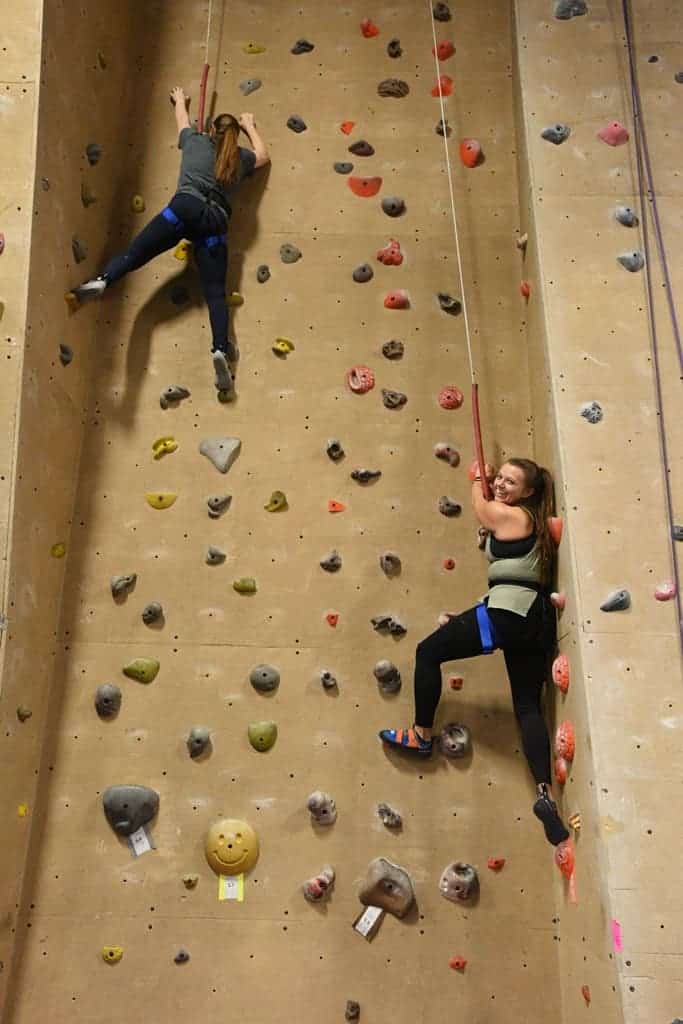
A dozen or so students have turned out for the appropriately dubbed “hangout” at the Little Rock Climbing Center on a Friday evening in early February. Harnessed to protective rope systems called belays, they scale the indoor facility’s 27-foot walls, following routes of varying difficulty. They reach for nubby, stone-like handholds and seek footing on other protrusions. They check their balance and continue climbing.

Two students climbing
Freshman Madison Crosby (upper left) and sophomore Kaitlynn Butler make their way up a three-story climbing wall.

“This is definitely a major stress reliever,” freshman Madison Crosby said between climbs.

She appreciates the camaraderie as well as the exercise. “I was just talking to some of the M2s (sophomores) about classes I’ll be taking next year, so that has been really nice,” she said.

“One of the best things students can do for their mental health is simply getting regular exercise, and that’s exactly what our group wants to accomplish,” said sophomore Bryce Woods, who co-founded the Wellness through Climbing student organization with classmate Jace Bradshaw.

Both began climbing independently last summer. After discovering their mutual interest they started climbing together more often. “We were having a fantastic time and knew that a number of other students had also been climbing,” said Bradshaw. “We thought it would be great to bring everyone together and try to engage even more people.”

The classmates were also aware of the nationwide problem of stress-induced burnout among medical students. Like schools around the country, the College of Medicine has focused extensively on services to support student wellness. Under the leadership of Puru Thapa, M.D., M.P.H., a professor of psychiatry, the UAMS Student Wellness Program provides free, confidential clinical services for students along with extensive outreach activities such as talks on mindfulness and stress management.

Student climbing
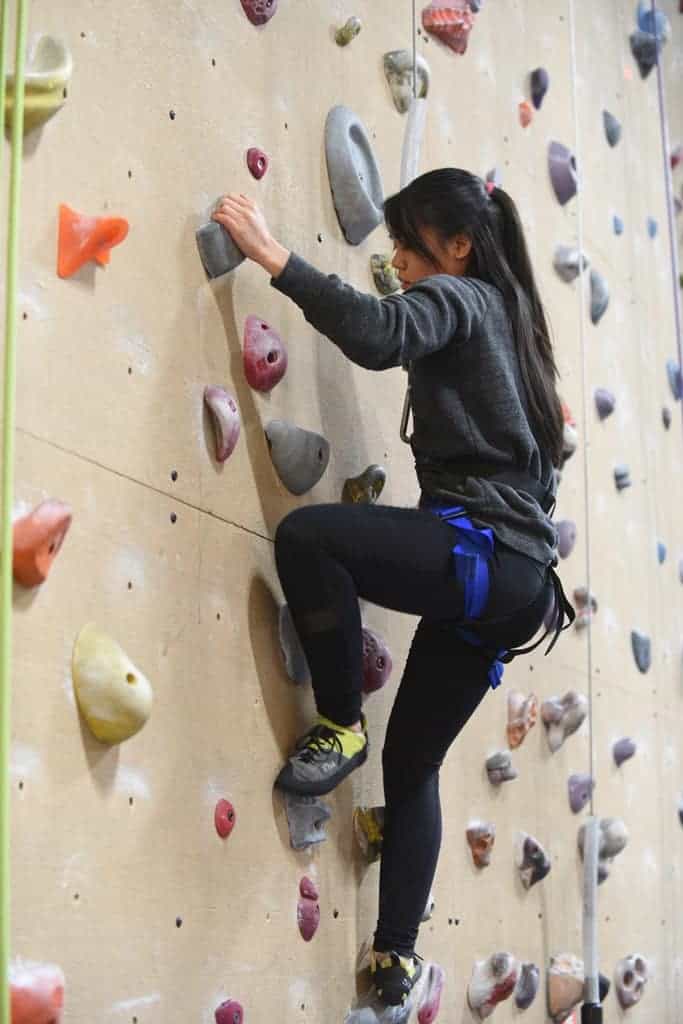
Sophomore Gelina Buslig finds her footing she advances up a climbing wall.

Bradshaw and Woods organized the interest group late last year, recognizing that a climbing group would support the same goals. Matt Quick, M.D., an associate professor of pathology, signed on as the adviser.

“Medical school can be incredibly difficult, and it is easy for students to lose sight of what is important,” said Quick. “So often the focus becomes studying for the next test and students can neglect themselves. What makes this group so special is that climbing is not only mental, but also physical therapy for stress. Bryce and Jace should be commended for taking the initiative in setting up this incredibly valuable opportunity for their peers.”

The group aims to have a couple of hangouts each month, along with informational meetings on topics such as climbing basics, the benefits of exercise on mental health and wilderness medicine, which centers on providing care in low-resource environments and is the focus of another active interest group on campus. Woods and Bradshaw are interested in organizing outdoor climbing excursions someday and expanding their membership to include students from other UAMS colleges.

Meanwhile, there is the challenge of each climb and the satisfaction of persevering.

“My favorite thing about climbing so far has been that almost every time I go, I see improvement and I get to beat my last ‘personal record,’” said Woods. “One day I’ll be unable to complete a really hard route, then a few days later I’m back at it and able to climb it.”

Woods laughs when asked if medical school is something like scaling a towering wall.

“We hear all kinds of analogies about medical school, but it really is like we are just steadily climbing up a mountain – a ridiculously huge mountain,” Woods said. “At some point we’ll be at the top and be able to look back on all of the hard work we’ve done and the support from friends and family that got us here!”

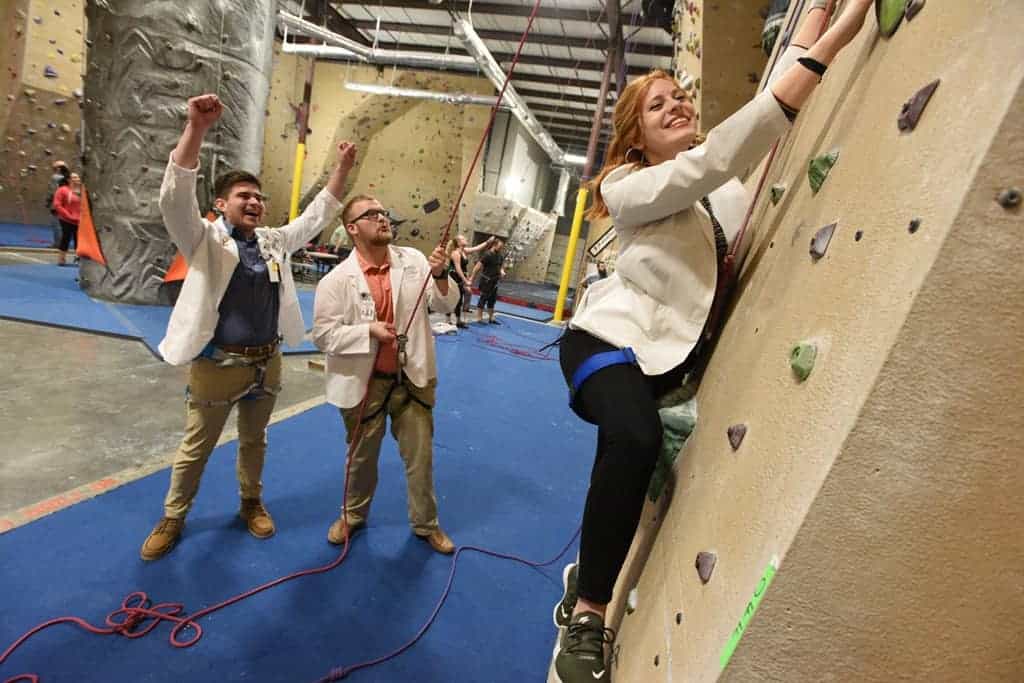
Bradshaw and Woods, standing on floor, cheering on Webb as she begins climb
Medical school’s a long climb. Just for fun, we asked climbing group founders Jace Bradshaw (left) and Bryce Woods (center) and fellow sophomore Shelby Webb to don their white coats for a photo shoot.

Filed Under: News

Drive that Saves Lives

Second-year medical students in the College of Medicine at the University of Arkansas for Medical Sciences (UAMS) carried on the tradition of hosting a bone marrow registry drive for freshmen at the end of the first-year students’ final hematology/oncology team-based learning session on Feb. 6.

Sophomore Bryce Woods led the third annual event with help from classmates Mary Allison Andrews-Sizemore, Zoey Crystal, Bri LaFerney, Jack Linna, Francesca LoBianco, Lillie Pitts, Brittany Roses, Eli Smith and Katie Stahler. Fellow sophomores Micah Clay and Chris Quesada helped the first-year students understand the importance of volunteer donors by sharing their own stories of how they matched with patients and were able to donate life-saving bone marrow after participating in previous drives.

“Most people have felt the devastating effects of cancer in one way or another, so I always jump at the idea of getting to help in the effort to fight back,” said Woods. He was thrilled when the leader of last year’s drive, John Patterson, now a junior, contacted him about leading this year’s drive.

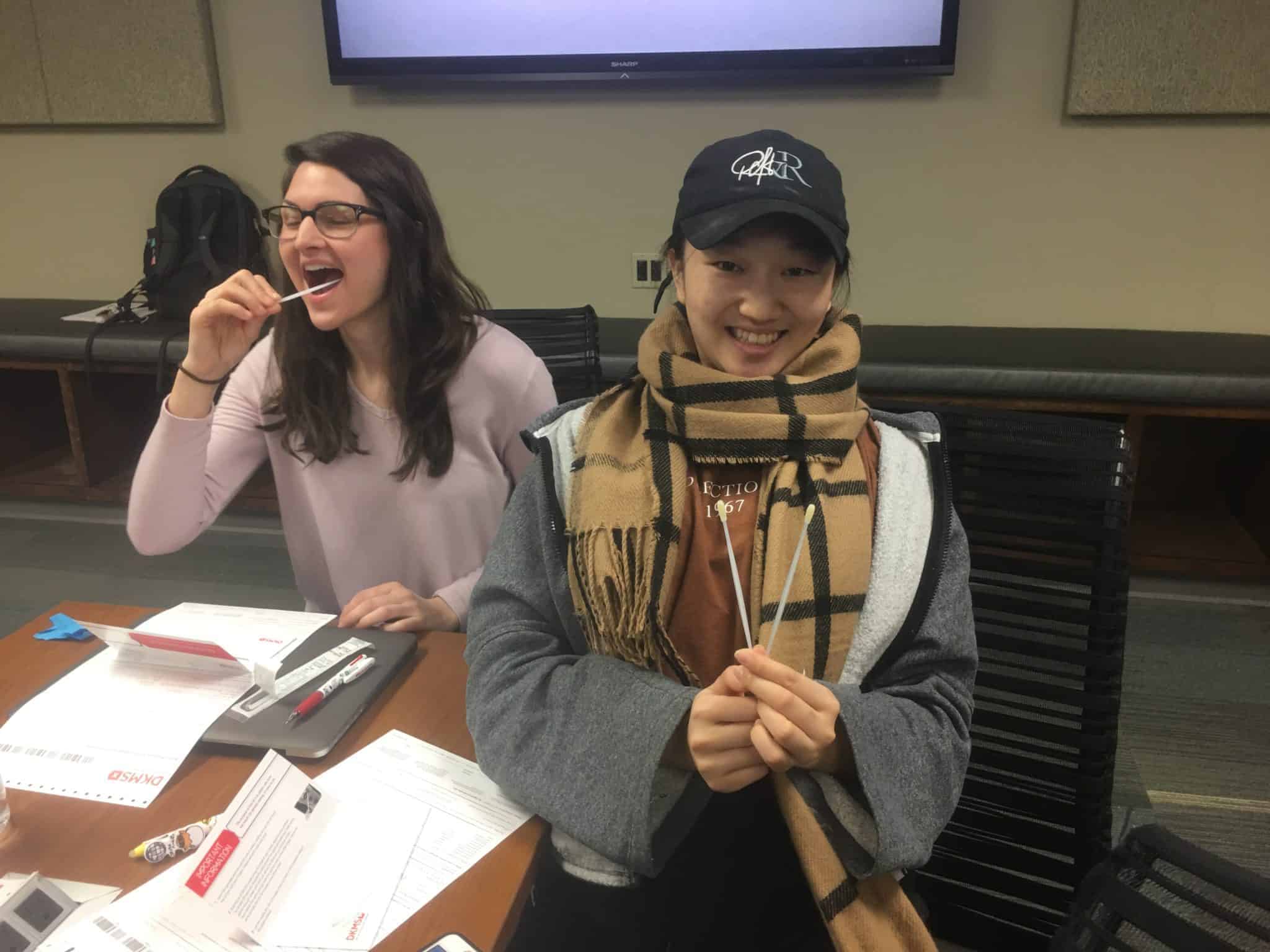
Two students with swabs for marrow drive registry
College of Medicine freshmen Grace Goode (left) and Katherine Wang prepare to register in the National Bone Marrow Donor Registry. The process involves collecting a saliva sample, which will be used to identify potential matches between registrants and patients from around the world who need life-saving bone marrow transplants.

“To make it even better, the drive is held at the end of a module in which medical school freshmen learn about many disease states of blood and bone marrow,” Woods said. “Then we offer them the opportunity to be entered into the massive National Bone Marrow Donor Program registry so that they may someday enable a patient to receive an effective treatment for their disease.”

The combination of a learning opportunity and chance to give back excited Paige Gocke, who serves as treasurer for the freshman class. “After our Hematology/Oncology module, we not only learned that the variables for a perfect match in bone marrow transplants are immense, but that bone marrow donors are crucial in many treatments,” she said. “As a future physician, I have always desired to make an impact in the world, and if I am able to save someone’s life by being a donor, then I will gladly donate.”

To join the registry, the freshmen completed brief paperwork and used sterile swabs to collect and submit their own saliva samples. The UAMS drives were coordinated through DKMS, an international nonprofit bone marrow donor center affiliated with the National Bone Marrow Donor Program. Well over 200 UAMS medical students have become registered donors.

“It is such a fun experience, and I love that we will get to pass the baton to this class next year so that we can continue to have more and more registered donors from UAMS!” Woods said.

Photos courtesy of Paula McClain, M.A., President, Class of 2022.

Filed Under: News

New Faculty and Leaders – February 2019

Dr. Larry Quang

Department of Pediatrics

Larry Quang, M.D., has joined the Department of Pediatrics as Professor and Chief of the Division of Pediatric Emergency Medicine.

Dr. Quang received his medical degree from Northeastern Ohio University College of Medicine. He completed his pediatrics residency at Children’s Hospital of Michigan and went on to complete fellowships in medical toxicology and pediatric emergency medicine at Children’s Hospital of Boston and Children’s Hospital Medical Center of Akron.

Dr. Mara Wood

Before his recruitment to UAMS and Arkansas Children’s Hospital, Dr. Quang was an Associate Professor and attending physician in pediatric emergency medicine at Children’s Hospital at Oklahoma University Medical Center in Oklahoma City, where he was also a CMRI/Express Employment Professionals Endowed Research Chair in Pediatric Emergency Medicine.

Mara Wood, Ph.D., has joined the Department of Pediatrics as an Assistant Professor at the Schmieding Developmental Center in Lowell in Northwest Arkansas. Dr. Wood received her doctorate in school psychology at the University of Central Arkansas in Conway. As part of her doctoral program, she completed a pre-doctoral internship at the Schmieding Developmental Center. She went on to work as a school psychology specialist with the Rogers School District before returning to the Schmieding Developmental Center in January.

Dr. Veronica Raney

Department of Psychiatry

Veronica Raney, M.D., has rejoined the Department of Psychiatry as an Assistant Professor in the Division of Child and Adolescent Psychiatry and Medical Director of the Child Study Center at Arkansas Children’s Hospital. Dr. Raney, who graduated from UAMS in 2011, completed her residency in psychiatry in 2014 and went on to complete fellowships in child and adolescent psychiatry and leadership education in neurodevelopmental disabilities in 2016. Dr. Raney served as Medical Director of the Child Study Center until leaving UAMS in 2017 to take a position with Youth Home in Little Rock.

Filed Under: News

UAMS Establishes Institute for Digital Health & Innovation; Curtis Lowery, M.D., Named Director

By Ben Boulden

The University of Arkansas for Medical Sciences (UAMS) has established the Institute for Digital Health & Innovation, and named Curtis Lowery, M.D., as its director.

Lowery is founder and medical director of the UAMS Center for Distance Health. He also served for many years as chair of the UAMS Department of Obstetrics and Gynecology in the College of Medicine. C. Lowry Barnes, M.D., will serve as interim chair of the department while a search for a permanent chair is conducted. Barnes is chair of the Department of Orthopaedic Surgery.

Digital health is delivering health care through technology such as smart phones, interactive live video, wearable devices and personal computers. It reduces the cost of health care and improves access for patients, especially in a rural environment like the state of Arkansas.

“As we continue into the new year, I believe this new institute will better position UAMS for the future and support our efforts to serve our patients and students,” said UAMS Chancellor Cam Patterson, M.D., MBA. “We want to ensure access to UAMS through technology and more partnerships in communities across the state. Our idea is not to swoop in and pull people out of those communities using digital technology. It’s the opposite. We want to provide access so they can get care where they are.”

Lowery has received numerous awards and has been recognized nationally for his pioneering work in distance health. He has been a champion of telemedicine benefiting patients and physicians alike. He founded the Antenatal and Neonatal Guidelines, Education and Learning System (ANGELS), a Medicaid-funded, telehealth program for high-risk pregnancy patients, and Arkansas Stroke Assistance through Virtual Emergency Support (SAVES), a similar program for stroke patients.

In the first six to 12 months, Lowery said, a top goal of the institute will be to distribute software and technology to patients so they can take part in live video consultations 24 hours a day, seven days a week with physicians and other health care professionals. That technology also will make it possible for providers to collect health data from patients continuously to guide their care and reduce the need for office visits or a trip to a hospital Emergency Department.

“The concept of home digital monitoring is where it’s all going to go,” Lowery said. “You’re going to do more things outside of the hospital and office and integrate patient care into people’s everyday lives.”

For example, he said, a physician or nurse can check on a daily or more frequent basis on a patient with congestive heart failure who recently was released from a hospital to make sure her medication is being effective and taken properly, avoiding a costly, second admission to the hospital.

“The institute also will begin to integrate with other health care systems outside of UAMS to start supporting their activities, especially underserved areas like the Delta,” Lowery said.

The institute can expand on existing relationships between UAMS and rural hospitals to provide access to medical specialties that aren’t in those communities. Increased access to specialists can reduce health care costs by reducing the need to transfer patients from rural hospitals to larger medical centers such as UAMS where those specialists often are more commonly practicing.

“In three to five years, I hope we’re succeeding in using digital health technology to reduce health care costs while sharing in those savings, delivering much more and better care to patients where they are, and improving population health,” Lowery said.

These changes and other economic factors will help move toward a new health care model that compensates and values providers for positive health outcomes rather than the now predominant, fee-for-service model, Lowery said.

Such a value-based health care system also will compensate providers for successfully managing the health of different populations of patients, especially those with chronic health conditions like diabetes or high blood pressure. In turn, cost savings will be created by those outcomes and by digitally providing health care in patients’ homes in a way that reduces hospitalizations, lengths of stay in hospitals and Emergency Department visits. Those savings will be shared with providers in a value-based health care system.

“That’s where the trend is going,” Lowery said. “Value benefits everybody. Being connected digitally is a good thing because physicians and patients can communicate better and providers can share resources. We have the potential of operating virtual health care networks.”

The Institute for Digital Health & Innovation will include the UAMS Center for Distance Health. Its programs, services and staff will be integrated into the new institute. The center currently connects all but a few hospitals and clinics across the state with telemedicine, continuing medical and health education, public health education, and evaluation research through interactive video.

Filed Under: News

Admissions Takes a Big Team

In late February, the College of Medicine Admissions staff will wheel a cart of letters to the UAMS mailroom. Some recipients will be overjoyed – learning that they have been accepted as one of 174 members of the next freshman class and are on their way to becoming a physician. Others will be informed they are on the COM’s “alternates” list. And many will be saddened to learn that they have not been accepted.

“Ask yourself: When was the last time you received a letter that changed your life?” said Tom South, Assistant Dean for Medical Student Admissions.

Jeanne McLachlin, Ph.D., Tom South, and Tammy Henson
Tom South (center) has led the Admissions staff since 1996. Tammy Henson (right) joined the team as an Admissions Specialist in 2008 and has also administered the Rural Practice Program since 2012. Jeanne McLachlin, Ph.D., (left) came onboard as Director of Admissions and Recruitment in 2016.

This year, 2,582 applicants submitted American Medical College Application Service (AMCAS) applications to the COM, including 353 Arkansas residents, the second highest number of in-state applicants since 1998. Faculty, resident and student volunteers interviewed a total of 374 applicants, including 24 at the UAMS Northwest Regional Campus, during Saturday sessions in October, November and January. The COM Admissions Committee will complete the selection process next month.

“Being actively engaged in this process and meeting bright and motivated applicants makes our job in the Admissions Office a great pleasure,” Mr. South said.

He emphasized that the “admissions team” is far larger than his office of three and that the admissions process requires the participation of hundreds of dedicated volunteers. Executive Vice Chancellor and Dean Christopher T. Westfall, M.D., FACS, thanked the Admissions Office, faculty members who serve on the Admissions Committee, and everyone who volunteered on interview days in a message earlier this month. Click for the message and list of volunteers.

Filed Under: News

UAMS Researcher Joins International Colleagues in Urging Open Access to Genomics Data

By David Robinson

Scientific discovery could be accelerated with more open access to genomic data, says an article in the latest journal Science by a group of research leaders from across the globe that includes David W. Ussery, Ph.D., at the University of Arkansas for Medical Sciences (UAMS).

“We argue that the publicly available data should be treated as open data, a shared resource with unrestricted use for analysis, interpretation and publication,” the article states in the journal’s Policy Forum titled, “Toward unrestricted use of public genomic data.”

The article, with 51 authors, challenges long-standing customs and guidelines that have allowed the producers of genomics data to keep it for analysis and publication before outside researchers can study it.

As a specialist in bacterial genomics, Ussery, a professor in the UAMS College of Medicine Department of Biomedical Informatics, said a better understanding of genome sequences will help scientists more easily determine where outbreaks originate and how they can be treated.

“In my field, it is critical to have unrestricted access to this kind of genomic data,” said Ussery, a member of the international Genomics Standards Consortium. “Some of our biggest scientific advances are likely to come from genomics research, and we need to remove barriers that could delay discoveries.”

The article calls for revising the landmark 2003 Fort Lauderdale Agreement, which is a public declaration by scientists supporting free and unrestricted use of genome sequencing data. The agreement, the authors say, is “self-contradictory” because it also recommends a hands-off approach to publicly available data so that those who produced the data have a chance to analyze and publish it.

A key factor in the article’s push is the growing wave of raw data from faster, inexpensive third-generation genome sequencing devices, said Ussery, who holds the Helen Adams & Arkansas Research Alliance Endowed Chair in Bioinformatics.

“By 2025, the amount of data from third-generation sequencing will dwarf other big data generators like Youtube and Twitter,” Ussery said. “Youtube is expected to reach 2 exabytes, but third-generation sequencing will produce about 20 zettabytes of data.” A zettabyte is 1,000 times larger than an exabyte.

In a recent presentation, Ussery cited the 20 zettabyte projection for genetic sequencing data, noting that the estimated cost to store that much data is $2 trillion.

In fact, with the advent of large global data analysis studies, the article says, the amount of publicly available data is at the scale of yottabytes (1,000 times larger than a zettabyte).

Scientific analysis of so much data requires costly computing resources and advanced analytical capabilities, and some scientists who produce genomic data don’t have those advanced capabilities. In those cases, outside researchers should be allowed free access to the data without restriction.

“For example,” the article states, “the outsider team may have better analytical capabilities and/or overarching protocols for analyzing more comprehensive sets of data, pre- or post-publication. Also, sequence datasets can be interrogated by means of numerous value-added platforms and tools from multiple groups.”

The article cites three guiding principles for their recommendations:

  • Public genomics data that have ethics approval for release should be open data – available for unrestricted use, together with associated metadata – with the exception of sensitive human data to which additional ethics restrictions may apply
  • Science advances through open competition with clear-cut, transparent rules, not through posing restrictions and limitations
  • Credit should be given appropriately to resource producers (those who produce the data) and should be transparent.

“These recommendations should not impede protection of sensitive human data,” the article states. “We acknowledge that for existing sensitive human data, some restrictions may be appropriate.”

The article is available here: http://science.sciencemag.org/content/363/6425/350.

Filed Under: News

Arkansas Legislators Offer Support to UAMS Cancer Institute, Tour Campus

By Susan Van Dusen

A group of Arkansas legislators proclaimed their support of a UAMS initiative to expand its cancer research and treatment efforts during a Jan. 23 event at the state Capitol.

Lead sponsors Sen. Missy Irvin of Mountain View and Rep. Michelle Gray of Melbourne joined with fellow members of the Republican Women’s Legislative Caucus to name the UAMS Winthrop P. Rockefeller Cancer Institute’s quest to achieve designation by the National Cancer Institute (NCI) as one of the priorities in their Dream Big for Arkansas Initiative.

At the state Capitol to support UAMS’ efforts to achieve National Cancer Institute Designation were (from left) Chancellor Cam Patterson; Stuart Cobb; Sen. Missy Irvin; Barbara Hoover; and Hatim Smouni.

“Cancer knows no bounds and has likely affected everyone in this room today. That’s why we vow to work with all legislators and community leaders to identify sustainable funding sources and make this designation possible for all Arkansans,” Irvin said to the crowd gathered for the announcement.

Those in attendance included UAMS Chancellor Cam Patterson, M.D., MBA; Cancer Institute Interim Director Laura Hutchins, M.D.; former Arkansas Gov. Jim Guy Tucker; constitutional officers and fellow legislators; members of the Cancer Institute board of directors and University of Arkansas board of trustees; and other UAMS supporters.

“I want to thank the members of the General Assembly, Governor Hutchinson and especially Senator Irvin and Representative Gray and the Republican Women’s Legislative Caucus for their support of our push for NCI designation,” said Patterson. “This is a major undertaking and will require the efforts of many groups across the state. This announcement is a major step forward in our ability to offer new therapies and expand research efforts to benefit all Arkansans.”

NCI Designation is awarded through a highly competitive assessment process during which cancer centers must demonstrate outstanding depth and breadth of high-quality cancer research, including basic laboratory, patient/clinical and population-based research.

There are 70 NCI-designated cancer centers in 36 states across the country, with the closest to Arkansas being in Memphis (pediatrics only), Dallas and Oklahoma City.

Achieving NCI Designation would provide many tangible benefits, including improved access to clinical trials and new therapies unavailable elsewhere in the state; greatly increased access to federal research grant awards; and the creation of more than 1,500 new jobs over five years.

“Not only would NCI Designation increase the ability of Arkansans to receive the most up-to-date cancer treatment, it also would provide an estimated $70 million economic benefit to the state annually,” Irvin said, citing an economic impact assessment conducted by the Arkansas Center for Health Improvement.

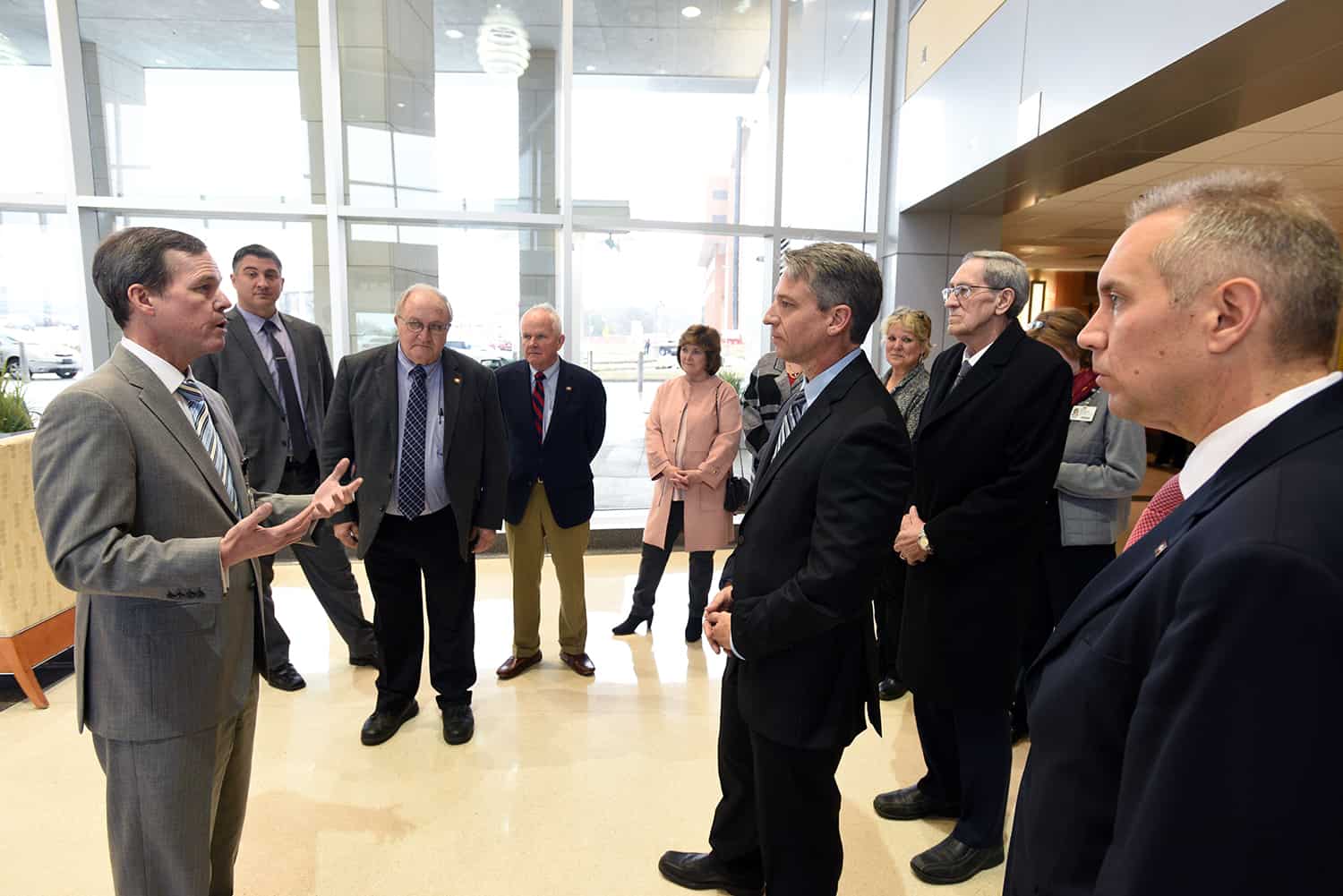
UAMS Chancellor Cam Patterson, M.D., MBA welcomes members of the Arkansas Legislature’s Public Health, Welfare and Labor Committee for a tour of the campus.

In addition to the caucus’ support of NCI designation, they announced four other areas of focus: juvenile justice, child care, education and economic development.

One day before the caucus’ announcement, members of the Arkansas Legislature’s Public Health, Welfare and Labor Committee gathered at UAMS for a tour of the Cancer Institute and several other key areas on campus.

Rep. Jack Ladyman of Jonesboro, chair of the committee, said the tour was an essential element to his committee’s understanding of the health care needs of Arkansans.

“With some health care-related bills expected to come before us during this session, we want to be as educated as possible in this important area,” Ladyman said.

The tour began with a welcome by Patterson, who expressed thanks to the committee members for their service to the state and their interest in UAMS.

“We hope that Arkansans who are sick benefit from the services we provide and those who are well sleep better knowing we are here when they need us. None of this would be possible without the ongoing support of the state,” Patterson said.

In the emergency department, tour participants were introduced to Ron Robertson, M.D., director of trauma, who discussed the complex process of treating patients with traumatic injury.

UAMS Medical Center is the only adult trauma center in the state designated as Level 1, which indicates its capability to provide the highest level of trauma services.

Laura Hutchins, M.D., interim director of the UAMS Winthrop P. Rockefeller Cancer Institute, shares with Arkansas legislators the benefits of achieving NCI Designation.

“We average about eight trauma patients each day, most of whom are critically injured,” Robertson said, adding that patients are regularly transferred to UAMS from every county in Arkansas.

From the emergency department, the group visited the Cancer Institute where Hutchins discussed the ongoing efforts toward achieving NCI Designation. Two researchers shared their work in the development of a liquid biopsy for lung cancer and in proteomics, which is the study of proteins and their role in the development and treatment of cancer.

Additional stops on the tour included two simulation centers: one serving future eye surgeons and one benefiting students and employees from several UAMS colleges and departments.

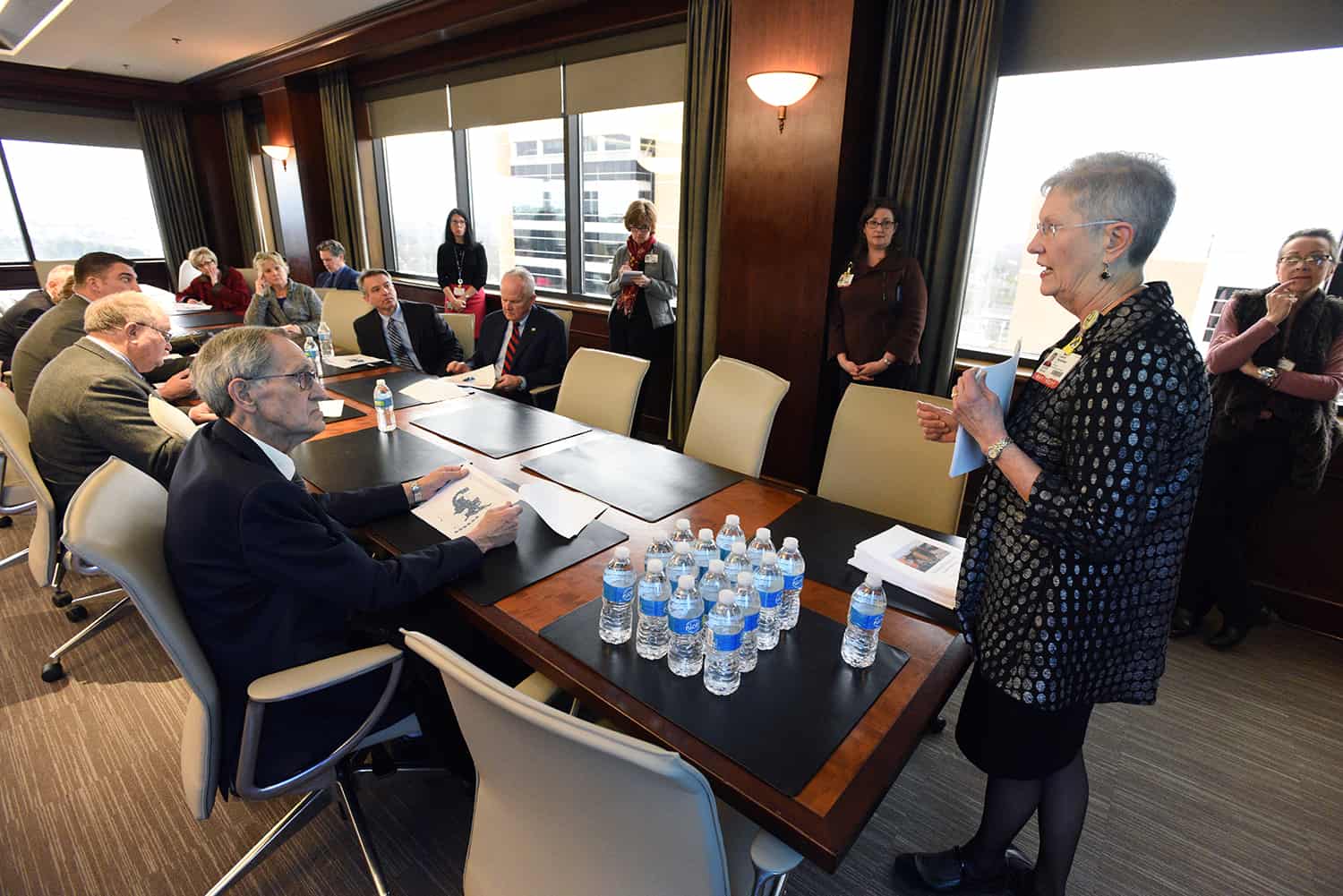
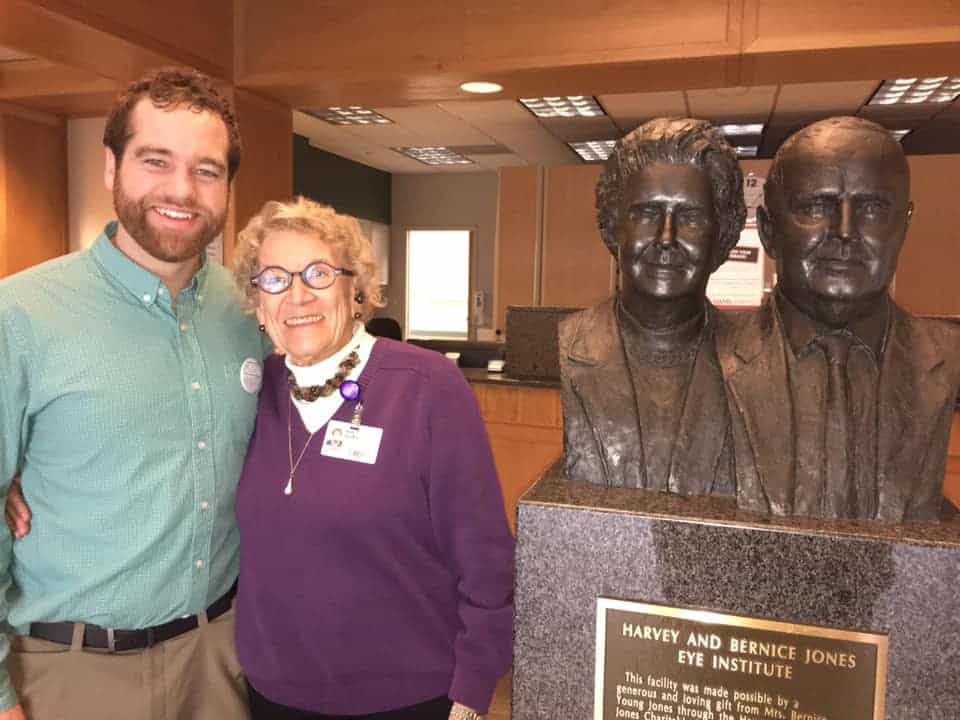
In the Harvey and Bernice Jones Eye Institute, committee members were greeted by Christopher Westfall, M.D., professor of ophthalmology and dean of the UAMS College of Medicine, who explained the complex process of becoming an eye surgeon and welcomed them into the simulation center where future surgeons practice techniques on silicon or donor eyes for a minimum of 120 hours before operating on real patients.

On the tour’s final stop, Mary Cantrell, executive director of the Centers for Simulation Education, demonstrated how UAMS students, practicing physicians, nurses, first responders and other staff members improve their ability to practice safe, high-quality health care through the use of simulation activities.

Using the center’s high-tech, lifelike manikins, students and health care professionals can practice procedures such as endoscopy, ultrasound, childbirth and central line placement prior to serving actual patients.

Rep. Lee Johnson of Greenwood, an alum of the UAMS College of Medicine, expressed his thanks for the chance to revisit his alma mater and witness the advances that have taken place since he graduated in 1996.

“As Arkansas’ only academic medical center, UAMS is the pinnacle that drives health care for the rest of the state. Just because I am a doctor, it doesn’t mean I know everything there is to know about public health, so I was glad to return to UAMS and see the fantastic advances that have taken place in health care and education,” Johnson said.

Filed Under: News

UAMS Volunteers Provide Free Eye Exams, Glasses to Local Students

By Spencer Watson

The 2nd Annual Martin Luther King Jr. Pediatric Vision Outreach at UAMS was a day providing vision care to commemorate a visionary.

Doctor examining a child’s eyes
Fily was one of nearly 70 students seen by a handful of volunteer doctors and assistants during the event.

Nine organizations, four UAMS departments, and two local schools united to provide the opportunity for free eye exams and glasses to students in Little Rock and the surrounding areas.

“The goal is to reach the two out of three Arkansan children who fail their school vision screenings without receiving follow-up eye care,” said second-year medical student John Musser, founder of a nonprofit called Rural Ophthalmology Optometry Treatment & Screening (ROOTS).

At the UAMS Harvey & Bernice Jones Eye Institute, 66 students were given a free comprehensive eye exam by a volunteer eye doctor and then were provided prescription eyeglasses. Frames for the glasses were donated by Sue Griffin, Ph.D., vice chair of Basic Research in the UAMS Donald W. Reynolds Department of Geriatrics. Tim Norton, O.D., from Contact Lenses X-Press provided the eyeglass lenses for the second consecutive year at no cost.

At last year’s event at the Shepherd’s Hope Neighborhood Health Center, a dozen area students were seen by Katie Brown, O.D., Sami Uwaydat, M.D., and a team of medical students and ophthalmic technicians, in the inaugural event for ROOTS.

Brown and Musser coordinated more than 50 volunteers with the goal of improving the vision health of local children. Brown said she and Musser reached out through the Arkansas Department of Education State Nursing Consultant Cheria Lindsey and the Little Rock School District Coordinator of Health Services Margo Bushmiaer to reach all school nurses within 50 miles of Little Rock to share this opportunity with the students who had failed their vision screenings.

Melissa Stueben, with the UAMS College of Health Professions, volunteers at a craft station set up for kids as they await eye exams.

To make the eye exams more accessible, they worked with Billy Thomas, M.D., M.P.H., and the UAMS Center for Diversity Affairs to arrange shuttles so parents could drop their children off at one of two Little Rock schools. Volunteers at Stephens Elementary School and Chicot Elementary School provided a safe presence at the community shuttle sites. The shuttles transported the kids to the UAMS campus for their eye exams and returned them afterward.

“Transportation is sometimes one of the biggest barriers to getting kids the follow-up they need, so we wanted to take care of that for them,” said Brown.

Pastor Mike Blanchard and Brenda Covington, M.D., of Shepherd’s Hope Neighborhood Health Center managed the outreach’s documentation and compliance coordinated by Angela Johnson with the Jones Eye Institute.

Portable photo-based autorefractor devices, which are ideal for pediatric use, were provided by the Arkansas Children’s Hospital Circle of Friends, the Episcopal Collegiate School, and the Lion’s Club of North Little Rock.

The UAMS Office of Interprofessional Education approved the free clinic as a “service learning event,” empowering UAMS students to get involved in their local community.

More than nine doctors from UAMS, Arkansas Children’s, and the surrounding community participated, including three from the Arkansas Optometric Association’s charitable foundation, Vision Arkansas.

“It was a team effort, absolutely,” said Musser.

Brown, too, said she was pleased with the group effort.

John Musser with Sue Griffin
Co-organizer John Musser with Sue Griffin, who donated all the frames for made-to-order prescription glasses.

“It was amazing the response we had from UAMS and our community of volunteers. We couldn’t have done it without every single group that participated. It shows that we are not only committed to improving awareness of the importance of vision and its strong connection to learning, but we are willing to do whatever it takes to get the children of Arkansas quality eye care,” said Brown.

“Our goal was to reach as many students as possible in a single day who would have otherwise gone untreated. We wanted to make a dent in the 15,000 kids that failed school screenings last year without getting a follow-up eye exam. We were able to see almost 70 kids who can now perform better in school and pay attention in class without feeling lost in a fog due to poor eyesight. Our efforts could make a profound difference in the lives of these children into adulthood,” said Brown. “I think that makes for a pretty phenomenal day.”

Filed Under: News

Arkansas Autism Program Receives $2.17 Million in Federal Funding

By Ben Boulden

The Arkansas Autism and Developmental Disabilities Monitoring (AR ADDM) Program of the University of Arkansas for Medical Sciences (UAMS) recently was awarded a four-year grant of $2.17 million by the federal Centers for Disease Control and Prevention.

The Arkansas monitoring program tracks the number and characteristics of 8-year-olds with autism spectrum disorder and/or intellectual disability. The new funding will enable the monitoring program to continue that work while also tracking 4- and 16-year-olds.

“In this grant competition, we were one of only two new sites nationwide chosen to track 16-year-olds, an expansion to three from only one site before,” said Maya Lopez, M.D., the program’s principal investigator and an associate professor in the UAMS College of Medicine’s Department of Pediatrics. “We deeply appreciate this funding renewal because it means we can continue gathering data to promote developmental screening in health and educational services and to connect these children with appropriate services.”

Although previous grant cycles funded statewide monitoring, this new period focuses on central Arkansas. The program includes investigators with UAMS and operates in collaboration with the Arkansas Department of Health and the Arkansas Department of Education.

Since 2000, the ADDM network has conducted autism spectrum disorder surveillance among 8-year-old children. This year ADDM has initiated the monitoring of 16 year-olds to help inform public health strategies for adolescents with autism. There are now 11 monitoring sites in different regions nationwide.

Tracking 16-year-old adolescents with autism can also provide valuable information on transition planning in special education services and after the high school years. Sites will analyze the data to better understand increases over time in the number of children identified with autism and carry out education and outreach activities in their local communities.

In this new funding cycle, UAMS received $1.57 million for four years of monitoring 4- and 8-year-olds, and $600,000 in a supplemental grant for the same period for monitoring 16-year-olds.

Filed Under: News

  • «Previous Page
  • Page 1
  • Interim pages omitted …
  • Page 12
  • Page 13
  • Page 14
  • Page 15
  • Page 16
  • Interim pages omitted …
  • Page 39
  • Next Page»
UAMS College of Medicine LogoUAMS College of MedicineUniversity of Arkansas for Medical Sciences
Mailing Address: 4301 West Markham Street, Little Rock, AR 72205
Phone: (501) 296-1100
  • Facebook
  • X
  • Instagram
  • YouTube
  • LinkedIn
  • Pinterest
  • Disclaimer
  • Terms of Use
  • Privacy Statement
  • Legal Notices

© 2026 University of Arkansas for Medical Sciences