• Skip to primary navigation
  • Skip to main content
  • Skip to primary navigation
  • Skip to main content
Choose which site to search.
University of Arkansas for Medical Sciences Logo University of Arkansas for Medical Sciences
College of Medicine
  • UAMS Health
  • Jobs
  • Giving
  • About Us
    • Fast Facts
    • Leadership
    • Features
    • COMmunication Newsletter
    • Maps and Directions
    • College of Medicine History
    • Professionalism Guidelines
  • Departments
  • Admissions
    • Apply
    • Financial Aid and Scholarships
    • Life in Little Rock or Fayetteville
    • Dual Degree Programs
      • M.D./MBA Program
      • M.D./Ph.D. Program
      • M.D./MPH Program
    • Three-Year M.D. Program
    • Rural Practice Programs
      • Community Match Rural Physician Recruitment Program
      • Rural Practice Scholarship Program
    • Contact Admissions
  • Students
    • Academic Calendar
    • Academic Houses
    • Career Advising
    • Financial Aid and Scholarships
    • Visiting Students
    • Mentor Spotlight Podcast
    • Preparing for Residency
    • Non-Discrimination Statement
    • Outstanding Teacher Nominations
    • Parents Club
    • Student Links
    • Honors in Research
    • UAMS Campus Security
    • Undergraduate Medical Education Competencies
  • Graduate Medical Education
  • Alumni
  • Faculty Affairs
  • Research
  1. University of Arkansas for Medical Sciences
  2. College of Medicine
  3. Author: Chris Lesher
  4. Page 16

Chris Lesher

Ultrafest Teaches UAMS Medical Students a Variety of Ultrasound Applications

By Spencer Watson

Nov. 28, 2018 | To most people, ultrasound is associated with taking pictures of babies in the womb. But it has become part of a technology revolution that is helping physicians provide better care for all types of patients.

Students learn as ultrasound is used to examine a volunteer's heel.
Students learn as ultrasound is used to examine a volunteer’s heel.

More than 100 students from the UAMS College of Medicine as well as other medical schools in Arkansas recently gathered on the 10th floor of the Winthrop P. Rockefeller Cancer Institute for a Saturday of learning about the clinical applications of ultrasound technology.

The event, called Ultrafest, was intended to give students exposure to and hands-on experience with a variety of point-of-care ultrasound applications, from obstetrics to applications in cardiovascular and ophthalmic exams to ultrasound-guided procedures. Ultrafest was first started at the University of California Irvine in 2012. The idea for the event has since spread to several medical schools across the country. This was the first event of its kind in the Arkansas region.

“Bedside ultrasound, or what we call point-of-care ultrasound, has completely changed the way physicians care for patients,” said Brian Russ, D.O., a UAMS emergency medicine resident who helped organize the event. “As ultrasound technology gets more portable with machines becoming smaller, cheaper and better, it’s become a go-to method to make diagnoses more rapid and more accurately guide procedures at the bedside so that physicians can make better decisions and perform safer procedures in caring for patients.”
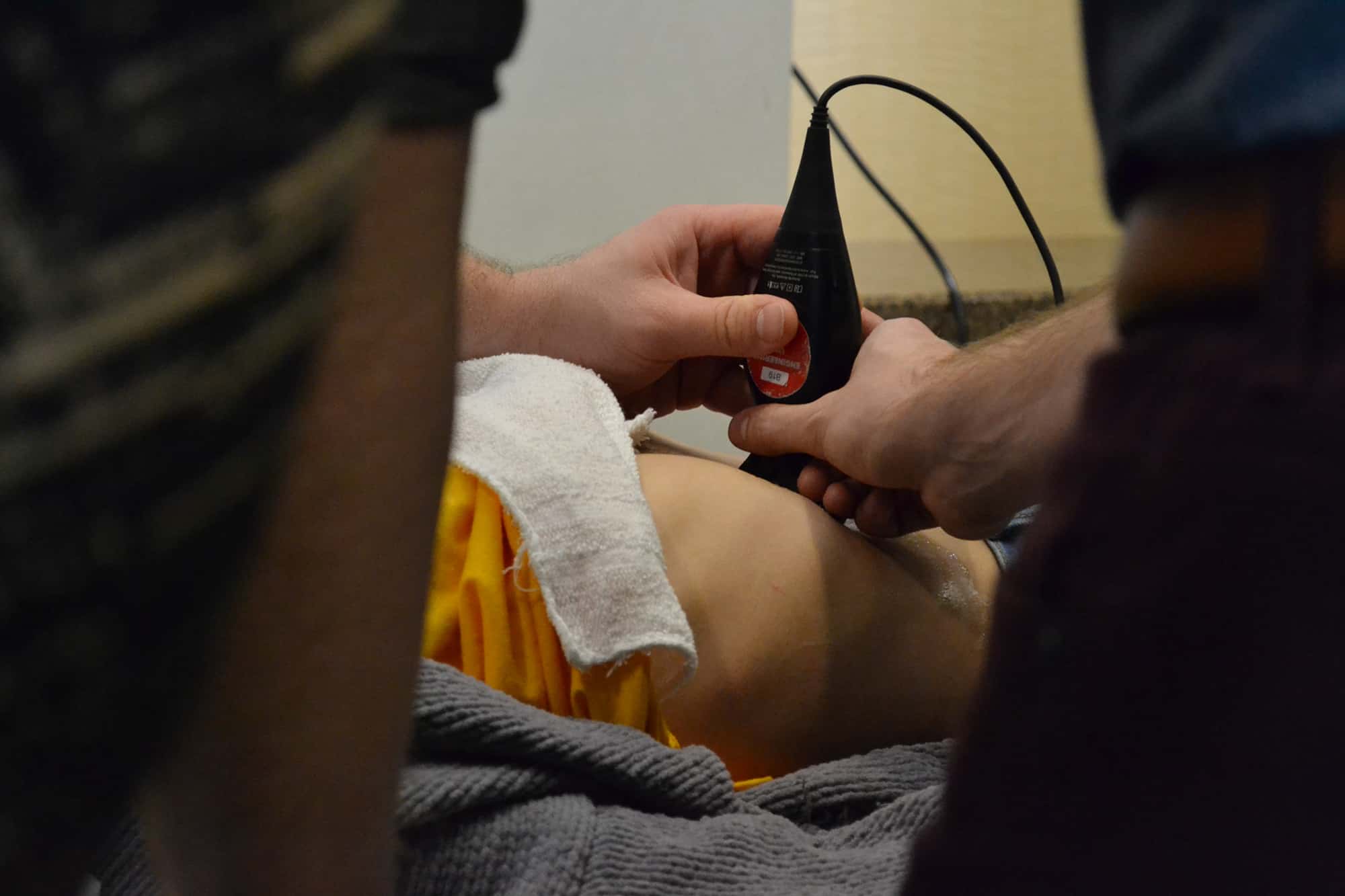
With changes in technology, the ultrasound may soon replace the stethoscope as the staple tool of the physician.

“It’s kind of a theory that bedside or even ‘pocket’ ultrasound is going to replace the stethoscope as the staple tool of the physician,” agreed John Martindale, a third-year medical student who helped organize the event.

Following a keynote address from Creagh Boulger, M.D., emergency medicine faculty and associate director of ultrasound at Ohio State University, the morning was spent with medical students learning from instructors, who demonstrated ultrasound techniques and applications on volunteer “patients,” models who were recruited from nearby universities. During lunch, students had the opportunity to form teams and compete in a fun and friendly ultrasound competition, further testing their skills and reinforcing concepts.

“We had 20 college student volunteers, most of them pre-med, who were themselves hoping to get some experience and learn some interesting things about ultrasound,” said Russ. “It was really neat for them. I was teaching the pulmonary station, and the student who was my model at the station was pointing out structures and lung artifacts, helping to teach by the end of the day.”
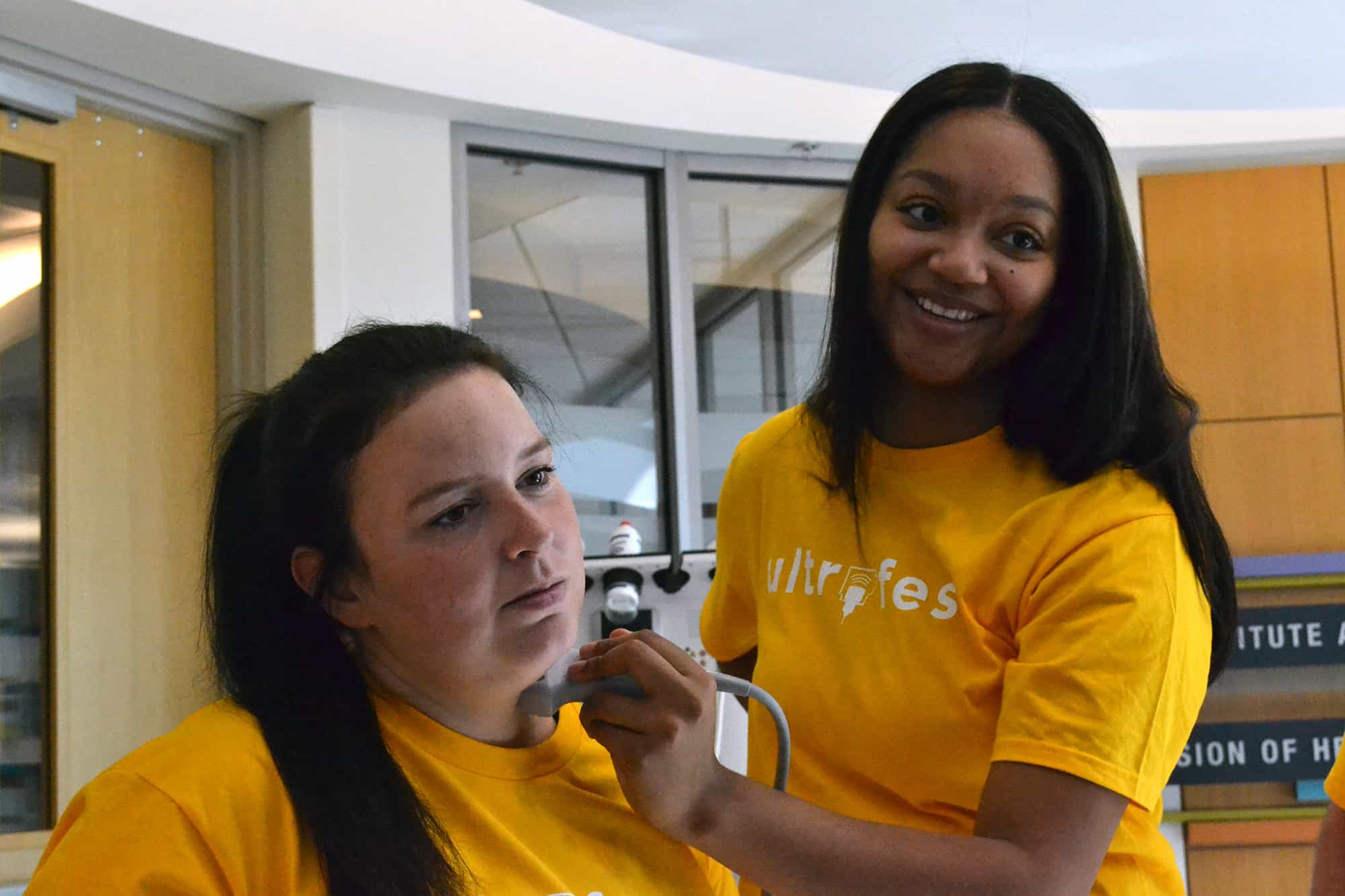
Medical students got hands-on experience with ultrasound equipment during Ultrafest.

Of course, the volunteer patients weren’t the only ones there to learn. Medical students who attended also befitted tremendously, said Martindale, who is part of the UAMS Ultrasound Student Interest Group leadership team. Organizing the event was a significant undertaking by the  student group and faculty mentors involving needs such as room and audiovisual reservations, recruiting faculty instructors and volunteer patients, advertising to students, catering and inviting industry vendors of ultrasound equipment to have enough machines for the event. Students had the opportunity to use some of the “latest and greatest” machines marketed towards point-of-care ultrasound users.

“This is technology we’ve had for decades, but the computing capacity is what’s changed. And just like any other field with computers, what we can do with that technology now is continuing to change very quickly. It’s important to stay on top of it,” Martindale said. “As a medical student, getting exposure early on, just like with anything else, makes you more proficient down the line, so when you get into residency and you’re seeing a hundred patients a day, that’s one less thing you have to learn.”

Perhaps surprisingly, many medical students don’t get consistent exposure to ultrasound during their medical education, even with its growing importance in patient care, Russ said.

Medical students watch as faculty instructors demonstrate ultrasound techniques during Ultrafest.

“Right now, only about 25 percent of the medical schools in the United States have an integrated ultrasound curriculum, and those that do vary in degree in which the ultrasound is integrated,” he said. “We’re lucky here at UAMS. The students do get a fully integrated ultrasound curriculum during their first and second years. But what we’re doing through Ultrafest is building on their ultrasound foundation and teaching them the clinical applications and how they can make a difference for patients, with the focus on hands-on scanning time.”

Both Martindale and Russ said, with this year’s success, they plan to make Ultrafest into an annual event.

“Bedside ultrasound is quickly becoming a depended-upon resource in the medical field. Everyone is familiar with traditional uses of ultrasound in medicine — looking at babies in the womb, but the way we use it at the bedside is what has made it such as powerful tool,” Martindale said.

“We’re empowering these medical students to be the leaders in this point-of-care ultrasound revolution and to continue the change in medicine that started about 20 years ago and has continued to accelerate because of the improving technology available,” Russ said. “It’s been described as a disruptive technology in medicine because it really is changing how we provide patient care.”
Filed Under: News

UAMS Showcase of Medical Discoveries Highlights Collaboration, Variety of Approaches in Fight Against Opioid Epidemic

By Spencer Watson

Nov. 27, 2018 | A variety of solutions with which to attack the ongoing national opioid epidemic took center stage at the 22nd Showcase of Medical Discoveries, held Nov. 14 in the UAMS Winthrop P. Rockefeller Cancer Institute.

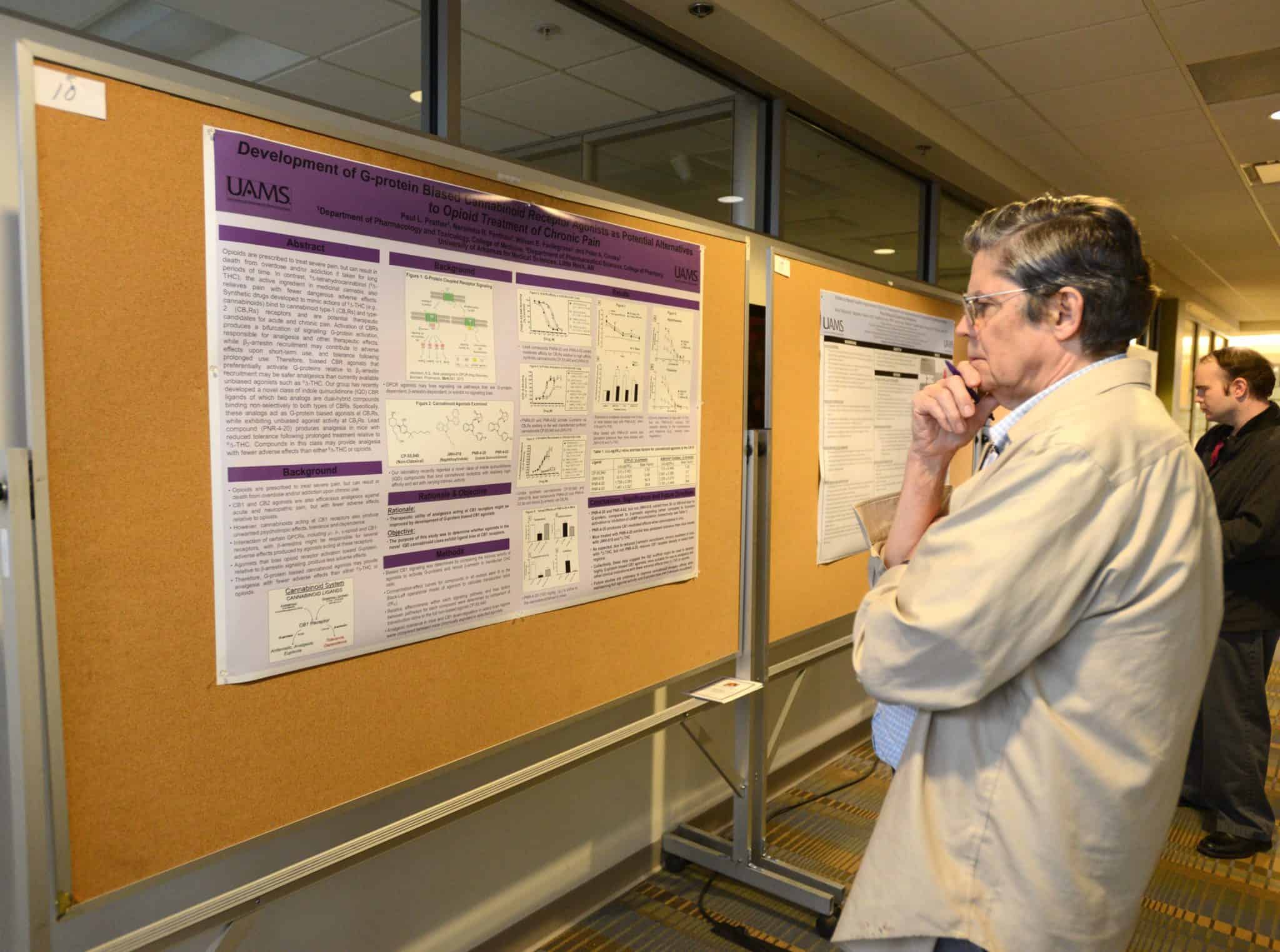
The series is intended to foster scientific collaboration by sharing research through social receptions with poster presentations. It is sponsored by the College of Medicine and Division of Research.

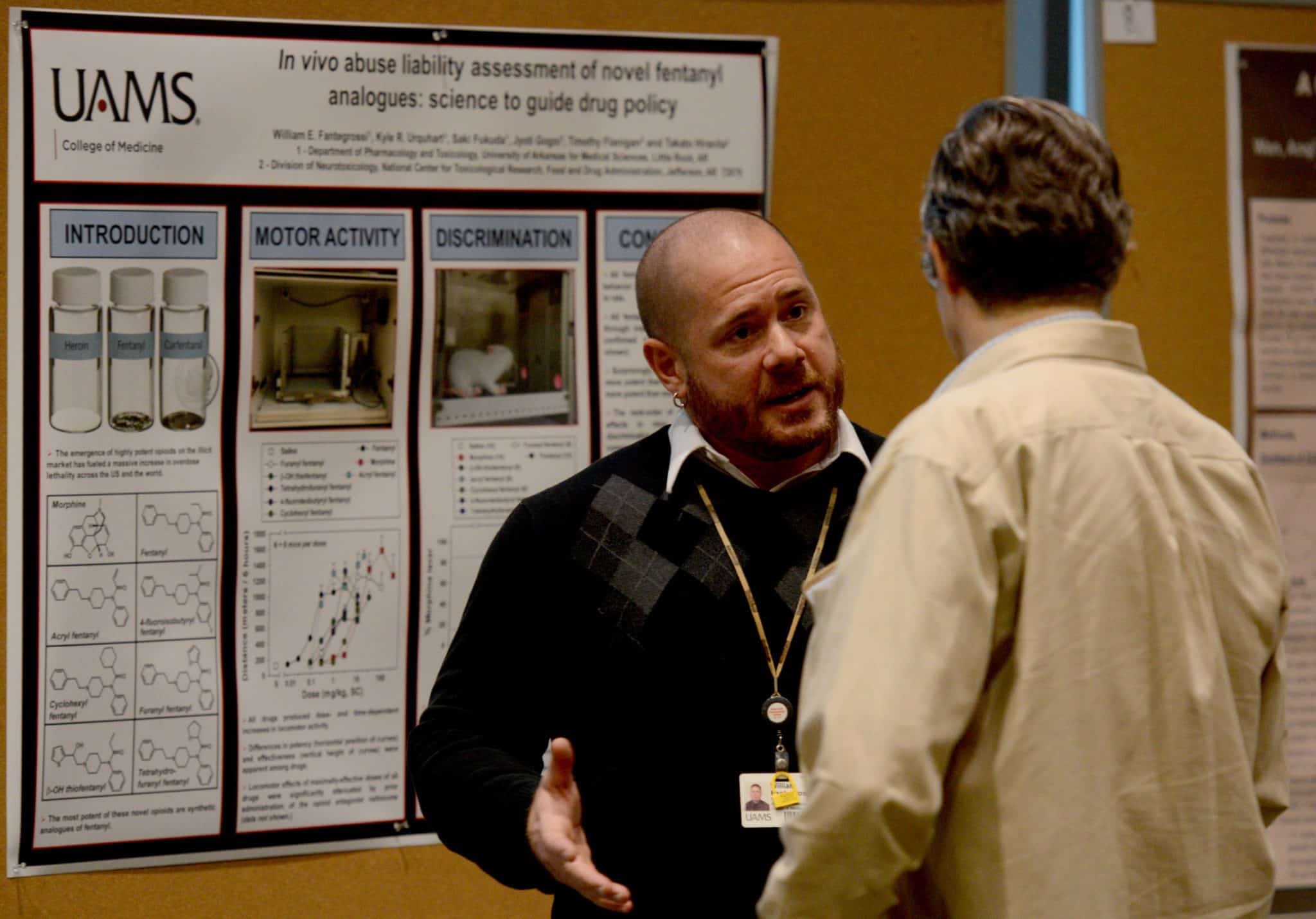
Researcher William E. Fantegrossi discusses research into abuse liability of fentanyl analogues.

“One thing I learned in my time of being an investigator is you need a variety of approaches to solve a problem,” said Lawrence Cornett, Ph.D., UAMS associate vice chancellor for research. “That’s why team science is so valuable and why collaborations are so valuable. You want to have diverse viewpoints thinking about the problem and how to solve it. If you only take a single path to the solution, a lot of times you’re going to fail.”

The research on display included exploring viable medications to use as an alternative to opioids, to treatment of addiction as well as withdrawal, to studying emerging illicit opioids to understand their effects on abusers. That work included not only presentations from UAMS researchers, but researchers from the Central Arkansas Veterans Healthcare System, which adjoins the UAMS campus.

“I think you need to take every possible approach to this problem,” said Rick Owen, M.D., associate chief of staff for research with Veterans Affairs (VA) and a professor of psychiatry in the UAMS College of Medicine. “My background is in implementation science and health services research, so the fact that there are a few posters on actually implementing change and how to approach that is very impressive.”

The event is intended to foster scientific collaboration by sharing research.

Among those was the work of student researcher Mary Thannisch, who presented work done in collaboration with Benjamin Teeter, Ph.D., of the UAMS College of Pharmacy, on finding ways to increase prescription of overdose prevention medication naloxone among pharmacists.

“Last year, Arkansas passed a law allowing pharmacists to prescribe naloxone to the public instead of going to a physician. But since that’s happened, the prescription rate has not been very high. There’s a certain stigma attached to naloxone, because most people think it’s only for addicts,” Thannisch said. “However, in addition to addicts, our research also targets the accidental overdoses that might happen, such as in older patients on multiple medications” or in households with very young children.

Thannisch said the work included studying ways for pharmacists, who in many cases – particularly in independently owned pharmacies – know their patients personally, to start a conversation about prescribing naloxone with opioids as a preventative measure. However, their surveys showed many pharmacists don’t quite feel they have the right training to begin those conversations.

“So what we came up with were conversation guides, a laminated sheet of paper they can keep in the pharmacy for each target patient they would be looking at.”

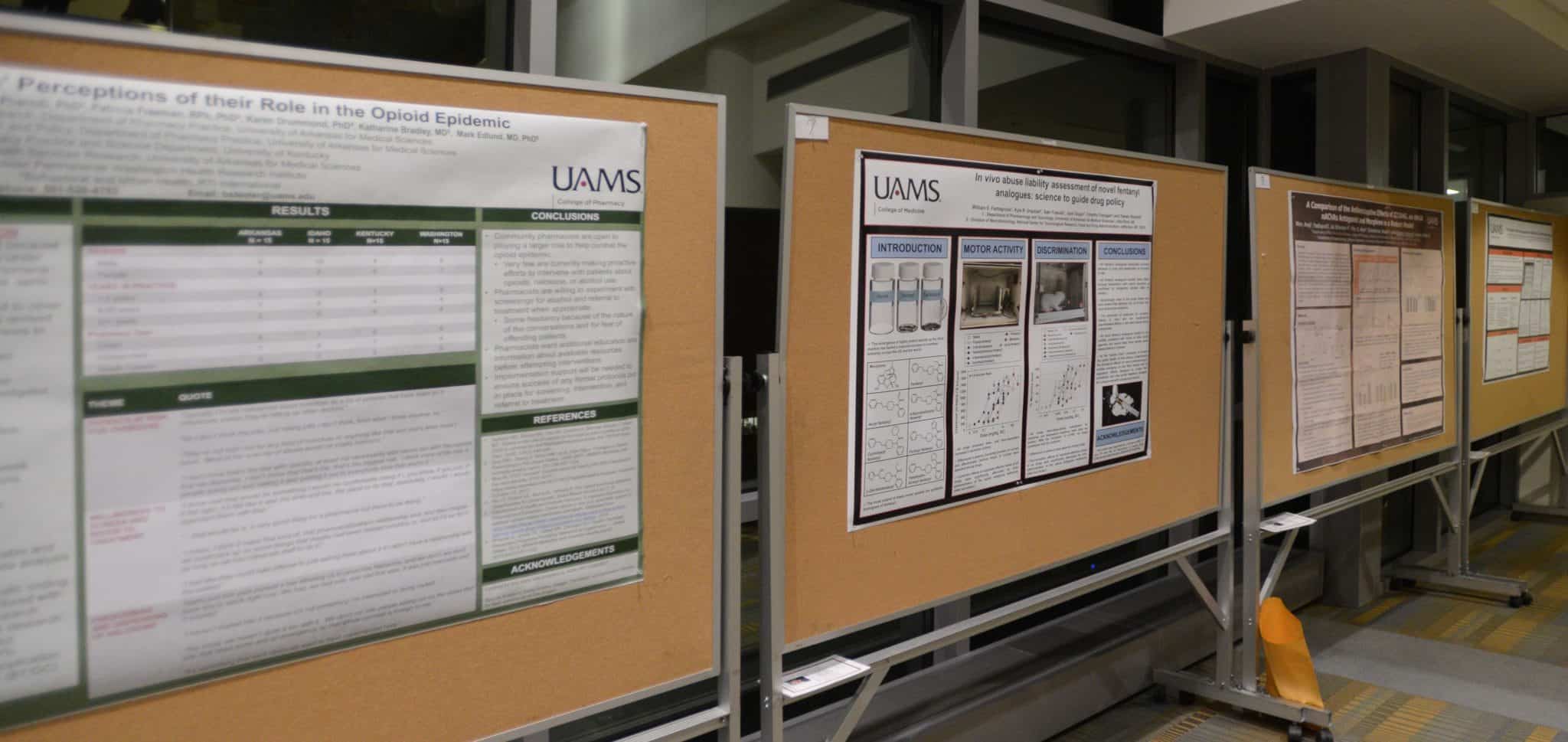
Posters at the event show research into a variety of approaches to tackle the epidemic, from curbing withdrawal to alternative medications.

Ravi Nahata, M.D., a UAMS assistant professor and staff psychiatrist with the VA, presented work that gauged the acceptability and interest of opioid-addicted patients to using naltrexone, a medication often used to treat heroin addicts. Nahata said he and fellow researchers hypothesized opioid users would be hesitant to explore the medication for fear of stigma, but found exactly the opposite reaction in surveys.

“Our hypothesis was that people exposed to methadone or Suboxone would be less interested in naltrexone, but our finding was actually the opposite. People with exposure were likely to consider it,” he said.

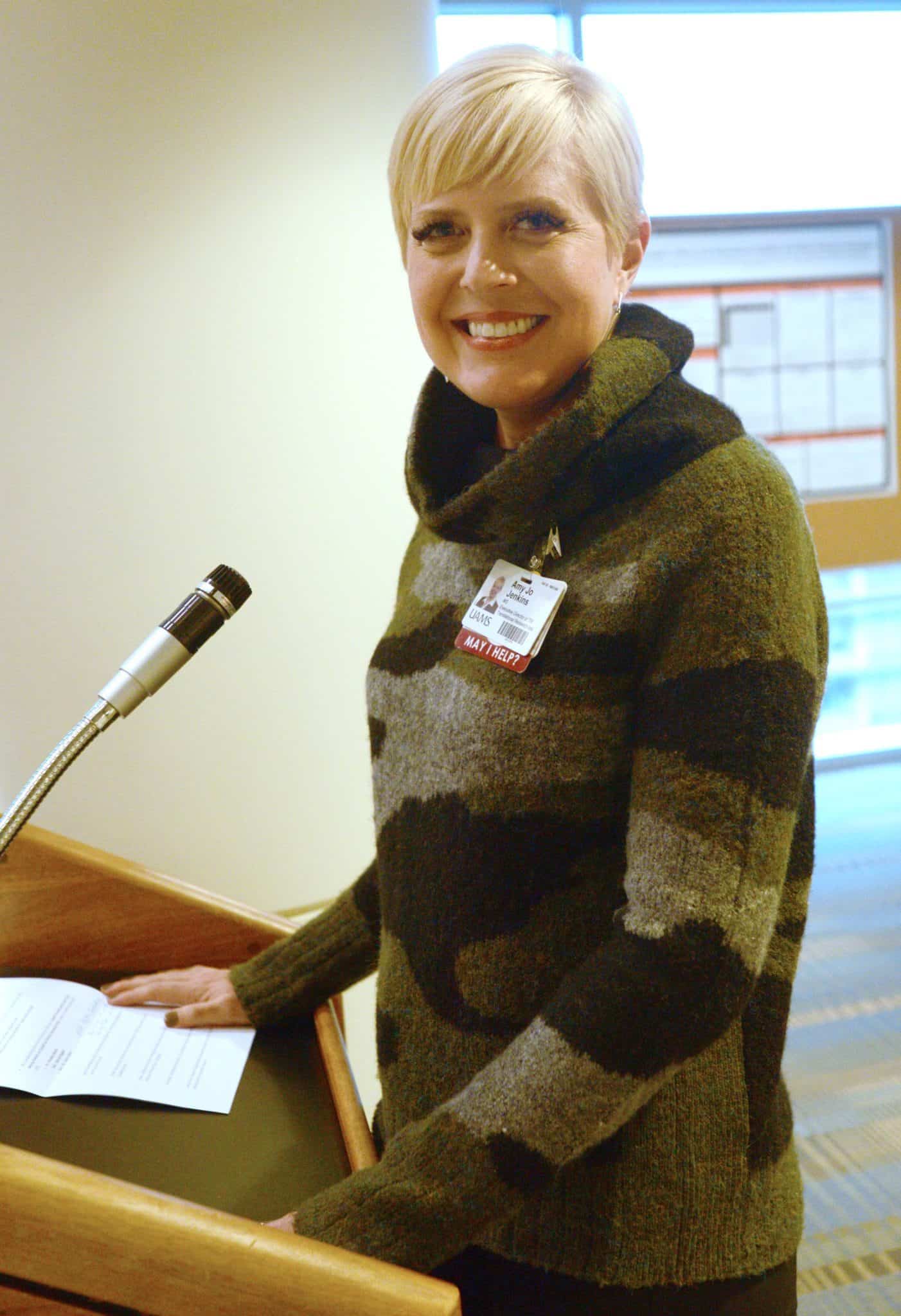
Amy Jo Jenkins, executive director UAMS Translational Research Institute

The survey also collected data from those who were not interested in naltrexone. Their reasons included fear of needles, potential side effects, prohibitive cost and simply not being ready to end opioid use.

While there is still much work to do in combating the multifaceted problem of opioid use throughout the United States, events such as the showcase not only help further research by fostering collaboration, they demonstrate the vital role academic research centers like UAMS play in finding solutions.

“I think the public recognizes that academic research centers are where research is done to improve human health, so I think they expect us to take the lead. If not us, then who else is going to do it?” said Cornett.

“This is the kind of problem that really hits home when you know people who have been affected by it,” said Owen. “You know people who have become addicted or have been in treatment or you know of families that have had a family member overdose. People can identify with that.”

Poster presentations at the showcase included:

Management of Infants Exposed in utero to Opioids

Researchers: Jeanette Lee and Jessica Snowden

The Effects of P-glycoprotein Inhibition on Norbuprenorphine-induced Neonatal Abstinence Syndrome (NAS)

Researchers: Paloma Salazar, Williams T. Higgins, Lisa Brents

Morphine 6-O-Sulfate is a Novel Mixed µ/δ Opioid Therapeutic for Diabetic Neuropathy: Pharmacology, Pharmacokinetics, and Blood Brain Barrier Permeability

Researchers: Jai Shankar K. Yadlapalli, Zaineb Albayati, Benjamin M. Ford, Amit Ketkar, Anqi Wan, Narasimha Penthala, Robert Eoff, Paul L. Prather, Howard Hendrickson, Maxim Dobretsov and Peter A. Crooks

Improving Opioid Use Disorder Treatment Outcomes with the L-type Calcium Channel Blocker Isradipine

Researchers: A.H. Oliveto, J. McGaugh, J.B. Guise, J. Thostenson and M.J. Mancino

A Survey of Treatment Preferences for Opioid Use Disorder

Researchers: R. Nahata, M.J. Mancino, J. Thostenson, A. Oliveto

Community Pharmacists’ Perceptions of Their Role in the Opioid Epidemic

Researchers: Benjamin Teeter, Geoffrey Curran, Bradley Martin, Patricia Freeman, Karen Drummond, Katharine Bradley, Mark Edlund

In vivo Abuse Liability Assessment of Novel Fentanyl Analogues: Science to Guide Drug Policy

Researchers: William E. Fantegrossi, Kyle R. Urquhart, Saki Fukuda, Jyoti Gogoi, Timothy Flanigan and Takato Hiranita

A Comparison of the Antinociceptive Effects of ZZ204G, an α9α10 nAChRs Antagonist and Morphine in a Rodent Model

Researchers: Anqu Wani, Jai Shankar K. Yadlapalli, E. Kim Fifer, Maxim Dobretsov, Zaineb Albayati and Peter A, Crooks

In vivo Dependence Liability Assessment of Novel Fentanyl Analogues: Science to Guide Drug Policy

Researchers: Kyle R. Urquhart, Saki Fukuda, Jyoti Gogoi, Timothy Flanigan, Takato Hiranita and William E. Fantegrossi

Development of G-protein Biased Cannabinoid Receptor Agonists as Potential Alternatives to Opioid Treatment of Chronic Pain

Researchers: Paul L. Prather, Narsimha R. Renthala, William E. Fantegrossi and Peter A. Crooks

Evidence Based Quality Improvement (EBQI) for Development and Implementation of Community Pharmacist-Initiated Prescribing and Dispensing of Naloxone

Researchers: Mary Thannisch, Benjamin Teeter, Geoffrey Curran, Duane Jones, Bradley Martin, Nickolas Zaller

Filed Under: News

UAMS Researchers Receive $1.8 Million to Study Common Mechanisms Shared by Alzheimer’s, Other Diseases

By Ben Boulden

A team of University of Arkansas for Medical Sciences (UAMS) research scientists recently was awarded a $1.8 million, five-year grant by the National Institute on Aging to investigate common pathways that contribute to the aging of various tissues.

Robert Shmookler Reis, D. Phil, professor in the UAMS College of Medicine’s Donald W. Reynolds Department of Geriatrics, and Srinivas Ayyadevara, associate professor in same department, are the co-principal investigators leading the study. Co-investigators are Steve Barger, Ph.D., professor in the Departments of Geriatrics and Neurobiology & Developmental Sciences, and Alan Tackett, professor in the Department of Biochemistry & Molecular Biology.

The goal of the research is to identify what different neurodegenerative diseases like Alzheimer’s disease have in common with other age-progressive diseases and conditions such as heart disease, muscle wasting, kidney disease, and type 2 diabetes.

Protein aggregation — clustering or clumping of protein molecules — has long been recognized as a hallmark of neurodegenerative diseases like Alzheimer’s and Parkinson’s.

“We were the first ones to show that protein aggregation happens not just in the brain, but also in the heart, skeletal muscle and kidney with age and age-associated diseases,” Ayyadevara said.  Reis added, “The misfolding of proteins, which contributes to protein aggregation, is promoted by stress and inflammation, accumulating with age.”

Reis said the team has looked at protein aggregation for nearly a decade, funded by grants from the U.S. Department of Veteran Affairs.  For the last two years, it has also been supported as part of a multi-investigator National Institutes of Health (NIH) grant led by Sue Griffin, Ph.D., professor and vice chair of research at the UAMS Donald W. Reynolds Institute on Aging.  Peter Crooks, Ph.D., D.Sc., chair and professor of the Department of Pharmaceutical Sciences in the UAMS College of Pharmacy, developed novel derivatives of anti-inflammatory drugs.

As part of the NIH grant, Crooks, Reis, Ayyadevara, and graduate student Samuel Kakraba tested these drugs for their ability to inhibit protein aggregation and to extend life. One drug, PNR502, was the main subject of a recently awarded patent covering several bioactive compounds.

“It not only inhibits further protein aggregation but even appears to reverse it,” Ayyadevara said. “Working with Dr. Barger, we will examine whether it can preserve youthful functions in the hearts and brains of normal mice, and in a mouse model of Alzheimer’s.”

“We have shown that protein aggregation accompanies aging of all tissues, and probably contributes causally to most or all age-associated diseases,” said Reis. “This fundamental molecular process may underlie most of the deterioration that defines aging. It’s a Pandora’s box that holds all the things that go wrong as we get older, so it offers an unprecedented opportunity to finally understand how and why so many disparate factors contribute to aging.”

Filed Under: News

Recent Faculty Appointments — November 2018

Department of Internal Medicine

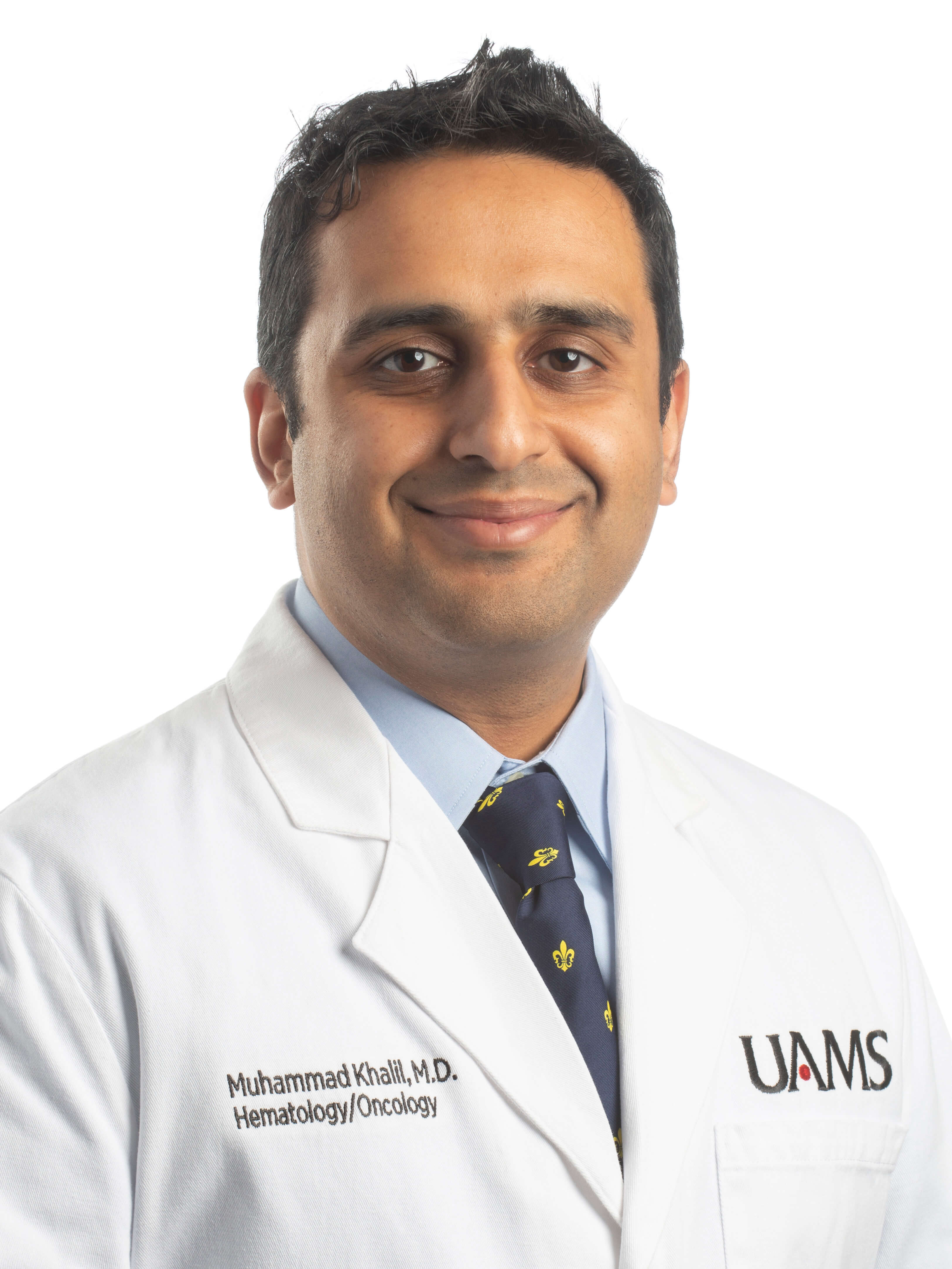
Muhammad Asim Khalil, M.D.

Muhammad Khalil

Muhammad Asim Khalil, M.D., has joined the Department of Internal Medicine as an Assistant Professor in the Division of Medical Oncology. Dr. Khalil received his medical degree from Khyber Medical College in Peshawar, Pakistan. He completed his internal medicine residency at Beaumont Hospital in Dearborn, Michigan. Before joining the oncology team at UAMS, Dr. Khalil practiced hospital medicine in Baton Rouge, Louisiana.

Department of Pediatrics

Omar Salem, M.D.

Omar Salem

Omar Salem, M.D., has joined the Department of Pediatrics as an Assistant Professor in the Division of Emergency Medicine. He received his medical degree from UAMS and completed his pediatric residency at UAMS and Arkansas Children’s Hospital.

Becca Perin, M.D.

Becca Perin

Becca Perin, M.D., has joined the Department of Pediatrics as an Assistant Professor in the Division of General Pediatrics. She received her medical degree from McGovern Medical School at the University of Texas Health Science Center at Houston and completed her pediatric residency at UAMS and Arkansas Children’s Hospital.

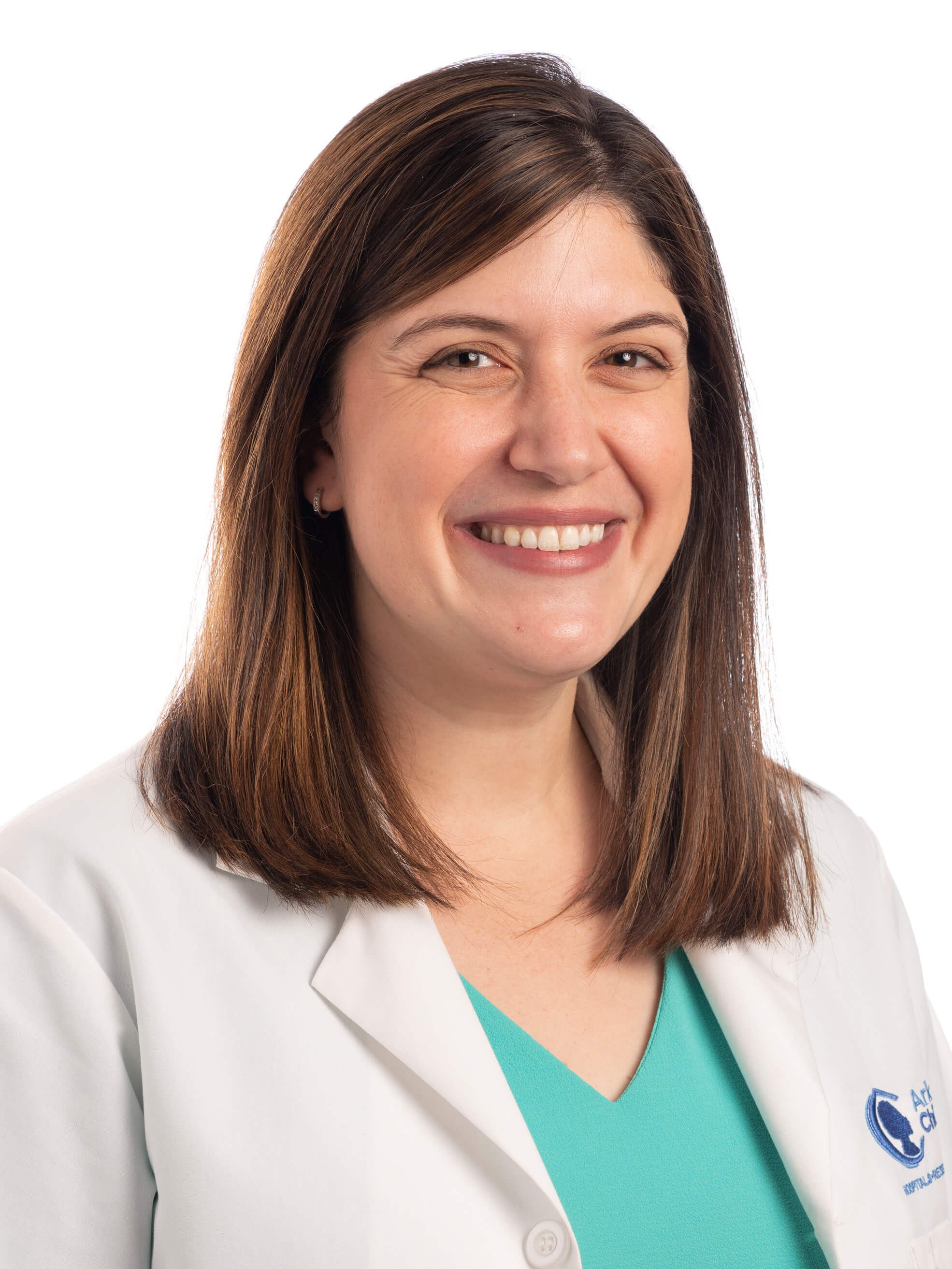
Hannah Renno, M.D., M.P.H.

Hannah Renno

Hannah Renno, M.D., M.P.H., has joined the Department of Pediatrics as an Assistant Professor in the Division of General Pediatrics. She received her medical degree from the University of Arizona College of Medicine and her Master of Public Health from the University of Arizona College of Public Health. Dr. Renno completed her pediatric residency at the University of Florida Shands Children’s Hospital.

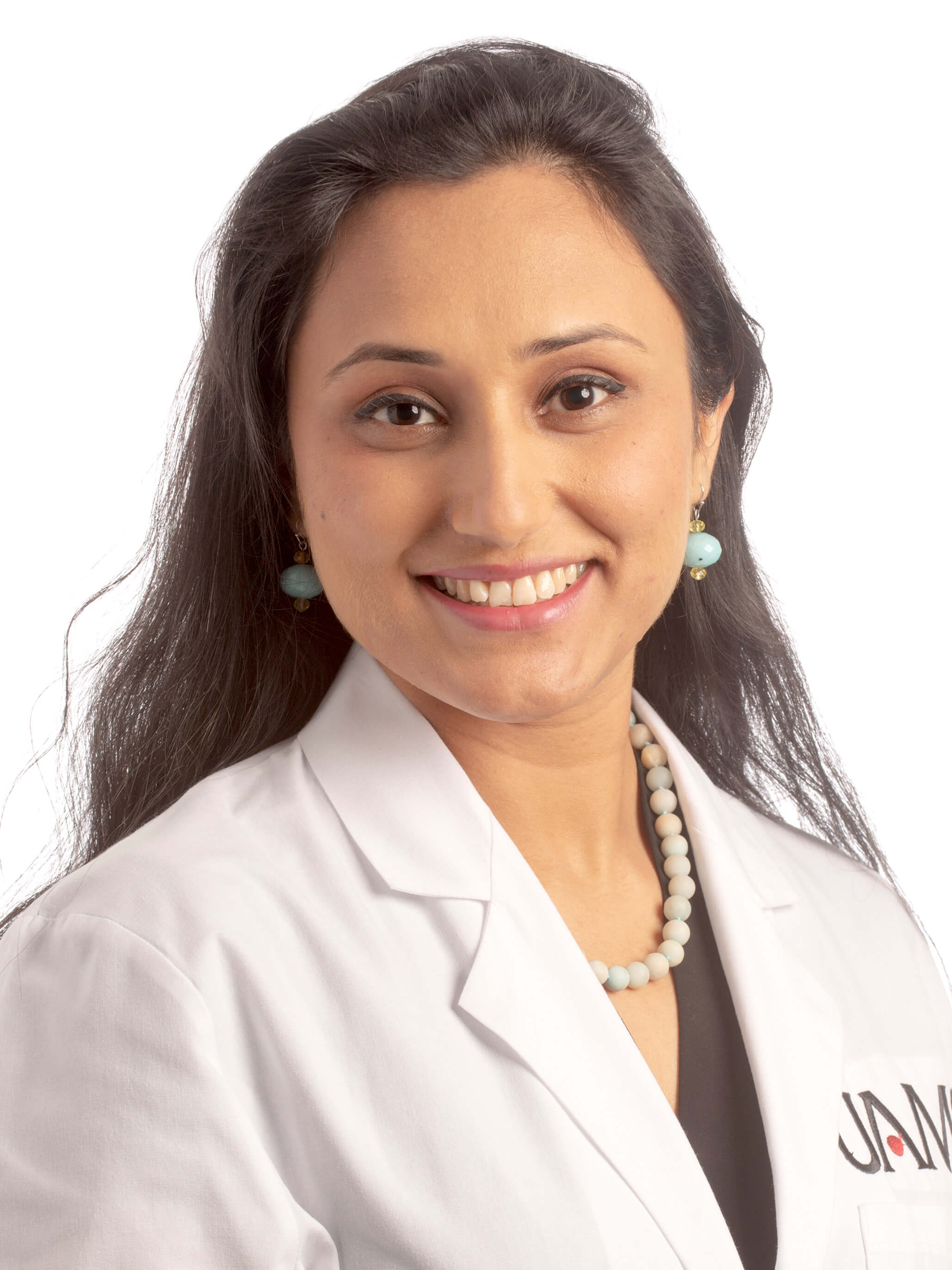
Megha Sharma, M.D.

Megha Sharma

Megha Sharma, M.D., has joined the Department of Pediatrics as an Assistant Professor in the Division of Neonatology. She received her medical degree from SMS Medical College in Jaipur, India. Dr. Sharma completed her pediatric residency at Saint Peter’s University Hospital in New Brunswick, New Jersey and continued her training with a fellowship in neonatology at the Medical College of Wisconsin. She is a Fellow of the American Academy of Pediatrics.

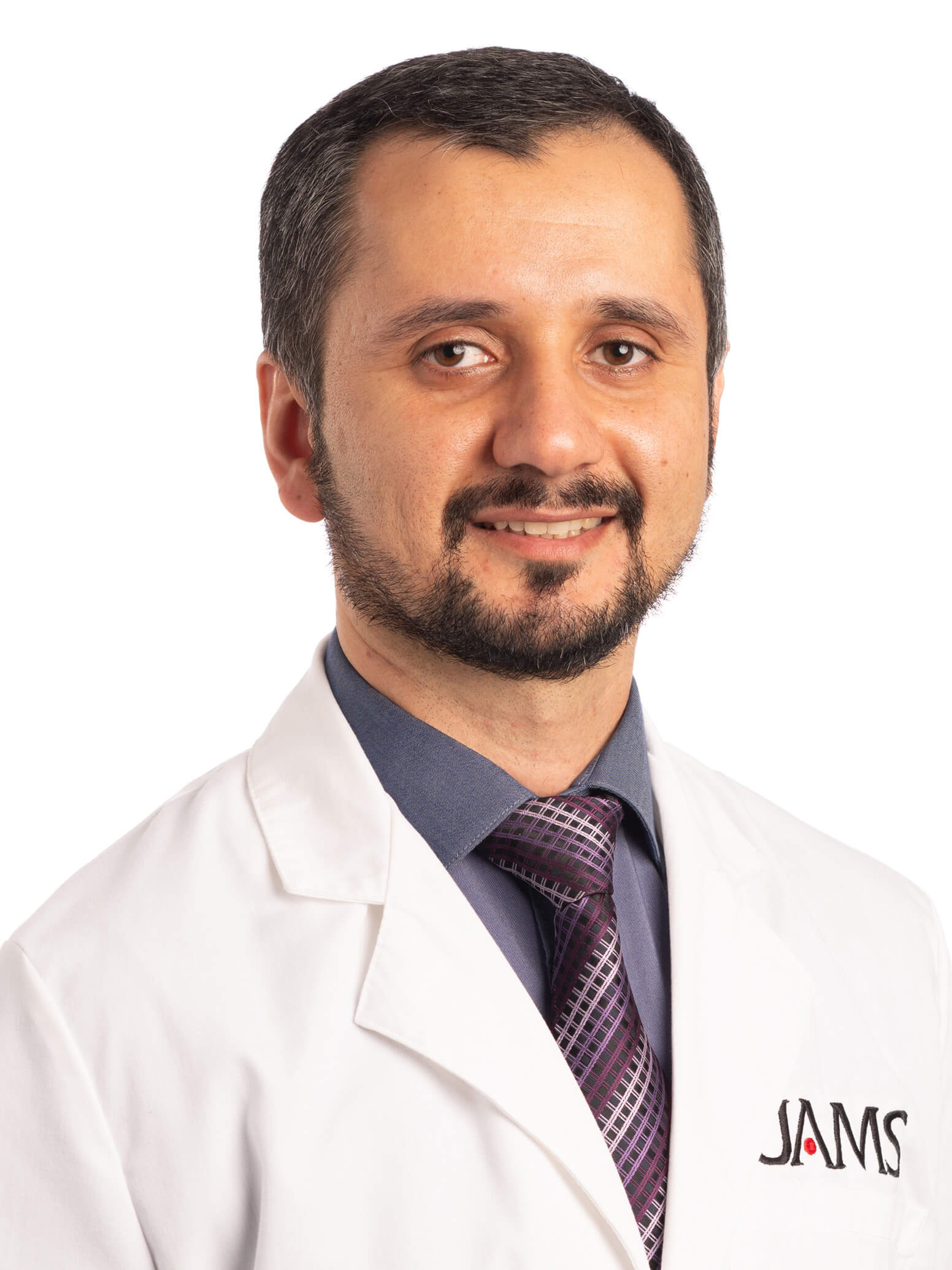
Erhan Ararat, M.D.

Erhan Ararat

Erhan Ararat, M.D., has joined the Department of Pediatrics as an Assistant Professor in the Division of Pulmonology. He received his medical degree from Hacettepe University in Ankara, Turkey. He completed his pediatric residency at Case Western Reserve University Metro Health Hospital in Cleveland, followed by a fellowship in pediatric pulmonology at Boston Children’s Hospital.

Filed Under: Faculty Updates

UAMS’ Dr. Teresa Hudson Participates in Summit on America’s Heartland

By Tim Taylor

Teresa Hudson, Pharm.D., Ph.D., an associate professor and director of the Department of Psychiatry’s Division of Health Services Research, was among the guest speakers at the Heartland Summit, an assembly of some of the country’s top minds held Oct. 18-21 in Bentonville.

Sponsored by the Walton Family Foundation, the assembly was organized to bring together business and academic leaders to share ideas and discuss possible solutions for some of the biggest problems facing the nation’s central states.

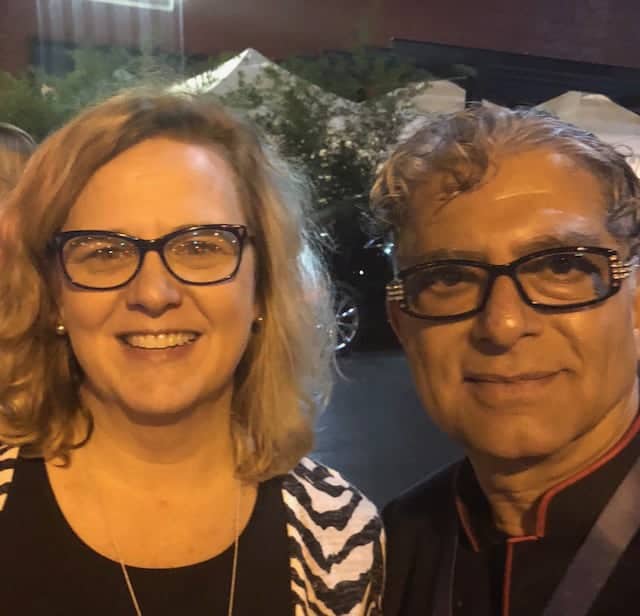
Informal snapshot of Drs. Hudson and Chopra
UAMS’ Teresa Hudson, Pharm.D., Ph.D., with author and physician Deepak Chopra at the recent Heartland Summit in Bentonville, Arkansas.

Best-selling author Deepak Chopra, actress Jennifer Garner, former mayor of New Orleans Mitch Landrieu and Doug McMillon, president and CEO of Walmart Inc., were among the presenters at the event, which was open only to those invited by the Walton Family Foundation. Some 350 entrepreneurs and academic specialists attended the summit, where they were given a taste of local cuisine, live music and contemporary art from a variety of artists and performers.

Hudson was part of a panel of experts on opioid abuse and the challenges facing smaller, more rural states struggling with the crisis of addiction. The discussion included presentations by former Vice Chairman of the Joint Chiefs of Staff Adm. Sandy Winnefeld and his wife, Mary, co-chairs of S.A.F.E. Project US (Stop the Addiction Fatality Epidemic), a national non-profit committed to eradicating opioid addiction through research and awareness campaigns; Kyle Peterson of the Walton Family Foundation; Joy Sun of Groups, which provides addiction treatment in largely rural communities; and William Simpson, president of DisposeRX, a company offering solutions on the disposal of unused medications.

Many of the event’s presentations dealt with the use of natural resources, from rehabbing older buildings to unique uses of food and agriculture, to build up the economy in smaller communities. Hudson saw the summit as a great opportunity for innovative enterprises to identify the common issues facing the country’s heartland, 20 states including Arkansas in the center of the U.S.

“It was very uplifting to see so many young people wanting to invest in the heartland with creative solutions,” she said, noting that many of the attendees were in their 30s. “I found it very gratifying that there was so much interest in the heartland.”

Filed Under: News

UAMS Cancer Researchers Receive NIH Grant to Develop New Cancer Therapies

By Linda Haymes

UAMS College of Medicine researchers have received a $604,208 grant to study how an abnormal protein found in ovarian cancer and some brain tumors helps tumors grow.

The National Institutes of Health (NIH) awarded the three-year grant to Karen Abbott, Ph.D., assistant professor in the UAMS College of Medicine’s Department of Biochemistry and Molecular Biology, and Analiz Rodriguez, M.D., Ph.D., assistant professor in the UAMS College of Medicine’s Department of Neurosurgery. Abbott is principal investigator for the grant, and Rodriguez is co-investigator.

The pair are researching glycosylation changes, which are found in both ovarian cancer and glioblastoma, an aggressive brain tumor. Glycosylation is the enzymatic process that attaches glycans (a series of carbohydrates, including the sugars) to proteins, or other organic molecules.

In her previous research, Abbott developed an antibody that targets glycosylation on proteins covering the surface of ovarian cancer cells. The new project involves adapting that protein into a new type of therapy for the disease and examining if it also could serve as an effective therapy for glioblastoma, which shares the same type of glycosylation.

“This research can help us understand the proteins that carry this glycosylation change and how this change promotes signals to keep cancer cells alive. Studying those pathways may lead to new methods to kill the cancer cells but leave the normal ones alone,” said Rodriguez, a neurosurgeon and researcher.

“With this grant, we will be developing a new type of therapeutic by modifying the current antibody to allow destruction of the cancer cells,” Abbott said.

In their work, Rodriguez’s lab, which focuses on glioblastoma, will provide tumor samples from patients to test this novel therapy.

Rodriguez and Abbott, whose labs are next door to each other, decided to team up after learning of each other’s research and discovering it intersected.

“We decided it would be a good idea to join forces and work on something together,” Rodriguez said.

Filed Under: News

G. Richard Smith, M.D., Named Chair of Psychiatry, PRI Director

By Tim Taylor

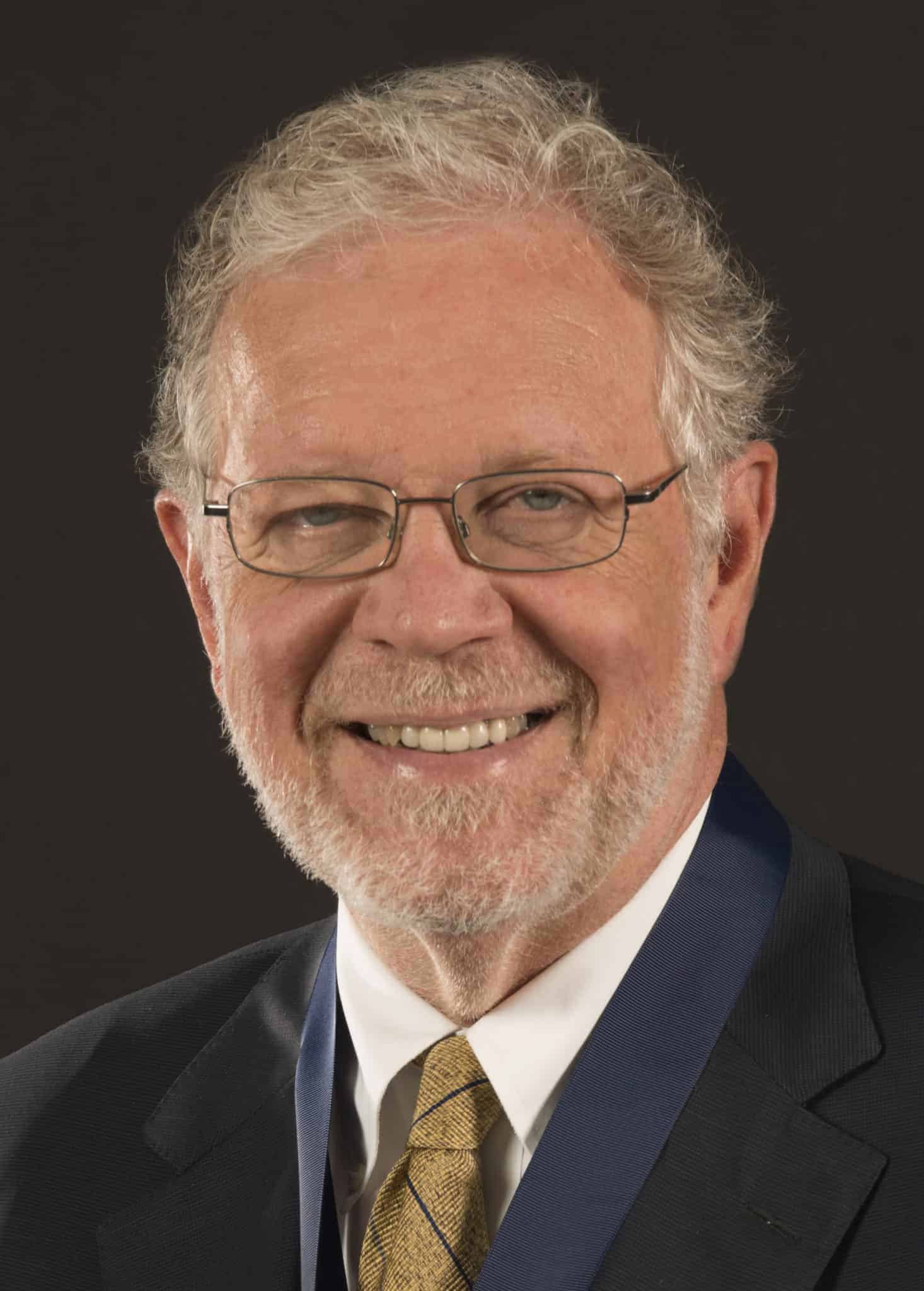
G. Richard Smith, MD

Nov. 6, 2018 | LITTLE ROCK — G. Richard Smith, M.D., has been named chairman of the Department of Psychiatry in the College of Medicine at the University of Arkansas for Medical Sciences (UAMS) and director of UAMS’ Psychiatric Research Institute.

Smith served as chairman of the Department of Psychiatry from 2001 to 2013, during which he oversaw the design and construction of the Psychiatric Research Institute, which opened in 2008. He was named dean of the UAMS College of Medicine and executive vice chancellor in 2013, a position he held for two years before stepping down to become a professor of psychiatry, medicine and public health.

“I am delighted to have the opportunity to once again work with the faculty and staff of the UAMS Psychiatric Research Institute and the Department of Psychiatry,” said Smith. “There are many exciting challenges and opportunities in our field today and it is a privilege to join with these outstanding professionals to bring the best treatment to our patients and their families, train the next generation of clinicians and scientists, develop new knowledge in our field, and to be of service to our state.”

A native of Jonesboro, Smith received his bachelor’s degree in chemical biology from Rhodes College in Memphis. He graduated from the UAMS College of Medicine in 1977. He completed his residency in psychiatry at UAMS and continued his training with a fellowship in psychiatry and internal medicine at Strong Memorial Hospital in Rochester, New York, before joining the UAMS faculty in 1981.

“Dr. Smith has dedicated his career to UAMS and ensuring the very best psychiatric care for Arkansans,” said Christopher T. Westfall, M.D., executive vice chancellor of UAMS and dean of the College of Medicine. “His visionary work to integrate research, education and clinical care in the Psychiatric Research Institute has had a profound impact on the patients we care for today as well as those who will receive even better care by the psychiatrists and scientists we train for the future. Dr. Smith is an exceptional leader and ensures continued strong momentum for our psychiatric programs.”

Filed Under: News

First-Year Medical Students Honor Body Donors

Wide shot of the room during the anatomy memorial

First year medical students gathered on November 2 to honor the 35 individuals who, through the gift of their bodies after death, provided the first lessons in the students’ medical school education. The students recently finished the Human Structure segment, in which they get hands-on experience with human anatomy.

Class president Paula McClain opened the ceremony by saying “We are here today to honor a gift that is almost indescribable.”

Student speakers reflected on what the donations meant to them and their careers, and others played and sang music in memory of the donors. The class also presented an original artwork to the faculty. The piece will hang in the hallway outside the anatomy lab.

The class wrote these words of appreciation:

“We, the class of 2022, would like to express our deepest gratitude to the thirty-five individuals who have given their bodies to us so that we may learn. These individuals have not only given to us, but given to the world. Their contributions to the practice of medicine will serve to help others in their time of suffering. We honor them with our hearts and our minds, as we continue to live our lives to serve others.”

Student puts a white rose into a vase

At the end of the ceremony, a student representative from each lab table group placed a white rose in memory of their donor. The students then observed a moment of silence.

Each year, about 100 people sign up to donate their body as a whole to science upon their deaths through the UAMS Anatomical Gift Program.
For more information, please visit https://neurobiology.uams.edu/about/anatomical-gift-program/

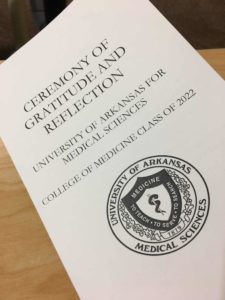
Picture of the anatomy memorial program
Student presents a painting to faculty members.

Filed Under: News

Baptist Health-UAMS Medical Education Program Accredited for Residency Programs

By Liz Caldwell

The Baptist Health – University of Arkansas for Medical Sciences (UAMS) Medical Education Program is now recruiting residents for two residency programs set to launch next summer in Internal Medicine and Family Medicine.

The three-year programs, which train up to 12 residents per year in each as part of a partnership between Baptist Health and UAMS, were granted accreditation approval in October by the Accreditation Council for Graduate Medical Education.

“This collaborative effort enriches the health care scope at Baptist Health and UAMS, providing additional opportunities for education and the ability to serve more communities,” said Troy Wells, president and CEO of Baptist Health. “Those priorities fall directly in line with our organization’s mission of providing quality health education and responding to the changing needs of Arkansas residents.”

Each residency option, mindful of the national shortage of primary care physicians, allows students to be educated by experienced, distinguished academic faculty on the Baptist Health Medical Center-North Little Rock campus. These first programs will begin resident training in July 2019.

“The Baptist Health – UAMS Medical Education Program extends our commitment to providing residents with a culture of excellence through high-quality, superior leading examples,” said Cam Patterson, M.D., M.B.A., UAMS Chancellor. “These residency training programs will be embedded in a community hospital with academic medical support that provides an environment much like the one where they will one day practice. By providing residents with a notable community training program we have a better chance of retaining them as generalists, a need prevalent in small to mid-size communities.”

Expanded teaching areas include sports medicine, women’s health, geriatrics, wound care and electives to complement each resident’s specific interest. The methods with which residents are trained will help them be life-long learners after they graduate with the skills they learn to use in residency.

Reflecting the continued vision of the Baptist Health – UAMS Accountable Care Alliance, which was announced in August 2017, the program is intended to strengthen the two institutions’ ability to improve population health and care delivery.

For more information about the Baptist Health – UAMS Medical Education Program, including the application process, visit baptisthealth-uams-gme.org or call (501) 202-4831.

Filed Under: News

Amputation Pain Study at UAMS Enrolling Participants

By David Robinson

Oct. 26, 2018 | People with frequent and recurring pain from an amputated leg are being enrolled in a University of Arkansas for Medical Sciences (UAMS) research study of a device designed to reduce amputation pain.

Led at UAMS by Erika Petersen, M.D., a neurosurgeon and researcher, the study is part of a clinical trial being conducted at sites across the United States.

portrait
Erika Petersen, M.D.

The study is testing the safety and effectiveness of an implanted device, Altius® High Frequency Nerve Block, that is designed to block nerve signals and reduce pain in an amputated limb. The investigational device sends a high-frequency electrical signal to targeted nerves to block the nerve transmission. It was developed by Neuros Medical Inc., in Cleveland, Ohio.

Called the QUEST study (High-FreQUEncy Nerve Block for PoST-Amputation Pain, ClinicalTrials.gov Identifier: NCT02221934), it is a randomized, controlled clinical study of up to 180 patients, at up to 25 clinical study sites in the U.S.

Study participants will undergo surgery to be implanted with the device. It includes a cuff electrode, which is coiled around the nerve, and a pulse generator, which is similar to a pacemaker. Together they deliver an electrical signal to the nerve when activated. Once implanted, study participants can activate a 30-minute treatment session on demand, as needed for their pain. Participants will be followed for a year and seen in clinic once a month. They will also receive modest compensation for their time and travel.

Eligibility requirements for participating in the study include:

  • Having one amputated leg
  • Frequent and recurring amputation pain
  • 21 years of age or older

Those interested in learning if they are eligible may contact the UAMS Translational Research Institute study coordinator, 501-398-8622.

An earlier pilot study involving 10 participants demonstrated that the implant device may be safe and effective for post-amputation pain. (Soin A., Syed Shah N., Fang Z-P. 2015. High-Frequency Electrical Nerve Block for Postamputation Pain: A Pilot Study. Neuromodulation 2015; 18:197-206). DCO# 18-0030 / LB-0042 Rev. A / Effective May 23, 2018 Page 4 of 11.

The project described is supported by the Translational Research Institute (TRI), grant 1U54TR001629-01A1 through the National Center for Advancing Translational Sciences of the National Institutes of Health (NIH). The content is solely the responsibility of the authors and does not necessarily represent the official views of the NIH.

Filed Under: News

  • «Previous Page
  • Page 1
  • Interim pages omitted …
  • Page 14
  • Page 15
  • Page 16
  • Page 17
  • Page 18
  • Interim pages omitted …
  • Page 39
  • Next Page»
UAMS College of Medicine LogoUAMS College of MedicineUniversity of Arkansas for Medical Sciences
Mailing Address: 4301 West Markham Street, Little Rock, AR 72205
Phone: (501) 296-1100
  • Facebook
  • X
  • Instagram
  • YouTube
  • LinkedIn
  • Pinterest
  • Disclaimer
  • Terms of Use
  • Privacy Statement
  • Legal Notices

© 2026 University of Arkansas for Medical Sciences