• Skip to primary navigation
  • Skip to main content
  • Skip to primary navigation
  • Skip to main content
Choose which site to search.
University of Arkansas for Medical Sciences Logo University of Arkansas for Medical Sciences
College of Medicine
  • UAMS Health
  • Jobs
  • Giving
  • About Us
    • Fast Facts
    • Leadership
    • Features
    • COMmunication Newsletter
    • Maps and Directions
    • College of Medicine History
    • Professionalism Guidelines
  • Departments
  • Admissions
    • Apply
    • Financial Aid and Scholarships
    • Life in Little Rock or Fayetteville
    • Dual Degree Programs
      • M.D./MBA Program
      • M.D./Ph.D. Program
      • M.D./MPH Program
    • Three-Year M.D. Program
    • Rural Practice Programs
      • Community Match Rural Physician Recruitment Program
      • Rural Practice Scholarship Program
    • Contact Admissions
  • Students
    • Academic Calendar
    • Academic Houses
    • Career Advising
    • Financial Aid and Scholarships
    • Visiting Students
    • Mentor Spotlight Podcast
    • Preparing for Residency
    • Non-Discrimination Statement
    • Outstanding Teacher Nominations
    • Parents Club
    • Student Links
    • Honors in Research
    • UAMS Campus Security
    • Undergraduate Medical Education Competencies
  • Graduate Medical Education
  • Alumni
  • Faculty Affairs
  • Research
  1. University of Arkansas for Medical Sciences
  2. College of Medicine
  3. Author: Chris Lesher
  4. Page 17

Chris Lesher

First-Year Med Students Showcase Anatomy Findings

By Amy Widner

Teams of first-year College of Medicine students concluded their nine-week full-body dissection course recently by presenting their findings before faculty and peers.

The Human Structure Student Research Conference was held Oct. 12 in the Education II building and featured 35 teams of five. The students were asked to prepare professional written and oral presentations detailing their dissection discoveries, including any possible causes of death.

Wearing their short white coats and taking turns at the mic, each team led the group through slides detailing their experience with the dissection and any interesting anatomy. They discussed their hypotheses and detailed the research journey. Often, discoveries led them on the search for more information, which led to more discoveries.
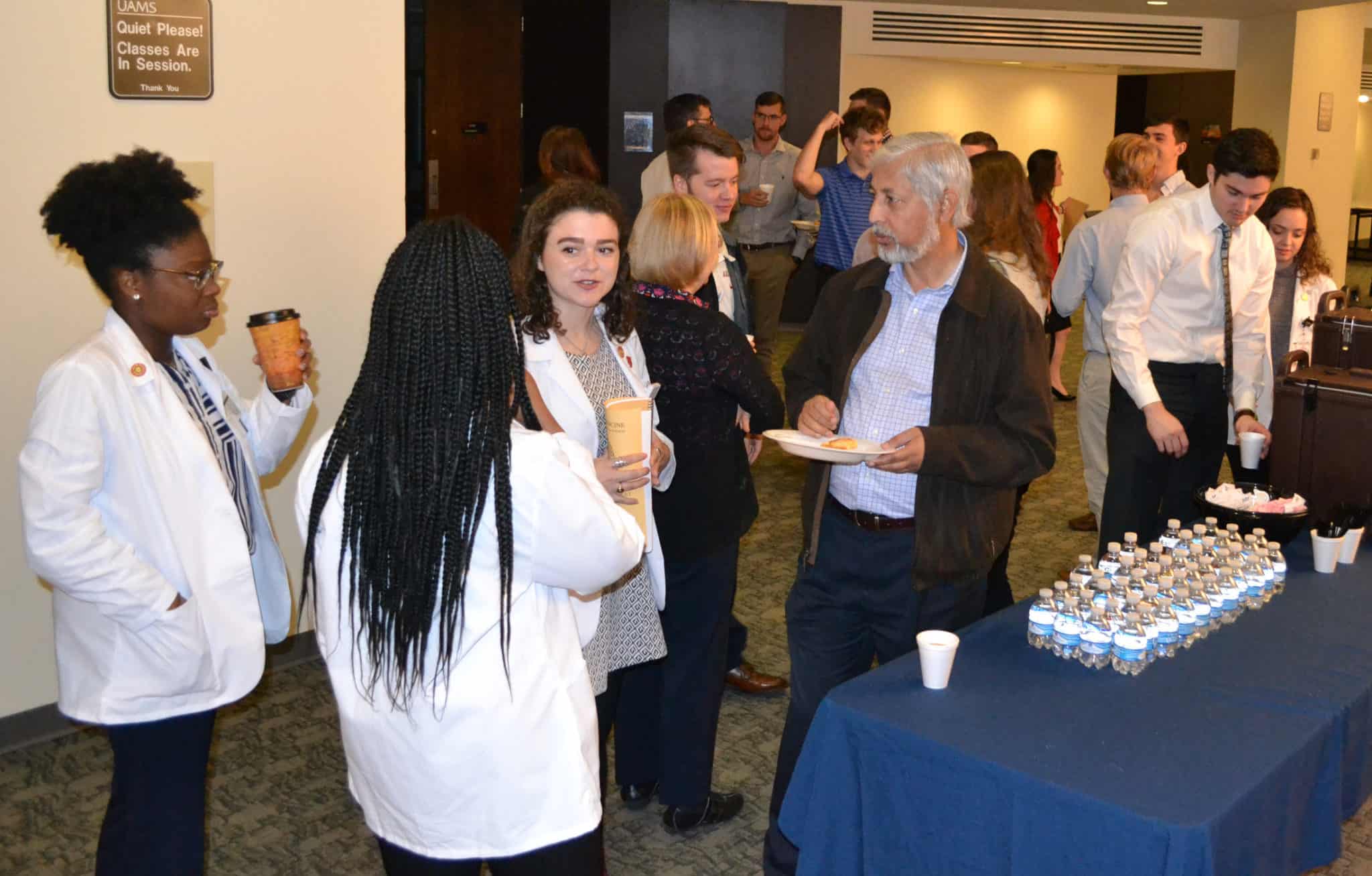
Students and teachers milling in lobby
Students and teachers chat during one of the breaks during the conference. In total, 35 teams of five completed presentations.

“For most of us, this was our first experience like this. A lot happened, and the conference was a good way to look back on the journey as a whole,” said student Hytham Al-Hindi.

While dissections have long been a key part of the study of human anatomy during medical school, the course at UAMS is different in a couple of key ways. For one, students are given time to reflect, said David L. Davies, Ph.D., co-director of the Division of Clinical Anatomy in the College of Medicine.

“This is one of two end-of-course events for students,” Davies said. “The point of the conference is to consider the scientific aspects of their experience. It gives them a chance to revisit the learning objectives and look at the overall picture. After they return from fall break, we also hold a memorial service, which is a different sort of reflection on their emotional experience with the dissection.”

Group of students posing for photo
One of the student teams takes a group photo in celebration after their presentation.

In addition, the course structure encourages the students to work in teams from the start of their medical careers.

Davies started the conference in 2014 with Charles Matthew Quick, M.D., an associate professor in the Department of Pathology in the College of Medicine. They successfully obtained grant funding from the Arkansas Medical Society for the conference and to add pathology to the students’ dissection experience in order to deepen its investigative qualities.

For instance, if the students came across something interesting during the dissection, they could take a biopsy and send it to the Department of Pathology’s clinical laboratory, where the tissue was processed and given to the teams in the form of microscopic slides for them to examine. This year, Rebecca Levy, M.D., played an especially significant role in this lab activity.
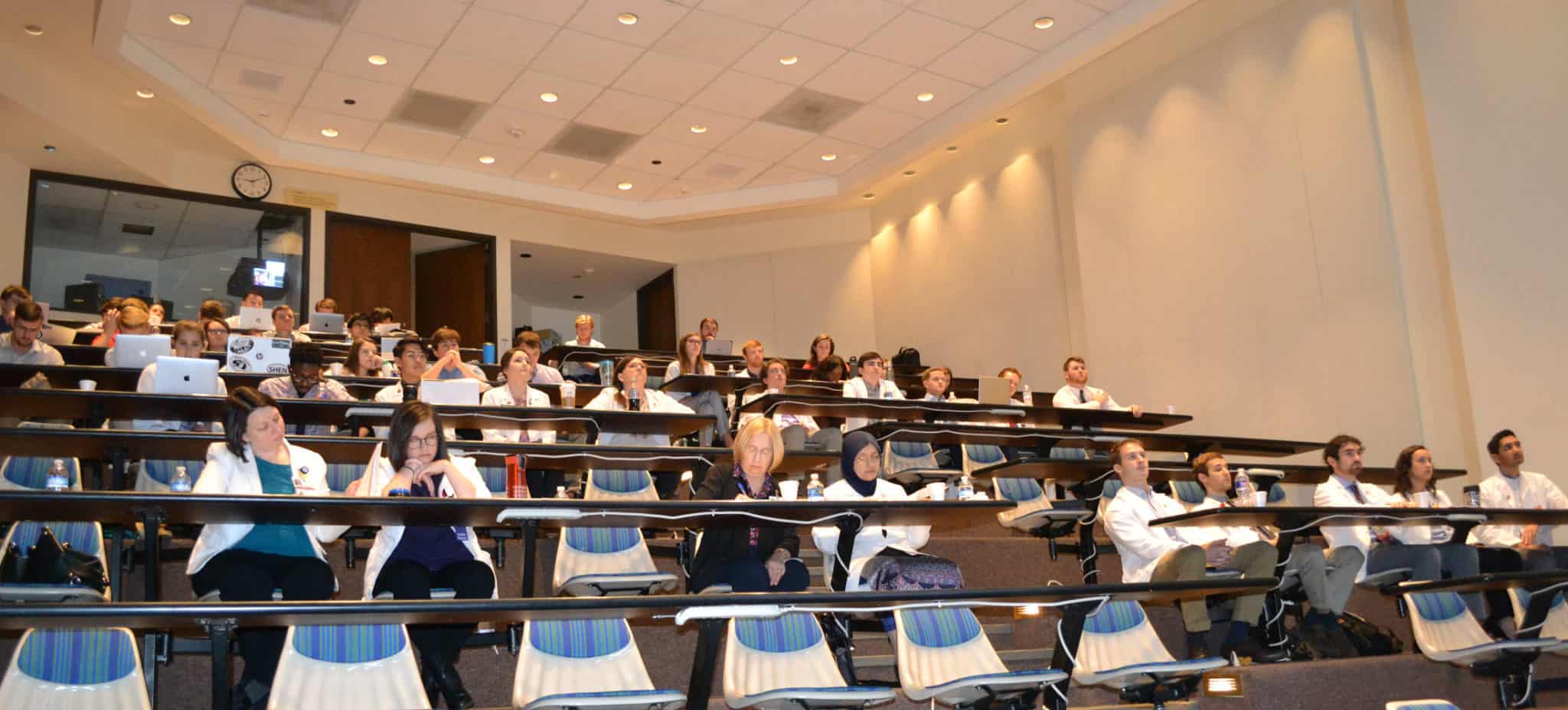
Crowd shot in lecture hall
The presentations were divided up among multiple lecture halls.

Another multidisciplinary aspect of the course comes from the Department of Radiology, which prepared CT scans of the dissection subjects for several of the groups. Sharp Malak, M.D., clinical co-director of the Human Structure module, met with about a dozen teams to review and guide interpretation of the CT scans, which were displayed on the Division of Clinical Anatomy’s new Sectra Table — a 4K resolution screen and software that behaves like a larger-sized version of a common smart phone. Students can swipe, scroll, zoom and rotate through the CT scans and explore anatomy in the process.

“We were truly working like a care team from the start,” said Monroe Albertson.
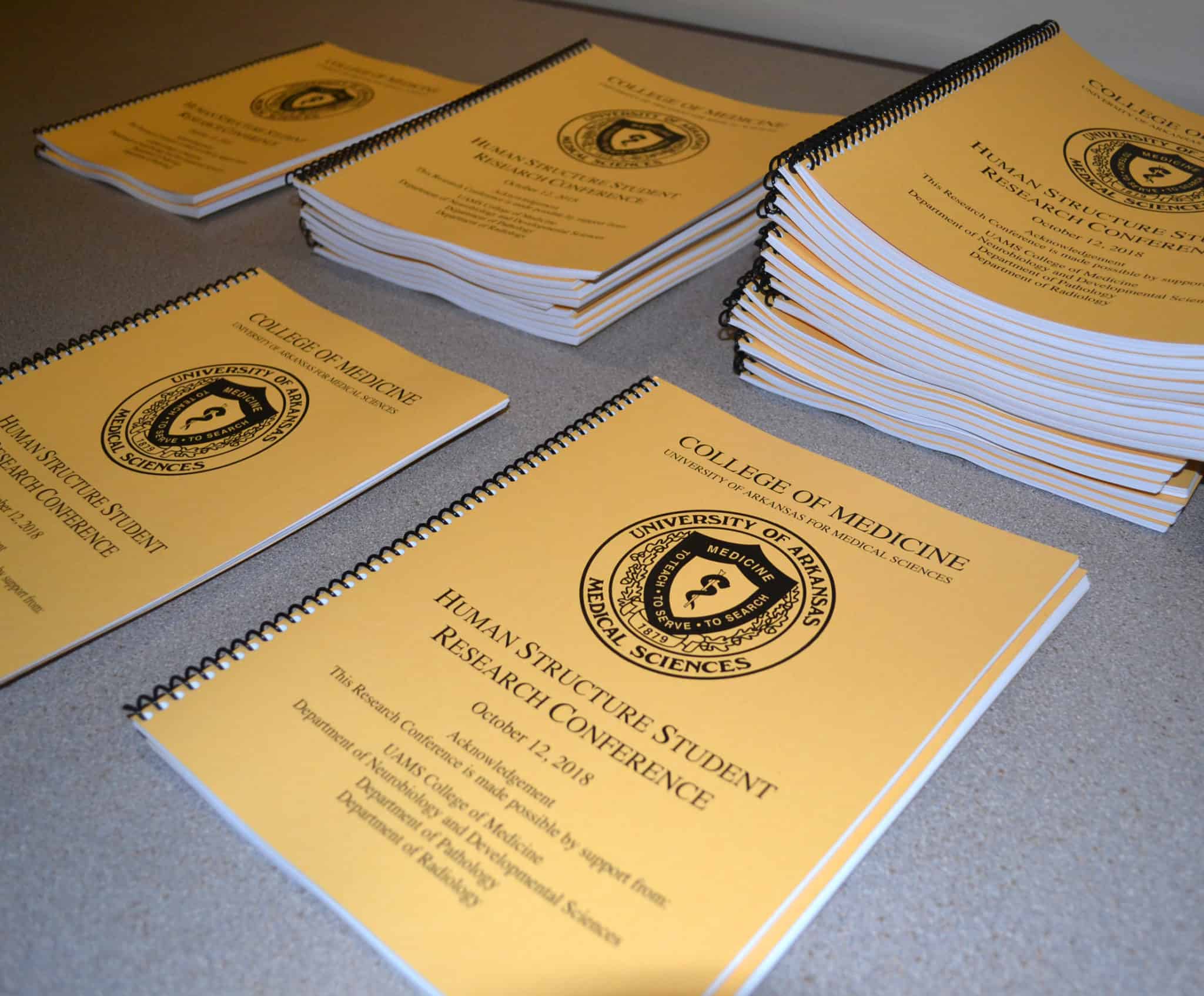
Pile of report binders
The students’ reports were complied in a handout for all participants.

Al-Hindi, his team partner, agreed: “It was cool to integrate not just anatomy, but other disciplines like biology, radiology and pathology. They were all part of the experience from the start, so it wasn’t your typical dissection course.”

Davies hopes this approach results in more well-rounded learners — and future physicians.

“It builds their curiosity,” Davies said. “I don’t want them just memorizing. I want them thinking about what they’re doing and letting that interest drive their experience.”
Filed Under: News

Recent Faculty Appointments — October 2018

Department of Pediatrics

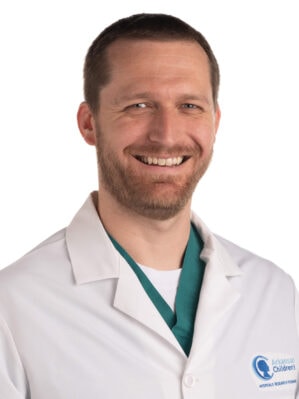
Markus Renno, M.D., M.P.H.

Markus Renno

Markus Renno, M.D., M.P.H., has joined the Department of Pediatrics as an Assistant Professor in the Division of Cardiology. He received his medical degree from the University of Arizona in Tucson and completed his residency at the University of Florida in Gainesville. Dr. Renno went on to complete his Master of Public Health, pediatric cardiology fellowship and pediatric cardiovascular imaging fellowship at Vanderbilt University in Nashville. He is a Fellow of the American Academy of Pediatrics (FAAP).

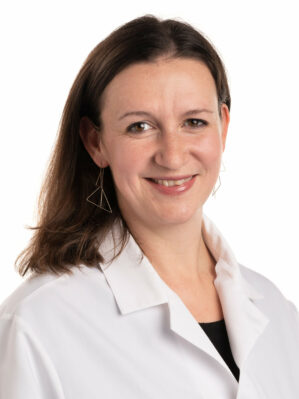
Liza Murray, M.D.

Liza Murray

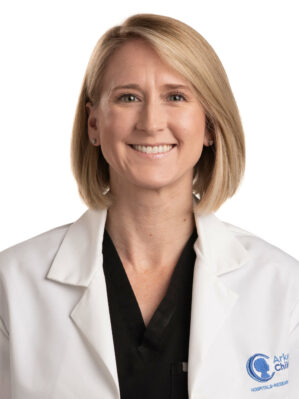
Liza Murray, M.D., has joined the Department of Pediatrics as an Assistant Professor in the Division of Children at Risk. She received her medical degree from UAMS and completed her residency in pediatrics at UAMS and Arkansas Children’s. Dr. Murray continued her training with a fellowship in child abuse pediatrics at Children’s Mercy Hospital in Kansas City.

Chenia Eubanks, M.D., M.P.H.

Chenia Eubanks

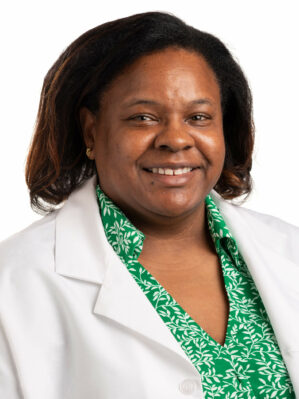
Chenia Eubanks, M.D., M.P.H., has joined the Department of Pediatrics as an Associate Professor in the Division of Community Pediatrics. She received her medical degree from the University of Pennsylvania School of Medicine and completed her residency at Children’s Hospital of Philadelphia.  Dr. Eubanks subsequently earned her Master of Public Health at the Mailman School of Public Health at Columbia University, where she focused her studies on maternal and child health. She is a Fellow of the American Academy of Pediatrics (FAAP).

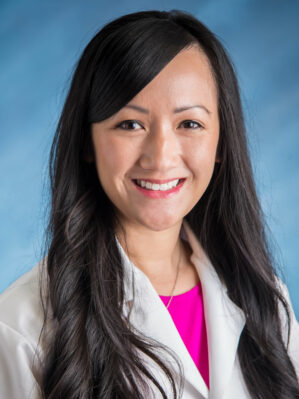
Heather Bullard-Manbeck, D.O., M.A.

Heather Bullard-Manbeck

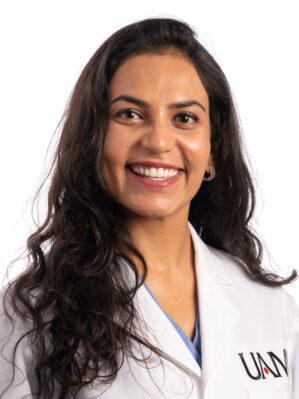
Heather Bullard-Manbeck, D.O., M.A., has joined the Department of Pediatrics as an Assistant Professor in the Division of Emergency Medicine. She received her medical degree from Kansas City University of Medicine and Biosciences. Dr. Bullard-Manbeck completed her general pediatrics residency at UAMS and Arkansas Children’s.

Carl W. Dowden, M.D.

Carl Dowden

Carl W. Dowden, M.D., has joined the Department of Pediatrics as an Assistant Professor in the Division of Emergency Medicine. He received his medical degree from the University of Mississippi in Jackson. Dr. Dowden completed his residency at UAMS and Arkansas Children’s.

Travis Ayers, M.D.

Travis Ayers

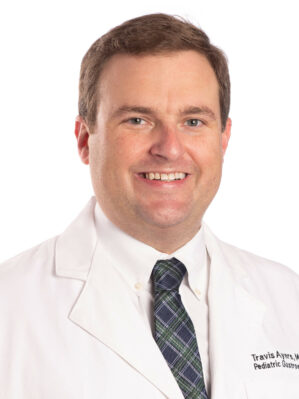
Travis Ayers, M.D., has joined the Department of Pediatrics as an Assistant Professor in the Division of Gastroenterology. He received his medical degree from the Medical University of South Carolina in Charleston. Dr. Ayers completed his pediatric residency at Tulane and his pediatric GI and nutrition fellowship at the University of Maryland in Baltimore.

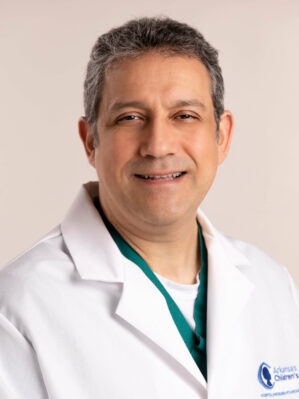
Alex Ramirez, M.D.

Alejandro Ramirez

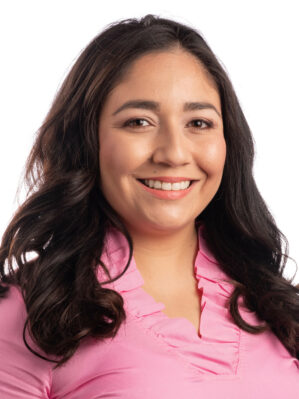
Alex Ramirez, M.D., has joined the Department of Pediatrics as an Assistant Professor in the Division of Gastroenterology. He received his medical degree from the University School of Medicine in Guatemala City, Guatemala. Dr. Ramirez completed his postgraduate training in pediatrics at the State University of New York in Buffalo and his fellowship in pediatric gastroenterology with Baylor College of Medicine at Texas Children’s Hospital.

Joana Mack, M.D.

Dr. Joana Mack

Joana Mack, M.D., has joined the Department of Pediatrics as an Assistant Professor in the Division of Hematology. She received her medical degree from Ross University. Dr. Mack completed her residency and her fellowship in pediatric hematology/oncology at UAMS and Arkansas Children’s.

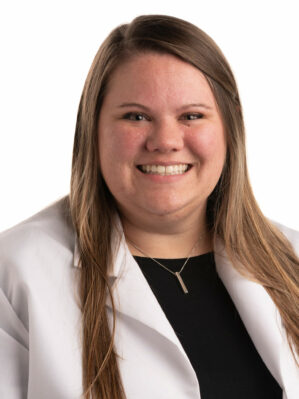
Sara Camp Sanders, M.D.

Sara Camp Sanders

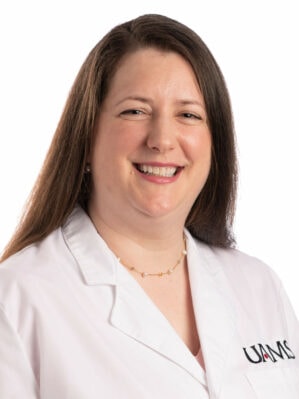
Sara Camp Sanders, M.D., has joined the Department of Pediatrics as an Assistant Professor in the Division of Hospital Medicine. She received her medical degree from UAMS and completed her residency at UAMS and Arkansas Children’s.

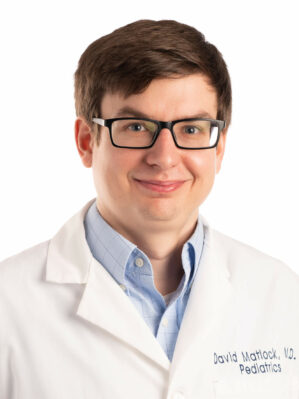
David Matlock, M.D.

David Matlock

David Matlock, M.D., has joined the Department of Pediatrics as an Assistant Professor in the Division of Neonatology. He received his medical degree from Louisiana State University in Shreveport. He completed his residency and his fellowship in neonatal-perinatal medicine at UAMS and Arkansas Children’s.

Ankita Shukla, M.D.

Ankita Shukla

Ankita Shukla, M.D., has joined the Department of Pediatrics as an Assistant Professor in the Division of Neonatology. She received her medical degree from the Sikkim Manipal Institute of Medical Sciences in India. She completed her residency at St. Peter’s University Hospital in New Brunswick, New Jersey. She continued her training with a fellowship in neonatal-perinatal medicine at Case Western Reserve University in Cleveland.

Rachel Millner, M.D.

Rachel Millner

Rachel Millner, M.D., has joined the Department of Pediatrics as an Assistant Professor in the Division of Nephrology. She received her medical degree from UAMS. Dr. Millner completed her residency at Vermont Children’s Hospital and continued her training with a fellowship in pediatric nephrology at Nationwide Children’s Hospital in Columbus, Ohio.

Sarah Cobb, M.D.

Sarah Cobb

Sarah Cobb, M.D., has joined the Department of Pediatrics as an Assistant Professor in the Division of Neurology. She received her medical degree from UAMS and went on to complete her pediatric residency, neurology residency and child neurology residency at UAMS and Arkansas Children’s.

Tara Johnson, M.D.

Tara Johnson

Tara Johnson, M.D., has joined the Department of Pediatrics as an Assistant Professor in the Division of Neurology. She received her medical degree from Johns Hopkins University in Baltimore. Dr. Johnson completed her residency at St. Christopher’s Hospital for Children in Philadelphia and her fellowship in neurodevelopmental disabilities at the Kennedy Krieger Institute/Johns Hopkins Hospital in Baltimore.

Bittu Majmudar, M.D.

Bittu Majmudar

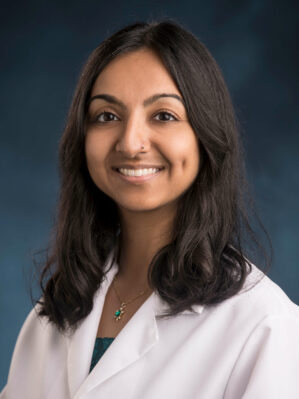
Bittu Majmudar, M.D., has joined the Department of Pediatrics as an Assistant Professor in the Division of Neurology. She received her medical degree from the University of Cincinnati College of Medicine. Dr. Majmudar continued her training by completing a residency in pediatrics and a residency in neurology with the Washington University School of Medicine at St. Louis Children’s Hospital.

Aravindhan Veerapandiyan, M.D.

Aravindhan Veerapandiyan

Aravindhan Veerapandiyan, M.D., has joined the Department of Pediatrics as an Assistant Professor in the Division of Neurology. He received his bachelor of medicine and bachelor of surgery from the Tamil Nandu Dr. MGR Medical University in India. Dr. Veerapandiyan completed his residency and his fellowship in pediatric neurology at Rutgers University in Newark, New Jersey.

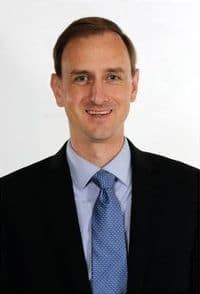
Seth Sorensen, Ph.D.

Seth Sorenson

Seth Sorensen, Ph.D., has joined the Department of Pediatrics as an Assistant Professor in the Division of Psychology. He received his master’s and doctoral degrees in school psychology from the University of Arizona in Tucson. Dr. Sorensen completed a fellowship in psychiatry with Harvard Medical School at Massachusetts General Hospital followed by a fellowship in neuropsychology at Children’s Neuropsychological Services in Andover.

Filed Under: Faculty Updates

New Technology to Examine Heart, Brain of Fetus During Pregnancy

By Ben Boulden

Oct. 11, 2018 | Hari Eswaran, Ph.D., and his research team are working hard to see if a new generation of technology can improve on a device developed at UAMS while lowering its cost and benefitting pregnant mothers.

In 2000, Eswaran was part of the UAMS team that developed the SARA (SQUID-Array for Reproductive Assessment) device for maternal-fetal medicine research. When the SARA is used, a pregnant woman sits against a concave shield that covers her abdomen.

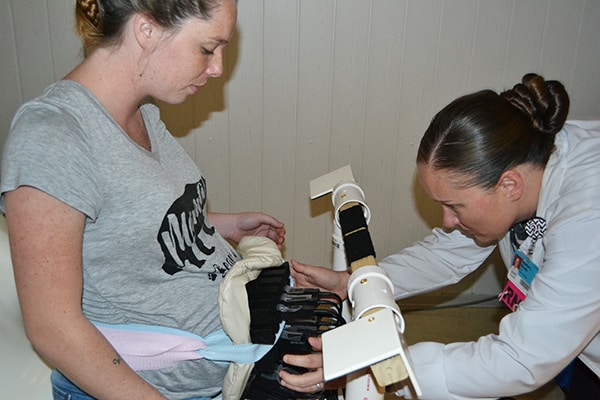
Heather Moody, R.N., adjusts and places the SARA 2.0 array on Chisum.

More than 100 sensors obtain three-dimensional data from the fetus and the uterus – without employing needles or any other invasive instruments. Advanced techniques with the SARA allowed for the simultaneous examination of cardiac and brain activities in the fetuses.

Eswaran, Ph.D., is a professor in the College of Medicine’s Department of Obstetrics and Gynecology.

“The biggest problem with SARA is its cost and maintenance,” Eswaran said. “It requires liquid helium to sustain and run. That prevents a lot of hospitals from buying a system like this, even just for research. It costs about $8,000 a month. The positions are pretty rigid. The sensors are fixed where they are and cannot be moved.”

Along with Curtis Lowery, M.D., Heather Moody, R.N., a certified research specialist, and Diana Escalona-Vargas, Ph.D., Eswaran has been working with QuSpin, a company that has developed a new type of sensor that might be a viable replacement for the original SARA. Lowery is chair of the Department of Obstetrics and Gynecology. Moody and Escalona-Vargas work in the department’s Division of Maternal-Fetal Medicine.

“The new systems that have come along in the last few years do not require any cryogenic helium to operate,” Eswaran said. “They are more flexible and we can move the sensors to be close to the heart based on what the ultrasounds show us the position of the baby is.”

Instead of more than 100 sensors, they have been able to use a grid array of 14 sensors that can be strapped to the mother’s abdomen. Where the original SARA cost almost $2 million to construct, each sensor in what Eswaran and his team are calling ‘SARA 2.0’ costs $8,000 to $10,000, a potentially huge savings.

The first SARA, left, is much larger to operate and maintain than the new SARA technology, right, being tested now at UAMS.
The first SARA, left, is much larger and more expensive to operate and maintain than the new SARA technology, right, being tested at UAMS.

That savings means the new technology might one day be an affordable diagnostic tool in hospitals for use with pregnant mothers. The cost of the original SARA has meant it has primarily been a research tool, one only available at UAMS and another research facility in Germany.

In late 2017, UAMS received a two-year, $275,000 grant from the National Institutes of Health to study the effectiveness of the new technology and what might be the best position for the mother to get a good signal from the device while also improving her comfort. So far, the reviews from at least one pregnant mother have been positive.

“I find it comfortable,” said Shyanne Chisum, a first-time mother and firefighter. “It eases the belly weight. It’s definitely more comfortable than the old machine, much more comfortable.”

Chisum volunteered for the study about 28 weeks into her pregnancy. When she came to UAMS recently on a September morning for her fourth round of scans, she was at 35 weeks. By volunteering, she also was able to receive 3D and 4D ultrasound imaging of her baby, something she wanted to have.

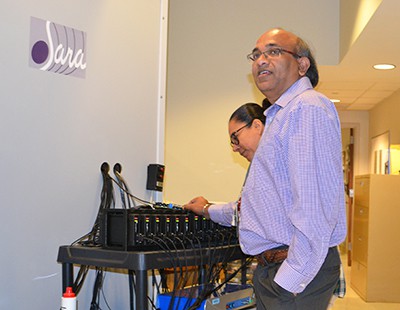
Hari Eswaran and Diana Escalona-Vargas make some technical adjustments to SARA 2.0 before a test.

The research team also has tried using the device while the mother is leaning back in an Adirondack chair. Next, they want to try out a specially built massage table with a cut-out for the pregnant mother’s belly that will allow her to comfortably lie flat and face down while the SARA 2.0 array is strapped in place.

Eswaran said data retrieval for the fetal heart has been strong. Even though the number of sensors has been greatly reduced, the flexibility means the SARA 2.0 sensors can be moved and more precisely targeted for data gathering. Other technologies only can capture the baby’s heart rate, but the SARA can look at the activity in the fetal heart like an electrocardiogram can in an adult.

They’ve yet to examine what kind of data can be gathered in regard to fetal brain activity when compared to the original SARA, but the study will not conclude until summer 2019.

UAMS also directly contributed some funds to the study.

Filed Under: News

UAMS Orthopaedic Surgeon Bumpass Among Nation’s Top Young Spine Professionals for 2018

By Linda Haymes

David Bumpass, M.D.

David Bumpass, M.D., an orthopaedic surgeon at the University of Arkansas for Medical Sciences (UAMS), was named one of the nation’s outstanding young spine care providers by the North American Spine Society’s SpineLine magazine in its inaugural “20 Under 40” list honoring spine professionals under the age of 40.

Bumpass, 37, is featured in the September/October 2018 issue. The list, selected by the magazine’s review team, included 21 members following a tie in application scoring.

“Dr. Bumpass is an outstanding member of our department,” said C. Lowry Barnes, M.D., chair of the Department of Orthopaedic Surgery in the UAMS College of Medicine. “He excels in the clinic and operating room and in both basic and clinical research, as well as in educating and mentoring students and residents. He is already a clinical leader and was recently named co-director of the spine clinical services. We are fortunate to have him as our partner, and our state is lucky to have him here.”

Bumpass and the 20 others spotlighted this year were recognized throughout the society’s 33rd Annual Meeting in Los Angeles, Sept. 26-29 with a poster at the magazine’s booth and several tweets throughout the week. More than 3,000 spine professionals from the organization’s 8,000-plus members attended.

In addition to treating adult and pediatric patients, he serves as director of clinical research for the Orthopaedic Surgery Department.

Bumpass also collaborates with local emergency medical services in Little Rock to improve their emergency spine trauma care in the field. The joint effort has strengthened the relationship between physicians and local EMS crews and educated first responders on how physicians treat spinal injuries after patients arrive at the hospital.

“I have been able to learn more about questions and challenges the paramedics face in the field when managing spine trauma,” he said in his “20 Under 40” feature in the magazine. “Our hospital system has worked hard to streamline and improve protocols for spinal trauma management once patients hit the door, identifying delays and improving multi-team care.”

Bumpass was earlier recognized by the society in 2014 with its Young Investigator Translational Research grant for “The Role of Myeloid-Derived Suppressor Cells and T-Lymphocytes in Human Vertebral Metastasis: A Prospective Pilot Study.”

“That enabled me to complete some exciting research in the role of the immune system in facilitating spinal metastasis,” Bumpass said. The $50,000 grant went toward research that is nearly complete.

“The results suggest that there is an under-appreciated role that the immune system plays in allowing the development of metastatic cancer in bone,” Bumpass said, adding that healthy immune cells within the bone seem to be inhibited from preventing cancerous cells from spreading into the bone.

Filed Under: News

Family and Preventive Medicine Receives $3.29M CDC Grant to Reduce Obesity

By Amy Widner

Oct. 10, 2018 | The Department of Family and Preventive Medicine at the University of Arkansas for Medical Sciences (UAMS) has received $3.29 million from the Centers for Disease Control and Prevention (CDC) for a five-year project to reduce obesity, increase physical activity and improve nutrition in Arkansas, especially in the Delta.

The State Physical Activity and Nutrition (SPAN) project funding began Oct. 1 and was awarded to the Department of Family and Preventive Medicine’s Community Health and Education Division. Alysia Dubriske, director of Community Health and Education at UAMS, is leading the grant.

“The whole premise of this grant is to try to reduce obesity rates. The CDC has identified target areas, including access to better nutrition, increasing breastfeeding, encouraging healthier foods and physical activity in early childcare centers, and improving activity-friendly communities,” Dubriske said. “At UAMS’ Department of Family and Preventive Medicine, we already have many projects in these areas, so we are looking forward to combining the progress we’ve already made with the CDC’s support to show measurable improvement on this important health issue.”

UAMS staff will be working in partnership with local leadership and stakeholders across the state, but especially in counties where life expectancy is lower than national and state averages. Many rural counties in the eastern Arkansas Delta fall into this category. Obesity, diabetes, high blood pressure, low physical activity, poverty and lack of access to health care are factors.

The project aims to:

  • Develop and implement food service guidelines for food pantries, early childhood education centers, developmental disability day centers and local parks.
  • Support breastfeeding by partnering with family practice clinics, early childhood education centers and developmental disability day centers and by offering continuing medical education hours and early childhood center and developmental disability center professional development training.
  • Partner with communities to create activity-friendly routes to connect everyday destinations by implementing local policies to include bike routes, sidewalks and trails that increase safety and access for all abilities.
  • Implement nutrition standards and physical activity standards into early childhood education centers across the state by changing the Quality and Improvement Rating System in Arkansas to increase physical activity, increase nutrition and physical activity education to staff, and decrease screen time.

Assisting Dubriske with the project are Christopher Long, Ph.D., senior director of Research and Evaluation at the UAMS Northwest Regional Campus; and Leanne Whiteside-Mansell, Ed.D., director of the Research and Evaluation Division in the UAMS Department of Family and Preventive Medicine, which is part of the UAMS College of Medicine. Bettie Cook, senior research administrator at UAMS, assisted with the successful grant application.

Filed Under: News

UAMS Physician Establishes International Guidelines for Treating Castleman Disease

By Linda Haymes

Frits van Rhee, M.D., Ph.D., a myeloma researcher and clinician at the University of Arkansas for Medical Sciences (UAMS), was lead author on a recently published paper that for the first time establishes treatment guidelines for patients with a form of Castleman disease, a rare disorder of the lymph nodes and related tissues.

The guidelines are designed to improve outcomes in patients with a severe form of the disease called idiopathic multicentric Castleman disease (iMCD). It affects multiple lymph node areas and can cause night sweats, fevers, weight loss, anemia and in severe cases organ failure and death.

“Treatment is challenging and outcomes can be poor since no uniform treatment guidelines exist, few systematic studies have been conducted and no agreed upon response criteria have been described, according to the paper published online Sept. 4 in Blood, the journal of American Society of Hematology.
“International, Evidence-based Consensus Treatment Guidelines for Idiopathic Multicentric Castleman Disease” includes research and input from van Rhee and 41 other specialists, researchers, and clinicians from 10 countries.

“These guidelines are important because patients are at significant risk of death,” said van Rhee, director of clinical affairs of the UAMS Myeloma Center. “Until now, physicians have not agreed on the criteria for response to treatment of the disease.”

Van Rhee is regarded as an international expert on Castleman disease. He is professor of medicine and holds the Charles and Clydene Scharlau Chair for Hematologic Malignancies Research.

iMCD has been treated with a wide variety of agents, including corticosteroids and chemotherapies. But many patients, especially those with a severe form of the disease, do not benefit from some of these treatments.

The guidelines should assist physicians with selecting therapy and evaluating the response, thereby improving patient outcomes. Most recommendations were reached by consensus of the expert panel. They based the guidelines on published literature, review of treatment effectiveness in 344 cases, and expert opinion. They gathered through coordinated meetings of the Castleman Disease Collaborative Network, which van Rhee cofounded in 2012 with his patient David Fajgenbaum, M.D.

Other UAMS researchers who helped with the project are Katie Stone, director of the Myeloma Immunotherapy Lab, and Amy Greenway, research associate with the Myeloma Immunotherapy Lab. Contributors hail from across the United States and Canada, the United Kingdom, Germany, Italy, France, Japan, Hong Kong, Norway and New Zealand.

“The average oncologist may only see one patient with Castleman disease in his career,” said van Rhee. “A lot of progress has been made in the treatment of this disease and a lot of new information is available.”
An international registry for patients with Castleman disease was established in October 2016 to collect patient outcomes to increase the evidence base for selection of future therapies.

Castleman disease occurs when an abnormal overgrowth of cells occurs in the lymph system, which serves as the main part of the body’s immune system. The disease, affecting 5,000 to 6,000 patients across the nation, was identified by Benjamin Castleman, M.D., in 1954.

Van Rhee was previously the principal investigator on a worldwide trial with siltuximab, which led to the first FDA-approved treatment for multicentric Castleman disease and led to the approval of the drug by the European Medicine Agency. Earlier this year, he released a book, Castleman Disease, as part of the Hematology/Oncology Clinics of North America series of clinics review articles published bimonthly by Elsevier Inc. Van Rhee wrote the chapter, “Treatment of Idiopathic Castleman Disease” along with Green, his research associate, and Stone, his lab director.

Filed Under: News

UAMS, Arkansas Children’s Announce Updated Research Collaborative Agreement and College of Medicine Affiliation Agreement

By Susan Van Dusen

Oct. 2, 2018 | Arkansas’ children have a healthier tomorrow before them, after the University of Arkansas for Medical Sciences (UAMS) and Arkansas Children’s today signed updated research collaborative and affiliation agreements.

The agreements, which take effect Oct. 1, continue the strategic partnership of the state’s only medical university and the state’s only children’s health system.

UAMS Chancellor Cam Patterson, MD, MBA, and Arkansas Children’s President & CEO Marcy Doderer, FACHE, called the agreements “a vital step and the next milestone” in the more than 40-year relationship of the two institutions. The two describe the agreements as enhanced strategic partnerships between UAMS and Arkansas Children’s.

The institutions agreed last year to explore a closer relationship. The agreements announced today have met the due diligence and regulatory approvals of both institutions.

“The 720,000 children of Arkansas are at the center of every decision we make at Arkansas Children’s, and never more so than today,” Doderer said. “These updated agreements empower us and our strategic partner to continue blanketing the state with pediatric services aimed at improving the health of children where they live, learn and play.”

“The affiliation between our two institutions is good for Arkansas Children’s and UAMS but most importantly for children all across our state,” said Patterson. By working together, UAMS and Arkansas Children’s are able to provide better health and health care for the youngest Arkansans who are at the heart of everything we do.”

“UAMS brings a comprehensive team of physicians to Arkansas Children’s that represent all specialties across the spectrum of medicine,” said Christopher T. Westfall, MD, FACS. “Because our physicians have an academic interest in research and education, they are teaching and providing the latest treatments and techniques.”

The updated agreements aim to provide high level care to children and young adults, integrate pediatric research activities and continue to advance leading pediatric clinical care and academic programs with national recognition, attract and retain top staff, and improve operating performance.

“We look forward to empowering the faculty, researchers and staff who serve children every day to make their highest and best contribution at every point of care,” said Arkansas Children’s Executive Vice President & Chief Operating Officer Chanda Chacon, MPH, FACHE. “The people of Arkansas have come to expect the very best for their children. We are poised to continue to deliver just that.”

Filed Under: News

Seth Berney, M.D., Invested in Inaugural Eleanor A. Lipsmeyer Professorship in Rheumatology

By Benjamin Waldrum

Seth Berney, M.D., chief of the Division of Rheumatology in the College of Medicine at the University of Arkansas for Medical Sciences (UAMS), was invested Sept. 25 as the inaugural professor of the Eleanor A. Lipsmeyer Professorship in Rheumatology.

Berney, who also is director of the UAMS rheumatology fellowship program, has more than 20 years of experience as a researcher and teacher, for which he has received numerous awards. Since joining UAMS in 2014, he has made it his goal to develop one of the premier rheumatology training programs in the country.

“Seth Berney embodies the full spectrum of our mission at UAMS as an accomplished teacher, researcher and clinician, and that makes him an ideal choice for this professorship,” said UAMS Chancellor Cam Patterson, M.D., MBA. “It is vital that we continue the legacy of Dr. Lipsmeyer, who helped train countless rheumatologists in the state of Arkansas, and this professorship will ensure that we do just that.”

An endowed professorship is among the highest academic honors a university can bestow on a faculty member. A professorship is a $500,000 endowment established to support the educational, research and clinical activities of its holder, who will lead future innovations in medicine and health care. Those named to a professorship are among the most highly regarded scientists, physicians and professors in their fields of expertise.

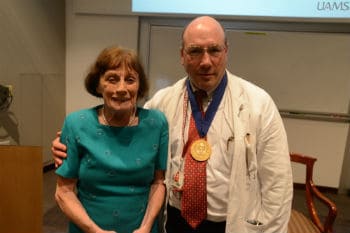
Drs. Lipsmeyer and Berney
Eleanor Lipsmeyer, M.D., for whom the professorship is named, has a distinguished career as a physician and beloved faculty member and teacher.

“Our students and trainees, and ultimately the patients they will care for, as well as the patients who come here to UAMS, are all very fortunate to have Dr. Berney’s leadership in rheumatology,” said Christopher T. Westfall, M.D., dean of the College of Medicine. “This professorship will help to carry on the distinguished legacy of Dr. Lipsmeyer for generations to come.”

The newly established professorship honors Lipsmeyer, a physician and beloved faculty member and teacher in the Division of Rheumatology. Lipsmeyer received her medical degree from UAMS in 1962 and stayed for her residency in internal medicine. After completing her training at Yale University, she returned to UAMS in 1969, joining the faculty as assistant professor. Over the next five decades, she was promoted through the academic ranks, serving as professor until her retirement in 2015.

Lipsmeyer earned high praise from patients, being recognized repeatedly as one of Arkansas’ best rheumatologists, and was voted one of America’s Best Doctors. UAMS College of Medicine seniors awarded her the distinguished and highly coveted Red Sash Award for excellence in teaching 18 times.

Berney was presented with a commemorative medallion by Patterson and Westfall. He recognized Lipsmeyer, who was in attendance, and thanked those present.

“This award is a demonstration of the admiration and love that the UAMS community has for Dr. Lipsmeyer, and I am glad she attended this ceremony today,” Berney said. “I am honored and humbled by this endowed professorship. I will endeavor to maintain the educational, inspirational and clinical excellence that Dr. Lipsmeyer has represented.”

Under Berney, the fellowship training program has improved significantly, resulting in higher rheumatology in-service exam scores, and the Division of Rheumatology is increasing its research capabilities and attracting clinical therapeutic trials.

Berney received his medical degree from Temple University School of Medicine and completed his postgraduate training at the University of Alabama at Birmingham and New York University. He joined the faculty at Louisiana State University Health Sciences Center-Shreveport in 1995 as assistant professor of medicine, and served successively as rheumatology fellowship director, internal medicine clerkship director, director of the student musculoskeletal “Core Concepts in the Clinical Sciences” course, chair of the institution’s promotion and tenure committee, chief of the Division of Rheumatology and director of the Center of Excellence for Arthritis and Rheumatology.

Berney has served as a national council member and Southern Region president for the American Federation for Medical Research, rheumatology section editor for the Year Book of Medicine, rheumatology section lecturer for the MedStudy Internal Medicine Board Review Course, and a member of the American College of Rheumatology Research Awards & Grants Study Section B. He serves on the Alliance for Academic Internal Medicine education committee and faculty development subcommittee, and the American College of Rheumatology annual meeting committee.

Berney has received numerous teaching awards, including the American College of Rheumatology Clinician Scholar Educator Award and the Dr. Allen A. Copping Award for Excellence in Teaching Clinical Science. At Louisiana State University Health Sciences Center-Shreveport, he received multiple Clarence H. Webb Awards for Outstanding Clinical Science Instructor, and several selections as the sophomore class Arnold P. Gold Foundation White Coat Ceremony Speaker and graduation marshal. He is a member of the Alpha Omega Alpha Medical Honor Society and has been named to the Best Doctors in America every year since 2005.

Filed Under: News

Showcase Puts COBRES in Spotlight

By Amy Widner

Have the COBRE programs at UAMS and ACRI reached critical mass and can now benefit the entire campus research community?

Mark Smeltzer, Ph.D., certainly thinks so. There are now six active Centers of Biomedical Research Excellence (COBRE) grants from the National Institutes of Health (NIH) at UAMS and the Arkansas Children’s Research Institute (ACRI). That translates to about $11.5 million a year in research funding.

Each COBRE is built around a theme. Junior investigators working on the theme benefit from funding, mentoring, technical support, technology and an environment that encourages collaboration. Participants are more likely to obtain independent federal funding, “graduating” from the COBRE and opening a spot for the next junior researcher to benefit. Over time, an institution develops clusters of expert faculty supported by the necessary technology to be leaders in their field.

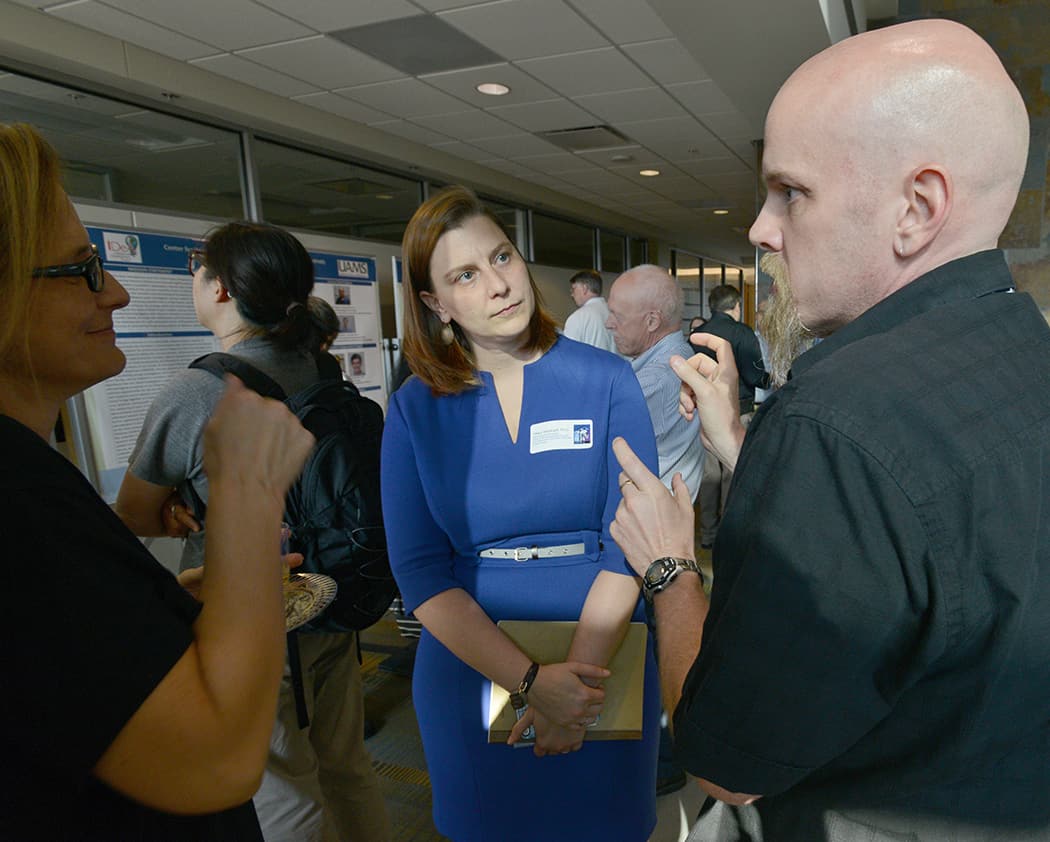
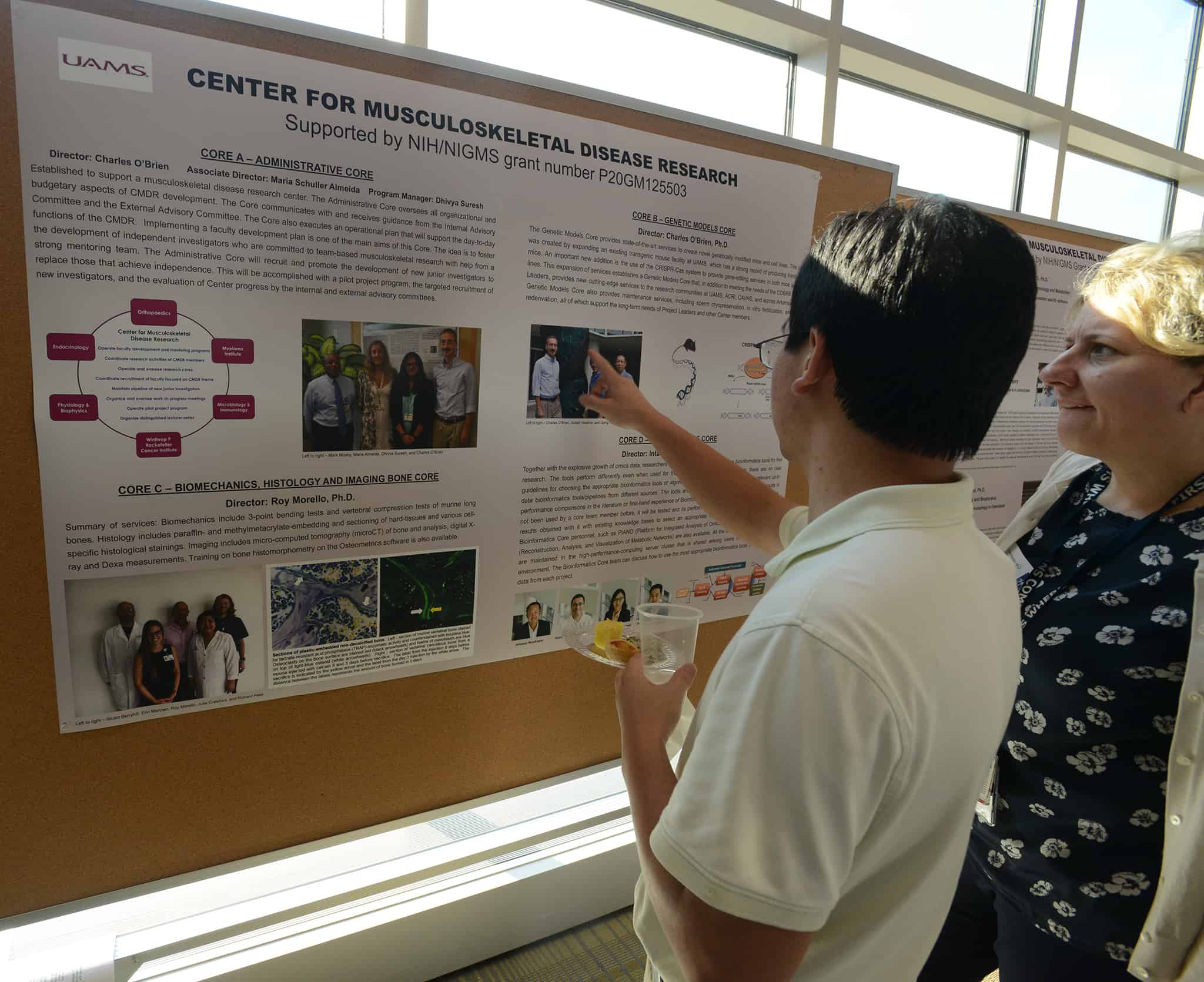
People talking and looking at posters
There are six COBRE programs at UAMS and ACRI.

But Smeltzer — who is director of one of the more longstanding COBRE programs at UAMS, the Center for Microbial Pathogenesis and Host Inflammatory Responses — thinks the centers can do even more.

“We can integrate the efforts of each program to enhance the overall research infrastructure on our campuses,” Smeltzer said. “We can be better than the sum of our parts, but to realize that potential will require us to be proactive in promoting communication and integration across individual COBRE programs as they grow and develop.”

Crowd shot from above
The Showcase of Medical Discoveries event was held at the Winthrop P. Rockefeller Cancer Institute and attracted one of the largest crowds to date.

As a step in that direction, the COBREs took center stage at the Showcase of Medical Discoveries in September. Organized by the office of Vice Chancellor for Research Lawrence Cornett, Ph.D., and supported by UAMS College of Medicine Dean Christopher T. Westfall, M.D., the showcase is an opportunity for faculty to share their work in a social setting.

Attendees packed into the 10th floor of the Winthrop P. Rockefeller Cancer Institute for one of the most-well-attended showcases to date. They were met with posters and representatives for each COBRE and additional support programs.

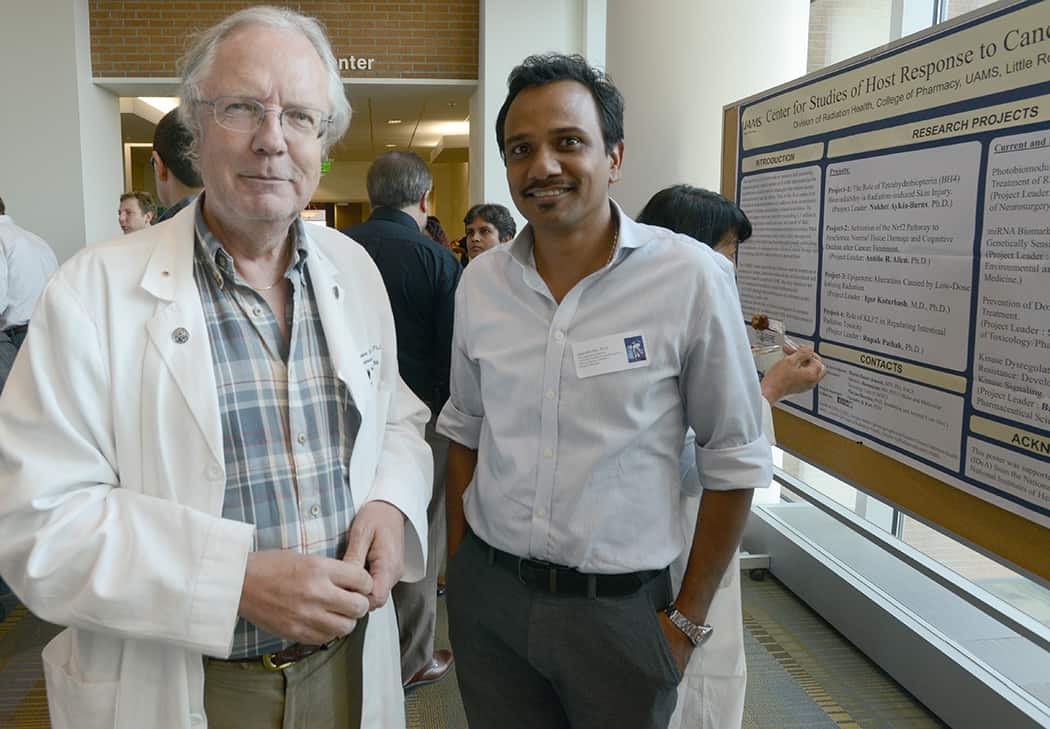
Researchers at event
The COBRE programs focus on helping junior researchers establish their careers. Each COBRE is organized around a theme.

The COBREs are:

  • The Center for Translational Neuroscience; Edgar Garcia-Rill, Ph.D.; $22.5 million; third and final phase.
  • The Center for Microbial Pathogenesis and Host Inflammatory Responses; Mark Smeltzer, Ph.D.; $21 million; Phase II.
  • The Center for Studies of Host Response to Cancer Therapy; Martin Hauer-Jensen, M.D., Ph.D.; $10.5 million; Phase I.
  • The Center for Childhood Obesity Prevention; Judith Weber, Ph.D.; $9.4 million; Phase I.
  • The Center for Translational Pediatric Research; Alan Tackett, Ph.D.; $11.5 million; Phase I.
  • The Center for Musculoskeletal Disease Research; Charles A. O’Brien, Ph.D.; $11.3 million; Phase I.
Researchers talking near poster
Over time, the goal is for institutions to develop pockets of expertise and researchers who have established independent funding.

Each of the COBREs is associated with concentrations of technology known as “cores,” available to researchers whether they are associated with a COBRE or not. These include:

  • Flow Cytometry Core
  • DNA Sequencing Core
  • Irradiation and Animal Core
  • Genomics Core
  • Experimental Pathology Core
  • Tissue Biorepository and Procurement Service
  • Brain Imaging Research Center
  • Bioanalytical Core
  • Digital Microscopy Core
  • Ultrasound Imaging Core
  • Proteomics Core
  • Molecular Imaging Core
  • Science Communications Core
  • Genetic Models Core

“With the showcase, we hope to provide an opportunity for investigators associated with each program to become better acquainted with investigators associated with other programs and with the technical resources these collective programs have to offer,” Smeltzer said. “We hope this exposure extends beyond the programs themselves to include additional investigators at UAMS and ACRI.”

What’s more, the showcase highlighted efforts to provide resources of interest to all investigators. For example, Mary Aitken, M.D., M.P.H., and the Translational Research Institute are developing a Fundamentals in Research seminar beginning in December that will focus on issues like scientific career advancement, grant writing and management, and leadership skills building. For more information, contact Nia Indelicato at nlindelicato@uams.edu  or visit the TRI website.

“The COBRE programs at UAMS and ACRI are having exactly the impact the NIH intends for them to have to build up the environment for quality research and innovative science,” Cornett said. “It is obvious with events like the showcase that the COBREs have created many graduated investigators with independent funding of their own and many collaborative partnerships that never would have taken place. The COBREs have concentrated expertise and technology on our campus in a way that benefits everyone.”

Filed Under: News

UAMS Receives $1.27M Grant for Educational Outreach with Little Rock Schools

By Amy Widner

The University of Arkansas for Medical Sciences (UAMS) has received a $1.27 million science education research grant to teach Little Rock School District students about STEM careers and cardiovascular health using handheld ultrasound devices and other interactive technology.

The five-year Science Education Partnership Award (SEPA) comes from the National Institute of General Medical Sciences, part of the National Institutes of Health.

Dr. Kevin Phelan with teachers
Kevin Phelan, Ph.D., demonstrates a handheld ultrasound device on himself to teachers at Hall High School.

The program is a partnership with the Little Rock School District and will include activities at both institutions. UAMS faculty will bring programs to ninth-grade physical science classes in the district. The UAMS campus will also host week-long summer camps each year of the grant, and some students will be invited back in subsequent years to deepen their engagement with science by becoming members of the camp staff.

The project’s overall aim is not only to teach individual students about science, technology, engineering and math (STEM), but to research the most effective ways to inspire students to pursue STEM careers.

“UAMS’ mission as the state’s only health sciences university expands beyond its walls and out into the community,” said Christopher T. Westfall, M.D., dean of the College of Medicine. “Educational outreach is needed in a state like Arkansas, where we are challenged by racial, ethnic and socioeconomic health disparities, as well as growing shortages of health care professionals. We must develop new and innovative methods for cultivating a larger, more diverse, and culturally competent health care workforce.”

Kevin D. Phelan, Ph.D., co-director of the Division of Clinical Anatomy in the UAMS

Two teachers using ultrasound
Teachers in the Little Rock School District try the handheld ultrasound devices.

College of Medicine, is leading the program, which is called ArkanSONO. In the high school science classrooms, UAMS faculty will use real medical-grade handheld ultrasound devices to teach basics about the physics of sound, how ultrasounds work and how they are used in various STEM fields, including medicine, biomedical research and industry.

“It’s a novel approach that has a bit of a ‘wow’ factor with students,” Phelan said. “They get to see blood vessels expanding or contracting in real time, or see tendons moving under the skin. We all had a favorite teacher, or can think back to an exciting educational experience that sparked our interest and propelled us to our futures. We’re hoping that for some of these students, this can be that experience for them.”

Phelan conducted a pilot study in spring 2017 at four of the five high schools in the district.

“Teachers said the students were talking about it for weeks afterward,” Phelan said. “We’re excited about seeing what additional interest in STEM we can generate by having some of these students attend summer camps at UAMS, where they build on what they learn in the classroom.”

“We are grateful to UAMS for this significant investment in our students and for this tremendous partnership,” said Little Rock School District Superintendent Mike Poore. “Our students need these types of hands-on, relevant experiences to learn about STEM and associated careers. It’s clear that most of the jobs of the future will require science and math, so exposure to STEM education today will prepare our students to become the next generation of great innovators.”

During the classroom visits, students will also be able to interact with smaller versions of UAMS’ Sectra Table, a virtual dissection tool that allows students to explore human anatomy in 3D with simple gestures similar to those on a smartphone. By the end of the classroom series, the students will use the ultrasounds to conduct their own experiments, using critical thinking and the scientific process to predict how the ultrasounds will interact with common objects.

At SONOcamp, students will be able to use the ultrasounds on “standardized patients” — actors who portray patients for teaching purposes — so that they can explore the heart. They will learn about cardiovascular health, including the importance of exercise, a healthy diet and refraining from smoking.

Students will interact with role models and mentors from a variety of STEM fields as well as current UAMS students from diverse backgrounds. Participants will put what they’ve learned to the test at the SONOlympics, during which they will use many of the real-life ultrasound skills they’ve learned to solve problems and complete tasks.

Phelan is joined in administering the grant, program and accompanying research by Gregory Snead, M.D., chief of the Division of Emergency Medicine Ultrasound in the UAMS College of Medicine Department of Emergency Medicine; Billy R. Thomas, M.D., UAMS’ vice chancellor for diversity and inclusion; Noor Akhter, Ph.D., and Mohsin M. Syed, Ph.D., both assistant professors in the UAMS College of Medicine Department of Neurobiology and Developmental Sciences; and Karen Yanowitz, Ph.D., professor in the Arkansas State University Department of Psychology and Counseling.

This is the fourth time UAMS has earned the prestigious SEPA funding. Robert Burns, Ph.D., administered the UAMS Partners in Health Sciences Program from 1997-2000. It was funded for a second phase from 2000-2004. In that time, the program brought in millions in grant funding and provided outreach to Pre-K-12 teachers from across the state, giving them science curricula and high-quality teaching tools to take back to their classrooms. In addition, Teresa Kramer, Ph.D., and JoAnn Kirchner, M.D., led the Partners in Behavioral Health Science SEPA program from 2000-2005.

For more information about ArkanSONO and for ideas for using ultrasounds to teach science, find ArkanSONO on the UAMS College of Medicine Department of Neurobiology website —  or follow @ArkanSONO on Twitter.

Filed Under: News

  • «Previous Page
  • Page 1
  • Interim pages omitted …
  • Page 15
  • Page 16
  • Page 17
  • Page 18
  • Page 19
  • Interim pages omitted …
  • Page 39
  • Next Page»
UAMS College of Medicine LogoUAMS College of MedicineUniversity of Arkansas for Medical Sciences
Mailing Address: 4301 West Markham Street, Little Rock, AR 72205
Phone: (501) 296-1100
  • Facebook
  • X
  • Instagram
  • YouTube
  • LinkedIn
  • Pinterest
  • Disclaimer
  • Terms of Use
  • Privacy Statement
  • Legal Notices

© 2026 University of Arkansas for Medical Sciences