• Skip to primary navigation
  • Skip to main content
  • Skip to primary navigation
  • Skip to main content
Choose which site to search.
University of Arkansas for Medical Sciences Logo University of Arkansas for Medical Sciences
College of Medicine
  • UAMS Health
  • Jobs
  • Giving
  • About Us
    • Fast Facts
    • Leadership
    • Features
    • COMmunication Newsletter
    • Maps and Directions
    • College of Medicine History
    • Professionalism Guidelines
  • Departments
  • Admissions
    • Apply
    • Financial Aid and Scholarships
    • Life in Little Rock or Fayetteville
    • Dual Degree Programs
      • M.D./MBA Program
      • M.D./Ph.D. Program
      • M.D./MPH Program
    • Three-Year M.D. Program
    • Rural Practice Programs
      • Community Match Rural Physician Recruitment Program
      • Rural Practice Scholarship Program
    • Contact Admissions
  • Students
    • Academic Calendar
    • Academic Houses
    • Career Advising
    • Financial Aid and Scholarships
    • Visiting Students
    • Mentor Spotlight Podcast
    • Preparing for Residency
    • Non-Discrimination Statement
    • Outstanding Teacher Nominations
    • Parents Club
    • Student Links
    • Honors in Research
    • UAMS Campus Security
    • Undergraduate Medical Education Competencies
  • Graduate Medical Education
  • Alumni
  • Faculty Affairs
  • Research
  1. University of Arkansas for Medical Sciences
  2. College of Medicine
  3. Author: Chris Lesher
  4. Page 15

Chris Lesher

UAMS Receives Building from Schmieding Foundation

By David Wise

The Schmieding Foundation in Springdale has given the $4.85 million building that houses the UAMS Schmieding Center for Senior Health and Education in Springdale to the University of Arkansas for Medical Sciences (UAMS).

Pearl McElfish, Ph.D., vice chancellor for the UAMS Northwest Regional Campus, joined Schmieding Foundation President Gilda Underwood and Schmieding Foundation Vice President/Treasurer Lance Taylor for the signing ceremony at the Schmieding Center on Dec. 27, 2018.

The Schmieding Center was established Jan. 1, 1999, when Lawrence H. Schmieding gave UAMS more than $15 million to operate health and education programs for the seniors of Northwest Arkansas and to train home caregivers so older Arkansans could age in place at home.

Lawrence Schmieding, who died in 2009, made the gift after searching in vain for qualified home caregivers for his aging brother, Bert. The center became the first regional Center on Aging of the UAMS Donald W. Reynolds Institute on Aging, which is directed by Jeanne Wei, M.D., Ph.D.

After leasing two temporary sites for a few years, in 2002 the Schmieding Foundation designed and built the current 27,500-square-foot facility at 2422 North Thompson Street in Springdale.

Since 1999, the Schmieding Foundation has invested about $31 million in the Schmieding Center, Taylor said, including building costs, maintenance and educational programs. Per written agreement, UAMS received the title to the building after 20 years, which was Jan. 1, 2019.

“It was Lawrence Schmieding’s dream that the Schmieding Foundation work with UAMS to help seniors age in their home and enjoy the best possible quality of life,” Underwood said. “UAMS has worked with many partners in Northwest Arkansas toward these goals and has improved services to seniors not only in Northwest Arkansas but all over the state.”

“It has been a privilege to partner with UAMS and to see the developments that have occurred at the Schmieding Center,” Taylor said. “We look forward to UAMS continuing to advance the vision of Lawrence Schmieding and watching the Schmieding Center grow and serve seniors in Northwest Arkansas through quality health care, educational programs and caregiver training.”

The building includes a 125-seat auditorium, a geriatric medical clinic wing operated by Washington Regional, and an education wing that includes an Aging Resource Center, the Walter Turnbow Boardroom, administration offices and two classrooms. The facilities are equipped with audio/visual equipment and include the signature “Beth Vaughan Wrobel Care House” where students train in a simulated apartment to teach them how to take care of someone at home.

The Schmieding Center addresses the needs of seniors through:

  • Senior Health Clinic
  • Social and physical activities such as watercolor workshops and Tai Chi and yoga classes
  • Family caregiver workshops and support groups
  • Health professional continuing education
  • Aging resource center
  • Alzheimer/dementia classes
  • Certified nursing assistant training
  • Social work student fellowship experiences

The original gift included an operations endowment that funded the Schmieding Home Caregiver Training program to fulfill Schmieding’s quest to train caregivers to provide one-on-one personalized assistance that helps older adults stay healthy and safely at home. In Schmieding’s words, “Where there’s home, there’s hope.”

“Lawrence Schmieding passed away in 2009, and his legacy has been carried forward under the wonderful leadership of Gilda Underwood and Lance Taylor,” McElfish said. “Because of Mr. Schmieding’s vision and the dedication of people like Gilda, Lance and the foundation’s board of directors, the Schmieding Center will forever provide high-quality educational programs for health professionals, paraprofessionals, and the community and further Mr. Schmieding’s vision for an excellent quality of life for seniors and their families.”

From left: Gary McHenry, executive director of the Schmieding Center for Senior Health and Education; Brandi Schneider, director of aging services and administration at the Schmieding Center; Dina Wood, UAMS senior director of development; Gilda Underwood, Schmieding Foundation president; Pearl McElfish, vice chancellor of the UAMS Northwest Regional Campus; Lance Taylor, Schmieding Foundation vice president; Eric Leemis, director of business operations analysis for UAMS Northwest; and David Harrison, executive vice president of First National Title Company.

Filed Under: News

Pro Visits UAMS for Study of Golfing Motion

By Spencer Watson

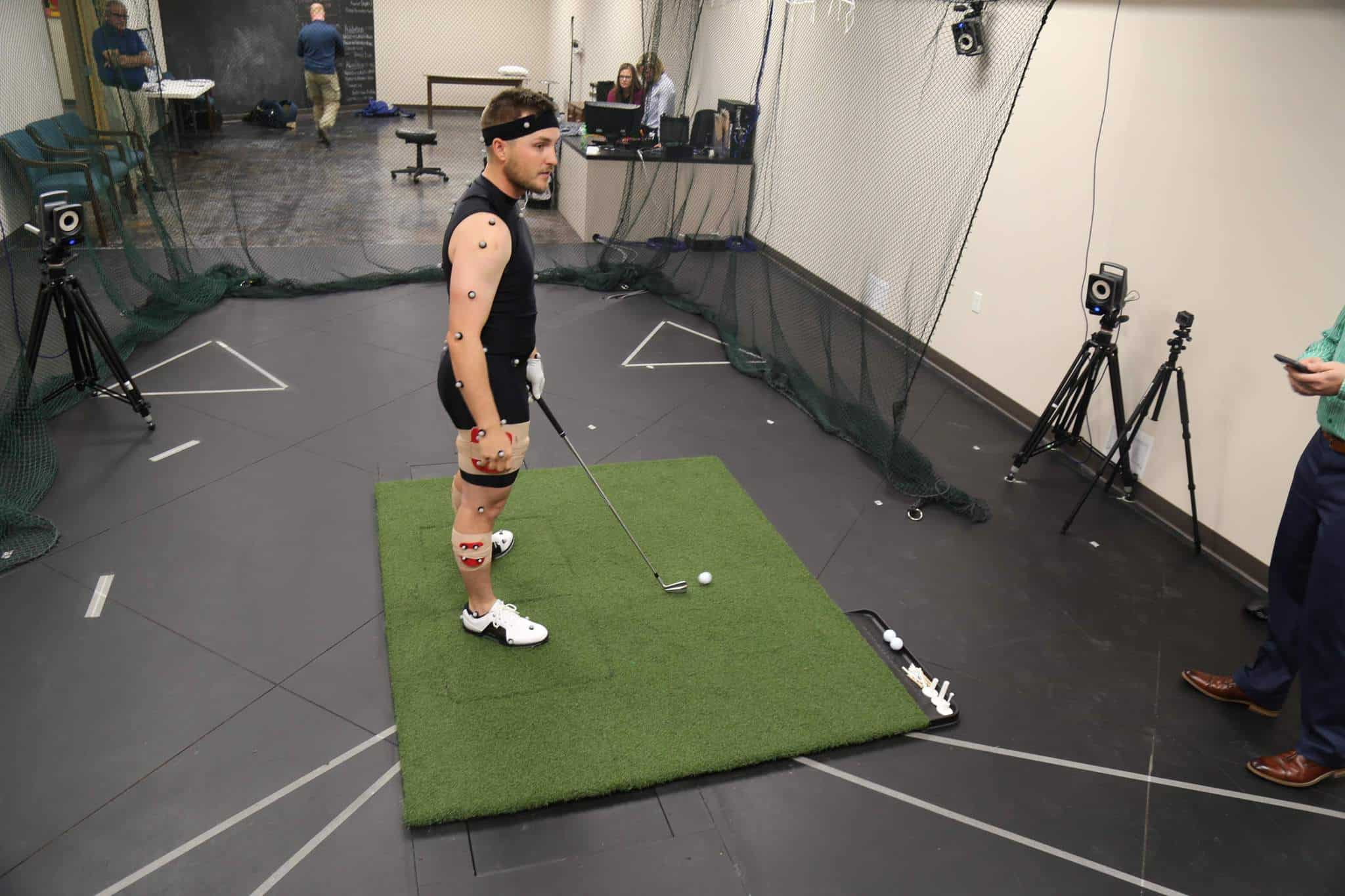
Standing in a long, rectangular room with his feet firmly planted on an artificial green turf surrounded by a series of 10 different infrared motion-capture cameras, PGA golfer and Arkansas native Austin Cook aimed carefully with a driver as he prepared to send a golf ball flying from a tee into a net.

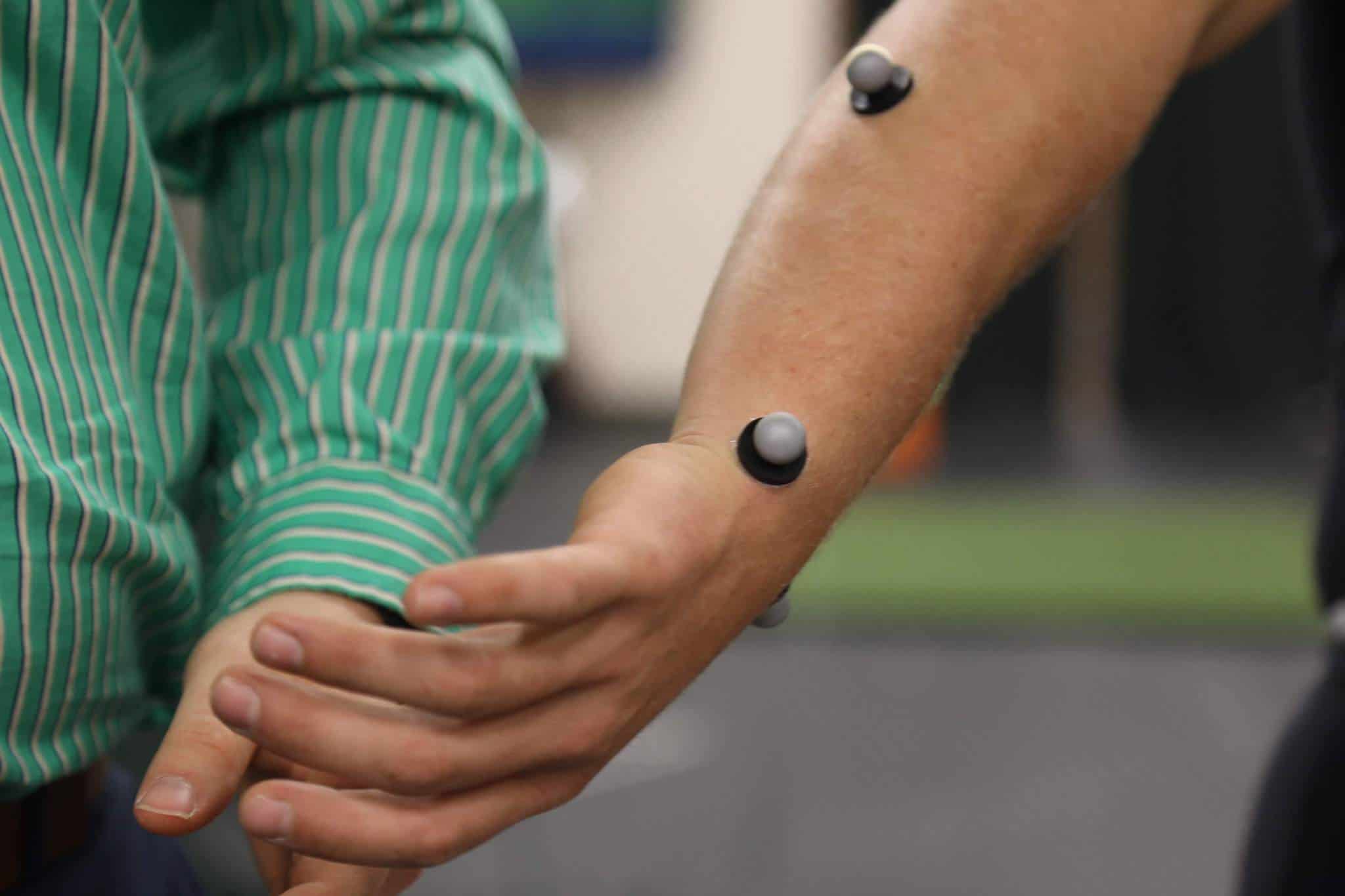
Close up of reflective markers on an arm
Some 78 retro-reflective markers are attached to participants’ bodies to track them using infrared cameras.

“I’ve never done anything like this before,” said Cook, a former Arkansas Razorback who is in his second year on the PGA tour, having won the RSM Tournament at Sea Island and qualified for the prestigious Masters in his first year. As of late December 2018, he was ranked 112 in the Official World Golf Rankings.

Obviously, it wasn’t the golfing Cook was referring to. It was the 78 retro-reflective markers he had positioned all over his body, along with electromagnetic sensors taped to his legs that measured the electrical output of his quadriceps and hamstrings. Together, the instruments were being used to create a comprehensive, real-time picture of the motion and energy Cook used in each swing he took, information that is useful to UAMS researchers.

“There are really many aspects to what we can do” with the data captured, said Cecilia Severin, Ph.D., a postdoctoral fellow in the UAMS College of Medicine Department of Orthopaedic Surgery. “We can use this technique to compare movement before and after surgery, for example, or after surgery at three months, six months, nine months, et cetera, to track progress and improvement.”

Cook preparing to swing.

That’s why UAMS is recruiting golfers – and not just professionals – as well as surgery patients to study their movement patterns using the cameras and sensors. The hope is to find an optimal pattern of movement and muscle use in golf to prevent injury and improve performance.

“A golf swing is not something our bodies are really designed for, so one of our goals in the study is to understand how healthy golfers, people who don’t have injuries, achieve a good golf swing,” said Erin Mannen, Ph.D., an assistant professor in the Department of Orthopaedic Surgery and lead investigator on the study. “By learning something about that, we can learn about what we call pathologic populations, or people who have problems like knee or hip injuries, arthritis or lower back pain.”

As a 27-year-old professional who works out three times a week and, by his own admission, has spent the past couple years paying a lot more attention to what he eats, Cook is an ideal candidate to provide a baseline of sorts, researchers said. Comparing the data captured in tracking his movements to those of a surgery patient and noting differences, for example, could provide valuable insight.

Cook stretching before swinging.

“Looking at our elite golfers like Austin Cook, his variability – which is the measure of how different one swing is from another – is like nothing we’ve ever seen. It’s almost zero. Every single one of his swings was almost exactly the same,” said Mannen.

Of course, Cook said he was fascinated to see the report on his results himself.

“I do think it’s important to understand how the body moves, so you can max your swing to what your body is capable of,” he said, adding of his own body: “This is my tool. The clubs help, but our tool, ultimately, is our body, and if it’s not functioning properly, we can’t play well.”

Golfers age 50 or older with a handicap of 15 or less interested in participating the study can call 501-246-4439. Potential participants must give their age, golf experience and any past surgeries they may have had. Those who meet study criteria will be invited to schedule an appointment at the study facilities in Little Rock.

Filed Under: News

After Years of ‘No’ Elsewhere, Patient Finds Hope with James Suen, M.D.

By Amy Widner

Jan. 7, 2019 | Hailey Dougherty, 17, remembers crying from constant pain she was too young to even understand. She didn’t know it yet, but blood vessels were growing out of control and pressing against her 8-year-old brain.

“She would just cry from the time she got up until the time she went to bed,” said Hailey’s mom, Marisa Rokstad.

When Hailey was 12, doctors gave them a name for the condition — arteriovenous malformation — but they didn’t give her a solution. They told her the condition was so rare, dangerous and complicated that there are no medications and they wouldn’t risk performing surgery.

Patient before and after
Hailey, before and after treatment for the arteriovenous malformation around her right eye, skull and brain.

Soon, the renegade blood vessels began expanding on the outside of her skull, deforming Hailey’s face. Hailey remembers being a pre-teen who was in pain, insecure about her looks, and confused.

“I didn’t want to get up in the morning,” Hailey said. “I didn’t want to go to school. I didn’t want to see my friends.

“I remember one of the worst times. A doctor was telling us: ‘We’re going to have to remove a fourth of her face. She’s never going to look the same again. She will look completely different from everyone else.’ And I didn’t really understand. I was so young and I was so confused. I didn’t understand, but it scared me a lot.”

Portrait of Dr. Suen
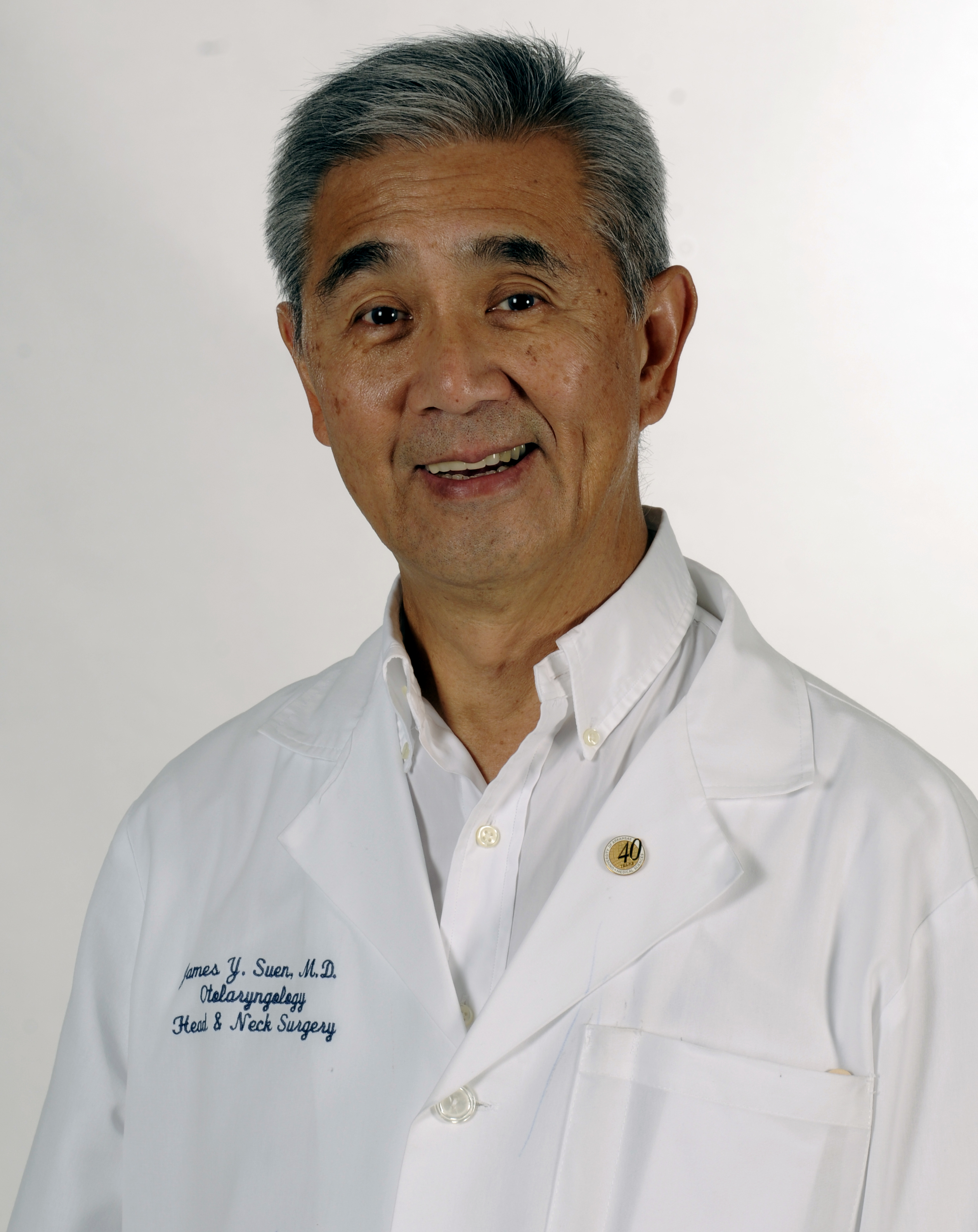
James Suen, M.D.

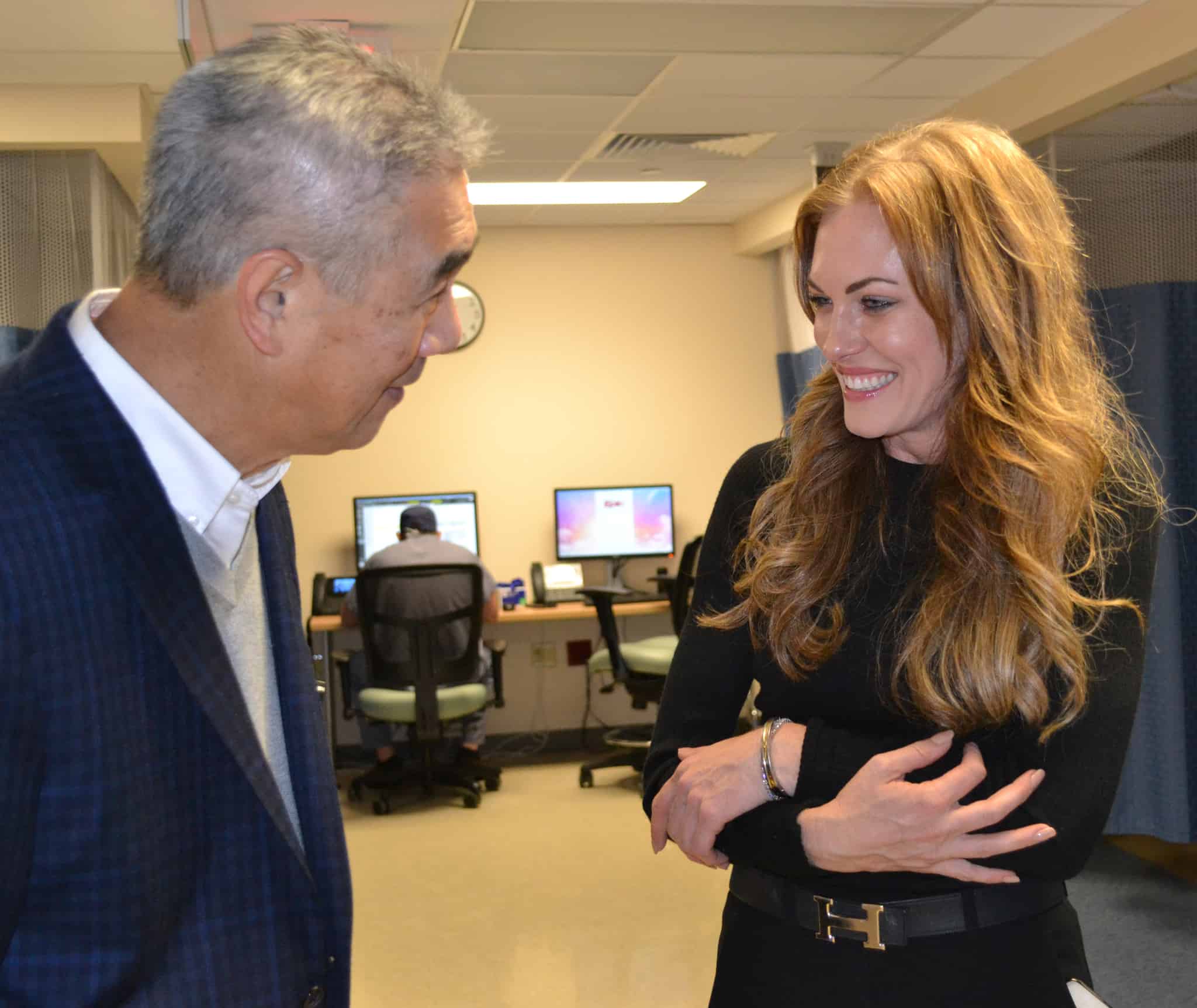
Rokstad was consulting with expert medical centers from across the country. When she called Harvard, they told her to call James Suen, M.D., at the University of Arkansas for Medical Sciences.

When Hailey met Suen, a distinguished professor in the College of Medicine Department of Otolaryngology — Head and Neck Surgery, Hailey said he was unlike any doctor she had met. Although he characterized her chances of being cured as “maybe 1 percent,” he gave her hope and an action plan for the path ahead. They got to work.

Four years later, Hailey has undergone many procedures and surgeries, the most significant of which involved removing a large part of her skull and the dura covering of her brain. The bone was filled with the malformed blood vessels, so much so that when UAMS neurosurgeon J.D. Day, M.D., who was assisting with the surgery, removed her skull, Hailey lost 10 pints of blood. Without the vascular malformation, a patient wouldn’t even lose half a pint of blood during the same operation, Suen said.

They removed the affected vessels from the lining around her brain, from the tissue in her orbit around her eye and also in her forehead and eyelid. Day used a special material to replace the dura covering her brain and fitted Hailey with a prefabricated prosthetic piece of skull to replace the bony defect.

Doctor with patient's mom
James Suen, M.D., talks to Hailey’s mom, Marisa Rokstad, after surgery.

The stakes were high. If the malformation had spread to Hailey’s brain, it would have killed her. If it had spread to her eye, it would have left her nearly blind. She has very little vision in her opposite eye from childhood.

Hailey continues to see Suen every three months for checkups and treatment with lasers and injections of Bleomycin, a cancer medication that Suen has found to be promising for patients like Hailey. Not only is Suen a leader in the treatment of arteriovenous malformation, he and his colleague, Gresham Richter, M.D., have done research in the area that has literally redefined the field.

“We’ve actually shown that the majority of arteriovenous malformations are very similar to low-grade cancers,” Suen said, explaining that previously, they were thought of as a problem having to do with flow dynamics.

“The recognition that they are actually more similar to cancers leads to new treatment options. Hopefully, AVMs can be treated with these new cancer drugs that can stop the growth and spread of these malformations. Very few drugs have been tried before, but our research will lead to new treatments. Under Dr. Richter’s direction, we have a research lab that’s devoted to just these vascular malformations.”

Doctor and patient hugging
James Suen, M.D., comforts Hailey after surgery.

In October, two years after the major surgery, Hailey underwent an arteriogram to look for signs of the malformation. Hailey and her mother were relieved by good news. There was no sign of anything growing back along her skull or brain or face. Suen found a small spot just inside her eyelid he will continue to monitor.

Is Hailey that 1 percent who found a cure? As a scientist, Suen will only say, “hopefully,” but one thing is for certain: Hailey and her family will keep coming to Suen for his care and expertise as they work to keep the effects of her disease at bay.

“He turned my whole life around,” Hailey said. “He’s an angel sent from heaven, and I’m not kidding when I say that.”

“He couldn’t be a better human being,” Rokstad said. “What she has is scary and painful. It was difficult for us to even find the right care, and then when we did, to have him be so caring on top of having the expertise — it’s phenomenal! Dr. Suen’s team and UAMS have been a godsend for us.”

Filed Under: News

UAMS Has State’s Only Pediatric OB-GYN

By Spencer Watson

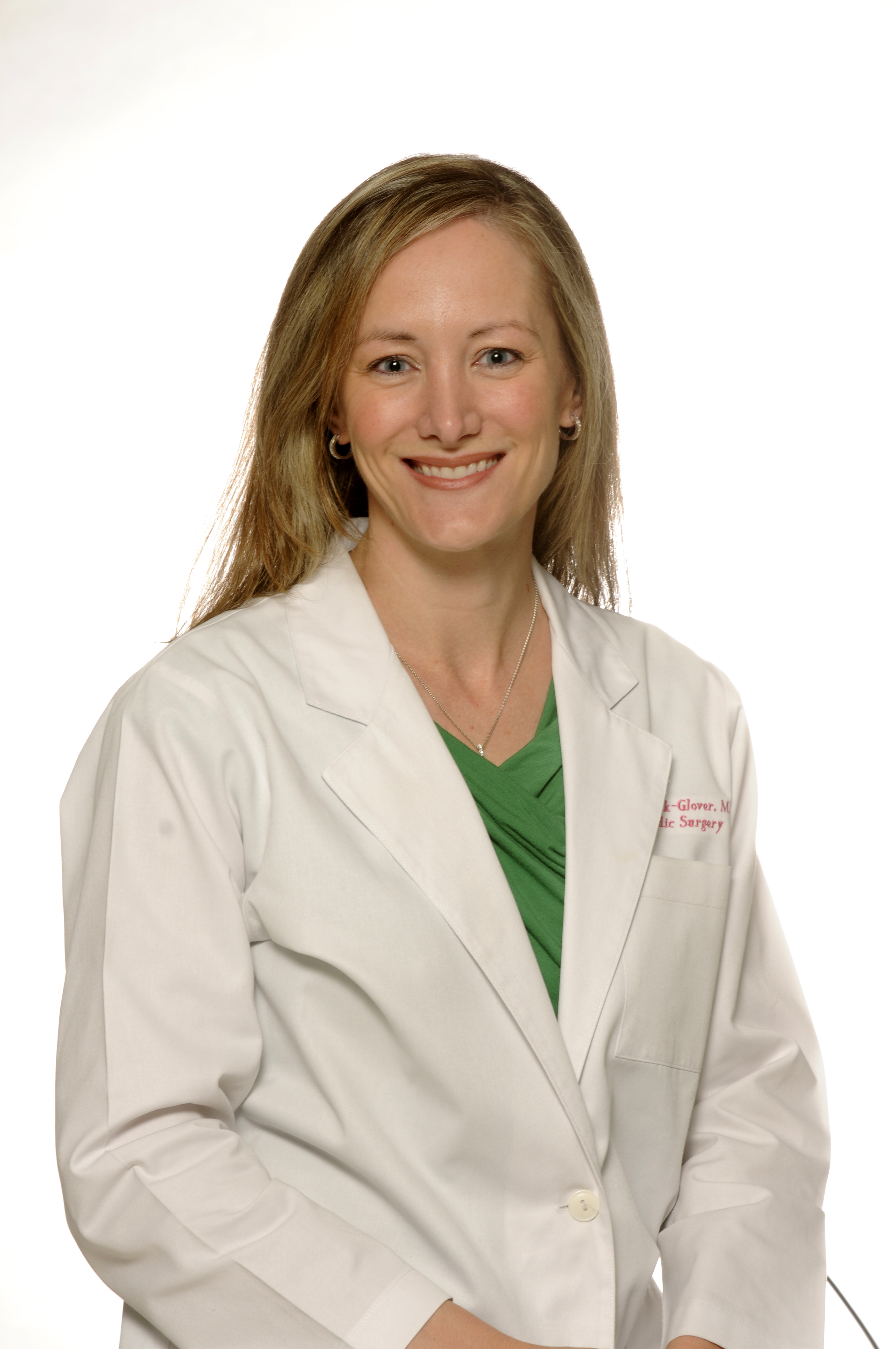
Laura Hollenbach, M.D., an assistant professor in the University of Arkansas for Medical Sciences (UAMS) College of Medicine, has become the first and only physician in Arkansas to be board certified in Obstetrics-Gynecology with Focused Practice Designation in Pediatric and Adolescent Gynecology. She mostly sees pediatric patients on the campus of Arkansas Children’s Hospital, where UAMS Department of Pediatrics faculty members practice.

Laura Hollenbach, M.D.

“It’s a relatively new specialty,” said Hollenbach, also the division director for pediatric and adolescent gynecology at Arkansas Children’s. “The American Board of Obstetrics and Gynecology, which certifies OB-GYNs in all subspecialties, has never had a separate examination for pediatric gynecology. But now it’s gotten large enough nationally that this is the first year they’ve offered it.”

Pediatric gynecologists treat patients from birth to age 22. While there is some overlap with general gynecology, certain issues arise specific to children, from structural issues at birth to early or late onset of puberty, that require specialized care, Hollenbach said.

“Kids aren’t just small adults, so we can’t extrapolate the way we treat adult women, with regard to gynecologic care, in the way we treat children. Specialty training in pediatric gynecology allows physicians to learn more about the special reproductive needs of children and adolescents,” she said.

Candidates for the exam were required to meet a certain volume of cases in which they specifically treated children in both operative procedures and clinical care in order to sit for the exam. About 100 candidates were selected nationwide.

“Since this is the first exam ever of its kind, even the people who were writing and contributing to the test had to take it,” Hollenbach said. “That’s kind of a weird phenomenon, but that’s because it was the first one.”

Hollenbach, who was heavily influenced and mentored by Little Rock physician Karen Kozlowski in this area of practice, said it’s rewarding to be among such a small group in a field that has existed as a specific area of research and interest for some time, but is expanding the formalization to a recognized field of specialty care.

“It’s a really tight knit group of people who are focused on this aspect of health care. If my colleagues had a question about a complicated delivery, for example, they could ask each other. Whereas, with this kind of specialty, if I email people, it’s specialists and experts from all across the nation. The people who trained me are the people who wrote the textbook.”

Hollenbach said that she was drawn to and has grown to love her field for its interactions with people, both in teaching residents and students at UAMS and treating younger patients at Arkansas Children’s and statewide through telemedicine.

“Working with children is rewarding in that you have a lot of opportunity to do preventive care and a lot of opportunity to do education,” she said. “While you can still do that in adult medicine, too, I feel you can have a bigger impact as they are still developing their habits and values and learning about themselves.”

Hollenbach, a graduate of Hendrix College in Conway, received her medical degree from UAMS in 2008 and joined the faculty in 2012. In 2014 she began a two-year fellowship in pediatric gynecology at Cincinnati Children Hospital Medical Center and afterward returned to UAMS in her current position.

Filed Under: News

Santa Gets Back to Work After Wrist Repair at UAMS

By Katrina Dupins

For the first time in decades, James Pruss is spending this December making appearances as Santa Claus. Until the Spaghetti with Santa event in North Little Rock on Dec. 2, Pruss says he had forgotten how much he enjoys the gig.

“It’s fun to see the looks on the kids’ faces when they see me – especially the younger ones,” Pruss said. “Some of them are really nervous.”

James Pruss poses for photos in North Little Rock Dec. 2.

The requests often put a smile on his face. Some make him laugh out loud.

“An 8-year-old told me he wanted a Camaro. A real Camaro! I’m not sure if his feet would even reach the pedals.”

Others pull at his heart strings.

“She told me she wanted her pawpaw back. I wasn’t quite sure how to answer that one.”

Pruss is able to get back to playing Santa and other hobbies because he no longer has pain in his wrist. He spent 36 years installing and repairing car washing equipment. He’d even built some from the ground-up. Over the years, Pruss would often injure his hands. In 2016 he was looking for a new hand surgeon for a consultation.

Theresa Wyrick, M.D., UAMS Orthopaedic SurgeonTheresa Wyrick, M.D., UAMS Orthopaedic Surgeon
Theresa Wyrick, M.D., UAMS Orthopaedic Surgeon

“We were in the hospital following my wife’s hip replacement so I started asking around. Everyone told me to see Dr. Wyrick.”

Theresa Wyrick, M.D. is an orthopaedic surgeon at UAMS who specializes in hand and upper extremities. In 2016, she diagnosed Pruss with carpel tunnel syndrome in both hands and cubital tunnel syndrome in his elbows. She repaired his right hand and elbow and Pruss was able to go back to work.

Months later, Pruss reinjured himself when he grabbed a pipe wrench. He’d heard something pop and then felt excruciating pain. He’d had another surgery bu

t the pain remained in his wrist.

“Dr. Wyrick was studying my x-rays and noticed my ulnar bone was too long and that it was impending my nerves and tendons,” Pruss said. “I was game for anything.”

The ulnar and radius are the two long bones in the forearms that extend from the elbow to the wrist. In August Wyrick performed a surgery in which she shortened Pruss’ ulnar bone.

“The idea is that we’re decompressing the outside part of the wrist and making the ulnar bone shorter than the radius bone,” Wyrick said. “It’s a procedure to give function and eliminate pain.”

James Pruss, as Santa, enjoys a holiday gathering with Theresa Wyrick, M.D. and her family.

In his follow-up visit a few weeks later, Pruss told Dr. Wyrick the pain in his wrist was gone. It’d been nagging him for 15 years.

Pruss thanked Wyrick and told her that he was able to get back to doing things he enjoyed because his wrist felt better, including playing Santa Claus.

“Using the skills I’ve learned to serve others and ultimately get them back to the things they love is rewarding,” Wyrick said. “I helped him. And now he’s brining joy to others this holiday season.”

Wyrick’s children, 8 and 4, took photos with Santa at a Christmas party this year. They were excited to learn that their mom fixed his hand.

“Dr. Wyrick will sit and talk to you like she’s known you all your life,” Pruss said. “She’s one of the most caring doctors I’ve ever had.”

Filed Under: News

Recent Faculty Appointments — December 2018

Department of Pathology

Bobby Boyanton Jr., M.D.

Dr. Bobby Boyanton

Bobby Boyanton Jr., M.D., has joined the Department of Pathology as Professor and Section Chief of Pathology at Arkansas Children’s Hospital. He previously was a Professor of Pathology at the William Beaumont College of Medicine of Oakland University in Michigan, where he led the clinical microbiology and molecular pathology laboratories and served as Associate Residency Program Director at Beaumont Hospital.

“Dr. Boyanton has a rare blend of expertise in both molecular pathology and medical microbiology and leadership,” said Jennifer Hunt, M.D., M. Ed., Professor and Aubrey Hough Endowed Chair of the Department of Pathology. “His unique skill set, talent and love for mentoring, teaching and education will help us continue to grow and expand our pathology operations and training at ACH.”

Dr. Boyanton received his medical degree from the University of Oklahoma College of Medicine in 2002. He completed residency training in anatomic and clinical pathology at the University of Oklahoma Health Sciences Center in 2002-2003 and at Baylor College of Medicine in 2003-2006. He continued his training with a molecular genetic pathology fellowship at Baylor and recently pursued additional training in laboratory management, receiving certification from the American Society for Clinical Pathology (ASCP) and American Pathology Foundation’s Lab Management University.

During his time at Beaumont, Dr. Boyanton led numerous clinical and research initiatives. As the laboratory director he brought in many new state-of-the-art clinical assays and novel testing platforms. His initiatives included implementation of high-throughput molecular biology testing and expansion of reference laboratory capabilities at Beaumont Hospital. Honors included being featured in HOUR Detroit magazine’s 2016 list of Top Docs.

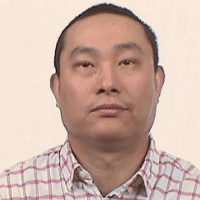
Zhiqiang Qin, M.D., Ph.D.

Dr. Qin Zhiqiang

Zhiqiang Qin, M.D., Ph.D., has joined the Department of Pathology as an Associate Professor. Dr. Qin received his medical degree and his doctorate in microbiology at the Fudan University and Fudan University Medical School in Shanghai, China. He trained as a Postdoctoral Fellow at the Medical University of South Carolina, where he went on to become a Staff Scientist and a Research Assistant Professor.

Dr. Qin served on the faculty at Louisiana State University health Science Center in New Orleans from 2011 until his recruitment to UAMS. His research focuses on cancer oncology and microbiology. He has an active National Institutes of Health/National Cancer Institute research award for a project titled “Periodontal bacteria enhance oral KSHV pathogenesis and Kaposi’s Sarcoma development in HIV+ patients.”

Department of Pediatrics

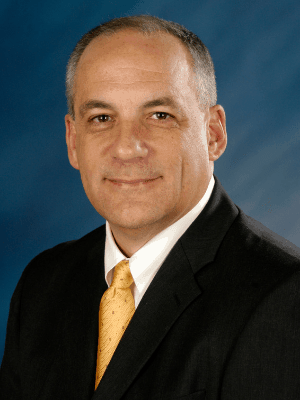
Fernando Vargas, M.D., M.P.H.

Dr. Fernando Vargas

Fernando Vargas, M.D., M.P.H., has joined the Department of Pediatrics as an Assistant Professor in the Division of Developmental Pediatrics. Dr. Vargas received his medical degree and his Master of Public Health at the University of Michigan, where he also completed his residency. He recently completed a fellowship in pediatric rehabilitation at Children’s Mercy Hospital in Kansas City.

Department of Surgery

Kalenda Kasangana, M.D., RPVI

Dr. Kalenda Kasangana

Kalenda Kasangana, M.D., RPVI, has joined the Department of Surgery as an Assistant Professor in the Division of Vascular and Endovascular Surgery. Dr. Kasangana received his medical degree from St. George’s University School of Medicine in Grenada in 2008. He completed his residency in general surgery and fellowship in vascular surgery at Maimonides Medical Center in Brooklyn, N.Y., where he received the Fellowship Achievement Award for outstanding performance, clinical expertise and his commitment to medical training and patient care.

Dr. Kasangana is board certified in general and vascular surgery and is a Registered Physician in Vascular Interpretation. His clinical expertise includes open and endovascular treatment of aortic, visceral, carotid, extremity arterial disease, vein disease, hemodialysis access creation and maintenance, wound care and interpretation of non-invasive vascular studies.

Filed Under: Faculty Updates

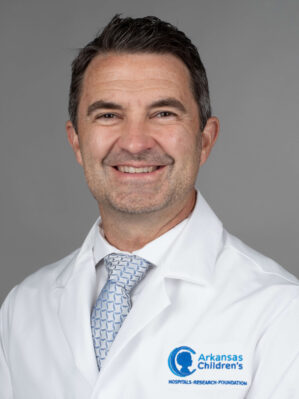
Dr. Gregory Sharp Named Senior VP/Chief Medical Officer at Arkansas Children’s Hospital

Gregory Sharp, M.D., Professor and Chief of Pediatric Neurology in the College of Medicine Department of Pediatrics at the University of Arkansas for Medical Sciences (UAMS), has been named Senior Vice President and Chief Medical Officer for Arkansas Children’s Hospital (ACH).

Dr. Sharp has held numerous clinical, academic and hospital leadership posts since first joining the faculty as an Assistant Professor in the departments of Pediatrics and Neurology in 1990. He was promoted to Associate Professor in 1996 and to Professor in 2006. He has served as Chief of Pediatric Neurology since 2007 and also led the section in 1998-2003.

Portrait of Dr. Sharp
Gregory Sharp, M.D., has been named Chief Medical Officer for Arkansas Children’s Hospital.

Key leadership roles have included Chief of the Medical Staff at ACH since July 2017 and Vice-Chief of Medical Staff for two years prior to that. He has served since 2017 on the ACH Board of Directors and numerous ACH leadership committees including the Medical Staff Executive Committee, Child Health Practice Council and ACH Board Quality and Safety Committee.

Dr. Sharp has served as Medical Director of the Neuroscience Center and Neuroscience Inpatient Unit at ACH since 1998. He directed the Neurophysiology Lab in 1996-2000 and 2002-2017. Dr. Sharp was Co-Director of the Arkansas Comprehensive Epilepsy Program in 1990-1995. He has held the John H. Bornhofen Endowed Chair in Child Neurology at ACH since 2008.

Dr. Sharp received his medical degree from the UAMS College of Medicine in 1984. He completed his residency in pediatrics at UAMS and ACH and served as Chief Resident in 1986-1987 before continuing his training with a pediatric neurology fellowship at the Mayo Clinic in Rochester, Minnesota, in 1987-1990.

Filed Under: News

UAMS Researcher Clint Kilts Named ARA Fellow

By Ben Boulden

Dec. 13, 2018 | UAMS researcher Clint Kilts, Ph.D., was named an Arkansas Research Alliance (ARA) Fellow at a news conference today at the State Capitol.

Kilts was presented with a certificate by Gov. Asa Hutchinson, ARA CEO Jerry Adams and UAMS Chancellor Cam Patterson, M.D., MBA. ARA Fellows from university campuses receive a $75,000 grant.

Dr. Patterson at podium
Chancellor Cam Patterson formally announces that Kilts has been named an ARA Fellow.

“Dr. Kilts is applying technology to real world problems like drug abuse and prevention, responses to sexual trauma, and dealing with health issues like schizophrenia,” Patterson said. “His research has been groundbreaking providing opportunities to take technology into the community and have a direct impact on people here in Arkansas and across the United States. Clint, congratulations on your accomplishments, and we are so proud of you for being the next ARA Fellow at UAMS.”

Kilts is the founding director of the Brain Imaging Research Center at the UAMS Psychiatric Research Institute, an associate director of the institute and a professor in the UAMS Department of Psychiatry in the UAMS College of Medicine. He holds the Wilbur D. Mills Endowed Chair in Alcohol and Drug Abuse Prevention.

The ARA Fellows program, launched in 2014, recognizes research leaders who are currently working in Arkansas at one of the state’s five research campuses. The program was created to advance the mission of ARA by supporting world-class researchers whose work strengthens the competitiveness of the state through research.

ARA Fellows focus on innovations in biomedical engineering, plant biochemistry, nanoscience, microbiology, nutritional improvements, electronics research and more, often resulting in a direct impact on the state’s economy.

Kilts said he will likely use the grant as seed money for a project to study brain maturation responses in pre-school students served by Head Start as well as a second project.

“I started a community science initiative about a year and a half ago with the idea of having the community direct science,” Kilt said. “If they responded to a broad poll, what would they want us to study? I may use the grant for a community-responsive, community-directed initiative.”

In 2009, Kilts joined the faculty at UAMS. He has a long record of National Institutes of Health-funded research, most recently in functional, molecular and connectivity imaging of the living brain to explore the neural network processing basis of human behavior.

With a focus on drug abuse and addiction, Kilts’ clinical research focuses on the use of neuroimaging technology to define the brain basis of psychiatric disorders and their treatment. His goal as director of the center is to extend magnetic resonance imaging-based technology and human neuroscience to areas of clinical problem-solving in psychiatry and related disciplines.

Kilts received his postgraduate training in psychopharmacology and neurochemistry in the Department of Pharmacology and Toxicology at Michigan State University. He continued his training in neuropharmacology, analytical neurochemistry, and human psychopharmacology in the Biological Sciences Research Center at the University of North Carolina. Kilts has been a member of the faculty and worked as a researcher at Duke University and Emory University School of Medicine.

The other five new ARA Fellows recognized at the news conference and joining the existing ARA Scholars and Fellows are: Nitin Agarwal, Ph.D., University of Arkansas at Little Rock, distinguished professor in the Information Science Department; Jingyi Chen, Ph.D., University of Arkansas at Fayetteville, associate professor in the Department of Chemistry and Biochemistry; Steven Foley, Ph.D., National Center for Toxicological Research, deputy director of the Division of Microbiology; Xiuzhen Huang, Ph.D., Arkansas State University in Jonesboro, professor in the Department of Computer Science; and Mansour Mortazavi, Ph.D., University of Arkansas at Pine Bluff, professor and vice chancellor.

Previously named ARA Fellows from UAMS are Laura James, M.D., director of the UAMS Translational Research Institute; Michael Owens, Ph. D., a professor in the UAMS College of Medicine’s Department of Pharmacology and Toxicology; and Mark Smeltzer, Ph.D., professor in the UAMS Department of Microbiology and Immunology and director of the Center for Microbial Pathogenesis and Host Inflammatory Responses.

Filed Under: News

First UAMS Digital Health Conference a Hit for Researchers, Providers

By David Robinson

Dec. 7, 2018 | Nearly everyone in the audience raised their hand when Curtis Lowery, M.D., asked if they used their smartphones for banking or making purchases. In welcoming UAMS’ first Digital Health Conference on Nov. 30, he told the 80-plus attendees the health care industry has been frustratingly slow to follow the banking industry’s embrace of digital technology.

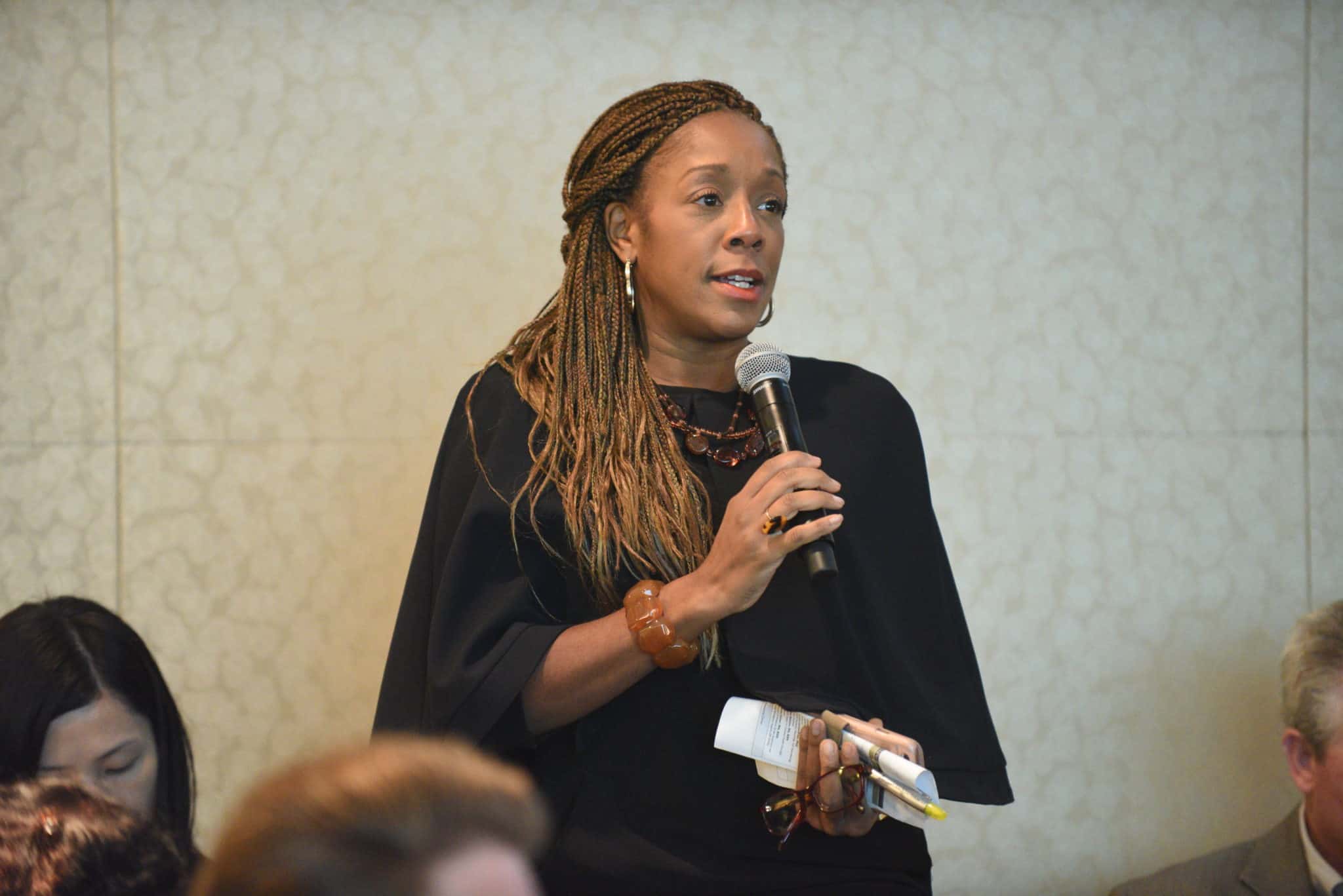
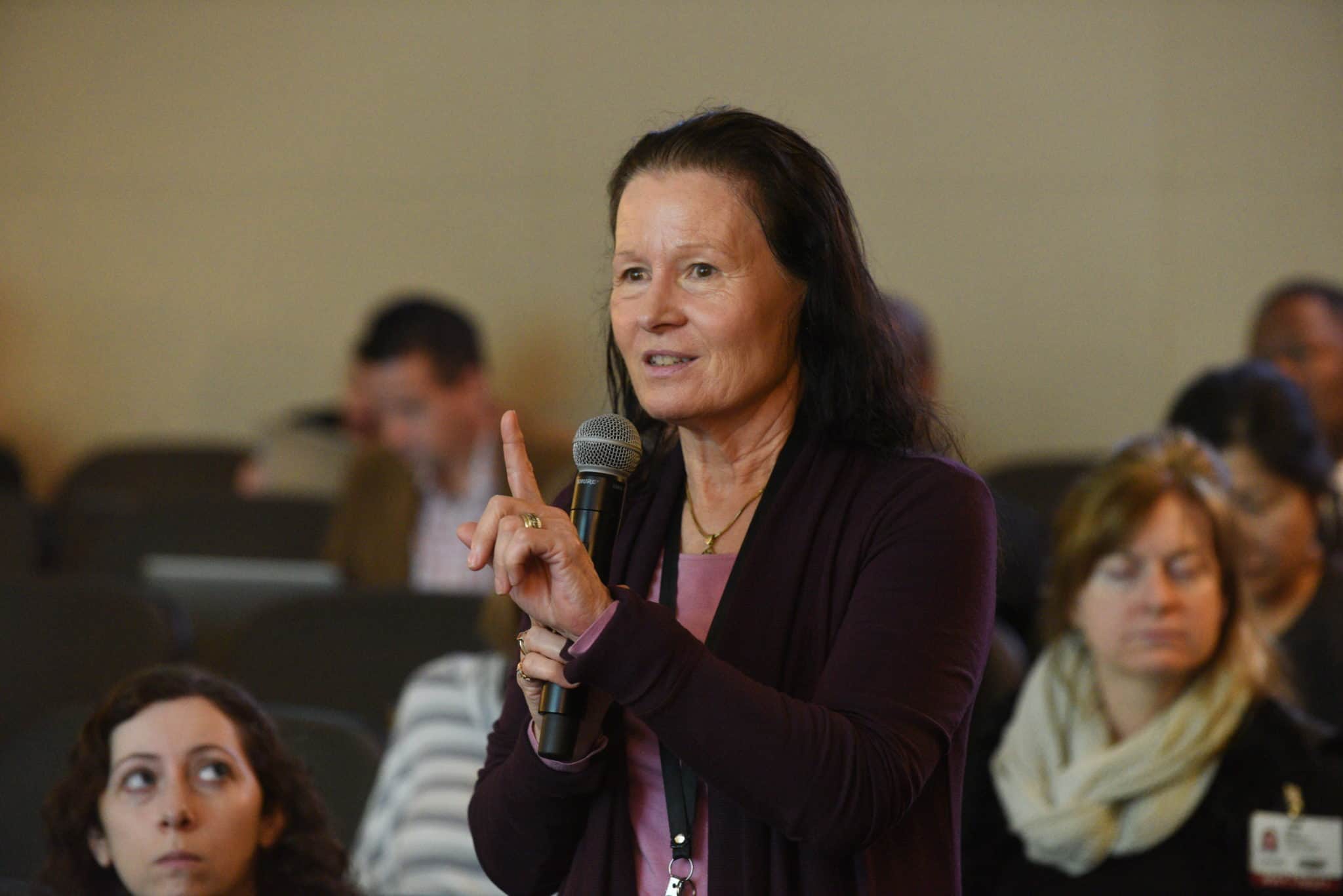
Woman at microphone
Carolyn Greene, Ph.D., asks a question during the conference.

“It is unacceptable for me in women’s health to have maternal deaths that are preventable,” said Lowery, a nationally recognized pioneer and innovator in the use of telemedicine who chairs the Department of Obstetrics and Gynecology in the UAMS College of Medicine. “We can do something about it.”

The conference gave researchers and health care providers an overview of the fast evolving digital health technologies and a chance to learn more specifically about the current lag in policies and regulations, and the endless opportunities this technology brings to providers and patients.

Digital health includes interactive video (telemedicine, telehealth), wearable devices, implantable devices, smartphone applications, robotics, augmented intelligence and machine learning.

UAMS digital health researcher Carolyn Greene, Ph.D., associate professor in the College of Medicine Department of Psychiatry, said the day-long conference was a valuable use of her time.

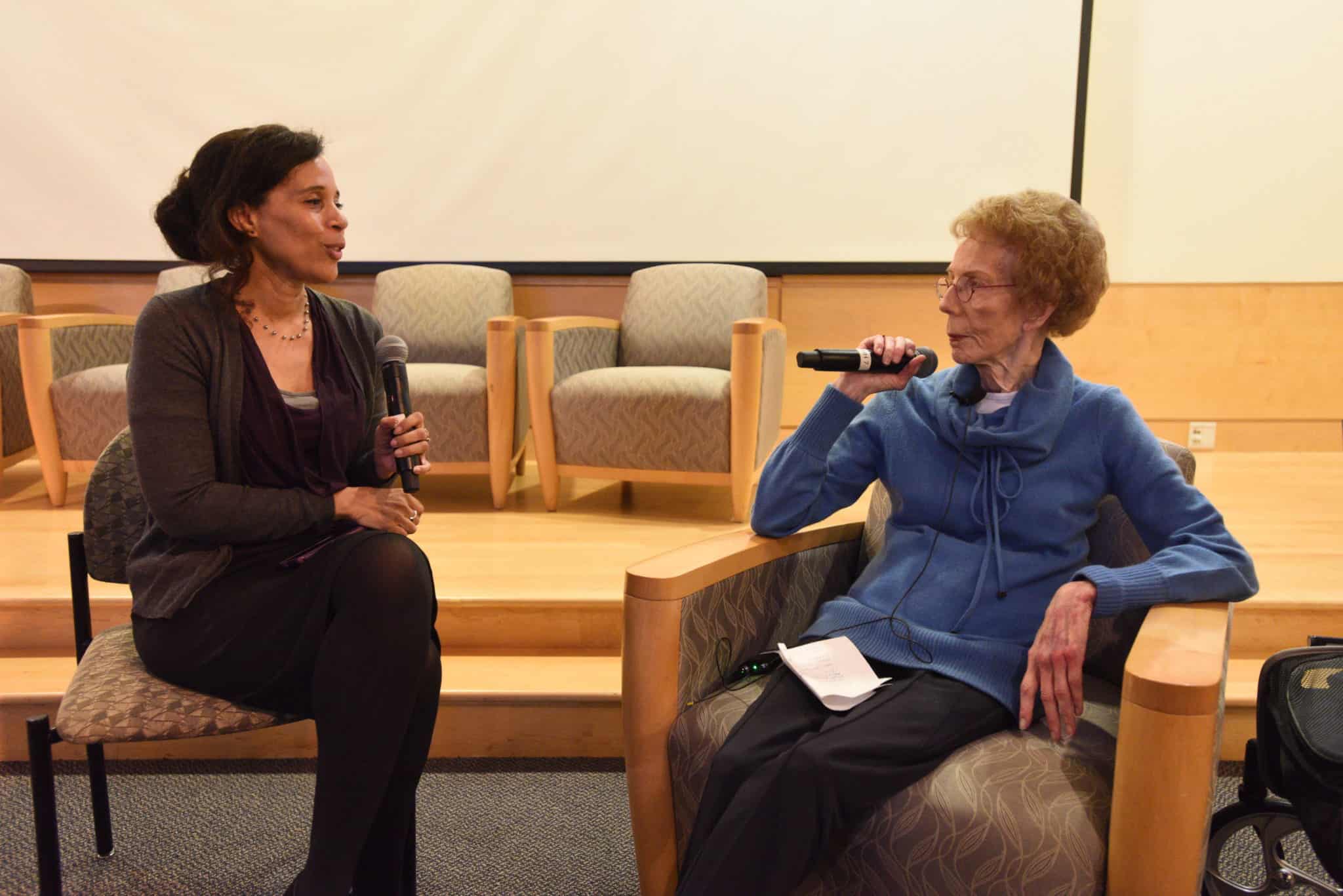
Two women with microphones
Anita Walden, M.S., speaks with a patient who uses digital health.

“I loved that there was an opportunity to think about research and the promise of digital health in the future, but also we got a chance to hear about all the incredible digital health work that’s happening right now across the UAMS campuses and across the state,” she said. “As a clinician, you want to know about the shiny objects – you know, the exciting stuff – but sometimes your ability to really use it depends on being able to get reimbursed for it. I thought the conference did a good job of discussing some of those practical aspects also.”

The conference’s keynote speakers were Penny Mohr from the Patient-Centered Outcomes Research Institute (PCORI), where she is senior advisor for Emerging Technology and Delivery System Innovation Research Initiatives; and Mei Wa Kwong, J.D., executive director of the Center for Connected Health Policy, the federally designated National Telehealth Policy Resource Center.

“I really enjoyed hearing Mei Wa Kwong talk,” said Sarah Rhoads, Ph.D., D.N.P., a former UAMS faculty researcher and now a professor at the University of Tennessee Health Science Center at Memphis. “She did a great job simplifying and explaining the payment for mobile health and telehealth and telemedicine and the issues surrounding remote patient monitoring. It’s very important to know what the payers are willing to pay for when it comes to implementing technology.”

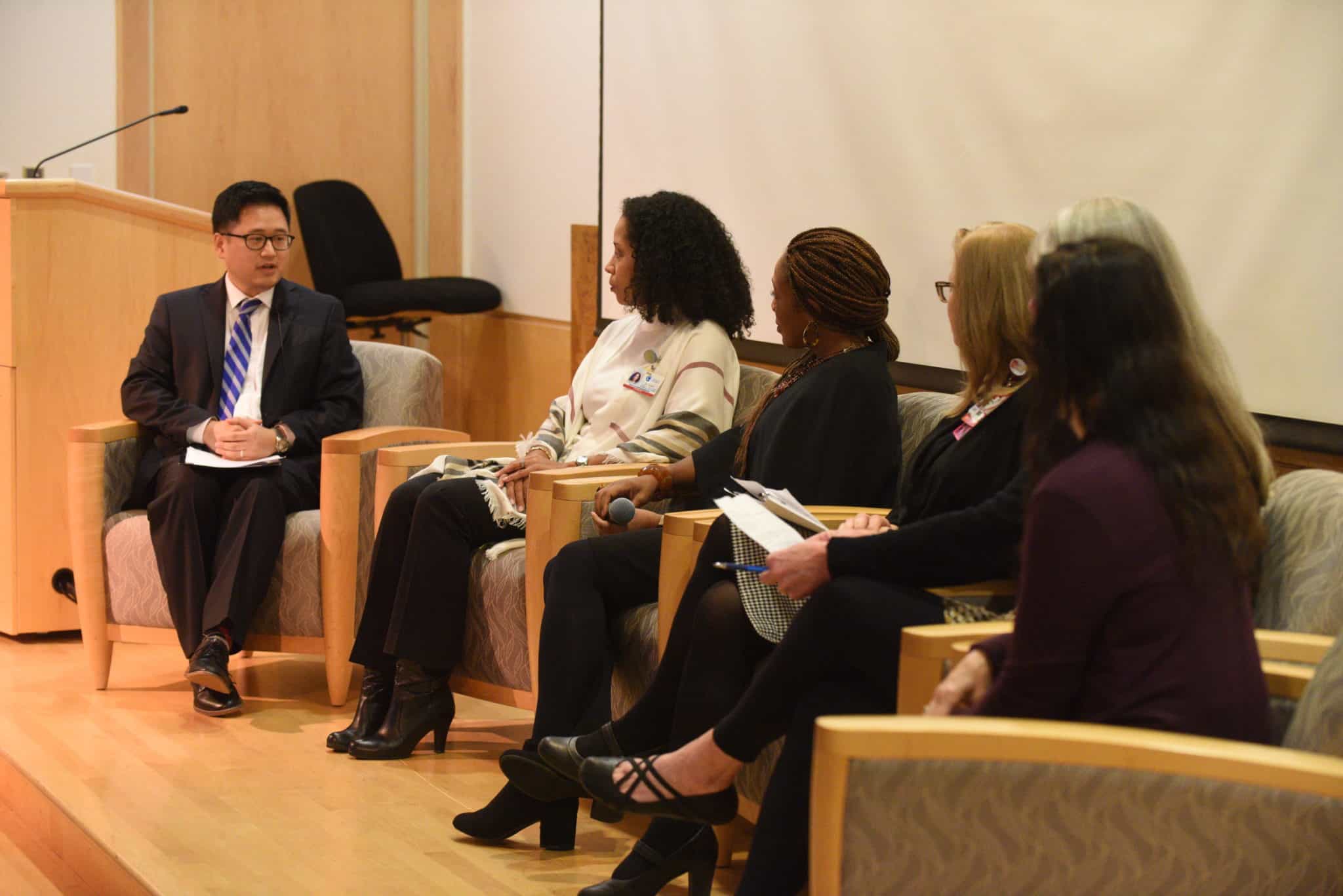
Six people in discussion
A panel discussion included UAMS researchers studying digital health.

Rhoads also said she enjoyed Mohr’s perspective on what PCORI can and cannot fund. “It just provided a lot of clarity for me,” she said.

Health systems are behind other industries in adopting digital technologies in part because government policies haven’t kept pace with the advances, said Anita Walden, M.S., a conference organizer and instructor in the Department of Biomedical Informatics in the UAMS College of Medicine.

“Patients are looking forward to using digital technologies, and the industry companies and the payers are moving forward with trying to implement it,” Walden said. “They need the providers to catch up.”

Despite the challenges, Lowery said that UAMS, with the strong support of Chancellor Cam Patterson, M.D., MBA, will lead the state in adoption of digital health technologies.

“I think over the next few years we’re going to build the most modern, connected health care delivery system in the nation because we’re the only teaching hospital in the state and we have a lot of really rural and poor hospital systems everywhere,” he said. “I think all of us are committed to changing that.”

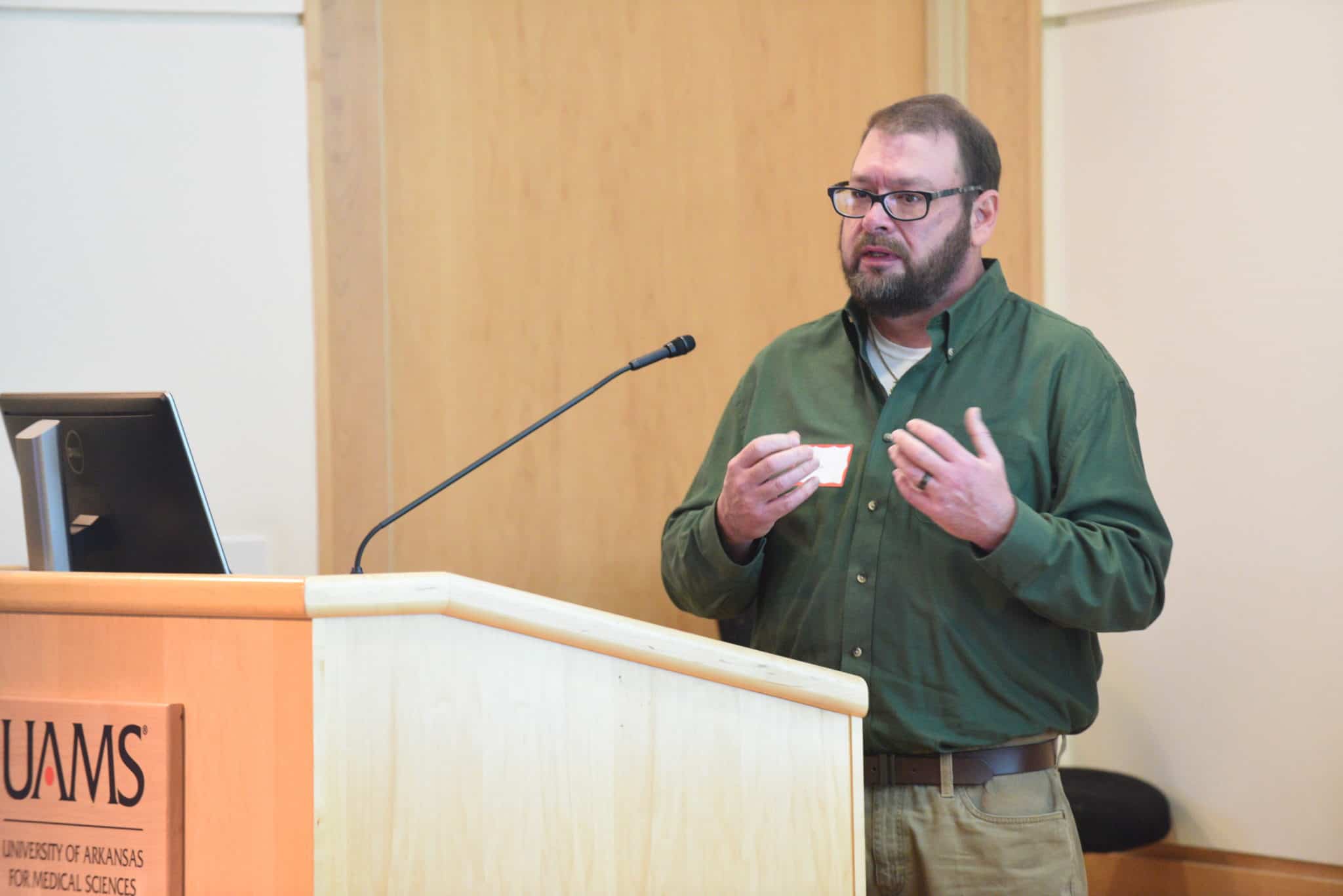
Man at podium
John Paul Nolan, a research community advisory board member, urged UAMS to take the lead on digital health.

In the next five years, he predicted, the same percentage who are banking on their phones today will be receiving health care through their mobile devices.

Woman with microphone
Linda Larson-Prior, Ph.D., asks a question during the conference.

John Paul Nolan, a research participant and Community Advisory Board member for a UAMS research study, urged Lowery and other UAMS leaders to take the lead in digital health care. Holmes, a veteran, said an expansion of telemedicine is desperately needed in rural communities. In small towns, residents notice whose vehicle is parked at a mental health clinic. Because of the stigma, people who need help often don’t get it. If mental health services could be provided via interactive video to a veteran with post-traumatic stress disorder, for example, that scenario could be avoided.

“UAMS is poised to provide care,” Nolan said. With smartphones and other mobile devices, “In that moment of crisis, they don’t have to get out of the house. Those are the things we need to be looking at. UAMS brings a very powerful chip to the table because of its infrastructure, its national and international partners and the way that it is set up to study and to disseminate the information to make the public more aware of what’s going on.”

The Digital Health Conference was sponsored by the UAMS Office of Interprofessional Education, with support from the UAMS Center for Distance Health, the Department of Biomedical Informatics, South Central Telehealth Resource Center, and the UAMS Translational Research Institute.

Filed Under: News

$1.5 Million Estate Gift Creates Full Tuition Scholarship in UAMS College of Medicine

By Benjamin Waldrum

Dec. 10, 2018 | The University of Arkansas for Medical Sciences (UAMS) has received a $1.5 million gift from the estate of Carl R. Stout to create the R. Louise Stout Simmons, M.D. Endowed Scholarship in the College of Medicine, which is the first full-tuition scholarship endowment in UAMS’ history.

“This incredible gift will provide for countless students in the College of Medicine and have an immeasurable impact for Arkansas,” said UAMS Chancellor Cam Patterson, M.D., MBA. “UAMS is an academic institution as well as a health sciences center, and we take our job seriously to attract, teach and train tomorrow’s health care leaders. We are committed to making sure every Arkansan has access to quality medical care. The Stout family’s generosity ensures that we will continue to do that far into the future.”

The Simmons scholarship is unique since it is the first time in UAMS history that a scholarship endowment will pay for a full year of tuition. The $1.5 million gift is invested, and the spendable earnings will generate the funds to cover the first year’s tuition for a freshman medical student every year.

“This is an amazing time for us as this endowment provides an additional tool to further the mission of the College of Medicine to continually recruit the best and the brightest for Arkansas,” said UAMS Executive Vice Chancellor and College of Medicine Dean Christopher T. Westfall, M.D.

R. Louise Stout, M.D., a 1949 College of Medicine graduate, passed away unexpectedly in 1970. Her father, Carl R. Stout, wanted his daughter’s love of medicine to be remembered, so he created a charitable remainder trust. When Carl Stout died in 1994, the trust provided income to his surviving daughter, Dorothy S. Aldridge, for her lifetime – with the College of Medicine named as the beneficiary of the remainder of the trust. Aldridge, a longtime supporter of UAMS, passed away June 30.

The College of Medicine has educated and trained more than 10,000 physicians since 1879, and has an annual enrollment of nearly 700 students. It is regularly listed in the top 10 nationwide for the percentage of its graduating class that pursue a career in family medicine. More than half of the practicing physicians in Arkansas are UAMS graduates.

More than two-thirds of Arkansas’ 75 counties include federally designated Primary Care Health Professional Shortage Areas. Primary care physician shortages are projected to increase substantially as the state’s population continues to age and require more medical care, and as more Arkansans seek primary care services.

The high cost of medical school and the burden of educational debt that most medical students face when entering their postgraduate residency training can be a factor in choosing higher-paying specialties instead of primary care and practicing in rural areas. The average medical school debt of recent UAMS graduates who have educational debt is about $190,000.

Filed Under: News

  • «Previous Page
  • Page 1
  • Interim pages omitted …
  • Page 13
  • Page 14
  • Page 15
  • Page 16
  • Page 17
  • Interim pages omitted …
  • Page 39
  • Next Page»
UAMS College of Medicine LogoUAMS College of MedicineUniversity of Arkansas for Medical Sciences
Mailing Address: 4301 West Markham Street, Little Rock, AR 72205
Phone: (501) 296-1100
  • Facebook
  • X
  • Instagram
  • YouTube
  • LinkedIn
  • Pinterest
  • Disclaimer
  • Terms of Use
  • Privacy Statement
  • Legal Notices

© 2026 University of Arkansas for Medical Sciences