• Skip to primary navigation
  • Skip to main content
  • Skip to primary navigation
  • Skip to main content
Choose which site to search.
University of Arkansas for Medical Sciences Logo University of Arkansas for Medical Sciences
College of Medicine
  • UAMS Health
  • Jobs
  • Giving
  • About Us
    • Fast Facts
    • Leadership
    • Features
    • COMmunication Newsletter
    • Maps and Directions
    • College of Medicine History
    • Professionalism Guidelines
  • Departments
  • Admissions
    • Apply
    • Financial Aid and Scholarships
    • Life in Little Rock or Fayetteville
    • Dual Degree Programs
      • M.D./MBA Program
      • M.D./Ph.D. Program
      • M.D./MPH Program
    • Three-Year M.D. Program
    • Rural Practice Programs
      • Community Match Rural Physician Recruitment Program
      • Rural Practice Scholarship Program
    • Contact Admissions
  • Students
    • Academic Calendar
    • Academic Houses
    • Career Advising
    • Financial Aid and Scholarships
    • Visiting Students
    • Mentor Spotlight Podcast
    • Preparing for Residency
    • Non-Discrimination Statement
    • Outstanding Teacher Nominations
    • Parents Club
    • Student Links
    • Honors in Research
    • UAMS Campus Security
    • Undergraduate Medical Education Competencies
  • Graduate Medical Education
  • Alumni
  • Faculty Affairs
  • Research
  1. University of Arkansas for Medical Sciences
  2. College of Medicine
  3. Author: Chris Lesher
  4. Page 19

Chris Lesher

Inaugural Neurosciences Conference at UAMS Draws 160

Debuting Aug. 23, the first Neuroscience Conference at UAMS quickly proved itself, attracting an audience of 160.

About 160 physicians, nurses, pharmacists, physical therapists and members of the public listened to presentations on topics ranging from ways to treat aneurysms, the 10-year history of the stroke telehealth program, and palliative care.
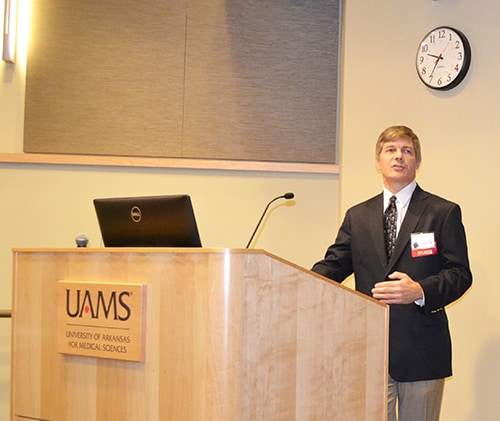
Dr. Martin Radvany presenting lecture
Martin Radvany, M.D., discussed the latest research findings about non-traumatic subarachnoid hemorrhage and the best ways to treat it.

Martin Radvany, M.D., a professor and the chief of Interventional Neuroradiology in the College of Medicine Department of Radiology, gave the audience an overview of the latest treatments and research findings regarding non-traumatic subarachnoid hemorrhage (SAH).

One of the hemorrhage’s symptoms Radvany described as “the worst headache you will ever have. Migraine sufferers who have had it said it made bad migraine headaches seem mild.”

Traumatic head injury is the most common cause of an SAH, but the focus of Radvany’s presentation was the variety of types and treatments for the hemorrhage caused by ruptured aneurysms. An aneurysm is a localized enlargement of an artery caused by a weakening of the artery wall. The hemorrhage occurs when an aneurysm bursts and bleeds in the space between the arachnoid membrane in the outer tissue of the brain and matter surrounding the brain.

Drs. Martin Radvany and Aliza Brown
Dr. Radvany and Aliza Brown, Ph.D., visit briefly after his lecture and before Brown spoke at the conference

.

Radvany said 40 percent of patients with aneurysmal SAH die before they reach the hospital and 20 percent die while in the hospital. . The average age of a patient is 55, and a patient typically spends at least 14 days in an intensive care unit. He reviewed several different types of SAH and their treatments.

Aliza Brown, Ph.D., an assistant professor in the College of Medicine Department of Neurology and the Department of Radiology, reviewed the state of stroke care in Arkansas.

Although stroke is a leading cause of death in the state, killing about 1,700 Arkansans in 2014, the state is making progress in fighting it.

“Our saving grace in Arkansas is we have two really great programs in place,” Brown said. “Our first one is our telestroke program, AR SAVES, and the Arkansas Stroke Registry is our second. Both have worked to improve access to stroke care in rural areas of our state.”

The Arkansas Stroke Assistance through Virtual Emergency Support (AR SAVES) program uses a high-speed video communications system to help provide immediate, life-saving treatments to stroke patients 24 hours a day. The real-time video
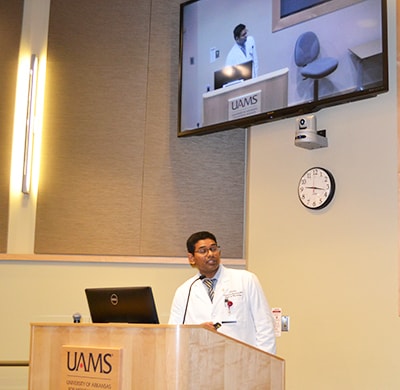
Dr. Sanjeeva Enteddu speaking at conference
Sanjeeva Enteddu, M.D., spoke about the advances in acute stroke care guidelines.

communication enables a stroke neurologist to evaluate whether emergency room physicians should use a clot-busting blood thinner (Alteplase) within the critical three-hour period following the first signs of stroke.

Arkansas ranks sixth in the nation in stroke death rates. Surviving a stroke is becoming more likely as community hospitals have joined the SAVES network, now comprised of more than 50 hospitals.

Brown presented the results of several studies of stroke care in the state in which she has been involved.

One 2014 study’s  results indicated that the highly specialized care at the two primary care stroke centers and the smaller rural hospitals in the AR SAVES network, what are called ‘stroke-ready hospitals’, were underused at 12 percent and 53 percent respectively.

“This left 35 percent of all stroke transports across the state going to a non-specific care facility,” Brown said. “Overall, our state’s emergency services for stroke transport time were good and comparable to those in other published literature at that time.”

Approaches for improvement of stroke care include making more hospitals stroke ready, and educating the public to recognize the signs of stroke and the importance of calling 911, teaching paramedics the best ways to diagnose and where to transport stoke patients, and providing essential training to non-medically trained 911 dispatch operators through a mobile phone app, WeTrain911.
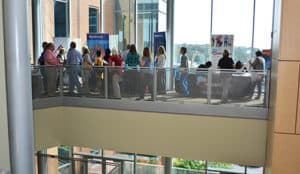
Several vendors also had booths at the conference.

“From AR SAVES we saw a strong positive correlation between referrals of stroke patients for treatment and public education,” Brown said. “We saw something similar with higher Alteplase administration rates. We concluded that the telestroke networks can increase referrals by increasing public awareness.”

She said stroke education at local sporting events in rural Arkansas towns have been especially effective at reaching large numbers of people at once.

Arkansas is ranked as sixth among states for stroke deaths, an improvement from a No. 1 ranking a few years ago.

Eleven speakers spoke or participated in 10 different presentations or panel discussions during the conference. Other topics addressed by presenters ranged from comprehensive stroke center certification, rehabilitation for stroke patients, and palliative care.

Filed Under: News

New Leadership and Faculty August 2018

Recent Leadership Appointments

Dr. Jill Fussell Named Chief of Developmental Pediatrics

Jill Fussell

Jill Fussell, M.D., a Professor of Pediatrics and Medical Director of the James L. Dennis Developmental Center, has been appointed Chief of the Section of Developmental-Behavioral and Rehabilitative Pediatrics.

Dr. Fussell, a faculty member since 2002, began serving as Interim Chief following the unexpected death of Eldon Schulz, M.D., in early June. “I know her longtime career mentor and colleague Dr. Eldon Schulz would be proud to have her in his footsteps,” Pediatrics Chair Frederick “Rick” Barr, M.D., said in his announcement of Dr. Fussell’s appointment.

Dr. Fussell graduated from the College of Medicine in 1997. She completed her pediatrics residency and fellowship training at the Medical University of South Carolina. She has served in a variety of leadership roles in graduate medical education including Director of the Developmental and Behavioral Pediatrics Fellowship.

National leadership roles include her election to the Council of Pediatric Subspecialties (CoPS) Executive Committee in 2016 and her election this year as the committee’s Vice-Chair. Dr. Fussell has served as an investigator and co-investigator on multiple grants focused on neurodevelopmental disabilities and has published extensively.

Jake Stover Joins COM as Associate Dean for Finance and CFO

Jacob Stover

Jake Stover, M.H.S.A., who served in financial leadership roles at UAMS from 2006 to 2017, has returned to UAMS as Associate Dean for Finance and Chief Financial Officer in the College of Medicine.

Mr. Stover was the Executive Vice President and CFO of CARTI Cancer Center from 2017 until starting his new role in the COM Aug. 7.

“Mr. Stover’s extensive background in financial leadership, coupled with his institutional knowledge of UAMS and the good working relationships he has developed with many of you, will serve our college well,” Interim Dean Christopher T. Westfall, M.D., FACS, said in a July 27 announcement.

He first joined UAMS in 2006 as a project manager and cost accountant. He served as Director of Treasury from 2009 to 2012. From 2012 to 2017 he served initially as an Assistant Vice Chancellor and then as Associate Vice Chancellor for Finance and Treasurer. Among many responsibilities in this role, he chaired the administrative council of 40-plus business administrators, the UAMS bond oversight committee, and institutional revenue forecasting. His role included oversight of six financial departments including the UAMS Budget Office, Contracts Administration, and Treasury.

Mr. Stover received his undergraduate certificate in accounting and his Bachelor of Health Sciences at UA Little Rock, graduating Magna Cum Laude. He earned his Master of Health Services Administration at UAMS.

Dr. Sami Uwaydat Appointed Interim Ophthalmology Chair

Sami Uwaydat, M.D.

Sami Uwaydat, M.D., has been named Interim Chair of the Department of Ophthalmology, where he has served in several leadership positions since joining the faculty in 2008. Dr. Uwaydat was appointed by and will serve in the post held by Christopher T. Westfall, M.D., FACS, who became Interim Dean in February.

Dr. Uwaydat, an Associate Professor, completed residency training at the University of Beirut in Lebanon in 1995-1998 and a second residency at UAMS in 2005-2008. He completed a fellowship in medical retina at New York University and a fellowship in vitreoretinal surgery at the University of Texas Medical Branch in Galveston and UT Health Sciences Center in Houston.

At UAMS Dr. Uwaydat has served as Director of the Vitreoretinal Service, Medical Director of the Leland and Betty Tollett Retinal and Ocular Genetics Clinic, and Medical Practice Director for the Ophthalmology Service. His clinical and research interests include pharmacogenomic treatments for genetic eye disorders, treatment of complex ocular injuries, management of diabetic retinopathy and macular degeneration. He has received numerous teaching awards. Dr. Uwaydat also holds the Martha Wood Bentley Chair in Ophthalmology.

New Faculty

Biochemistry and Molecular Biology

Isabelle Racine Miousse, Ph.D.

Isabelle Racine Miousse, Ph.D.

Isabelle Racine Miousse, Ph.D., has joined the Department of Biochemistry and Molecular Biology as an Assistant Professor. Dr. Miousse received her doctorate from McGill University in Montreal, Canada. She completed a postdoctoral fellowship in cancer epigenetics in the Department of Environmental and Occupational Health at UAMS. Dr. Miousse’s research focuses on methyl donors during cancer progression and treatment.

Emergency Medicine

Jason Arthur, M.D., M.P.H.

Jason Arthur

Jason Arthur, M.D., M.P.H., has joined the Department of Emergency Medicine as an Assistant Professor and Ultrasound Fellow. Dr. Arthur received his medical degree and Master of Public Health at UAMS in 2015. He completed his emergency medicine residency at the University of Florida College of Medicine in Jacksonville.

Heather McLemore, M.D.

Heather McLemore

Heather McLemore, M.D., has joined the Department of Emergency Medicine as an Assistant Professor. Dr. McLemore graduated from the University of Mississippi Medical Center in Jackson in 2015. She completed her emergency medicine residency/global health track at UAMS in June.

Geriatrics

Meenakshisundaram Balasubramaniam, Ph.D.

Meenakshisundaram Balasubramaniam, Ph.D.

Meenakshisundaram Balasubramaniam, Ph.D., has joined the Department of Geriatrics as an Assistant Professor. Dr. Balasubramaniam received his Bachelor of Science in biochemistry in 2008 at the University of Madras in Chennai, India, where he went on to earn a Master of Science in bioinformatics in 2010. He completed his graduate training at UAMS and the Central Arkansas Veterans Health Care System and his postdoctoral fellowship in the Department of Geriatrics.

Angela Norman, Ph.D.

Angela Norman, D.N.P.

Angela Norman, Ph.D., has joined the Department of Geriatrics as an Assistant Professor and Director of the UAMS Centers on Aging at the Reynolds Institute on Aging. Dr. Norman received her Masters of Nursing Science from UAMS in 2000 and her Doctor of Nursing Practice at the University of Tennessee Health Science Center in 2011. Dr. Norman is certified as a Gerontological Nurse Practitioner and as an Adult/Acute Nurse Practitioner. She has previously served as an Assistant Professor in the College of Nursing, Associate Director of the Centers on Aging and Director of the UAMS South Arkansas Center on Aging in El Dorado.

Veronica Pinto Miranda, M.D.

Miranda Veronica Pinto

Veronica Pinto Miranda, M.D., has joined the Department of Geriatrics as an Assistant Professor. Dr. Pinto Miranda received her medical degree in 2008 from the Universidad Mayor de San Marcos in Lima, Peru. She served her internal medicine residency at the University of Miami Jackson Health System in Florida. Dr. Pinto Miranda completed an integrated geriatrics and palliative medicine fellowship and a faculty development course in clinical training at Icahn School of Medicine at Mount Sinai in New York City in 2017. Dr. Pinto Miranda will practice in the Thomas & Lyon Longevity Clinic.

Internal Medicine

Rashmi Verma, M.D.

Verma Rashmi, M.D.

Rashmi Verma, M.D., has joined the Department of Internal Medicine as an Assistant Professor in the Division of Medical Oncology. Dr. Verma is a graduate of the University College of Medical Sciences and Associated Hospitals in New Delhi, India. She served her residency in internal medicine at the University of South Dakota and Sioux Falls VA Health Care System and at the University of Medicine and Dentistry of New Jersey in Camden. Dr. Verma completed a fellowship in hematology and oncology at Texas Tech University in Lubbock. She specializes in cancers of the reproductive organs, urinary system and gastrointestinal system.

Neurobiology and Developmental Sciences

Angela Odle, Ph.D.

Angela Odle

Angela Odle, Ph.D., has joined the Department of Neurobiology and Developmental Sciences as an Instructor. Dr. Odle received her doctorate in the neuroscience track of the UAMS Graduate School in 2014. She completed her postdoctoral fellowship in the UAMS Center for Translational Neurosciences (CTN) and with the Neuroendocrinology Research Group.

Dr. Odle’s research has been recognized by the Endocrine Society in its Presidential Poster Competition. She recently won the Endocrine Society “Knockout Rounds,” voted first place by both the audience and judges for her presentation. Dr. Odle is currently supported as a recruit to the CTN’s P20 COBRE award, led by Neurobiology Professor Edgar Garcia-Rill, Ph.D., and as a co-investigator on an R01 grant directed by Neurobiology Professor and Chair Gwen Childs, Ph.D., and Angus MacNicol, Ph.D., a Professor in the department.

Neurosurgery

W. Morris III, M.D.

W Morris, III, M.D.

W. Morris III, M.D., has joined the Department of Neurosurgery as an Assistant Professor. Dr. Morris received his medical degree from the University of South Carolina School of Medicine. He recently completed his neurosurgery residency at UAMS, where he received the Resident Award for Excellence in Research in 2016. Dr. Morris’ primary clinical interests are skull base, tumor and vascular surgery.

Obstetrics and Gynecology

Melissa Helmich, M.D.

Melissa Helmich, M.D.

Melissa Helmich, M.D., has joined the Department of Obstetrics and Gynecology as an Assistant Professor. Dr. Helmich received her medical degree from UAMS in 2014. She continued her training at UAMS, completing her OB/GYN residency in 2018. She served as Chief Administrative Resident in 2017-2018.Dr. Helmich’s clinical interests include contraception, vulvovaginal health and complete women’s health.

Orthopaedic Surgery

Sam Overley, M.D.

Sam Overley

Sam Overley, M.D., has joined the departments of Orthopaedic Surgery and Neurosurgery as an Assistant Professor. Dr. Overley received his medical degree from the University of Texas Health Science Center at San Antonio. He completed his residency in orthopaedic surgery at the Mount Sinai Icahn School of Medicine in 2017 and continued his training with a spine surgery fellowship at the Cleveland Clinic, where he served as Chief Fellow, this past year.

Recent honors include being elected an American Orthopaedic Association Emerging Leader in 2017 and receiving a Best Paper Award from the Global Spine Journal for his 2017 manuscript “Return to Play in Contact Athletes Following Anterior Cervical Discectomy and Fusion: a Meta-Analysis.”

Otolaryngology-Head and Neck Surgery

Graham M. Strub, M.D., Ph.D.

Graham Strub, M.D.

Graham M. Strub, M.D., Ph.D., has joined the Department of Otolaryngology-Head and Neck Surgery as an Assistant Professor. Dr. Strub received his medical degree, a master’s in human genetics, and doctorate in biochemistry and molecular biology from the Medical College of Virginia, Virginia Commonwealth University. He completed his otolaryngology residency at the University of Washington, followed by a pediatric otolaryngology fellowship at Boston Children’s Hospital/Harvard Medical School.

Dr. Strub will divide his time between his clinical practice at Arkansas Children’s Hospital and research at the Arkansas Children’s Research Institute. His clinical practice will focus on pediatric head and neck masses, cochlear implantation, vascular anomalies and general pediatric otolaryngology. His research will focus on the molecular biology of vascular anomalies and the development of the Vascular Biology Program at ACRI.

Radiology

Sumera Ali, M.D.

Sumera Ali

Sumera Ali, M.D., has joined the Department of Radiology as an Assistant Professor in the Division of Pediatric Radiology. She received her medical degree from the Aga Khan University in Karachi, Pakistan, in 2009. Dr. Ali completed her residency in diagnostic radiology at UAMS in 2017, serving as Chief Resident in 2016-2017. She continued her training with a fellowship in pediatric radiology at Boston Children’s Hospital.

Don Benson, M.D.

Donald Benson

Don Benson, M.D., has joined the Department of Radiology as an Assistant Professor in the Division of Body Imaging. Dr. Benson received his medical degree from UAMS, where he also completed his residency in diagnostic radiology, serving as chief resident in 2015-2016. He continued his training, completing a fellowship in clinical MRI in 2017 followed by a fellowship in cardiothoracic imaging in 2018, both at the University of Wisconsin in Madison.

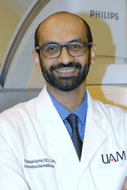
Mudassar Kamran, M.D., M.Sc., D.Phil. (Oxon.)

Mudassar Kamran

Mudassar Kamran, M.D., M.Sc., D.Phil. (Oxon.), has joined the Department of Radiology as an Assistant Professor in the Division of Interventional Neuroradiology. He received his medical degree from King Edward Medical College in Lahore, Pakistan. He subsequently studied at the University of Oxford, U.K., as a Rhodes scholar and completed a master’s degree in neuroscience and a doctorate in surgery.

Dr. Kamran completed his residency in diagnostic radiology at the Mallinckrodt Institute of Radiology at Washington University in St. Louis in 2016. He continued his training at Mallinckrodt with a fellowship in diagnostic neuroradiology in 2017 and a fellowship in Interventional Neuroradiology in 2018.

Surgery

Emmanouil Giorgakis, M.D., M.Sc.

Emmanouil Giorgakis, M.D.

Emmanouil Giorgakis, M.D., M.Sc., has joined the Department of Surgery as an Assistant Professor in the Division of Transplant Surgery. He received his medical degree from Athens Medical School in Greece and served as a Medical Corps officer in the Greek Army before beginning his surgical residency in Greece.

Dr. Giorgakis continued his surgical training at Albert Einstein College of Medicine in New York and then in London. He holds a master’s degree in surgical science from the University College of London. He completed a liver transplant fellowship at King’s College followed by a multi-organ abdominal transplant surgery fellowship at the Mayo Clinic in Arizona. Dr. Giorgakis is a Fellow of the European Board of Surgeons (Transplantation), a member of the American Society of Transplant Surgeons, an Associate Fellow of the American Board of Surgeons and a Diplomat of the Royal College of Surgeons of Edinburgh.

Lawrence E. Greiten, M.D., M.Sc.

Lawrence Greiten

Lawrence E. Greiten, M.D., M.Sc., has joined the Department of Surgery as an Assistant Professor in the Division of Pediatric Cardiovascular Surgery.  Dr. Greiten received his medical degree in 2008 from the University of Arizona College of Medicine in Tucson. He completed his general surgery, cardiovascular surgery and general thoracic surgery residencies at the Mayo Clinic School of Graduate Medical Education, where he also received a master’s degree in biomedical and clinical science.

Dr. Greiten continued his training with a congenital cardiac surgery fellowship at the Keck School of Medicine at the University of Southern California in Los Angeles, graduating in July 2018. Dr. Greiten is board certified by the American Board of Surgery.

Filed Under: News

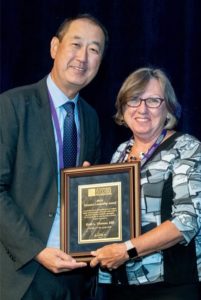
Ruth Thomas, M.D., Receives Inaugural National Women’s Leadership Award

Orthopaedic surgeon Ruth Thomas, M.D., of the University of Arkansas for Medical Sciences (UAMS), recently received the inaugural Women’s Leadership Award from the American Orthopaedic Foot & Ankle Society.

The award was established by the society’s Orthopaedic Foot & Ankle Foundation to recognize current and future female leaders in foot and ankle orthopaedic surgery outside the U.S. and Canada.

“I am so happy to be honored as the first recipient of this award when there are so many others just as deserving, if not more so,” said Thomas.

Dr. Ruth Thomas receives award

Ruth Thomas, M.D., is the first recipient of the American Orthopaedic Foot & Ankle Society’s Women’s Leadership Award.

Thomas’ connection to the Foot & Ankle society extends back to 1992 when she completed her fellowship in foot and ankle surgery at Campbell Clinic Orthopaedics in Memphis. Since then, she has served on and chaired multiple society committees, represented the society with the American Academy of Orthopaedics Board of Specialties and The American Orthopaedic Society’s Omega Foundation, conducted site visits to multiple countries, and traveled to Vietnam five times as part of the society’s medical outreach mission.

“In my opinion, Ruth was such an obvious choice to be the first recipient of this award,” said A. Holly Johnson, M.D., American Orthopaedic Foot & Ankle Society Board of Directors member-at-large. “As one of the first female trailblazers in orthopedics and as a true humanitarian, Ruth embodies exactly what the Women’s Leadership Award is meant to honor.”

Thomas was director of foot and ankle surgery in the UAMS College of Medicine until her retirement in July and has been an important part of the Department of Orthopaedic Surgery for more than two decades. She still holds an adjunct position.

In addition to being a board-certified foot and ankle orthopaedic surgeon, Thomas has led a local event, Hearts2Soles, for homeless people in the Little Rock area since 2008. Hearts2Soles provides free medical foot care, shoes and socks to the homeless, working poor and disabled in central Arkansas.

She is also director of the Perry Initiative’s Arkansas programs for high school and medical students. The Perry Initiative provides hands-on outreach programs for young women to encourage them to enter careers in orthopaedics and engineering.

Thomas earned her medical degree and was a Barton Scholar at UAMS. She was only the second female to complete an orthopaedic residency at UAMS. Since 2003, she has been listed as a Best Doctor in Arkansas by Best Doctors Inc.

“Dr. Thomas has been crucial to the growth of our department, as well as the training of our medical students and residents at UAMS for many years,” said C. Lowry Barnes, M.D., chair of the Department of Orthopaedic Surgery. “We are so proud to see her hard work and dedication recognized by a premier orthopaedic society.”

She has lectured and presented internationally and been published in numerous journals. Thomas is a member of the Arkansas Orthopaedic Association, Alpha Omega Alpha Medical Honor Society and American Academy of Orthopaedic Surgeons.

By Lee Hogan| August 21st, 2018|

Filed Under: News

White Coats Mark Beginning of Medical School Journey for College of Medicine Class of 2022

As Linda L.M. Worley, M.D., began her keynote address at the White Coat Ceremony for the UAMS College of Medicine Class of 2022, she said she felt like she was officiating a wedding.

It was a fitting comparison, as the annual ceremony is steeped in tradition and emotion. Before a crowd of their family and peers, each of the 174 members of the freshman class put on their white coat and promised to uphold everything it stands for. With that, they marked the beginning of their journey toward becoming physicians.

“This ceremony, it’s a rite of passage for you, into the whole profession of medicine. This white garment – it’s more than just a piece of white fabric, it’s so symbolic of what we do in our profession,” said Worley, associate dean for the UAMS Northwest Regional Campus.

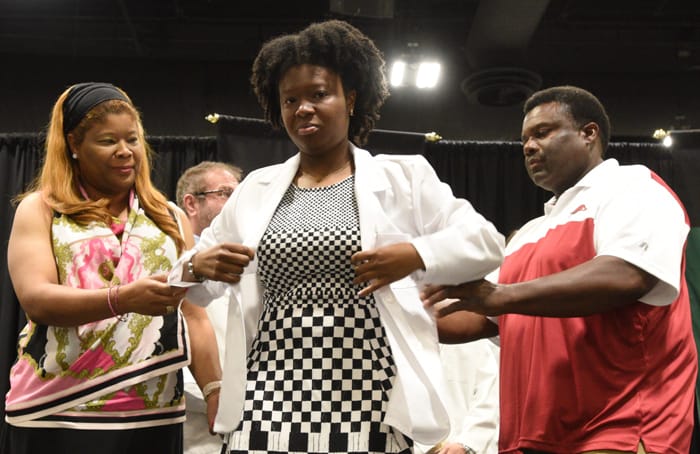
Student putting on white coat with help of parents
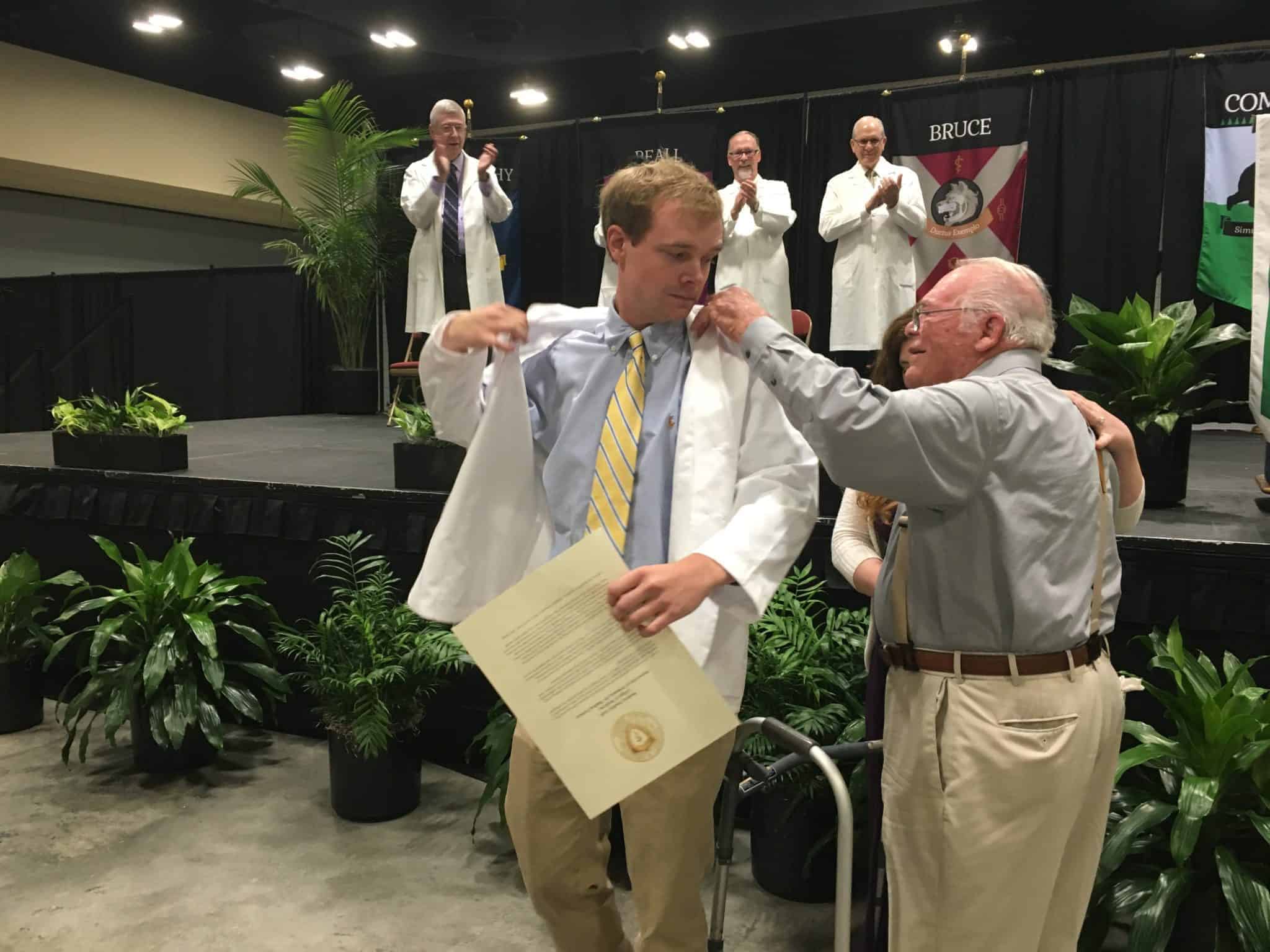
Each student was assisted in putting on their white coat on stage by family or mentors they selected.

Like a wedding, each player in the ceremony had a role, and many brought gifts.

Christopher T. Westfall, M.D., interim dean of the College of Medicine, gave the gift of history. The practice of holding a white coat ceremony to mark the beginning of medical school began at Columbia University in 1993, but Westfall referenced deeper roots.

“As Hippocrates said, ‘Wherever the art of medicine is loved, there is also a love of humanity,’” Westfall said, noting that the 174 freshmen had been selected from among 2,400 applicants. “You are here because we believe you share Hippocrates’ love of humanity.”

Westfall said the ceremony is meant to emphasize the importance of ethics, professionalism and compassionate care. He asked the students to think about what the white coat means to them – achievement, hope for the future and a desire to help others – and what it will mean to their patients – trust in their abilities and hope for healing.

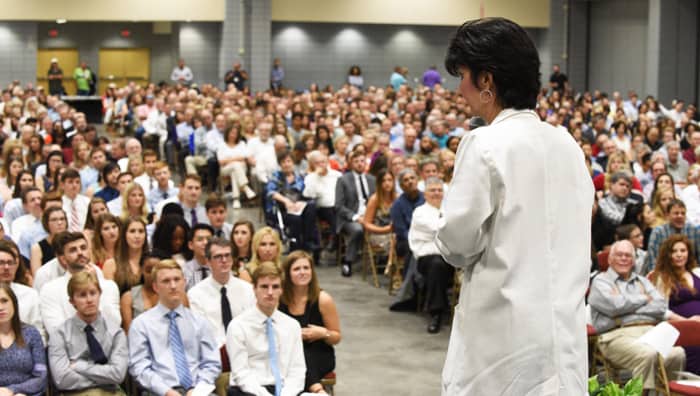
Dr. Worley at podium
Linda L.M. Worley, M.D., associate dean for the UAMS Northwest Regional Campus, addresses the standing-room-only crowd.

Westfall said it is important for medical students to begin thinking about tradition, history, ethics and standards from the start of their medical school journey, not just at the end, when they will recite the Hippocratic Oath, which dates back to ancient Greece.

“Your white coat symbolizes commitment, not just to learning the science of medicine, not just to acquiring those skills that allow you to diagnose and treat disease, but to serve your patients with honor, integrity and compassion,” Westfall said.

Richard P. Wheeler, M.D., executive associate dean for academic affairs, gave the gift of tradition. He led the students in the “Medical Student Oath,” which emphasizes compassion, confidentiality, integrity, cooperation, tradition, respect, humility and commitment. It concludes: “May I be worthy of this trust and may I always remember that henceforth, I must put others before myself.” As each student crossed the stage, they signed their name to an oath book before donning their white coats.

Dr. Westfall at the podium
Christopher T. Westfall, M.D., interim dean of the College of Medicine, tells the crowd that the ceremony emphasizes the importance of medical ethics, professionalism and compassionate care.

The families and peers gathered for the ceremony gave the gift of their support, filling the 1,500-seat hall with the buzz of excitement and pride. Each student had the option to take people on stage with them. Those supporters helped the students put on their white coats, or the students were helped by mentors from each College of Medicine class “house,” a structure that facilitates mentorship and peer support.

Jackson Weaver receives his white coat from his grandfather
Jackson Weaver receives his white coat from his grandfather, Bill Weaver.

The Class of 2022 clearly brought with them many individual stories of their own. One student was helped by her four children, who also put around her shoulders a stethoscope engraved with the initials of a fifth child who died at six weeks. A set of siblings in the class crossed the stage together into the journey ahead. There were many fathers, mothers, aunts and uncles who are doctors and were there to help the next generation of the family enter the profession. Jackson Weaver was helped by his 94-year-old grandfather, Bill Weaver, M.D., who graduated from the UAMS College of Medicine in 1952.

And finally, Worley gave the students the gift of perspective. She reminded them that despite the importance of the road ahead, nothing was more important than making sure they take care of themselves along the way. She encouraged them to get plenty of rest, thrive by connecting with others and give everyone kindness and compassion, starting first with themselves.

She led the room through an exercise asking each person to imagine themselves in one of the most vulnerable places of their lives in need of medical care and asked them to imagine the characteristics they most hoped the physician who would come through the door would have. Empathy, compassion, being skilled and knowledgeable, were mentioned, as was integrity, listening skills, relatability and honesty.

Student signing book
Each student signs an oath book on stage as part of the ceremony.

“I bet no one in this room said, ‘I want them to have a 4.0 GPA,’” Worley said. “People demand perfection, it’s true. And if you didn’t hold yourselves to high standards, you wouldn’t be here. Give this world your very best, staying centered in a loving presence while seeking the good in others and reflecting it back. Learn what matters to them. Offer hope and healing.”

By Amy Widner | Aug. 17, 2018 |

Filed Under: News

UAMS Researcher Receives $2.1 Million Grant To Determine Best Nutrition for Military Combat, Training

University of Arkansas for Medical Sciences (UAMS) researcher Arny Ferrando, Ph.D., recently received $2.1 million from the U.S. Department of Defense to determine the best possible nutrition for military personnel engaged in combat and combat training.

“UAMS and its scientists like Arny Ferrando continue to demonstrate how the university is leading in research that promises not just to benefit Arkansas but the nation,” said UAMS Chancellor Cam Patterson, M.D. “We are grateful to the Defense Department for this grant funding and the recognition that it conveys.”

Ferrando is a researcher in the UAMS Donald W. Reynolds Institute on Aging and a professor in the UAMS College of Medicine Department of Geriatrics. The five-year grant was awarded by the U.S. Army Medical Research and Material Command in the Department of the Army within the Department of Defense.

“Maintaining the health of our military in training and in combat is vital to their wellness and effectiveness,” said Jeanne Wei, M.D., Ph.D., executive director of the Reynolds Institute. “This research by Dr. Ferrando and the UAMS Reynolds Institute on Aging will contribute greatly to understanding the best way to do that nutritionally and may have other positive applications, too.”

The first step in the study will be to determine the required essential amino acid intake under conditions often experienced by U.S. military personnel in combat or combat training. Then, researchers will look at the best delivery format, whether through food and/or supplements. The results from these studies will then be tested during a simulated training scenario and, eventually, during real-time military combat training exercises.

“There is a critical need for effective and feasible interventions that sustain and maximize warfighter health and performance during real-world operations,” Ferrando said. “The use of a combat ration item designed from this research will be used to promote recovery and increase combat effectiveness by offsetting losses of body and muscle protein.”

During combat operations, not consuming enough calories and protein often results in a loss of body and skeletal protein. Prolonged muscle and protein loss may compromise physical performance, increase injury risk and lost duty time, and diminishing readiness overall.

The results of this research could also be applied to athletes and patients in intensive care, institutional care, and other settings. Developing methods for delivering the best nutrition and protein can provide “the warfighter, as well as clinical and athletic populations maximum benefit at little or no risk,” Ferrando said.

Filed Under: News

Mary Ann Scott, Ph.D., of the UAMS Schmieding Developmental Center, Named Diplomate of the American Board of Pediatric Neuropsychology

Mary Ann Scott, Ph.D., a pediatric neuropsychologist at the University of Arkansas for Medical Sciences (UAMS), has been named a diplomate of the American Board of Pediatric Neuropsychology. Scott is the section chief for the UAMS Schmieding Developmental Center in Lowell.

Mary Ann Scott, Ph.D.

Diplomate certification is awarded to neuropsychologists who complete a rigorous review of training, practice parameters and work samples, followed by comprehensive written and oral exams. It is the highest level of professional recognition for clinical neuropsychologists.

Certification allows Scott to supervise graduate medical students pursuing fellowship training and specialization in pediatric neuropsychology and supports a broadening training focus of the Schmieding Developmental Center. The center is working to retain trainees as clinical faculty to improve access to pediatric services in the state.

“Dr. Scott’s certification as a diplomate is a recognition of her hard work in pediatric neuropsychology and creates an amazing opportunity for UAMS to be a leader in this field,” said Frederick E. Barr, M.D., chair of the Department of Pediatrics and associate dean for child health in the UAMS College of Medicine. “The services Dr. Scott and the team provide at the Schmieding Developmental Center are vital and this is a tremendous opportunity to expand our capabilities over time.”

Scott joined the UAMS Schmieding Developmental Center in 1997. “Achieving diplomate status was uncommon in the early 1990’s when I completed my training,” she said. “I was fortunate to receive the support of my colleagues and staff, which enabled me to achieve this important career goal, while still serving patients. This was very important to me, as I am committed to training future pediatric neuropsychologists and I know many will choose to remain here in northwest Arkansas.”

The Schmieding Developmental Center sees 350 newly diagnosed patients a year from birth to age 18 with a range of neurodevelopmental disabilities. Professionals at the center are trained in neuropsychology, psychiatry, psychology, social work and speech-language pathology. The center was founded in 1994 and supported by a generous gift from brothers Lawrence and Bert Schmieding and the Schmieding Foundation of Springdale.

UAMS is the state’s only health sciences university, with colleges of Medicine, Nursing, Pharmacy, Health Professions and Public Health; a graduate school; hospital; northwest Arkansas regional campus; statewide network of regional centers; and six institutes: the Winthrop P. Rockefeller Cancer Institute, Jackson T. Stephens Spine & Neurosciences Institute, Harvey & Bernice Jones Eye Institute, Psychiatric Research Institute, Donald W. Reynolds Institute on Aging and Translational Research Institute. It is the only adult Level 1 trauma center in the state. UAMS has 2,834 students, 822 medical residents and six dental residents. It is the state’s largest public employer with more than 10,000 employees, including 1,200 physicians who provide care to patients at UAMS, its regional campuses throughout the state, Arkansas Children’s Hospital, the VA Medical Center and Baptist Health. Visit www.uams.edu or www.uamshealth.com. Find us on Facebook, Twitter, YouTube or Instagram.

By Ben Boulden| August 15th, 2018|

Filed Under: News

UAMS Symposium Shows How Technology Bolsters Learning

He hasn’t overhauled his teaching methods or reinvented the wheel, but Jerad Gardner’s lectures, insight and expertise are reaching well beyond the confines most teachers educate within.

Jerad Gardneer, M.D.

In the pathology and dermatology fields, and among medical students and residents under his tutelage, Gardner is a bit of a social media star. He has strong followings on Facebook, Twitter, Instagram and YouTube with over 70,000 subscribers and followers combined across all mediums.

“I’m not necessarily better at teaching than others,” says Gardner, M.D., an associate professor in the UAMS College of Medicine’s departments of Pathology and Dermatology, “I just started using social media to teach before most others did.”

The dermatopathologist and bone/soft tissue sarcoma pathologist shared his social media prowess with a room full of fellow educators at UAMS’ Teaching with Technology Symposium on July 26.

Faculty and staff from UAMS and 17 other institutions across the state gathered at UAMS, both in person and virtually, for a two-day forum to teach educators new skills to incorporate into their teaching through presentations, panel discussions and workshops.

Gardner said his social media platforms allow him to do many things: teach, network, research, communicate and advocate for patients.

“It is the most powerful teaching tool I’ve ever used,” said Gardner who was one of the symposium’s featured speakers. “I still do traditional lectures and have face-to-face interactions with students, but with social media that’s amplified to further share content and build networks and collaborations across the country and around the globe.”

He has started two Facebook groups dedicated to rare cases in pathology where pathologists can share cases, ask for guidance and seek input. The groups have more than 45,000 members between them and contain detailed conversations and discussions about methods of diagnosis, tips and links to more information and research.

“It’s amazing to have this type of robust discussion in a Facebook group about the pathology of rare tumors,” said Gardner. “These are the kinds of discussion you’re supposed to have at academic meetings, but often don’t have time for due to a packed meeting agenda.”

He and other pathology Facebook group leaders published a paper on the impact of Facebook groups on pathology education; most of the co-authors on this paper have never met face-to-face but only know each other online.

“I’ve created a global network of colleagues in just six years of medical practice thanks to social media,” said Gardner.

He’s even made groups for medical students in his classes, cultivating an online classroom for faculty and students to talk about topics from class and share real-world examples to drive home points.

“It gives them a chance to get to know us as people and know we’re normal folks who also happen to be teachers,” said Gardner. “It builds rapport between faculty and students.”

Gardner encourages the same types of conversations and learning for his medical students and pathology residents on Twitter. He’s turned his pathology residents to a certain hashtag, #pathboards, to help them study for board exams.

The hashtag was started years ago by pathology residents studying for their boards. As they readied for the exam, they would share succinct tidbits and nuggets and tag it with #pathboards. Since then, it’s created an in-depth, easy-to-follow online study guide for others studying for the challenging pathology board examination.

“I tell my residents when they’re done studying and cannot read anymore, to pull out their phone and go through them,” said Gardner. “For a person about to take boards, it’s useful. You can pull up thousands of online flashcards, essentially, just by searching for #pathboards on Twitter.”

Lectures and lab exercises usually reserved for a few students have also found new life online. Working through each slide under the microscope and explaining its intricacies used to be shared by only a handful. With YouTube, Gardner can record his work and share it on his page for thousands more to view.

“This is the same kind of teaching I do for my own students and residents at the microscope, but instead of having five learners, now, I’m able to put it on YouTube and anyone around the world can watch it and learn from it,” he said.

Gardner said using social media has enabled him to use his time better and provide a benefit to more people.

“It makes me a more efficient educator and saves time,” said Gardner. “It is the same techniques I use in my classroom, but I’m just expanding my classroom to the entire world.”

Gardner was the 2018 recipient of the Chancellor’s Award for Teaching Excellence, which recognizes direct teaching, mentoring or educational scholarship between faculty and students. Gardner is the youngest recipient of the College of American Pathologists Resident Advocate Award and was named a Top Five Honoree on the American Society for Clinical Pathology’s “40 Under 40” list.

He serves on the American Society of Dermatopathology Board of Directors and is a deputy editor-in-chief of Archives of Pathology & Laboratory Medicine. He is director of the dermatopathology fellowship program and clinical co-director of the musculoskeletal/skin block for the UAMS College of Medicine.

Other presentations included a how-to on creating images in PowerPoint, engaging students in active recall using Kahoots, Blackboard analytics, and a humorous and informative lunchtime presentation on engaging students of each generation by Mark Taylor. Two workshops – augmented reality and Using OER (Open Educational Resources) by UALR and eVersity faculty – plus a session learning about the Sectra Table, which is an interactive, anatomy visualization table UAMS recently acquired.

By Lee Hogan | August 6th, 2018

Filed Under: News

UAMS Schmieding Developmental Center in Lowell Awarded $651,000 for Program Expansion

The Schmieding Developmental Center in Lowell, a pediatric program of the University of Arkansas for Medical Sciences (UAMS), recently received a three-year, $651,000 grant from the Schmieding Foundation to expand its programs and support operations.

The center, which provides state-of-the-art developmental assessment and care for children birth through 18, is part of the UAMS College of Medicine Department of Pediatrics. The Schmieding Foundation, an independent foundation in Springdale, has long supported the center, beginning with the initial endowment to create the center in 1993.

“The Schmieding Foundation is deeply committed to supporting the talented professionals who are uniquely qualified to assess health care and behavioral needs of northwest Arkansas’ children,” said Gilda Underwood, Schmieding Foundation president. “We are pleased that Dr. Mary Ann Scott and her team are here and provide comprehensive evaluations and treatment recommendations so their families know how to help their child grow under challenging conditions.”

The center’s goal is to help children overcome developmental diagnoses and have success in school, daily life and in their family and peer relationships. Assessments address conditions including epilepsy, autism, anxiety disorders, ADHD, concussions, miscellaneous neurological conditions and pediatric cancer.

“The gift from the Schmieding Foundation will allow us to enhance our recruitment effort and I thank them for their commitment to our educational initiatives in northwest Arkansas,” said Mary Ann Scott, Ph.D., Schmieding Developmental Center section chief and professor in the Department of Pediatrics. “Education is vital to the future growth of the center, and clinical fellowships provide the best opportunity to train future faculty members. We are deeply grateful to the Schmieding Foundation for their support.”

The center sees about 350 newly diagnosed patients each year. Center staff include a psychiatrist, two neuropsychologists, psychologist, psychological examiner, social worker and speech pathologist.

“We deeply appreciate the generosity of the Schmieding Foundation and their commitment to improving the health of children in Arkansas with developmental disabilities,” said Frederick “Rick” E. Barr, M.D., MBA, chair of the Department of Pediatrics and associate dean for child health in the UAMS College of Medicine.

“This new grant will help the Schmieding Developmental Center at UAMS recruit and retrain top faculty to deliver expert care to kids with developmental challenges,” Barr said. “It is a great ongoing partnership that will benefit kids.”

By Benjamin Waldrum| August 7th, 2018|

Filed Under: News

Undergrads Learn about Science’s Winding Path at Research Symposium

Science can lead you to some unexpected places.

Just ask Aime Franco, Ph.D., an associate professor in the UAMS College of Medicine Department of Physiology and Biophysics, who was diagnosed with thyroid cancer at 22 but never expected to make a career out of researching it.

Franco gave the keynote talk July 25 to the students, mentors, administrators and guests gathered for the seventh annual Central Arkansas Undergraduate Summer Research Symposium. She initially wanted to be a physician, but then her training led down a different path. She started in sports medicine, then nutrition science and H. pylori research before circling around to thyroid cancer. In 2018, her research efforts paid off through a four-year $791,000 grant award from the National Cancer Institute to support her work.

“I never wanted to investigate the disease that I had,” Franco said. “There’s an element of ignorance is bliss and there are probably some things you just don’t want to know. But I think it has totally and completely enriched my experience in my research because I have a different perspective — that of a patient.”

Franco capped off the all-day symposium showcasing undergraduate research across the state of Arkansas where research careers like hers tend to take off. Students present their work with posters and oral presentations. About 120 students attended the event, with about 100 of them presenting their work. Their faculty research mentors as well as summer program administrators, poster judges and members of the public joined them for the event, for a total of about 250.

The focus on Franco’s story was intentional, said Grover P. Miller, Ph.D., a professor in the Biochemistry and Molecular Biology Department in the College of Medicine. He has been co-directing the symposium with his department chair, Kevin D. Raney, Ph.D., for the past seven years.

“We like to pick someone who has gone through a journey to get where they are,” Miller said. “Linear careers are a thing of the past. Today’s science field is dynamic, ever changing, and people take different paths. We want the students to think about how their research experience might be a step along their path, even if bench research isn’t where their career ultimately takes them.”

A deeper understanding of science – and a strengthening of science communication skills, specifically – benefits both the students and society, Miller said.

“Science inundates a lot of our decision-making process as a society, but the people making those decisions don’t always have a background in scientific thinking,” Miller said. “It’s on us as scientists or science-backed thinkers to become better at communicating with leadership and the public at large.”

Lessons like that weren’t lost on Alexis Baker, a student from Hendrix College who attended with Sydnee Curry, who was presenting a poster on their biochemistry research on pain-sensing neurons.

“A big part of the experience of coming to events like these is the experience of being in a scientific setting and practicing communication,” Baker said. “We’re building up, going to bigger and bigger conferences. I want someday to apply for med school, so to practice being comfortable talking about science with scientists is even important for something like my med school entrance interviews.”

Kamille Willis from the University of Miami was another poster presenter, who spent the summer doing research at the National Center for Toxicological Research in Jefferson, Arkansas. She helped develop a flow cytometry assay to analyze antibodies against polyethylene glycol. She said that the symposium and events like it teach students to not only communicate, but to listen to questions and feedback.

“The first time it happens, it is a little difficult, but you have to get used to it. They’re not saying it to knock you down,” Willis said. “You have to learn to come from the perspective, ‘well, maybe I really didn’t consider that’ or ‘maybe that would be a good idea.’ Everyone here is looking to help you and better your research, and being part of that dialog is part of learning to be a scientist.”

In addition, Miller said another important benefit of the event is that it showcases just how much excellent work is being done in Arkansas and the support that makes it possible.

“We are a small state, but we have some great science here,” Miller said.

Franco agreed, and referenced the quality of the work in her closing remarks to the students.

“Although I’m fine with the path I took – I think each of our journeys lead us to where we need to be — I will say that I think you guys are so lucky to have an opportunity to do research of this quality at the undergraduate level and I really am in awe of what you have been able to accomplish and the work I’ve seen from you here today.”

The event was held in the I. Dodd Wilson Education Building and hosted by the Graduate School and Department of Biochemistry and Molecular Biology at UAMS as well as the National Institutes of Health-supported INBRE program and the UAMS Summer Undergraduate Research Program (SURP) to Increase Diversity in Research.

By Amy Widner | August 3rd, 2018

Filed Under: News

Virtual Dissection Enables UAMS Students to Explore Human Anatomy

The University of Arkansas for Medical Sciences (UAMS) has acquired a 4K-resolution virtual dissection table that allows students to explore human anatomy in 3D with simple gestures common on the average smartphone.

Students can swipe, scroll and zoom to rotate images in 3D, explore inside the human body, swipe off sections with a virtual “knife” and touch to remove layers or organs so they can explore deeper inside the body.

Digital archives from UAMS and the wider public give students access to cases, where they might see the effects of a specific condition or treatment. They can learn to read different types of scans — like CT, MRI, X-ray and ultrasound — or practice their skills with microscopy.

“It’s not unusual for students to be using the table, see something they can’t explain, and go looking for the answer. When we inspire curiosity in students, they are more engaged in learning,” said David L. Davies, Ph.D., co-director of the Division of Clinical Anatomy in the College of Medicine. “It’s critical thinking, it’s investigative, like a puzzle they’re trying to piece together – and that’s the kind of thinking we want to inspire in future health care professionals.”

UAMS’ Sectra Table was one of the first 4K resolution models delivered in the United States and is the only in Arkansas. The $90,000 table is part of a $1.3 million renovation this summer to the College of Medicine’s anatomy lab.

The technology is cloud-based, so students can gather around the table to explore it in small groups or send images into lecture hall displays for large-group discussions.

The table has been used with some of UAMS’ summer programs for students of all ages who are interested in the medical sciences. In the fall, medical students, residents, nursing students, physician assistants, radiology students and others will encounter it as part of the curriculum and have access to it 24/7 for independent study in the College of Medicine gross anatomy laboratory.

Kevin D. Phelan, Ph.D., co-director of the Division of Clinical Anatomy, said that often students struggle to understand the 3D relationships between parts of the body, even if they have performed a dissection or seen many 2D diagrams.

“Tools like these can be a powerful way for students to visualize human anatomy and really orient themselves with the kind of expertise they will need,” Phelan said.

Davies said it is also incredibly important for students to learn to interact with technology.

“We’re training people today who are probably going to be in practice in 2060,” Davies said. “Technology and its relationship to medicine changes rapidly, so it’s important for our students to be comfortable using it. There are many surgical practices today that already use tools like these to scan a patient and plan the surgery. Our students are going to encounter this and technologies like it in their careers.”

By Amy Widner | August 1st, 2018 |

Filed Under: News

  • «Previous Page
  • Page 1
  • Interim pages omitted …
  • Page 17
  • Page 18
  • Page 19
  • Page 20
  • Page 21
  • Interim pages omitted …
  • Page 39
  • Next Page»
UAMS College of Medicine LogoUAMS College of MedicineUniversity of Arkansas for Medical Sciences
Mailing Address: 4301 West Markham Street, Little Rock, AR 72205
Phone: (501) 296-1100
  • Facebook
  • X
  • Instagram
  • YouTube
  • LinkedIn
  • Pinterest
  • Disclaimer
  • Terms of Use
  • Privacy Statement
  • Legal Notices

© 2026 University of Arkansas for Medical Sciences