• Skip to primary navigation
  • Skip to main content
  • Skip to primary navigation
  • Skip to main content
Choose which site to search.
University of Arkansas for Medical Sciences Logo University of Arkansas for Medical Sciences
College of Medicine
  • UAMS Health
  • Jobs
  • Giving
  • About Us
    • Fast Facts
    • Leadership
    • Features
    • COMmunication Newsletter
    • Maps and Directions
    • College of Medicine History
    • Professionalism Guidelines
  • Departments
  • Admissions
    • Apply
    • Financial Aid and Scholarships
    • Life in Little Rock or Fayetteville
    • Dual Degree Programs
      • M.D./MBA Program
      • M.D./Ph.D. Program
      • M.D./MPH Program
    • Three-Year M.D. Program
    • Rural Practice Programs
      • Community Match Rural Physician Recruitment Program
      • Rural Practice Scholarship Program
    • Contact Admissions
  • Students
    • Academic Calendar
    • Academic Houses
    • Career Advising
    • Financial Aid and Scholarships
    • Visiting Students
    • Mentor Spotlight Podcast
    • Preparing for Residency
    • Non-Discrimination Statement
    • Outstanding Teacher Nominations
    • Parents Club
    • Student Links
    • Honors in Research
    • UAMS Campus Security
    • Undergraduate Medical Education Competencies
  • Graduate Medical Education
  • Alumni
  • Faculty Affairs
  • Research
  1. University of Arkansas for Medical Sciences
  2. College of Medicine
  3. Author: Chris Lesher
  4. Page 20

Chris Lesher

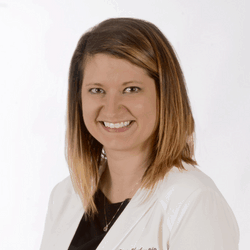
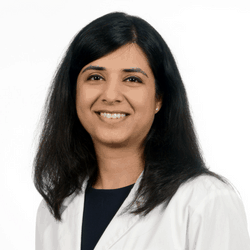
Kelly-Ann Patrice, M.D., Joins UAMS as Stroke Specialist

Kelly-Ann Patrice, M.D., has joined the University of Arkansas for Medical Sciences (UAMS) as a neurologist specializing in stroke care.

Patrice treats emergency stroke patients in the UAMS Medical Center and provides post-stroke recovery care in the Jackson T. Stephens Spine & Neurosciences Institute’s Neurology Clinic. Patrice also treats patients with cerebral blood vessel abnormalities and provides comprehensive testing for referral patients who have had a stroke with an unidentified cause.

Patrice is an assistant professor of neurology in the UAMS College of Medicine’s Department of Neurology.

In summer 2018, UAMS Medical Center became the first and only health care provider in Arkansas to be certified as a Comprehensive Stroke Center by The Joint Commission. The certification is the commission’s most demanding and designates hospitals that can treat the most complex stroke cases.

“Dr. Patrice is one of three stroke specialists at UAMS, which allows us to provide on-staff 24-7 emergency stroke care,” said Robert L. “Lee” Archer, M.D., professor and chairman of the Department of Neurology. “It is important to have experts like her available at all times to save lives and improve patient outcomes, and that was one of many things that The Joint Commission was looking for as part of this significant accreditation.”

Patrice earned her medical degree from the University of the West Indies in Kingston, Jamaica. She completed two years of an internal medicine residency at the MedStar Good Samaritan Hospital and a neurology residency at Johns Hopkins Hospital – both in Baltimore. Patrice also completed a fellowship in vascular neurology at Johns Hopkins Hospital.

By Amy Widner| July 31st, 2018|

Filed Under: News

Study Finds Mentorship Could Reduce Gender Gap in Radiology

With each new class of medical students, the gender gap gets smaller – but that doesn’t necessarily mean that Roopa Ram, M.D., has seen that change translate to radiology as a specialty.

A historically male-dominated specialty, radiology nationwide has been slow to change. While medical student classes in general are closer to an even split, women represented only 25 percent of the diagnostic radiology field in 2015, according to the Association of American Medical College’s 2016 Physician Specialty Data Report.

It was enough to make Ram and her UAMS colleagues ask “why” – and the results of that inquiry were published recently in Academic Radiology.

“One of the biggest takeaways was that mentorship is important for women when they are considering specialties, and more than the gender of the mentor, it was the interaction that was important,” said Ram, who advises the Diagnostic Radiology Interest Group and is an associate professor in the Department of Radiology.

“I think there are a lot of misconceptions among female medical students about radiology as a specialty, there is a lack of information, and medical students in general are not exposed to radiology early enough in their training. Our study indicates that we could harness the power of mentorship to overcome some of those obstacles.”

Ram and her co-authors – all from UAMS – used de-identified data from the AAMC’s 2011-2016 Graduation Questionnaires, which asked 71,941 fourth-year medical students about the factors that led to their chosen specialty. Options included career objections, mentorship, salaries, debt, family considerations and interest in the subject.

They compared the top-10 specialty lists for men and women. Women ranked pediatrics the highest and radiology 11th. Internal medicine, family practice, general surgery, emergency medicine, psychiatry and neurology also made the list. Only 3 percent of women included radiology in their top-10 list. For comparison, men ranked internal medicine, emergency medicine, anesthesiology and orthopedic surgery higher than radiology, which came in fifth.

Among the women who chose radiology, a higher proportion reported that mentorship was a strong factor (47 percent, compared to 37 percent of the males). They also prioritized work/life balance, future family plans, salary, family expectations, high debt and competitiveness of specialty. However, women selecting other specialties instead of radiology ranked length of residency as key to decision-making.

Ram said radiology mentors should take note and use their influence to highlight radiology as an intellectual specialty with great benefits like work/life balance and competitive salaries. While the study indicated that mentors of both genders have an impact, Ram said that hearing from a female radiologist’s personal experience is a powerful tool. Female mentors could help ease fears that female medical students may have about the length and/or difficulty of residency, work/life balance and having children because of concerns about radiation safety. They may also be concerned about the perception that patient contact is rare, which has also changed as radiology actually includes a wide range of patient-intensive subspecialties.

“We have a story to tell through the experiences we have lived,” Ram said. “I can tell medical students that I’ve done this residency, presented posters, attended meetings and accomplished things academically – at the same time balancing other parts of my life, including having kids, and it is doable. Personal stories do have a power. I can confidently say, ‘Hey, if I can do this, you can definitely do this also.’”

Ram’s co-authors were former Chief Resident Holly Jumper, M.D.; Shelly Y. Lensing, M.S.; Ji-Ling Tang; Linda A. Deloney, Ed.D.; and Philip J. Kenney, M.D., all of UAMS. It won’t be their last exploration of the topic. Ram said their next study will dive deeper into issues raised by this study.

Filed Under: News

Neurosurgery Department’s Gender, Racial Diversity Bucks National Trends

Looking around the Department of Neurosurgery at UAMS, you would be forgiven for not knowing that brain surgery is a profession with a reputation for a lack of diversity.

That is because the makeup of the department doesn’t reflect national trends. Three of its 10 faculty are female. Of its 11 residents, two are African-American men. The department welcomed its sixth female resident in July.

In contrast, women made up 7.8 percent of practicing neurosurgeons in 2015, the latest figures available from the Association of American Medical Colleges (AAMC). The number of female residents in neurosurgery was 17.1 percent in 2015, compared to 10.4 percent in 2005.

African-Americans in neurosurgery are even less well represented. AAMC figures from 2008 put the number of African-American neurosurgeons at 4 percent of the total number of active neurosurgeons in the United States. Only 25 of them were African-American women, or 0.7 percent of the total.

“My main goal is merit,” said J.D. Day, M.D., professor and chairman of the Department of Neurosurgery. “I want people who are here because they’ve worked hard and done their best. I believe the diversity in our program is reflective of our cultures and values. It shows that we have attracted and selected the right group of people.”

Erika Petersen, M.D., is the residency program director and director of the Section of Functional and Restorative Neurosurgery in the Department of Neurosurgery. As a female in neurosurgery, she likes to give back by participating in programs for young people. She is sometimes asked why the department is so diverse and why that diversity is beneficial.

“I think we’ve created a culture where people feel welcome. No one is here because they fit a category. They’re here because we responded to them and they responded to something about what we do,” Petersen said.

She believes the diversity of the faculty allows potential residents to see themselves fitting in.

“I think our program is excellent. I think we’re doing a good job of training neurosurgeons, and we have practices here that are national and internationally known, and those are the reasons a candidate should want to be here,” Petersen said. “But if there are candidates giving us a second look because they think they would be more comfortable training here because they can see themselves in one of our faculty or they like the team or our family feel – then hey, that’s great too. At the end of the day, our goal is attracting the best people with the best fit.”

Petersen believes diversity is good for mentorship, patients and team-building among the residents. The residents, medical students and even younger students who interact with UAMS faculty and might be inspired to go into medicine benefit from having a variety of mentors to look up to. Patients benefit from having greater options in finding a doctor-patient relationship that works for them.

Heather Pinckard-Dover, M.D., is among the current group of neurosurgery residents. She is on schedule to finish in June 2020. When she does so, she will be the first female to complete her neurosurgery residency at UAMS.

Pinckard-Dover, who also obtained her medical degree at UAMS, decided in high school that she wanted to pursue neurosurgery after seeing a video of a deep brain stimulation surgery and the massive difference it made for the patient, who had Parkinson’s disease. She grew up in Pine Bluff and never bought into the idea that there were some things girls couldn’t do. So it didn’t bother her all that much when all of the early neurosurgery mentors she met during her undergraduate studies at Baylor University were male or that she was the only female trainee during the first year of her residency.

Still, Pinckard-Dover said it was nice to start working with Petersen early in medical school and that there was female representation available on the faculty when she began the hard work of seguing into her residency. It made the transition smoother, she said. Pickard-Dover agreed with Petersen that the diversity of the current group of residents has been its own kind of education. She believes it makes her a better physician.

“Working with a diverse group adds a whole new level to our education. When you have people of differing backgrounds and with differing perspectives, I think it makes you more empathetic,” Pinckard-Dover said.

By Amy Widner| July 17th, 2018|

Filed Under: News

Training Grant of More Than $740,000 to Encourage Drug Development Renewed for Five Years

A prestigious grant has been renewed for $742,840 over five years that gives Ph.D. students in the biomedical sciences at the University of Arkansas for Medical Sciences (UAMS) an added foundation in pharmacology and toxicology research.

The National Institute of General Medical Sciences awarded the Institutional Predoctoral Research Training Grant (T32) to the Department of Pharmacology and Toxicology in the UAMS College of Medicine. The funding will allow the department’s Systems Pharmacology and Toxicology (SPaT) Training Program to provide two trainees a year with a stipend, specialized coursework, research mentorship and training in entrepreneurship, career development, networking, leadership and grant writing.

“The prestige of the grant helps us recruit the best trainees from across the country to our program,” said Philip Mayeux, Ph.D., SPaT program director and professor in the Department of Pharmacology and Toxicology.

UAMS is one of only 31 pharmacology and toxicology training programs in the nation to receive the funding. Others include Vanderbilt University, Emory University, Harvard Medical School and Johns Hopkins School of Medicine.

“We are the smallest program to receive funding, and renewal was by no means guaranteed,” said Mayeux, who wrote the original and renewal grants for the funding. “We underwent a site visit and the reviewers were impressed with our trainee’s publications, awards and national recognition.”

The trainees come from a variety of areas of interest and pursue research that combines these interests with a focus on pharmacology and toxicology. Trainees supported by the first grant worked on drug abuse and behavior; cancer; drug toxicity; and bone, kidney and cardiovascular health.

“The ultimate goal is increasing drug discovery and drug development to benefit patients,” Mayeux said. “We would like to have more biomedical scientists in industry and academia who also have a background in drug development, so that – even if they don’t directly develop the drugs themselves – they know how to work collaboratively with pharmacologists to help scientific discoveries translate from the research stage to the development of medications and therapeutic interventions.”

Thirty-one UAMS faculty have partnered with the SPaT Fellowship to provide training and mentorship. SPaT is a partnership of the UAMS’ Graduate School, College of Public Health and College of Pharmacy; Arkansas Children’s; and the National Center for Toxicological Research, which is part of the Food and Drug Administration. The UAMS Translational Research Institute, UAMS College of Medicine and Arkansas Biosciences Tobacco Research Committee provide matching funding for the grant, allowing there to be one additional SPaT trainee each year along with the two funded by the federal grant.


UAMS is the state’s only health sciences university, with colleges of Medicine, Nursing, Pharmacy, Health Professions and Public Health; a graduate school; hospital; northwest Arkansas regional campus; statewide network of regional centers; and seven institutes: the Winthrop P. Rockefeller Cancer Institute, Jackson T. Stephens Spine & Neurosciences Institute, Myeloma Institute, Harvey & Bernice Jones Eye Institute, Psychiatric Research Institute, Donald W. Reynolds Institute on Aging and Translational Research Institute. It is the only adult Level 1 trauma center in the state. UAMS has 2,834 students, 822 medical residents and six dental residents. It is the state’s largest public employer with more than 10,000 employees, including 1,200 physicians who provide care to patients at UAMS, its regional campuses throughout the state, Arkansas Children’s Hospital, the VA Medical Center and Baptist Health. Visit www.uams.edu or www.uamshealth.com. Find us on Facebook, Twitter, YouTube or Instagram.

###

By Amy Widner | July 23rd, 2018 |

Filed Under: News

UAMS College of Medicine Names Arundathi Reddy, M.D., M.B.A., Chief of Pediatric Anesthesia

Arundathi Reddy, M.D., M.B.A., has been appointed chief of pediatric anesthesia in the College of Medicine at the University of Arkansas for Medical Sciences (UAMS). She will begin serving at UAMS and Arkansas Children’s Hospital in November.

Dr. Arundathi Reddy

Dr. Reddy is currently professor and chief of the Division of Pediatric Anesthesia at the University of Kentucky (UK) College of Medicine in Lexington. She also serves as medical director of outside operating anesthesia and is a pediatric anesthesiologist at Shriners Hospitals for Children Medical Center in Lexington.

“With extensive clinical leadership experience, business training and career-long dedication to providing the very best anesthesia services for children, Dr. Reddy will be an outstanding addition to our program as the College of Medicine and Arkansas Children’s continue our work to build our Pediatric Anesthesiology Division,” said Jill M. Mhyre, M.D., the Dola S. Thompson Professor and chair of the Department of Anesthesiology at UAMS.

Trained originally as an obstetrician gynecologist in India, Dr. Reddy completed her residency in anesthesiology at the University of Kentucky in 2003, serving as chief resident in her final year. After a fellowship in pediatric anesthesiology at Cincinnati Children’s Hospital in Ohio, she returned to the UK Division of Pediatric Anesthesiology as a clinical instructor in 2003, where she excelled as a faculty member, and rose through the ranks to achieve promotion to full professor in 2017. She has served as chief of pediatric anesthesia and medical director of non-operating room anesthesia services since in 2011. This past May, she received a Master of Business Administration from the Gatton College of Business and Economics at UK.

Dr. Reddy’s clinical interests include pediatric regional anesthesia and pain management. She has been active in medical student and anesthesia resident education, garnering the UK College of Medicine’s Women in Medicine and Science Mentorship Award, the Abraham Flexner Award for Educational Innovation and Curriculum Development and other honors.

Filed Under: News

New Faculty

Family and Preventive Medicine

Leslie Stone, M.D., M.P.H.

Leslie Stone

Leslie Stone, M.D., M.P.H., has joined the Department of Family and Preventive Medicine as an Assistant Professor. Dr. Stone received his medical degree from UAMS in 2007 and completed his family medicine residency at the UAMS Northwest Regional Center in Fayetteville in 2010. He also holds a Master of Public Health from State University of New York, Downstate in Brooklyn. Prior to coming to UAMS, Dr. Stone worked at Center for Comprehensive Health Practice in New York City. He will practice at the Capitol Mall Clinic.

Internal Medicine

Krishna Pothineni, M.D.

Krishna Pothineni

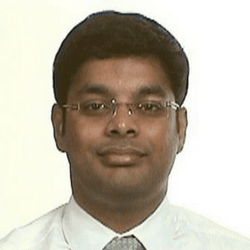
Krishna Pothineni, M.D., has joined the Department of Internal Medicine as an Assistant Professor in the Division of Cardiology. Dr. Pothineni received his medical degree from Gandhi Medical School in Secunderabad, Andhra Pradesh, India. He completed his residency in 2014 and his cardiology fellowship in 2017 at UAMS.

Srilakshmi Ravula, M.D.

Srilakshmi Ravula

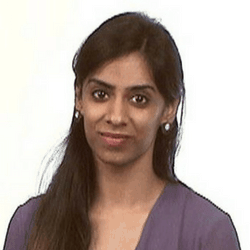
Srilakshmi Ravula, M.D., has joined the Department of Internal Medicine as an Assistant Professor in the Division of Hospital Medicine. Dr. Ravula received her medical degree from PSI Medical College in Chinoutpalli, India. She completed her residency at Mercy Saint Vincent Medical Center in Toledo, Ohio, and recently completed a nephrology fellowship at UAMS.

James Fletcher, M.D., D.P.M.

James Fletcher

James Fletcher, M.D., D.P.M., has joined the Department of Internal Medicine as an Assistant Professor in the Division of Palliative Medicine. He received his medical degree from Eastern Virginia Medical School in Norfolk, Virginia. Dr. Fletcher is board certified in internal medicine, nephrology, and hospice and palliative Medicine.  He is a Fellow of the American College of Physicians and the American Society of Nephrology.

Neurology

Kelly-Ann Patrice, M.D.

Kelly-Ann Patrice

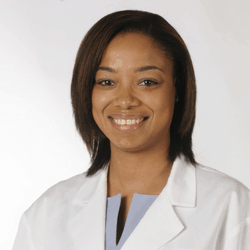
Kelly-Ann Patrice, M.D., has joined the Department of Neurology as an Assistant Professor and member of the Stroke and Neurocritical Care Team. Dr. Patrice received her medical degree from the Faculty of Medical Sciences at the University of West Indies in Kingston, Jamaica. She completed her neurology residency at Johns Hopkins Hospital in Baltimore in 2017. While there, she also completed the Science of Clinical Investigators Training Program at Johns Hopkins Bloomberg School of Public Health and continued her clinical training with a fellowship in cerebrovascular neurology at Johns Hopkins. She has received numerous awards for academic achievement, clinical excellence and teaching.

Vishank Arun Shah, M.D.

VIshank Shah

Vishank Arun Shah, M.D., has joined the Department of Neurology as an Assistant Professor and member of the Stroke and Neurocritical Care Team. Dr. Shah received his medical degree from the Seth G.S. Medical College and K.E.M. Hospital in Mumbai, India, in 2011. He completed his residency in neurology at Baylor College of Medicine in Houston, serving as Chief Resident in 2015-2016. He continued his training with a clinical and research fellowship in neurocritical care at Johns Hopkins University School of Medicine in Baltimore. Among numerous honors, he received the Academic Achievement Award and Resident Teacher Award while at Baylor.

Mhd Ezzat Zaghlouleh, M.D.

Zaghlouleh

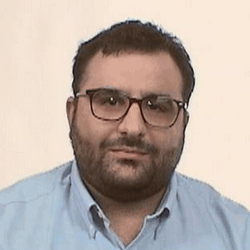
Mhd Ezzat Zaghlouleh, M.D., has joined the Department of Neurology as an Assistant Professor and member of the Stroke and Neurocritical Care Team. Dr. Zaghlouleh received his medical degree from the University of Damascus in Syria in 2010. He interned in internal medicine and completed his neurology residency at State University of New York Downstate in Brooklyn. He completed a neurocritical care fellowship at the University of Cincinnati in Ohio in June.

Obstetrics and Gynecology

Dawn S. Hughes, M.D.

Dawn Hughes

Dawn S. Hughes, M.D., has joined the Department of Obstetrics and Gynecology as an Assistant Professor in the Division of Maternal-Fetal Medicine. Dr. Hughes received her medical degree from the College of Medicine in 2011 and stayed at UAMS for her residency in OB/GYN, serving as Chief Resident in 2014-2015. She continued her training with a fellowship in maternal-fetal medicine at UAMS. Dr. Hughes’ research interests include the use of telemedicine and amniotic fluid, while her clinical interests include telemedicine and morbidly adherent placentas.

Ophthalmology

Paula Grigorian, M.D.

Paula Grigorian

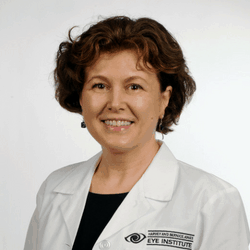
Paula Grigorian, M.D., has joined the Department of Ophthalmology as an Associate Professor and pediatric ophthalmologist. Dr. Grigorian received her medical degree at the University of Medicine and Pharmacy Carol Davila in Bucharest, Romania. She completed her surgical internship and ophthalmic residency in Romania, and an additional ophthalmology residency at UAMS. She went on to complete a fellowship in pediatric ophthalmology at the University of Texas Southwestern in Dallas. Her clinical expertise includes adults and kids with strabismus, children with cataracts, genetic eye conditions, neuro-ophthalmology conditions, and retinopathy of prematurity.

Florin Grigorian, M.D.

Florin Grigorian

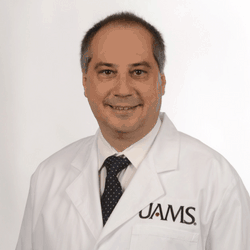
Florin Grigorian, M.D., has joined the Department of Ophthalmology as an Assistant Professor and pediatric ophthalmologist. Dr. Grigorian received his medical degree in Romania. He interned and completed ophthalmology residencies in Europe and at the University of Missouri Kansas City. He also interned in internal medicine for one year. Dr. Grigorian continued his post-residency training with fellowships in pediatric ophthalmology at Northwestern University in Chicago, vitreoretinal surgery at Cleveland Clinic Akron General, and ophthalmic genetics at the Casey Eye Institute at Oregon Health Sciences University in Portland. His expertise includes retinal conditions and ophthalmic genetics.

Psychiatry

Corey Hayes, Pharm.D., M.P.H.

Corey Hayes

Corey Hayes, Pharm.D., M.P.H., has joined the Department of Psychiatry as an Assistant Professor in the Division of Health Services Research. Dr. Hayes manages the Psychiatric Research Institute-based AR-IMPACT program, a free weekly interactive continuing education tele-video program to help Arkansas clinicians with opioid-sparing, evidence-based management for their patients with chronic pain. Dr. Hayes was previously a postdoctoral fellow in PRI’s T32 Addiction Research Training Program.

Radiology

Gitanjali Bajaj, M.D.

Gitanjali Bajaj

Gitanjali Bajaj, M.D., has joined the Department of Radiology as an Assistant Professor in the Body Imaging Division of the Musculoskeletal/Body MRI Section. Dr. Bajaj received her medical degree from Seth GS Medical College, Mumbai, India. She continued her training at UAMS, completing a residency in diagnostic radiology in 2017 and a fellowship in Body MRI in 2018.

Filed Under: News

Lee Archer, M.D., Inducted as Arkansas Medical Society President

Robert L. “Lee” Archer, M.D., a neurologist and department chairman at the University of Arkansas for Medical Sciences (UAMS), has been inducted as Arkansas Medical Society president for 2018-2019.

As president of the Arkansas Medical Society, Archer leads the largest professional society for physicians in the state. The society organizes and advocates for the interests of physicians, provides resources and educational opportunities and aims to improve health care in Arkansas by supporting practices that benefit physicians, patients and medical students.

portrait of Dr. Archer
Lee Archer, M.D., chair of the Department of Neurology in the UAMS College of Medicine and 2018-2019 president of the Arkansas Medical Society, has earned the admiration of his patients, students, trainees and colleagues.

Archer was formally installed at the medical society’s 142nd annual Welcome Reception and President’s Inaugural Gala, held in May at DeGray Lake Resort State Park in Bismarck. The ceremony was performed by outgoing president Amy Cahill, M.D., and other past medical society presidents.

Archer is professor and chair of the Department of Neurology in the UAMS College of Medicine. He also holds the Major and Ruth Nodini Chair in Neurology, a $1.5 million endowment that supports his clinical care, multiple sclerosis research and educational programs.

A fixture at UAMS for more than 30 years, Archer provides world-class care for Arkansans with multiple sclerosis (MS), while teaching and mentoring future neurologists. He has earned the admiration of his patients, students, residents and colleagues.

“Dr. Archer always represents UAMS in the best light,” said Christopher T. Westfall, M.D., F.A.C.S., interim dean of the UAMS College of Medicine. “He is a favorite among patients, a respected leader, physician and multiple sclerosis expert and someone who finds ways to give back to the community and his profession. I know he will be just as much an asset to the medical society as we have long known him to be.”

An El Dorado native, Archer attended the University of Arkansas at Fayetteville and earned his medical degree at UAMS in 1982. He completed his residency at UAMS, joined the faculty in 1986 and has held the rank of professor since 2008. He founded UAMS’ Multiple Sclerosis Service in 1987 and co-directed the Muscular Dystrophy Association Clinic at UAMS from 1989 to 2003.

Archer served 13 years as chair of the University Hospital Medical Ethics Advisory Committee. He has served on many other institutional panels, including the College of Medicine Promotion and Tenure Committee, which he chaired in 2016-2017.

He became interim chair of the Department of Neurology in July 2016 and became chairman in August 2017.

Archer is also active in the National Multiple Sclerosis Society and several civic organizations. He has served on the Board of Directors for the Arkansas Regional Organ Recovery Association (ARORA) since 2005 and chaired the organization in 2014-2016.

Archer has been married to his wife, Nancy, for 41 years and always credits her as the secret to his success.

“Her love and support has kept me going through the ups and downs, and I would not have accomplished half of what I have done without her,” Archer said. “She is one of many people who I gladly thank for encouraging me and inspiring me to keep learning and growing throughout my career.”

Graduating College of Medicine seniors have awarded Archer three Gold Sash and numerous Red Sash awards for his teaching. He received the Distinguished Faculty Award from the College of Medicine Alumni Association in 2007. In 1999 he received the inaugural Humanism in Medicine Award for faculty in the college. He received the UAMS Helen May Compassionate Care Award in 2015 and was honored later that year as the Physician of the Year in the Arkansas Business Health Care Heroes ceremony. Among many “Best Doctors” recognitions he was voted in 2010 as the Best Neurologist in Arkansas and featured on the cover of the Arkansas Times.

Filed Under: News

Researcher Aims to Improve Mobile Tools for Mental Health

July 18, 2018 | A UAMS researcher is exploring ways coaching and other additions might improve a suite of apps that aims to help patients with depression and anxiety.

“Whether it’s time, money, geography or stereotypes, we know there are many roadblocks to people having access to therapy, and anxiety and depression can have a big impact on other areas of health,” said clinical psychologist Carolyn Greene, Ph.D., an associate professor in the College of Medicine and researcher in the Division of Health Services Research in the UAMS Psychiatric Research Institute. “This study looks at how technology can help lower those barriers, and how we can engage primary care as part of the solution.”

Greene is a nationally recognized expert and innovator in the use of technology to increase access to high-quality mental health care. Her study, which is funded by the National Institutes of Health, is on the IntelliCare suite of mobile apps, which uses interactive design and tasks to lead patients through cognitive behavioral therapy exercises that address symptoms of depression and anxiety.

Cognitive behavioral therapy (CBT) is one of the most well-established forms of mental health treatment. It aims to improve mood and outlook by working with patients to re-examine and modify behaviors and reactions to emotions and thoughts. It uses tools that are typically targeted at specific goals over a short period of time.

The apps were developed by a research team at Northwestern University. In a field trial, participants using the apps experienced substantial reductions in depression and anxiety. However, the apps are not intended to replace in-person therapy. Rather, they can augment or reduce barriers to care.

Greene thinks these types of technologies can serve as a powerful way to reach people who have previously not been able to take advantage of advancements in mental health care.

“I think technology and telemedicine are the future of health care, and they can really make a big difference in a rural state like Arkansas,” Greene said. “We know anxiety and depression are widespread. We know CBT works. But we also know that most people don’t get connected with these resources.”

Greene said there is a growing interest in technology-based mental health care. The IntelliCare suite is unique in that it is built on evidence-based principals, the apps have gone through field trials that showed their effectiveness and they are free.

“They’re excellent, so now the question is, how do we connect them with patients?” Greene said. “How can we harness the power of mobile devices, which almost everyone has access to, even in low-income communities? Can we give primary care a tool for patients whom they may otherwise be unable to help?”

In her NIH study, Greene aims to gather feedback from stakeholders to improve app functionality, develop a plan for implementing the apps’ use in primary care settings, and conduct a clinical trial to determine if follow-up contact with the patient from a coach would make it even more effective for patients.

“One of the benefits of in-person therapy is the patient gets to experience having someone care for them, someone who is interested in their wellbeing and following up on their progress,” Greene said. “We are going to see if we can replicate at least some of that sense of caring by pairing use of the apps with a coach who contacts the patients to check on them. If effective, it could, for example, be a first-line option for a quick way to help patients with depression who are waiting to see an in-person therapist.”

Greene is looking for feedback from primary care physicians, patients and other stakeholders and is recruiting patients from Arkansas for the clinical trial. She will be using focus groups, structured interviews, questionnaires and other techniques.

The apps are free and available to the public in the App Store and Google Play:

  • Worry Knot – Teaches skills for decreasing emotional response to worry and anxious thoughts and how to release from tangled thinking.
  • Thought Challenger – Helps patients improve mood and decrease anxiety by teaching them to recognize and change unhelpful thought patterns.
  • My Mantra – Uses simple phrases and images to encourage positive thinking and gratitude.
  • Daily Feats – Helps patients stay engaged in life, set goals and celebrate accomplishments, which can increase motivation and improve mood.
  • Day to Day – Provides lessons and daily tasks related to a variety of cognitive behavioral therapy concepts. Patients learn about a new skill a week for five weeks and practice the skill with daily messages and tasks.

For more information visit www.JoinIntelliCare.com or email mobileapps@uams.edu.

Greene works is the Division of Health Services Research, where many of the studies are looking for ways to harness technology, telemedicine, apps and wearables to improve health care in practical, real-world ways. Division Director Teresa Hudson, Pharm.D., Ph.D., has described health services research as “where the rubber meets the road.” Examples include everything from computer-aided CBT for veterans to using iPads and wearable heart monitors to track patients with high-risk pregnancies from home.

In Greene’s previous position at the National Center for Post-Traumatic Stress Disorder (PTSD), she directed the first rigorous clinical trial establishing that telehealth is as effective as face-to-face group therapy and was on a team who produced Department of Veterans Affairs’ first mental health mobile app, PTSD Coach.

By Amy Widner

Filed Under: News

UAMS Medical Center Certified as First and Only Comprehensive Stroke Center in Arkansas

UAMS Medical Center has become the first and only health care provider in Arkansas to be certified as a Comprehensive Stroke Center by The Joint Commission.

The Joint Commission is an independent, not-for-profit organization that evaluates and accredits more than 20,000 health care organizations and programs in the United States.

“Achieving the standard of care required by The Joint Commission to be certified as a Comprehensive Stroke Center means a stroke patient at UAMS has a better chance here than anywhere else in the state of not only surviving but leaving our care with the best possible health outcome,” said Martin Radvany, M.D., a professor and chief of Interventional Neuroradiology in the Department of Radiology at the University of Arkansas for Medical Sciences (UAMS).

According to the Joint Commission, the certification is the most demanding accreditation and is designed for those hospitals that have the specific abilities to receive and treat the most complex stroke cases. It also means certified hospitals can provide endovascular procedures and post-procedural care and has an Emergency Department with a dedicated stroke-focused program.

“Achieving Comprehensive Stroke Center designation places UAMS among the top stroke centers in the country that have the resources and highly skilled health care teams with advanced training to handle the most complex stroke cases,” said UAMS Chancellor Cam Patterson, M.D., MBA. “I am extremely proud of our medical center and our stroke team for their dedication to achieving this designation to provide Arkansans with access to the most advanced stroke care possible.”

“This is truly an extraordinary accomplishment that will save lives,” Patterson said.

In July 2017, UAMS formed a team to work on getting the Medical Center ready for the Comprehensive Stroke Certification. A gap analysis was performed to show what points of care needed to be addressed for certification. Multiple aspects of the stroke program had to be documented as well.

An application for the certification was sent to The Joint Commission in August. In May, two commission surveyors conducted the comprehensive survey over the course of two days. They toured all areas that cared for stroke patients. In addition, the surveyors reviewed files and chart reviews and interviewed staff and patients.

“This effort elevated the requirements of 24/7 coverage for all stroke providers at UAMS,” said Matthew Mitchell, director of the UAMS Stroke Program. “It took everyone working in the program using all their experience and energy to achieve the highest possible certification. It was the culmination of years of work. We will keep giving our all to maintain this standard and to provide the best care for the state’s stroke patients. Dr. Radvany, Dr. Day and I along with everyone at UAMS couldn’t be prouder of our stroke team.”

J.D. Day, M.D., is the chairman of the UAMS College of Medicine’s Department of Neurosurgery and director of the neurosciences clinical program that includes the stroke service and multidisciplinary team leaders.

To be a comprehensive stroke center, a hospital or clinic must be able to provide 24/7 care for patients suffering from a stroke and any cerebrovascular disorder, including ruptured brain aneurysms and bleeding into and around the brain. The Joint Commission requires the provider hospital or clinic to have the following available to do that: an acute stroke team, neurointensive care unit beds for complex stroke patients, the ability to meet the concurrent needs of two complex stroke patients, and have neurosurgical services. A center must be able to offer comprehensive diagnostic services; on-site coverage by a neurospecialist for its neurointensive care unit; participate in patient-centered research that is approved by an institutional review board; and track, monitor and report performance measures.

By Ben Boulden | July 13th, 2018 |

Filed Under: News

Ashley Bean, M.D., Receives International Award in Emergency Medicine

Ashley Bean, M.D., an associate professor in the College of Medicine Department of Emergency Medicine at the University of Arkansas for Medical Science (UAMS) has received the Amin Kazzi International Emergency Medicine Leadership Award from the American Academy of Emergency Medicine.

“I am incredibly honored to be selected by the American Academy of Emergency Medicine for this prestigious award,” said Bean, director of the global health and international EM resident tract. The office provides an interprofessional connection for the medically related colleges at UAMS, and its global health accreditation committee.

Dr. Bean at UAMS Medical Center
Ashley Bean, M.D., an associate professor in the UAMS College of Medicine’s Department of Emergency Medicine, was honored by the American Academy of Emergency Medicine for her dedication to global education and improving the quality of emergency and acute care globally for more than a decade.

The annual award was presented at the 24th Annual AAEM Scientific Assembly in San Diego, California, in early April.

“Several members including Joe Lex, Terry Mulligan, Haywood Hall and Lisa Moreno-Walton nurtured my interest in international emergency medicine and were instrumental in creating opportunities for my growth in the field,” said Bean. “I consider receiving this recognition by my mentors and peers to be the highest possible compliment.”

The award, established in 2001, recognizes an individual who has made an exceptional, longstanding and profound contribution to the international development of emergency medicine or advancing education of it. The award is named in honor of Amin Antoine Nabih Kazzi, M.D., who has played an exceptional leadership role in the specialty’s efforts internationally.

Bean, who graduated from Hendrix College and attended graduate school at Brown University before returning to Arkansas to complete medical school, was recognized for her outstanding dedication to global education and improving the quality of emergency and acute care globally for more than a decade. She has presented more than 75 lectures and workshops spanning five continents and has served on the scientific committee or as conference co-chair in several countries. She serves as chair of the AAEM International Committee.

Filed Under: News

  • «Previous Page
  • Page 1
  • Interim pages omitted …
  • Page 18
  • Page 19
  • Page 20
  • Page 21
  • Page 22
  • Interim pages omitted …
  • Page 39
  • Next Page»
UAMS College of Medicine LogoUAMS College of MedicineUniversity of Arkansas for Medical Sciences
Mailing Address: 4301 West Markham Street, Little Rock, AR 72205
Phone: (501) 296-1100
  • Facebook
  • X
  • Instagram
  • YouTube
  • LinkedIn
  • Pinterest
  • Disclaimer
  • Terms of Use
  • Privacy Statement
  • Legal Notices

© 2026 University of Arkansas for Medical Sciences