• Skip to primary navigation
  • Skip to main content
  • Skip to primary navigation
  • Skip to main content
Choose which site to search.
University of Arkansas for Medical Sciences Logo University of Arkansas for Medical Sciences
College of Medicine
  • UAMS Health
  • Jobs
  • Giving
  • About Us
    • Fast Facts
    • Leadership
    • Features
    • COMmunication Newsletter
    • Maps and Directions
    • College of Medicine History
    • Professionalism Guidelines
  • Departments
  • Admissions
    • Apply
    • Financial Aid and Scholarships
    • Life in Little Rock or Fayetteville
    • Dual Degree Programs
      • M.D./MBA Program
      • M.D./Ph.D. Program
      • M.D./MPH Program
    • Three-Year M.D. Program
    • Rural Practice Programs
      • Community Match Rural Physician Recruitment Program
      • Rural Practice Scholarship Program
    • Contact Admissions
  • Students
    • Academic Calendar
    • Academic Houses
    • Career Advising
    • Financial Aid and Scholarships
    • Visiting Students
    • Mentor Spotlight Podcast
    • Preparing for Residency
    • Non-Discrimination Statement
    • Outstanding Teacher Nominations
    • Parents Club
    • Student Links
    • Honors in Research
    • UAMS Campus Security
    • Undergraduate Medical Education Competencies
  • Graduate Medical Education
  • Alumni
  • Faculty Affairs
  • Research
  1. University of Arkansas for Medical Sciences
  2. College of Medicine
  3. Author: Chris Lesher
  4. Page 25

Chris Lesher

Comprehensive Epilepsy Center Earns Highest Accreditation Level

The Comprehensive Epilepsy Center at the University of Arkansas for Medical Sciences (UAMS) has been accredited with the highest designation available from the National Association of Epilepsy Centers.

The Level 4 accreditation means that UAMS is capable of performing the most complex surgeries for the treatment of epilepsy. The accreditation is valid through December 2019. The nearest adult Level 4 epilepsy programs are in Jackson, Mississippi, and Dallas.
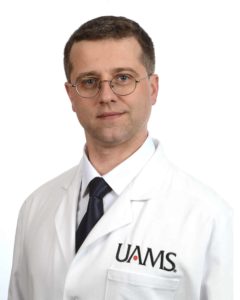
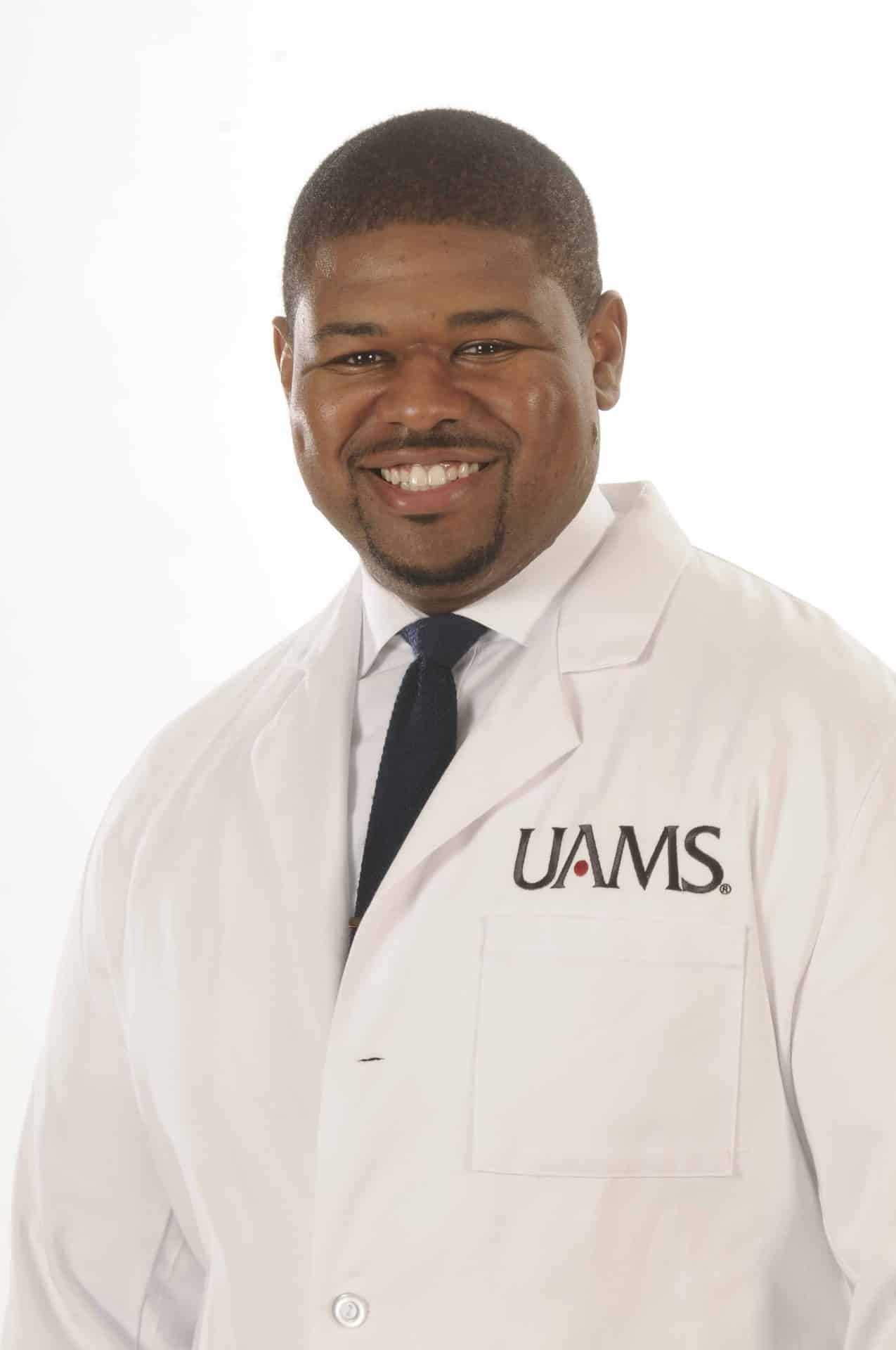
Viktoras Palys, M.D.

UAMS has hired fellowship-trained neurosurgeon Viktoras Palys, M.D., who is capable of performing complex epilepsy surgeries including placing temporary recording electrodes on the surface of the brain or implanting them within the brain tissue. These procedures assist in planning the surgical approach for particular patients.

The center offers a broad range of surgical procedures for epilepsy. In addition to the spectrum of brain surgeries it offers MRI-guided laser ablation for the diseased brain tissue along with placement of responsive brain stimulation (RNS, Neuropace) and vagus nerve stimulation (VNS) devices. For the minimally invasive diagnostic and/or treatment procedures, the robotic stereotactic assistance (ROSA) is available to supplement the traditional surgical navigation tools.

Palys joins epileptologists Bashir Sami Shihabuddin, M.D., and Ikram Khan, M.D., as well as a multidisciplinary team dedicated to the treatment of epilepsy, including neuroradiologists, neuropsychologists, pharmacists and social workers.
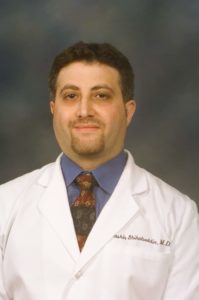
Bashir Shibabuddin, M.D.

Shihabuddin, medical director of the Comprehensive Epilepsy Center and a professor in the Department of Neurology in the UAMS College of Medicine, said in addition to highlighting programs with advanced surgical capabilities, the Level 4 designation signals a dedication to a team approach and comprehensive care.

“Many patients with epilepsy will not need these advanced surgeries, but they benefit from being treated at a comprehensive epilepsy center, where we can offer patients the whole scope of treatments available, backed up by the technology and expertise necessary,” Shihabuddin said.

Epilepsy can be difficult to diagnose and complex to manage. Shihabuddin said about 30 percent of patients referred to the center for treatment actually turn out to be non- epileptic. For many others, accurate diagnosis of a specific epilepsy syndrome might lead to changes to anti-seizure medications that can result in vast improvements.

The center can provide minimally invasive procedures for the treatment of epilepsy such as implanting stimulation devices such as responsive neurostimulators or vagus nerve stimulators. The center also offers Video-EEG monitoring technology, neuropsychological assessment, MRI scans, PET scans and Ictal SPECT scans that are tailored specifically for epilepsy.

Epilepsy is a common and serious neurological condition that is characterized by repeated unprovoked seizures. Seizures are caused by abnormal bursts of electrical activity in the brain. They cause spells of altered behavior, consciousness, emotions or sensations. They might be mild with brief experiences like changes in vision, unusual tastes or smells, tingling or a sense of déjà vu. They can also be severe, such as convulsive seizures with violent muscle stiffening and contractions.

There are several types of epileptic seizures and epilepsy disorders. Epilepsy can result from multiple causes such as head trauma, abnormalities in brain structure and genetic predisposition. But in many cases the cause of seizures remains unknown.

Early treatment is key. The National Association of Epilepsy Centers recommends that patients whose seizures are not under control after three months of treatment by a primary care physician should seek treatment from a neurologist. Patients who have been seeing a general neurologist and are still experiencing seizures after 12 months should request a referral to an epilepsy center with an epileptologist.

Palys received his medical degree from Kaunas Medical University in Lithuania, followed by general surgery residency training at Lithuanian University of Health Sciences in Kaunas. He completed his general surgery internship at the University of Illinois at Chicago, Metropolitan Group Hospitals, and neurosurgery residency training at Virginia Commonwealth University in Richmond, Virginia. He also obtained additional functional and stereotactic neurosurgery training at a Virginia Commonwealth University fellowship directed by Kathryn L. Holloway, M.D.


UAMS is the state’s only health sciences university, with colleges of Medicine, Nursing, Pharmacy, Health Professions and Public Health; a graduate school; hospital; northwest Arkansas regional campus; statewide network of regional centers; and seven institutes: the Winthrop P. Rockefeller Cancer Institute, Jackson T. Stephens Spine & Neurosciences Institute, Myeloma Institute, Harvey & Bernice Jones Eye Institute, Psychiatric Research Institute, Donald W. Reynolds Institute on Aging and Translational Research Institute. It is the only adult Level 1 trauma center in the state. UAMS has 2,834 students, 822 medical residents and six dental residents. It is the state’s largest public employer with more than 10,000 employees, including 1,200 physicians who provide care to patients at UAMS, its regional campuses throughout the state, Arkansas Children’s Hospital, the VA Medical Center and Baptist Health. Visit www.uams.edu or www.uamshealth.com. Find us on Facebook, Twitter, YouTube or Instagram.

###

By Amy Widner | April 16th, 2018|
Filed Under: News

Psychiatry Faculty Honored

Dr. Margaret Weiss Named to School Safety Panel

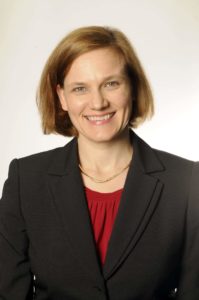
Margaret Weiss, M.D., Ph.D.

Margaret Weiss, M.D., Ph.D., Professor and Director of the Division of Child and Adolescent Psychiatry in the Department of Psychiatry, has been appointed to the Arkansas School Safety Commission. The 18-member group, which met for the first time on March 13, has been commissioned by Gov. Asa Hutchinson to assess the security of Arkansas’ schools and make recommendations accordingly.

The commissioners will evaluate school designs, safety and security policies, emergency plans and policies, school counseling and mental health issues. They will also look at school-security data, including issues such as single-point entry, electronic access badges, and school resource officers. The commission’s initial report is due to Gov. Hutchinson on July 1.

Dr. Jeffrey Clothier Honored by APA

Jeffrey Clothier, M.D.

Jeffrey Clothier, M.D., Professor and Executive Vice-Chair of the Department of Psychiatry and Medical Director of the Psychiatric Research Institute, has been named a Distinguished Life Fellow by the American Psychiatric Association (APA).

As the APA’s highest membership honor, the Distinguished Fellowship recognizes outstanding psychiatrists who have also made significant contributions to the psychiatric profession in multiple areas such as administration, teaching, scientific and scholarly publications, volunteering in mental health and medical activities of social significance and community involvement. Dr. Clothier will be honored at a May 7 ceremony at the APA’s annual meeting in New York City.

Filed Under: News

Public Invited to UAMS Parkinson’s Forum With Updates on Treatment, Research

The public is invited to the Parkinson’s Forum, which is presented by the University of Arkansas for Medical Sciences (UAMS) and features experts in the diagnosis and treatment of Parkinson’s, information on research and clinical trials and discussions for patients and caregivers about living with the disease.

The free event will be held from 1-5 p.m. April 15 on the 12th floor of the UAMS Jackson T. Stephens Spine & Neurosciences Institute. Parking will be available in parking deck number 3 on the east side of campus and connected by an indoor walking bridge to the event site.

The event is designed for those living with Parkinson’s disease, their family members, doctors, nurses, other health care professionals and those interested in knowing more about the disease. Doctors, nurses and pharmacists will be able to apply for continuing medical education for attending the forum.

The fourth annual event of its kind, the Parkinson’s Forum began as a way to build community among Parkinson’s patients, their doctors and caregivers. It serves as a vehicle for sharing the latest medical advances and building networks of support.

Erika Petersen, M.D.

“We know that there’s more to living with Parkinson’s than we’re able to cover during visits to the doctor’s office, and we also know that patients and caregivers have a lot to teach us as physicians and researchers,” said event organizer Erika Petersen, M.D., a neurosurgeon and associate professor in the UAMS College of Medicine’s Department of Neurosurgery. “We hope this serves as forum for those important conversations.”

The schedule includes presentations, panels, a question-and-answer session and time for mingling with experts.

Each year, organizers try to include an example of a physical exercise for Parkinson’s. This year, Danny Dring, owner of and master instructor at Living Defense Martial Arts in Sherwood, will demonstrate Rock Steady Boxing, a boxing program specifically designed to increase coordination, speed and confidence for Parkinson’s patients.

The agenda includes:

  • Clinical trials basics for Parkinson’s disease
  • Cognition in Parkinson’s disease
  • Boxing for Parkinson’s disease
  • Panels on multidisciplinary approaches to mild as well as moderate and advanced Parkinson’s disease
  • Deep brain stimulation: what’s new?

Parkinson’s disease is treated as part of the Movement Disorders Clinic at UAMS. Movement disorders include essential tremor, Huntington’s disease, ataxia, Tourette’s syndrome and other conditions that cause tremors, involuntary movements and difficulty walking. The UAMS Movement Disorder team provides a well-coordinated, multidisciplinary approach, which includes neurologists, neurosurgeons, neuropsychologists and other specialists offering comprehensive care using the latest technologies and treatments.

Petersen is director of the Section of Functional and Restorative Neurosurgery at UAMS. A fellowship-trained neurosurgeon, Petersen can perform a number of specialized surgeries, including deep brain stimulation, which acts similar to a pacemaker for the brain and blocks some of the signals that cause the increasingly debilitating symptoms of Parkinson’s, dystonia and essential tremor that can make daily life difficult.

For more information or to join a list to receive updates about future Parkinson’s events, call 501-686-5270.


UAMS is the state’s only health sciences university, with colleges of Medicine, Nursing, Pharmacy, Health Professions and Public Health; a graduate school; hospital; northwest Arkansas regional campus; statewide network of regional centers; and seven institutes: the Winthrop P. Rockefeller Cancer Institute, Jackson T. Stephens Spine & Neurosciences Institute, Myeloma Institute, Harvey & Bernice Jones Eye Institute, Psychiatric Research Institute, Donald W. Reynolds Institute on Aging and Translational Research Institute. It is the only adult Level 1 trauma center in the state. UAMS has 2,834 students, 822 medical residents and six dental residents. It is the state’s largest public employer with more than 10,000 employees, including 1,200 physicians who provide care to patients at UAMS, its regional campuses throughout the state, Arkansas Children’s Hospital, the VA Medical Center and Baptist Health. Visit www.uams.edu or www.uamshealth.com. Find us on Facebook, Twitter, YouTube or Instagram.

By Amy Widner | April 11th, 2018 |

Filed Under: News

Pennsylvania Woman Finds Better Life Through UAMS Pain Clinic

Carye Beavers is always in pain. The 45-year-old has a degenerative bone disease that was made worse by a car accident in 2011.

Before she discovered relief from the UAMS pain management clinic, Beavers says her days usually ended around noon because it hurt too much to function regularly beyond that.

“On a scale of 1 to 10, my day-to-day pain was at an 8,” Beavers said. “By the end of the day, I was in so much pain, I couldn’t function. I was literally in tears in bed without any hope it would get better.”

UAMS patient Carye Beavers
UAMS patient Carye Beavers says the UAMS Pain Clinic greatly improved her quality of life.

Beavers soon found a solution at the UAMS Pain Clinic with Johnathan Goree, M.D., an anesthesiologist who specializes in pain management.

Goree says there are several surgical and non-surgical options to treat pain without opioid medication. Beavers receives non-surgical steroid injections.

“The injections reduce inflammation in nerves and in the muscle,” Goree said. “We find the specific area that is inflamed, either joints or nerves, and target it with either x-ray or ultrasound guidance. Then we inject a local anesthetic mixed with a steroid to calm the inflamed area.”

Johnathan Goree, M.D.

Beavers receives a steroid injection about every six to eight months. A year ago, she moved from Little Rock to Lebanon, Pennsylvania. But she still makes the trip back to Arkansas for her treatment.

“There are no doctors I could find in my area that will do this type of pain management,” Beavers said. “They won’t even discuss it even with the success I’ve had for the past few years.”

Beavers’ latest injection was during Spring Break.

“With Dr. Goree and his team at this clinic, my pain is now at about a 5 or 6,” Beavers said. “For someone who has always been in constant pain, that’s a big deal. That’s a lot of relief.”

Other treatments, Goree says, are nerve ablations and spinal cord stimulation. In ablation, nerves delivering pain signals to the brain are destroyed with either heat, cold or chemicals. Because it’s been damaged, that nerve can no longer send pain signals to the brain.

For spinal cord stimulation, a physician places a device under the patient’s skin that sends electrical signals to the spinal cord. The patient doesn’t feel pain because the electrical pulses mask the pain signal.

For some patients, Goree says they use low-dose methadone because of its long-lasting effects and ability to work on more than one pain receptor.

“Most opioids only work on one receptor,” Goree said. “Eventually, that receptor gets used to the medication and it stops being as effective.”

Goree says low-dose methadone also prevents patients from experiencing peaks and troughs or highs and lows. Since it lasts longer than a drug that works for only a few hours at a time, it keeps the patient at a more steady state.

Methadone is often used to treat patients who have had a previous opioid addiction to prevent withdrawal. Goree emphasizes the medication should only be administered under the care of a trained physician.

Beavers says she appreciates the pain clinic for being open-minded about methods of pain management that fits each individual patient.

“Here, it’s not just a blanket, ‘this is what we do for everyone.’ They care about my life. I’m more than a folder they look at for five minutes before entering the room,” Beavers said. “I feel like they know me and they care. They’re treating me for my future and not just for today, giving me back hope for a quality of life that I had given up on.”

By Katrina Dupins | April 9th, 2018

Filed Under: News

New Faculty Members

The UAMS College of Medicine recently welcomed new faculty members:

Family Medicine

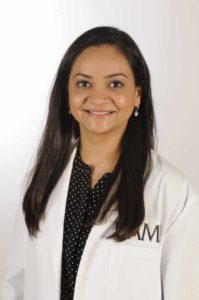
Geeta Sakariya

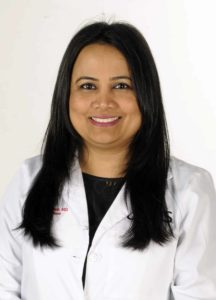
Geeta Sakariya, M.D., M.P.H., has joined the Department of Family and Preventive Medicine as an Assistant Professor. Dr. Sakariya received her medical degree from Government Medical School in Surat, Gujarat, India, in 2008 and completed her residency in family medicine at the University of North Dakota in Bismarck. She also holds a Master of Public Health in Community Health Education from California State University Long Beach. Prior to coming to UAMS, Dr. Sakariya practiced at Essentia Health-Moorhead Clinic in Minnesota. She was also a Clinical Research Coordinator for the Veterans Affairs Long Beach Health Care System.

Geriatrics

Syed Danish Hasan, M.D.,

Syed Danish Hasan, M.D., has joined the Department of Geriatrics as an Assistant Professor. Dr. Hasan received his medical degree and interned at Dow Medical College in Karachi, Pakistan. He completed a clinical rotation in the Hemophilia Center at the University of Tennessee Health Sciences Center, a postdoctoral research fellowship at Washington University School of Medicine and an elective rotation in the Division of Gastroenterology and Hepatology at St. Louis University Hospital. Dr. Hasan completed his residency in internal medicine at St. Luke’s Hospital in St. Louis and a fellowship in geriatric medicine at St. Louis University Hospital. He sees patients in the Thomas and Lyon Longevity Clinic.

Priya Priyambada, M.D.

Priya Priyambada, M.D., has joined the Department of Geriatrics as an Assistant Professor. Dr. Priyambada received her medical degree from Kathmandu University School of Medicine in Nepal. She completed residency training in the UAMS Department of Family and Preventive Medicine (DFPM) in 2015, earning the Kenneth G. Goss Physician-Patient Relationship Award. She continued her training with a geriatrics fellowship at UAMS in 2016 and joined the DFPM faculty. She transferred to the Department of Geriatrics, where she sees patients in the Thomas and Lyon Longevity Clinic, this month.

Internal Medicine

Harriet Kose Kayanja, M.D, Ph.D.

Harriet Kose Kayanja, M.D, Ph.D., has joined the Department of Internal Medicine as an Assistant Professor in the Division of Pulmonary and Critical Care Medicine. Dr. Kayanja received her medical degree from Mbarara University of Science and Technology in Uganda. She completed her internal medicine residency and pulmonary and critical care fellowship at University Hospital Case Medical Center in Cleveland, Ohio. Prior to joining UAMS, Dr. Kayanja practiced in Dayton, Ohio.

Filed Under: News

Arkansas Children’s Hospital and UAMS College of Medicine Host Investiture Ceremony for Endowed Chair in Pediatric Cardiovascular Surgery

Arkansas Children’s Hospital and the University of Arkansas for Medical Sciences (UAMS) College of Medicine celebrated the investiture of Brian Reemtsen, M.D., a professor in the Department of Surgery and Director of the Heart Center at Arkansas Children’s Hospital, as the recipient and steward of the Arkansas Log A Load For Kids Endowed Chair in Pediatric Cardiovascular Surgery on April 4.

Establishing endowed chairs provides Arkansas Children’s and UAMS the ability to recruit top-notch leaders in the medical field who can provide the best care for patients in Arkansas. An endowed chair or professorship remains the highest academic honor a university can bestow on its most distinguished faculty. Those named to a chair or professorship are among the most highly regarded scientists, practitioners and professors in their academic fields.

“Arkansas Children’s is proud to celebrate Dr. Brian Reemsten as the Arkansas Log A Load For Kids Endowed Chair in Pediatric Cardiovascular surgery,” said Marcy Doderer, president and CEO of Arkansas Children’s. “His unyielding commitment to providing children in the region the best possible care will provide a positive impact and a healthier tomorrow for generations to come.”

“Endowed chairs such as this reflect the long and vital partnership between UAMS and Arkansas Children’s,” said Christopher T. Westfall, M.D., interim dean of the UAMS College of Medicine. “It’s a partnership grounded in our integrated missions of education, clinical service and research. This endowed chair is a well-earned honor for Dr. Reemtsen, and we are honored to have him on our faculty.”

“UAMS and Arkansas Children’s are proud of the innovation and collaboration that Dr. Reemtsen has brought to the team,” said Rick Barr, M.D., chair of the Department of Pediatrics and associate dean for Child Health in the UAMS College of Medicine. “It is our mission to provide the best pediatric care for children in the region and thanks to Dr. Reemtsen’s commitment to excellence, we know he will serve the cardiovascular program at Arkansas Children’s well.”

Log A Load for Kids is a national program that raises funds for Children’s Miracle Network Hospitals, while promoting the logging and forestry community. Arkansas’ Log A Load For Kids program raises money for Arkansas Children’s Hospital. The Arkansas Forestry Association and Arkansas Timber Producers Association sponsor the program.

The program started in South Carolina in 1988 when two loggers dreamed of a way they could make a positive contribution to their local communities.  Their idea spread and each year and forestry groups began to raise millions of dollars nationwide for Children’s Miracle Network Hospitals. In the last 25 years, Log A Load of Arkansas has raised more than $9 million for programs and services at Arkansas Children’s Hospital and ranks No. 1 in the nation for fundraising.

Arkansas Log A Load For Kids Endowed Chair in Pediatric Cardiovascular Surgery was established in 1999 through the group’s fundraising efforts through a $1.5 million endowed chair at Arkansas Children’s Hospital.

Additionally, Arkansas Log A Load For Kids has funded a $1.5 million endowment for the Angel One helicopter transport program, raised $1 million for a Pediatric Imaging and Radiation endowment and raised $4 million for the emergency department/trauma center in the hospital’s South Wing expansion project. In 2017, Arkansas Log a Load for Kids committed to raising $1.5 million over two years to fund the cardiothoracic surgery endowment chair.

Reemtsen earned his medical degree from New York Medical College. He completed his internship and residency at the UCLA School of Medicine, Los Angeles, and also served as chief resident at UCLA. He trained as a fellow in cardiac surgery at the University of Washington. He completed a 12-month Fellow Congenital Heart Surgery Program in 2004 at the Department of Cardiothoracic Surgery, Great Ormond Street Hospital in London, England. Reemtsen is board certified by the American Board of Surgery, American Board of Thoracic Surgery, and Congenital Heart Subspecialty. He is a member of the American Medical Association and Western Thoracic Surgical Association, president of the Longmire Surgical Society, and a candidate member of the Society of Thoracic Surgeons.

Reemtsen serves as director of the Heart Institute at Arkansas Children’s Hospital and as a professor of surgery in the UAMS College of Medicine’s Department of Surgery. As the chair holder of the Log A Load For Kids of Arkansas Endowed Chair in Pediatric Cardiovascular Surgery, he will designate endowed funds to support the cardiovascular surgery program at Arkansas Children’s Hospital.

###

About Arkansas Children’s

Arkansas Children’s, Inc. is the only healthcare system in the state solely dedicated to caring for children which allows the organization to uniquely shape the landscape of pediatric care in Arkansas. The system includes a 336-bed hospital in Little Rock with the state’s only pediatric Level 1 Trauma Center, burn center, Level 4 neonatal intensive care and pediatric intensive care units, and research institute as well as a nationally recognized transport service. It is one the 25 largest children’s hospitals in the United States and is nationally ranked by U.S. News World & Report in pulmonology, neonatal care, cardiology and heart surgery, and urology. Arkansas Children’s Northwest in Springdale includes 233,613 square feet of inpatient beds, emergency care, clinic rooms and diagnostic services. Arkansas Children’s also blankets the state with outreach programs that include telemedicine, mobile health and school-based health solutions.

A private nonprofit, Arkansas Children’s boasts an internationally renowned reputation for medical breakthroughs and intensive treatments, unique surgical procedures and forward-thinking research and is committed to providing every child with access to the best care available, regardless of location or resources. Founded as an orphanage, Arkansas Children’s has championed children by making them better today and healthier tomorrow for more than 100 years. For more info, visit www.archildrens.org.

About the University of Arkansas for Medical Sciences

UAMS is the state’s only health sciences university, with colleges of Medicine, Nursing, Pharmacy, Health Professions and Public Health; a graduate school; hospital; northwest Arkansas regional campus; statewide network of regional centers; and seven institutes: the Winthrop P. Rockefeller Cancer Institute, Jackson T. Stephens Spine & Neurosciences Institute, Myeloma Institute, Harvey & Bernice Jones Eye Institute, Psychiatric Research Institute, Donald W. Reynolds Institute on Aging and Translational Research Institute. It is the only adult Level 1 trauma center in the state. UAMS has 2,834 students, 822 medical residents and six dental residents. It is the state’s largest public employer with more than 10,000 employees, including 1,200 physicians who provide care to patients at UAMS, its regional campuses throughout the state, Arkansas Children’s, the VA Medical Center and Baptist Health. Visit www.uams.edu or www.uamshealth.com. Find us on Facebook, Twitter, YouTube or Instagram.

By Ashley McNatt| April 5th, 2018 |

Filed Under: News

Life-Saving Skills Taught at Stop the Bleed Event

Uncontrolled bleeding is the number one cause of preventable death from trauma. It only takes four to seven minutes to bleed to death from a serious injury — a short timeframe that often doesn’t give first responders enough time to get to the scene, much less get the injured person to a hospital.

Q: So what can be done?

A: Teach more people how to stop the bleed.

Doctors showing how to apply a tourniquet
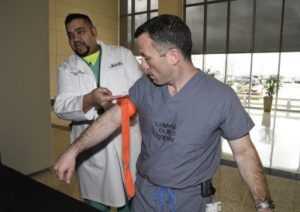
Avi Bhavaraju, M.D., (left) demonstrates how to properly use a tourniquet on J.R. Taylor, M.D, at UAMS Stop the Bleed Awareness Day on March 29.

The Stop the Bleed program wants to ensure that anyone — not just first responders and health care professionals — is equipped with the knowledge and tools to stop a serious bleeding injury.

“Anyone can learn to do this,” said Ronald Robertson, M.D., medical director of trauma and chief of the Division of Trauma, Critical Care and Acute Surgery in the UAMS College of Medicine’s Department of Surgery.

At the March 29 UAMS Stop the Bleed Awareness Day event, about 150 attendees were shown how to pack a wound, apply pressure and secure a tourniquet. Information was also available about a two-to-three hour certification course.

“I can’t stress how important this information is,” said Robertson. “Knowing how to perform these skills could save your life or the lives of the people you love.”

Doctors posing with award
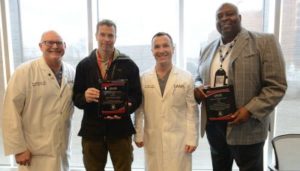
Ronald Robertson, M.D., (from left) Clayton Goddard of MEMS, J.R. Taylor, M.D., and Little Rock Police Chief Kenyon Buckner smile during UAMS Stop the Bleed Awareness Day. Both Goddard and Buckner were recognized for their efforts supporting the Stop the Bleed initiative.

The UAMS Stop the Bleed group also presented two awards during the event. The Above and Beyond Award was presented to the Little Rock Police Department (LRPD) and Chief Kenyon Buckner “in appreciation for your dedication, commitment and outstanding police performance in the saving of human life.”

All members of the LRPD have tourniquets in their cars and have been trained how to use them, said J.R. Taylor, M.D., assistant professor in the Division of Trauma, Critical Care and Acute Surgery.

Buckner said this training has already saved lives in Little Rock.

“During the Power Lounge shooting July 1, 2017, 25 people were shot,” he said. “All of them survived. Police applied five tourniquets and two chest seals in the field before MEMS was cleared to reach the scene.”

Clayton Goddard, MEMS special operations supervisor, received the Golden Tourniquet Award for “his extraordinary achievement, dedicated service and commitment to The Arkansas Stop the Bleed Initiative.”

Goddard took his military training and applied it to his civilian job, said Robertson. “Before Stop the Bleed became a national endeavor, Clayton was already doing it in Arkansas.”

Thanks to Goddard, Robertson said, more than 5,000 law enforcement officers in Arkansas have been trained in techniques to keep a person from bleeding to death. Goddard also approached the Arkansas Board of Education so he could train school nurses, who could then train teachers, in Stop the Bleed techniques.

A video featuring Goddard was also shown at the event, as was one by North American Rescue showing various tourniquet application techniques.

Filed Under: News

Cabot Woman Back to Active Lifestyle after Hip Procedure

Beverly Smith isn’t used to being held back.

The now-retired Cabot resident loves to be on the move. She longs to travel. She lives for cruises and trips with her husband, and the freedom to do as they please.

Last year, that way of life came to an abrupt halt when knee pain sidelined her. X-rays and scans revealed her knee was fine, but her right hip was not. A total replacement was necessary.

“I thought I was too young,” said the 63-year-old Smith. “I wasn’t ready for it.”

Smith turned to UAMS for help. She was treated by Paul Edwards, M.D., a hip-and-knee surgeon at UAMS and a professor in the UAMS College of Medicine’s Department of Orthopaedic Surgery. Any worries she had were soon put at ease by Edwards and the rest of the UAMS orthopaedics staff.

“I thought I couldn’t be so lucky, I felt comfortable with Dr. Edwards,” said Smith. “It was like talking with someone I knew. He talked to me and showed me what was wrong. I got incredible quality care from Dr. Edwards and the entire staff at UAMS.”

Smith’s hip showed signs of osteoarthritis, as the result of wear and tear in the hip joint from arthritis.

“A normal hip joint has a ball and room for cartilage, but Mrs. Edwards’s hip had no cartilage space and had a few cysts,” said Edwards. “This causes a lot of debilitating pain, which makes almost any activity hard to do.”

Immediately following the procedure, Smith noticed an odd feeling in her hip.

“The pain was gone,” she said.

Edwards said research shows the UAMS method of having an individualized plan for each patient is the most successful approach to having good outcomes rather than relying on a new technique of using robotic-arm technology.

At UAMS, the orthopaedics staff meets with patients and their families to talk about the procedure and recovery process as well as identify and lessen possible risk factors.

“They put me at ease and it made a difference,” said Smith. “A huge difference.”

Each UAMS orthopaedic surgeon specializes in a particular area. This includes hip and knee, foot and ankle, sports medicine and trauma. Four are fellowship trained in hip and knee replacement, the most of any joint replacement provider in Arkansas.

“This allows us to narrow our focus and stay up to date on the best practices in our area, which translates to superb care for our patients,” said Edwards.

A designated staff of nurses and health professionals care for patients following surgery. Post-operative care includes a visit with a physical therapist to begin recovery. Most patients return home within 24 hours of their surgery.

“This plan decreases hospital readmissions, as well as complications and infections,” said Edwards. “It improves patient outcomes in a way new robotic technology has not been able to accomplish.”

Smith said since her care at UAMS, she has been able to return to the lifestyle she loves.

“I can do anything and I don’t hurt,” she said. “With pain, you’re limited. Now I don’t feel any limitations to anything.”

By Lee Hogan| April 2nd, 2018 |

Filed Under: News

James E. McDonald, M.D., Invested in Ernest J. Ferris, M.D., Chair in Diagnostic Radiology

James E. McDonald, M.D., FACR, chair of the Department of Radiology in the College of Medicine at the University of Arkansas for Medical Sciences (UAMS), was invested March 27 as the holder of the Ernest J. Ferris, M.D., Chair in Diagnostic Radiology.

McDonald, who joined UAMS in 2010, was appointed department chair in November 2016. An endowed chair is among the highest academic honors a university can bestow on a faculty member and is established with gifts of at least $1 million, which are invested and the proceeds used to support the educational, research and clinical activities of the chair holder. Those named to a chair are among the most highly regarded scientists, physicians and professors in their fields.

“I congratulate Dr. McDonald for the many accomplishments that have merited this honor,” said UAMS Interim Chancellor Stephanie Gardner, Pharm.D., Ed.D. “From one Southerner to another, the best way to say this is, we appreciate you. We appreciate your leadership at UAMS of our clinical, academic and research activities that support our overall mission, and we appreciate everyone who has helped make this chair a reality.”

The chair is named in honor of Ferris, who chaired the Department of Radiology for 31 years, helping bring comprehensive subspecialty training and highly specialized radiological care to Arkansas. He trained more than 350 fellows and residents at UAMS, six of whom have gone on to become department chairs at various medical schools. Ferris ultimately expanded the department to include 50 radiologists with diverse subspecialties before he stepped down as chair in 2008.

Ferris, who attended Boston University School of Medicine, held faculty positions at Harvard University and Tufts University, and served as chief of radiology at Boston University Medical Center for eight years before being recruited to UAMS in 1977.

Well-known nationally and internationally for his contributions to the field of radiology, Ferris received the American Board of Radiology’s Distinguished Service Award in 2000 and was presented with the Radiological Society of North America’s highest honor, the Gold Medal, in 2001. At UAMS, he received the Caduceus Club’s Distinguished Faculty Award in 1996 and the Dean’s Distinguished Faculty Scholar Award in 2007. College of Medicine students recognized him four times with the Red Sash Award.

The ceremony, held in the Diner Learning Center at UAMS’ main Little Rock campus, served as a celebration of the department, with radiology staff, technologists, residents, alumni and faculty members participating. Ferris attended, along with Phillip Kenney, M.D., who served as department chair from 2008-2012. With McDonald, the three men represent more than 40 years of department history.

“Jim is an incredibly important leader on this campus, and hence in this state,” said Richard Turnage, M.D., senior vice chancellor for clinical programs and chief executive officer of UAMS Medical Center. “The department has thrived under his leadership, and we look forward to even greater success for the department and the university. This important honor is incredibly well-deserved, not just because of what you’ve accomplished, but because of the promise for the future.”

McDonald was presented with a commemorative medallion by Gardner and Christopher Westfall, M.D., interim dean of the College of Medicine.

“It goes without saying that receiving the Ernest J. Ferris Chair in Radiology is the highest honor of what’s now a pretty long career, and I’ll be forever grateful,” McDonald said. “Our more than 100 years of history in radiology at UAMS and the contributions of our founders, faculty, residents and alumni constitute a powerful legacy. It’s our privilege now to continue to build on those relationships that have made us so strong as we move into our second century.”

McDonald recognized nearly every person in the room with thanks, from department heads and faculty to technologists, staff and residents. He also thanked his wife, Donna, and his family for their support.

“The Ferris chair is primarily for our residents and their education, and the strengthening of the faculty who have the sacred responsibility to help our residents become radiologists,” McDonald said.

McDonald received his medical degree summa cum laude from the University of Mississippi School of Medicine and completed an internship in surgery and pathology at the Louisiana State University School of Medicine in New Orleans. He completed his residency in diagnostic radiology at the Mallinckrodt Institute of Radiology at Washington University in St. Louis, serving as co-chief resident in his final year, and continued his training with a fellowship in nuclear medicine at UAMS and Mallinckrodt.

He joined the College of Medicine full time as an assistant professor and director of the Division of Nuclear Medicine in 2010, and has served as director of the Nuclear Medicine Residency Program since 2013. He served as interim co-vice chair of the department from 2012 to 2014 and was promoted to interim chair in May 2014. He was promoted to associate professor in July 2016 and was named chair in November 2016.

McDonald was a partner in Radiology Associates P.A. in Little Rock from 1983 to 2010, where he served on its governing board, including a term as chair. He was active on the medical staff at St. Vincent Infirmary, now CHI St. Vincent, where he was chief of nuclear medicine from 2003 to 2010 and led a fundraising campaign for nursing education. At Southwest Regional Medical Center, his leadership posts included chief of the Department of Radiology, chief of staff, and chair of the advisory board. He also served as an adjunct clinical assistant professor in the UAMS Department of Radiology from 2003 to 2006.

In addition to leading the Department of Radiology, McDonald has championed implementing imaging decision support algorithms into the Epic electronic medical records system at UAMS and led an effort to ensure appropriate use of mobile chest radiography. He was named both director and medical director of the Imaging Service Line in 2015. Also director of Nuclear Medicine and PET and an expert on the molecular imaging of multiple myeloma, McDonald is a consultant to the UAMS Myeloma Institute. He assists in the integration of quantitative imaging and radiomics into research initiatives for the Department of Biomedical Informatics and chairs the Radiation Safety Committee.

McDonald was named a Fellow of the American College of Radiology in 2016.


UAMS is the state’s only health sciences university, with colleges of Medicine, Nursing, Pharmacy, Health Professions and Public Health; a graduate school; hospital; northwest Arkansas regional campus; statewide network of regional centers; and seven institutes: the Winthrop P. Rockefeller Cancer Institute, Jackson T. Stephens Spine & Neurosciences Institute, Myeloma Institute, Harvey & Bernice Jones Eye Institute, Psychiatric Research Institute, Donald W. Reynolds Institute on Aging and Translational Research Institute. It is the only adult Level 1 trauma center in the state. UAMS has 2,834 students, 822 medical residents and six dental residents. It is the state’s largest public employer with more than 10,000 employees, including 1,200 physicians who provide care to patients at UAMS, its regional campuses throughout the state, Arkansas Children’s Hospital, the VA Medical Center and Baptist Health. Visit www.uams.edu or www.uamshealth.com. Find us on Facebook, Twitter, YouTube or Instagram.

###

By Benjamin Waldrum| April 3rd, 2018 |

Filed Under: News

Dr. Martin Radvany Named Chief of Interventional Neuroradiology

Martin Radvany, M.D.

Martin G. Radvany, M.D., an internationally known leader in interventional neuroradiology and specialist in vascular disorders of the brain and spine, has joined the Department of Radiology as Professor and Chief of Interventional Neuroradiology.

Dr. Radvany received his medical degree from Northwestern University in Chicago in 1991. He completed a residency in diagnostic radiology at Tripler Army Medical Center in Hawaii and a fellowship in interventional radiology at the Johns Hopkins Hospital in Baltimore. After completing his fellowship, he served for nine years at Brooke Army Medical Center in San Antonio, where he was promoted to Lieutenant Colonel and served as Chief of the Interventional Radiology Service.

Dr. Radvany returned to Johns Hopkins in 2007 for a fellowship in interventional neuroradiology and then joined the faculty as an Assistant Professor of Radiology, Neurological Surgery and Neurology. He served as Chief of Interventional Neuroradiology at the Johns Hopkins Bayview Medical Center and Director of the Interventional Neuroradiology Fellowship in the Johns Hopkins University School of Medicine. Dr. Radvany worked with teams of internationally known specialists developing endovascular techniques and medical devices for the treatment of brain aneurysms, stroke, vascular malformations and pseudotumor cerebri syndrome.

In 2015 he was recruited to York, Pennsylvania, to establish the Interventional Neuroradiology Program at WellSpan hospital, which received designation as a JCAHO-certified Comprehensive Stroke Center within three years.

Dr. Radvany has contributed chapters to more than 15 textbooks on endovascular treatment of neurovascular disorders and published over 50 articles in medical journals. He is a reviewer for several medical journals and has lectured internationally.

Filed Under: News

  • «Previous Page
  • Page 1
  • Interim pages omitted …
  • Page 23
  • Page 24
  • Page 25
  • Page 26
  • Page 27
  • Interim pages omitted …
  • Page 39
  • Next Page»
UAMS College of Medicine LogoUAMS College of MedicineUniversity of Arkansas for Medical Sciences
Mailing Address: 4301 West Markham Street, Little Rock, AR 72205
Phone: (501) 296-1100
  • Facebook
  • X
  • Instagram
  • YouTube
  • LinkedIn
  • Pinterest
  • Disclaimer
  • Terms of Use
  • Privacy Statement
  • Legal Notices

© 2026 University of Arkansas for Medical Sciences