• Skip to primary navigation
  • Skip to main content
  • Skip to primary navigation
  • Skip to main content
Choose which site to search.
University of Arkansas for Medical Sciences Logo University of Arkansas for Medical Sciences
College of Medicine
  • UAMS Health
  • Jobs
  • Giving
  • About Us
    • Fast Facts
    • Leadership
    • Features
    • COMmunication Newsletter
    • Maps and Directions
    • College of Medicine History
    • Professionalism Guidelines
  • Departments
  • Admissions
    • Apply
    • Financial Aid and Scholarships
    • Life in Little Rock or Fayetteville
    • Dual Degree Programs
      • M.D./MBA Program
      • M.D./Ph.D. Program
      • M.D./MPH Program
    • Three-Year M.D. Program
    • Rural Practice Programs
      • Community Match Rural Physician Recruitment Program
      • Rural Practice Scholarship Program
    • Contact Admissions
  • Students
    • Academic Calendar
    • Academic Houses
    • Career Advising
    • Financial Aid and Scholarships
    • Visiting Students
    • Mentor Spotlight Podcast
    • Preparing for Residency
    • Non-Discrimination Statement
    • Outstanding Teacher Nominations
    • Parents Club
    • Student Links
    • Honors in Research
    • UAMS Campus Security
    • Undergraduate Medical Education Competencies
  • Graduate Medical Education
  • Alumni
  • Faculty Affairs
  • Research
  1. University of Arkansas for Medical Sciences
  2. College of Medicine
  3. Author: Chris Lesher
  4. Page 23

Chris Lesher

UAMS Researchers Unlock More Clues to Alzheimer’s; Illustrates How Protein Risk Factor Interacts with DNA

LITTLE ROCK — University of Arkansas for Medical Sciences (UAMS) researchers led by Sue Griffin, Ph.D., Professor and Vice Chairman for Research of The Donald W. Reynolds Department of Geriatrics, have found a way to illustrate how a protein known to be a risk factor for Alzheimer’s disease interacts with DNA.

Sue Griffin, Ph.D., is an internationally known Alzheimer’s disease researcher at UAMS. The findings were published February 2018 in Alzheimer’s and Dementia, the Journal of the Alzheimer’s Association.

Apolipoprotein E, more commonly known as ApoE, is a protein in the body responsible for carrying cholesterol and other fats through the bloodstream and is the main protein for supplying lipids to brain cells. Everyone has two copies of the gene for ApoE, one inherited from each parent.

Most people have two copies of ApoE3, considered to be associated with average risk for development of Alzheimer’s. But 10-15 percent of the population has at least one copy of the gene for ApoE4. That population is three times as likely to develop Alzheimer’s, and will tend to develop symptoms at an earlier age. The risk increases to 12 times for those who have two copies of ApoE4.

Abnormal clusters of plaques and tangles are the characteristic finding in Alzheimer’s. Griffin’s group noticed that patient carriers of ApoE4 had significantly more of these plaques and tangles built up between and within nerve cells, along with fewer nerve cells. She said the discovery of more plaques and tangles in people with two copies of ApoE4 gets scientists closer to answering the question: Why are people with the ApoE4 gene at a higher risk?

Griffin and graduate student Paul Parcon were discussing their ideas over lunch one day when Parcon, an M.D. Ph.D. candidate, suggested the problem might be caused by a disruption of autophagy, the process by which cells get rid of proteins that are no longer needed.

“In Alzheimer’s, it’s pretty clear that autophagy has failed,” Griffin said. “Because there’s more buildup of tangles inside and plaques outside the nerve cells. The waste is just not being eliminated.”

Parcon and Griffin began looking at what could be causing that failure. Griffin said that three proteins are necessary for autophagy, all three of these proteins are made from an interaction between a transcription factor and a specific DNA sequence, and Parcon proposed that this interaction could be affected by ApoE4.

“We proposed that ApoE4 competes with the transcription factor — the final piece needed for autophagy— to block the process,” Griffin said. “This explained why those who have two copies of ApoE4 have more plaques and tangles, and why they were more likely to develop Alzheimer’s disease at an earlier age.”

Meenakshisundaram Balasubramaniam, Ph.D., a computational biologist and postdoctoral fellow at the lab of Robert J. Shmookler-Reis, D. Phil., in the College of Medicine’s Department of Geriatrics, is a co-author with Griffin, Reis,  Parcon and Ayyadeva. Balasubramaniam told them he could simulate what was happening at the molecular level by using advanced computational tools running on high-performance super computers.

“This research is a perfect example of interdisciplinary work,” Balasubramaniam said. “Biology, computational modeling followed by experimental validation came together to understand molecular mechanism of ApoE4.”

Balasubramaniam says they not only predicted the ApoE4 interaction in the simulation, they proved it using the experimental approach in the research paper.

The researchers hope this finding will be the first step in developing a drug that would treat those with Alzheimer’s disease. “Now that we know it is the ApoE4 protein that is interacting with the DNA, we may be able to model a molecule to block that interaction so that the cells may then function normally,” Parcon said.

UAMS is the state’s only comprehensive academic health center, with colleges of Medicine, Nursing, Pharmacy, Health Professions and Public Health; a graduate school; a hospital; a northwest Arkansas regional campus; a statewide network of regional centers; and seven institutes: the Winthrop P. Rockefeller Cancer Institute, the Jackson T. Stephens Spine & Neurosciences Institute, the Myeloma Institute, the Harvey & Bernice Jones Eye Institute, the Psychiatric Research Institute, the Donald W. Reynolds Institute on Aging and the Translational Research Institute. It is the only adult Level 1 trauma center in the state. UAMS has 3,021 students, 789 medical residents and two dental residents. It is the state’s largest public employer with more than 10,000 employees, including about 1,000 physicians and other professionals who provide care to patients at UAMS, Arkansas Children’s Hospital, the VA Medical Center and UAMS regional centers throughout the state. Visit www.uams.edu or www.uamshealth.com. Find us on Facebook, Twitter, YouTube or Instagram.

###

By Katrina Dupins| May 21st, 2018
Filed Under: News

UAMS Graduates 969 Health Care Professionals

Degrees and certificates were awarded to 969 graduates of the University of Arkansas Medical Sciences’ (UAMS) five colleges and graduate school May 19 during a commencement ceremony at Verizon Arena in North Little Rock.

Degrees were presented to 157 in the College of Medicine; 282 in the College of Nursing; 111 in the College of Pharmacy; 54 in the Fay W. Boozman College of Public Health; 57 in the Graduate School; and 308 in the College of Health Professions.

Interim UAMS Chancellor Stephanie Gardner, Pharm.D., Ed.D., presented the Chancellor’s Award to Joseph H. Bates, M.D., professor and associate dean for Public Health Practice in the UAMS Fay W. Boozman College of Public Health.

The award is presented to a person whose service to UAMS is deserving of special recognition. Previous recipients include Sam M. Dixon, former U.S. Sen. Dale Bumpers, Jack Stephens, Lawrence Schmieding and Willard and Pat Walker.

Bates is recognized internationally for his research that greatly improved the understanding and treatment of tuberculosis. He spent 35 years at UAMS, including 21 years as vice chair for the UAMS College of Medicine’s Department of Internal Medicine.

Upon his retirement from UAMS in 1998, Bates became deputy health officer and chief science officer for the Arkansas Department of Health. He was instrumental in establishing the Arkansas Center for Health Improvement and the UAMS Fay W. Boozman College of Public Health.

Jerad Gardner, M.D., and Lanita White, Pharm.D., were the Chancellor’s Teaching Awards recipients. The awards program was established in 2004 to recognize excellence in teaching among faculty at UAMS.

White was the recipient of the Chancellor’s Award for Society and Health Education Excellence. The award recognizes the design and implementation of courses or activities that advance the topics of society and health. It can be through areas of cultural awareness, health care economics, health equity, health literacy, health systems, interprofessional education, collaborative practice, public and population health, patient- and family-centered care or educational scholarship.

White is an assistant professor in the College of Pharmacy. She directs the UAMS 12th Street Health & Wellness Center, a student-led, interprofessional clinic that offers free health screenings and wellness services to Little Rock’s underserved neighborhoods and populations.

The center provides an opportunity for students from all UAMS colleges to volunteer, work with students from various health care professions and provide care to those most in need, all under the supervision of faculty and licensed volunteers. Last year, more than 1,000 UAMS students volunteered at the center.

White was a finalist for the Arkansas Business Health Care Heroes Award in Innovation in 2016. She also won the Arkansas Medical, Dental and Pharmaceutical Association’s Dr. Jocelyn Elders Living Legend Award that year.

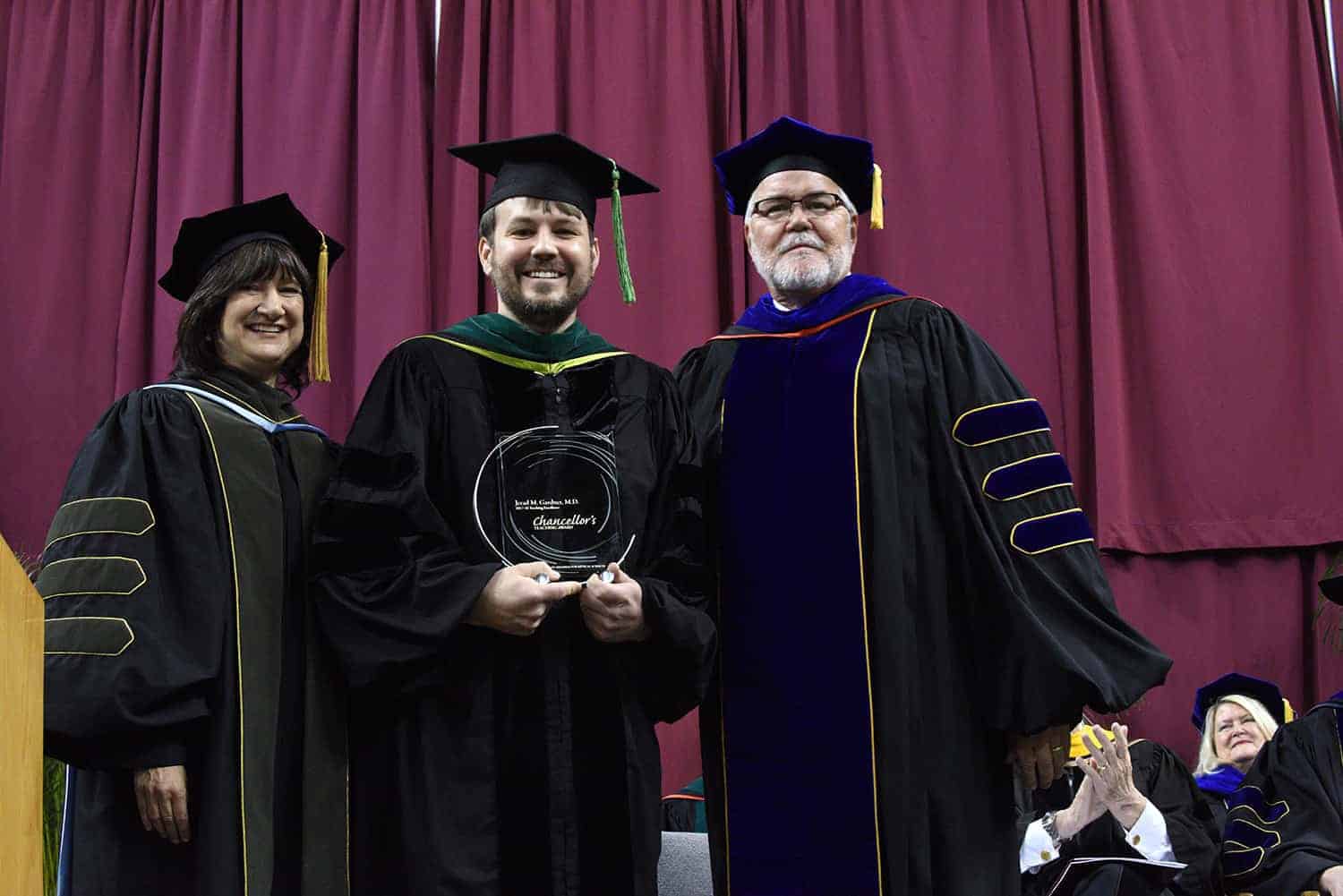
Gardner was the recipient of the Chancellor’s Award for Teaching Excellence. It recognizes direct teaching, mentoring or educational scholarship between a faculty member and any learner. It can be in all settings, including the classroom, online, clinic or laboratory.

Gardner, an associate professor in the College of Medicine’s departments of Pathology and Dermatology, is known nationwide for his presence, teaching and patient advocacy on various social media outlets.

Jerad Gardner, M.D., holding award on stage with two other people
Jerad Gardner, M.D., received the Chancellor’s Award for Teaching Excellence.

His efforts have garnered him numerous awards and praises, including the College of American Pathologists Resident Advocate Award in 2015. He is the youngest recipient of the award. In 2017, he was named a Top Five Honoree on the American Society for Clinical Pathology’s “40 Under 40” list.

During commencement, degrees and certificates conferred include the doctor of philosophy, doctor of medicine, doctor of pharmacy, doctor of nursing practice, master of science, master of nursing science, bachelor of science in nursing, master of public health, doctor of public health, certificate in clinical and translational science, master of health administration, postbaccalaureate certificate in public health and a variety of degrees in allied health disciplines including certificates, associate and bachelor of science degrees, postbaccalaureate certificates, master of imaging sciences, master of physician assistant studies and doctor of audiology.

The following are College of Medicine graduates who authorized the release of their name and hometown. Graduates are divided by hometown unless otherwise noted.

UAMS College of Medicine

The following graduates received their Doctor of Medicine (M.D.) degree.

Adona

Samantha Jolly

Alma

Kristen Crumley

Arkadelphia

Cody McLeod

Olivia Ragni

Batesville

Emily Barrett

Meredith McKinney

Benton

Ryan James

Christopher Martindale

Bentonville

Fabiola Obregon

Ankur Pradhan

Michael Severson

Cabot

Marissa De La Paz

Calico Rock

Chad Cragle

Camden

Barrett Burger

Clarksville

Joseph Plugge

Conway

Caroline Arnold

Steven James

Jacob Leffert

Crawfordsville

Jesse Wray

Dumas

Erin Creighton

Julie Sherrill

Fayetteville

Dennis Berry

Mikaila Calcagni

Nikhil Kamath

Rebecca Moore

Fort Smith

Thanh Dai

Breandan Kelly

Madison Lampkin

Cassandra Lautredou

Steven Mehl

Erik Meyers

Sean Parham

Jimmy Vo

Guy

Jason Stevenson

Hazen

Shannon Petrus

Hot Springs

Karen Hall

Jessica Hook

Allison Hudgens

Adam Price

Zachary Tilley

Jonesboro

Michael May

Lincoln

Taylor Salyer

Little Rock

Jonathan Aronson

Ryan Banning

Andrew Bradsher

Tess Coker

Matthew Dinehart

Davis Fleming

Savannah Fletcher

Claire Foster

AjaNia Hearne

Charles Lavender

Curtis Lowery

Christopher Moutos

Upton Siddons

Kirby Von Edwins

Brooke Wilson

Melissa Winter

Monticello

Steven Sadler Morrison Jr.

Morrilton

Emily Holthoff

Mountain Home

Gladys Zimmerman

Nashville

John Johnson

Kiley Jones

Paragould

Amy Fletcher

Pine Bluff

Lauren Taylor

Rogers

Jasmine Haller

Christopher Sonntag

Royal

Drake Hardy

Russellville

Blake Hollowoa

Hans Wang

Sheridan

Tracy Kaufman

Springdale

Sarah Carlock

Wilson Huett

Chelsea Wolfe

Van Buren

Aaron Owen

Martin Tremwel

White Hall

LeQuan Dang

Wynne

Morgan Benefield

Out of State

San Diego, California

Rebecca Elinger

Denver, Colorado

Alex Lencioni

Urbana, Illinois

Hannah Radecki

Shawnee, Kansas

Christopher Wallace

Bernie, Missouri

Grant Cagle

Lamar, Missouri

Jackson Boice

Las Vegas, Nevada

Paul Parcon

Bartlesville, Oklahoma

Jonathan Hester

Brentwood, Tennessee

Alexander Croft

Jackson, Tennessee

Kaleb Wolfe

Houston, Texas

Aneel Henry

Texarkana, Texas

Nupur Lala

By Lee Hogan | May 21st, 2018 |

Filed Under: News

Family Medicine Conference Covers Updates on Practical Topics with Focus on Orthopaedics

More than 145 family physicians, nurses, pharmacists and physical therapists learned updates on marijuana and medicine, fibromyalgia, sleep apnea and common orthopaedic issues at the 40th Annual Family Medicine Intensive Review Course May 10 – 12 at the University of Arkansas for Medical Sciences (UAMS). The conference was produced by the Department of Family and Preventive Medicine’s Community Health and Education division.

Three conference speakers on a stage, one is talking with a microphone
Rachel Wallis, Exec. Dir. of Aledade, Dr. Gary Bevill and Pete Arkinson wth SAMA Healthcare share how they transformed their clinic.

The conference offered 23 hours of continuing education on medical issues that family practice deals with regularly such as vaccinations, smoking cessation, streamlining clinic operations and prescribing opioids. Amy Mullins, M.D., medical director for the American Academy of Family Physicians, kicked off the first day with an update on the Medicare Access and CHIP Reauthorization Act of 2015.

Jerad Gardner, M.D., a dermatopathologist at UAMS who lectures internationally on bone and soft tissue tumors, skin disease and professional use of social media, spoke on how physicians can use social media to communicate with their patients.

“I was impressed by Dr. Gardner’s impact using social networks. Some are called to medical missions to another country, a free clinic or making house calls to the poor. He paints with a broader brush the power of social media to connect with and encourage people with rare conditions,” said Jack Blackshear, M.D., who has attended the conference for five years.

The last day included orthopedic topics ranging from neck pain to tingling and numbness in the hand, and some of the attendees practiced joint injections with a hands-on workshop afterward with John Bracey, M.D., instructing on hand and shoulder injections and Michael Cassat, M.D., focusing on knee injections.

Filed Under: News

UAMS Celebrates Asian, Pacific Islander Heritage

Everyone has an answer to the question of how they ended up at UAMS. Faculty, staff and students heard four unique perspectives May 2 at an event honoring Asian-Americans and Pacific Islanders.

The lunchtime symposium, sponsored by the UAMS Center for Diversity Affairs and the Chancellor’s Diversity and Inclusion Committee, brought together a College of Pharmacy professor, a College of Medicine assistant professor and a UAMS nurse from China, and an Asian-American medical student with a Filipino background to discuss their journeys to Arkansas and UAMS.

It was part of UAMS’ celebration of Asian Pacific American Heritage Month, recognized in May.

Shi J. Liu, Ph.D., professor in the College of Pharmacy’s Department of Pharmaceutical Sciences, shared that his parents were from Canton, China, and his hometown, Kaohsiung, Taiwan, is a sister city of Little Rock. Liu, who said his friends call him Jesse, said although his hometown is in Taiwan, he is Chinese.

“I am Chinese, not Taiwanese,” he said. “I am Chinese and from Taiwan, just like there are Americans from New York or Arkansas.”

Liu, who completed two degrees in Taiwan before coming to the U.S. to complete his doctorate at Duke University and eventually end up at UAMS, encouraged the audience to never stop learning in life.

“Acquire as much as you can,” said Liu.

Yinyan Wu, R.N., a medical oncology nurse at UAMS, said her parents instilled in her a similar reverence for education that Liu mentioned.

Nurse in traditional Chinese attire speaks into a microphone
Yinyan Wu, a nurse at UAMS, shared her journey from China and how she ultimately ended up in Arkansas.

Working-class farmers from Hunai, they told her an education could provide a better life for her. She came to the U.S. so her husband could complete a postdoctoral program. She stayed home to care for their two children.

When her husband finished his first postdoctorate, the family moved to Indiana for his second postdoctoral program. There, she began nursing school. The family was forced to live apart the last year of her nursing program when her husband accepted a job in Pine Bluff.

He and the couple’s son moved back to Arkansas, while she and her daughter remained in Indiana. Wu said it was the hardest year of her life. Her alarm was set for midnight every night. She would wake up and study for multiple hours, more if there was a test the next day. All the while, half of her family was hundreds of miles away in Arkansas.

The story has a happy ending, though. Once she finished school, she and her daughter rejoined the rest of the family in Pine Bluff. She’s been at UAMS since 2017.

“I’m very happy to be here and working at UAMS,” said Wu. “Never stop learning, never give up on your dreams and always work hard.”

It was hard for Jia Liu, Ph.D, an assistant professor in the College of Medicine’s Department of Microbiology and Immunology, an only child from Tianjin, China, to leave her family for the U.S., but ultimately she did to follow her dreams.

Still, she said she’s not forgotten her ancestry or the people who allowed her to become who she is today.

“I am still me and proud to be Chinese,” she said. “It is still at the root of who I am.”

Michael Occidental, a second-year UAMS medical student, went through a period when he resented his culture because of his treatment in school.

Occidental’s parents came to the U.S. from the Philippines. His mother, a nurse, came first to Jersey City, New Jersey, and then his father, an anesthesiologist, a year later.

To practice in America, his father required a certification, which meant he had to complete a multi-year residency. It sent him to Mississippi for several years, early in Occidental’s life.

“Starting out, we didn’t have much,” he said. “We lived in a small house, and my mom worked multiple jobs.”

In school, Occidental said he was just “another face in the crowd,” as the area he and his mother lived in, just minutes from New York City, had a vibrant Asian presence and culture.

When his dad got a job at UAMS and the entire family moved to Arkansas, Occidental said he experienced “a culture shock.”

“I went from a face in the crowd to the only Asian child in the school,” he said. “Kids can be vicious, too, with people who are different. I got picked on a lot for being who I was.”

Occidental said it caused him to resent his culture for years. That was until he went to college and was able to meet other Asian-American students with similar experiences.

“It allowed me to become secure with my heritage and find my place in society,” he said.

Occidental’s story sparked interest between him and Billy Thomas, M.D., M.P.H., vice chancellor for diversity and inclusion and director of the Center for Diversity Affairs, in starting an awareness group for Asian students at UAMS.

By Lee Hogan| May 16th, 2018|

Filed Under: News

Parkinson’s Patient Active and Proactive About His Condition Treatment

John Lee, of Little Rock, first noticed the small twitch in his fingers about seven years ago. He was in his 50s and Parkinson’s disease was at the top of his mind when he asked his primary care physician about it.

“My brother and my cousin both have it,” Lee said. “They’re younger than me.”

Lee’s uncle and grandfather were also diagnosed with Parkinson’s disease.

“With that kind of family history, you get a twitch and you start to wonder.”

At the initial visit to his doctor, Lee went through a series of cognitive and movement tests.

“He told me I was just a little nervous and prescribed me medication that would help me calm down,” Lee said.

The medication alleviated some of the symptoms, but Lee said it never really went away. He went back to his doctor two years later and this time his doctor referred Lee to Tuhin Virmani, M.D., Ph.D., co-director of the UAMS Movement Disorders Program and assistant professor in the Department of Neurology. Virmani diagnosed Lee with Parkinson’s disease.

Tuhin Virmani, M.D., Ph.D.

Parkinson’s is a degenerative disease of the central nervous system that leads to a deficiency of dopamine, a chemical in the brain important for movement, but patients with Parkinson’s have a wide range of symptoms that include changes in mood, sleep patterns, constipation, urinary changes and even memory. Most patients, Virmani says, are diagnosed in their late 50s and 60s. Many factors that happen over a lifetime eventually lead to development of the disease. While there is a genetic component, primarily in young onset Parkinson’s disease, many are diagnosed with no family history.

Since his diagnosis, Lee, a musician and broadcasting veteran, has been keeping busy voicing TV and radio commercials with Ron Sherman Productions in Little Rock. When he’s not working, he likes to make sure he’s active.

“I try to exercise as much as possible,” Lee said.

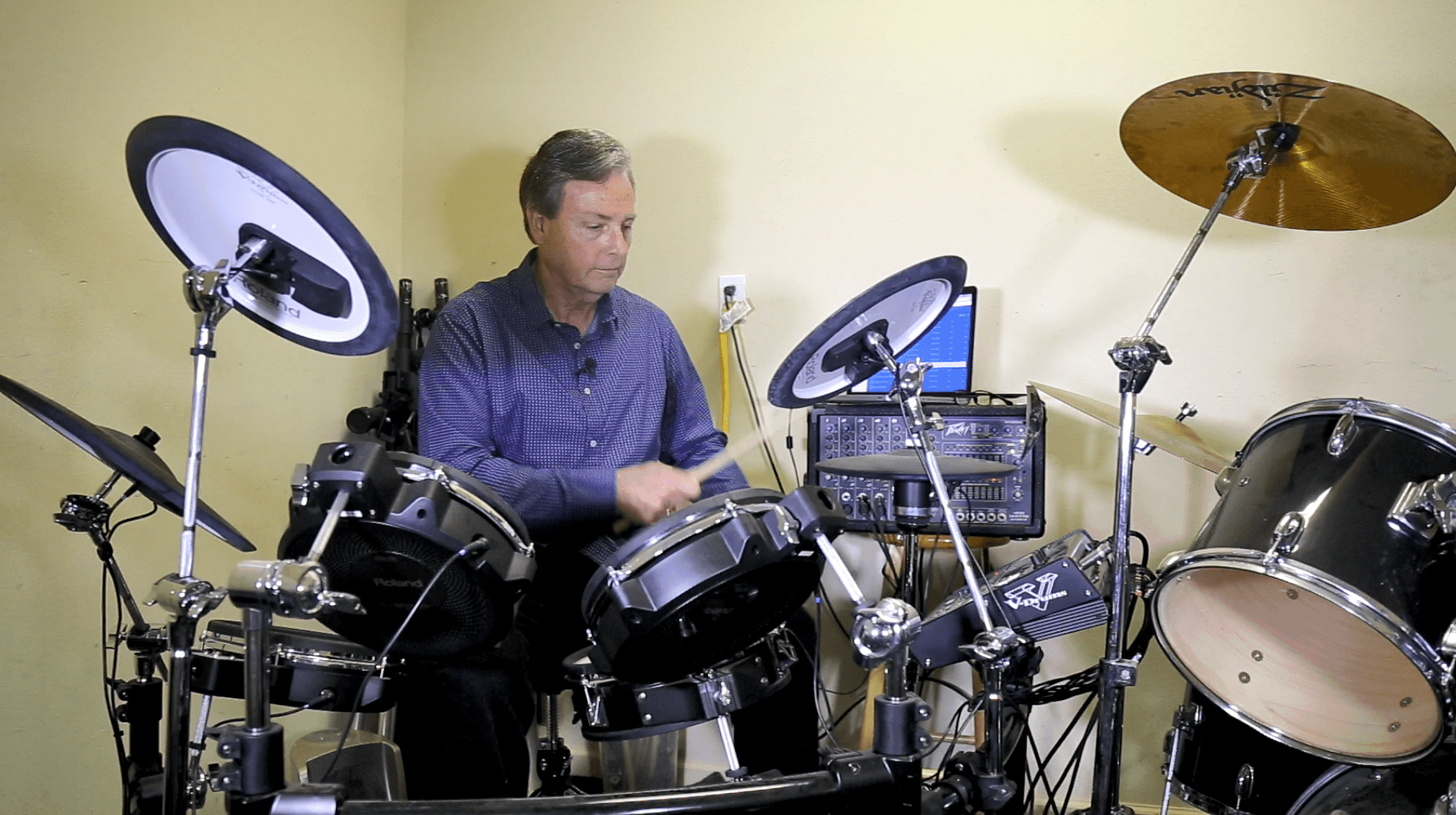
Exercise has been shown to potentially slow down the progression of Parkinson’s. So in addition to taking care of his six-acre property, Lee spends time playing drums (to keep his legs and arms busy) or singing and playing any of the variety of instruments he keeps in his music room.

John Lee plays the drums in the garage of his Little Rock home.

The medication he takes, carbidopa/levodopa (or Sinemet), helps give the brain back the dopamine it is missing. Sinemet is the gold standard treatment for Parkinson’s patients, Virmani says, but it’s only one of the many treatments available for people in different stages of the disease. There is also deep brain stimulator surgery for people with more advanced disease. Lee visits Virmani every six months.

“He assesses my movements, asks me questions and has me memorize things,” Lee said. Then he laughs, “I’m terrible at memorizing. So I’m not sure what he can tell from that.”

He’s also a research participant in Virmani’s Gait Laboratory. Virmani studies a phenomenon in Parkinson’s disease where patients feel like their feet are “stuck or glued” to the ground, known as freezing of gait.

For the study, Virmani has patients walk on a mat so that he can objectively assess how their walking patterns change as the disease progresses.

“About 50-60 percent of patients with Parkinson’s develop freezing of gait,” Virmani said. “We’re trying to figure out why some do and others do not. Learning more about freezing of gait will help us develop therapies on how to slow its progression or prevent it from happening.”

Virmani says freezing of gait can cause a patient to lose his or her center of gravity, resulting in falls.

There is no cure for Parkinson’s disease, but Virmani stresses to his patients they can still live fulfilling lives decades after their diagnosis.

“They can still be functional members of society,” Virmani said. “And that’s our goal: to keep them as functional as possible for as long as possible.”

By Katrina Dupins | May 14th, 2018

Filed Under: News

C. Lowry Barnes, M.D., Inducted into Prestigious Hip Society

C. Lowry Barnes, M.D., an orthopaedic surgeon, professor and department chair at the University of Arkansas for Medical Sciences (UAMS), has been inducted into The Hip Society, a national organization dedicated to the advancement of knowledge relating to the hip joint. Its members are recognized thought leaders in the field of hip surgery.

Barnes was recognized as a new member in March in New Orleans at the 2018 Winter Meeting of The Hip Society.

C. Lowry Barnes, M.D.

Barnes is chair of the Department of Orthopaedic Surgery in the UAMS College of Medicine. He also holds the Carl L. Nelson, M.D., Distinguished Chair in Orthopaedic Surgery. Barnes is the only Arkansas member of The Hip Society since the death of Nelson, the former chair of the Department of Orthopaedic Surgery for whom the distinguished chair is named.

Barnes graduated with honors from the College of Medicine in 1986 and completed his internship and residency in orthopaedic surgery at UAMS. He completed a fellowship in adult reconstructive surgery and arthritis surgery at Harvard Medical School and Brigham and Women’s Hospital in Boston.

Barnes is one of Arkansas’ and the region’s foremost joint replacement experts. He is also a member of the prestigious Knee Society, an exclusive organization of the world’s experts in orthopaedic surgery, where he is also the only Arkansas member.

Barnes is president of the Mid-America Orthopaedic Association and a past president of the Arkansas Orthopaedic Society, the Southern Orthopaedic Association and the Society of Arthritic Joint Surgery. He has served as treasurer and is currently president-elect of the American Association of Hip and Knee Surgeons.

Barnes has published extensively and is on the editorial boards of peer-reviewed publications including the Journal of Arthroplasty and Clinical Orthopaedics and Related Research. Barnes is known nationally for his expertise in health care quality and efficiency.

UAMS is the state’s only health sciences university, with colleges of Medicine, Nursing, Pharmacy, Health Professions and Public Health; a graduate school; hospital; northwest Arkansas regional campus; statewide network of regional centers; and seven institutes: the Winthrop P. Rockefeller Cancer Institute, Jackson T. Stephens Spine & Neurosciences Institute, Myeloma Institute, Harvey & Bernice Jones Eye Institute, Psychiatric Research Institute, Donald W. Reynolds Institute on Aging and Translational Research Institute. It is the only adult Level 1 trauma center in the state. UAMS has 2,834 students, 822 medical residents and six dental residents. It is the state’s largest public employer with more than 10,000 employees, including 1,200 physicians who provide care to patients at UAMS, its regional campuses throughout the state, Arkansas Children’s Hospital, the VA Medical Center and Baptist Health. Visit www.uams.edu or www.uamshealth.com. Find us on Facebook, Twitter, YouTube or Instagram.

By Ben Boulden | May 9th, 2018 |

Filed Under: News

Vacation Injury Puts Little Rock Woman on Circuitous Path to UAMS

On a normal day, Joan Baldridge could reach UAMS’ campus from her Little Rock home in a few minutes. That was not the case in November when Baldridge ultimately needed care in short order.

Baldridge and her husband were at Cayo Espanto. The couple worked to pack and tidy up their villa on the private island off the coast of Belize. Their trip home was the next day. That’s when Baldridge fell on a concrete floor and injured her hip.

“I’m not sure how it happened,” she said. “It happened so fast. I was standing up one moment and the next I wasn’t.”

Doctor investigates patient’s knee
When the unexpected occurred, UAMS and Paul Edwards were there to help Joan recover.

Baldridge quips that she is no stranger to orthopaedic injuries. She’s broken one hip and had a knee replacement, so she immediately knew something was wrong.

“I had never done something like that to my hip,” she said.

What Baldridge did not expect was the prolonged, harrowing journey home.

It began when the private island was unable to reach its preferred doctor on the mainland. She spent about 12 hours with her husband, George Ballard, and an attentive island staff without medical care. Finally, a helicopter and doctor arrived mid-morning. The helicopter took Baldridge to a hospital in Belize City.

The couple’s travel insurance company provided the next hitch in their journey.

“They insisted on an x-ray to prove my injury, but there were no x-ray machines on the island,” Baldridge said.

A scan with a portable x-ray at the Belize City hospital did not satisfy the company, either. It ultimately accepted a CT scan that indeed showed a fractured hip. By then, it had been nearly 18 hours since Baldridge’s injury occurred.

“We felt helpless,” said Baldridge. “We wondered if we were ever going to get home.”

Baldridge and her husband found strength through the island staff and medical team during her wait.

Sunset on the island
After a week of enjoying the sunsets and waves on Cayo Espanto, Joan and her husband were packing to leave when she fell and fractured her hip.

It took another handful of hours for the plane sent by the insurance company to arrive. Baldridge and her husband boarded the small, private jet around midnight. Their destination had been set.

During the wait at the hospital in Belize City, Baldridge texted a friend in Little Rock who contacted C. Lowry Barnes, chair of the UAMS College of Medicine’s Department of Orthopaedic Surgery.

As soon as Baldridge’s plane landed in Little Rock, she came to UAMS. Thirty-two hours after her injury, Baldridge could finally see the light at the end of the tunnel.

“I have never been so glad to be any place in my whole life,” Baldridge said. “I was totally focused, mentally and emotionally, on getting home and to UAMS. As we got to UAMS, it was just a relief.”

The afternoon of Nov. 9, Baldridge wheeled into an operating room at UAMS where Paul Edwards, M.D., hip-and-knee surgeon and professor in the Department of Orthopaedic Surgery, performed a total hip replacement.

Edwards said Baldridge’s injury occurred in the upper part of her femur, or thigh bone.

“The hip joint consists of a ball and socket,” said Edwards. “A portion of the ball is attached to the femur, which is known as the femoral neck. As we age, the bone quality and strength fades and the area is at risk for fracture in the instance of a fall or other traumatic incident.”

Robotic-arm technology has emerged as an alternative in orthopaedic surgery, the hope being automation provides more accuracy and better patient results. Research by UAMS orthopaedic surgeons shows achieving better patient results lies elsewhere.

Their work has molded a clinical pathway developed to the patient’s needs. It begins with the first visit and ends with the last checkup.

The orthopaedics staff meets with patients and their families before surgery. Patients and their families learn about the procedure and recovery process. The staff is able to identify and mitigate risk factors.

All UAMS orthopaedic surgeons specialize in a particular service. This includes hip and knee, foot and ankle, shoulder and elbow, hand and upper extremity, back and spine, sports medicine and trauma. UAMS’s hip and knee service includes four fellowship trained surgeons. It is the most fellowship training in joint replacement in Arkansas.

This allows UAMS orthopaedic surgeons to narrow their focus, stay up-to-date on best practices and provide a benefit to the patient, said Edwards.

A designated staff of nurses and health professionals tend to patients following surgery. Patients visit with a physical therapist and are moving the same day as surgery. Most return home within 24 hours of the procedure.

“We have seen this process minimizes the risk for readmissions, complications and leads to a faster recovery,” Edwards said. “New robotic technology has not shown the same advantages to patients.”

The UAMS process made Baldridge a believer.

“I cannot stress enough wonderful UAMS was to me,” said Baldridge. “Everyone was so helpful, understanding and kind, and the care I received was superb.”

By Lee Hogan | May 7th, 2018 |

Filed Under: News

Otology Fellows From 10 Countries Learn Techniques at UAMS

Twenty-four otology fellows from 10 countries recently learned advanced techniques in otologic surgery from international experts at an annual fellows course hosted by the UAMS Department of Otolaryngology – Head & Neck Surgery.

The Otology Fellows Congress and Advanced Course in Ear & Skull Base Surgery was held April 27-29 in the Yasargil Surgical Skills Laboratory & Education Center in the Jackson T. Stephens Spine & Neurosciences Institute at UAMS. It was the third year for the conference, and all invited fellows participate in the course free of charge.

John Dornhoffer, M.D., department chairman and one of four collaborating directors for the course, said there are several things that make it unique: the expert panel of educators, the advanced surgical techniques being offered, the specialized facilities, and, of course, the price.

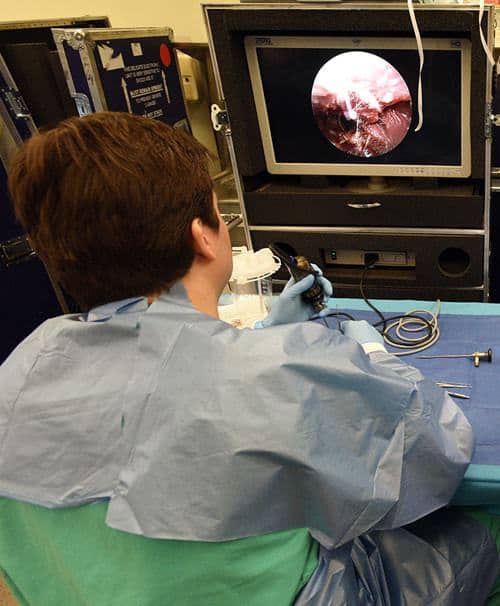
Fellow looking at computer screen
An otology fellow practices ear surgery techniques in the lab.

“This course really brings together people who are going to change the future for patients all over the world,” Dornhoffer said. “The hope is to train them, but also to establish networking opportunities and collaborations so we can truly make the treatment of ear conditions and the advancement of the science an international effort.”

The course was made up of lectures, labs and lab dissections taught by 10 faculty who are international leaders in their respective areas of expertise, such as chronic ear conditions, cochlear implantation, auditory hair cell regeneration, congenital aural atresia and more.

Course participation is limited to otology fellows, who have already dedicated many years of study to training in the field. This specialization means the instructors are able to cover specific techniques and advanced surgeries that go beyond what is offered in other courses.

The topics included soft tissue flaps, implantable hearing devices like cochlear implants, workup for complex patients, endoscopic ear surgery and complex tympanoplasty and ossiculoplasty scenarios.

Course co-director Michael B. Gluth, M.D., director of the Comprehensive Ear & Hearing Center and director of the Bloom Otopathology Lab at the University of Chicago, credited the lab facilities at UAMS as a key part of the experience.

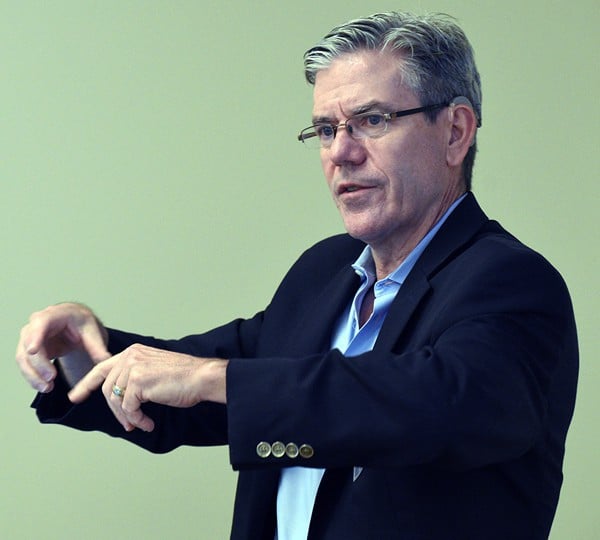
Doctor speaking
John Dornhoffer, M.D., UAMS Otolaryngology — Head & Neck Surgery Department chairman, lectures on cartilage tympanoplasty and ossiculoplasty.

The Yasargil Center includes 12 stations for ear surgery, 12 stations for skull-base surgery and an anatomy lab, where the endoscopic training took place. The institute building was paid for by a donation from the late Jack Stephens of Little Rock, and Dornhoffer was able to participate in the design of the lab space.

“The physical lab facility is one of a kind,” Gluth said. “There’s really not another lab or facility that could even handle this. It’s almost unheard of.”

While a similar course might cost $3,000-$4,000, this course is free because of more than $100,000 in donations from industry sources. Lodging and dissection specimens are included. Participants only pay travel costs.

“Some of our participants are from countries where a training like this would otherwise be unaffordable,” Dornhoffer said. “It can feel like the United Nations of ear surgeries here, and we like that, because the bottom line is that they’re going to go back to their countries and they’re going to be able to do a better job on their patients.”

This year’s course included participants from Russia, Ukraine, China, Brazil, Italy, Australia, the United Kingdom, Canada, Germany and the United States.

Group photo of fellows and faculty
Twenty-four otology fellows from 10 countries attended the course.

For some, like Meiqun Wang from Nanchang, China, it was their first chance to take such a high-level course.

“I’m very interested in this training because in my country I rarely have the chance to take courses like this,” she said, adding that her biggest takeaway was the actual surgical techniques.

For others, like Jameson Mattingly from Ohio State University and Nedim Durakovic from Washington University in St. Louis, who have had previous exposure to many of the surgeries, the value came from listening to experts who have performed the surgeries hundreds of times and can offer advice that comes from experience.

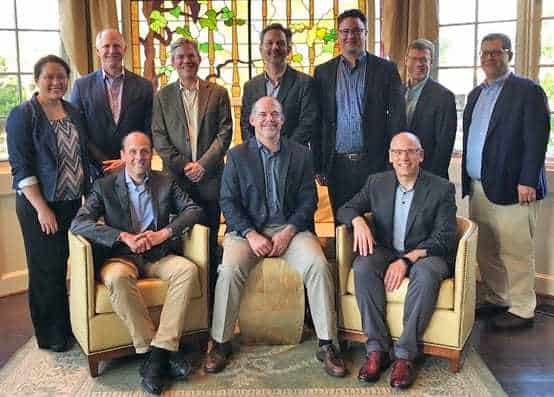
Group photo of faculty
The faculty for the course are internationally recognized in the field. Back row, from left: Betty Tsia, M.D.; Larry Lustig, M.D.; John Dornhoffer, M.D.; Samuel Gubbels, M.D.; Michael Gluth, M.D.; Bradley Kesser, M.D.; and Brandon Isaacson, M.D. Front row, from left: Alexander Huber, M.D.; Walter Kutz, M.D.; and Craig Buchman, M.D.

“The faculty that are here are truly the experts in the field,” Mattingly said. “To have one-on-one time with them has been unique. The biggest takeaway has been listening to some of their specific cases, those pearls of experience.”

“And a lot of the surgeries are unique and are only done by a handful of people in the whole country,” Durakovic said. “It’s also been great just to socialize with the faculty and other fellows. These are people we will likely be around for the rest of our careers. It’s interesting to see how they do things differently, the nuances of patient care wherever they work.”

Sponsorship was provided by Stryker NSE, Advanced Bionics, Cochlear Americas, Grace Medical, MED-EL Corp. and Karl Storz Endoscopy-America.

“The industries see value in this because they know these participants are going to be the leaders of tomorrow in this field,” Dornhoffer said.

Dornhoffer is an international expert in chronic ear conditions. He and Gluth co-authored the textbook “The Chronic Ear,” which was given to the participants as part of the course. Dornhoffer’s main goal is to restore hearing to as many people as possible, and his work has included the development of new procedures and techniques for hearing reconstruction that are used worldwide. He has also designed several prostheses to replace bones in the middle ear.

Other instructors for the course included:

  • Craig A. Buchman, M.D., otolaryngology department chairman at Washington University School of Medicine and international expert in cochlear implantation. Buchman is involved in the leadership of many of the discipline’s professional organizations.
  • Lawrence R. Lustig, M.D., otolaryngology department chairman at Columbia University Vagelos College of Physicians and Surgeons in New York. His research has pioneered cochlear gene therapy for genetic forms of hearing loss. He is an expert in auditory hair cell regeneration.
  • Alexander Huber, M.D., otolaryngology department chairman at the University Hospital Zurich. He is an internationally recognized pioneer in otology and skull-base surgery.
  • Bradley W. Kesser, M.D., professor of otology and neurotology at the University of Virginia. He is the world’s expert in congenital atresia.
  • Gluth, associate professor of surgery and director of the Comprehensive Ear & Hearing Center and director of the Bloom Otopathology Lab at the University of Chicago, with an expertise in the middle ear and reconstruction.
  • Brandon Isaacson, M.D., course co-director for the program and associate professor of otology and neurotology and co-director of the University of Texas Southwestern Comprehensive Skull Base Program. He has expertise in endoscopic ear surgery.
  • J. Walter Kutz Jr., M.D., course co-director for the program and associate professor of otology and neurotology at the University of Texas Southwestern Medical Center, with an expertise in acoustic neuroma outcomes.
  • Samuel Gubbels, M.D., associate professor of otolaryngology at the University of Colorado School of Medicine and director of UCHealth Hearing and Balance clinics. He has expertise in stem cells and regenerative therapies for hearing loss.
  • Betty S. Tsai Do, M.D., assistant professor of otology and neurotology at the University of Oklahoma Health Sciences Center, with an expertise in improving coordinated multidisciplinary care for otolaryngology patients and physician wellness.

By Amy Widner |May 3rd, 2018 |

Filed Under: News

Omar T. Atiq, M.D., Named Chair-elect of the Board of Governors of National Doctors Group

Omar T. Atiq, M.D., has been named chair-elect of the board of governors of the American College of Physicians (ACP), the national organization of internists.  His term began during Internal Medicine Meeting 2018, ACP’s annual scientific meeting held in New Orleans from April 19-21.

Omar Atiq, M.D.
UAMS’ Omar Atiq, M.D., was named chair-elect of the board of governors of the American College of Physicians.

Atiq is a professor in the Medical Oncology division in the Department of Internal Medicine at the University of Arkansas for Medical Sciences (UAMS). He also serves as director of the Cancer Service Line at UAMS Medical Center and associate director of the UAMS Winthrop P. Rockefeller Cancer Institute.

He most recently served as governor of the Arkansas Chapter of ACP. Governors are elected by local ACP members and serve four-year terms. Working with a local council, they supervise ACP chapter activities, appoint members to local committees, and preside at regional meetings. They also represent members by serving on the ACP board of governors. He has been a fellow of ACP (FACP) since 1993.  FACP is an honorary designation that recognizes ongoing individual service and contributions to the practice of medicine.

Atiq earned his medical degree from the Khyber Medical College, University of Peshawar, Pakistan.  He is board certified in medical oncology, hematology and internal medicine.

The main areas of professional interest for Atiq include national health reform, Arkansas health care access, scope of practice, private and community practice, and payment reform.

The American College of Physicians is the largest medical specialty organization in the United States with members in more than 145 countries worldwide. ACP membership includes 152,000 internal medicine physicians (internists), related subspecialists, and medical students. Internal medicine physicians are specialists who apply scientific knowledge and clinical expertise to the diagnosis, treatment, and compassionate care of adults across the spectrum from health to complex illness. Follow ACP on Twitterand Facebook.


UAMS is the state’s only health sciences university, with colleges of Medicine, Nursing, Pharmacy, Health Professions and Public Health; a graduate school; hospital; northwest Arkansas regional campus; statewide network of regional centers; and seven institutes: the Winthrop P. Rockefeller Cancer Institute, Jackson T. Stephens Spine & Neurosciences Institute, Myeloma Institute, Harvey & Bernice Jones Eye Institute, Psychiatric Research Institute, Donald W. Reynolds Institute on Aging and Translational Research Institute. It is the only adult Level 1 trauma center in the state. UAMS has 2,834 students, 822 medical residents and six dental residents. It is the state’s largest public employer with more than 10,000 employees, including 1,200 physicians who provide care to patients at UAMS, its regional campuses throughout the state, Arkansas Children’s Hospital, the VA Medical Center and Baptist Health. Visit www.uams.edu or www.uamshealth.com. Find us on Facebook, Twitter, YouTube or Instagram.

###

By Susan Van Dusen|May 3rd, 2018 |

Filed Under: News

100% of Graduating Residents Passed their Boards in the First Attempt

Group of portraits of residents
Top: David Wilkins, M.D., Aleobe Eruemulor, M.D., and John Allen Cockerell, M.D. Bottom: Deepa Jayakrishnan, M.D., Zac Ottis, M.D., and Omololu Omowanile, M.D. Not pictured: Erica Stokes, M.D.

For the sixth consecutive year, all of the graduating family medicine residents in the Department of Family and Preventive Medicine passed their American Board for Family Medicine exams in their first attempt. This 100% rate is unmatched in other Arkansas family medicine programs and is unsurpassed in the nation.

The residents took the exam in April, and preliminary results show that all seven have passed. Official scores won’t be available for another five weeks.

The third-year residents are Aleobe Eruemulor, M.D., David Wilkins, M.D., Deepa Jayakrishnan, M.D., Erica Stokes, M.D., John Allen Cockerell, M.D., Omololu Omowanile, M.D., and Zac Ottis, M.D.

“I am very pleased that all of our residents have passed boards,” said Dr. Cockerell, who plans to join his wife (a pediatrician) at the Sherwood Family Medical Center. “It is a testament to hard work by the residents and to the teaching we receive here in Little Rock. We routinely see high acuity patients and learn from some of the finest physicians around. Overall, dedication and education have again delivered a 100% pass rate.”

The ABFM Family Medicine Certification Examination is a day-long test that measures clinical decision-making ability and the required medical knowledge needed to make decisions in family medicine.

Filed Under: News

  • «Previous Page
  • Page 1
  • Interim pages omitted …
  • Page 21
  • Page 22
  • Page 23
  • Page 24
  • Page 25
  • Interim pages omitted …
  • Page 39
  • Next Page»
UAMS College of Medicine LogoUAMS College of MedicineUniversity of Arkansas for Medical Sciences
Mailing Address: 4301 West Markham Street, Little Rock, AR 72205
Phone: (501) 296-1100
  • Facebook
  • X
  • Instagram
  • YouTube
  • LinkedIn
  • Pinterest
  • Disclaimer
  • Terms of Use
  • Privacy Statement
  • Legal Notices

© 2026 University of Arkansas for Medical Sciences