• Skip to primary navigation
  • Skip to main content
  • Skip to primary navigation
  • Skip to main content
Choose which site to search.
University of Arkansas for Medical Sciences Logo University of Arkansas for Medical Sciences
College of Medicine
  • UAMS Health
  • Jobs
  • Giving
  • About Us
    • Fast Facts
    • Leadership
    • Features
    • COMmunication Newsletter
    • Maps and Directions
    • College of Medicine History
    • Professionalism Guidelines
  • Departments
  • Admissions
    • Apply
    • Financial Aid and Scholarships
    • Life in Little Rock or Fayetteville
    • Dual Degree Programs
      • M.D./MBA Program
      • M.D./Ph.D. Program
      • M.D./MPH Program
    • Three-Year M.D. Program
    • Rural Practice Programs
      • Community Match Rural Physician Recruitment Program
      • Rural Practice Scholarship Program
    • Contact Admissions
  • Students
    • Academic Calendar
    • Academic Houses
    • Career Advising
    • Financial Aid and Scholarships
    • Visiting Students
    • Mentor Spotlight Podcast
    • Preparing for Residency
    • Non-Discrimination Statement
    • Outstanding Teacher Nominations
    • Parents Club
    • Student Links
    • Honors in Research
    • UAMS Campus Security
    • Undergraduate Medical Education Competencies
  • Graduate Medical Education
  • Alumni
  • Faculty Affairs
  • Research
  1. University of Arkansas for Medical Sciences
  2. College of Medicine
  3. Author: Chris Lesher
  4. Page 24

Chris Lesher

Catheter Device Slows Down Internal Bleeding, Saves Lives

Angela Hall of Pineville, Missouri, was halfway through her pregnancy when she had a scare that sent her to her doctor in Rogers.

“I experienced some bleeding,” Hall said. “Having had a couple of miscarriages prior to this pregnancy, I was worried it could be happening again.”

Hall says once they determined the baby was okay, doctors did a specialized ultrasound that concluded she had placenta previa. Her placenta, the organ surrounding the baby in utero, was covering her cervix. This condition can cause bleeding during the second and third trimesters of pregnancy.

Hall’s obstetrician suggested she go to UAMS. She was transferred from Rogers to Little Rock at about 22 weeks along.

When she wasn’t in the hospital, Hall remained close. She temporarily moved into Markham House Suites across the street from UAMS.

“I was hospitalized a couple more times for bleeding. We decided to deliver at 34 weeks to get the baby out as safely as possible,” Hall said.

In addition to placenta previa, Hall had another placental abnormality called morbidly adherent placenta. It happens when the placenta grows into the uterus and doesn’t detach as it normally would after the baby is born. With this condition, the placenta can extend into surrounding tissues and other organs.

“With Mrs. Hall, we were able to make the diagnosis based on her ultrasound,” said Adam Sandlin, M.D., a maternal-fetal specialist and an assistant professor in the UAMS Department of Obstetrics and Gynecology. “Our goal is to identify these cases before delivery so that we can be prepared for any potential complications.”

An early diagnosis is ideal, Sandlin says. It helps them prepare for potential bleeding and decide the best way to approach the delivery.

For the first time this year, UAMS began utilizing a device that would hopefully help to prevent or severely decrease the need for blood transfusion at the time of delivery by slowing down blood loss in patients with these types of placental abnormalities.

A multidisciplinary team of experts assembles for the procedure, including high-risk obstetricians, neonatologists, a trauma surgeon, and an anesthesia team specially trained for these cases.

J.R. Taylor, M.D., an assistant professor who practices in the UAMS Division of Trauma was trained to do this procedure during his fellowship at the University of Texas Health Science Center at Houston. He described the procedure as cutting edge and said UAMS is one of five places in the country regularly doing the procedure for placental abnormalities.

“A group of forward-thinking trauma and vascular surgeons identified a need to control hemorrhage in combat casualties from Iraq and Afghanistan who were bleeding to death from injuries that couldn’t be controlled with a tourniquet,” Taylor said. “The first papers outlining the technique came out in 2011. Since then the technology has improved so much that we are now able to close up the aorta with simple access thru the skin in patients bleeding to death.”

Hall never bled enough to require inflation of the balloon in her operation. Taylor says that is a win for both the patient and the team.

“In these situations, it’s better to have and not need than to need and not have,” he said.

Baby Alice was born Feb. 13 via cesarean section at 34 weeks and 5 days. She was in the NICU more than three weeks before she and her mother returned home to her five siblings and father.

“I’m grateful for Dr. Sandlin and Dr. Taylor. I knew beforehand I would be treated by the best. I’m glad I got to be here and survive.”

By Katrina Dupins | May 1st, 2018
Filed Under: News

UAMS College of Medicine Honors Faculty, Staff at Annual Celebration

The UAMS College of Medicine paid tribute to faculty and staff for exemplary service, innovation and contributions to the college’s education, research and clinical mission areas at the eighth annual Dean’s Honor Day ceremony on April 24.

Interim Dean Christopher T. Westfall, M.D., used the occasion to emphasize how all of the college’s mission areas are ultimately carried out on behalf of patients – including the patients who will receive care in the future from physicians educated at UAMS and those who will benefit from the college’s research.

“But none of these things could happen without all of you,” Westfall said. “Thank you for going the extra mile, for doing more with less. Thank you for your hard work day in and day out in support of our mission and, again, most importantly in support of the patients who entrust their care to us.”

Aubrey J. Hough Jr., M.D., drew a standing ovation in the packed first-floor auditorium of the I. Dodd Wilson Education Building after being presented the Distinguished Faculty Service Award in recognition of his many leadership roles at UAMS over the past four decades.

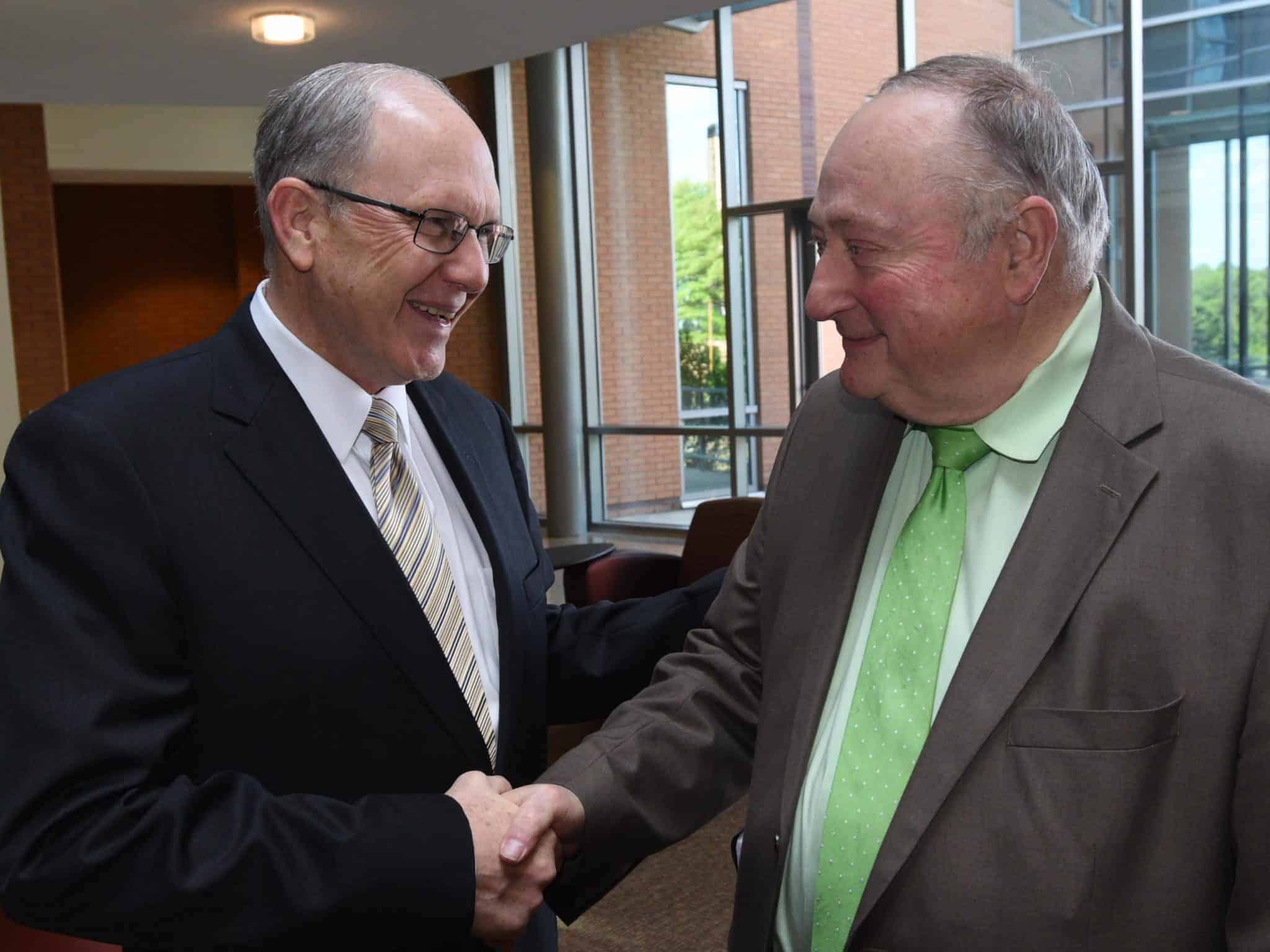
Two men shaking hands
Interim Dean Christopher T. Westfall, M.D., congratulates Aubrey Hough Jr., M.D., on his award during the post-ceremony reception.

Hough chaired the Department of Pathology from 1981 to 2002, substantially growing the department and transforming it into a nationally known program. He was an associate dean from 2003 to 2011, leading initiatives in translational research and special programs. He went on to serve as a special assistant to the UAMS chancellor for four years, supporting translational research, new program development and facilitation of the Myeloma Institute.

Hough has served on and led numerous college and campus committees. He served two terms as chief of staff of UAMS Medical Center. He was promoted to the rank of distinguished professor in 2004. In 2015 he was named a university professor, the only person at UAMS who has received the University of Arkansas System honor. Hough became a professor emeritus in July 2017.

“The things I think are most impressive are Dr. Hough’s steady character, his commitment to intellectual pursuit – he is probably the smartest person I have ever met – his commitment to the institution, and his commitment to fairness,” said Kent C. Westbrook, M.D., who nominated Dr. Hough.

After receiving the award, Hough read poet Edward Rowland Sill’s “Opportunity.” He said the college’s future, as well as the answer to any challenges it faces, “is here in this room; it is you; it is our faculty.”

The ceremony included 12 individual awards for faculty and staff, recognition of 55 faculty members receiving promotion and/or tenure, and a round of applause for five faculty members invested in endowed chairs this academic year. Associate Dean for Faculty Erick Messias, M.D., Ph.D., M.P.H., served as master of ceremonies.

In addition to Hough, Faculty Award recipients were:

Michael Jennings, Ph.D., professor and chair, Department of Physiology and Biophysics – Master Teacher

Kevin Phelan, Ph.D., professor, Department of Neurobiology and Developmental Sciences; and Gregory Snead, M.D., associate professor, Department of Emergency Medicine – Educational Innovation

John Spollen, M.D., professor, Department of Psychiatry – Educational Research

Edgar Garcia-Rill, Ph.D., professor, Department of Neurobiology and Developmental Sciences – Excellence in Research

Jeannette M. Shorey II, M.D., UAMS associate provost for faculty and professor, Department of Internal Medicine – Leonard Tow Humanism in Medicine Award (presented by the Arnold P. Gold Foundation

Dale Blasier, M.D., professor, Department of Orthopaedic Surgery – Residency Educator

Henry Farrar, M.D., professor, Department of Pediatrics – Residency Educator

Read more about the 2018 faculty award honorees.

The recipients of Staff Excellence Awards were:

Jennifer VanEcko, M3-M4 coordinator – Education

H.J. “Trey” Spencer, M.S., biostatistician, Department of Biostatistics – Research

Steve Michener, M.P.A., administrator, Department of Emergency Medicine/Emergency Medicine Service Line – Administration

Gloria Townsend, executive assistant, Department of Internal Medicine – Administration

Read more about the 2018 staff honorees.

Filed Under: News

Joan Cranmer, Ph.D., Wins Outstanding Woman Faculty Award

Joan M. Cranmer, Ph.D., a professor with the Department of Pediatrics in the UAMS College of Medicine recently was honored with the 2018 Outstanding Woman Faculty Award by the UAMS Women’s Faculty Development Caucus.

The award is presented to a woman who is a mentor and role model with a record of scholarly endeavors, teaching expertise and strong leadership as demonstrated by administrative skills and professional accomplishments. Recipients also have a history of helping develop careers for other women.

Cranmer was nominated by colleagues Beatrice Boateng, Ph.D.; and Renee Bornemeier, M.D.; and Department of Pediatrics Chair Rick Barr, M.D.

“Not only is the impact of her program recognized within the College of Medicine, but also beyond,” they wrote in their nomination letter. “Many other academic medical institutions have sought her counsel and have taken her framework for this program back to implement it in their university systems.”

Cranmer, on the UAMS faculty since 1976, has been with the Department of Pediatrics since 1984. She has served on several study sections, advisory boards, committees and expert panels for National Institutes of Health, the Environmental Protection Agency, the National Academy of Science and the World Health Organization.

“Dr. Cranmer truly demonstrates what it is to be an outstanding woman faculty member,” said Molly Gathright, M.D., president of the caucus. “Her academic record speaks for itself, and her exceptional leadership and mentoring has had a lasting impact not only at UAMS but also nationally.  Her commitment to the mission and integrity of the college and university is evident to all.”

She is the founding editor of the journal Neurotoxicology: An International Journal, launched in 1979. Recognizing her contributions to mentoring, the Department of Pediatrics has named an annual award in her honor. The Joan Cranmer Mentoring Award is presented to faculty to recognize them for effective mentoring.Other 2018 nominees for the award were Teresa Kramer, M.D., professor and chief psychologist in the College of Medicine Department of Psychiatry; Jean McSweeney, Ph.D., R.N., with the College of Nursing; Kathryn Neill, director of administrative and student affairs in the Office of Interprofessional Education and associate dean for Administrative and Academic Affairs for the College of Pharmacy; and Sara Shalin, associate professor in the College of Medicine Department of Pathology.

Debra Fiser, M.D., one of the founders of UAMS Women’s Faculty Development Caucus, received a special presentation during the awards dinner in honor of her forthcoming retirement.

By Ashley McNatt | May 1st, 2018

Filed Under: News

UAMS Launches Free Video Conference Service About Opioids for Arkansas Health Care Providers

The University of Arkansas for Medical Sciences (UAMS) has launched a free weekly education and consultation service for Arkansas health care providers to better manage chronic pain patients and those who need their opioid dosage reduced.

Arkansas Improving Multidisciplinary Pain Care Treatment (AR-IMPACT) was announced today at a news conference at the state Capitol with Gov. Asa Hutchinson, Arkansas Blue Cross and Blue Shield, Arkansas Drug Director Kirk Lane and partnering agencies: the Arkansas Medical Society, Arkansas Academy of Family Physicians, the Arkansas State Medical Board, the Arkansas Department of Human Services and the Arkansas Department of Health.

Funding for UAMS AR-IMPACT’s first year has been provided by $104,125 from Arkansas Blue Cross and Blue Shield and $49,000 from the office of the state drug director.

“We are thankful to Arkansas Blue Cross and Blue Shield for their partnership as we work to improve pain management in Arkansas,” said UAMS Interim Chancellor Stephanie Gardner, Pharm.D., Ed.D. “As the state’s only health sciences university, UAMS is uniquely positioned to address this issue head on for the betterment of all Arkansans.”

“Arkansas Blue Cross recognizes that the opioid epidemic threatens the health of the people of Arkansas in many ways,” said Curtis Barnett, Arkansas Blue Cross president and CEO. “For those in chronic pain and for those treating them, it’s not an easy resolution. We already have been working with health care providers to help get a better understanding of opioid prescribing patterns in Arkansas and we believe the new AR-IMPACT education program with UAMS will help doctors learn about resources and alternatives to managing pain. It will take everyone working together to truly impact this crisis.”

Arkansas ranks second in the nation for its opioid prescribing rate with an average of 114.6 prescriptions per 100 people, according to U.S. Centers for Disease Control and Prevention data from 2014-2016.There were 116 deaths per day from opioid-related drug overdoses in the United States in 2016, according to the U.S Department of Health and Human Services.

UAMS AR-IMPACT is a live streaming online video conferencing service staffed by a multidisciplinary team from UAMS, including a pain physician, addiction psychiatrist, a psychologist, two pharmacists and a physical therapist. For more information, go to arimpact.uams.edu.

“Prescribers are experiencing greater scrutiny than ever before,” said G. Richard Smith, M.D., a professor in the Department of Psychiatry in the UAMS College of Medicine who is spearheading the project. “However, they won’t be able to reduce their patients’ dependency overnight. In fact, stopping cold is dangerous. What these doctors need is access to the whole toolkit of what is available so they can best serve their patients. We hope to help with that.”

Each weekly conference will include a 20-minute presentation on an opioid-related topic and a question-and-answer session. Participants are encouraged to present patient cases for individualized feedback about approaches to treatment.

Physicians, physician assistants, nurse practitioners, pharmacists and other health care providers are welcome to use the service and will be able to earn continuing medical education credits.

Topics will include how to taper off opioids, alternatives to opioids for pain management, when physical therapy is appropriate, when to recommend a nerve block or an epidural and more. Smith said participant interest will guide future topic choices.

UAMS AR-IMPACT is the latest of UAMS’ efforts to respond to the opioid epidemic which include reducing opioid prescriptions while improving patient outcomes, re-educating staff, treating overdose patients and treating opioid addiction through medication and group therapy. Research to improve understanding of opioid addiction and its treatment is ongoing in departments across campus.


UAMS is the state’s only health sciences university, with colleges of Medicine, Nursing, Pharmacy, Health Professions and Public Health; a graduate school; hospital; northwest Arkansas regional campus; statewide network of regional centers; and seven institutes: the Winthrop P. Rockefeller Cancer Institute, Jackson T. Stephens Spine & Neurosciences Institute, Myeloma Institute, Harvey & Bernice Jones Eye Institute, Psychiatric Research Institute, Donald W. Reynolds Institute on Aging and Translational Research Institute. It is the only adult Level 1 trauma center in the state. UAMS has 2,834 students, 822 medical residents and six dental residents. It is the state’s largest public employer with more than 10,000 employees, including 1,200 physicians who provide care to patients at UAMS, its regional campuses throughout the state, Arkansas Children’s Hospital, the VA Medical Center and Baptist Health. Visit www.uams.edu or www.uamshealth.com. Find us on Facebook, Twitter, YouTube or Instagram.

###

By Amy Widner | April 30th, 2018 |

Filed Under: News

One in 77 Arkansas Children Has Autism Spectrum Disorder, Says New CDC/UAMS Report

An estimated  one in 77 Arkansas children are identified as having Autism Spectrum Disorder (ASD), according to a new report by the Arkansas Autism and Developmental Disabilities Monitoring (AR ADDM) Program of the University of Arkansas for Medical Sciences (UAMS).

The new Arkansas numbers are based on information collected from health and special education records of almost 40,000 8-year old children living in Arkansas in 2014.  They are the first numbers statewide since a 2010 count and are part of national data released today by the Centers for Disease Control and Prevention that was gathered from the national ADDM network. The 2010 count estimated that one in 65 Arkansas children were identified with autism. The current estimate still could be as high as 1 in 64 (1.6 percent), accounting for records that were not located for review.

The Arkansas monitoring program includes investigators with UAMS and operates in collaboration with the Arkansas Department of Health and the Arkansas Department of Education to track the number and characteristics of 8-year-olds with ASD and/or intellectual disability.

The AR ADDM data found that boys are 3.8 times more likely to be identified with autism than girls. Also, white children are significantly more likely to be identified with ASD than black or Hispanic children. In Arkansas, autism was 30 percent more likely to be identified in white children than in black children and 70 percent more likely to be identified in white children than in Hispanic children. Of children identified as ASD cases based on record review, about 92 percent had developmental concerns by age 3, but only 31 percent had received a comprehensive developmental evaluation by 3.

“As in the overall ADDM Network, Arkansas has a lag between first concern about a child’s development and an autism diagnosis,” said Maya Lopez, M.D., associate professor in the UAMS College of Medicine’s Department of Pediatrics. “We should use this information to promote developmental screening in health and educational providers statewide and to connect these children with appropriate services.”

UAMS’ Dennis Developmental Center and Schmieding Developmental Center, both in the College of Medicine Department of Pediatrics, offer diagnostic multidisciplinary team evaluations for children with developmental and behavioral concerns from birth to 21 years of age.

The Arkansas monitoring program’s findings also can be used to inform educational outreach initiatives, specially those targeting minority and underserved populations to promote early identification, plan for services and training, guide future ASD research and inform policies promoting improved health outcomes for individuals with the disorder.

AR ADDM provides individualized presentations on the number and characteristics of children with ASD to state and community agencies.  The Arkansas monitoring program also co-sponsors educational events for families and educators, such as the Team Up state conference on autism, and collaborates on developmental disabilities awareness events such as Arkansas Walk Now for Autism Speaks.

By Ben Boulden | April 27th, 2018 |

Filed Under: News

UAMS Co-hosts Prosper Ménière Society Symposium in Austria

The 18th International Symposium and Workshops on Inner Ear Medicine and Surgery – hosted by the Prosper Ménière Society, along with the UAMS Department of Otolaryngology – Head and Neck Surgery – attracted 60 attendees, including 28 speakers and representation from 18 countries.

The March 17-24 event was one of the most-well-attended in the symposium’s history.

“Over a year of planning for this event certainly paid off, as it was one of our best meetings to date,” said symposium organizer John Dornhoffer, M.D., chairman of the Department of Otolaryngology – Head and Neck Surgery in the UAMS College of Medicine and executive director of the Prosper Ménière Society. “Our esteemed colleagues presented on a broad spectrum of topics, from cochlear implantation to innovative surgical techniques and cutting-edge therapies. There was a lot of enthusiasm at the conference, which is an indication of the current climate of exciting advances in the field.”

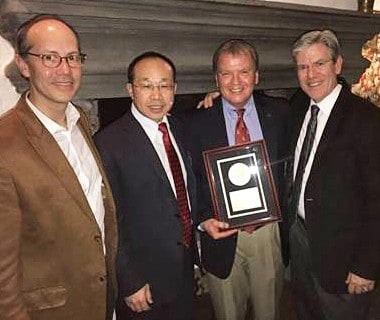
Group posing with award
Michael Teixido, M.D., Wilmington, Delaware; Chunfu Dai, M.D., Ph.D., Shanghai, China; Joel Goebel, M.D., St. Louis, Missouri (2018 Gold Medal Award recipient); and John Dornhoffer, M.D., Little Rock, Arkansas

The symposium was held at the Hotel Theresa in Zell am Ziller, Austria, which provided a charming backdrop, giving participants the choice of winter sports or relaxation between sessions. Presentations highlighted the latest in the medical and surgical treatment of inner ear disorders, including the diagnosis and treatment of tinnitus and vertigo, as well as cochlear implantation.

Joel Goebel, M.D., from Washington University School of Medicine in St. Louis, Missouri, was presented with the Gold Medal Award. Goebel is professor and vice chairman of the Department of Otolaryngology-Head and Neck Surgery and director of the Dizziness and Balance Center at Washington University School of Medicine. Goebel’s keynote address was “Ménière’s Disease, Vestibular Migraine and PPPD: What is the Connection?”

The Gold Medal Award is given annually to an individual who has furthered the goals of the Prosper Ménière Society through research excellence, scientific innovation, and far-reaching contributions to the investigation of inner ear disorders.

Goebel is the author of more than 130 peer-reviewed and invited publications and abstracts and the editor of the text “Practical Management of the Dizzy Patient,” second edition. His research interests include clinical studies to refine the Gaze Stabilization and the Video Head Impulse tests, development of a screening history tool for triage of dizzy patients, and the BalCap vibrotactile device for rehabilitation of chronic imbalance.

Group posing for photo
Seated: Jan Helms, M.D., Ph.D., 2001 Gold Medal Award recipient; and Paul Van de Heyning, M.D., Ph.D., 2014 Gold Medal Award recipient. Standing: Joel Goebel, M.D., 2018 Gold Medal Award recipient; John Dornhoffer, M.D., Prosper Ménière Society Executive Director; Chris Raine, M.D., Bingley, United Kingdom; and Ludwig Moser, Schattwald, Austria

“It was our honor to recognize Dr. Goebel at this year’s meeting,” Dornhoffer said. “His extensive research and contributions to the treatment of inner ear disorders speaks volumes about his dedication to the field. He is well-regarded among his peers, and it was only fitting that we recognize him in this way.”

Goebel is a fellow of the American College of Surgeons, the American Otological Society, the American Neurotology Society (President 2006-2007), the American Academy of Otolaryngology-Head and Neck Surgery (AAO-HNS), the Triological Society, the Barany Society, the Prosper Ménière Society, and the Association for Research in Otolaryngology. He is currently the chairman of the AAO-HNS Equilibrium Committee and was inducted into the Royal College of Surgeons in 2010.

The next symposium has been scheduled for March 20-28, 2020, and information about abstract submission and meeting registration will be provided on the society website (www.ProsperMeniere.com).

“We certainly hope to build on the momentum of this year’s event while planning the next,” Dornhoffer said. “Hope to see you in 2020.”

The Prosper Ménière Society was founded in 1981 by the International

Meniere’s Disease Research Institute of the Colorado Otologic Research Center. Its primary goal is to promote the academic dissemination and discussion of clinical research data on Ménière’s disease and all aspects of inner ear dysfunction, pathophysiology, diagnosis and treatment.

By Amy Widner | April 26th, 2018 |

Filed Under: News

Patients, Caregivers, Doctors Unite at Parkinson’s Forum

Nearly 200 people came together at UAMS for the fourth annual Parkinson’s Forum to give the disease a one-two punch.

One: Arm yourself with the latest information about the treatment of Parkinson’s.

Two: Surround yourself with a community of fellow patients, caregivers and supporters.

Knockout!

Audience members shadow boxing
The audience practices their boxing skills.

This year, the punching was more than just a metaphor. Danny Dring, owner of and master instructor at Living Defense Martial Arts in Sherwood, demonstrated Rock Steady Boxing, a boxing program specifically designed to increase coordination, speed and confidence for Parkinson’s patients.

Following Dring’s instructions, the crowd held their arms overhead and circled their wrists and they popped up and down out of their chairs to warm up, and then they used their fists to fight the phantom foes in the air before them.

Event organizer Erika Petersen, M.D., a neurosurgeon and associate professor in the UAMS College of Medicine’s Department of Neurosurgery, said they try to include an exercise demonstration like Dring’s at each event. Previously they’ve had Thai Chi, and future programs might include chair yoga or salsa dancing.

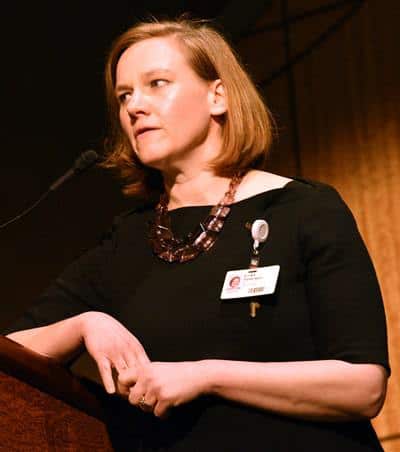
Erika Petersen, M.D., speaks at a podium
Erika Petersen, M.D., associate professor of neurosurgery and director of the Section of Functional and Restorative Neurosurgery, organizes the annual forum.

Exercise is part of the well-rounded, multidisciplinary approach to treating Parkinson’s at the Movement Disorders Clinic at UAMS.

“We launched the Parkinson’s Forum a few years after forming the multidisciplinary movement disorders program, which is unique in the state. We have a comprehensive program where everything is under one roof – neurologists, neurosurgeons, neuropsychologists, physical therapists, researchers, speech-language pathologists and other specialists,” Petersen said. “We wanted to provide patients with a way to learn about everything we are working on and what’s new with Parkinson’s research and treatment, while building community at the same time.”

Forty people attended the first Parkinson’s Forum, which has grown steadily from there.

This year’s event was held April 15 at the UAMS Jackson T. Stephens Spine & Neurosciences Institute. It featured experts in the diagnosis and treatment of Parkinson’s, information on research and clinical trials and discussions for patients and caregivers about living with the disease. For the first time this year, doctors, nurses and pharmacists could apply for continuing medical education for attending the forum.

Topics included:

  • Clinical trials basics for Parkinson’s disease
  • Cognition in Parkinson’s disease
  • Panels on multidisciplinary approaches to mild as well as moderate and advanced Parkinson’s disease
  • Deep brain stimulation: what’s new?
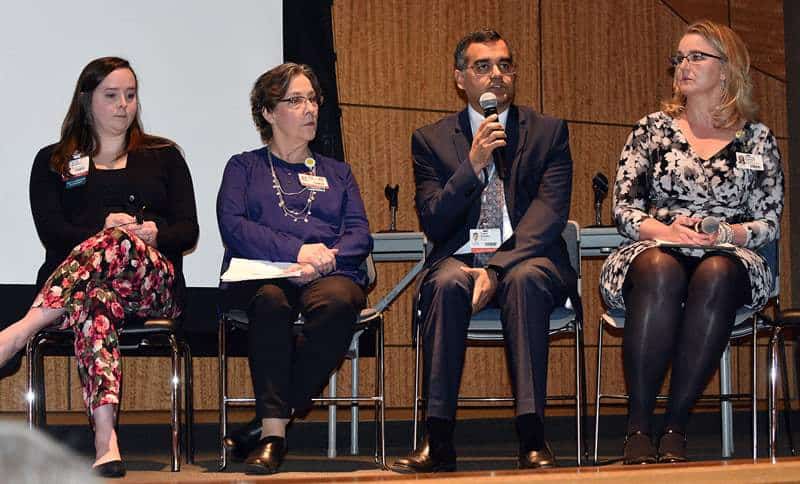
Panel of experts on stage
Rachel Beckham; from left, Mary Latham; Tuhin Virmani, M.D./Ph.D.; and Shannon Doerhoff participate in a panel conversation.

Movement disorders include essential tremor, Huntington’s disease, ataxia, Tourette’s syndrome and other conditions that cause tremors, involuntary movements and difficulty walking.

Petersen is director of the Section of Functional and Restorative Neurosurgery at UAMS. A fellowship-trained neurosurgeon, Petersen can perform a number of specialized surgeries, including deep brain stimulation, which acts similar to a pacemaker for the brain and blocks some of the signals that cause the increasingly debilitating symptoms of Parkinson’s, dystonia and essential tremor that can make daily life difficult.

For more information or to join a list to receive updates about future Parkinson’s events, call 501-686-5270.

By Amy Widner | April 24th, 2018 |

Filed Under: News

KidneyCon 2018 Spotlights Advances, Careers in Nephrology

‘Learn one, do one and teach one’ has been a longstanding idea in medical education, and attendees at the third annual UAMS KidneyCon held April 6-8 each got chances at one or more of those experiences.

About 100 nephrologists, nephrology fellows and internal medicine residents from 26 states attended the conference sponsored by the UAMS College of Medicine’s Division of Nephrology. The event held sessions at the Clinton Presidential Center, the Marriott Hotel in downtown Little Rock, and the UAMS Education II building.

The conference provided updates on the latest advances in kidney care in a hands-on collaborative format and helped build enthusiasm for the field of nephrology among residents and fellows. KidneyCon had an active social media impact with 1,770 tweets and 4.2 million impressions during the week of the conference.

Workshops with standardized patients were used to simulate realistic practice conditions. Attendees used simulation technology and cadavers to practice renal biopsies and perform ultrasounds.

John Arthur, M.D., Ph.D., director of the Division of Nephrology in the College of Medicine’s Department of Internal Medicine, led an informal panel discussion for several beginning residents and fellows titled, “House Staff to Physician: How Do I Get There from Here?”

“This is my philosophy about how to tie grants into your career,” Arthur said. “It’s not easy to do research as a resident, but it’s important. If you can show you were able to do that, they will be impressed. Identify a mentor, work with that mentor and then think about how things fit together. People who want that role as mentor want to be sure their knowledge is passed on.”

Also on the panel was Matthew Sparks, M.D., assistant professor of medicine in the Department of Nephrology at Duke University in Durham, North Carolina, and Brent Wagner, M.D., Kidney Institute of New Mexico in Albuquerque.

In his presentation, Arthur explained the differences between National Institutes of Health training grant and research grant programs. Panelists and attendees discussed mentoring, how to use social media, academic advancement and choosing the right research project.

Other sessions covered topics such as dialysis, communication skills, vascular ultrasound, kidney pathology, interventional nephrology, nephrology education, acute kidney injury and liver disease, and kidney and calcium stones and urological interventions.

“KidneyCon was a fantastic opportunity for residents and fellows to engage in current topics in nephrology and seek out mentors,” said Nhi Tan, M.D., chief medical resident at Kaiser Oakland Medical Center in Oakland, California. “The conference ran smoothly, and the workshops were dynamic. I am only sorry that I could only attend two workshops.”

“I think to gain interest in nephrology you need conferences such as KidneyCon,” said Kenar Jhaveri, M.D., assistant professor of medicine at Zucker School of Medicine at Hofstra/Northwell. “They really make this a unique, small group experience where you can interact with faculty one on one, which can really spark interest in the field. When you have small group experiences, it means trainees get a chance to meet the top notch nephrology educators face to face.”

By Ben Boulden | April 23rd, 2018 |

Filed Under: News

UAMS Fights Opioid Epidemic on All Fronts

The University of Arkansas for Medical Sciences (UAMS) is attacking the nationwide opioid epidemic on multiple fronts that have produced new research and treatment options for patients and health care providers across Arkansas and beyond.

“As the state’s only health sciences university, UAMS is uniquely positioned to address this issue head on for the betterment of all Arkansans,” said Interim Chancellor Stephanie Gardner, Pharm.D., Ed.D. “Our researchers are grounded in a scientific approach, our faculty are committed to both education and clinical care, and our influence in health care reaches throughout the state. We are summoning these resources in an effort to turn the tide on this deadly epidemic.”

There were 116 deaths per day from opioid-related drug overdoses in the United States in 2016, according to the U.S Department of Health and Human Services. Arkansas ranks second in the nation for its opioid prescribing rate with an average of 114.6 prescriptions per 100 people, according to U.S. Centers for Disease Control and Prevention data from 2014-2016.

Research to improve understanding of opioid addiction and its treatment is ongoing in departments across campus, and some of it is having national impact.

For example, the Centers for Disease Control Prevention Morbidity and Mortality Weekly Report published a study in 2017 led by UAMS pharmacy professor Bradley Martin, Pharm.D., Ph.D., that showed that by prescribing patients opioid supplies of three days or less, providers can reduce the likelihood of the patient using opioids chronically one to three years later.

The UAMS Psychiatric Research Institute’s Division of Health Services Research, directed by Teresa Hudson, Pharm.D., Ph.D., is conducting a variety of studies related to opioid addiction, including opioid addiction among people with mental health diagnoses and among veterans.

One study found that people with mental health and substance abuse diagnoses receiving therapy and regular doctor checkups were less likely to die, but only if they were not prescribed opioids or benzodiazepines. Another study showed that veterans from Iraq and Afghanistan were prescribed opioids at rates similar to the rest of the U.S. population, indicating that overprescribing is a nationwide issue not specific to veterans. Three related studies are looking at methods to decrease opioid use and improve pain management among veterans with chronic pain.

Peter Crooks, Ph.D., is working to develop safer opioid molecules that work better for pain than existing drugs, with fewer side effects and less potential for addiction. Within the Women’s Mental Health Program, Jessica L. Coker, M.D., is studying opioid addiction in pregnant women. Lisa Brents, Ph.D., is developing new therapies for opioid addiction during pregnancy that reduce fetal exposure to opioids. William Fantegrossi, Ph.D., is studying new types of opioids and whether they are more addictive than older types or require more aggressive treatments for dependence and overdose. Benjamin Teeter, Ph.D., is studying ways to more effectively distribute naloxone, which is used to treat opioid overdoses in emergency situations, in the community. Bradley Martin is also about to initiate a study to see if physical therapy can interrupt long-term opioid use among patients with low back pain.

The Psychiatric Research Institute’s Center for Addiction Research has many ongoing studies related to improving opioid detoxification treatments by testing different methods and drugs or combinations of the two.

In addition to performing the kind of research that could change physician behavior nationwide, UAMS clinicians are turning a critical eye to their own behavior in the name of improvement.

UAMS is the state’s largest public employer, with a hospital, five colleges, seven institutes, a Northwest Arkansas campus, a network of regional centers statewide and physician placement partnerships with Arkansas Children’s Hospital, the VA Medical Center and Baptist Health.

With such a wide reach, changes to the institution’s internal processes can have a huge impact.

For example, colorectal surgeons in the UAMS College of Medicine Department of Surgery set out to change the way its physicians helped their patients manage pain, limiting opioid use as part of a comprehensive Enhanced Recovery Protocol. The process began with a year of internal education about the new approach and the evidence to back it up, followed by an official kickoff in 2015.

The latest data show that over a two-year period, narcotic use decreased 40 percent. Patients who are not prescribed narcotics are well enough for discharge an average of 1.5 days sooner. Complications resulting in readmission are also down among those patients.

“When we looked at the data, we saved about $2 million over two years just in length of stay alone, and if we accounted for other factors, like the reduction in complications and readmissions, we’re probably saving more,” said Jonathan A. Laryea, M.D., colorectal surgeon and associate professor of surgery. “More importantly, what’s behind those numbers is that our patients are doing better and getting better sooner. We’ve known for some time in the literature that narcotics impede recovery and increase complications, but now we have our own institutional data to show that’s true.”

Meanwhile, the Department of Orthopaedic Surgery conducted a similar internal review and developed its own opioid prescription guidelines. Simon Mears, M.D., orthopaedic surgeon and professor of orthopaedic surgery, helped lead that effort. In a little more than a year, their narcotic prescriptions have decreased by a third.

Both Laryea and Mears said it’s common for patients to come to them for surgery already on high doses of opioids prescribed to them by other doctors.

“So we are working on it from both ends,” Mears said. “In orthopaedics, it’s been incredibly common in the past for people to be prescribed narcotics for things like osteoarthritis, when in fact they don’t help. There has also been evidence to show that if people are on narcotics before surgery, they actually do worse with something like a knee replacement. So communicating with patients about that has become a big part of our effort.”

With that issue in mind, the orthopaedics team enlisted the help of UAMS’ Center for Health Literacy, which produced clear and easy-to-read materials about opioids to help with doctor-patient discussions about pain management and expectations before and after surgery.

There has been interest from outside groups to adopt the protocols developed by the Orthopaedics Department and the accompanying patient information materials.

The Emergency Department, with the help of the Pharmacy & Therapeutics Service Line, conducted a similar review of the amount of opioids being prescribed to patients when they are discharged from the Emergency Department. It found the averages were within an appropriate range, but recommended improvements in the electronic prescribing process and better written guidelines for opioid prescribing.

They revised prescribing protocols and updated the automatic defaults of opioid orders within the electronic health record. In addition, they are seeking ways to make it easier for prescribers to see potential alternatives to opioids — such as nonsteroidal anti-inflammatory medications, acetaminophen, hot/cold treatments and physical therapy.

Moving beyond the walls of UAMS, education and outreach are elements of achieving the institution’s mission of improving the health of all Arkansans. Professionals from across the state will have access to the latest information at the Arkansas Pain Management Symposium at UAMS on April 28.

Educating the next generation of caregivers is critical. UAMS has 2,834 students, 822 medical residents and six dental residents.

In the College of Pharmacy, faculty are bringing their direct clinical experience with the crisis to bear as they educate future pharmacists. Victoria Seaton, Pharm.D., works in veteran mental health at an inpatient psychiatric unit in Fayetteville, where she also brings students for firsthand experience. The most common diagnosis is addiction combined with chronic pain.

In the classroom, the College of Pharmacy’s curriculum has included a section on chemical addiction for more than 30 years.

“This is not a typical course required by other colleges, but our leadership recognized the importance of educating future pharmacists on the problems arising from addictive diseases, including alcohol and drug abuse,” Seaton said.

This year, they dedicated extra hours on discussing the opioid crisis, educating on pharmacists’ role with administering naloxone and emphasizing non-opioid pain management.

In the College of Medicine, James Graham, M.D., associate dean for undergraduate medical education, tracks the overall curriculum to ensure that medical students learn about all of the necessary topics, including opioids. In response to the crisis, the college’s leaders have made changes to how the information about opioids is presented to emphasize the dangers of its abuse and potential for overdose.

“One of the issues that led to the opioid crisis was a lack of education among doctors about the dangers of opioids and the nature of addiction in general,” Graham said. “We’re making sure that the next generation of doctors doesn’t have those same gaps in their knowledge.”

Direct clinical care related to opioid abuse is another vital part of the effort. The Emergency Department and UAMS Medical Center treat opioid overdose patients. The Psychiatric Research Institute’s Center for Addiction Services and Treatment treats opioid addiction through medication and group therapy. It has one program specifically for female patients. The institute’s Women’s Mental Health Program treats opioid addiction in pregnant and postpartum women.

Finally, UAMS physicians are dedicated to the approach of not prescribing opioids for conditions where there is no scientific evidence that they help and plenty of evidence that they are actually a hindrance to treatment or recovery. This deceptively simple tactic has been complicated in the past by a lack of awareness about the issue among health care providers and patients themselves.

“When they heard ‘no’ from us, they would just go somewhere else,” said Dale M. Carter, M.D., a neurologist specializing in headaches. “Narcotics, it’s been proven, don’t work with headaches. Opioids are one of the worst things you can prescribe for someone with chronic migraines – they may see temporary benefit, but soon require escalating doses to recapture pain relief. Along with dose increases, there is central nervous system depression, cognitive issues, constipation and other side effects. Finding an effective treatment is a multifaceted approach. It takes patience and a lot of trial and error. Often, people would just opt for what seemed like the easier answer, the opioid. So I am excited about there being greater awareness among doctors and the public now. If patients hear ‘no’ everywhere, that’s a big part of what is going to turn this crisis around – solidarity.”


UAMS is the state’s only health sciences university, with colleges of Medicine, Nursing, Pharmacy, Health Professions and Public Health; a graduate school; hospital; northwest Arkansas regional campus; statewide network of regional centers; and seven institutes: the Winthrop P. Rockefeller Cancer Institute, Jackson T. Stephens Spine & Neurosciences Institute, Myeloma Institute, Harvey & Bernice Jones Eye Institute, Psychiatric Research Institute, Donald W. Reynolds Institute on Aging and Translational Research Institute. It is the only adult Level 1 trauma center in the state. UAMS has 2,834 students, 822 medical residents and six dental residents. It is the state’s largest public employer with more than 10,000 employees, including 1,200 physicians who provide care to patients at UAMS, its regional campuses throughout the state, Arkansas Children’s Hospital, the VA Medical Center and Baptist Health. Visit www.uams.edu or www.uamshealth.com. Find us on Facebook, Twitter, YouTube or Instagram.

###

Filed Under: News

Baileys Give $150,000 to Create Distinguished Otology Lectureship

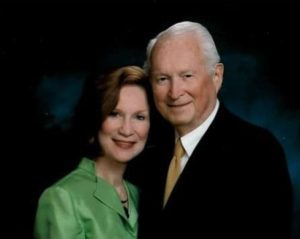
Baileys

Sharon and H.A. Ted Bailey, M.D., members of the Society of the Double Helix, have been steadfast supporters of UAMS for decades, particularly when it comes to education. So it’s only fitting that the Baileys chose to continue that tradition by establishing a distinguished otology lectureship with a gift of $150,000.

The Sharon and Dr. Ted Bailey Distinguished Lectureship in Otology will support lectures, seminars and other education forums that will allow UAMS to invite and host renowned physicians and researchers as guest speakers to share their knowledge and advances in the field. Otology is the study of the anatomy and diseases of the ear.

“Sharon and I are pleased to continue our support of UAMS by bringing renowned otologic physicians and researchers to share the latest developments in this field,” said Ted Bailey. “Our goal for this distinguished lectureship series is to keep UAMS at the forefront of otologic care and thereby benefit the many thousands of Arkansans who suffer from hearing loss and other ear problems.”

Ted Bailey, a 1947 College of Medicine graduate, taught UAMS medical students and residents for many years, including a young James Suen, M.D. Suen, a distinguished professor in the College of Medicine, served as chair of the Department of Otolaryngology for 43 years.

“Dr. Bailey gave lectures to me when I was a student,” said Suen. “When I was a resident in training, I spent time in his office and he spent a lot of time teaching me. We became good friends after I became chairman of the department, and that relationship has grown over the years. I am thankful that this lectureship will honor Dr. Bailey indefinitely and greatly enhance the education of our residents and faculty. Dr. Bailey was one of the premier otologic surgeons in the U.S. He has restored hearing in thousands of patients.”

The lectureship will benefit the Department of Otolaryngology-Head and Neck Surgery in the College of Medicine, which Ted Bailey oversaw for several years when it was still a division.

“Dr. Ted Bailey is an icon for ear surgery in Arkansas,” said John Dornhoffer, M.D., chair of the Department of Otolaryngology. “This generous gift will allow us to bring national and international experts in hearing and balance disorders as invited lecturers to continue this tradition of excellence in otology.”

The department plans to expand research in hearing loss and cochlear implantation in addition to its renowned research in head and neck cancers and vascular malformations, Dornhoffer said.

By Benjamin Waldrum | April 17th, 2018 |

Filed Under: News

  • «Previous Page
  • Page 1
  • Interim pages omitted …
  • Page 22
  • Page 23
  • Page 24
  • Page 25
  • Page 26
  • Interim pages omitted …
  • Page 39
  • Next Page»
UAMS College of Medicine LogoUAMS College of MedicineUniversity of Arkansas for Medical Sciences
Mailing Address: 4301 West Markham Street, Little Rock, AR 72205
Phone: (501) 296-1100
  • Facebook
  • X
  • Instagram
  • YouTube
  • LinkedIn
  • Pinterest
  • Disclaimer
  • Terms of Use
  • Privacy Statement
  • Legal Notices

© 2026 University of Arkansas for Medical Sciences