• Skip to primary navigation
  • Skip to main content
  • Skip to primary navigation
  • Skip to main content
Choose which site to search.
University of Arkansas for Medical Sciences Logo University of Arkansas for Medical Sciences
College of Medicine
  • UAMS Health
  • Jobs
  • Giving
  • About Us
    • Fast Facts
    • Leadership
    • Features
    • COMmunication Newsletter
    • Maps and Directions
    • College of Medicine History
    • Professionalism Guidelines
  • Departments
  • Admissions
    • New Admissions Standards 2026
    • Applicant Guide and Timeline
    • One Medical School, Two Campuses
    • Freshman Scholarships
    • AMCAS Choose Your Medical School Tool Dates
    • Core Competencies for Entering Medical Students
    • Three-Year M.D. Program
    • M.D./MPH Program
    • M.D./Ph.D. Program
    • M.D./MBA Program
    • Rural Practice Programs
      • Community Match Rural Physician Recruitment Program
      • Rural Practice Scholarship Program
      • Rural Recruitment and Job Opportunities
    • Postbaccalaureate Pre-Med Program
    • Transfer Students Policy
  • Students
    • Academic Calendar
    • Academic Houses
    • Career Advising
    • Financial Aid and Scholarships
    • Visiting Students
    • Mentor Spotlight Podcast
    • Preparing for Residency
    • Non-Discrimination Statement
    • Outstanding Teacher Nominations
    • Parents Club
    • Student Links
    • Honors in Research
    • UAMS Campus Security
    • Undergraduate Medical Education Competencies
  • Graduate Medical Education
  • Alumni
  • Faculty Affairs
  • Research
  1. University of Arkansas for Medical Sciences
  2. College of Medicine
  3. Author: Chris Lesher
  4. Page 6

Chris Lesher

Mark Smeltzer, Ph.D., Invested in Chair in Sciences Basic to Medicine

By Benjamin Waldrum

Mark Smeltzer, Ph.D., professor in the Department of Microbiology & Immunology and the Department of Orthopaedic Surgery in the College of Medicine at the University of Arkansas for Medical Sciences (UAMS), was invested Oct. 28 in the Chair in Sciences Basic to Medicine.

Dr. Smeltzer in commemorative chair, with UAMS Chancellor and COM Dean
“This award is really special to me because I am a basic scientist, but I want my science to be relevant and important to people, and to medicine,” said Smeltzer. (Image by Sam Giannavola)

Smeltzer, who studies Staphylococcus aureus, is one of the most well-funded faculty in the UAMS College of Medicine and has received numerous teaching and research awards.

“This award is really special to me because I am a basic scientist, but I want my science to be relevant and important to people, and to medicine,” said Smeltzer. “But what makes this award even more special is that it’s being given to me by the University of Arkansas for Medical Sciences. I’m now in my 27th year here, and I’m doing everything in my power to make UAMS proud.”

An endowed chair is among the highest academic honors a university can bestow on a faculty member. A chair is established with gifts of at least $1 million, which are invested and the interest proceeds used to support the educational, research and clinical activities of the chair holder. Those named to a chair are among the most highly regarded scientists, physicians and professors in their fields.

“This well-deserved honor for Dr. Smeltzer is about both the past and the future,” said UAMS Chancellor Cam Patterson, M.D., MBA. “Mark Smeltzer is a distinguished scientist who is deeply invested in educating additional scholars to follow in his footsteps. We are all proud of your contributions to UAMS and to biomedical science.”

Smeltzer has been continuously funded by the National Institute of Allergy and Infectious Disease (NIAID) since 1996 and by the Department of Defense since 2009. He also serves as director of the Center for Microbial Pathogenesis and Host Inflammatory responses, which has been funded to date by a 10-year, $21.2 million award from the National Institute of General Medical Sciences.
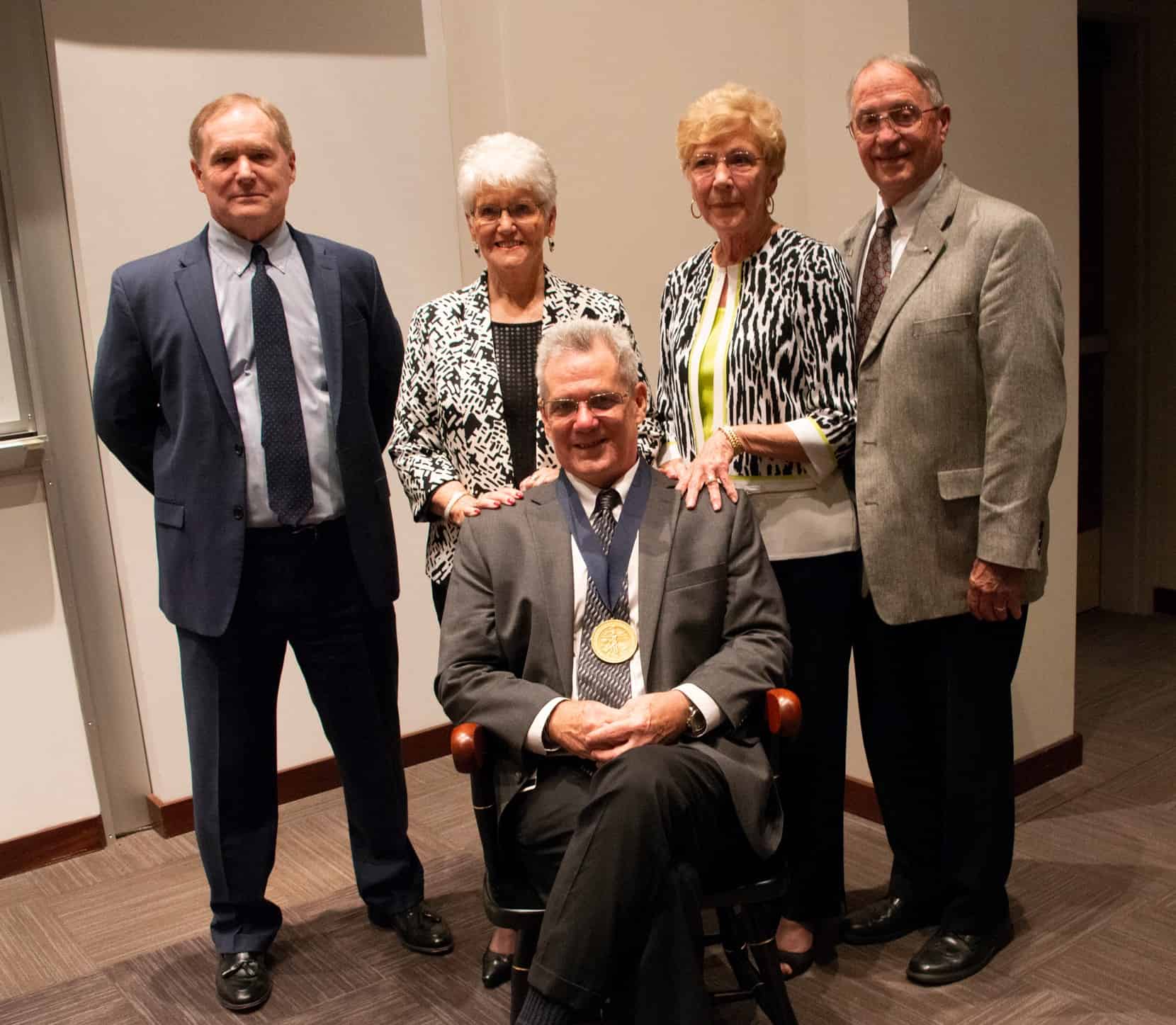
Dr. Smeltzer and four others
Smeltzer with (from left) his brother, Ron; mother, Betty; aunt Pat Ezell and uncle Hack Ezell. (Image by Sam Giannavola)

According to the Blue Ridge Institute for Medical Research, Smeltzer’s funding ranks 42nd among 1,040 microbiology researchers at U.S. medical schools.

“Dr. Smeltzer is one of our most successful researchers on campus and in microbiology nationally, and his work has impacted multiple fields, including orthopaedics and cancer,” said Christopher T. Westfall, M.D., UAMS executive vice chancellor and dean of the College of Medicine. “He is also an accomplished and respected teacher and mentor, and has helped train the next generation of scientists at UAMS.”

Smeltzer was presented with a commemorative medallion by Patterson and Westfall. He thanked his students and colleagues and recognized several members of his family who were in attendance.

Smeltzer, who joined UAMS in 1993, has pursued many avenues in his research including improved diagnostic methods, enhanced antibiotic delivery, alternative treatment methods including nanotechnology, and understanding the molecular basis for the prominence of S. aureus as an orthopaedic pathogen.

“Dr. Smeltzer was happy to help me succeed in his lab or in someone else’s,” said Daniel G. Meeker, Ph.D., a College of Medicine M.D. candidate in the Class of 2020. “He is a great mentor to students even before they become his students. Today I want him to take pride in his accomplishments, as I express my pride in him.”

Dr. Smeltzer and Dr. Iandolo
“I first met Mark when he was a graduate student, and it was clear to me from the beginning that he had what it took,” said Iandolo. “All I had to do was point him in the right direction.” (Image by Sam Giannavola)

“For me, Mark defined everything I know about what it means to be a mentor,” said James E. Cassat, M.D., Ph.D., an assistant professor of pediatric infectious disease at Vanderbilt University Medical Center who studied under Smeltzer at UAMS. “There are three things I think are important for people to know about Mark: he’s a mentor to everyone, not just people that he chooses to mentor; he gets to know his trainees so well that he knows when he needs to tell them that they’re making a mistake, or to make a change; and he communicates to us in a way that we know we can be successful.”

Before coming to UAMS, Smeltzer trained with John J. Iandolo, Ph.D., a university distinguished professor at Kansas State who ultimately served as chair of the Department of Microbiology and Immunology and as vice president for research at the University of Oklahoma Health Sciences Center. Iandolo’s research focus was on microbial pathogenesis with an emphasis on infections caused by S. aureus, and it was in his laboratory that Smeltzer was first introduced to this important bacterial pathogen. After joining the UAMS faculty, he focused his efforts on S. aureus as the leading cause of orthopaedic infections under the guidance of Carl L. Nelson, M.D., the long-time chair of the Department of Orthopaedic Surgery.

“I first met Mark when he was a graduate student, and it was clear to me from the beginning that he had what it took,” said Iandolo. “All I had to do was point him in the right direction. He was, in my mind, the clearest thinker who went through my whole lab, which was about 30 people, over my career.”
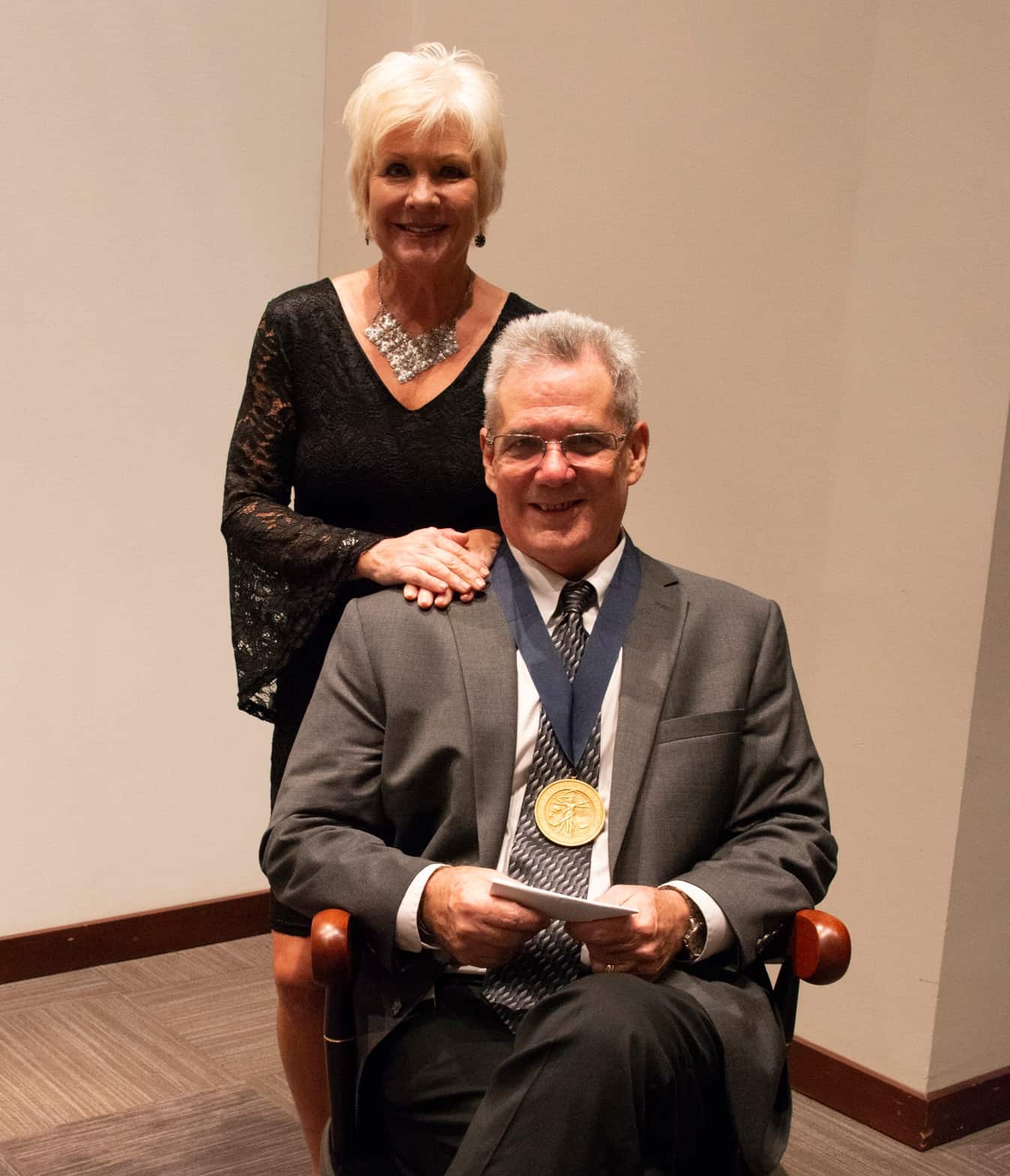
Dr. Smeltzer and his wife, Karen
Smeltzer and his wife, Karen. (Image by Sam Giannavola)

“We very much feel that Mark is a part of our department,” said C. Lowry Barnes, M.D., chair and professor of the Department of Orthopaedic Surgery in the College of Medicine. “Mark, congratulations – we are so proud of you. We are glad that you put us on the map nationally and internationally for your work. This is a very well-deserved honor.”

Smeltzer was born in El Dorado and spent his early years living in the small town of Norphlet. His family later moved to Halstead, Kansas, where he attended high school before pursuing his undergraduate degree at Washburn University in Topeka. He ultimately earned his Ph.D. from Kansas State University in Manhattan, Kansas.

Smeltzer has been the recipient of numerous teaching and research awards over his career, including the Red Sash, Gold Sash, Golden Apple, Dean’s Distinguished Faculty Scholar, College of Medicine Faculty Research Excellence Award, and Graduate Faculty of the Year. He was also named an American Society for Microbiology Distinguished Lecturer, a Fellow of the Arkansas Research Alliance, and elected chair of the Gordon Research Conference on Staphylococcal Diseases.
Filed Under: News

UAMS’ Simon Mears Inducted into Prestigious Hip Society

By Spencer Watson

Simon Mears, M.D., Ph.D., an orthopaedic surgeon and professor in the Department of Orthopaedic Surgery in the University of Arkansas for Medical Sciences (UAMS) College of Medicine, has been inducted into The Hip Society, a national organization dedicated to the advancement of knowledge relating to the hip joint.

“I am grateful for this tremendous honor and am proud to represent both Arkansas and UAMS,” said Mears. “The Hip Society represents the nation’s thought leaders when it comes to disorders that affect the hip and hip surgery, and to be among their company will be a great benefit to me in providing the best care possible for my patients.”

Mears will be inducted into the Hip Society in March in Orlando, Florida, at the 2020 annual meeting of the American Academy of Orthopaedic Surgeons.

Mears joins C. Lowry Barnes, M.D., chair of the UAMS Department of Orthopaedic Surgery, as a member of The Hip Society. They are the only current members from Arkansas, marking the first time the state has had two members in the society at the same time. Barnes’ predecessor as department chair, the late Carl. L. Nelson, M.D., was also a member.

“I’m very happy to welcome Dr. Mears to The Hip Society,” said Barnes. “To have two physicians from our department working with this organization is a rare gift for our patients and for all Arkansans.”

Mears earned his medical degree and a doctoral degree in neurobiology from the University of Pittsburgh. He completed his orthopaedic residency at the Johns Hopkins University School of Medicine. He completed a fellowship in orthopaedic traumatology at the R. Adams Cowley Shock Trauma Center at the University of Maryland, as well as a second fellowship in hip and knee replacement at the Mayo Clinic.

Mears has won the prestigious Jahnigen Award in geriatric medicine. He practiced at the Johns Hopkins University for 10 years and served as chairman of orthopaedic surgery at the Johns Hopkins Bayview Medical Center.

Mears specializes in hip and knee replacement including both primary and revision surgery. His research interests include the clinical outcomes of geriatric patients and the biomechanics of fixation in osteoporotic bone. He is vice president of the International Geriatric Fracture Society and deputy editor for the Journal Geriatric Orthopaedic Surgery and Rehabilitation.

Filed Under: News

Recent Faculty Appointments — October 2019

Department of Anesthesiology

Dr. David Nagy

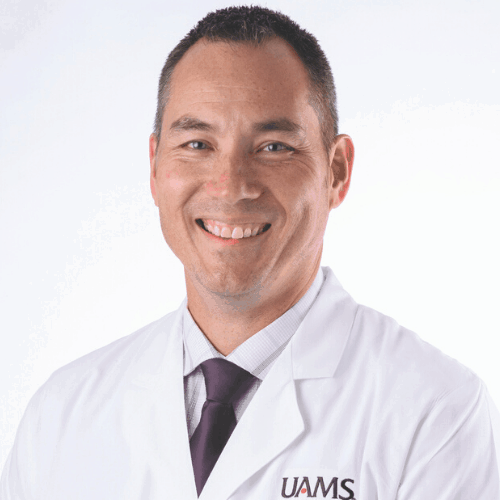
David Nagy, M.D., has rejoined the Department of Anesthesiology as an Assistant Professor and Director of Trauma Anesthesia. He received his medical degree and completed an anesthesiology residency at Indiana University in Indianapolis. Dr. Nagy spent several years in private practice before joining UAMS in 2017 as an Assistant Professor. He left UAMS in 2018 to complete a trauma fellowship at Regional One Hospital at the University of Tennessee Health Science Center in Memphis.

Department of Neurology

Dr. Sukanthi Kovvuru

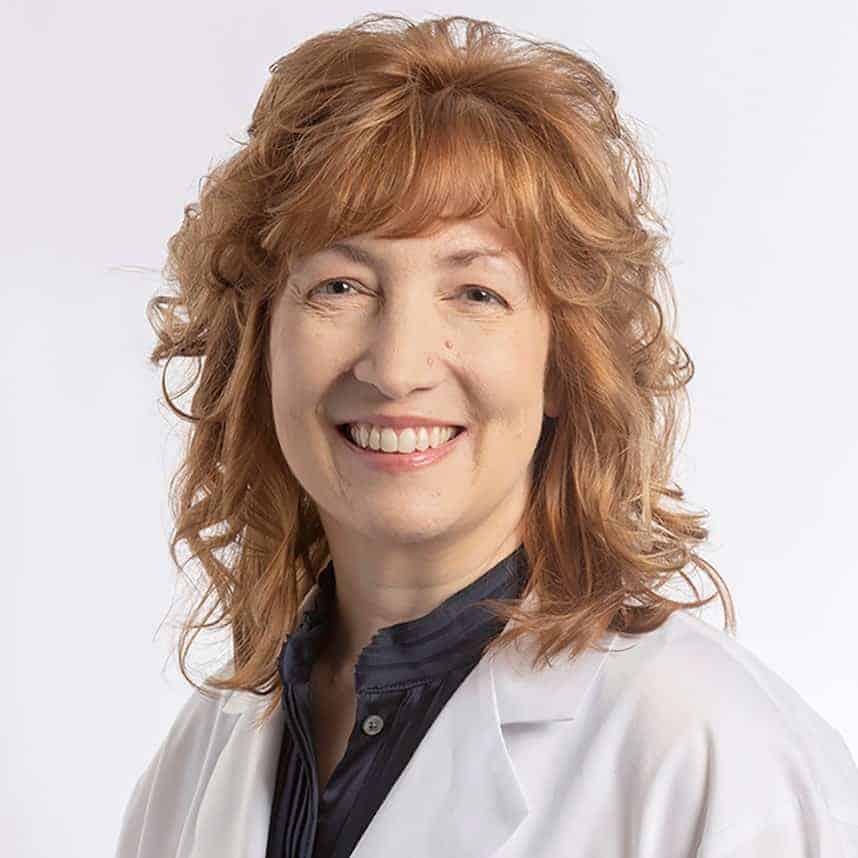
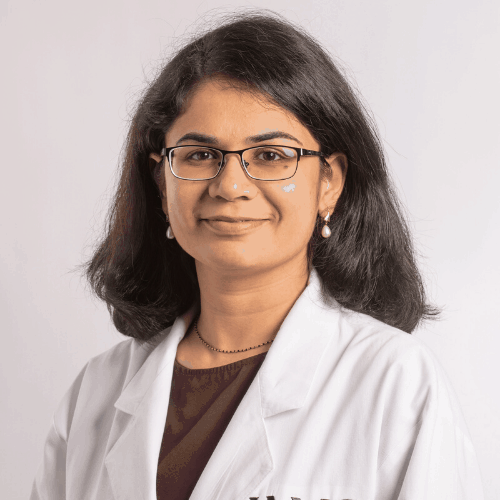
Sukanthi Kovvuru, M.D., has joined the Department of Neurology as an Assistant Professor and neuromuscular specialist. Dr. Kovvuru received her medical degree at Narayana Medical College in Andhra Pradesh, India. She completed her residency in neurology at UAMS, followed by a neuromuscular fellowship at Yale University. Dr. Kovvuru is a member of the American Academy of Neurology and the American Association of Neuromuscular & Electrodiagnostic Medicine. She has expertise in treating Myasthenia Gravis, Guillain-Barre Syndrome and ALS, and performs EMG testing.

Department of Orthopaedic Surgery

Dr. Ramon Ylanan

Ramon Ylanan, M.D., has joined the Department of Orthopaedic Surgery as an Assistant Professor and orthopaedic sports medicine specialist in Fayetteville. He previously served for more than seven years as the head team physician for the Arkansas Razorbacks, a key focus of his clinical practice with Advanced Orthopedic Specialists. Since 2015, he has also directed the UAMS Northwest Primary Care Sports Medicine Fellowship, the first Accreditation Council for Graduate Medical Education (ACGME) accredited sports medicine program in Arkansas.

Dr. Ylanan received his medical degree from Ross University School of Medicine in 2004. He completed a residency in family and community medicine and served as chief resident at the University of Missouri-Columbia. He continued his training as a fellow at the American Sports Medicine Institute at the Andrews Sports Medicine and Orthopaedic Center in Birmingham, Alabama. Read more in the UAMS Newsroom.

Department of Radiation Oncology

Dr. Leslie Harrell

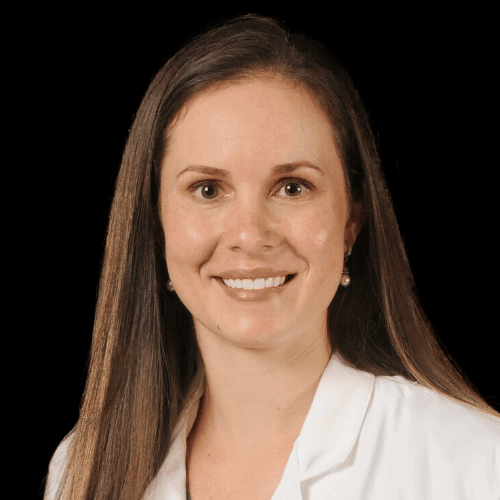
Leslie Harrell, D.O., has joined the Department of Radiation Oncology as an Assistant Professor. Dr. Harrell is a graduate of the University of North Texas Health Science Center, Texas College of Osteopathic Medicine in Fort Worth. She completed an internship in internal medicine at the Naval Medical Center in Portsmouth Virginia. She completed her residency in radiation oncology at the University of Mississippi Medical Center in Jackson, and a fellowship in proton and pediatric radiation oncology at the University of Texas MD Anderson Cancer Center in Houston. Dr. Harrell, who previously practiced radiation oncology in Oklahoma City, specializes in pediatric cancer, breast cancer and cancers of the central nervous system. Read more in the UAMS Newsroom.

Department of Surgery

Dr. Anna Privratsky

Anna M. Privratsky, D.O., has joined the Department of Surgery as an Assistant Professor in the Division of Trauma, Critical Care & Acute Care Surgery. Dr. Privratsky received her Doctor of Osteopathic Medicine from the Texas College of Osteopathic Medicine in Fort Worth. She completed her general surgery internship and residency as well as her surgical critical care fellowship at UAMS. Dr. Privratsky is board certified by the American Board of Surgery. Her clinical practice will focus on general surgery, acute surgery and trauma surgery as well as surgical critical care. She will see also see patients in the Surgery Clinic.

Filed Under: Faculty Updates

Local Physicians Bringing UAMS Orthopaedics to Northwest Arkansas

By Spencer Watson

By partnering with local physicians, the University of Arkansas for Medical Sciences (UAMS) is expanding UAMS Orthopaedics to Northwest Arkansas. In January 2020, the Shoulder Center of Arkansas in Fayetteville and its therapy partner, 201–train-recover-move, in Fayetteville and Rogers will become part of the statewide UAMS Health system.

Wesley Cox, M.D., who founded the practice, and Chad Songy, M.D., who joined it earlier this year, will both join UAMS and bring their team with them, including the 201 team members, who serve world-class athletes and Olympians. Former University of Arkansas head primary care sports medicine team physician Ramon Ylanan, M.D., who joined UAMS in early October, will continue to practice as a sports medicine specialist with UAMS at the Shoulder Center.

“Dr. Cox is a premier surgeon and he and his team will make invaluable additions to our department, which is continuing to grow and reach patients where they live, particularly when travel to Little Rock is not possible or convenient,” said C. Lowry Barnes, M.D., chair of the Department of Orthopaedic Surgery in the UAMS College of Medicine.

“As the fastest growing part of the state, Northwest Arkansas is a critical area of service for UAMS and its mission of improving the health of all Arkansans,” UAMS Chancellor Cam Patterson, M.D., MBA.

“UAMS is committed to growing specialty and subspecialty care in Northwest Arkansas,” said Pearl McElfish, Ph.D., vice chancellor for the UAMS Northwest Regional Campus. “As local physicians with established relationships, Drs. Cox, Songy and Ylanan will be ideal ambassadors for UAMS Orthopaedics in this region.”

Cox is an orthopaedic surgeon and sports medicine specialist and a former head team physician to a number of sports programs at the University of Arkansas. He is a 2003 graduate of UAMS. After completing an internship and residency in orthopaedics at UAMS, Cox moved to San Francisco for fellowship specialty training in shoulder, elbow and sports medicine surgery. He returned to his native Fayetteville in 2009 to found his practice. He received a bachelor’s degree in microbiology from Auburn University.

A Baton Rouge native, Songy received a bachelor’s degree in biological sciences from Louisiana State University. He received his medical degree from Louisiana State University School of Medicine, Shreveport and completed his residency in orthopaedics at UAMS in 2018. After completing specialized training in complex shoulder and elbow reconstruction at the Mayo Clinic in 2019, he returned to Arkansas to join Cox in practice at the Shoulder Center of Arkansas.

“This partnership opens up a number of unique opportunities in Northwest Arkansas by combining our clinical subspecialty care with the statewide scaling and resources of an institution like UAMS,” said Cox. “We look forward to combining our expertise on shoulder and elbow surgery and all our subspecialties to the existing talent and capabilities at UAMS Orthopaedics to become a health care destination and provider of choice not just for those locally but for all of Arkansas.”

“We believe this will be a tremendous asset to our current and future patients and look forward to working with our new colleagues in UAMS Orthopaedics,” added Songy.

The UAMS Northwest Regional Campus includes 250 medical, pharmacy, nursing and health professions students, 50 medical and pharmacy residents, and 1,000 community-based faculty. The campus has nine clinics including a student-led clinic and physical, occupational and speech therapy. Faculty conduct research to reduce health disparities. Visit www.uams.edu or www.uamshealth.com. Find us on Facebook, Twitter, YouTube or Instagram.

UAMS is the state’s only health sciences university, with colleges of Medicine, Nursing, Pharmacy, Health Professions and Public Health; a graduate school; hospital; a main campus in Little Rock; a Northwest Arkansas regional campus in Fayetteville; a statewide network of regional campuses; and seven institutes: the Winthrop P. Rockefeller Cancer Institute, Jackson T. Stephens Spine & Neurosciences Institute, Harvey & Bernice Jones Eye Institute, Psychiatric Research Institute, Donald W. Reynolds Institute on Aging, Translational Research Institute and Institute for Digital Health & Innovation. It is the only adult Level 1 trauma center in the state. U.S. News & World Report named UAMS Medical Center the state’s Best Hospital; ranked its ear, nose and throat program among the top 50 nationwide; and named six areas as high performing — cancer, colon cancer surgery, heart failure, hip replacement, knee replacement and lung cancer surgery. UAMS has 2,727 students, 870 medical residents and five dental residents. It is the state’s largest public employer with more than 10,000 employees, including 1,200 physicians who provide care to patients at UAMS, its regional campuses, Arkansas Childrens Hospital, the VA Medical Center and Baptist Health. Visit www.uams.edu or www.uamshealth.com. Find us on Facebook, Twitter, YouTube or Instagram.

###

Filed Under: News

Flanigan-Boop Lecturer: Anatomy Research Benefits Patients

By Ben Boulden

Despite all the centuries physicians have studied the human body, its anatomy still has secrets to reveal that can improve the treatment of patients and their health outcomes, said R. Shane Tubbs, Ph.D., professor of neurosurgery and cell biology, and director of surgical anatomy at Tulane University in New Orleans.

Two people at podium
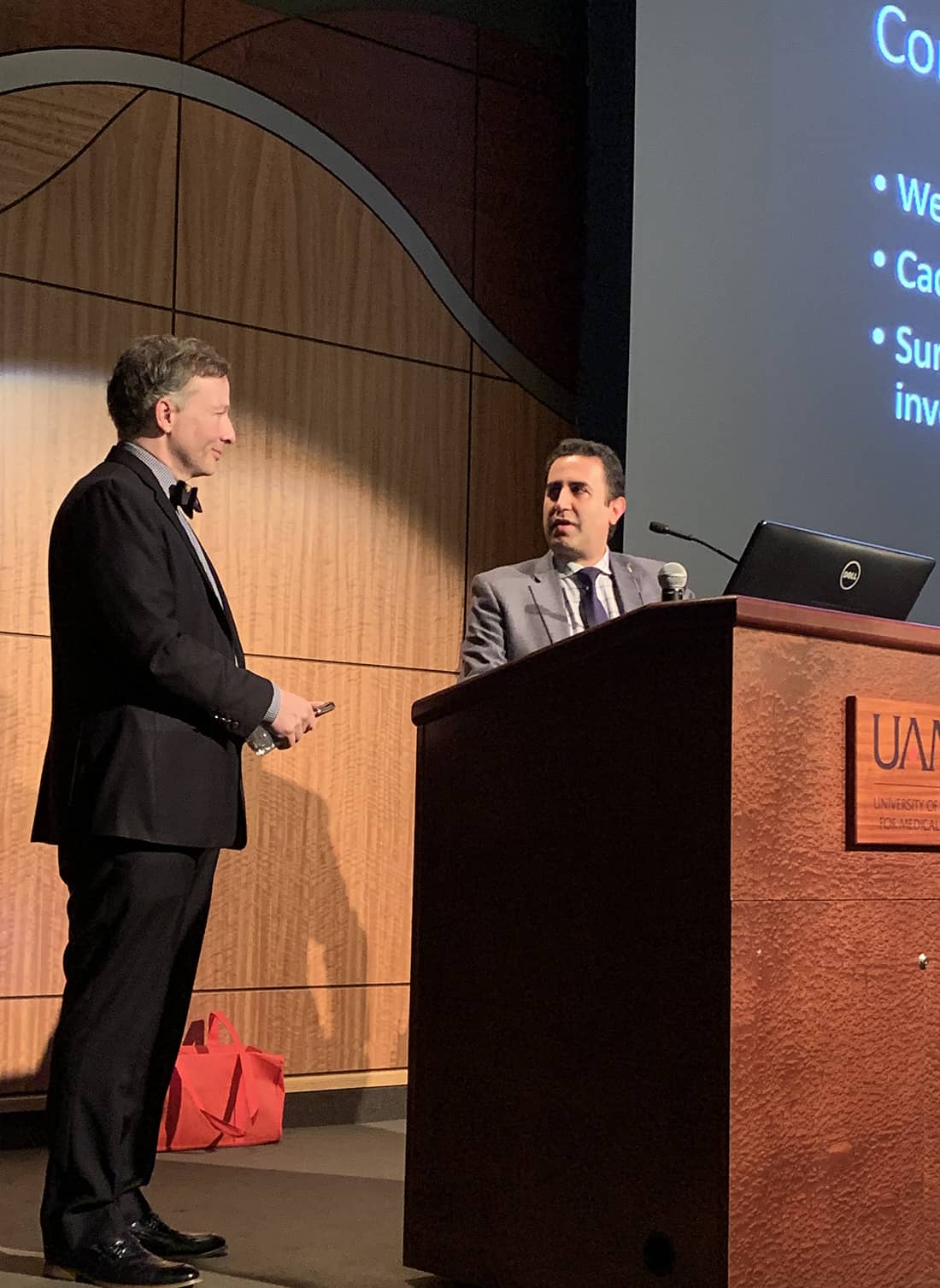
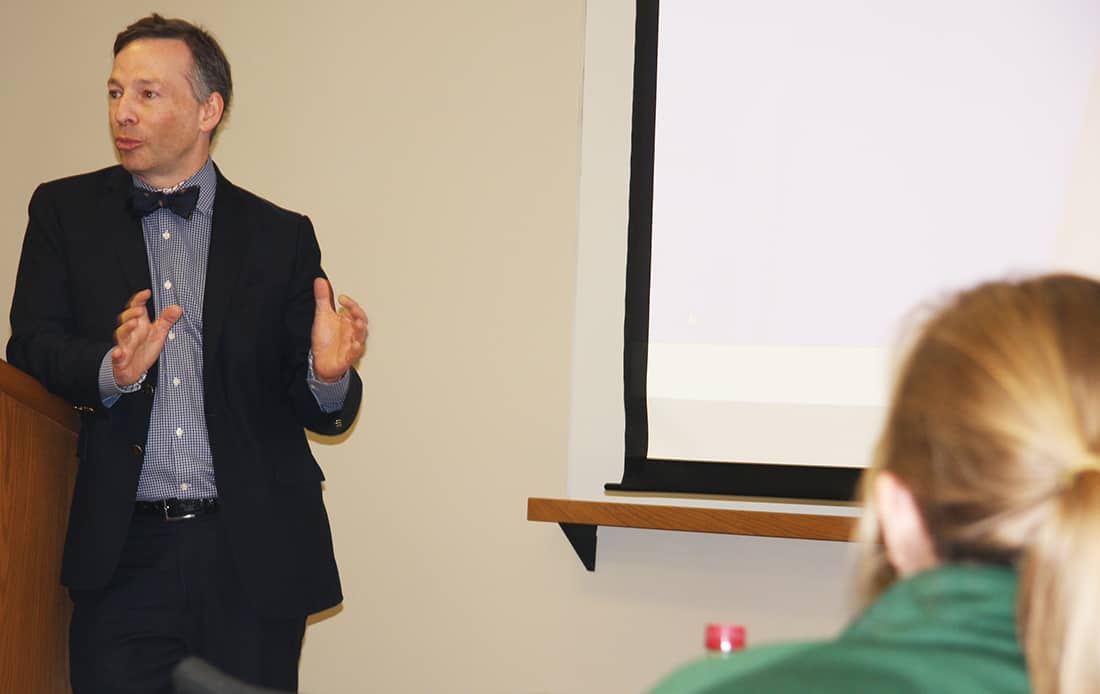
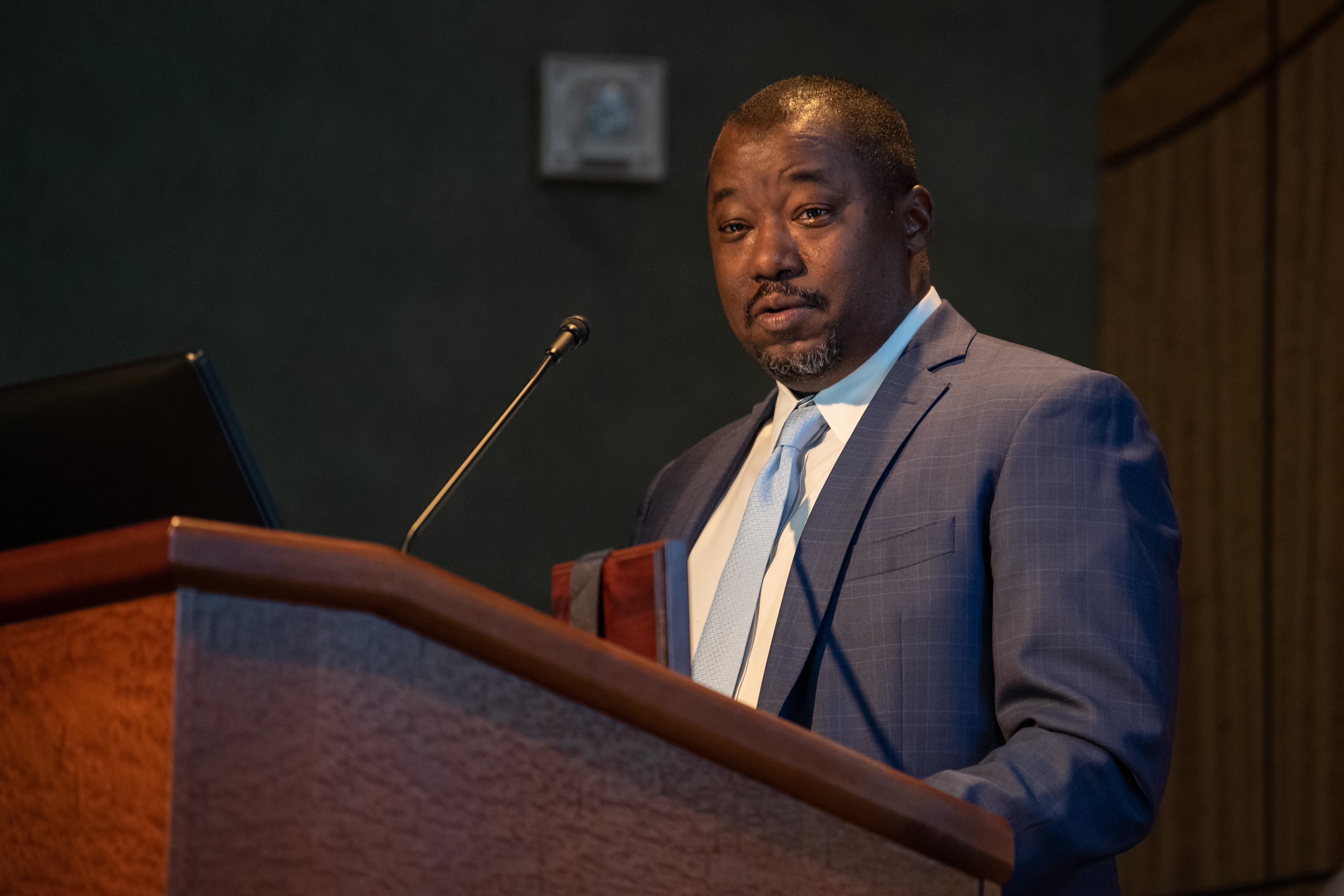
Tubbs, left, listens as Noojan Kazemi, M.D., right, asks him a question during a question-and-answer session after Tubbs’ lecture.

Tubbs spoke Oct. 11 on “Spinal Anatomy Research: Quo Vadis and Relevance to Spine Surgeons in 2019?” to dozens of residents, students and faculty as part of the Flanigan-Boop Endowed Lectureship in Spinal Neurosurgery.

Tubbs is editor of the 41st and newly released 42nd editions of “Gray’s Anatomy,” long considered the ‘bible’ of anatomy, as well as author of more than 30 books and over 1,500 peer-reviewed publications.

“We still know very little about spinal anatomy, no matter what someone tells you,” Tubbs said. “We’re discovering things that we never knew existed in the spine after hundreds of years of study. It’s an exciting time to be in this field.”

Tubbs said he and his research team use “reverse translational research in anatomy” to speed up the process by which research makes it from its earliest stage to a practical application for patients. The average time that takes is 17 years, he said, but his team’s approach accomplishes that in 3.2 years.

“What we do with reverse translational research is go to surgeons and ask them what problems they have encountered in the operating room and what complications they have seen with patients,” Tubbs said. “We also ask if there’s an anatomical study we can devise to address that problem and help patients in the here and now.”

Often after he and his team publish their findings, Tubbs said, their work is picked up by others around the world and other researchers expand on it.

“We’ve been doing this for 25 years, and from it we’ve developed new foams, nerve grafts and surgical procedures,” Tubbs said. “We’ve improved patient care and offered surgeons a larger tool box to use for their patients.”

For much of the lecture, Tubbs reviewed his research findings regarding the spine. Some parts of the spine have been identified and known for a long time but in many cases how they interrelate with other tissues or anatomical structures isn’t. His research even has revealed small, previously overlooked features.

Tubbs spoke earlier in the day to the neurosurgery residents about how to approach writing for academic journals and improve the chances of being accepted for publications.

People are not taught how to write in medical school, Tubbs said. He advised that as writers they should always have an idea of what publication they want to submit an article to before they even start.

“My biggest suggestion is ask yourself what mentality you want to have in writing,” he said. “You want to think like your reviewers. Are they surgeons or statisticians or something else? You want to think like them with every word you type in.”

Lecturer at podium
Tubbs talks to residents about the importance of writing in getting research findings published and how the process of academic publishing works.

Tubbs then took the  neurosurgical residents through an anatomical dissection examining the back of the neck and top of the spine from the shoulders to the base of the skull.

“The opportunity to have Dr. Tubbs lead a dissection for our residents is an incredible one,” said Noojan Kazemi, M.D., associate professor in the UAMS Department of Neurosurgery. “Someone of his renown is a tremendous boost to the residents for their learning and it is a real honor to host him here for the Flanigan-Boop lecture and for UAMS in general.”

Kazemi introduced Tubbs to the residents and at the annual distinguished Flanigan-Boop lecture. The lecture was part of three days of events celebrating the 50th anniversary of the clinical training program in neurosurgery at UAMS.

J.D. Day, M.D., chair of the UAMS Department of Neurosurgery, on Oct. 10 was invested as the Robert Watson, M.D., Chair in Neurosurgery and on Oct. 12, the UAMS Neurosciences Update was held to present the latest research from faculty in neurosurgery and neurology as well as showcase the most up-to-date and minimally invasive surgical techniques performed at UAMS.

Filed Under: News

UAMS Research into Baby Biomechanics Shows Issues with Infant Inclined Sleepers

By Amy Widner

Groundbreaking research on inclined sleep products for infants by Erin Mannen, Ph.D., a baby biomechanics expert and mechanical engineer at the University of Arkansas for Medical Sciences (UAMS), was made public Wednesday as part of a U.S. Consumer Product Safety Commission investigation into their safety and related rulemaking.

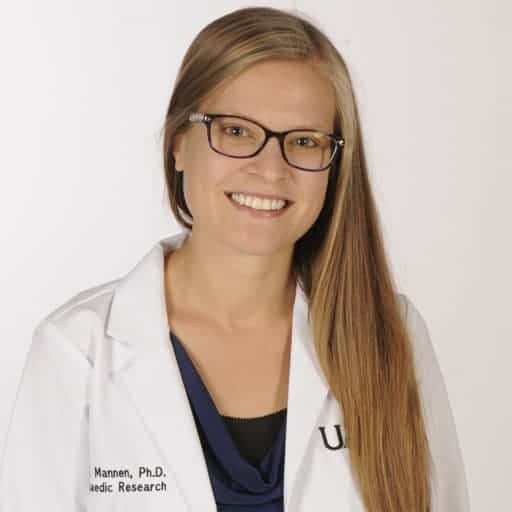
Erin Mannen, Ph.D.
Erin Mannen, Ph.D., a baby biomechanics expert and mechanical engineer in the Department of Orthopaedic Surgery in the UAMS College of Medicine, has conducted groundbreaking research into reclined infant sleepers that could change industry consumer regulations for the products.

“Over the course of a year-long study, we found evidence that babies age 2-6 months on average who were placed in inclined sleep products were at higher risk of suffocation in these products compared to a flat crib mattress,” Mannen said. “We found evidence that some of the deaths linked to these products occurred when babies who were placed on their backs to sleep rolled over — many for the first time — and were found dead on their stomachs.”

Mannen and a team of researchers from UAMS concluded that none of the inclined sleep products they examined as part of the study were safe for infant sleep. They further recommended that this category of products be removed from the market or that the industry rules outlining the standards for these product be significantly revised.

In detail, Mannen and her team suggested the angle of the incline on such products be no more than 10 degrees and that the lying surface be flat and rigid (rather than soft and plush-like).

Inclined sleepers are relatively new. The Consumer Product Safety Commission only began recognizing them as a product class in 2011, when they were separated from the regulations governing bassinets and cradles. They are currently defined as “a free standing product with an inclined sleep surface primarily intended and marketed to provide sleeping accommodations for an infant up to 5 months old or when the infant begins to roll over or pull up on sides, whichever comes first.” The appearance of the products varies, but they can look like hammocks or slings suspended on a frame, often with an incline of 10 to 30 degrees.

Mannen’s research became public as the Consumer Product Safety Commission considers changes to the regulations for this line of product.

Mannen and her team evaluated the products in several ways.

The researchers performed a biomechanical analysis with actual infants ranging from ages 2-6 months, comparing their muscle use and biomechanics in the products, both on their backs and on their stomachs, and at various inclines. This was compared to data on the same infants on a flat crib mattress under the same range of conditions.

They found that the babies who were placed on their stomachs in the sleepers or who rolled over had to exert many times more than the normal muscle strength to keep themselves upright and had to use muscles in a way that might be unfamiliar to them — as much as 200% more core strength than in a crib under the same conditions.

The team also conducted a review of several examples from the product class and found a wide variety of products are being marketed in this category. Many different designs and materials are in use.

They reviewed 91 incidents on a case-by-case basis, looking at police reports, caregiver interviews, autopsies and other data. They found that in many cases where an infant had been placed to sleep on their back in the sleeper and then rolled over and suffocated, the caregivers reported that they had not rolled over before and it was likely one of their first times to do so, if not the first time.

Additionally, the team monitored oxygen saturation levels of the babies over about one to two minutes in the inclined sleepers vs. a flat crib-like surface and found that even in such short time periods, there were twice as many incidents of a drop in oxygen levels in the inclined sleepers.

“We found evidence to suggest that this inclined position on a non-rigid surface may make it easier for babies to roll over, but harder for them to roll back,” Mannen said.

Co-investigators from UAMS on the study included John Carroll, M.D., pediatric pulmonologist; David B. Bumpass, M.D., pediatric spine surgeon; Brien Rabenhorst, M.D., pediatric orthopaedic surgeon; Brandi Whitaker, Ph.D., pediatric psychologist; Junsig Wang, Ph.D., biomechanics researcher; and Safeer F. Siddicky, Ph.D., biomechanics researcher.


UAMS is the state’s only health sciences university, with colleges of Medicine, Nursing, Pharmacy, Health Professions and Public Health; a graduate school; hospital; a main campus in Little Rock; a Northwest Arkansas regional campus in Fayetteville; a statewide network of regional campuses; and seven institutes: the Winthrop P. Rockefeller Cancer Institute, Jackson T. Stephens Spine & Neurosciences Institute, Harvey & Bernice Jones Eye Institute, Psychiatric Research Institute, Donald W. Reynolds Institute on Aging, Translational Research Institute and Institute for Digital Health & Innovation. It is the only adult Level 1 trauma center in the state. U.S. News & World Report named UAMS Medical Center the state’s Best Hospital; ranked its ear, nose and throat program among the top 50 nationwide; and named six areas as high performing — cancer, colon cancer surgery, heart failure, hip replacement, knee replacement and lung cancer surgery. UAMS has 2,727 students, 870 medical residents and five dental residents. It is the state’s largest public employer with more than 10,000 employees, including 1,200 physicians who provide care to patients at UAMS, its regional campuses, Arkansas Childrens Hospital, the VA Medical Center and Baptist Health. Visit www.uams.edu or www.uamshealth.com. Find us on Facebook, Twitter, YouTube or Instagram.

Filed Under: News

UAMS Researcher Pinpoints Immune System Cause for Autism Subtype

By Amy Widner

Researcher Terry Harville, M.D., Ph.D., of the University of Arkansas for Medical Sciences (UAMS), has published a major study that for the first time links autism spectrum disorder to a specific genetic variation affecting the immune system.
The study, published in the Frontiers of Psychiatry, found that a genetically inherited immune type HLA-Cw7 was present in much higher numbers in people with autism as compared to the general population.

Harville and co-authors believe this HLA-Cw7 expression may cause chronic immune system activation for a subgroup of people with autism. In fact, this chronic inflammation may be affecting the brain and actually be causing the autism in these patients.

“Findings like this bring us one step closer to the future of treatment for autism: individualized medicine,” Harville said. “The more we truly understand the driving forces behind autism spectrum disorder, the better we will be able to identify and treat subgroups and individuals — to the maximum benefit for the individual patient.”

Harville, who is a professor of pathology and internal medicine at UAMS with a long career in pediatric immunology, collaborated on the study with the UAMS Department of Pediatrics, Arkansas Children’s Research Institute (ACRI), UAMS College of Public Health, National Center for Toxicological Research, and other institutions across the country.

Autism spectrum disorder includes a broad range of symptoms like challenges with social skills, repetitive behaviors, speech and nonverbal communication. It affects about 1 in 69 children in the United States.

While there is no known single cause of autism, the current consensus among the scientific community is that it is not one condition but several unique subtypes driven by both genetics and environmental factors. Scientists have long suspected the immune system may play a role for some subtypes, and a body of evidence is accumulating to support this connection.

Harville said it has been difficult to prove an immunological cause for autism, in part because the autism diagnosis is so broad. He agrees with the theory that autism is likely several different conditions, each with a unique cause. During his career as a pediatrician, Harville observed that the same treatment would have a dramatic effect for one patient with autism and little or no effect on another.

With this in mind, Harville’s study also attempted to identify other characteristics that define this subgroup of patients with the HLA-Cw7type. Harville found that — in addition to the behavioral symptoms that led to their autism diagnosis — these patients also reported higher rates of infections, allergies, food intolerances, chronic sinusitis and gastrointestinal issues compared to other patients with an autism diagnosis but without expression of the HLA-Cw7 gene.

“What emerges is a profile of symptoms that might help clinicians identify these patients as part of this subgroup,” Harville said. “Our next step will be looking at ways to perhaps manage these patients with treatments that alter immune system function or activation.”

Other variations of the HLA gene have been connected to autoimmune disorders like rheumatoid arthritis, celiac disease and ankylosing spondylitis. This led Harville to choose HLA for the focus of his autism study.

Individualized medicine, also called precision or personalized medicine, is the idea that advances in genetic testing, advanced computational abilities and other scientific tools are improving medical treatment by enabling it to be tailored to the individual.

UAMS co-authors on the study include Bobbie Rhodes-Clark, Ph.D., Department of Pathology; Sirish C. Bennuri, Marie Tippett, Shannon Rose, Ph.D., Stephen Kahler, M.D., Department of Pediatrics and ACRI; and Leanna Delhey, College of Public Health.

The study was funded by the Arkansas Biosciences Institute, the Jonty Foundation (St. Paul, Minnesota), the Autism Research Institute (San Diego), the Gupta Family Foundation (Atherton, California), the Jane Bostford Johnson Foundation (New York City), the Jager Family Foundation (Chicago) and the Phoenix Children’s Hospital Foundation (Phoenix). HLA typing was in part funded by research funds from the Department of Pathology in the UAMS College of Medicine.

Filed Under: News

Arabinda Choudhary, M.D., MBA, Invested in Ernest J. Ferris, M.D. Chair in Diagnostic Radiology

By Benjamin Waldrum

Arabinda K. Choudhary, M.D., MBA, chair of the Department of Radiology in the College of Medicine at the University of Arkansas for Medical Sciences (UAMS), was invested Oct. 14 in the Ernest J. Ferris, M.D. Chair in Diagnostic Radiology.

Choudhary is an internationally recognized expert in pediatric neuroimaging and imaging related to pediatric abusive head trauma. He joined UAMS in August.

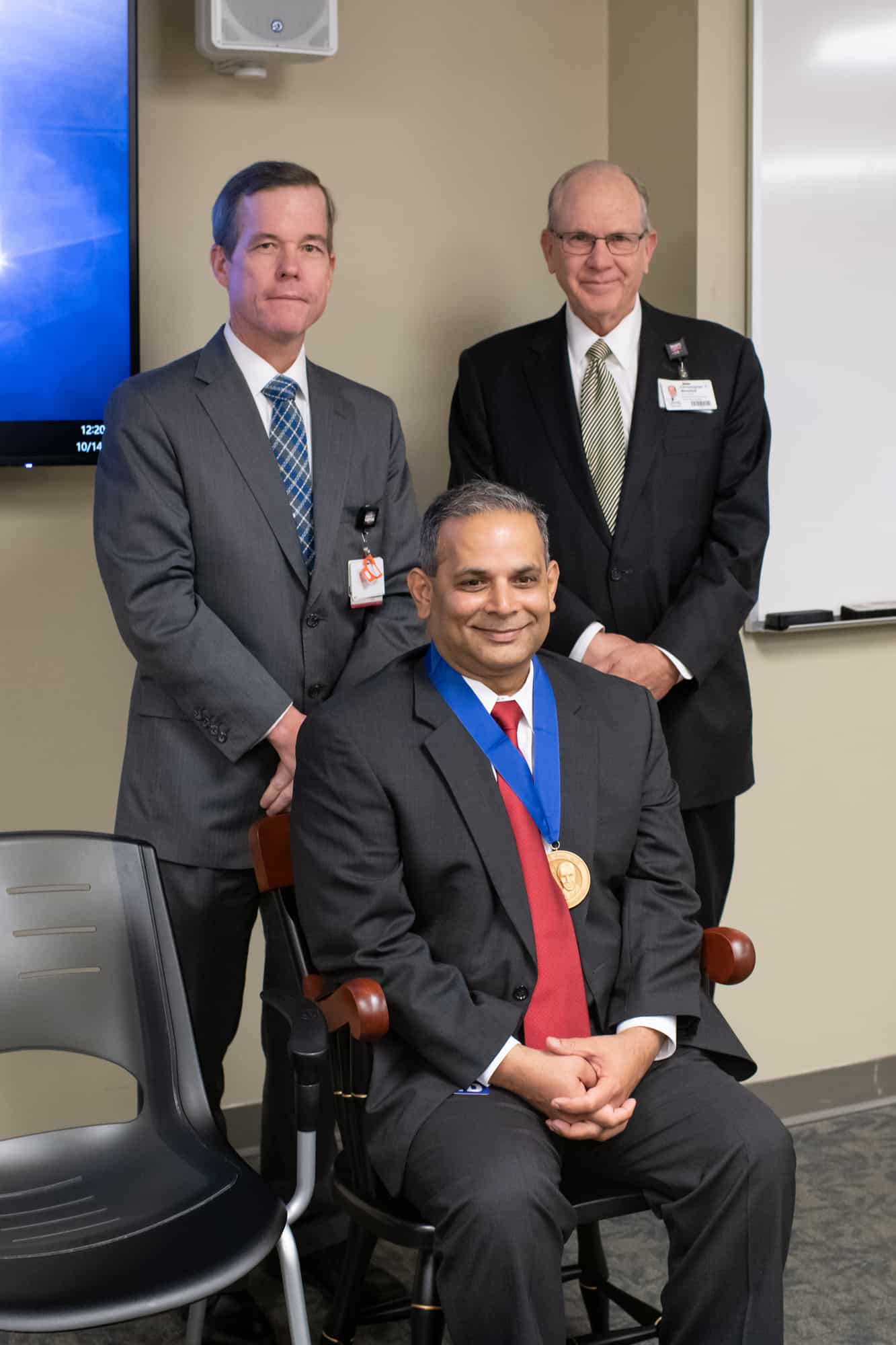
UAMS Chancellor Cam Patterson, M.D., MBA and UAMS College of Medicine Dean Christopher T. Westfall, M.D., FACS presented the chair and medallion to Choudhary.
UAMS Chancellor Cam Patterson, M.D., MBA and UAMS College of Medicine Dean Christopher T. Westfall, M.D., FACS presented the chair and medallion to Choudhary. (Bryan Clifton photo)

“This is a huge day for me, for our department, and possibly the single biggest achievement of my professional career,” said Choudhary. “I’m really excited for what this means for us as a department and the opportunity that we have; what it means for me, as the responsibility embedded within the Ferris Chair; what it means for UAMS with the expectations being set for our department; and for the state of Arkansas for the commitment this reflects on us to provide the best value-based care to the patients of the state.”

An endowed chair is among the highest academic honors a university can bestow on a faculty member. A chair is established with gifts of at least $1 million, which are invested and the interest proceeds used to support the educational, research and clinical activities of the chair holder. Those named to a chair are among the most highly regarded scientists, physicians and professors in their fields.

“Today is a great day for UAMS and for the Department of Radiology,” said UAMS Chancellor Cam Patterson, M.D., MBA. “We are honored to have Dr. Choudhary continue the legacy of Dr. Ferris.”

The chair is named in honor of Ferris, who chaired the Department of Radiology for 31 years, helping bring comprehensive subspecialty training and highly specialized radiological care to Arkansas. He trained more than 350 fellows and residents at UAMS, six of whom have gone on to become department chairs at various medical schools. Ferris expanded the department to include 50 radiologists with diverse subspecialties before he stepped down as chair in 2008.

Ferris, who attended Boston University School of Medicine, held faculty positions at Harvard University and Tufts University, and served as chief of radiology at Boston University Medical Center for eight years before being recruited to UAMS in 1977.

Well-known nationally and internationally for his contributions to the field of radiology, Ferris received the American Board of Radiology’s Distinguished Service Award in 2000 and was presented with the Radiological Society of North America’s highest honor, the Gold Medal, in 2001. At UAMS, he received the Caduceus Club’s Distinguished Faculty Award in 1996 and the Dean’s Distinguished Faculty Scholar Award in 2007. College of Medicine students recognized him four times with the Red Sash Award.

“A force for good, for radiology at the local, national and international stage, Dr. Ferris’ collaborative research and clinical body of work, which is vast and extensive, has inspired many generations of radiologists, including myself,” Choudhary said. “It is a proud moment for me to be the steward of Dr. Ferris’ legacy.”

Ferris was in attendance for the ceremony, held in the Diner Learning Center at UAMS’ Little Rock campus, which served as a celebration of the department, with radiology staff, technologists, residents, alumni and faculty members participating.

James E. McDonald, M.D., who served as department chair from November 2016 until June, when he announced his retirement, was scheduled to speak but could not attend due to the imminent birth of his granddaughter. Jeannette Shorey, M.D., associate provost for faculty affairs, read from his prepared remarks.

“Arv Choudhary is very likely one of the best prepared individuals to ever lead any department at UAMS,” McDonald wrote. “He is a man who has the ability to recognize what counts, what is eternal. And, along with that, he has the intellect, skill and determination to do what needs to be done to preserve and build. He is the right leader, in the right place – this place – at exactly the right time.”

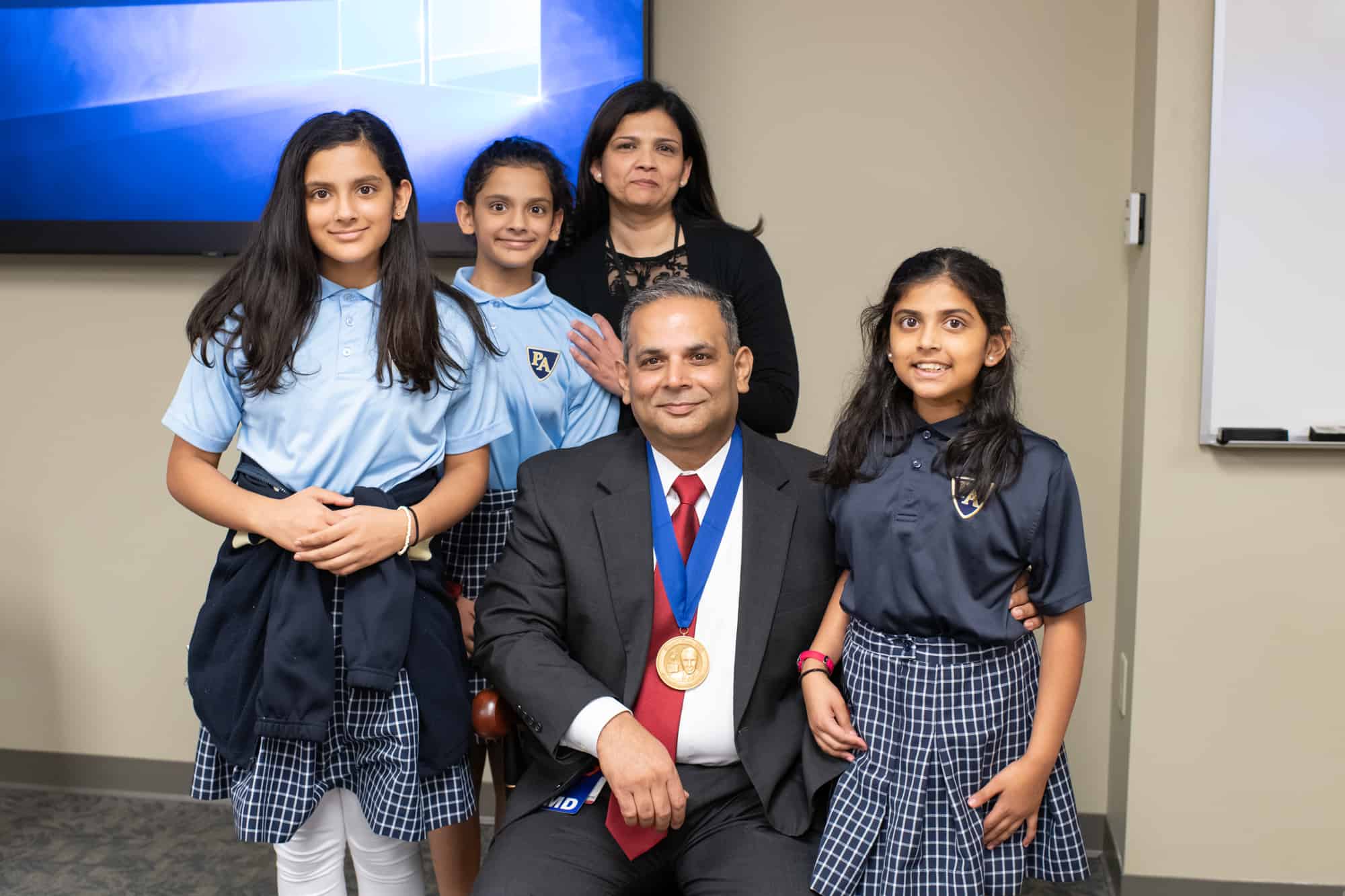
Choudhary with his wife, Bhawna Jha, M.D., and their children Rhea, Anya and Keya.
Choudhary with his wife, Bhawna Jha, M.D., and their children Rhea, Anya and Keya. (Bryan Clifton photo)

Choudhary was presented with a commemorative medallion by Patterson and Christopher T. Westfall, M.D., FACS, UAMS executive vice chancellor and dean of the College of Medicine. Choudhary thanked his wife Bhawna Jha, M.D., an assistant professor in the Department of Neurology in the College of Medicine, and their three daughters: twins Rhea and Anya, 13, and Keya, 10.

Choudhary was previously chair of pediatric radiology at Nemours/Alfred I. duPont Hospital for Children in Wilmington, Delaware, since 2013. He received his medical degree from the Medical College of Calcutta in 1994 and completed residencies in pediatrics at Princess of Wales Hospital and the University of Wales and Llandough Hospital in the U.K., followed by a residency in radiology at Cambridge University. He continued his training with fellowships in pediatric radiology and pediatric neuroradiology at Cincinnati Children’s Hospital Medical Center.

Choudhary received his MBA with a major in finance from the Wharton School at the University of Pennsylvania in 2017 and received Fellow of the American College of Healthcare Executives (FACHE) certification in 2018. He is board certified in clinical informatics, radiology, neuroradiology and pediatric radiology.

He began his career in academic medicine as director of pediatric neuroradiology at Penn State Milton S. Hershey University Medical Center in Hershey, Pennsylvania, from 2006 to 2013. He also served as associate program director of radiology in 2011-2012. He developed the pediatric neuroradiology section with increased specialization and a comprehensive teaching curriculum for fellows and residents. He worked with partnering hospitals to build relationships and provide subspecialist services. He taught medical students at Penn State and mentored numerous students, residents, fellows and junior faculty members.

Choudhary’s research has centered on diagnosis of brain and spinal trauma, as well as chronic disease and surgery involving the brain. He was the lead author on a 2018 consensus statement on abusive head trauma, the leading cause of fatal head injuries in children younger than 2. The statement, supported by 15 international pediatric and radiology organizations and published in the journal Pediatric Radiology, outlines the consensus of evidence-based medical findings on abusive head trauma to serve as a tool within the legal system. Within weeks of publication it was in the top 5% of all research ever tracked by Altmetric, and it was the third most downloaded article from Springer’s pediatric and radiology journals in 2018.

Choudhary has published extensively and lectured internationally on neuroimaging. He received the Society of Pediatric Radiology’s prestigious Walter E. Berdon award in 2016 for authoring the best clinical research paper in Pediatric Radiology in 2015. He received the David S. Hartman, M.D., Faculty Golden Apple Award for outstanding medical student teaching at Hershey Medical Center in 2010.

Filed Under: News

J.D. Day, M.D., Invested in Robert Watson, M.D., Chair in Neurological Surgery

By Benjamin Waldrum

J.D. Day, M.D., an internationally recognized leader in skull base surgery and specialist in Gamma Knife surgery and vascular disorders of the brain and skull base at the University of Arkansas for Medical Sciences (UAMS), was invested Oct. 10 in the Robert Watson, M.D., Chair in Neurological Surgery.

“This is probably one of the most humbling days of my life,” Day said. Referring to a map showing his many stops across his medical career, he pointed to a red line that led him to UAMS. “God willing, that red stands for stop, and I will be here for the rest of my career.”

Day is chair of the Department of Neurosurgery in the UAMS College of Medicine.

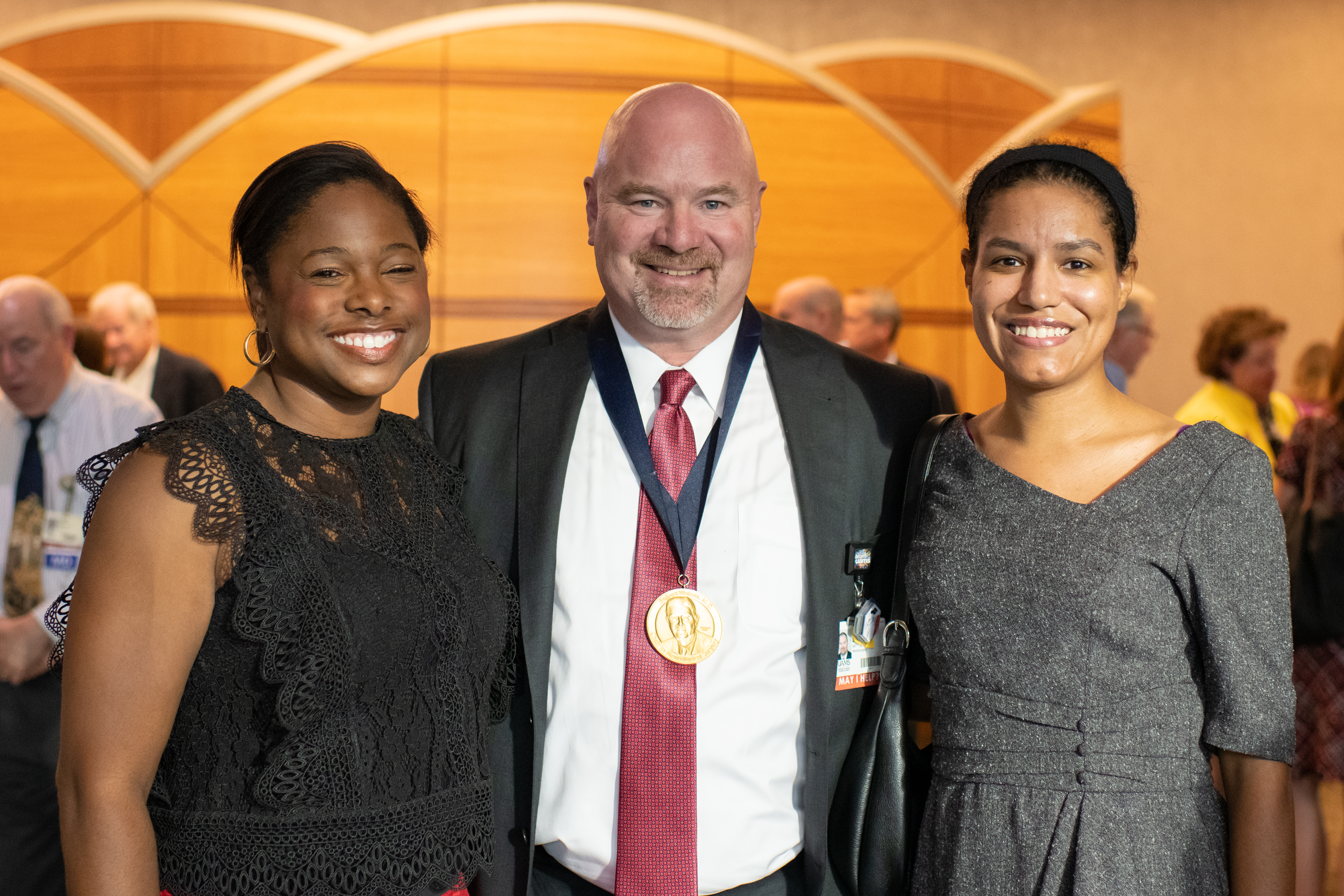
Day poses with Ebonye Green, M.N.Sc., and Analiz Rodriguez, M.D., Ph.D., at the event's reception.
Day poses with Ebonye Green, M.N.Sc., and Analiz Rodriguez, M.D., Ph.D., at the event’s reception. (Photo by Bryan Clifton)

An endowed chair is among the highest academic honors a university can bestow on a faculty member. A chair is established with gifts of at least $1 million, which are invested and the interest proceeds used to support the educational, research and clinical activities of the chair holder. Those named to a chair are among the most highly regarded scientists, physicians and professors in their fields.

“I’d like to thank J.D. Day for everything that he’s done for UAMS and the people of Arkansas, and for the entire field of neurosurgery,” said UAMS Chancellor Cam Patterson, M.D., MBA. “We are grateful for what you have done and we are grateful for what you will continue to do.”

Robert C. Watson, M.D., known as the father of neurosurgery in Arkansas, was just a teenager in Mena, Arkansas, working in the local drugstore when he discovered he wanted to become a physician. Upon graduation from the UAMS College of Medicine in 1935, he had not decided which specialty he would pursue, but that changed when he cared for a young girl with a brain injury during his internship at Detroit City Hospital. He furthered his training in Brooklyn, New York, at King’s County Hospital, where his fascination with the brain grew.

In 1944, Watson became only the 108th physician to receive accreditation from the American Board of Neurological Society. Watson returned to Arkansas to practice neurosurgery and began a 27-year volunteer career as a teacher, educating young physicians about diagnosing neurological cases.

“Dr. Watson was a pillar of the medical community and here at UAMS,” said Christopher T. Westfall, M.D., UAMS executive vice chancellor and dean of the College of Medicine. “He was truly the father of neurosurgery in Arkansas, and he had an immeasurable impact on our students, our residents, our fellows, and most importantly, to the patients they went on to serve.”

James P. Chandler, M.D., praised Day as "a neurosurgeon's neurosurgeon."
James P. Chandler, M.D., praised Day as “a neurosurgeon’s neurosurgeon.” (Photo by Bryan Clifton)

“This investiture celebrates the generosity and philanthropic spirit, and the legacy of Dr. Watson, and we are delighted to celebrate Dr. Day’s leadership and accomplishments with this chair,” he said. “Dr. Day has propelled our Department of Neurosurgery and the Neurosciences Service Line to new heights.”

Watson’s accomplishments included serving as chief of staff of Baptist Medical Center, president of both the Arkansas and Pulaski County Medical Societies, and president and founder of the Southern Neurological Society. He was a founding member and longtime chairman of the Board of Directors of the Medical Education Foundation of Arkansas. In 1980, the neurosurgeons who had joined Watson’s practice created the Robert Watson, M.D., History of Medicine Room in the UAMS Library.

“Dr. Watson truly had a remarkable career,” Day said. “He always worried about his patients like we do, and I’m sure he prayed every day, just as I do, that our patients have the best outcome possible. Some things just will never change in neurosurgery.”

Patterson and Westfall thanked the members of Watson’s family who were in attendance.

“I’ll tell you, if I ever had a neurologic or neurosurgical problem, I would fly to Arkansas, to this place, and have John as my neurosurgeon,” said James P. Chandler, M.D., vice chair of the Department of Neurological Surgery and co-director of the Lou and Jean Malnati Brain Tumor Institute of the Robert H. Lurie Comprehensive Cancer Center of Northwestern University. “He is a neurosurgeon’s neurosurgeon. Congratulations, John – this honor is very appropriate and very well deserved.”

“We worked a lifetime together and John became a brother,” said Michael L. Levy, M.D., Ph.D., chief of pediatric neurosurgery at Rady Children’s Hospital-San Diego and the University of California, San Diego School of Medicine. “I think this honor is so appropriate for him because he is everything that this honor represents. He is everything you want in somebody to be in a leadership position, to educate those surgeons – they’re going to be practicing for decades – and to make a difference in the lives of so many people. That’s what John does.”

Day was presented with a commemorative medallion by Patterson and Westfall.

Day thanked members of his family in attendance, as well as the Watson family, and reserved special praise for members of his department, including faculty, administrators, nurses and the scrub techs in the operating room.

Day thanked members of his family in attendance, including his mother Carla and daughters Erin and Carly.
Day thanked members of his family in attendance, including his mother Carla and daughters Erin and Carly. (Photo by Bryan Clifton)

“While it would seem like the pinnacle of an academic physician’s career to be invested in an endowed chair, I assure you that this, for me, represents more of a rebirth and a beginning to the next phase,” Day said. “My overall goal, when I’m finished, is that if you’re in Arkansas and you have a neurosurgical problem, you know that you will be delivered the most comprehensive, cutting-edge, up-to-date care that’s available anywhere in the country. That’s my pledge to you.”

Day became chairman of the Department of Neurosurgery in 2010. He was previously an associate professor, vice chair for academic affairs, and the associate residency program director at the University of Texas Health Science Center in San Antonio, Texas.

He earned his Bachelor of Arts in chemistry from Whitman College in Walla Walla, Washington, and his medical degree from the University of Washington in Seattle, Washington. He completed his residency at the University of Southern California LAC/USC Medical Center in 1996 and followed with a research fellowship in cranial base surgery at the University of Vienna Medical School, Neurochirurgische Universitätsklinik in Vienna, Austria. During his residency, Day received the Mahaley Award for Clinical Research from the American Association of Neurological Surgeons.

Day’s clinical interests include brain tumors, cerebrovascular surgery and skull base surgery. His research efforts include refinements of minimally invasive neurosurgical techniques in brain surgery and enhancing early recovery after brain surgery. He has authored four textbooks on skull base surgery and published over 80 chapters and articles on neurosurgical topics. He is a highly sought-after lecturer on skull base surgery techniques and has lectured and served as faculty for courses on four continents.

Filed Under: News

Research Collaboration Crosses Basic Science, Clinical Boundaries

By Susan Van Dusen

Biomedical research does not exist in a vacuum. To succeed, scientists must work together by combining resources and ideas in new and innovative ways.

Many times, these collaborations exist across institutions, where combined strengths provide the perfect combination of skills necessary to undertake complex projects successfully.

Such is the case with a partnership between the UAMS Winthrop P. Rockefeller Cancer Institute and the University of Arkansas, Fayetteville (UA) that recently resulted in a five-year, $2.03 million R01 grant from the National Cancer Institute (NCI).

It all started with grant recipient Narasimham Rajaram, Ph.D., and his mission to create a method of monitoring a cancer patient’s response to radiation and chemotherapy, allowing for timely changes to the treatment plan if necessary. Rajaram is a UA assistant professor of biomedical engineering.

With conventional treatment and monitoring methods, doctors are unable to determine how well a tumor responds to treatment until after the fact. This includes whether the patient’s tumor completely disappears, shrinks, remains the same or enlarges.

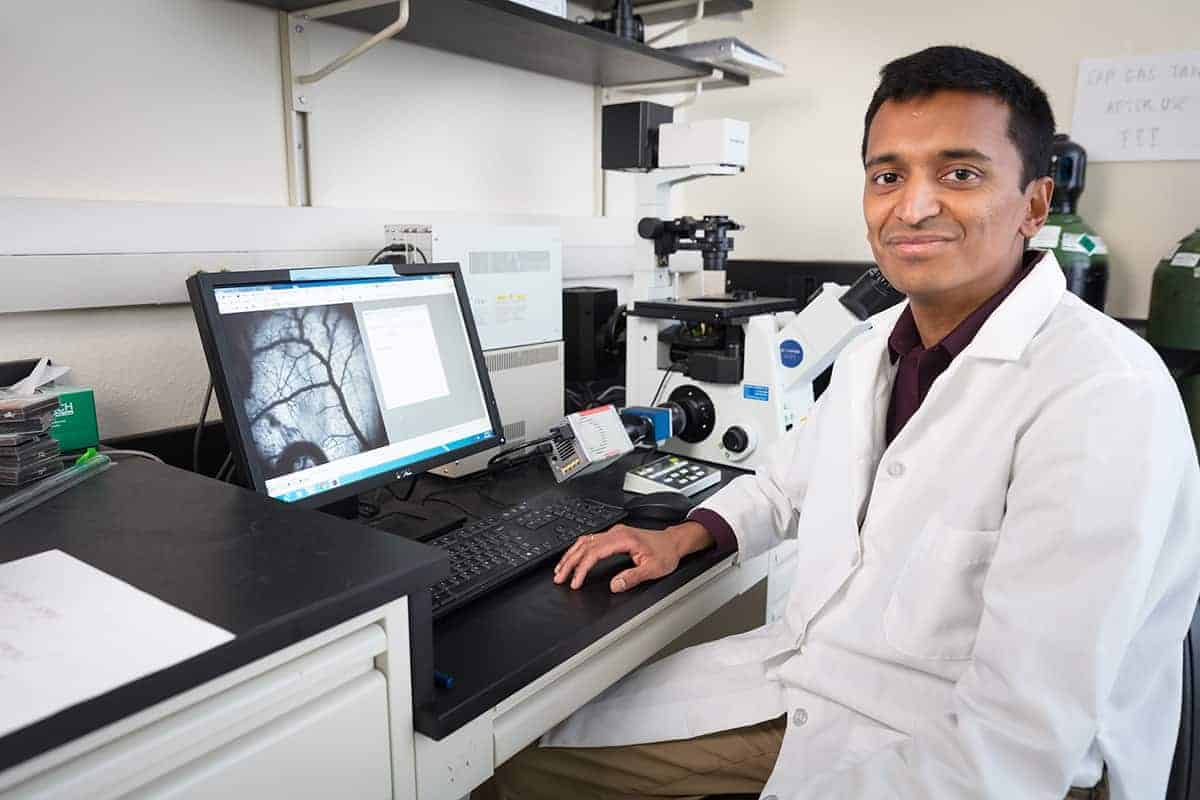
Dr. Rajaram in his lab
Grant recipient Narasimham Rajaram, Ph.D., at work in his lab at the University of Arkansas College of Engineering.
(Image credit: University of Arkansas)

“Unfortunately, there are currently no methods that can identify treatment response in the clinic during therapy, which causes patients – both responsive and resistant – to lose critical time when alternative approaches could be considered,” said Rajaram.

To complete his experiments, Rajaram, who spent four years at Duke University before arriving at UA in 2014, required unique cell lines to examine for potential new biomarkers and disease-resistance patterns.

Through his network of colleagues, Rajaram discovered a connection to Robert J. Griffin, Ph.D., professor and biologist in the UAMS College of Medicine Department of Radiation Oncology. After initial discussions, the two determined their mutual interest in the effects of radiation therapy and disease resistance could lead to a partnership.

Griffin’s colleague Ruud Dings, Ph.D., who joined UAMS during this time, also entered the discussion. Dings is assistant professor in the Department of Radiation Oncology and, like Griffin, uses his laboratory to create unique cell lines.

“Previously, scientists studied disease resistance patterns by comparing cell lines that were not related to each other or that had different backgrounds, resulting in potential false correlations,” said Dings.

The unique cell lines created in the UAMS labs are isogenically related, meaning they are engineered from a parental line, have the same genetic background and are exposed to repeated interventions that create acquired resistance to radiation or drugs.

With a set of unique cell lines he acquired from Dings’ lab in 2015, Rajaram continued his work on optical imaging technologies, with the goal of developing a method to predict a tumor’s sensitivity to treatment.

A paper highlighting findings related to this research was published in the April 17, 2019, issue of Cancer Research, a publication of the American Association for Cancer Research.

Out of Rajaram’s research came the development of a thin, chopstick-like probe. When touched to a tumor or surrounding tissue, light emitted from the probe refracts. The light is then captured back into the probe and collected for analysis.

With the probe ready to test in humans, Rajaram reached out to UAMS surgeon Mauricio Moreno, M.D., for input on how to apply this emerging technology to head and neck cancer.

From there, the idea for a clinical trial was born.

“The Holy Grail of head and neck oncology is the ability to accurately predict which patients will or will not respond to radiation therapy,” said Moreno, associate professor in the UAMS College of Medicine Department of Otolaryngology-Head and Neck Surgery.

Those patients whose tumors do not completely disappear following radiation therapy typically require surgery. And, as Moreno pointed out, patients who have recently undergone radiation therapy are a much higher risk of potential surgical complications.

“If there was a way for us to know upfront that a patient was not likely to respond to radiation, we could alter their treatment plan and prevent them from experiencing the toxicity of radiation therapy in the first place,” Moreno said.

Moreno and Rajaram determined that head and neck squamous cell carcinoma (HNSSC) of the larynx or tonsil was the best condition on which to focus their clinical trial for four reasons:

1) It is a common cancer, resulting in a large number of potential participants.

2) It is treated with radiation.

3) The tumor can be easily accessed noninvasively.

4) It is often caused by the human papilloma virus (HPV), which is typically sensitive to radiation therapy.

Their study, which has enrolled about five UAMS patients so far, is approved to enroll up to 90 subjects with Stage 3 or Stage 4 HNSCC, including those with tumors that are both HPV-positive and HPV-negative.

Trial participants undergo both a baseline test after diagnosis and a test during their course of radiation treatment. The test includes inserting the thin probe into the patient’s throat and touching the probe’s light to the tumor and surrounding tissue. Researchers hope that by examining the light patterns captured during both of these tests they can identify correlations related to tumor treatment response.

“It’s very investigational, but if we can identify a pattern either before or during the early phases of treatment where we see the tumor is not responding properly, that could potentially have significant clinical impact for future patients,” Moreno said.

All data collected by the probe goes back to Rajaram for analysis and is compared to the patients’ other imaging results, including CT scans, for potential correlations.

The fact that Rajaram’s NCI grant funds both the basic science and clinical trial associated with this research is uncommon, said Griffin, adding that “the clinical observations collected by Dr. Moreno will strengthen the basic science conducted by Dr. Rajaram, Dr. Dings and myself.”

Additional pre-clinical studies and technology development were conducted at Johns Hopkins University. Rajaram’s initial work to demonstrate the feasibility of this approach was supported by start-up funds from UA and the Arkansas Biosciences Institute.

Research collaborations such as this one bolster the Cancer Institute’s ongoing efforts to receive National Cancer Institute Designation.

To achieve designation, cancer centers undergo a highly competitive assessment process that demonstrates an outstanding depth and breadth of research in three areas: basic laboratory, patient/clinical and population-based. The designation brings with it many benefits, including expanded access to federal funding for researchers and improved access to clinical trials for patients.

Filed Under: News

  • «Previous Page
  • Page 1
  • Interim pages omitted …
  • Page 4
  • Page 5
  • Page 6
  • Page 7
  • Page 8
  • Interim pages omitted …
  • Page 39
  • Next Page»
UAMS College of Medicine LogoUAMS College of MedicineUniversity of Arkansas for Medical Sciences
Mailing Address: 4301 West Markham Street, Little Rock, AR 72205
Phone: (501) 296-1100
  • Facebook
  • X
  • Instagram
  • YouTube
  • LinkedIn
  • Pinterest
  • Disclaimer
  • Terms of Use
  • Privacy Statement
  • Legal Notices

© 2026 University of Arkansas for Medical Sciences