• Skip to primary navigation
  • Skip to main content
  • Skip to primary navigation
  • Skip to main content
Choose which site to search.
University of Arkansas for Medical Sciences Logo University of Arkansas for Medical Sciences
College of Medicine
  • UAMS Health
  • Jobs
  • Giving
  • About Us
    • Fast Facts
    • Leadership
    • Features
    • COMmunication Newsletter
    • Maps and Directions
    • College of Medicine History
    • Professionalism Guidelines
  • Departments
  • Admissions
    • New Admissions Standards 2026
    • Applicant Guide and Timeline
    • One Medical School, Two Campuses
    • Freshman Scholarships
    • AMCAS Choose Your Medical School Tool Dates
    • Core Competencies for Entering Medical Students
    • Three-Year M.D. Program
    • M.D./MPH Program
    • M.D./Ph.D. Program
    • M.D./MBA Program
    • Rural Practice Programs
      • Community Match Rural Physician Recruitment Program
      • Rural Practice Scholarship Program
      • Rural Recruitment and Job Opportunities
    • Postbaccalaureate Pre-Med Program
    • Transfer Students Policy
  • Students
    • Academic Calendar
    • Academic Houses
    • Career Advising
    • Financial Aid and Scholarships
    • Visiting Students
    • Mentor Spotlight Podcast
    • Preparing for Residency
    • Non-Discrimination Statement
    • Outstanding Teacher Nominations
    • Parents Club
    • Student Links
    • Honors in Research
    • UAMS Campus Security
    • Undergraduate Medical Education Competencies
  • Graduate Medical Education
  • Alumni
  • Faculty Affairs
  • Research
  1. University of Arkansas for Medical Sciences
  2. College of Medicine
  3. Author: Chris Lesher
  4. Page 7

Chris Lesher

Jia Liu, Ph.D., Honored as Community Champion, Receives $10,000

By Ben Boulden

It’s been a time of accolades for UAMS researcher Jia Liu, Ph.D., an assistant professor in the UAMS College of Medicine Department of Microbiology and Immunology.

In June 2019, she was awarded $10,000 in research funds by the River Valley Ovarian Cancer Alliance, an advocacy group based in Fort Smith, Arkansas that aims to raise awareness and promote education to fight ovarian cancer. On Friday, Sept. 27, she was honored as the Community Champion of the Year by the Arkansas Ovarian Cancer Coalition, the state advocacy organization for Arkansas.

“Ovarian cancer is the most deadly gynecological cancer. Sadly, about half of the diagnoses are in women in their early 60s,” said Shuk-Mei Ho, Ph.D., UAMS vice chancellor for research. “The five-year relative survival rate is less than 50%. We need new breakthrough treatments, such as the one being developed by Dr. Liu, to combat this cancer. UAMS as the only academic center in Arkansas is committed to research that improves cancer care in Arkansas and around the nation.”

Liu and her research team have taken a unique approach to fighting cancer, especially ovarian cancer. They are re-inventing the use of viruses that infect and kill cancer cells to create more effective treatments or even cures.

“Viruses can make us sick, but we can re-engineer them to benefit us,” Liu said. “In this case, we can use them to kill cancer cells. The virus we are studying can work on many cancer types, but we’re particularly interested in treating ovarian cancer. For four decades, long-term survival for patients with ovarian cancer remained low and we hope to be able to help to improve this result.”

The team’s work has produced one re-engineered virus that has shown promise in early testing. Liu said a patent is pending, and there is interest from a pharmaceutical company in further developing and testing the virus in clinical trials.

“While society often uses numbers of patients to measure the effect of a disease, we perhaps should look at ovarian cancer more closely. This disease is a silent killer for women and indeed impacts so many families or individuals,” Liu said. “Compared with other cancer types, improvement in diagnosis and treatment for ovarian cancer is urgently needed.

Liu said awareness of this deadly disease also needs to be raised, including awareness of its symptoms, risk factors, treatment options, care, and advocating for research that will improve diagnosis and treatment.

“We sincerely thank the generous support from the River Valley Ovarian Cancer Alliance,” Liu said. “This fund will allow us to conduct important studies and help us to establish a sustainable research program for ovarian cancer immunotherapy. I also want to thank our long-time collaborator on our work, Dr. Martin Cannon. Dr. Cannon is an internationally renowned immunologist at UAMS and a mentor for me on ovarian cancer immunotherapy. Only with his help we were able to test my viral vector on clinical specimens and showed exciting results.”

Filed Under: News

College of Medicine Students Get into Spirit at Academic House Olympics

By Amy Widner

Medical school isn’t always about books and biology. Sometimes it’s about Baggo and bragging rights.

Such is the case at the Academic House Olympics, an annual event where students, faculty and their families put aside the hard work of medical school for an afternoon to have a little fun. This year’s festivities were held in Murray Park beneath a bright summerlike September sky near the banks of the Arkansas River.

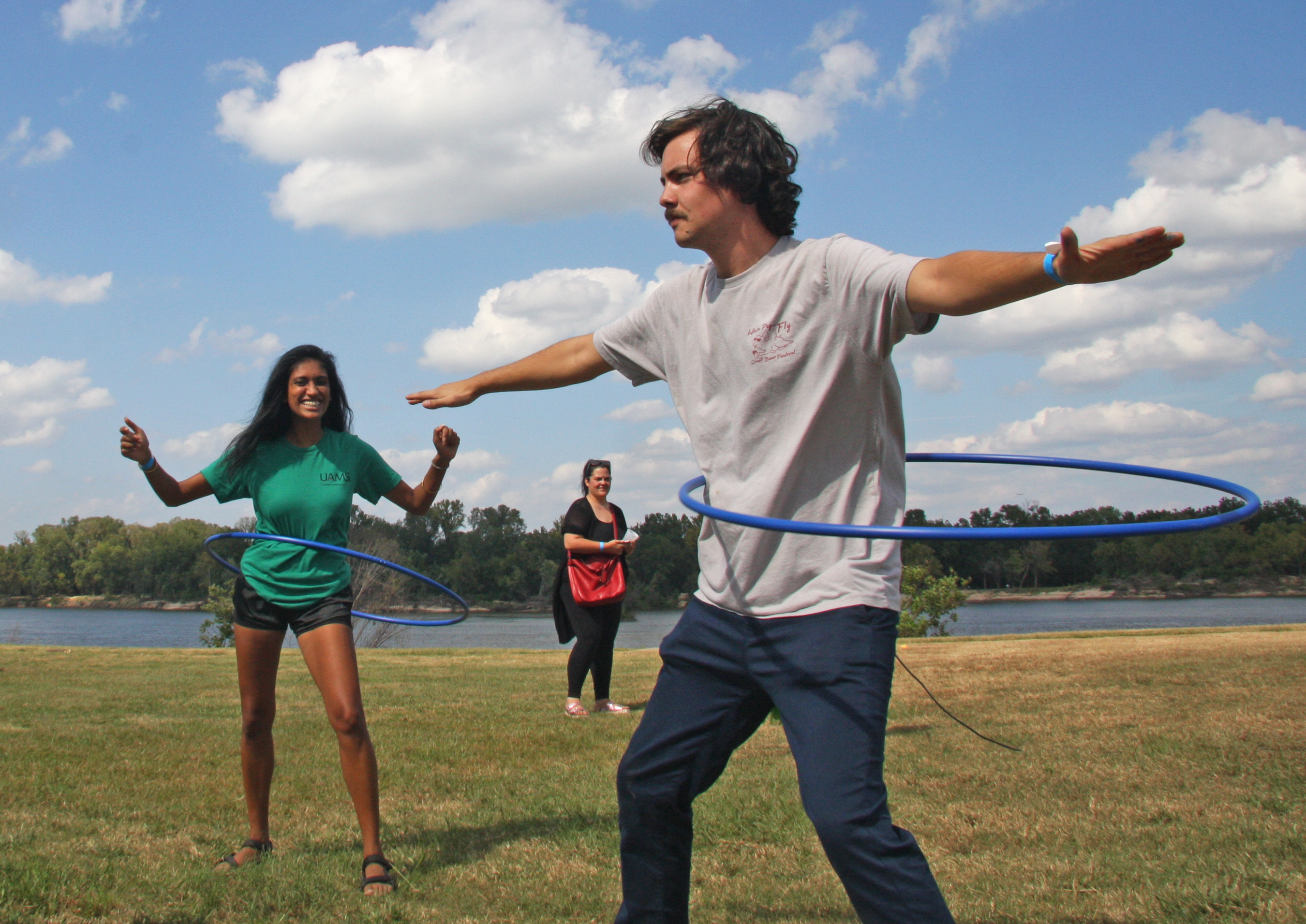
The Academic Houses squared off for a house spirit competition and then broke down into smaller groups to preserve house honor at volleyball, tug of war, Baggo — even Hula-Hooping. The afternoon was interspersed with food, fun, and fellowship, and participants were encouraged to bring family members and pets so that everyone could get a better sense of each other’s lives outside of med school.

Woman and baby in inflated toy
House Ish tied for second place in the spirit competition.

“This is all about fun,” said Haley Birth, a fourth-year student in Compton House, which won the spirit competition and was the overall top-scoring team for the Academic House Olympics. “We get to interact with our faculty mentors in a casual atmosphere, see their kids running around, and it all just makes school feel a little bit less academic and more of a social network that we can depend on.”

That feeling is by design. As freshmen, College of Medicine students are divided into one of seven Academic Houses for the duration of medical school. Each house includes students who are at various stages of their training, and each house is shepherded by faculty advisers. The small-group atmosphere facilitates mentorship from the advisers and also between the students. The Academic House system began in 2016 and the Olympics followed in 2017 to deepen those connections.

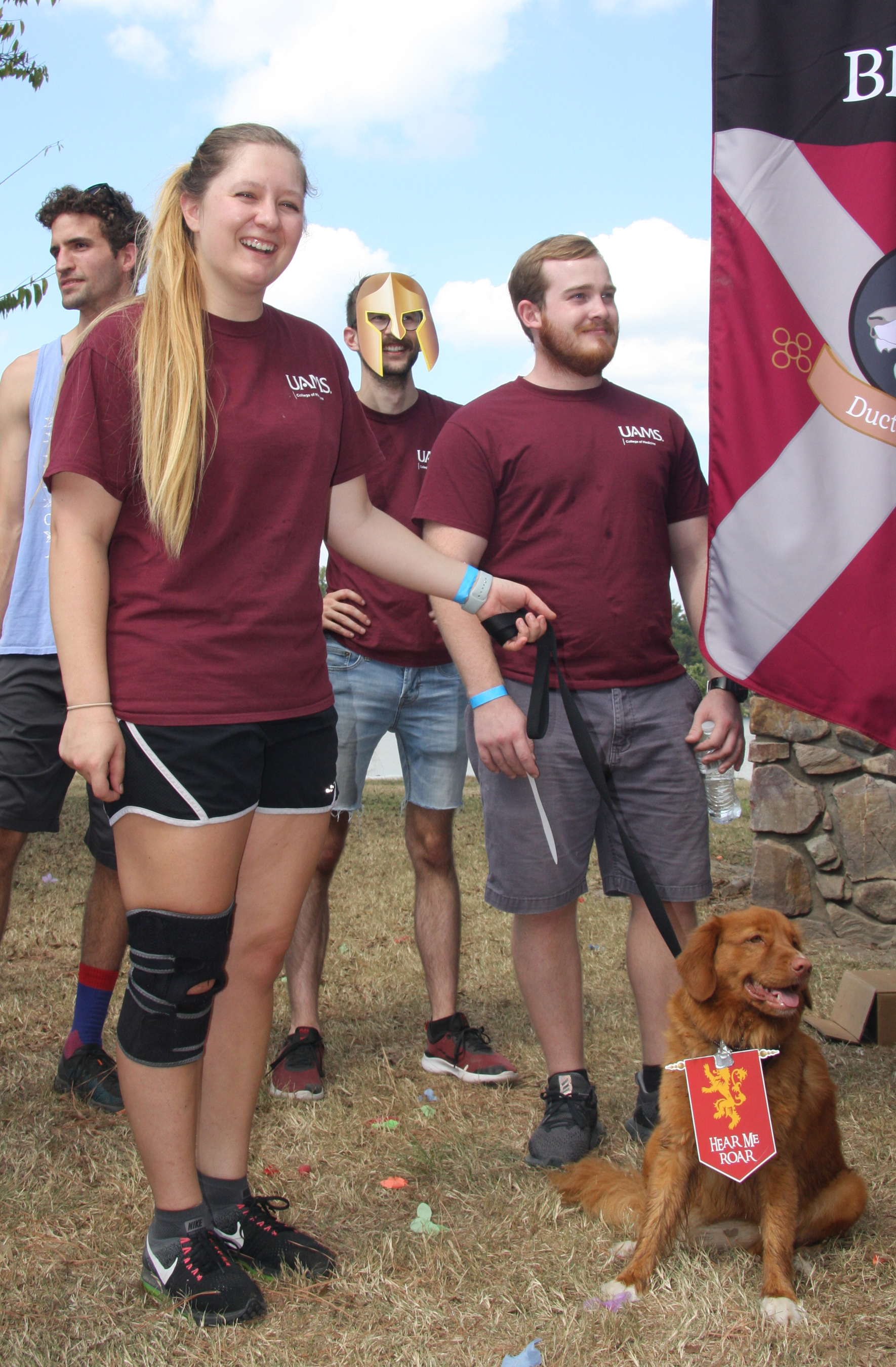
Student with dog, both decorated
Students were encouraged to bring family and pets to get to know each other’s lives outside of the classroom.

“We wanted to have an event that would welcome the freshmen medical students, a gathering that would involve family and friends, dogs, babies and really get everybody involved,” said Sara Tariq, M.D., associate dean for student affairs in the College of Medicine. “We also wanted to harness the spirit of competition from the medical students, something fun that would build a sense of comradery.”

Second-year student Olivia Speed of Ish House and her teammates spent about a week working on their phoenix-themed design. They tied for second place in the spirit competition with Tank House and Beall House.

“It’s been phenomenal,” Speed said. “It’s nice to get out of the library and actually spend a weekend having fun, relaxing and hanging out together in a non-school setting. I’ve gotten to know my advisers and the other students better — you find out pretty quick who’s competitive and who’s into trash talk!”

Students and professors
House Tank prepares for judging by Jeannette M. Shorey II, M.D., and Puru Thapa, M.D., Ph.D., (yellow shirt).

However, it’s not all fun and games. Many house activities focus on academic success and preparation for crucial milestone events such as national exams and the increasingly competitive National Resident Matching Program, which determines where physicians will train after graduation. The advisers and upperclassmen help younger students gear up for these challenges.

“We know that sustained professional and personal relationships between students and faculty and among peers contribute to effective learning,” Tariq said. “This is one reason about 60 medical schools across the country — about 40 percent of U.S. medical schools — have adopted academic houses or similar learning communities.”

Students hula-hooping
Activities included Hula-Hooping, Baggo, volleyball and tug of war.

UAMS’ seven academic houses were named by students in honor of successful UAMS alumni, iconic faculty members, prominent Arkansas physicians and other leaders (all deceased) who made their mark on Arkansas and medicine. For example, Neil Ernest Compton, M.D., graduated from UAMS in 1939, served the U.S. Naval Reserve as a medical officer, and practiced obstetrics and gynecology in northwest Arkansas for decades. Compton was a nationally lauded conservationist and was instrumental in having the Buffalo River of Arkansas designated as the first protected “national river” in the National Park System. Ish House is named for George William Stanley Ish, M.D., a Harvard-trained African American physician who cared for citizens in Little Rock from the 1920s through the 1960s and founded a sanatorium for treating tuberculosis patients.

Filed Under: News

Vigil Honors Groundbreaking Life, Career of Dr. Edith Irby Jones

By Spencer Watson

Dozens of UAMS faculty, staff and students gathered outside the Medical Center on a mercifully cool and clear evening for a vigil by the Edith Irby Jones, M.D., chapter of the Student National Medical Association (SNMA) to honor its namesake, who died July 15.

Dr. Cam Patterson at podium adjacent to poster collage of Dr. Jones
UAMS Chancellor Cam Patterson, M.D., MBA, speaks to the emotional impact of Jones’s loss.

Jones became the first African American to attend an all-white medical school in the South since Reconstruction when she was admitted to UAMS in 1948. She graduated in 1952 and went on to become the first African American resident at Baylor College of Medicine and the first female president of the National Medical Association.

“When I was younger, my grandfather gave me a picture of Edith Irby Jones because he knew I wanted to be a doctor,” said Tia’Asia James, current SNMA president, explaining the personal inspiration she takes from the example Jones set. “Having the opportunity to hold this event meant a lot to us as students, because a few of us are actually recipients of her scholarships, including me.”

“If it were not for her and what she stood for and her drive and accomplishments, many of us might not be here today,” said Maya Merriweather, SNMA vice president. “Tonight, we take a moment to celebrate who she was and what she meant to us as a doctor, mentor, friend and leader.”

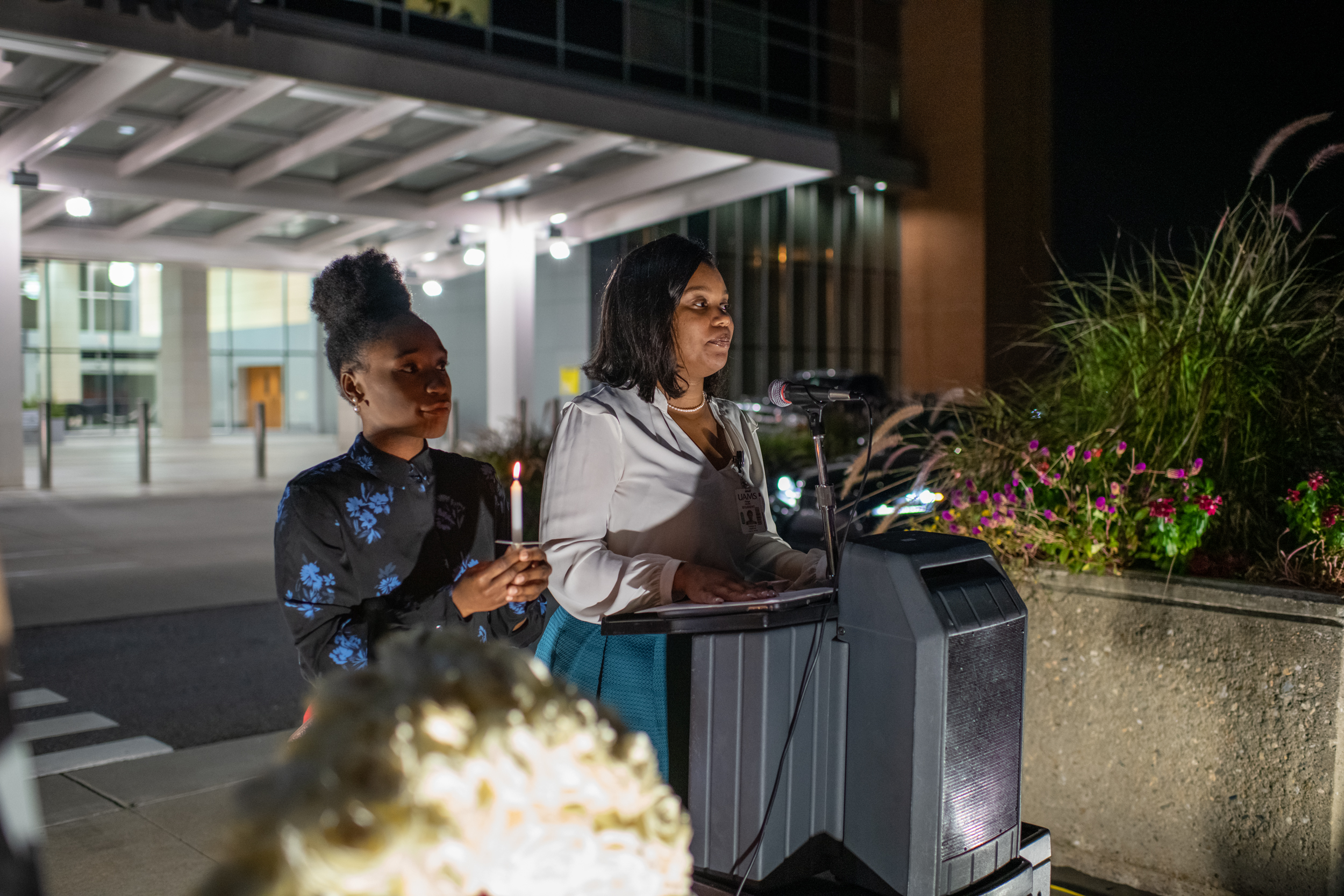
Two medical students at podium
SNMA President Tia’Asia James and member Paige Jones lead attendees in lighting candles and observing a moment of silence.

Following a welcome and invocation at Bruce Fountain, under clear skies that had threatened rain all day long, James read a letter from Jones’ eldest daughter, Myra Jones Romain. It shared her mother’s struggle of losing her own mother and having to take care of a younger brother while still in medical school, beginning her career and finally establishing her practice, as well as becoming an advocate for civil rights.

Following the letter, SNMA member Paige Jones invited all participants to light candles and observe a moment of silence. Afterward, UAMS Chancellor Cam Patterson, M.D., MBA, addressed the gathering, sharing not the details of Jones’s life, but the emotions her death evoked.

“We are lucky to have been on this earth with someone who was so committed to making a difference… and grateful to Edith Irby Jones for being a groundbreaker,” he said. “We’re also sad because she’s departed us here at this moment. And I am sad that she did not accomplish her goal, that we do not have health care equity in the United States, that we are not all treated the same regardless of where we grew up, what day we pray on, what color we are or what language we speak.”

Person signing card
Vigil attendees signed cards to be sent to Jones’s surviving family.

Patterson encouraged determination to carry on with Jones’ “revolution” and hope that by “committing ourselves to continuing to march forward on behalf of what really matters, that we will make her proud.”

Erick Messias, M.D., Ph.D., M.P.H., noted that in her time as a student, Jones was required to dine alone at a segregated table in the cafeteria, where the kitchen staff left her fresh flowers. “Today, the chancellor is bringing a candle to celebrate her life. This is the trajectory of life that Dr. Jones created for us,” he said.

Messias also shared the impact Jones had for the College of Medicine, transforming both its student body and its faculty.

“The door that she opened is the door through which we got incredible students, incredible residents and we have had amazing faculty members in the College of Medicine,” he said. “I am grateful to her as the associate dean of faculty affairs for giving us such an incredible group of African American faculty members who have made us proud and continue to make us proud every day.”

Small group of people lighting candles
UAMS employees light candles in honor of Jones at Bruce Fountain.

In closing, Brian Gittens, Ed.D., M.P.A., vice chancellor for diversity, equity and inclusion, reminded those in attendance that with all the privileges Jones’s life made possible for those who followed her comes the responsibility to provide compassionate care and to support and be kind to others.

“That’s the price of this privilege,” he said. “That’s the price I’m hoping we all are willing to pay.”

Filed Under: News

UAMS-Sponsored Senior Expo Draws Crowds to Learn, Participate

By Ben Boulden

To the sounds of bingo numbers being called out, speakers on a main stage and the general murmur of conversations, several hundred seniors circulated through the Statehouse Convention Center in downtown Little Rock to participate in the Senior Expo.

Sponsored by UAMS and presented by the Arkansas Democrat-Gazette, the event pulled visitors from throughout central Arkansas and beyond.

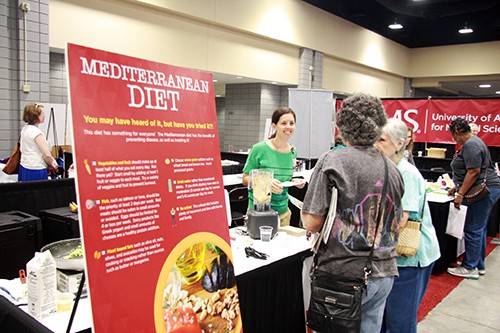
Expo participants visit a booth; poster of Mediterranean Diet
A Nutrition Booth at the Senior Expo provided samples of healthy foods and demonstrations of how to make them.

About 243 seniors received free health screenings for blood glucose, blood pressure and heart rate as well as medication and vaccination education.

The UAMS Donald W. Reynolds Institute on Aging provided geriatricians to give free consultations throughout the day at the “Ask the Doctor” booths. UAMS Harvey & Bernice Jones Eye Institute staff performed 60 vision screenings.

As part of a panel discussion and question-and-answer session, Jeanne Wei, M.D., Ph.D., executive director of the UAMS Donald W. Reynolds Institute on Aging, and Johnathan Goree, M.D., director of Interventional Pain Management Services at UAMS, gave a presentation on “New Treatments for Managing Pain.”

Both Goree and Wei agreed someone experiencing pain, particularly in the joints and limbs, should not stay still for too long.

“I work with a physical therapist who says ‘movement is lubrication for the joints,’” Goree said. “One of the best things you can do to keep out of our offices is to keep moving. Pain makes you want to keep from moving. Pain can cause inactivity and inactivity can cause pain”

Wei provided three tips for treating acute pain:

  • Applying ice to an affected area is the best because it stops nerve traffic and reduces inflammation, making it easier to recover.
  • Taking over-the-counter medications like acetaminophen or ibuprofen for the first 48 hours.
  • Keeping an affected arm, leg or foot above the level of your heart, so fluids can drain and reduce swelling.
Student volunteers with expo participant
Student volunteers from the UAMS College of Pharmacy and other UAMS colleges volunteered at the Senior Expo to provide free health screenings.

“All of us know there is an epidemic of opioids and other medications that don’t really work for ongoing pain,” Wei said. “We don’t want anybody to get hurt by continuing to take those medicines long term. Research has shown that you only need between three days to seven days of a prescription of opioid medication after a surgery or procedure or injury.”

For anyone, but especially for patients older than 60, use of opioids to treat chronic pain can lead to negative side effects like nausea, constipation, respiratory changes, falls, walking difficulty and bladder issues.

Beyond just a few days of opioid use, patients should try to use mindfulness, meditation and even hypnosis to cope with the mental and emotional stress of chronic pain.

Among the UAMS services and medical specialties represented at the Expo with booths were geriatrics, orthopaedics, caregiver training, ARresearch, stroke, vascular, cancer and nutrition services.

Other presentations made by UAMS physicians included: “Retinal Diseases— Seeing into Your Senior Years,” ophthalmologist Ahmed Sallam, M.D.; “Colon Cancer Screening: Why It’s More Important Than Ever,” colorectal surgeon W. Conan Mustain, M.D.; “Protecting Our Hands and Wrists,” orthopaedic surgeon Theresa Wyrick-Glover, M.D.

Filed Under: News

Symposium focuses on Past, Present, Future of Sickle Cell Disease Treatment

By Ben Boulden

One patient with sickle cell disease can experience severe pain and other symptoms while another with the same disease type only has moderate or even mild pain crises, said UAMS’ Issam Makhoul, M.D.

“What makes that disease so severe in one individual over another one?” he asked. “That’s what we need to learn more about. By participating in clinical trials, we will gain more knowledge about that.”

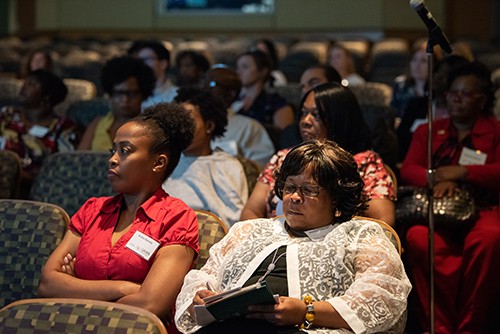
Audience at symposium
Sixty-one people attended the symposium, including adults with sickle cell disease, their families and clinicians.

Adult Sickle Cell Clinical Program and director of the Division of Hematology/Oncology in the UAMS College of Medicine’s Department of Internal Medicine.

He was one of three presenters Sept. 17 at the Sickle Cell Symposium at UAMS. Sixty-one attended the gathering, sponsored by the UAMS Adult Sickle Cell Clinical Program.

Suzanne Saccente, M.D., is a pediatric hematologist and medical director of the Sickle Cell Program and Apheresis Program at Arkansas Children’s Hospital. She discussed the past of sickle cell disease research and treatment; Makhoul, the present; and Shelley Crary, M.D., the future. Crary is a pediatric hematologist at Arkansas Children’s and an associate professor in the UAMS College of Medicine’s Department of Pediatrics. Saccente also is an assistant professor in the same department.

Sickle cell disease is a group of inherited red blood cell disorders. Healthy red blood cells are round and travel through small blood vessels to carry oxygen throughout the body. With sickle cell disease, the red blood cells become hard and sticky, and result in a C-shape or “sickle.” When sickle cells travel to small blood vessels, they get trapped and block blood flow to the area. This results in pain and may lead to other problems such as infection, acute chest syndrome and stroke.

Both Makhoul and Crary discussed the challenges of using gene therapy and its future promise as well as other possible cures like bone marrow transplants.

Makhoul described the two approaches to gene therapy being developed. One uses a modified virus to insert a gene segment into a patient’s cells to correct the genetic disorder that causes sickle cell disease.

“What’s wrong with this scenario? It’s so hard to do,” Makhoul said. “Our body is designed to fight any kind of infection. The cell is going to try to destroy that virus. It also might try to silence that new gene segment because it’s coming from an outside source.”

Suzanne Saccente, M.D., at podium
Suzanne Saccente, M.D., talked at the symposium about the history of sickle cell disease treatment and research.

Another technology makes the same genetic correction to a patient’s cells in the lab so they can be injected into patients to replace the cells that cause sickle cell disease.

The cost per patient is estimated to be $500,000 to $700,000.

Bone marrow transplants are one of the procedures used to restore stem cells and cure sickle cell disease. Recent advances in ‘half-matched’ bone marrow transplantation have allowed for a much broader range of donors.

Transplantation comes with risks of chronic complications and even death, although the risk is less than 10 percent with a matched sibling donor, Crary said.

“But, for some people, it’s worth the risk to cure their child’s sickle cell,” Crary said. “We present it to families and they have to choose what is right for them.”

Apart from treatments and potential cures, the presenters discussed drug therapies like hydroxurea and L-glutamine for treating symptoms and pain crises, as well as pain medications like opioids.

“We shouldn’t just treat pain crises with pain medications,” Makhoul said. “Oxygenation, hydration and transfusion also are important. All those measures can lessen the pain because it’s a symptom of an acute inflammatory process, sometimes infectious and sometimes not. You need to target all those factors. Low-oxygen levels are the trigger.”

Filed Under: News

Recent Faculty Appointments — September 2019

Department of Anesthesiology

Yasser Salem, M.D.

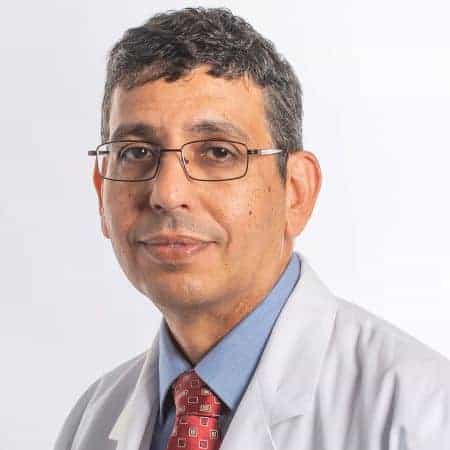
Yasser Salem

Yasser Salem, M.D., has rejoined the Department of Anesthesiology as an Associate Professor. Dr. Salem received his medical degree and completed an anesthesiology residency at Ain Shams University in Cairo, Egypt. He then completed an anesthesiology residency at UAMS before joining the faculty in 2005. Dr. Salem served as Director of Neurosurgical Anesthesiology at UAMS from 2012 to 2015, when he relocated to Wayne State School of Medicine and Harper Hospital/Hutzel Women’s Hospital in Detroit. He was a senior staff anesthesiologist with the Henry Ford Health System at Wayne State from 2017 until his recruitment and return to UAMS.

Department of Family and Preventive Medicine

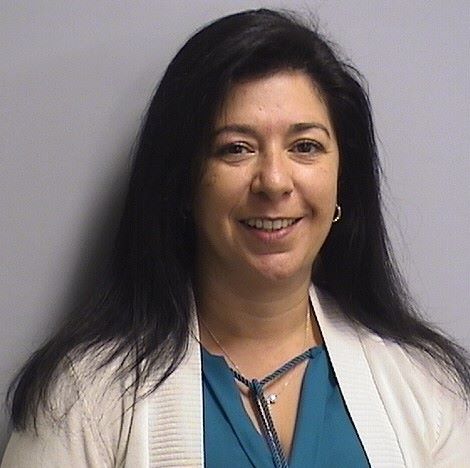
Viviana Suarez, M.D.

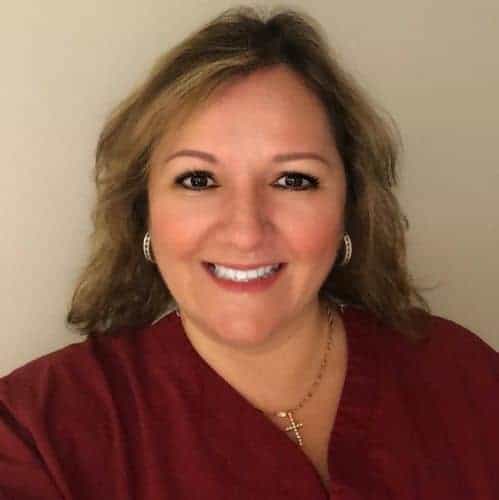
Viviana Suarez

Viviana Suarez, M.D., has joined the Department of Family and Preventive Medicine as an Assistant Professor. Originally from Columbia, she graduated from medical school in 1995 and served as a general practitioner there until relocating to the United States in 1998. Dr. Suarez completed her internship and family medicine residency at the UAMS Regional Center in Pine Bluff in 2006. She has been serving Arkansas patients for 15 years as a clinical family practitioner, hospitalist and emergency medicine physician. She currently practices and teaches in Lake Village, Arkansas.

Department of Internal Medicine

Joseph A. Henske, M.D.

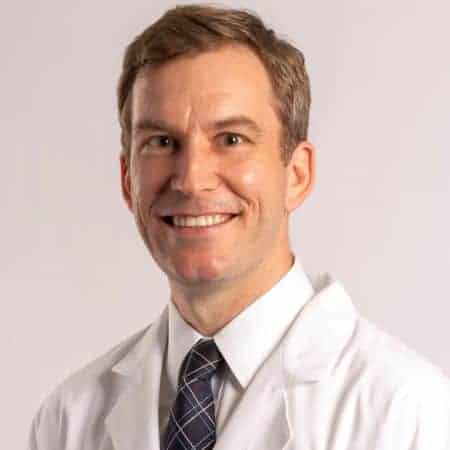
Joseph Henske

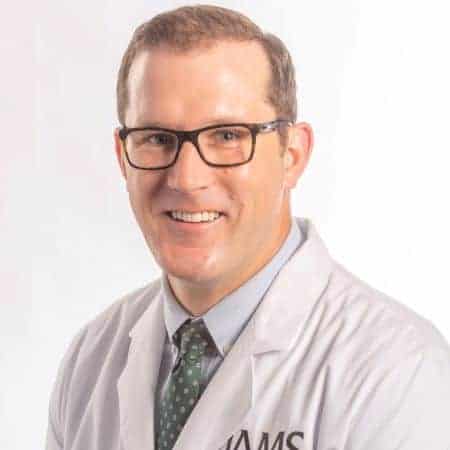
Joseph A. Henske, M.D., has joined the Department of Internal Medicine as an Associate Professor and Director of the Diabetes Program in the Division of Endocrinology and Metabolism. Dr. Henske received his medical degree at the University of Texas Health Science Center at San Antonio in 2004. He completed his internship and internal medicine residency at Northwestern Memorial Hospital in Chicago and continued his training with a fellowship in endocrinology at Vanderbilt University Medical Center in Nashville. After completing his fellowship, Dr. Henske began practicing at DuPage Medical Group in Downers Grove, Illinois, where he was promoted to Chair of the Endocrinology, Diabetes and Metabolism Department in 2012.

Ragesh Thandassery, M.D.

Ragesh Thandassery

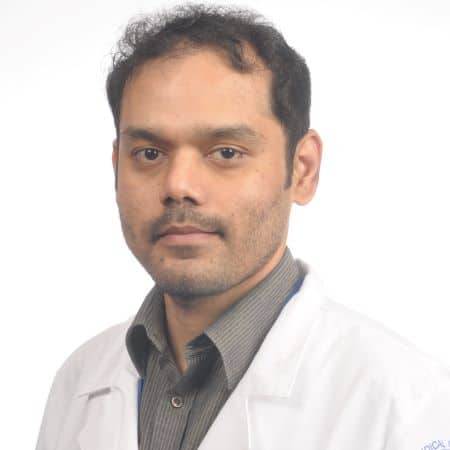
Ragesh Thandassery, M.D., has joined the Department of Internal Medicine as an Assistant Professor and transplant hepatologist in the Division of Gastroenterology and Hepatology. Dr. Thandassery received his medical degree and completed his internship at the Jawaharlal Institute of Postgraduate Medical Education and Research in Pondicherry, India. He completed a residency in internal medicine at the Maulana Azad Medical College in New Delhi, and a fellowship in gastroenterology at the Postgraduate Institute of Medical Education and Research in Chandigarh, India, where he spent an additional year as a senior research associate. Dr. Thandassery continued his training with a liver transplant fellowship at Mount Sinai Hospital in New York. He held a number of academic and clinical positions in India and Qatar from 2012 to 2018, when he began serving as a transplant hepatologist at the John L. McClellan Memorial Veterans Hospital in Little Rock.

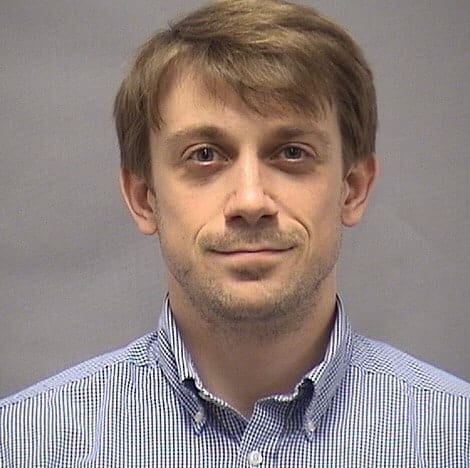
Ian Crane, M.D.

Ian Crane

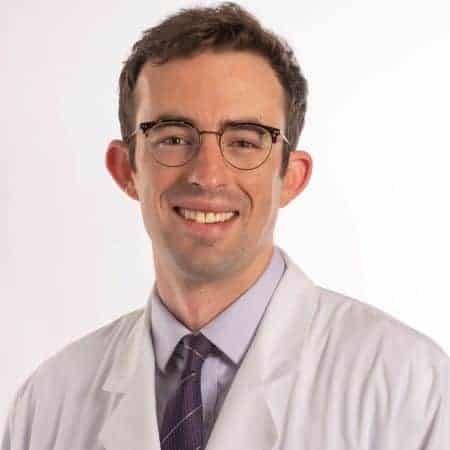
Ian Crane, M.D., has joined the Department of Internal Medicine as an Assistant Professor in the Division of Hospital Medicine. Dr. Crane received his medical degree at the University of Vermont College of Medicine in Burlington. He completed his residency in internal medicine at the University of Virginia Medical Center in Charlottesville.

Franklin John Gray Jr., M.D.

Franklin Gray

Franklin John Gray Jr., M.D., has joined the Department of Internal Medicine as an Assistant Professor in the Division of Hospital Medicine. Dr. Gray received his medical degree from UAMS in 2010. He completed his residency in internal medicine at the UAMS Northeast Regional Campus in Jonesboro. Dr. Gray practiced as a hospitalist at Baxter Regional Medical Center in Mountain Home, Arkansas, until 2016, when he accepted a position at Baptist Health Medical Center in Conway.

Department of Neurology

Bhawna Jha, M.D.

Bhawna Jha

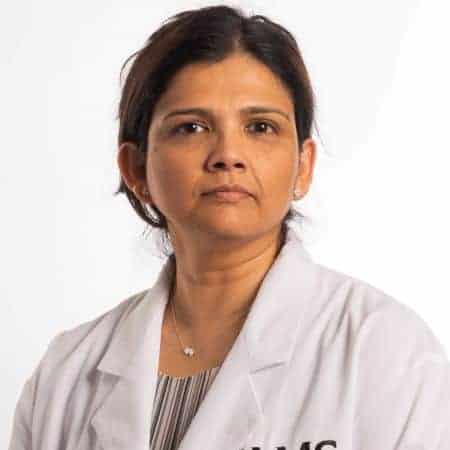
Bhawna Jha, M.D., has joined the Department of Neurology as an Assistant Professor and pain management specialist in the Neurosciences Service Line. Dr. Jha received her medical degree at Pt. JLN Medical College in India and trained in psychiatry at Cambridge University in the U.K., earning MRCpsych board certification. She completed her residency in neurology at Penn State Hershey Medical Center, followed by an interventional pain fellowship in the Department of Anesthesia. She continued to work in pain management as an Assistant Professor at Penn State for about two years before joining private practice.

Dr. Jha is board-certified in neurology and pain medicine by the American Board of Psychiatry and Neurology. She is a member of the American Academy of Neurology, the American Society of Interventional Pain Physicians and the Spine Intervention Society. She serves on the editorial board of Pain Medicine, one of the leading pain medicine journals in the United States. Dr. Jha also participates in the International Fellowship Teaching Program, a nonprofit program for pain fellows in developing countries.

Dr. Jha also brings expertise in utilization management. She worked at AIM (Anthem Subsidiary) as Associate Medical Director prior to joining UAMS. In her current role, she will be involved in utilization management and review, along with population health management, and will actively participate in facilitating value-based care implementation across the health system.

Department of Orthopaedic Surgery

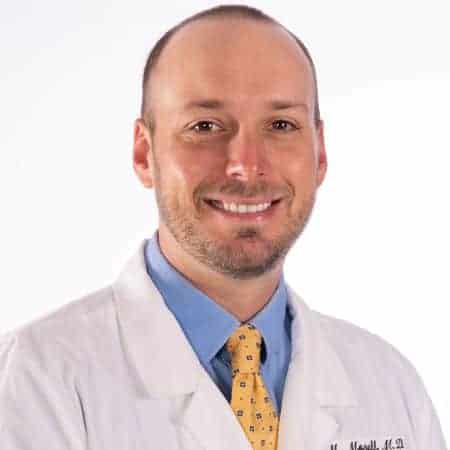
Sean Morell, M.D.

Sean Morell

Sean Morell, M.D., has joined the Department of Orthopaedic Surgery as an Assistant Professor. Dr. Morell received his medical degree from the College of Medicine in 2013 and stayed at UAMS for his residency in orthopaedic surgery. He received a number of honors during his residency training including the Carl L. Nelson, M.D., Leadership Award. He continued his training with an orthopaedic hand surgery fellowship at the University of Colorado-Denver. He will specialize in hand surgery at UAMS Medical Center, Arkansas Children’s Hospital and Baptist Health in Conway.

Department of Pediatrics

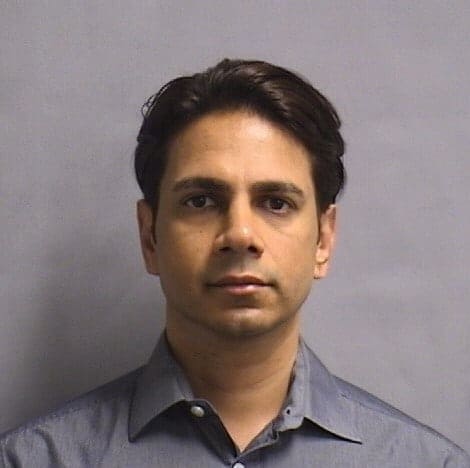
Deepak Choudhary, M.D.

Deepak Choudhary

Deepak Choudhary, M.D., has joined the Department of Pediatrics as an Assistant Professor in the Division of Emergency Medicine. Dr. Choudhary received his medical degree at Manipal University in India. He completed his internship at ESIC Hospital in New Delhi before completing additional specialty training and a clinical fellowship in pediatrics in the United Kingdom, where he earned MRCPCH certification. Dr. Choudhary completed an additional pediatric residency program at New York Methodist Hospital, followed by a pediatric emergency medicine fellowship at Women’s and Children’s Hospital of Buffalo.

Ethan Gillett, M.D.

Ethan Gillett

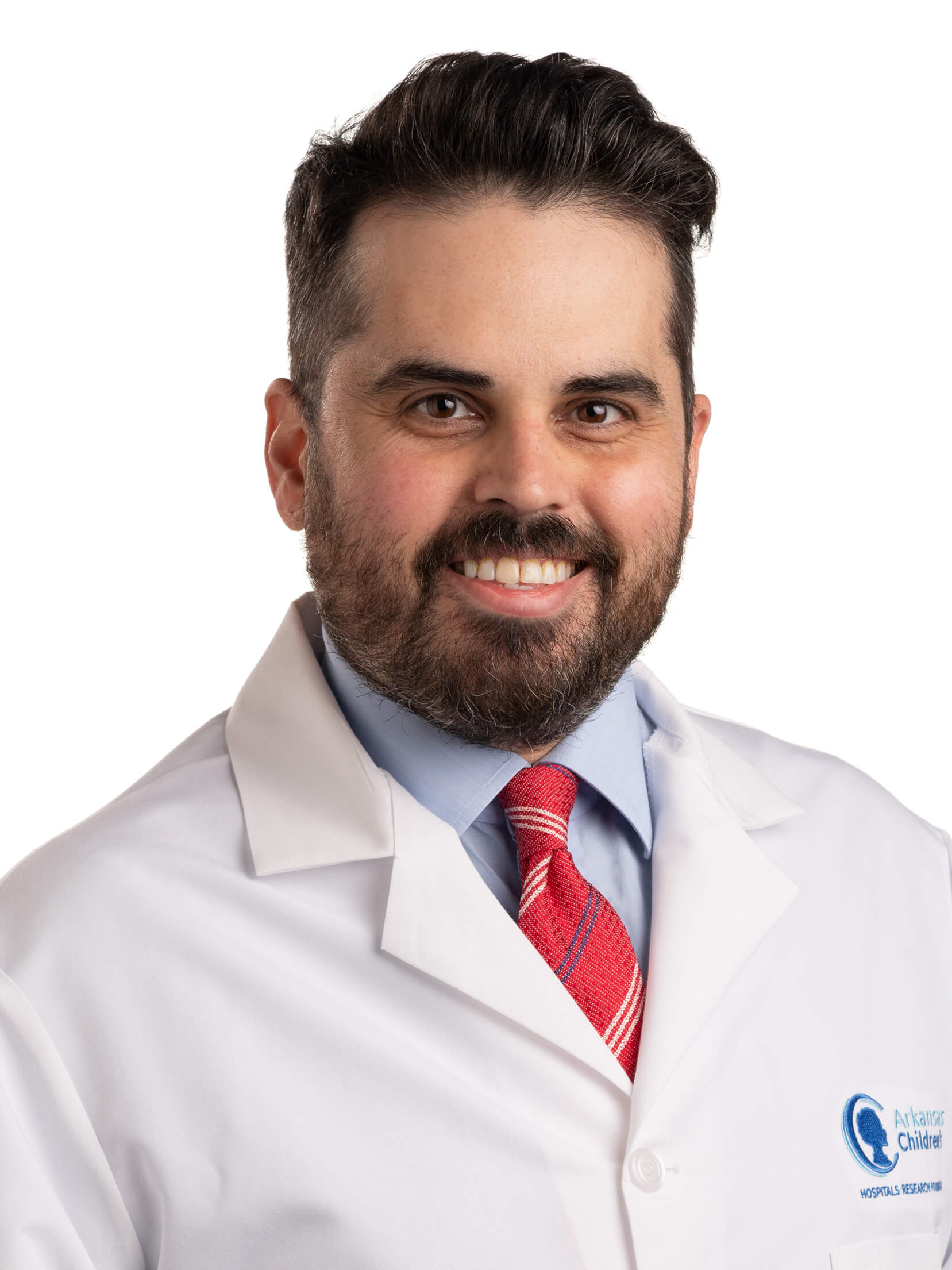
Ethan Gillett, M.D., has joined the Department of Pediatrics as an Assistant Professor in the Division of Emergency Medicine. Dr. Gillett received his medical degree from UAMS, where he also completed his residency in pediatrics. During medical school, Dr. Gillett was awarded two training grants from the National Institutes of Health to study translational training in addiction and systems pharmacology and toxicology.

Farnaz Norozian M.D., M.S.

Farnaz Norozian

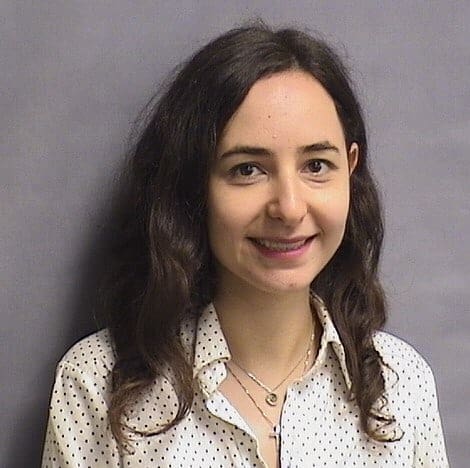
Farnaz Norozian M.D., M.S., has joined the Department of Pediatrics as an Assistant Professor in the Division of Emergency Medicine. Dr. Norozian completed her Master of Science at Virginia Commonwealth University in Richmond before receiving her medical degree from Ross University School of Medicine in Dominica, West Indies. She completed her pediatric residency at the University of Nevada School of Medicine and her fellowship in pediatric emergency medicine with the Women and Children’s Hospital of Buffalo and the John R. Oishei Children’s Hospital at the University of Buffalo.

Samuel Boston, M.D.

Samuel Boston

Samuel Boston, M.D., has joined the Department of Pediatrics as an Assistant Professor in the Division of Gastroenterology. Dr. Boston received his medical degree from the Virginia Commonwealth University School of Medicine. He completed his pediatric residency at the Oklahoma-Tulsa School of Community Medicine and his pediatric gastroenterology fellowship at the University of Oklahoma Health Sciences Center in Oklahoma City. Dr. Boson is a Fellow of the American Academy of Pediatrics.

Megan Butler, M.D.

Megan Butler

Megan Butler, M.D., has joined the Department of Pediatrics as an Associate Professor in the Division of Gastroenterology. Dr. Butler received her medical degree from the University of Mississippi School of Medicine, where she also completed her pediatric residency at the Blair E. Batson Children’s Hospital. She completed her fellowship in pediatric gastroenterology at the University of Miami School of Medicine, Jackson Memorial Hospital. Dr. Butler previously served as an Assistant Professor at Duke University.

Abdul R. Shahein, M.D., M.Sc.

Abdul R. Shahein, M.D., M.Sc., has joined the Department of Pediatrics as an Assistant Professor in the Division of Gastroenterology. He received his medical degree and his Masters of Science from Ain Shams University Medical School in Cairo, Egypt. He completed his initial pediatric residency at the Children’s Hospital of Ain Shams University before completing a medicine clinical fellowship at the Hospital for Sick Children at the University of Toronto and a pediatric internship at Nationwide Children’s Hospital at Ohio State University. Dr. Shahein subsequently trained as a pediatric resident at the K. Hovnanian Children’s Hospital at Rutgers Robert Wood Johnson Medical School and then as a pediatric gastroenterology fellow at John R. Oishei Children’s Hospital at the University of Buffalo.

David Douglass, M.D.

David Douglass

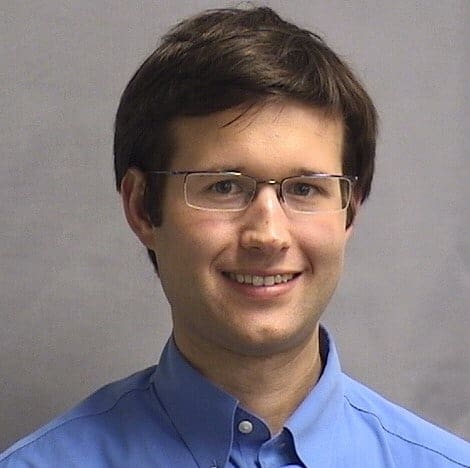
David Douglass, M.D., has joined the Department of Pediatrics as an Assistant Professor in the Division of Hematology and Oncology. Dr. Douglass received his medical degree from Vanderbilt University Medical School, where he also completed his pediatric internship and residency. Dr. Douglass worked in private practice before pursuing a fellowship in pediatric hematology/oncology at UAMS/Arkansas Children’s Hospital.

Julia Killingsworth, M.D.

Julia Killingsworth

Julia Killingsworth, M.D., has joined the Department of Pediatrics as an Assistant Professor in the Division of Hospital Medicine. Dr. Killingsworth received her medical degree from the College of Medicine and stayed at UAMS for her residency in pediatrics, during which she was named an Arkansas Children’s Chairman’s Scholar. While completing her undergraduate degree at the University of Arkansas, she was recognized by President Barack Obama as a Champion for Change for establishing a student-driven campus food pantry at the university.

Megan Baber, D.O.

Megan Baber

Megan Baber, D.O., has joined the Department of Pediatrics as an Assistant Professor in the Division of Neonatology. Dr. Baber received her medical degree from Edward Via College of Osteopathic Medicine at Virginia Tech. She completed her pediatric residency at UAMS/Arkansas Children’s Hospital. Prior to her career in medicine, Dr. Baber studied biochemistry and molecular biology at Harding, where she received an undergraduate research grant from NASA. She worked in a medical clinic and as a teacher before completing a global health internship in Jinja, Uganda.

Paul Manbeck, M.D.

Paul Manbeck

Paul Manbeck, M.D., has joined the Department of Pediatrics as an Assistant Professor in the Division of Neurology. Dr. Manbeck received his medical degree from the University of Kansas School of Medicine. He completed his pediatric residency and fellowship in child neurology at UAMS/Arkansas Children’s Hospital. Dr. Manbeck has started a movement disorders clinic at ACH, the only pediatric clinic of its kind in the state.

Zena Ghazala, M.D.

Zena Ghazala

Zena Ghazala, M.D., has joined the Department of Pediatrics as an Assistant Professor in the Division of Pulmonology. Dr. Ghazala received her medical degree from Weill Cornell Medical College in Doha, Qatar. She completed her pediatric residency at the University of Texas Southwestern Medical Center, where she also completed her fellowship in pediatric pulmonology. Before she started her career in medicine, Dr. Ghazala represented Iraq in international chess tournaments.

Matthew Pertzborn, M.D.

Matthew Pertzborn

Matthew Pertzborn, M.D., has joined the Department of Pediatrics as an Assistant Professor in the Division of Pulmonology. Dr. Pertzborn received his medical degree from the University of Texas Medical Branch. He completed his pediatric residency and fellowship in pediatric pulmonology at the University of Florida-Gainesville. While at the University of Texas, Dr. Pertzborn had the opportunity to study abroad during a four-week pre-clinical preceptorship in cardiology, gastroenterology and neurology in Riobamba, Ecuador.

Department of Physical Medicine and Rehabilitation

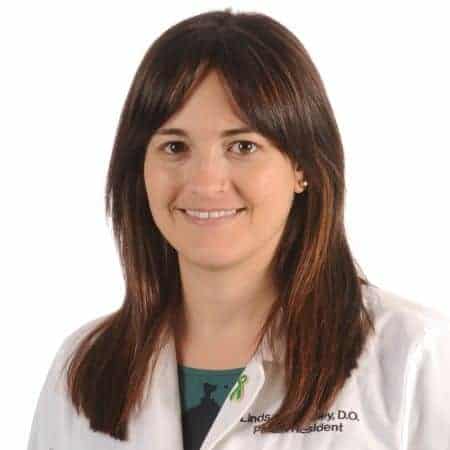
Lindsay Mohney, D.O.

Lindsay Mohney

Lindsay Mohney, D.O., has joined the Department of Physical Medicine and Rehabilitation as an Assistant Professor. Dr. Mohney received her medical degree at the Lake Erie College of Osteopathic Medicine in Bradenton, Florida, in 2014. She completed her residency in physical medicine and rehabilitation at UAMS, serving as Chief Resident in 2016-2017. Dr. Mohney continued her training with a fellowship in traumatic brain injury/polytrauma at South Texas Veterans Health Care System/University of Texas Health Sciences Center at San Antonio. Dr. Mohney will provide inpatient care primarily at the Baptist Health Rehabilitation Institute, with a follow-up clinic in the UAMS Orthopaedic Clinic on Colonel Glenn Road.

Department of Psychiatry

Molly Reeves, M.D.

Molly Reeves

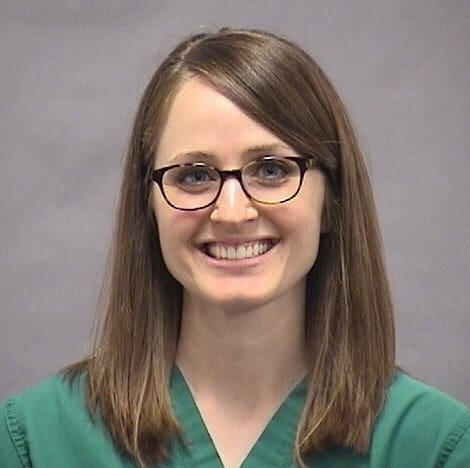
Molly Reeves, M.D., has joined the Department of Psychiatry as an Assistant Professor in the Division of Child and Adolescent Psychiatry. Dr. Reeves received her medical degree from UAMS in 2013. She completed her psychiatry residency at the University of Texas for Health Sciences in San Antonio and continued her training with a fellowship in child and adolescent psychiatry at the University of Alabama at Birmingham. Dr. Reeves will see patients in the UAMS Psychiatric Research Institute’s Child Diagnostic Unit and Child Study Center as well as serve as the consult-liaison psychiatrist for child and adolescent patients at Arkansas Children’s Hospital.

Department of Surgery

Melissa Kost, M.D.

Melissa Kost

Melissa Kost, M.D., has joined the Department of Surgery as an Assistant Professor in the Division of Trauma/Critical Care Surgery. Dr. Kost received her medical degree from the University Of Florida College Of Medicine in Gainesville in 2012. She completed her general surgery internship and residency at the University of Kentucky in Lexington in 2017 and a fellowship in trauma/surgical critical care at the University of Miami/Ryder Trauma Center in Miami in 2019. She is board certified by the American Board of Surgery. Dr. Kost will focus her clinical practice on general surgery and acute care and trauma surgery, as well as surgical critical care. She will also see patients in the Surgery Clinic.

Filed Under: Faculty Updates

Study Co-authored by UAMS Doctor Shows Benefit of Facebook Patient Support Groups in Rare Cancer Research

By Susan Van Dusen

An article co-authored by Jerad Gardner, M.D., at the University of Arkansas for Medical Sciences (UAMS) demonstrates the ability to use international Facebook patient support groups to rapidly reach large numbers of rare cancer survivors.

The study titled “Perspectives of Patients with Dermatofibrosarcoma Protuberans on Diagnostic Delays, Surgical Outcomes, and Nonprotuberance” was published online Aug. 30 in the open-access journal JAMA Network Open.

The study reports international disease-relevant statistics from 214 survivors of dermatofibrosarcoma protuberans (DFSP). Researchers believe this to represent the largest-ever survey of patients with DFSP, a very rare soft tissue sarcoma that occurs in the deep layers of skin. Soft tissue sarcomas are a diverse group of rare cancers arising from connective tissues such as fat, tendon, muscle, blood vessels or nerves.

Gardner, a dermatopathologist and bone/soft tissue sarcoma pathologist, developed the idea for the study in 2014 after connecting with DFSP survivors on a Facebook patient support group. Dermatopathology is a medical subspecialty that focuses on the microscopic diagnosis of skin disease.

“I collaborated with several UAMS colleagues and an international group of DFSP survivors I met on Facebook to develop a formal research study about their experiences with delays in diagnosis, risk of disease recurrence and how their disease presented itself,” said Gardner, who also serves as associate professor of pathology and dermatology in the UAMS College of Medicine.

Marjorie David, M.D., director of the Molecular Diagnostic Laboratory at UT Health San Antonio and former UAMS pathology resident, serves as the article’s lead author and worked closely with Gardner throughout the research process.

“Patients with rare diseases like DFSP can feel neglected by the medical community because the rarity of their tumor makes it difficult to find enough patients to put together a study. By working with previously established social media support groups, we were able to connect with hundreds of survivors and managed to overcome that hurdle,” David said.

According to the National Institutes of Health, DFSP is estimated to occur in somewhere between 1 in 100,000 to 1 in 1 million people per year.

The study includes results of 214 surveys administered to patients and family members, who answered on behalf of patients, from international DFSP Facebook patient support groups and a database provided by the nonprofit organization Sarcoma Foundation of America.

The survey questions, which were developed by a team of medical practitioners and patients with DFSP, were designed to determine risk of disease recurrence and spread, surgical outcomes, sources of delay in diagnosis, symptoms and number of recurrences, scar size, and number of medical professionals seen before a biopsy was performed.

The classic textbook description of DFSP is a large irregular mass protruding out of the skin. However, in this study, 44.8% of cases first appeared as a flat plaque rather than a raised bump or mass. Because of this, the authors propose to re-name the tumor dermatofibrosarcoma, often protuberant.

This rare malignancy is often confused with more common benign skin conditions, resulting in misdiagnosis or delay in diagnosis. A total of 52.3% of respondents believe they were initially misdiagnosed, and 19.6% made five or more visits to a clinician before undergoing a biopsy.

Additional findings are available here.

In addition to Gardner and David, five DFSP survivors served on a Patient Advisory Board, participated in research-related training and are listed as co-authors of the article, including Pip M. Caliskan of the United Kingdom and Gayle Dicker of Chicago.

As founder of the Facebook patient support group titled DFSP-Dermatofibrosarcoma Protuberans, Caliskan welcomed Gardner’s participation with its members and played a key role in development of the research study.

Caliskan’s group was created in 2008 and includes more than 1,800 members worldwide. As a closed group, interested persons must request to join, and information posted on the group’s site is not available to nonmembers.

“Pip changed my life by showing me that when pathologists and other doctors volunteer in rare cancer Facebook patient support groups, it can lead to amazing benefits for everyone. Without her, I never would have thought to do this type of research,” Gardner said.

Dicker said she hopes the study will spread awareness of DFSP and inform doctors about the disease and how it presents itself in different patients.

“DFSP is commonly left untreated for years, resulting in more aggressive surgery and a higher risk of disfigurement. Being part of this research project is important to me because it’s all about raising awareness among health care providers. All lumps and bumps deserve attention,” Dicker said.

This study was supported by a research grant from the Patient-Centered Outcomes Research Institute (PCORI) to Gardner and Pam Williams, Ph.D., formerly of the UAMS College of Nursing.

Williams, Ashley Funderburg of the UAMS Office of Sponsored Programs Administrative Network and Leah Fisher, formerly of the UAMS College of Nursing, worked directly with patient partners designing and implementing the survey. James Selig, Ph.D., associate professor in the UAMS Department of Biostatistics, assisted with data analysis.

Filed Under: News

Michael Birrer, M.D., Ph.D., Named UAMS Winthrop P. Rockefeller Cancer Institute Director

By Susan Van Dusen

Internationally recognized medical oncologist Michael Birrer, M.D., Ph.D., has been named vice chancellor and director of the Winthrop P. Rockefeller Cancer Institute at the University of Arkansas for Medical Sciences (UAMS). Birrer specializes in gynecologic cancers and will join the university by the end of the year.

He formerly served as director of the O’Neal Comprehensive Cancer Center at the University of Alabama at Birmingham. Birrer succeeds Laura Hutchins, M.D., who served as interim director of the UAMS Cancer Institute since June 2018.

“It is an honor to welcome Dr. Birrer as the new director of the UAMS Winthrop P. Rockefeller Cancer Institute. As a highly regarded physician-scientist, Dr. Birrer is uniquely qualified to increase the Cancer Institute’s capacity for innovative research and advanced clinical care in the years ahead,” said UAMS Chancellor Cam Patterson, M.D., MBA.

As director of the UAMS Cancer Institute, Birrer will lead all cancer-related activities for UAMS, whose cancer clinics reported more than 150,000 patient visits during the last fiscal year. There are about 150 UAMS faculty members engaged in cancer-related research and clinical activities.

“I left a professorship at Harvard Medical School in an attempt to help a broader number of patients suffering from cancer. This position at UAMS will allow me to do that for cancer patients throughout Arkansas,” said Birrer, who also will hold the position of Cancer Service Line director.

“Dr. Birrer possesses the strong leadership experience needed to move the Winthrop P. Rockefeller Cancer Institute toward the goal of achieving designation by the National Cancer Institute,” said Christopher Westfall, M.D., executive vice chancellor and dean of the UAMS College of Medicine. “He will no doubt be an outstanding addition to the Cancer Institute and to UAMS as a whole.”

NCI Designation is awarded through a highly competitive assessment process during which cancer centers must demonstrate outstanding depth and breadth of high-quality cancer research. Receiving designation brings substantial benefits, including the ability to access federal research funding and offer clinical trials not available to non-designated centers. It also is expected to result in a $72 million economic impact on Arkansas and create about 1,500 new jobs over five years.

In support of the Cancer Institute’s efforts of achieve NCI Designation, the Arkansas House and Senate unanimously passed in March 2019 Senate Bill 151, which established an account into which funds supporting NCI Designation could be deposited.

Then, with the support of Gov. Asa Hutchinson, an annual amount of at least $10 million was designated for efforts related to the institute’s quest for designation. The funds will be used to recruit top grant-funded scientists to bring their research dollars to UAMS to meet the requirements set by the NCI.

“Given the state support, UAMS and philanthropic support, we estimate a $70 million investment over the next five years in the Cancer Institute, which will strengthen our chance at NCI designation,” said Birrer.

“We look forward to working hand in hand with Dr. Birrer to ensure the Cancer Institute is actively serving the cancer care needs of all Arkansans, while also pursuing dynamic and forward-thinking research,” said Steppe Mette, M.D., interim vice chancellor for clinical programs and chief executive officer of the UAMS Medical Center. Mette served as chair of the director search committee.

“As I step down as Cancer Institute interim director, I am confident Dr. Birrer has the skills and desire to advance our mission and move the institute forward in many vital areas,” Hutchins said.

Birrer completed his medical degree and doctorate of philosophy in 1982 in the Medical Scientist Training Program at the Albert Einstein College of Medicine in New York. Following a medical internship and residency at Massachusetts General Hospital, Birrer entered the Medical Oncology Fellowship program at the National Cancer Institute in Bethesda, Maryland. After his fellowship, Birrer was appointed senior investigator (with tenure) and established the molecular mechanism section in the Division of Cancer Prevention and Control.

In 2008, Birrer was appointed professor of medicine at the Harvard School of Medicine and assumed the position of director for both Gynecologic Medical Oncology at Massachusetts General Hospital and the Gynecologic Oncology Research Program at the Dana Farber/Harvard Cancer Center.

In 2017, he accepted the position of director of the O’Neal Comprehensive Cancer Center at the University of Alabama at Birmingham, where he served as professor of medicine, pathology and OB-GYN.

Recognized nationally and internationally as an expert in gynecologic oncology, Birrer’s primary research interest is in characterizing the genomics of gynecologic cancers to improve the clinical management of these diseases. His clinical interests include ovarian cancer, endometrial cancer and cervical cancer.

Birrer has approximately 400 publications, including peer-reviewed manuscripts, book chapters and review articles. He served as chair and chair emeritus of the Department of Defense Ovarian Cancer Research Program, chair of the Committee for Experimental Medicine of the Gynecologic Oncology Group, chair of the Translational Science Working Group of the Gynecologic Cancer Intergroup, and a member of the Gynecologic Cancer Steering Committee.

Filed Under: News

UAMS Graduate Student Explores Potential of Handheld DNA/RNA Sequencers in Outbreaks

By Amy Widner

Imagine there’s an outbreak of an infectious disease. Could health officials on the ground harness the power of new handheld DNA and RNA sequencers to monitor outbreaks in real-time and quickly contain them?

This question lies at the heart of research published in the journal Infection, Genetics and Evolution by UAMS graduate student Duah Alkam. She and her advisers from the College of Medicine Department of Biomedical Informatics and the Department of Microbiology and Immunology collaborated with the Arkansas Department of Health to look at specimens collected during a 2016 mumps outbreak in Northwest Arkansas.

It took the Human Genome Project 13 years to complete the first sequence of a human genome in 2003. As sequencers became available for purchase, they were large, expensive and slow.

Alkam holding tech in palm of hand
Alkam used the the Oxford Nanopore Technologies MinION to sequence the samples in her study. (Image by Amy Widner)

That has changed. Alkam used a device called the Oxford Nanopore Technologies MinION to sequence each sample in a matter of hours. To offload the data, she simply connected the MinION through a USB port to a laptop.

“You see results on your computer in real time,” Alkam said. “It’s fast, affordable and simple. The idea is that something like this might be useful during an outbreak, especially in a rural setting. If you can quickly identify a strain, you’re that much closer to understanding the origin of the outbreak, which may help contain it and protect the at-risk population.”

The new challenge for scientists is how to interpret the massive amount of data produced by these powerful sequencers. That is where the relatively new field of biomedical informatics comes in.

“Biomedical informatics allows us to look at genomes within a matter of hours and compare them, pinpointing connections and what might be important about these datasets,” Alkam said. “In this way, biomedical informatics is sort of the bridge between raw data and relevant information.”

In this case, Alkam was able to determine the unique characteristics of the specific variation of the mumps virus that was behind the 2016 outbreak. They used a computational technique called immunoinformatics to plot a “family tree” of sorts for the virus.

“We found that it was very similar to a strain that started an outbreak in Massachusetts around the same time in 2016, and it was also related to another strain that spread in Washington state, which may suggest that all three outbreaks originated from the same strain.”

While Alkam’s experiment was not conducted during an active outbreak, she and her advisers believe the results demonstrate great promise for the technique to be applied in the real world. Earlier in 2019, other scientists in the Department of Bioinformatics collaborated with researchers around the world for the first demonstration that the MinION could be used for the rapid genetic sequencing of multiple human viruses.

“The possibility of infectious disease outbreaks in health care settings and communities is something that unites us across the globe. We’re all vulnerable,” said Se-Ran Jun, Ph.D., Alkam’s adviser for the project and an assistant professor in biomedical informatics. “So at UAMS, it’s exciting each time we demonstrate how we can harness the power of new sequencing technology, big data science and analytics, and high performance computing in biomedical informatics to offer solutions.”

The project was funded with a grant to Jun from the UAMS for Translational Research Institute.

Alkam is a student in the UAMS Graduate School’s Graduate Program in Interdisciplinary Biomedical Sciences (GPIBS). Her other advisers are David Ussery, Ph.D., a professor in the Department of Biomedical Informatics; and Mark Smeltzer, Ph.D., a professor in the Department of Microbiology and Immunology.

Filed Under: News

Two UAMS Medical Students Awarded Scholarships for Rural Arkansas Primary Care

By Benjamin Waldrum

Two UAMS medical students have each been awarded a $20,000 Arkansas Blue Cross and Blue Shield Primary Care Scholarship, which encourages aspiring physicians to pursue primary care practices in rural Arkansas.

This year’s recipients are Drake Cullum of Bono, a senior, and Olivia Brasher of North Little Rock, a junior. The scholarship has been presented to UAMS College of Medicine juniors or seniors annually since 2012.

Arkansas Blue Cross, the state’s largest insurer, established the endowed scholarship in 2010 with a $1 million gift to the UAMS Foundation Fund.

The scholarship is part of a broad effort to produce more family medicine, general internal medicine and general pediatrics doctors for Arkansas, especially in rural areas where access to primary care is limited. More than two-thirds of Arkansas’ 75 counties include federally designated Primary Care Health Professional Shortage Areas. Primary care physician shortages are expected to increase substantially as the state’s population continues to age and require more medical care, and as more Arkansans seek primary care services.

The College of Medicine has worked with private partners such as Arkansas Blue Cross to increase scholarships. The high cost of medical school and the burden of educational debt that most medical students face when entering their postgraduate residency training can be a factor in choosing higher-paying specialties instead of primary care and practicing in rural areas. The average medical school debt of recent UAMS graduates who have educational debt is about $195,000.

”Scholarships reduce debt concerns for outstanding students like Drake and Olivia who want to make a difference in rural communities in Arkansas, and allow them to focus on their education and becoming excellent physicians,” said Christopher T. Westfall, M.D., FACS, executive vice chancellor of UAMS and dean of the College of Medicine. “We are very thankful for Arkansas Blue Cross and Blue Shield’s investment in our students and our state.”

”We see the challenges rural Arkansans face with getting needed medical services, and Arkansas Blue Cross is committed to improving access to quality health care throughout our state,” said Curtis Barnett, president and chief executive officer of Arkansas Blue Cross. “This scholarship addresses a small part of that need. We congratulate Drake and Olivia on this year’s award and commend them for their desire to serve rural Arkansans.”

Cullum graduated from Westside High School in Jonesboro and received his undergraduate degree from Arkansas State University in Jonesboro. His family history on both sides dates back several generations in northeast Arkansas. He plans to practice family medicine in one of the counties in either northeast or south Arkansas depending on greatest need.

Since his freshman year, Cullum has been keenly interested in rural primary care, and has consulted with multiple family practice doctors and hospital administrators to better understand recruiting and retention in rural Arkansas as well as the needs of patients there.

“I can’t say I have pinpointed a specific area, but I am willing to go wherever there is a need,” Cullum said. “I love Arkansas, and with my long family ties and wonderful experiences growing up here, I wouldn’t look anywhere else to practice.”

Brasher graduated from North Little Rock High School and received her undergraduate degree from Hendrix College in Conway. Although she has lived in central Arkansas her entire life, she gained experience in family medicine in Helena-West Helena, and is interested in practicing pediatrics in a rural community in Northwest Arkansas.

“In getting to know Helena-West Helena and its people, I witnessed the struggles that community faces, and how much medical care can vary in different areas,” she said. “I learned the tremendous measures that some take to receive proper medical care, and how others that aren’t able to take those measures often suffer for it. After that experience, I became more open to serving in a rural area.”

Brasher’s own experiences as a patient with her family pediatrician inspired her to become a doctor. “I want to create that same familial environment, the one I have yet to find outside of primary care, while providing quality holistic care for my patients,” she said.

Filed Under: News

  • «Previous Page
  • Page 1
  • Interim pages omitted …
  • Page 5
  • Page 6
  • Page 7
  • Page 8
  • Page 9
  • Interim pages omitted …
  • Page 39
  • Next Page»
UAMS College of Medicine LogoUAMS College of MedicineUniversity of Arkansas for Medical Sciences
Mailing Address: 4301 West Markham Street, Little Rock, AR 72205
Phone: (501) 296-1100
  • Facebook
  • X
  • Instagram
  • YouTube
  • LinkedIn
  • Pinterest
  • Disclaimer
  • Terms of Use
  • Privacy Statement
  • Legal Notices

© 2026 University of Arkansas for Medical Sciences