• Skip to primary navigation
  • Skip to main content
  • Skip to primary navigation
  • Skip to main content
Choose which site to search.
University of Arkansas for Medical Sciences Logo University of Arkansas for Medical Sciences
College of Medicine
  • UAMS Health
  • Jobs
  • Giving
  • About Us
    • Fast Facts
    • Leadership
    • Features
    • COMmunication Newsletter
    • Maps and Directions
    • College of Medicine History
    • Professionalism Guidelines
  • Departments
  • Admissions
    • New Admissions Standards 2026
    • Applicant Guide and Timeline
    • One Medical School, Two Campuses
    • Freshman Scholarships
    • AMCAS Choose Your Medical School Tool Dates
    • Core Competencies for Entering Medical Students
    • Three-Year M.D. Program
    • M.D./MPH Program
    • M.D./Ph.D. Program
    • M.D./MBA Program
    • Rural Practice Programs
      • Community Match Rural Physician Recruitment Program
      • Rural Practice Scholarship Program
      • Rural Recruitment and Job Opportunities
    • Postbaccalaureate Pre-Med Program
    • Transfer Students Policy
  • Students
    • Academic Calendar
    • Academic Houses
    • Career Advising
    • Financial Aid and Scholarships
    • Visiting Students
    • Mentor Spotlight Podcast
    • Preparing for Residency
    • Non-Discrimination Statement
    • Outstanding Teacher Nominations
    • Parents Club
    • Student Links
    • Honors in Research
    • UAMS Campus Security
    • Undergraduate Medical Education Competencies
  • Graduate Medical Education
  • Alumni
  • Faculty Affairs
  • Research
  1. University of Arkansas for Medical Sciences
  2. College of Medicine
  3. Author: Chris Lesher
  4. Page 8

Chris Lesher

UAMS Clinical Trial Shows Promise in New Method for Stroke Treatment

By Amy Widner

Professor William C. Culp, M.D., and colleagues at the University of Arkansas for Medical Sciences (UAMS) have published promising results from the first human trial of a new drug to treat strokes.

If the results of this Phase I clinical trial are repeated in the next phases, the UAMS professors could be responsible for developing a completely new method for treating strokes and significantly improving their life-altering consequences.

Their results were published in the Journal of Vascular and Interventional Radiology.

During a stroke, the blood supply to the brain is cut off and its cells begin to die. Clots clogging a blood vessel are a common cause. Current treatments focus on breaking up or removing the clot and restoring blood supply to the brain, but doctors must move quickly to prevent death or major debilitation. That is not always possible, especially in a rural state like Arkansas.

Culp has spent 10 years testing a different method using dodecafluoropentane emulsion (DDFPe). The drug is more efficient at carrying oxygen than a human red blood cell, and it is also smaller, on a nano-size scale. The DDFPe method allows the drug to travel past the clot, taking oxygen along with it to keep the brain alive and functioning during the stroke.

“What this drug gives us is time,” Culp said. “It stops the clock so the patient can get to the right hospital with the right expertise to restore blood flow, and that kind of time is something that more than 90% of stroke patients just don’t get.”

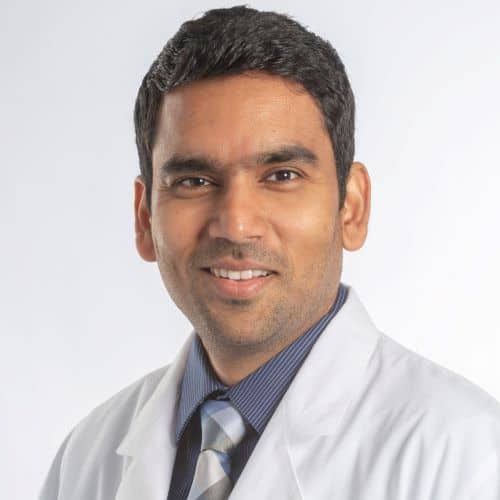
Culp is a professor of radiology, surgery and neurology in the UAMS College of Medicine. His UAMS co-authors are Sanjeeva Onteddu, M.D., (neurology), Aliza Brown, Ph.D., (radiology/neurology), Krishna Nalleballe, M.D., (neurology), Rohan Sharma, M.D., (neurology), Robert Skinner, Ph.D., (neurobiology/developmental sciences), Taylor Witt, M.D., (radiology), Paula Roberson, Ph.D., (biostatistics), and James Marsh, M.D., (internal medicine).

As is typical with Phase I trials, the main objective was to demonstrate the drug’s safety. However, among the 24 stroke patients tested at UAMS, not only did the researchers find that the method was safe, it was also effective. The more of the drug the patients got, the more improvement they showed.

The next step, a Phase II clinical trial, will involve many more patients, likely at different medical centers across the United States. It will confirm the drug’s effectiveness on a larger scale and help identify any possible side effects. Phase III and Phase IV trials would include even more patients.

For many scientists, seeing an area of research reach the clinical trial phase can be a once-in-a-career experience.

“It’s truly exciting,” Culp said. “We have conducted hundreds of experiments at UAMS to prepare for our first clinical trial, and they have shown, in various models, that this method could save about 80% of an area of stroke.”

There are about 800,000 stroke cases in the United States annually. Culp said that of those, 12% of those patients die and 12% suffer a major loss in ability to function and 10-15% are only able to live with constant help. Additionally, other studies have estimated that only about 10 percent of people who have a stroke actually get treatment, so the number of stroke cases could be much larger.

Culp’s research is part of a larger mission at UAMS to improve stroke treatment for Arkansans.

As recently as 2015, Arkansas ranked first in the nation in per capita stroke deaths based on data from the federal Centers for Disease Control and Prevention. In 2019, Arkansas ranked seventh in the nation, and the improvement is attributed in part to the UAMS digital health stroke program, part of the UAMS Institute for Digital Health & Innovation. It provides 54 Arkansas hospitals with round-the-clock access to stroke neurologists who can quickly assess whether a stroke patient can be helped by a clot-busting drug — alteplase — that often restores complete function to the patient.

Another new treatment is mechanical thrombectomy, during which an interventional radiologist threads a device into an artery at the groin and up to the clot, inserts a stent, then removes the clot to restore blood flow. UAMS is the only hospital in Arkansas able to provide this service 24 hours a day.

The ability to offer such services is why UAMS is the only health care provider in the Arkansas certified as a Comprehensive Stroke Center by The Joint Commission. The certification is the most demanding accreditation and is designed to designate hospitals that can treat the most complex stroke cases. It also means certified hospitals can provide endovascular procedures and post-procedural care and has an Emergency Department with a dedicated stroke-focused program.

Culp envisions a future where the DDFPe method could be added to these digital health, clot-busting and mechanical thrombectomy approaches to provide the vital time necessary for more patients to receive treatment.

“Strokes are terrible, life-altering things,” Culp said. “We have improved the outcomes through our digital health programs, but there are still so many people dying, so many people not getting the treatment they need right now. There’s so much more to be done to improve the delivery of care to the people of Arkansas, and to that end, we’re excited by these results and eager to continue the clinical trial process.”
Filed Under: News

UAMS Researcher Receives $2.5 Million Grant for HIV Education

By Amy Widner

Latunja Sockwell, a researcher at the University of Arkansas for Medical Sciences (UAMS), has received a $2.5 million federal grant to expand HIV and hepatitis C prevention education among African American men and women with a history of criminal justice involvement and substance abuse, especially opioid abuse.

The five-year grant comes from the Substance Abuse and Mental Health Services Administration, which is part of the U.S. Department of Health & Human Services.

Sockwell is partnering with Better Community Development Inc., a licensed and nationally accredited faith-based substance abuse treatment center based in Little Rock’s 12th Street neighborhood. Through Project HEAL, she will educate its clients about how HIV and hepatitis C are spread, with the aim of increasing the participants’ use of preventive measures, increasing screening, decreasing stigma and ultimately, reducing rates of infection.

Sockwell is a researcher in the Research and Evaluation Division of the Department of Family & Preventive Medicine, which is part of the UAMS College of Medicine.

“The fastest growing population for rates of new HIV infection are among African Americans, and much of that growth is happening in the South,” Sockwell said.

There are about 5,516 people living with HIV in Arkansas, according to AIDSvu.org, which helps visualize federal data on HIV in the form of maps, charts and graphs. In Arkansas, 77.1% of people living with HIV are male. The number of black males living with HIV in the state is 4.4 times that of white males. The highest concentrations of people living with HIV in Arkansas are in Lee, Pulaski and Crittenden counties.

“We know how to prevent HIV transmission, so I look at those numbers and ask myself, what are we doing to get this information out to people?” Sockwell said. “You can provide screenings, but if you don’t educate people on how to stay safe in the first place, those numbers are going to continue to go up. So yes, we test, and we promote that it’s important to know your status, but we also put the power in people’s hands by giving them the education to protect themselves.”

Project HEAL is an expansion of the AR Passion Project, a similar program in which Sockwell worked with Better Community Development’s female clients.

Although the aim of this grant is to work with African Americans with a history of substance abuse and criminal justice involvement, Sockwell will work with any demographic group that comes through the treatment center during the project. She estimates she will work with over 1,200 people over the project’s five years.

Her HIV services will be just one part of the center’s multifaceted evidence-based treatment, including medication-assisted treatment for drug abuse, recovery support services like substance abuse peer counseling and support groups, housing for homeless and low-income individuals and families, violence prevention, and prevention of incarceration and community re-entry services.

Cindy Crone, M.N.Sc., APRN, with the UAMS Fay W. Boozman College of Public Health, is assisting with Project HEAL.

Filed Under: News

Erika Petersen, M.D., Selected to Lead National Clinical Trial on Painful Diabetic Neuropathy

By Amy Widner

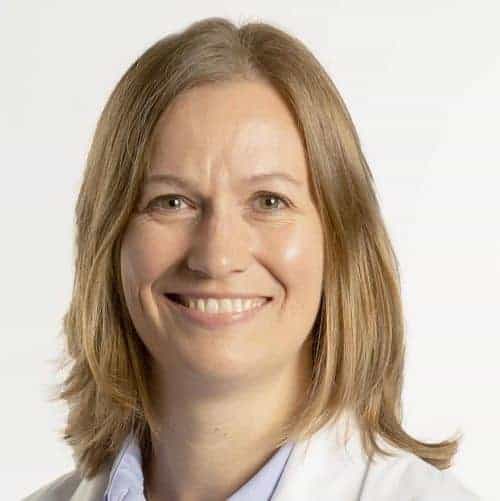
Sept. 4, 2019 | Erika Petersen, M.D., a neurosurgeon and researcher at the University of Arkansas for Medical Sciences (UAMS), has been named the lead investigator for a major national clinical trial exploring a unique treatment for a painful chronic diabetic foot condition.

The trial will test whether high frequency spinal cord stimulation is an effective treatment for painful diabetic neuropathy, a type of nerve damage caused by diabetes that results in severe pain and numbness in the hands and feet. About 4 million diabetic patients have painful diabetic neuropathy in the U.S. Spinal cord stimulation is a technique for treating pain that involves surgically implanting a device epidurally. Thin wires carry electrical current from the device to the spinal cord, providing therapeutic stimulation to the nerves in the area where the pain is felt.

The company sponsoring the trial, Nevro Corp., has been investigating whether the Senza® SCS system could also be effective for treating painful diabetic neuropathy. Nevro is a global medical device company focused on providing innovative products that improve the quality of life of patients suffering from debilitating chronic pain.

Petersen, an associate professor in the Department of Neurosurgery in the UAMS College of Medicine, has led the UAMS portion the research.

“Dr. Petersen’s performance in the study has been exemplary,” said David Caraway, M.D., Ph.D., chief medical officer of Nevro Corp. “Dr. Petersen has demonstrated tremendous leadership of her team through robust study recruitment, careful patient selection, and efficient movement of subjects through the protocol. As the lead principal investigator, Dr. Petersen will be the first author of the primary endpoint analysis report and will represent the investigators at many conference presentations of the study data.”

The company also applauded the contributions of UAMS sub-investigators Heejung Choi, M.D., Chris Paul, M.D., and Johnathan Goree, M.D., of the Department of Anesthesiology; neuropsychological assessments by Jennifer Kleiner, Ph.D., and Jennifer Gess, Ph.D., of the Department of Psychiatry; and research support services provided by the Translational Research Institute.

About a quarter of Americans with diabetes have painful diabetic neuropathy, according to published data. In Arkansas, where an estimated 363,000 people have type 2 diabetes, about 73,000 of those (20%) would be expected to have painful diabetic neuropathy. The number could be higher — a study conducted in five rural Arkansas counties concluded that painful diabetic neuropathy was alarmingly underdiagnosed.

Filed Under: News

AAMC Chooses UAMS’ Jennifer Hunt, M.D., as 2019 Emerging Leader

Jennifer L. Hunt, M.D., chair of the Department of Pathology and Laboratory Services in the College of Medicine at the University of Arkansas for Medical Sciences (UAMS), has been chosen to receive the 2019 Emerging Leader Award from the American Association of Medical Colleges (AAMC) Group on Women in Medicine and Science Division.

The award, only given to one woman each year, will be presented at the organization’s annual meeting Nov. 9 in Phoenix, Arizona. Established in 1995, it recognizes those who have been instrumental in developing women leaders.

“She has made a lasting impression on me and the other women in her program,” said Roberta Gebhard, D.O., president of the American Medical Women’s Association and one of several nominating Hunt. “She is a lifelong physician leader and gifted mentor.”

Hunt has sought out and mentored dozens of female physicians, many of whom now occupy positions of greatly increased responsibility, said UAMS’ Jennifer Laudadio, M.D., vice chair for Clinical Operations in the Pathology Department.

Hunt created an eight-week leadership program for women in medicine designed to increase self-confidence and reduce physician burn out and attended by nearly 100 female physicians.

Earlier this year, Hunt was one of five physicians nationwide chosen for the AAMC’s Council of Deans Fellowship Program for those identified as being qualified to become deans.

Hunt joined UAMS in 2011 and is the Aubrey Hough Endowed Professor of Pathology. She is nationally and internationally recognized for her clinical subspecialty expertise in head and neck, endocrine, and molecular anatomic pathology.

Before arriving at UAMS, Hunt served as an associate professor of pathology at Harvard Medical School and an associate chief of pathology and chief of anatomic and molecular pathology at Massachusetts General Hospital in Boston.

She is a graduate of the Perelman School of Medicine at the University of Pennsylvania in Philadelphia and received a master’s degree in education from the University of Pennsylvania. Hunt completed her residency in anatomic pathology and a fellowship in molecular genetic pathology at the Hospital of the University of Pennsylvania.

Filed Under: News

UAMS Receives $4.6 Million Grant to Address Rural Physician Shortage

By Amy Widner

The University of Arkansas for Medical Sciences (UAMS) has received a $4.6 million grant from the U.S. Department of Health and Human Services to improve access to quality health care in rural Arkansas by expanding efforts to train and retain primary care physicians.

The Arkansas Medical Education Primary Care Partnerships project aims to increase the number of primary care physicians practicing in rural areas and other medically underserved parts of the state. The four-year grant from the Health Resources and Services Administration of the U.S. Department of Health and Human Services funds a multipronged approach to:

  • Strengthen the long-term health careers pipeline by recruiting and retaining more medical students from rural and underserved areas of the state, because such students are the most likely to return to practice in those areas.
  • Create more opportunities for medical students to experience primary care practice in rural and underserved communities across Arkansas through service projects, mentoring, and a new Honors Track in Rural Primary Care, among others.
  • Increase the number of rural clinical rotation sites and preceptors available to teach medical students in federally qualified health centers, critical access hospitals and other rural clinics and settings.
  • Provide training and faculty development opportunities for new clinical faculty and preceptors at these new clinical sites.
  • Strengthen partnerships with the Community Health Centers of Arkansas, Arkansas Rural Health Partnership, and historically black colleges and universities at the University of Arkansas at Pine Bluff and Philander Smith College in Little Rock.

The project is a partnership among the UAMS College of Medicine, UAMS Regional Campuses across the state, and the UAMS Department of Family & Preventive Medicine.

UAMS Executive Vice Chancellor and College of Medicine Dean Christopher T. Westfall, M.D., is the program director, assisted by co-directors Marcia Byers, Ph.D., director of clinical innovation for UAMS Regional Campuses; Daniel Knight, M.D., chair of the Department of Family & Preventive Medicine; and Leslie Stone, M.D., director of Medical Student Education for the Department of Family & Preventive Medicine.

“Retaining physicians to provide primary care in Arkansas has been a long-term mission of the College of Medicine,” Westfall said. “Although we have worked to make Arkansas a national leader in retaining our medical graduates, Arkansas still has one of the worst physician shortages in the nation and we’re among the states projected as most likely to have serious primary care shortages by 2025.”

Over 500,000 Arkansans — over one-sixth of its population — live in an area defined by the federal government as lacking the adequate number of health professionals to serve the population. According to the Arkansas Department of Health, 50 out of 75 counties in the state fully or partially meet that definition.

“Arkansans need a partner in their primary care physician, someone who is easily accessible and can work with them to prevent disease, rather than just react to issues when they become a problem,” Knight said. “Best practices in primary care are now based on this preventive model. However, this ideal is far from reality for most Arkansans, and will remain so as long as we lack enough physicians to truly serve our state.”

UAMS Regional Campuses sites can be found in eight locations across the state, and UAMS programs reach almost every county in the state.

“Our Regional Campuses and programs are perfectly positioned to have a broad impact across all of Arkansas,” Byers said. “This grant will allow us to strengthen our partnerships and enhance rural opportunities to turn today’s bright students into future health care champions for their home communities.”

Filed Under: News

Teresita Bellido, Ph.D., Returning to UAMS as Chair of Physiology and Biophysics in 2020

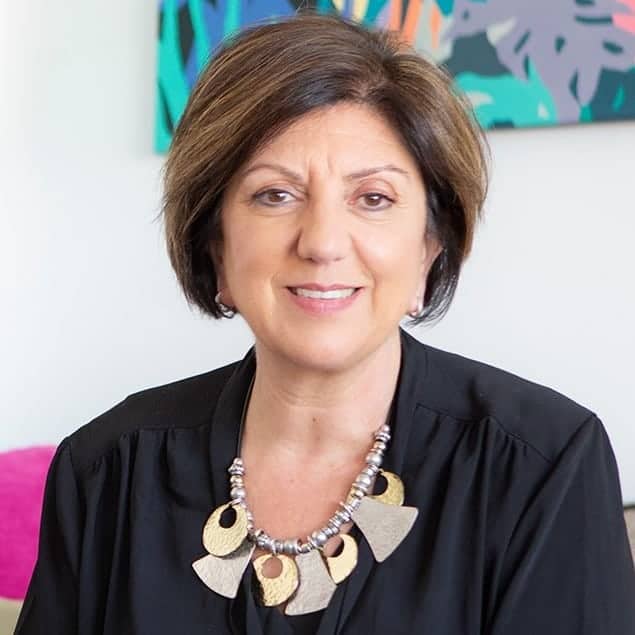
Teresita Bellido, Ph.D., has been named the next professor and chair of the Department of Physiology and Biophysics in the UAMS College of Medicine. She will be at UAMS fulltime by July 1, 2020, succeeding Michael Jennings, Ph.D., who is retiring after 25 years of service in the post.

Teresita Bellido, Ph.D.
Teresita Bellido, Ph.D., will return to UAMS in 2020 as professor and chair of the Department of Physiology and Biophysics.

Bellido is a tenured professor in the Department of Anatomy and Cell Biology at Indiana University (IU) School of Medicine and an adjunct professor in the IU Department of Medicine, Division of Endocrinology. She is also on faculty in the Graduate School of IU and Purdue University.

Bellido was a member of the Division of Endocrinology and Metabolism and researcher in the UAMS and VA Center for Osteoporosis and Metabolic Bone Diseases from 1993 to 2008, when she moved to IU.

“Dr. Bellido is a superb scientist and highly respected, internationally known leader in bone research,” said Christopher T. Westfall, M.D., FACS, executive vice chancellor of UAMS and dean of the College of Medicine. “She will bring great energy and a strong commitment to mentorship and faculty development to her new role at UAMS.”

Bellido holds multiple major grants from the National Institutes of Health (NIH) as well as a Veterans Administration Merit Award. She serves on the Skeletal Biology Development and Disease Study Section for the NIH. Bellido will begin serving as president of the American Society for Bone and Mineral Research (ASBMR) on September 22, becoming the ninth woman among 40 presidents in the society’s history and the first female president originally from Latin America.

Her lab at IU focuses on the mechanisms of signal transduction in bone cells with a particular emphasis on osteocyte biology in health and disease, bone cell apoptosis and mechanisms of action of bone active hormones. She will begin the transfer of her lab to UAMS after the first of the year.

Bellido received her doctorate in biochemistry in 1988 and completed an initial postdoctoral fellowship in 1990 at the Universidad Nacional del Sur in Argentina. For the next three years she trained with Stavros Manolagas, M.D., Ph.D., while he was on faculty in the Endocrinology and Metabolism Section at the Roudebush Veterans Administration Medical Center at Indiana University. In 1993 Manolagas recruited Bellido to UAMS, where he continues to serve as director of the Division of Endocrinology and Metabolism and director of the UAMS/VA Center for Osteoporosis and Bone Diseases.

While previously at UAMS Bellido was active in the Faculty Development Caucus, serving on the Women in Basic Sciences Subcommittee, which she co-chaired in 2000-2001, and in the mentoring program for postdoctoral fellows and junior faculty. She was also a member of the Grant Process Committee (1999-2000) and the Research Council (2006-2007).

Bellido continued her focus on mentoring at IU, where she received the Women Faculty Leadership Award and the Outstanding Postdoc Mentor Award in 2015. The ASBMR honored her in 2015 with the Paula Stern Achievement Award, which recognizes a woman in the bone research field who has made significant scientific achievements and who has promoted the professional development and career advancement of women. In 2018, the ASBMR presented Bellido the Gideon A. Rodan Excellence in Mentorship Award in recognition of outstanding support provided by a senior scientist who has helped promote the independent careers of young investigators in bone and mineral metabolism.

Filed Under: News

UAMS College of Medicine Graduate Medical Education Leaders Take on New Roles

UAMS College of Medicine Graduate Medical Education (GME) leaders Jim Clardy, M.D., and Molly Gathright, M.D., have accepted new leadership roles as UAMS implements strategies to support the pipeline of educating and training physicians for Arkansas.

Jim Clardy, M.D.
Jim Clardy, M.D., has been appointed director of the new UAMS Center for Graduate Medical Education.

Clardy, who had served as associate dean for GME in the college since 2004, was named director of the newly established UAMS Center for Graduate Medical Education in the Office of the UAMS Provost.

Gathright, who had served as assistant dean for GME since 2016, was appointed associate dean for GME in the College of Medicine. She also assumed Clardy’s former role as the Designated Institutional Official (DIO) for the college, overseeing its residency and fellowship programs and ensuring compliance with the Accreditation Council for Graduate Medical Education (ACGME).

Stephanie Gardner, Pharm.D., Ed.D., UAMS senior vice chancellor for academic affairs, provost and chief strategy officer, and Christopher T. Westfall, M.D., FACS, executive vice chancellor of UAMS and dean of the college of medicine, announced the appointments in an Aug. 19 message to faculty.

Molly Gathright, M.D.
Molly Gathright, M.D., has been appointed associate dean for graduate medical education in the College of Medicine.

As UAMS’ representative and thought-leader on GME in Arkansas, Clardy will work to galvanize statewide actions to increase physician residency slots and ensure and improve the quality of new and existing training programs throughout the state. Residency training is required for licensure, and residents are statistically more likely to go on to practice in communities near where they completed training.

“As Arkansas’ only health sciences university, we must ensure that our medical school graduates have the opportunity to pursue their GME in Arkansas and, likewise, that GME programs in our state are of the highest quality,” Westfall said. “It is imperative to support the pipeline of educating and training physicians for our state and to address current and future physician shortages.”

A key objective of “Vision 2029,” the 10-year institutional strategic plan adopted by UAMS in July, is to substantially increase residency positions in Arkansas, with at least 50% of the new positions in primary care. UAMS and the College of Medicine are working with numerous health systems and hospitals, communities and leaders to develop new residency programs.

“Dr. Clardy’s extensive experience and leadership in GME is a remarkable asset for our state as we develop and implement strategies to accomplish these goals,” Gardner said.

Clardy, a professor of psychiatry, has been active in residency education since joining the faculty in 1993. He directed the Psychiatry Residency Program prior to becoming associate dean in 2004. His national roles have included membership on the steering committee for the Association of American Medical Colleges (AAMC) Group on Resident Affairs and the ACGME Institutional Review Committee.

Gathright, an associate professor of psychiatry, has been active in residency education since joining the faculty in 2008. She served as program director for the Child and Adolescent Psychiatry Residency before becoming assistant dean in 2016. Other leadership roles have included directing the Transitional Year Residency and the Faculty Wellness Program.

“Dr. Gathright is an exceptional, award-winning educator and leader,” Westfall said. “She has been instrumental in many initiatives to enhance our residency programs and help our medical students and graduates as they prepare for the next stage of their journey toward becoming well-trained, outstanding physicians.”

Filed Under: News

Recent Faculty Appointments — August 2019

Department of Anesthesiology

Sarah Margaret “Maggie” Coffield, D.O.

Sarah Margaret “Maggie” Coffield, D.O., has joined the Department of Anesthesiology as an Assistant Professor in the Division of Pediatric Anesthesia. Dr. Coffield received her medical degree from the West Virginia School of Osteopathic Medicine. She interned at UAMS in 2014-2015 and completed her anesthesiology residency at UAMS in 2015-2018. Dr. Coffield most recently completed a pediatric anesthesiology fellowship at Lurie Children’s Hospital of Chicago. She has received academic scholarships and served as the Residency Improvement Committee Representative for the Anesthesiology Residency Program Class of 2014-2018.


Matthew Williams, M.D.

Matthew Williams, M.D., has joined the Department of Anesthesiology as an Instructor and Fellow in Obstetric Anesthesiology. Dr. Williams received his medical degree from the College of Medicine in 2015 and completed his residency in anesthesiology at UAMS in June 2019.

Department of Internal Medicine

Angel López-Candales, M.D.

Angel López-Candales, M.D., has joined the Department of Internal Medicine as a Professor and non-invasive cardiologist in the Division of Cardiology. Dr. López-Candales received his medical degree from the University of Puerto Rico School of Medicine, Rio Piedras Campus, in 1986. He completed his internship and internal medicine residency at the Veterans Administration Hospital in San Juan, Puerto Rico. He continued his training with research and clinical fellowships in cardiology at Jewish Hospital of St. Louis and Washington University School of Medicine, where he went on to serve as an Instructor and then Assistant Professor.

Dr. López-Candales was recruited to the State University of New York at Buffalo in 1996. He directed the Coronary Care Unit at Buffalo General Hospital from 1996 to 2001 and directed the Outpatient Inotrope Infusion Unit from 1997 to 2001. Dr. López-Candales held numerous cardiology leadership positions while on the faculty at the University of Pittsburgh in 2001-2011 and the University of Cincinnati in 2011-2014. He was recruited to the University of Puerto Rico School of Medicine, San Juan, in 2014, and served in multiple leadership positions, including Chief of the Cardiovascular Medicine Division, Program Director of the Cardiology Training Program, Internal Medicine Residency Research Faculty Coordinator and Vice Chair of Research, prior to his recruitment to UAMS.

Subodh Devabhaktuni, M.D.

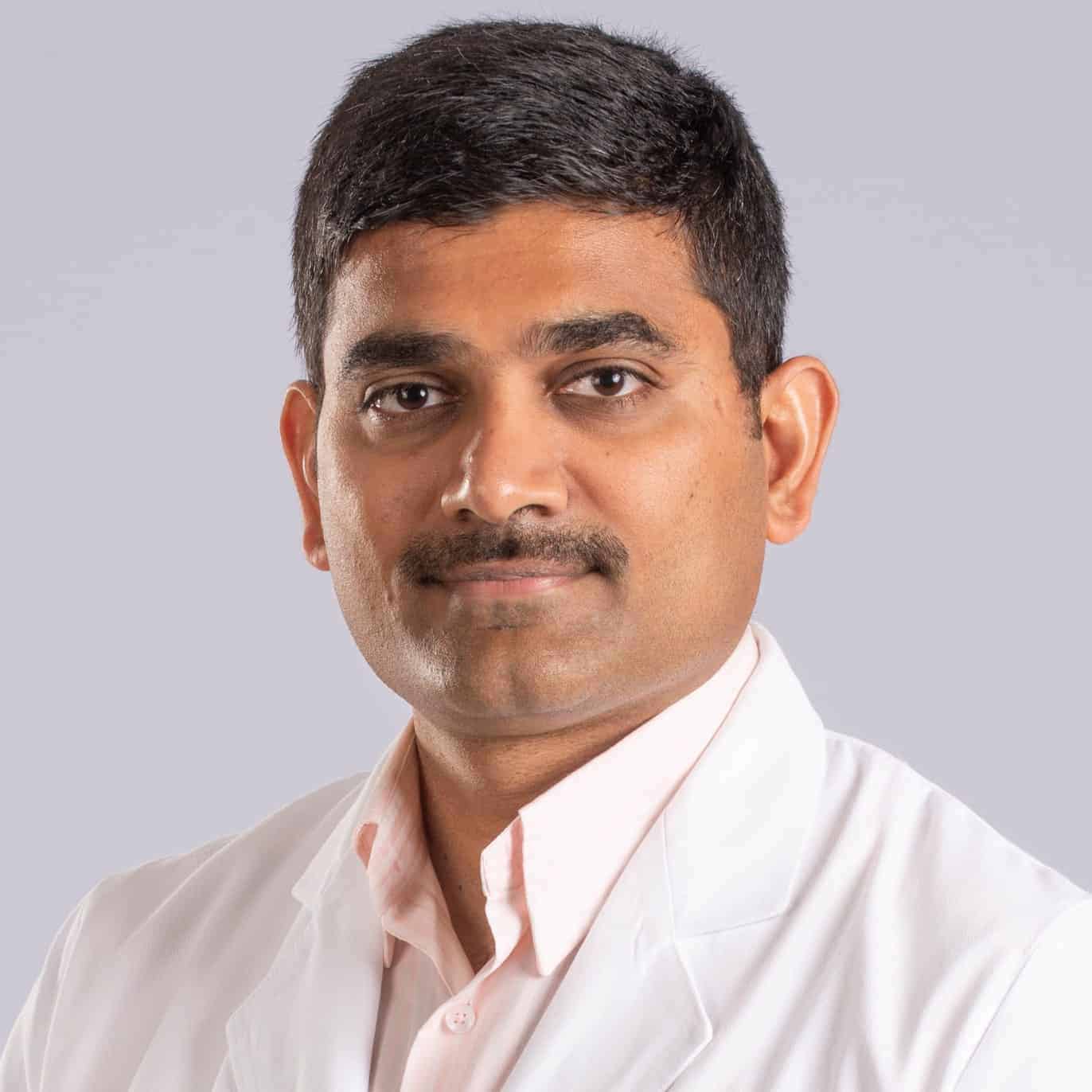
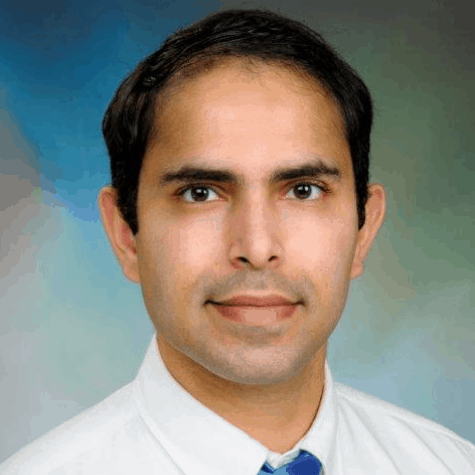
Subodh Devabhaktuni, M.D., has joined the Department of Internal Medicine as an Assistant Professor and electrophysiologist in the Division of Cardiology. Dr. Devabhaktuni received his medical degree from the Guntur Medical College in Andhra Pradesh, India. He completed his residency in internal medicine and fellowship in cardiology at the University of Nevada School of Medicine in Las Vegas, where he also served as Chief Resident and then as Chief Fellow for Cardiology. Dr. Devabhaktuni continued his training at the Indiana University School of Medicine, where he completed a fellowship in clinical cardiac electrophysiology and then served as Chief Cardiac Electrophysiology Fellow.

Ram Thotakura, M.D.

Ram Thotakura, M.D., has joined the Department of Internal Medicine as an Assistant Professor in the Hospital Medicine Division. Dr. Thotakura received his medical degree at the Siddhartha Medical College of Vijayawada, India. He completed his residency in internal medicine at the State University of New York in Buffalo. He served as Medical Co-Director of the Buffalo General Medical Center Hospitalist Group before coming to Little Rock to practice as a direct care hospitalist with the Central Arkansas Veterans Healthcare System. He completed a nephrology fellowship this year and will spend part of his clinical time on the Nephrology Service.

Hazel Kathryn Liverett, M.D.

Hazel Kathryn Liverett, M.D., has joined the Department of Internal Medicine as an Assistant Professor in the Division of Infectious Disease. Dr. Liverett received her medical degree from the College of Medicine in 2005 and stayed at UAMS for her residency in internal medicine/pediatrics. She completed a fellowship in adult and pediatric infectious diseases at UAMS, Arkansas Children’s Hospital and the John L. McClellan Memorial Veterans Hospital in 2013. Dr. Liverett practiced as an infectious disease specialist at National Park Medical Center in Hot Springs, Arkansas, prior to her recruitment to UAMS.

Jose Caceres, M.D.

Jose Caceres, M.D., has joined the Department of Internal Medicine as an Assistant Professor and interventional pulmonologist in the Division of Pulmonary and Critical Care. Dr. Caceres received his medical degree from the Universidad Nacional Pedro Henriquez Urena in the Dominican Republic. He completed his residency in internal medicine at the Jacobi Medical Center, Albert Einstein College of Medicine in the Bronx, New York. He continued his training with a pulmonary and critical care medicine fellowship at Rutgers, the State University of New Jersey. He came to UAMS in 2018 for his fellowship in interventional pulmonology.

Department of Neurobiology and Developmental Sciences

Edgar Meyer, Ph.D.

Edgar Meyer, Ph.D., has joined the Department of Neurobiology and Developmental Sciences as an Assistant Professor. Dr. Meyer received bachelor’s degrees in classical studies and biology at Millsaps College in Jackson, Mississippi, and a master’s degree in teaching at Delta State University in Cleveland, Mississippi. He received his doctorate in clinical anatomy at the University of Mississippi Medical Center (UMMC) in Jackson in 2019. While in graduate school Dr. Meyer assisted in teaching several medical student and graduate school courses. For his dissertation research, he developed stereoscopic and non-stereoscopic models of the middle and inner ear to assess the effectiveness of either visualization format in improving short- and long-term retention of knowledge for first-year medical students. UMMC highlighted Dr. Meyer in an online feature for his leadership roles, service, and passion for anatomy and teaching.

Department of Obstetrics and Gynecology

Kathryn C. Stambough, M.D.

Kathryn C. Stambough, M.D., has joined the Department of Obstetrics and Gynecology as an Assistant Professor in the Division of Pediatric and Adolescent Gynecology. A native of Little Rock, Dr. Stambough received her medical degree from Washington University in St. Louis in 2011 and continued there for her residency in OB/GYN, serving as Chief Administrative Resident in 2014-2015. She continued her training with a fellowship in pediatric and adolescent gynecology at Texas Children’s Hospital/Baylor College of Medicine in Houston. Dr. Stambough is a Fellow of both the American College of Obstetrics and Gynecology and the North American Society of Pediatric and Adolescent Gynecology.

Department of Otolaryngology-Head and Neck Surgery

David Walker, M.D.

David Walker, M.D., has joined the Department of Otolaryngology-Head and Neck Surgery as an Assistant Professor. An Otologist/neurotologist, Dr. Walker specializes in disorders of the middle and inner ear and treating hearing loss, including cochlear implantation. He received his medical degree from Rush University in Chicago and completed his residency in otolaryngology-head and neck surgery at the University of Chicago. He continued his training with a fellowship in otology, neurotology and skull base surgery at the Michigan Ear Institute in Farmington Hills, Michigan.

Department of Pathology

Tina Ipe, M.D., M.P.H.

Tina Ipe, M.D., M.P.H., has joined the Department of Pathology as an Associate Professor and Medical Director for the UAMS Blood Bank and Transfusion Division. Dr. Ipe received her medical degree from the University of Virginia and completed her residency in clinical pathology and fellowship in transfusion medicine at the Hospital of the University of Pennsylvania. Prior to joining UAMS, Dr. Ipe served as Medical Director of Donor Services and Associate Medical Director of Transfusion Medicine and Blood Banking at Houston Methodist Hospital in Texas.

Luis F. Carrillo, M.D.

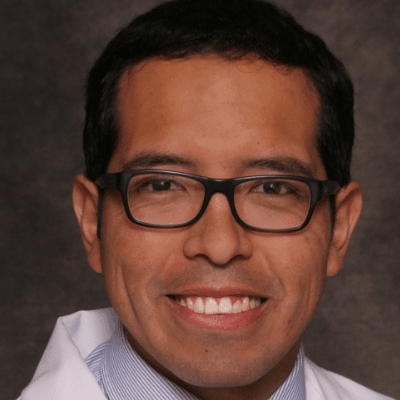
Luis F. Carrillo, M.D., has joined the Department of Pathology as an Assistant Professor in the Division of Hematopathology. Dr. Carrillo received his medical degree from the Universidad Catolica de Santa Maria in Arequipa, Peru. He completed his residency in anatomic and clinical pathology and fellowship in hematopathology at the Medical College of Wisconsin and Affiliated Hospitals in Milwaukee.

Department of Pharmacology and Toxicology

Yuet-Kin “Ricky” Leung, Ph.D.

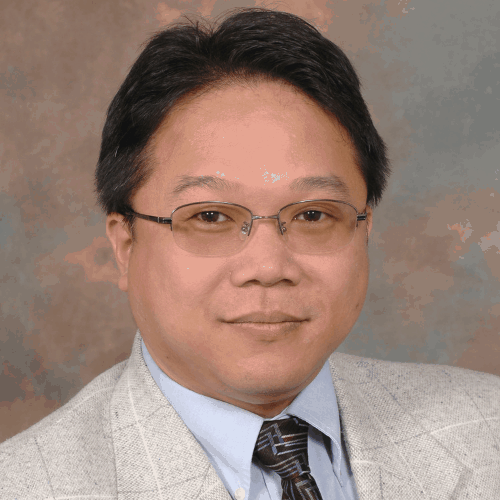
Yuet-Kin “Ricky” Leung, Ph.D., has joined the Department of Pharmacology and Toxicology as an Associate Professor. Dr. Leung received his doctorate in biochemistry from The Chinese University of Hong Kong in 2001 and completed his postdoctoral fellowship at University of Massachusetts Medical School, where his research focused on the contribution of estrogen receptor beta to prostate cancer.

Dr. Leung began his faculty career as an Assistant Professor in the Division of Environmental Genetics and Molecular Toxicology, Department of Environmental Health, at the University of Cincinnati College of Medicine in 2005, rising to the rank of tenure-track Associate Professor. He directed the National Institute of Environmental Health Sciences-funded Integrative Technologies Support Core of the Center for Environmental Genetics at University of Cincinnati. Dr. Leung is an established investigator in the field of hormone regulation of cancer and is an expert on the developmental origin of cancer risk and the impact of environmental estrogens/endocrine disruption on epigenetics reprogramming. He is a full member of the American Association for Cancer Research and is Co-investigator on two National Institute of Environmental Health Sciences-funded projects.

Department of Radiation Oncology

Faraz Kalantari, Ph.D.

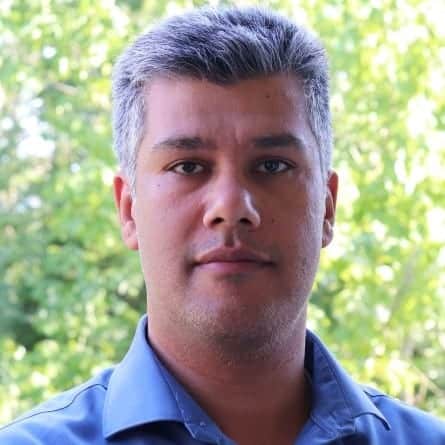
Faraz Kalantari, Ph.D., has joined the Department of Radiation Oncology as an Assistant Professor. Dr. Kalantari received a bachelor’s degree in atomic and molecular physics at Kharazmi University in Iran in 2004 and a master’s degree in medical physics in 2007 at Tarbiat Modares University in Tehran, where he later earned his doctorate in medical physics in 2012. He worked for three years as a medical physicist and instructor in the Department of Nuclear Medicine at Tehran University of Medical Sciences. Dr. Kalantari moved to the United States in 2012 to join the University of Houston, Biomedical Engineering Department, as a postdoctoral researcher. He continued his training with a second postdoctoral fellowship in 2014 at UT Southwestern, in the Medical Physics Section of the Radiation Oncology Department. He completed a residency in medical physics at UT Southwestern in June 2019. Dr. Kalantari’s research interests include 3D and 4D medical image reconstruction and image guided radiation therapy (IGRT). He is passionate about educational outreach as well as providing high-quality care for cancer patients.

Gary Lewis, M.D.

Gary Lewis, M.D., has joined the Department of Radiation Oncology as an Assistant Professor. Dr. Lewis completed his undergraduate training in biomedical engineering at the University of Pennsylvania. He received his medical degree from Drexel University College of Medicine in Philadelphia. Dr. Lewis completed residency training in radiation oncology at the University of Texas Medical Branch in Galveston, with rotations at MD Anderson Cancer Center and Houston Methodist Hospital. Dr. Lewis will focus on clinical research and clinical trial development in addition to clinical care.

Department of Surgery

Katy A. Marino, M.D.

Katy A. Marino, M.D., has joined the Department of Surgery as an Assistant Professor in the Division of Thoracic Surgery. Dr. Marino received her medical degree from Louisiana State University Health Sciences Center, Shreveport in 2012. She completed her general surgery internship and residency at the University of Tennessee Health Science Center in Memphis and a fellowship in cardiothoracic surgery at the University of Louisville in Kentucky. Dr. Marino will see patients in the Surgical Oncology Clinic at the UAMS Winthrop P. Rockefeller Cancer Institute. Her clinical practice focuses on minimally invasive surgery of both benign and malignant diseases of the lungs, esophagus, mediastinum and chest wall.

Filed Under: Faculty Updates

Neurosurgeon Erika Petersen, M.D., Awarded for Work to Improve Pain Treatment

By Amy Widner

Erika Petersen, M.D., a neurosurgeon at UAMS, has received the inaugural Clinical Excellence Award from the American Society of Pain and Neuroscience for her work to advance the treatment of pain.

She was recognized at the society’s annual meeting July 26-28 in Miami. The award recognizes clinicians for exceptional achievements in clinical practice, research and advocacy.

The society formed in 2018 to promote research, innovation and collaboration in the field of pain treatment and management. Its membership includes neurosurgeons, anesthesiologists, neuroscientists, researchers, physical medicine and rehabilitation specialists and others.

“Pain — particularly chronic back pain — is one of the largest sources of disability,” Petersen said. “Behind those numbers are doctor visits, missed work and lost productivity, but also suffering, not just for the patient, but also for those around them. If we can enable people to better manage their pain, we hopefully can improve their quality of life, their ability to function, and ultimately, their ability to be positive contributors to their community the way they would like to be.”

Petersen is working to advance pain treatment with clinical, research and educational pursuits.

In the clinic, Petersen treats chronic pain through surgical procedures including occipital nerve stimulation and spinal cord stimulation. She collaborates closely with a comprehensive multidisciplinary team of pain anesthesiologists, neurologists, psychiatrists, physiatrists and other specialists to meet the needs of each patient as an individual.

On the research side, Petersen is the lead investigator on a national study on diabetic foot pain. Other projects look into amputation pain, chronic back pain and leg pain. She is part of a group that works to set recommendations and guidelines for the treatment of a variety of chronic pain conditions, including head and neck pain.

As an associate professor in the Department of Neurosurgery in the College of Medicine at UAMS, Petersen teaches medical students, residents and fellows the latest on pain treatment. Outside of UAMS, Petersen educates the public through speaking engagements, media appearances and social media like Twitter.

“Everyone has heard about the opioid epidemic. What they may not have thought about is what comes next in pain treatment,” Petersen said. “What I do in pain research is look for non-drug therapies like implanted electrical stimulators to change how the nervous system processes chronic pain. Having a good understanding of every possible tool is really important. There’s no single solution to pain relief for every single patient, so the more we understand, the better we will be able to individualize a strategy to get the best results for each patient.”

Filed Under: News

College of Medicine Freshmen Don White Coats to Start Med School Journey

By Amy Widner

What does it mean to wear the physician’s white coat?

Reassurance. Competence. Professionalism. Cleanliness. Responsibility. Trust.

For patients, yes, but what about for the College of Medicine Class of 2023? Its 174 members donned their white coats for the first time during the White Coat Ceremony, held at Robinson Auditorium before a crowd of family, friends and faculty.

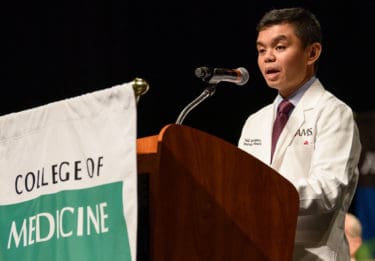
Masangkay at podium
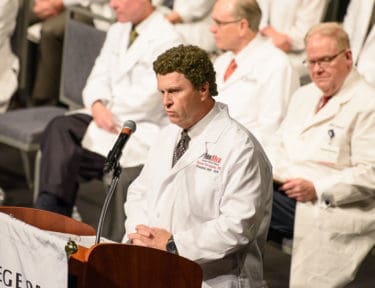
Neil Masangkay, M.D., assistant professor of neurology, gives the keynote address.

For the medical students, the white coat ceremony marks a transition to a new journey, said Neil Masangkay, M.D., assistant professor of neurology and director of the neurology medical clerkship.

“The journey that you are embarking on is a difficult one,” Masangkay said. “Your days will vacillate between moments of terror, sorrow and joy. How do you survive those highs and those lows? I think the most important principle is the simplest: Caring.”

Crowd shot in Robinson Auditorium
The ceremony was held at Robinson Auditorium.

Masangkay told the freshmen to be prepared to make sacrifices as physicians. Missed events, a lack of sleep, and disappointing friends and family with cancellations — it all comes with the job.

“You will get thanked for your work, but often in unexpected ways,” Masangkay said. “I know many physicians who receive food and thank you cards. The most recent gift I received from a patient was a box of Marvel super hero Band-Aids.”

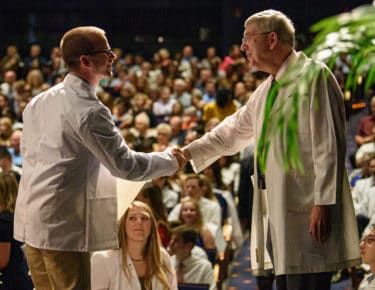
Dr. Wheeler shaking hands with student
Richard P. Wheeler, M.D., executive associate dean for academic affairs, congratulates students as they exit the stage.

Masangkay told the students to “grow your passion” rather than to simply follow it. To do this, he said, students must adopt a craftsman mindset to their work and dedicate themselves to the effort needed to master the art of medicine.

“To achieve mastery, you will have to learn to toil through long hours when you don’t want to review anatomy anymore, when you don’t want to practice that physical examination or surgical technique, when you would rather sit down and catch up on Netflix,” Masangkay said. “The ability to constantly push yourself to improve is perhaps the most important part of becoming a satisfied and passionate physician.”

Chancellor Patterson at mic
UAMS Chancellor Cam Patterson, M.D., MBA, encourages the students to be kind to each other and become an active part of Team UAMS.

Lastly, Masangkay urged the students to not lose sight of themselves during their journey to becoming physicians. Make sure to care for yourself, he said.

“Care for your family, care for yourself,” Masangkay said. “Although we serve an important calling in our professional lives, there is no calling more important than the one that we serve for our friends, our family and ourselves.”

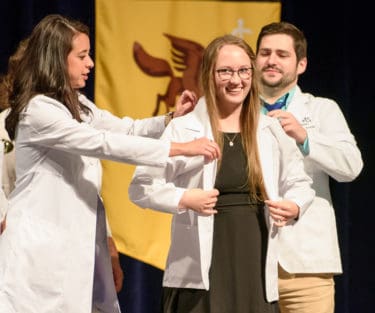
When it came time for the students to put on their coats, they first recited the medical student oath together, pledging to conduct themselves with integrity, compassion, collaboration and a commitment to medicine. They then crossed the stage one at a time. Each student was allowed to select special people to help them put on their white coats, or they were aided by representatives of their respective “houses” — smaller groups the students stay in throughout medical school for peer support and faculty guidance.

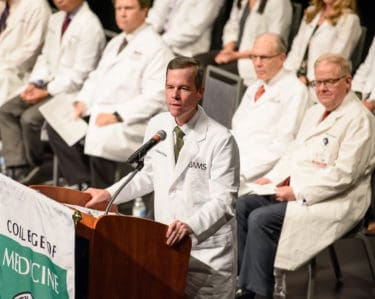
Dr. Westfall at mic
College of Medicine Dean Christopher T. Westfall, M.D., addresses the audience.

The students also heard from UAMS Chancellor Cam Patterson, M.D., MBA; College of Medicine Dean Christopher T. Westfall, M.D.; and Dennis Yelvington, M.D., president of the Arkansas Medical Society.

Patterson urged them to care for each other during their medical school journey and to act like team players during their four years as part of the wider UAMS community.

“This white coat will be a link that connects you to everyone in your class,” Patterson said. “You don’t understand it now, but you will create a bond together among some of the strongest of your lifetime.”

Dr. Yelvington at the mic
Dennis Yelvington, M.D., president of the Arkansas Medical Society.

Patterson encouraged the students to think about Edith Irby Jones, M.D., who in 1948 became the first African American to enroll in an all-white medical school in the South when she began her education at UAMS. She graduated from UAMS four years later and went on to have a distinguished career. Patterson asked the students to consider her bravery, but also how her classmates ideally would have treated her.

“Think about that level of respect, appreciation and encouragement that you hoped they gave Edith Irby Jones, and I want you to share that same level of respect, appreciation and encouragement with the people you will be working alongside at UAMS, 10,000-plus strong, over the next four years,” Patterson said.

Student adjusting white coat

Westfall told the students about his recent experience during the birth of his first grandchild.

“As you put on your white coat for the first time, and each time from now on, please remember what it stands for from the perspective of your patients and their families,” he said.

“Because of those things symbolized by the resident’s white coat — knowledge, trust and care — I relaxed,” he said. “I relaxed as a dad, a soon-to-be grandpa, and a very nervous incognito doctor and dean of the College of Medicine.”

Filed Under: News

  • «Previous Page
  • Page 1
  • Interim pages omitted …
  • Page 6
  • Page 7
  • Page 8
  • Page 9
  • Page 10
  • Interim pages omitted …
  • Page 39
  • Next Page»
UAMS College of Medicine LogoUAMS College of MedicineUniversity of Arkansas for Medical Sciences
Mailing Address: 4301 West Markham Street, Little Rock, AR 72205
Phone: (501) 296-1100
  • Facebook
  • X
  • Instagram
  • YouTube
  • LinkedIn
  • Pinterest
  • Disclaimer
  • Terms of Use
  • Privacy Statement
  • Legal Notices

© 2026 University of Arkansas for Medical Sciences