
Student Name: Grace Tidwell
Email: GETidwell@uams.edu
Description:
Pregnancy and childbirth place significant stress on the pelvic floor and increase the risk of urinary incontinence and pelvic organ prolapse. This literature review summarizes recent evidence evaluating the role of pelvic floor muscle training and physical activity in promoting postpartum recovery. Current evidence demonstrates that pelvic floor muscle training is an effective first-line intervention for reducing urinary incontinence while gradual return to physical activity improves recovery and quality of life. These findings support incorporating pelvic floor rehabilitation into routine prenatal and postpartum care.
Literature Review:
Title: Movement and Pelvic Floor Function: Promoting Postpartum Recovery and Preventing Incontinence
Introduction:
During pregnancy and childbirth, the pelvic floor is under significant stress, which can lead to pelvic floor dysfunction. During the postpartum period, pelvic floor disorders are common conditions that can negatively affect recovery after pregnancy and have long-lasting effects on a women’s quality of life. Specifically, postpartum urinary incontinence is estimated to affect approximately one-third of women within the first year after delivery. Additionally, the risk of pelvic organ prolapse has been reported to range from 20% to 65% during the first postpartum year. These disorders not only affect quality of life but can also interfere with sexual function, mental health, and participation in physical activity. Therefore, identifying strategies that promote pelvic floor recovery during the postpartum period is an important component of postpartum care (Beamish et al., 2025).
Pelvic Floor Muscle Training:
Pelvic floor muscle training is considered first-line, non-invasive intervention for preventing postpartum urinary incontinence. The goal of pelvic floor muscle training is to strengthen the muscles responsible for supporting the bladder and maintaining continence (Abdelmahmoud et al., 2025). Similarly, another study found improved pelvic floor muscle strength and reduced urinary incontinence in first-time mothers who participated in pelvic floor muscle training. This evidence further supports the role of pelvic floor muscle training in postpartum rehabilitation (Ibáñez-Vera et al., 2025). Women who participated in pelvic floor muscle training during the first year after childbirth had a 37% lower risk of urinary incontinence compared with women who did not participate in pelvic floor muscle training. Additionally, these women were 56% less likely to experience pelvic organ prolapse. These findings suggest that education about pelvic floor muscle training should become a standard part of postpartum recovery and patient education (Beamish et al., 2025).
Movement Beyond Pelvic Floor Muscle Training:
Exercise beyond pelvic floor muscle training also appears to support postpartum recovery. A gradual return to physical activity, including exercises that strengthen the core, may enhance recovery and improve quality of life. When combined with pelvic floor muscle training, regular movement may provide additional benefits for postpartum women (Beamish et al., 2025). Additionally, individualized exercise programs that take into account a women’s symptoms, recovery progress, and physical ability may improve overall outcomes (Abdelmahmoud et al., 2025). Low-impact activities such as walking, gentle core strengthening, and flexibility exercise can help women safely return to physical activity while also supporting the healing process. In addition to improving pelvic floor function, regular physical activity may also improve confidence, overall well-being, and mental health during the postpartum period (Ibáñez-Vera et al., 2025).
Strategies:
Pelvic floor muscle training has been shown to reduce the risk of postpartum pelvic floor disorders and should be considered an important part of postpartum care. Providing education during pregnancy about pelvic floor health and postpartum recovery may encourage women to begin pelvic floor muscle training and continue these exercises throughout recovery (Beamish et al., 2025). Recent evidence also suggests that starting pelvic floor muscle training during pregnancy can reduce symptoms of urinary incontinence during late pregnancy, with benefits extending into the postpartum period. These findings support introducing pelvic floor education and muscle training before delivery rather than waiting until symptoms develop (Zhang et al., 2025). Women who are at higher risk for postpartum urinary incontinence should be identified early so that pelvic floor muscle training can begin before symptoms become more severe. Although pelvic floor muscle training may begin during pregnancy or after delivery, consistent participation appears to be more important than the exact timing of initiation for reducing postpartum urinary incontinence (Wang et al., 2026). Proper education and instruction on exercise technique may improve outcomes and encourage women to remain engaged in their recovery. One of the greatest barriers to successful pelvic floor muscle training is poor adherence, highlighting the importance of continued patient support and education throughout the postpartum period (Abdelmahmoud et al., 2025). Women who continue to have symptoms despite home pelvic floor muscle training may benefit from referral to a pelvic floor physical therapist for individualized assessment and treatment (Ibáñez-Vera et al., 2025). Together, these findings support the long-term benefits of pelvic floor muscle training by improving pelvic floor strength and reducing urinary incontinence. Therefore, incorporating pelvic floor muscle training and gradual physical activity into routine postpartum care is essential. Early education, individualized exercise programs, and continued patient support may improve recovery while reducing the long-term burden of pelvic floor disorders.
Citations:
Abbashar Abdelmahmoud EM, Elawad Ahmed NF, Yousif Idris SM, Chaar R, Ali Abdelsalam AM, Belal Mohammed RE. Effectiveness of Pelvic Floor Muscle Training in Preventing Urinary Incontinence After Vaginal Delivery: A Systematic Review. Cureus. 2025 Jul 16;17(7):e88059. doi: 10.7759/cureus.88059. PMID: 40821185; PMCID: PMC12355624.
Beamish NF, Davenport MH, Ali MU, Gervais MJ, Sjwed TN, Bains G, Sivak A, Deering RE, Ruchat SM. Impact of postpartum exercise on pelvic floor disorders and diastasis recti abdominis: a systematic review and meta-analysis. Br J Sports Med. 2025 Mar 31;59(8):562-575. doi: 10.1136/bjsports-2024-108619. PMID: 39694630; PMCID: PMC12013572.
Ibáñez-Vera AJ, Cano-Castilla M, Carazo-Carrascosa V, Díaz-Mohedo E. Effectiveness of Pelvic Floor Muscle Strength Training to Prevent and Treat Urinary Incontinence in Postpartum Primiparous Women: A Systematic Review. J Obstet Gynaecol Can. 2025 Sep;47(9):103023. doi: 10.1016/j.jogc.2025.103023. Epub 2025 Jul 2. PMID: 40614963.
Wang Y, Zhuo Y, Yan H, Zhao R. How important is the timing and duration of pelvic floor muscle training for preventing postpartum urinary incontinence? a meta-analysis. Int Urol Nephrol. 2026 Jan;58(1):147-159. doi: 10.1007/s11255-025-04640-w. Epub 2025 Jul 8. PMID: 40627306; PMCID: PMC12783279.
Zhang D, Sánchez-Polán M, Silva-Jose C, Díaz-Blanco Á, Brik M, Arias AM, Hernando P, Barakat R. Prenatal Exercise Decreases Urinary Incontinence in Late Pregnancy and 3 Months Postpartum: A Randomized Controlled Trial. Med Sci Sports Exerc. 2025 Mar 1;57(3):555-562. doi: 10.1249/MSS.0000000000003597. Epub 2024 Nov 18. PMID: 39809234.
Poster Text Version:
Grace E. Tidwell, B.S.
University of Arkansas for Medical Sciences, Little Rock, AR
Poster Text Version
Pregnancy and childbirth place significant stress on the pelvic floor and increase the risk of urinary incontinence and pelvic organ prolapse. This literature review summarizes recent evidence evaluating the role of pelvic floor muscle training (PFMT) and physical activity in promoting postpartum recovery. Current evidence demonstrates that PFMT is an effective first-line intervention for reducing urinary incontinence, while gradual return to physical activity improves recovery and quality of life. These findings support incorporating pelvic floor rehabilitation into routine prenatal and postpartum care.
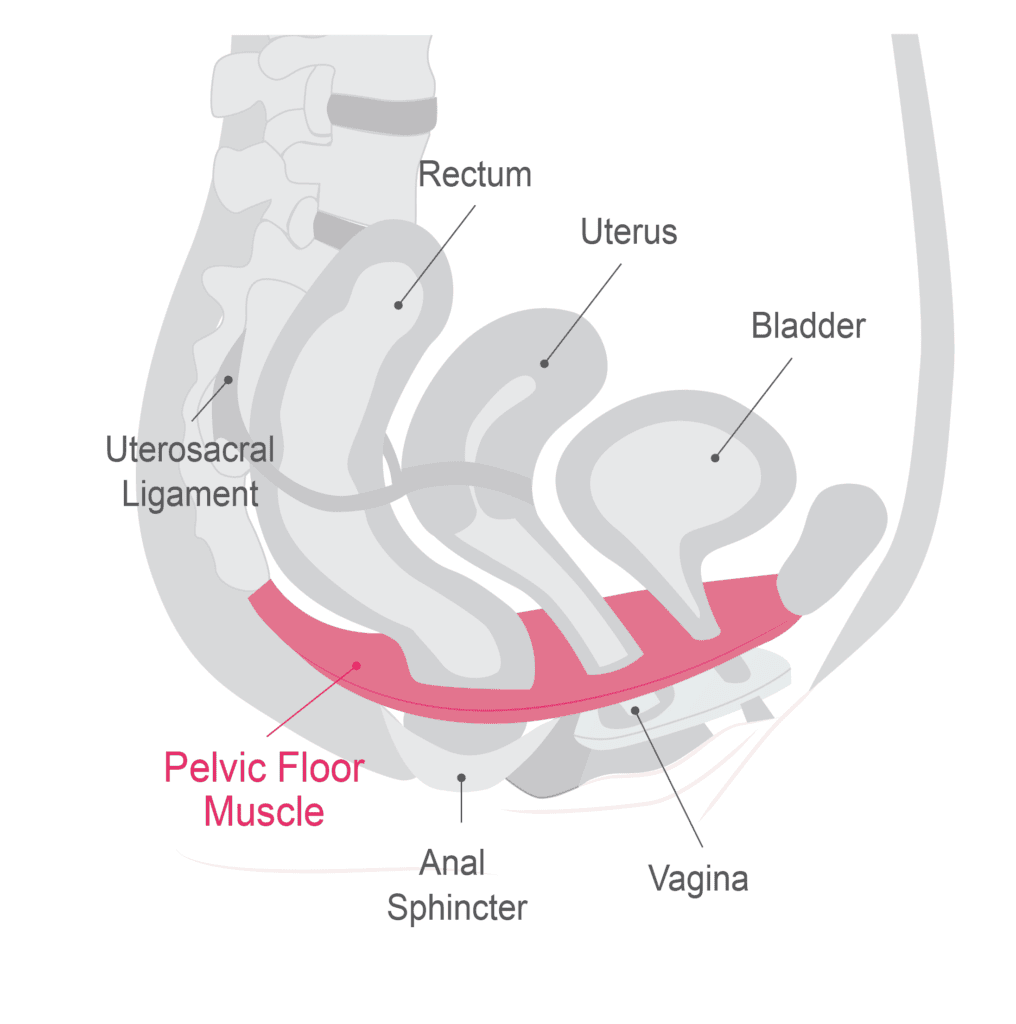
Pelvic Floor Muscle Training
- First-line conservative treatment
- Improves pelvic floor muscle strength
- Reduces urinary incontinence by 37%
- Reduces pelvic organ prolapse by 56%
| Condition | Risk reduction |
|---|---|
| Urinary incontinence | 37% |
| Pelvic organ prolapse | 56% |
Methods
A structured review of recent peer-reviewed literature was conducted using PubMed. Five articles published in 2025 and 2026 were selected based on their relevance to postpartum pelvic floor dysfunction, pelvic floor muscle training, postpartum exercise, and urinary incontinence. The studies were analyzed for themes related to intervention timing, exercise adherence, pelvic floor strength, urinary continence, and clinical recommendations to identify evidence-based strategies for promoting postpartum recovery.
Clinical Findings
- Prenatal PFMT provides postpartum benefits.
- Consistency is more important than exact timing.
- Education improves adherence.
- Early intervention leads to better outcomes.
- Referral to pelvic floor physical therapy when symptoms persist.
Movement Beyond PFMT
Activities:
- Walking
- Core strengthening
- Flexibility exercises
Benefits:
- Improves recovery
- Improves confidence
- Improves quality of life
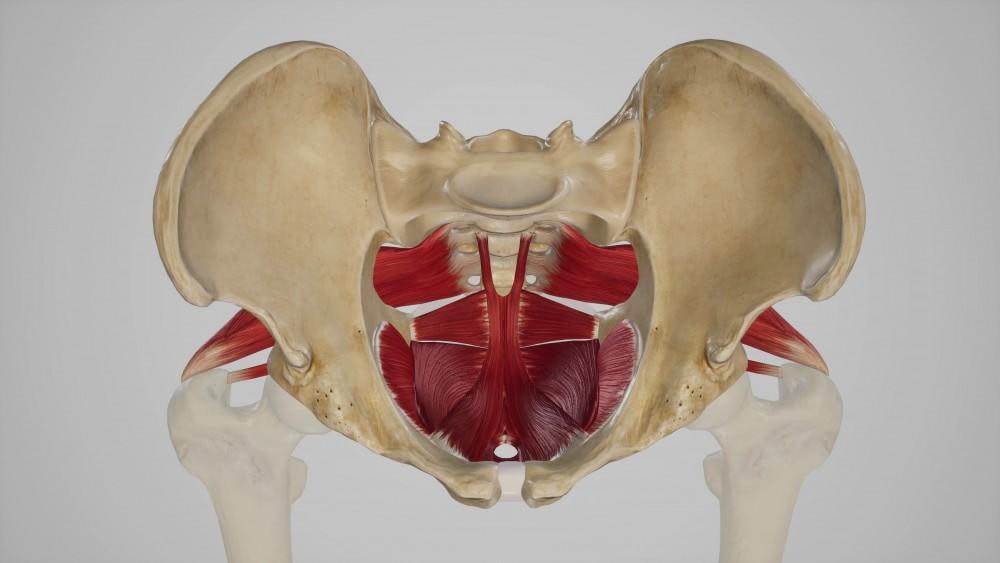
Conclusion
Pelvic floor muscle training and regular physical activity are safe, effective interventions that promote postpartum recovery and reduce the risk of urinary incontinence. Current evidence supports incorporating early pelvic floor education, consistent exercise, and individualized rehabilitation into routine prenatal and postpartum care. Improving patient education and long-term adherence to pelvic floor muscle training may strengthen pelvic floor function, enhance quality of life, and reduce the long-term burden of postpartum pelvic floor disorders.